
Department of Pharmaceutics, Sanjo College of Pharmaceutical Studies, Vellapara, Chithali P.O, Kuzhalmannam, Palakkad-678702, Kerala, India
Acne vulgaris is a widespread inflammatory disorder of the pilosebaceous unit that predominantly affects adolescents and young adults, frequently leading to post-acne scarring and psychological discomfort. While several synthetic therapies are available for acne management, prolonged use may be associated with unwanted side effects and reduced patient compliance, which has increased interest in herbal-based topical treatments. The present work focused on the formulation and evaluation of a herbal roll-on intended for acne and acne-scar management. Aloe vera and Cucumber extracts were chosen as active components due to their antibacterial, soothing, and skin-restorative properties. Three roll-on formulations were prepared using different extract ratios F1 (1 mL:1 mL), F2 (1 mL:2 mL), and F3 (1 mL:1 mL) along with appropriate excipients such as a gelling agent, humectant, and preservative to ensure formulation stability and ease of application. Although three formulations were developed, six test concentrations were obtained for antimicrobial evaluation by diluting 100 µL of each formulation with distilled water. The prepared roll-ons were evaluated for physical and physicochemical properties including appearance, homogeneity, pH, viscosity, and spreadability, with the pH maintained within a skin-compatible range. Antibacterial activity was assessed using the agar well diffusion method against Staphylococcus aureus, a bacterium commonly implicated in acne lesions. The results demonstrated that formulations F1 and F2 exhibited superior clarity, optimal viscosity, and better spreadability compared to F3, and produced inhibition zones of approximately 27 mm, which were comparable to the standard inhibition zone of 33 mm. The roll-on dosage form additionally offers advantages such as localized application, reduced wastage, and improved user compliance. Overall, the findings indicate that the optimized herbal roll-on formulation, particularly F1 and F2, shows considerable potential as a safe and effective topical option for acne and acne-scar management, warranting further in vivo and clinical evaluation to confirm long-term efficacy and safety
Acne is the most prevalent skin condition among various dermatological issues. Nearly everyone experiences acne-prone skin at some point, particularly during adolescence. While acne is not a life-threatening condition, it often affects a person's appearance, leading to reduced self-confidence and negatively impacting daily life [1]. The development of acne involves several key mechanisms, including increased sebum production, excessive keratinization of hair follicles, bacterial growth, and inflammation. Acne is characterized by heightened responsiveness of sebocytes and follicular keratinocytes to androgens, which leads to enlargement of the sebaceous glands and increased sebum secretion [2,3]. The pathogenesis of acne vulgaris is strongly associated with the proliferation of certain microorganisms, including Cutibacterium acnes (previously known as Propionibacterium acnes), Staphylococcus aureus, and Staphylococcus epidermidis. When these microorganisms multiply excessively, they contribute to inflammation and acne formation [4].
Acne scars are long-lasting changes in the skin’s texture that occur after serious acne breakouts have healed. These scars result from disruptions in the natural healing process, often caused by inflammation, loss of skin tissue, or the overproduction of collagen [5,6]. They can appear in various forms, including depressed scars like ice pick, boxcar, and rolling scars, as well as raised scars such as hypertrophic and keloid types. Several factors can influence how severe or noticeable these scars become, including genetic predisposition, delayed treatment of acne, and frequent touching or squeezing of acne spots [7, 8]. It occurs when the skin responds to inflammation from acne lesions. During the healing process, the skin works to repair the damaged area by managing collagen levels [9]. If the skin loses too much collagen due to tissue damage, it results in depressed scars called atrophic scars. However, if the body produces an excess amount of collagen while healing, it leads to raised scars known as hypertrophic scars or keloids [10, 11].
Herbal-based formulations are increasingly popular for treating various skin issues, including acne, acne scars, because they contain natural compounds that reduce inflammation, combat oxidative stress, and stimulate collagen production [12]. Ingredients like aloe vera, which soothes and aids skin healing; cucumber, known for its moisturizing and cooling effects; turmeric, valued for its strong anti-inflammatory and antibacterial properties; and tea tree oil, famous for its antimicrobial and acne-reducing qualities, are commonly incorporated in these remedies [13, 14]. Moreover, herbal treatments are often favoured as they tend to cause fewer side effects and are gentler on the skin than many synthetic alternatives, offering a safer and more natural approach for ongoing skin care [15].
1.11 ROLL-ON
Roll-ons are frequently utilized as applicators for treating acne and acne scars, enabling the direct application of liquid or semi-liquid formulations to specific skin areas. It features a small container with a rotating ball at the opening that glides over the skin, enabling controlled and easy application without touching the product with fingers. Moreover, they allow for precise, mess-free application, reducing product wastage. The rolling ball design ensures accurate and sanitary application, allowing active ingredients like antibacterial, anti-inflammatory, and skin-repairing agents to be spread evenly.
WHY WE DEVELOP THIS PRODUCT?
Although there are many traditional topical acne treatments available as gels, ointments, or creams, roll-on formulations offer a modern and user-friendly alternative that not only targets acne but also improves patient convenience and comfort. Roll-on acne treatments have several advantages, including:
1.2 AIM AND OBJECTIVES
Aim:
To design and evaluate herbal-based roll-on formulation for effective management of acne and acne scars, ensuring enhanced therapeutic efficacy, patient comfort, and safety.
Objectives:
Plan of Work:
1.3 PLANT PROFILE
Table: 1 Plant profile of aloe vera
|
Kingdom |
Plantae |
|
Phylum |
Tracheophyta |
|
Class |
Liliopsida |
|
Order |
Asparagales |
|
Family |
Liliaceae/ Asphodelaceae |
|
Genus |
Aloe |
|
Species |
vera |
Aloe vera (Aloe barbadensis Miller) belongs to the family Asphodelaceae and is a succulent species distinguished by its thick, fleshy leaves filled with a transparent, soothing gel. This gel has long been valued in traditional systems of medicine as well as in modern therapeutics for its moisturizing, anti-inflammatory, and wound-healing effects. Commonly referred to as “Aloe,” “Burn plant,” or “Medicine plant,” Aloe vera holds an important place in skincare and health-related products across the globe. In India, it is widely known as “Ghritkumari,” whereas in English-speaking regions it is also called the “Lily of the Desert.” [17, 18].
Description:
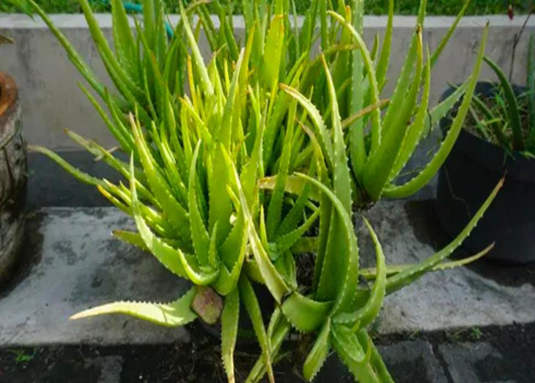
Fig:1 Aloe Vera Plant
Originally found in the Arabian Peninsula, Aloe vera is now extensively grown in dry and semi-dry regions across Africa, India, Mexico, and the Mediterranean, where it thrives in warm climates with sandy, well-drained soil [19]. This plant is highly regarded for a variety of biological effects, such as hydrating the skin, reducing inflammation, acting as an antioxidant, fighting microbes, promoting wound healing, and modulating the immune system, which has cemented its role in both traditional healing practices and modern healthcare [20, 21]. The healing qualities of Aloe vera are due to its diverse chemical makeup, including key components like polysaccharides, vitamins A, C, and E, essential minerals like calcium and magnesium, enzymes, amino acids, anthraquinones, and phenolic substances [22]. In terms of structure, Aloe vera features thick, succulent, lance-shaped leaves arranged in a rosette pattern with serrated margins, filled with a clear, jelly-like substance; it blooms with tall flower stalks that bear tubular yellow blossoms [23,24]. From an economic perspective, Aloe vera is a valuable crop widely utilized in the cosmetic, pharmaceutical, food, and beverage sectors worldwide, with products ranging from skincare and wound care to digestive aids, driven by increasing consumer preference for natural and plant-derived ingredients [25, 26].
Table: 2 Plant profile of cucumber
|
Kingdom |
Plantae |
|
Phylum |
Magnoliophyta |
|
Class |
Magnoliopsida |
|
Order |
Cucurbitales |
|
Family |
Cucurbitaceae |
|
Genus |
Cucumis |
|
Species |
sativus |
Cucumber (Cucumis sativus), a member of the Cucurbitaceae family, is a commonly grown vine recognized for its refreshing, water-rich fruit. Packed with essential vitamins, minerals, and antioxidants, cucumber is valued not only as a nutritious food but also for its calming and hydrating effects on the skin [27]. It is often applied in skincare to help soothe inflammation and irritation. Known simply as “cucumber” in many regions, it is called “Kheera” in India and is widely used in both cooking and cosmetic products in various English-speaking countries [28].
Description:
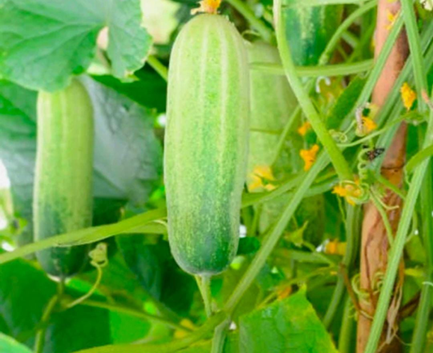
Fig: 2 Cucumber Plant
Native originally to South Asia, cucumber is now extensively grown in both temperate and tropical areas around the world, including regions like India, China, the Mediterranean, and the Americas [29]. The plant grows as a creeping or climbing vine featuring tendrils, large heart-shaped leaves, and yellow flowers. It produces elongated, green fruits that have a crisp, juicy flesh and are often covered with small spines [30, 31]. Cucumber is valued for a wide range of biological activities, including antioxidant, anti-inflammatory, antimicrobial, and hydrating properties. These characteristics support its use in traditional medicinal practices and in modern cosmetic formulations designed to soothe irritated skin and alleviate inflammation. The fruit contains numerous bioactive compounds, such as flavonoids, lignans, cucurbitacins, vitamins C and K, essential minerals, and natural antioxidants, which together account for its therapeutic and skin-benefiting effects [33]. From an economic perspective, cucumber is a significant crop commonly used in food preparations like salads, pickles, and drinks, and it also holds importance in the cosmetics and pharmaceutical sectors due to its hydrating and soothing qualities, with its popularity rising alongside the demand for natural skincare solutions [34].
2.1 MATERIALS AND METHODS
2.11 CHEMICALS USED:
The chemicals utilized were of pharmaceutical grade or the highest quality laboratory reagents.
Table: 3 Chemicals used
|
SI NO |
INGREDIENTS |
BRAND NAME |
|
1 |
Carbomer 940 |
Isochem Laboratories |
|
2 |
Sodium Ascorbyl Phosphate |
Chemind Chemicals |
|
3 |
Ethylenediamine Tetra-aceticacid |
Chemind Chemicals |
|
4 |
Triethanolamine |
Chemind Chemicals |
|
5 |
Glycerine |
Medilines Chemicals |
|
6 |
Propylene Glycol |
Nice Chemicals |
2.12 EQUIPMENTS AND INSTRUMENTS USED:
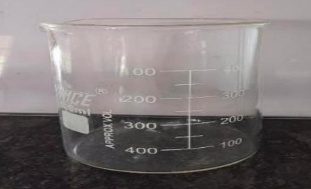
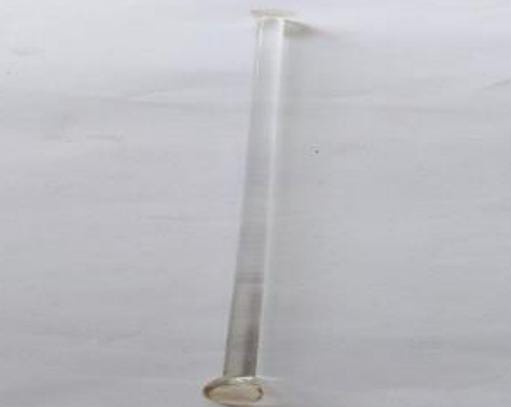
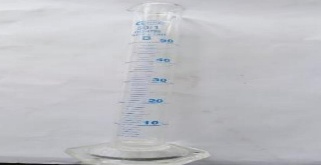
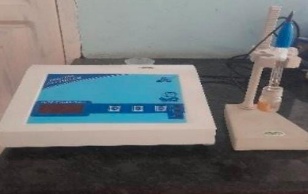
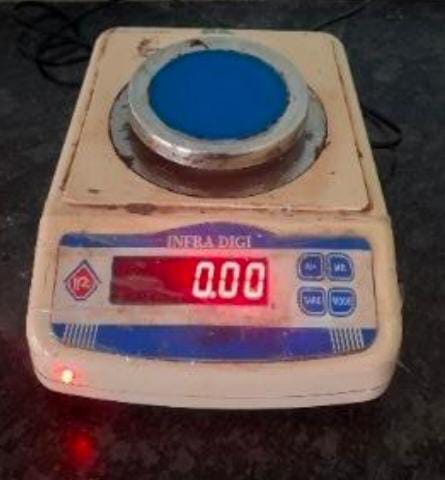
Table: 4 Equipment & Instruments used
|
SI NO |
TITLE |
FIGURE |
|
1 |
BEAKER
|
|
|
2 |
GLASS ROD |
|
|
3 |
MEASURING CYLINDER |
|
|
4 |
PH METER |
|
|
5 |
VISCOMETER |

|
|
6 |
ANALYTICAL BALANCE |
|
2.13 METHOD OF EXTRACTION:
EXTRACTION OF ALOE VERA:
Aloe vera extraction through alcoholic maceration involves collecting the inner gel from clean, fresh leaves and mixing it with 70–95% ethanol in an appropriate ratio to allow efficient solvent action. The mixture is sealed and left at room temperature for several days, with occasional shaking to enhance the release of active components such as phenolics, flavonoids, antioxidants, and polysaccharides. After the maceration period, the solution is filtered to obtain the clear extract, which can be gently concentrated if required. This method yields a stable, bioactive-rich aloe vera extract suitable for cosmetic and herbal applications [35, 36].
EXTRACTION OF CUCUMBER:
Cucumber extraction using boiling-assisted maceration begins by cutting the cucumber into small pieces and heating it with water for 10–20 minutes to help release its active, water-soluble constituents. Once the mixture is boiled, it is allowed to cool naturally and then kept covered to prevent contamination. The cooled preparation is left undisturbed for a period of 7 days, allowing prolonged maceration, which improves the diffusion of beneficial compounds such as phenolics, flavonoids, vitamins, and minerals into the solvent. During this time, occasional gentle shaking can further support efficient extraction. After the 7-day period, the mixture is filtered to separate the clear extract from the plant residue, and the filtrate may be concentrated at low temperature if a thicker or stronger extract is required. This combined technique produces a stable and nutrient-rich cucumber extract suitable for use in cosmetic formulations and various herbal applications [37,38,39].
2.14 CHEMICAL EVALUVATION:
Phytochemical screening of aloe vera
Table: 5 Phytochemical screening of aloe vera
|
EXPERIMENT |
OBSERVATION |
INFERENCE |
|
Test for carbohydrates: Molisch Test A small quantity of Molisch reagent is added to 1 mL of Conc. H2SO4 to the extract. |
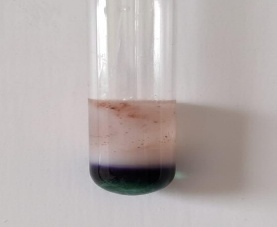
Fig: 9 Molisch test |
Presence of Carbohydrates. |
|
Test for Phenolic compounds: Lead acetate Test: Measure 1 mL of the extract and add a few drops of lead acetate solution to it. |
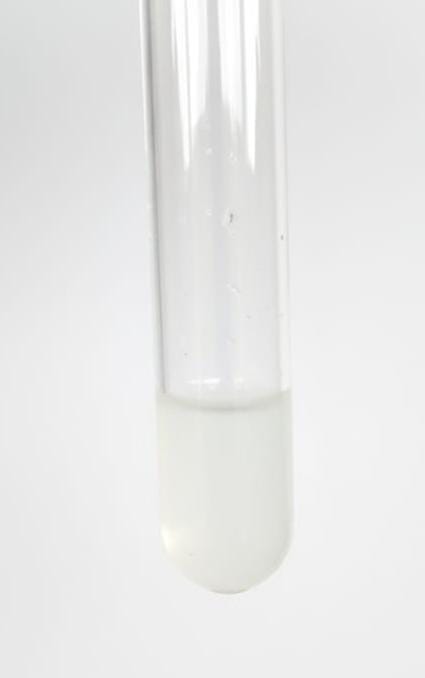
Fig: 10 Lead acetate test |
Presence of Phenolic Compounds |
|
Test for saponins: Foam Test: Take 1 mL of the extract, add a small volume of distilled water, and mix thoroughly by shaking.
|
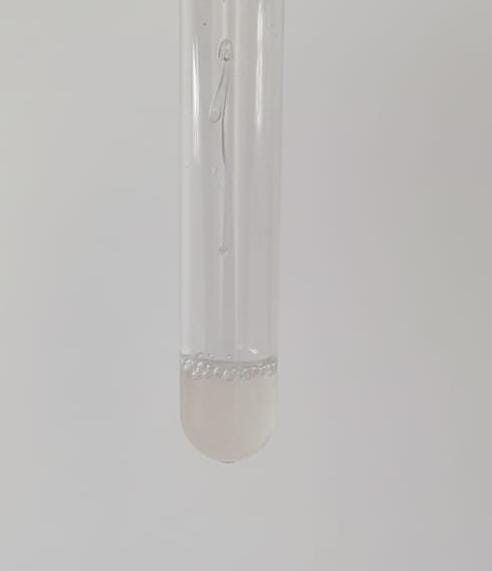
Fig: 11 Foam test |
Presence of Saponins. |
|
Test for Triterpenoids: Salkowski’s Test: Take 1ml of extract with ethanol and add 1ml of conc. H2SO4. |
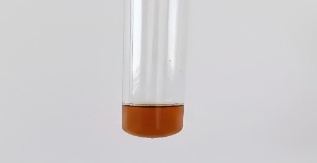
Fig: 12 Salkowski’s test |
Presence of Triterpenoids. |
Phytochemical screening of cucumber
Table: 6 Phytochemical screening of Cucumber
|
EXPERIMENT |
OBSERVATION |
INFERENCE |
|
Test for carbohydrates: Molisch Test A few drops of Molisch reagent are carefully added to 1 mL of Conc. H2SO4 to the extract.
|
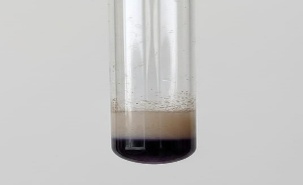
Fig: 13 Molisch test |
Presence of Carbohydrates. |
|
Test for flavonoids: Shinoda Test: Solution was treated with Mg turnings and concentrated with HCL was added dropwise.
|
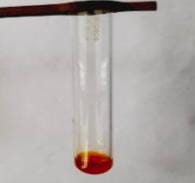
Fig: 14 Shinoda test |
Presence of Flavonoids. |
|
Test for saponins: Foam Test: Take 1 mL of the extract, add several milliliters of distilled water, and shake thoroughly to ensure proper mixing. |
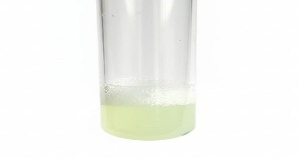
Fig: 15 Foam test |
Presence of Saponins. |
|
Test for Triterpenoids: Salkowski’s Test: Take 1ml of extract with ethanol and add 1ml of conc. H2SO4. |
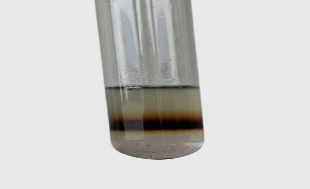
Fig: 16 Salkowski’s test |
Presence of Triterpenoids. |
|
Test for alkaloids: Dragendroff’s Test: Add a few drops of Dragendorff’s reagent to 1 mL of the extract. |
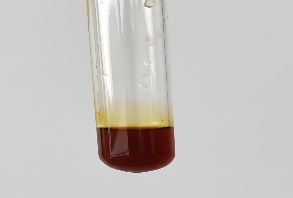
Fig: 17 Dragendroff’s test |
Presence of Alkaloids [40,41,42]. |
2.151 FORMULATION OF ROLL ON:
The roll-on formulation is enriched with aloe vera and cucumber extracts as the main herbal actives, supported by vitamins and other beneficial agents. A base of water or hydrogel provides stability and ease of application. Glycerine and similar moisturizers help maintain skin hydration, while Carbopol are used to obtain a smooth, spreadable consistency. To ensure safety and longer shelf life, preservatives are incorporated to protect against microbial growth.
Table: 7 Formulation Table
|
SI NO |
INGREDIENTS |
F1 |
F2 |
F3 |
|
1 |
Aloe Vera Extract |
1ml |
1ml |
1ml |
|
2 |
Cucumber Extract |
1ml |
2ml |
1ml |
|
3 |
Carbopol 940 |
0.17g |
0.18g |
0.10g |
|
4 |
Propylene Glycol |
1.15ml |
1.15ml |
1.15ml |
|
5 |
Sodium Ascorbyl Phosphate |
3.1g |
3.1g |
2.1g |
|
6 |
EDTA |
0.0125g |
0.0126g |
0.0126g |
|
7 |
Triethanolamine |
0.10g |
0.12g |
0.13g |
|
8 |
Methyl Paraben |
0.35g |
0.20g |
0.46g |
|
9 |
Glycerine |
1ml |
1ml |
1ml |
|
10 |
Distilled Water |
Qs to 25ml |
Qs to 25ml |
Qs to 25ml |
2.152 PROCEDURE:
2.153 EVALUVATION OF ROLL ON:
Evaluation of a roll-on formulation is essential to verify its quality, safety, and performance. This involves examining its physical appearance, pH, viscosity, spreadability, stability, and consistency of active ingredients. Overall, these assessments ensure the product is effective, safe, and reliable for use.
It involves the visual examination of the formulation’s colour, consistency, odour, appearance, which are reported.
pH was measured at room temperature using a pre-calibrated digital pH meter to ensure the formulation is compatible with the skin’s natural pH (4.5-6.5), thereby preventing irritation [46].
The viscosity of the optimized formulation was measured with a Brookfield digital viscometer to evaluate its consistency, a factor that affects both spreadability and ease of application [47].
Spreadability of the formulation was evaluated by placing a fixed amount between two glass slides, applying weight for uniform compression, then measuring the time taken for the upper slide to move a set distance under a specified load, and calculating spreadability using the formula:
S = M × L
T
Were, M= Weight tied to the upper slide
L= Length
T= Time Taken [48].
The antibacterial activity of the roll-on formulation containing Aloe vera and cucumber extracts was evaluated by the agar well diffusion method. The prepared topical roll-ons were subsequently tested for antimicrobial effectiveness against Staphylococcus aureus and Escherichia coli using this standard diffusion assay.
Microbial Organisms: In the present investigation, one Gram-positive organism (Staphylococcus aureus) and one Gram-negative organism (Escherichia coli) were chosen as the test microorganisms. Before experimentation, the bacterial cultures were preserved and propagated in nutrient broth.
Medium: Muller-Hinton agar
Method: Agar well diffusion method
Standard: Neomycin
Procedure of Agar well diffusion method:
The bacterial strains, S. aureus and E. coli, were evenly spread across the surface of Muller–Hinton agar plates using a sterile swab. Wells measuring about 6–8 mm in diameter were then created on the agar, and each well was filled with the roll-on formulation containing Aloe vera and Cucumber extracts in 1:1 and 1:2 concentrations, while one well received a drop of neomycin as the standard control. The prepared plates were allowed to stand inside the laminar airflow cabinet for 30 minutes to facilitate proper diffusion of the samples, followed by incubation for 24 hours. After incubation, the diameter of the inhibition zones was measured and compared with the standard [49,50].
2.21 RESULT OF PHYTOCHEMICAL SCREENING
PHYTOCHEMICALS PRESENT IN ALOE VERA ECTRACT:
Table: 8 Phytochemical present in Aloe vera
|
CHEMICAL TEST |
ETHANOLIC EXTRACT |
|
Test for Carbohydrates:
|
Positive |
|
Test for Phenolic compounds:
|
Positive |
|
Test for saponins:
|
Positive |
|
Test for Triterpenoids:
|
Positive |
|
Test for Glycosides:
|
Negative |
|
Test for Alkaloids:
|
Negative |
PHYTOCHEMICALS PRESENT IN CUCUMBER ECTRACT:
Table: 9 Phytochemical present in Cucumber
|
CHEMICAL TEST |
ETHANOLIC EXTRACT |
|
Test for carbohydrates:
|
Positive |
|
Test for flavonoids:
|
Positive |
|
Test for saponins:
|
Positive |
|
Test for Triterpenoids:
|
Positive |
|
Test for alkaloids:
|
Positive |
|
Test for Glycosides:
|
Negative |
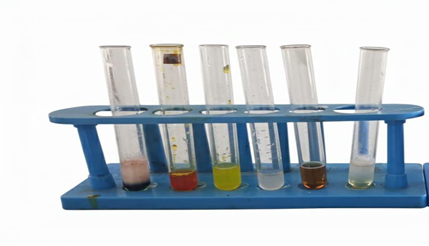
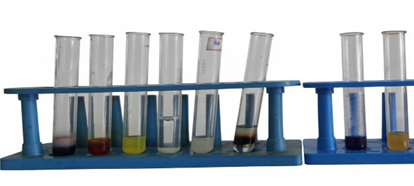
Fig: 18 Phytochemical screening test Fig: 19 Phytochemical screening test
of Aloe vera of Cucumber
2.22 PHYSICAL APPEARANCE:
The samples marked F1, F2, and F3 display a clear to mildly cloudy, gel-like appearance. Of the three, F1 and F2 exhibit greater clarity and a more consistent texture, whereas F3 appears slightly less transparent.
Table: 10 Physical appearance
|
FORMULATION
|
COLOUR |
CONSISTENCY |
APPEARANCE |
ODOUR |
|
F1 |
Transparent to slightly translucent. |
Gel like solution |
Semi transparent |
Characteristic odour |
|
F2 |
Transparent to slightly translucent. |
Gel like solution |
Semi transparent |
Characteristic odour |
|
F3 |
Transparent to slightly translucent. |
Gel like solution |
Semi transparent |
Characteristic odour |
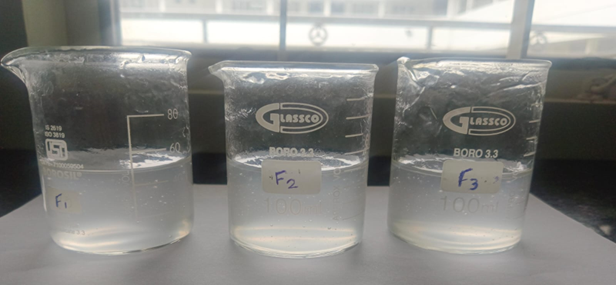
Fig: 20 Physical Appearance
2.23 DETERMINATION OF pH:
The pH of roll-on formulations F1, F2, F3 was in accordance with skin pH 4.5- 6.5.
Table: 11 pH of different formulations
|
F1 |
F2 |
F3 |
|
5.55 |
5.24 |
4.63 |
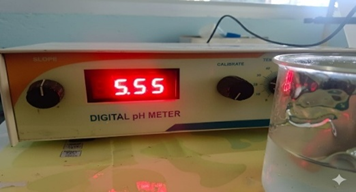
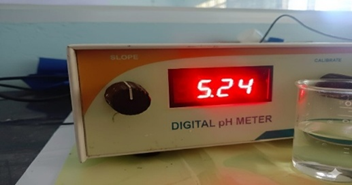
Fig: 21 pH of F1 Fig: 22 pH of F2
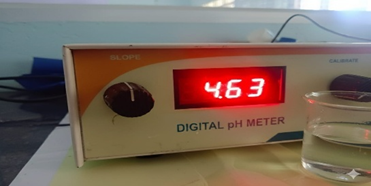
Fig: 23 pH of F3
2.24 DETERMINATION OF VISCOSITY:
The viscosity of the prepared roll-on formulations was evaluated, and F1 and F2 showed more desirable consistency. Their viscosity level indicates that these formulations can spread easily and adhere well to the skin, making them suitable for topical application.
Table: 12 Viscosity of different formulations
|
F1 |
F2 |
F3 |
|
102.2 mPa.S |
101.7 mPa.S |
67.0 mPa.S |
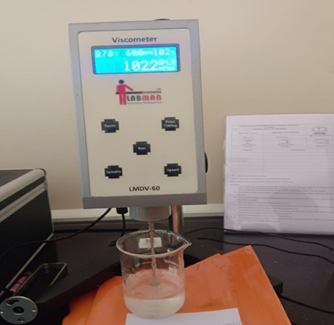
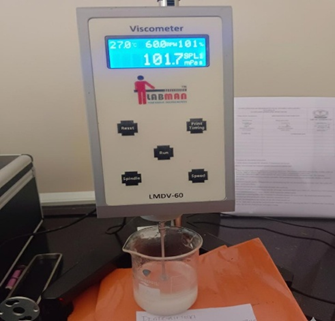
Fig: 24 Viscosity of F1 Fig: 25 Viscosity of F2
2.25 SPREADABILITY:
The spreadability of the various formulations is presented in the table. A higher spreadability coefficient indicates better ease of application on the skin. Among the formulations, F1 exhibited the highest spreadability at 33.3, followed by F2 with the second-highest value.
Table: 13 Spreadability of different formulations
|
F1 |
F2 |
F3 |
|
33.3 |
18.1 |
6.06 |
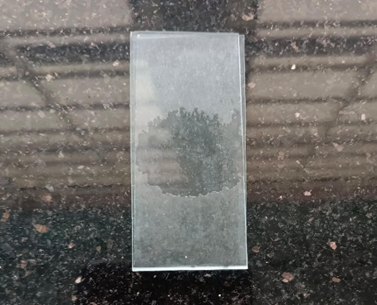
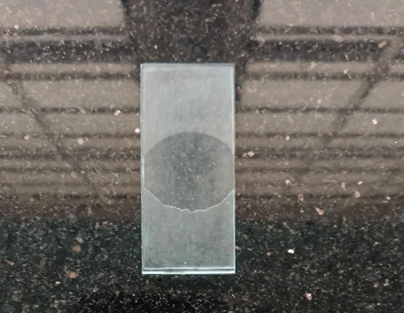
Fig: 26 Spreadability of F1 Fig: 27 Spreadability of F2
2.26 ANTIMICROBIAL STUDY:
The antibacterial effects of the herbal roll-on formulations on Staphylococcus aureus and E. coli are summarized in the table. This study did not assess the minimum inhibitory concentration (MIC) but evaluated the activity by measuring the inhibition zone diameters on Mueller-Hinton agar. Neomycin served as the standard reference. Both formulations, F1 and F2, showed significant antibacterial activity against the tested bacterial strains. The observed clear zones around the wells are attributed to the bioactive compounds in aloe vera and cucumber extracts, including flavonoids, alkaloids, saponins, triterpenoids, and tannins, which possess antibacterial properties.
Table: 14 Antimicrobial Activity
|
SI. NO |
FORMULATION |
NAME OF ORGANISM |
TIME OF INCUBATION |
ZONE OF INHIBITION (mm) |
||
|
STANDARD |
TEST |
|||||
|
1 |
F1 |
F1 H |
S. aureus |
24 hrs |
30 |
28 |
|
E. coli |
24 hrs |
29 |
22 |
|||
|
F1 L |
S. aureus |
24 hrs |
28 |
15 |
||
|
E. coli |
24 hrs |
25 |
23 |
|||
|
2 |
F2 |
F2 H |
S. aureus |
24 hrs |
33 |
27 |
|
E. coli |
24 hrs |
28 |
23 |
|||
|
F2 L |
S. aureus |
24 hrs |
27 |
24 |
||
|
E. coli |
24 hrs |
23 |
22 |
|||
|
3 |
F3 |
F3 H |
S. aureus |
24 hrs |
28 |
24 |
|
E. coli |
24 hrs |
23 |
20 |
|||
|
F3 L |
S. aureus |
24 hrs |
24 |
15 |
||
|
E. coli |
24 hrs |
20 |
13 |
|||
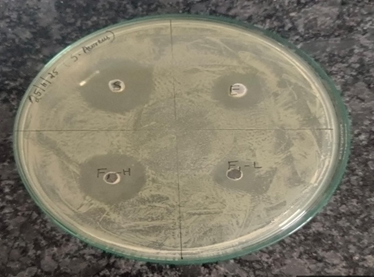
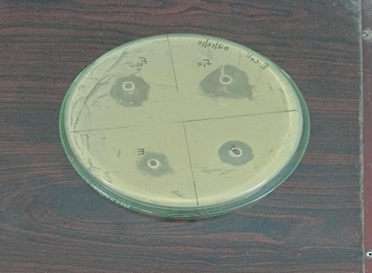
Fig: 28 F1 against S. aureus Fig: 29 F1 against E. coli
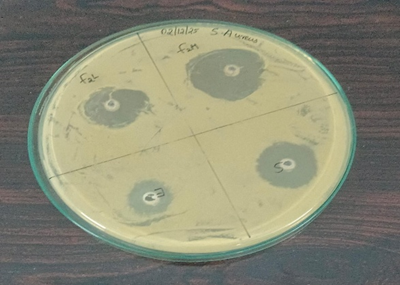
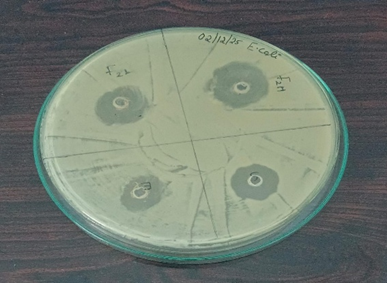
Fig: 30 F2 against S. aureus Fig: 31 F2 against E. coli
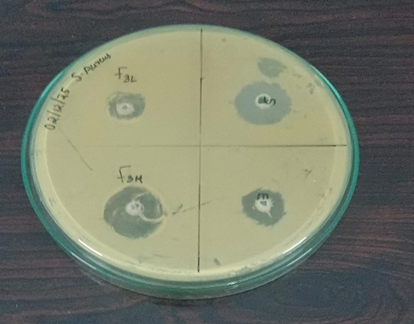
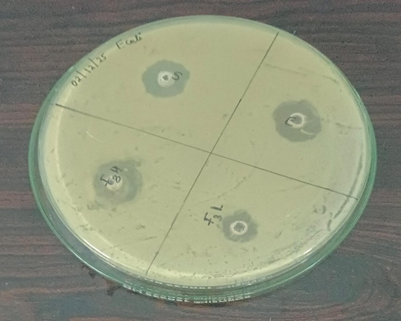
Fig: 32 F3 against S. aureus Fig: 33 F3against E. coli
In this work, herbal roll-on preparations formulated with Aloe vera and Cucumber extracts were developed and evaluated with a focus on their potential application in managing acne and acne-related scars. Three primary formulations F1 (1 mL:1 mL), F2 (1 mL:2 mL), and F3 (1 mL:1 mL) were prepared using suitable excipients, including a gelling agent, humectant, and preservative, to ensure appropriate texture and stability. Although only three formulations were created, six test concentrations were examined during antibacterial analysis by diluting 100 µL of each formulation with distilled water to obtain additional equivalent concentrations. Assessment of physicochemical properties revealed that F1 and F2 exhibited superior clarity, viscosity, and spreadability when compared to F3. Antimicrobial studies against Staphylococcus aureus showed that F1 and F2 produced inhibition zones of around 27 mm, approaching the reference standard zone of 33 mm, thus reflecting notable antibacterial potential. Overall, F1 and F2 were identified as the most promising formulations for topical use in acne and acne-scar care. However, further in vivo work is required to confirm their therapeutic effectiveness and skin compatibility.
REFERENCES

Jilsha G., Asiya Nessirin S., Aparna Jose, Mohammed Asif Palliyalil, Smrithika S., Thobias Thomas , Design And Evaluation of Herbal Roll-On for Topical Treatment, Int. J. of Pharm. Sci., 2026, Vol 4, Issue 4, 14-31, https://doi.org/10.5281/zenodo.19368641
 10.5281/zenodo.19368641
