
Department of Biotechnology, Anna university (ACT Campus), Chennai, Tamil Nadu.
Albendazole cures intestinal infections caused by intestinal worms and guaifenesin is used to treat cough, congestions in the chest. The main aim of the study is to develop a new oral vegan drugummy using natural plant-based hydrocolloids such as agar agar and Guargum substituting gelatin. This study highlights the potential of plant-based gummies in improving adherence to anthelmintic and expectorant therapies. Cold mixing method is employed to prepare the gel and to preserve the therapeutic properties of the drug. The cold-mixing method preserved the colloids functional properties while optimizing drug loading, flavor-masking agents, and texture. The formulation successfully masked bitterness, enhanced solubility, and provided desired drug release, offering a patient-friendly alternative to conventional dosage forms. Sensory assessments confirmed acceptability among target users. F3 of albendazole and R2 of guaifenesin were found to be the successful formulations. The project resulted in creating a high-quality drug incorporated gummy bear candy with improved stability, controlled release profiles, and enhanced acceptability - making them particularly valuable for pediatric and geriatric therapeutics.
Albendazole, classified as a benzimidazole derivative, functions as a broad-spectrum antiparasitic compound with the chemical name methyl [5-(propylthio)-1H-benzimidazol-2-yl] carbamate. It exhibits potent activity against a wide range of intestinal helminths and protozoans, including Ascaris lumbricoides (ascariasis), Enterobius vermicularis (pinworm infection), Ancylostoma duodenale and Necator americanus (hookworm infections), Trichuris trichiura (trichuriasis), Strongyloides stercoralis (strongyloidiasis), Taenia species (taeniasis), Clonorchis sinensis (clonorchiasis), Opisthorchis species (opisthorchiasis), Giardia lamblia (giardiasis), and Gnathostoma spinigerum (gnathostomiasis), as well as cutaneous larva migrans [1-4]. On the other hand, guaifenesin (glyceryl guaiacolate), an expectorant derived from guaiacol and glycerin, functions by reducing mucus viscosity in the respiratory tract, facilitating its expulsion and relieving chest congestion [1-4]. Conventional gummy bears, widely consumed across age groups for their soft and chewy texture, predominantly rely on gelatin—a collagen-derived animal protein—as their gelling agent, making them unsuitable for vegan consumers [5]. To address this limitation, the present study focuses on developing a plant-based "drugummy" formulation utilizing natural hydrocolloids such as agar agar (extracted from red algae) and guar gum (obtained from Cyamopsis tetragonoloba seeds). Agar agar undergoes thermoreversible gelation, imparting structural integrity and firmness, while guar gum acts as a viscosity modifier, enhancing chewiness, minimizing water separation (syneresis), and improving sensory attributes. The synergistic blending of multiple hydrocolloids—including pectin, carrageenan, starch, and gum arabic—can further refine texture and functional performance [6-8]. Critical parameters in vegan gummy formulation include optimizing gel strength, maintaining pH (typically 3-4) for drug stability, controlling water activity to prevent microbial growth, masking bitter drug flavors, ensuring compatibility between active ingredients and excipients, and achieving mechanical resilience for handling and storage. Citric acid is incorporated to provide a tangy flavor profile while acidifying the medium to enhance stability for pH-sensitive actives. Sucrose serves a dual role as a sweetener and humectant, reducing water activity to extend shelf life, while sodium benzoate acts as an antimicrobial preservative. This plant-based matrix is particularly suitable for hydrophilic drugs like guaifenesin, whereas lipophilic compounds such as albendazole may require micronization or solubilization techniques (e.g., solid dispersion) to ensure homogeneous distribution [9-11]. By modulating the gel’s rheological properties and the drug’s physicochemical characteristics, the release profile can be tailored for either immediate or sustained delivery. The ultimate goal of this research is to engineer a palatable, stable, and precisely dosed vegan gummy that aligns with the rising consumer preference for plant-based pharmaceuticals and nutraceuticals, without compromising therapeutic efficacy or sensory appeal.
2. APPLICATIONS OF GUARGUM AND AGAR AGAR
As a natural polysaccharide obtained from Cyamopsis tetragonoloba, guar gum serves various functional purposes in gummy formulations. As a thickening agent, it improves texture by increasing viscosity, while its binding properties promote uniform dispersion of active pharmaceutical ingredients (APIs) and excipients. Due to its high water-binding capacity and pseudoplastic behavior, guar gum acts as an effective stabilizer, preventing phase separation and sedimentation during storage. Additionally, it enhances sensory attributes by imparting a smooth, non-adhesive mouthfeel and influences drug release profiles in the gastrointestinal tract through controlled hydration and matrix formation. Agar agar, extracted from marine red algae (Gelidium and Gracilaria spp.), is a thermoreversible gelling agent that forms rigid, translucent gels with high thermal stability. This property ensures prolonged shelf life under varying temperature conditions. When combined with guar gum, the gel network forms rapidly upon cooling, optimizing production efficiency. While agar alone yields brittle gels, its synergy with other hydrocolloids (e.g., guar gum) creates elastic, cohesive textures suitable for chewable dosage forms. Beyond texture modulation, agar agar acts as a protective matrix for APIs, safeguarding them from environmental degradation and improving bioavailability. Its low-calorie profile further makes it ideal for nutraceutical and pharmaceutical applications targeting health-conscious consumers [12–14].
3. SYNERGISTIC USE OF GUARGUM AND AGAR AGAR
The combination of agar agar and guar gum produces a synergistic gel matrix that capitalizes on the distinct properties of both hydrocolloids. Agar agar contributes thermoreversible gelation with structural rigidity, while guar gum enhances binding capacity and sensory characteristics. This interaction yields an optimal texture - firm yet elastic - that improves chewability and consumer preference while mimicking gelatin's functional properties [15]. The composite gel system demonstrates superior moisture retention and colloidal stability, effectively minimizing syneresis and maintaining product consistency during storage. Guar gum's rheological properties contribute to the development of a diffusion-controlled network, rendering this matrix particularly effective for modified-release pharmaceutical applications [16]. Furthermore, this blend ensures uniform dispersion of bioactive components including vitamins, nutraceuticals, and flavor compounds while preserving their stability and organoleptic qualities [17]. As plant-derived, biodegradable polymers, both agar agar and guar gum comply with international safety regulations (FDA GRAS, EFSA) and cater to growing demands for vegan, clean-label, and sustainable formulations. Their versatility in incorporating functional ingredients and tolerance to various processing parameters establish them as a robust platform for innovative gummy applications across therapeutic, nutritional, and functional food sectors [18-20].
4. MECHANISM OF ACTION OF ALBENDAZOLE AND GUAIFENESIN
Albendazole exerts its antiparasitic effects through multiple mechanisms. The drug selectively binds to β-tubulin subunits in helminths, disrupting microtubule assembly in intestinal parasites. This binding exhibits preferential affinity for parasitic β-tubulin over mammalian isoforms, accounting for its selective toxicity. The inhibition of microtubule formation impairs cellular transport and structural integrity in worms. Concurrently, albendazole interferes with glucose absorption, causing ATP depletion and subsequent parasite immobilization and death. Furthermore, its active sulfoxide metabolite induces oxidative damage through free radical generation, compounding the parasiticidal effects [21]. Functioning as a respiratory expectorant, guaifenesin exhibits a different mode of action. The compound enhances vagally-mediated gastric reflexes while directly stimulating secretory cells in the bronchial epithelium. This dual action increases respiratory fluid production while reducing mucus viscosity, thereby improving mucociliary clearance and promoting productive cough. Unlike albendazole's cytoskeletal disruption in parasites, guaifenesin specifically targets respiratory secretory mechanisms [22,23].
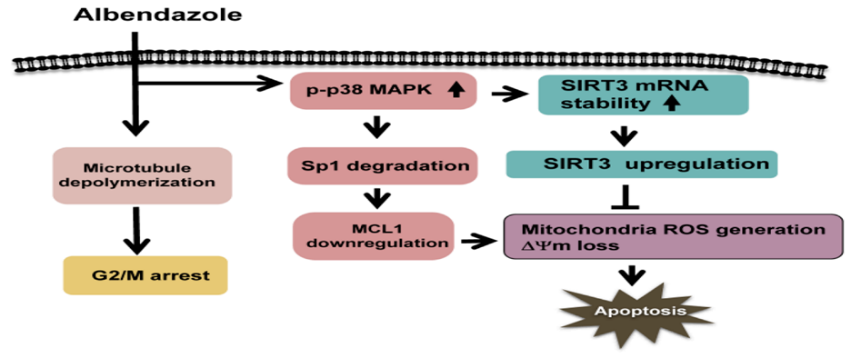
fig1. Mechanism of action of albendazole
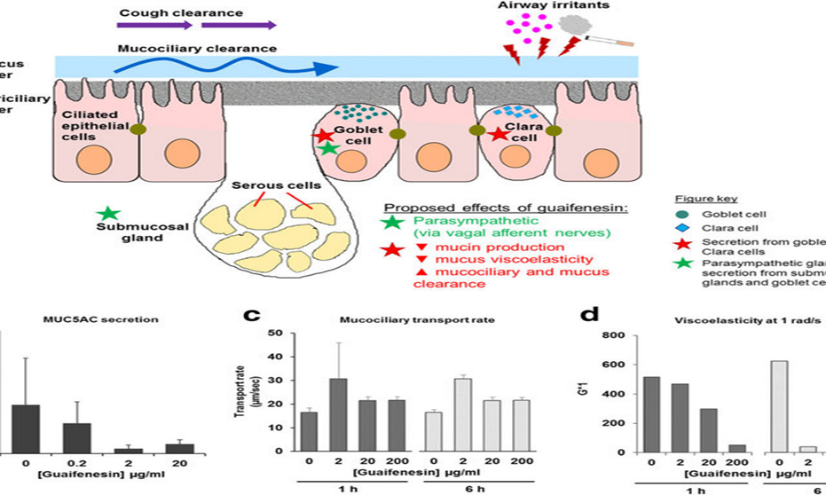
Fig2. Mechanism of action of guaifenesin
MATERIALS AND METHODS
5.1 Materials
The formulation utilizes purified water as the primary solvent for hydrating gelling agents and dissolving hydrophilic components. All excipients including sucrose, agar-agar, guar gum, citric acid, sodium citrate, and sodium benzoate were pharmaceutical-grade materials procured from Excel Biosciences. To improve patient compliance, lemon flavoring was added to effectively mask the inherent bitterness of active pharmaceutical ingredients. Certified food-grade colorants (FSSAI-approved) were included in minimal concentrations to enhance aesthetic appeal while maintaining safety standards. Albendazole was kindly supplied as a complimentary sample by Kaushik Therapeutics Ltd., while commercial-grade guaifenesin was purchased from Dhamtec Pharma Pvt. Ltd.
5.2 Preparation of Albendazole Gummies
The gummy formulations were manufactured through a controlled thermal gelation method. For albendazole-containing preparations, the process began by heating purified water to 60°C for 5 minutes before gradually incorporating agar under constant stirring. This agar-water suspension was then heated to 85±2°C for 10 minutes to ensure complete hydration. Sucrose was subsequently added and dissolved under continuous mixing. The temperature was carefully reduced to 70°C before systematically adding key functional excipients: citric acid (for pH modulation and flavor enhancement), sodium benzoate (as an antimicrobial preservative), sodium citrate (pH buffer), FSSAI-certified colorants, and lemon flavor (to counteract drug bitterness). Guar gum was then dispersed uniformly to achieve optimal hydration and viscosity. When the gel matrix reached 50±2°C, micronized albendazole was aseptically incorporated. The homogeneous molten gel was promptly transferred into silicone molds, allowed to solidify at ambient temperature (25±2°C) for 10 minutes, then subjected to a 10-minute drying phase. Final products were stored under refrigerated conditions (4±1°C) to maintain physicochemical stability and extend shelf life [24-26].
5.3 Preparation of Guaifenesin Gummies
The formulation of guaifenesin-containing gummies necessitated process optimization to accommodate the drug's solubility profile. As per USP specifications, guaifenesin demonstrates significant aqueous solubility (1:60-70 parts water) along with solubility in various organic solvents including ethanol, chloroform, glycerol, and propylene glycol. The manufacturing process mirrored the standard protocol with modifications: agar was hydrated at 85°C for 10 minutes followed by sucrose incorporation for 5 minutes. Excipients (citric acid, sodium benzoate, sodium citrate, colorants, and lemon flavor) were sequentially incorporated as previously described. To maintain drug integrity, guaifenesin was introduced into the warm gel base (50±2°C) under gentle mixing to achieve homogeneous dispersion. The molten formulation was cast into molds and subjected to a two-stage setting process: initial solidification at ambient temperature (25±2°C) for 10 minutes followed by a 10-minute drying period. Final products underwent refrigerated storage (4±1°C) to promote optimal gel matrix formation. Throughout production, both albendazole and guaifenesin formulations maintained stringent temperature control to preserve hydrocolloid functionality and active pharmaceutical ingredient stability [27-29].
Table1. Albendazole formulation table
|
Ingredient |
F1 |
F3 |
R2 |
D1 |
|
I1: Water |
5.5 mL |
6 mL |
5 mL |
6 mL |
|
I2: Sucrose |
3.5 g |
3 g |
3.5 g |
3.5 g |
|
I3: Agar Agar |
0.25 g |
0.2 g |
0.20 g |
0.15 g |
|
I4: Guar Gum |
0.075 g |
0.05 g |
0.075 g |
0.075 g |
|
I5: Citric Acid |
0.025 g |
0.025 g |
0.025 g |
0.025 g |
|
I6: Sodium Benzoate |
0.0025 g |
0.0025 g |
0.0025 g |
0.0025 g |
|
I7: Flavorants |
0.15 ml |
0.15 ml |
0.15 ml |
0.15 ml |
|
I8: Colorant |
0.001g |
0.001g |
0.001g |
0.001g |
|
I9: Sodium citrate |
0.02g |
0.02g |
0.02g |
0.02g |
|
I10: albendazole |
0.1g |
0.1g |
0.1g |
0.1g |
|
Total Weight |
~10 g |
~10 g |
~10 g |
~10 g |
Table2. Guaifenesin formulation table
|
Ingredient |
F1 |
F2 |
F3 |
R2 |
D1 |
D2 |
X1 |
|
I1: Water |
5.5 mL |
5 mL |
6 mL |
5 mL |
6 mL |
6ml |
5.5 mL |
|
I2: Sucrose |
3.5 g |
3.5 g |
3 g |
3.5 g |
3.5 g |
3.5g |
3.5 g |
|
I3: Agar Agar |
0.25 g |
0.3 g |
0.2 g |
0.20 g |
0.15 g |
0.10g |
0.3g |
|
I4: Guar Gum |
0.075 g |
0.075 g |
0.05 g |
0.075 g |
0.075 g |
0.075g |
0.075 g |
|
I5: Citric Acid |
0.025 g |
0.025 g |
0.025 g |
0.025 g |
0.025 g |
0.025g |
0.025 g |
|
I6: Sodium Benzoate |
0.0025 g |
0.0025 g |
0.0025 g |
0.0025 g |
0.0025 g |
0.0025g |
0.0025 g |
|
I7: Flavorants |
0.15ml |
0.15ml |
0.15ml |
0.15ml |
0.15ml |
0.15ml |
0.15 ml |
|
I8: Colorant |
0.001g |
0.001g |
0.001g |
0.001g |
0.001g |
0.001g |
0.001 g |
|
I9: Sodium citrate |
0.02g |
0.02g |
0.02g |
0.02g |
0.02g |
0.02g |
0.02g |
|
I10: guaifenesin |
0.025g |
0.025g |
0.025g |
0.025g |
0.025g |
0.025g |
0.025g |
|
Total Weight |
~10 g |
~10 g |
~10 g |
~10 g |
~10 g |
~10 g |
~10 g |
6. EVALUATION METHODS
6.1 Preformulation studies
Comprehensive powder analysis was conducted before initiating gummy production to verify material quality. Key powder properties were evaluated, including bulk density, tapped density, Carr’s index, Hausner’s ratio, and angle of repose, to predict material handling and performance.
6.1.1 Bulk Density (ρbulk)
Bulk density represents the ratio between a powder's mass and its uncompacted volume, accounting for interparticle voids. For determination, a precisely weighed powder sample was gently transferred into a graduated cylinder under minimal compaction. The initial volume occupied by the powder was recorded immediately after pouring. The bulk density was then calculated using the relationship:
ρbulk = Weight of powder / Bulk volume
Significance: Predicts packaging requirements and behavior during storage.
6.1.2 Tapped Density (ρtap)
Tapped density is the density obtained after mechanically tapping (500-1000 taps) a graduated cylinder containing the powder until little or no volume change is observed.
ρtap = Weight of powder / Tapped volume
Reflects how powders settle and compact under vibration, simulating transport or storage.
6.1.3 Carr’s Index (Compressibility Index)
A measure of powder compressibility and flowability. Carr's compressibility percentage is calculated using the formula:
Carr’s index = [(ρ_tapped - ρ_bulk)/ρ_tapped] × 100
Interpretation:
|
Carr’s Index (%) |
Flow Property |
|
5–15 |
Excellent |
|
12–16 |
Good |
|
18–21 |
Fair |
|
23–35 |
Poor |
|
>35 |
Very poor |
6.1.4 Hausner Ratio
The Hausner ratio serves as a flowability indicator, calculated by dividing the tapped density by the bulk density.
Hausner Ratio = ρ tap /ρ bulk
Interpretation:
|
Hausner Ratio |
Flowability |
|
1.00–1.11 |
Excellent |
|
1.12–1.18 |
Good |
|
1.19–1.25 |
Fair |
|
1.26–1.34 |
Passable |
|
1.35–1.45 |
Poor |
|
>1.60 |
Very, very poor |
6.1.5 Angle of Repose (θ)
The steepest angle at which a powder pile remains stable, indicating flowability.
tan(θ) = Height of pile / Radius of base
θ = arctan (Height / Radius)
Interpretation:
|
Angle (°) |
Flow Property |
|
<25 |
Excellent |
|
25–30 |
Good |
|
30–40 |
Passable |
|
>40 |
Poor |
Method:
Powder was poured through a funnel to form a cone; (h) and (r) were measured.
6.2 Characterization (Post Formulation Studies)
6.2.1 Hardness
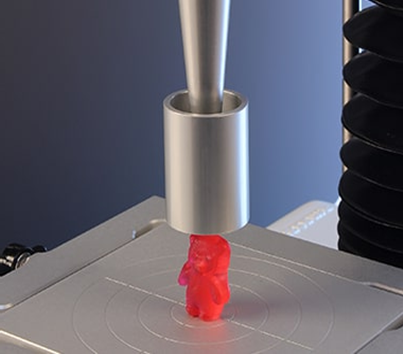
Texture analysis of the formulated gummies was performed using a TA.XT Plus texture analyzer (Stable Micro Systems) following established protocols with minor adaptations [47]. The instrument was equipped with a 5-mm cylindrical probe (P/5) and calibrated to compress test samples (n=6 per batch) to 50% deformation of their initial height. To replicate natural chewing dynamics, the analyzer was configured with a compression rate of 1 mm/s and an activation force threshold of 5 grams.To minimize experimental variability, all measurements were conducted under controlled temperature conditions (25±1°C), with each sample undergoing a 30-second equilibration period prior to testing to ensure proper probe contact, as per USP <1217> guidelines. The hardness values obtained were evaluated against literature-reported ranges of 1500-12000 g (14-117.6 N) for commercial gummy products [29]. This standardized approach allowed for objective quantification of the mechanical properties while maintaining relevance to actual consumption conditions.
6.2.2 Organoleptic Assessment
Taste and overall sensory quality were evaluated by 20 healthy volunteers using an organoleptic scoring system as given in Table3. Participants chewed the gummies and rated them based on appearance, flavors, texture, and acceptability on a grade scale of 5.
6.2.3 Weight Variation Test
Twenty individual gummies were weighed, and the average weight was calculated. The deviation of each gummy from the mean was expressed as:
Weight Variation (%) = (|Individual weight - Average weight| / Average weight) × 100
A batch passes if no more than two gummies exceed the acceptable range and none deviate beyond double the limit.
6.2.4 Moisture Content
Gummies (10 g) were ground, dried in a hot air oven at 70°C for 7hrs, and weighed to constant mass. Moisture content was calculated as:
% Moisture = (Weight loss due to drying / Final dry weight) × 100
6.2.5 pH Determination
Thin slices of gummy (0.5 g) were dissolved in 50 mL boiling water. Following equilibration to 25°C, pH measurements were obtained using a pre-calibrated micro-pH electrode. The acceptable pH range for gummies lies between 5.0 and 6.4 as described in literature [2].
6.2.6 In Vitro Dissolution Testing
Dissolution behavior was studied using USP/BP paddle apparatus maintained at 37 ± 0.5°C. Samples were withdrawn from the mid-point of the vessel and tested at predetermined intervals to evaluate the release rate.
6.2.7 Drug Release Kinetics
The release data was analyzed using various kinetic models: Zero-order model, First-order model, Higuchi model, Hixson-Crowell model, Korsmeyer-Peppas model.
These models helped determine the release mechanism and predict drug behavior from the gummy matrix.
6.2.8 Microbiological analysis
The mesophilic aerobic population was assessed according to the ISO 4833-1:2013 standard which was previously described in literature [50]. Gummy bear candies (1g of optimized formulation) were homogenized with an isotonic PBS buffer(9ml) solution to achieve a final dilution of 10^-1. Sequential ten-fold dilutions were created with the identical buffer solution. Mold and yeast, bacterial counts were determined by incubating on plate count agar at 30°C for 48hrs.
Table3. Hedonic scale
|
Category |
Scale |
|
Like very much |
5 |
|
Like a little |
4 |
|
Not sure |
3 |
|
Dislike a little |
2 |
|
Dislike very much |
1 |
7. RESULTS
7.1 Gummy bear preparation
Many formulations were carried out to find the best composition for gummy bear candies using albendazole and guaifenesin. The final composition of the gummy is the same as the study described in literature [29] and several excipients were additionally added to the composition to achieve desirable properties. Finally, the candies were made with agar agar and Guargum, it showed best results with desirable properties. Four runs were carried out for albendazole and seven runs were carried out for guaifenesin. Among all the batches, the successful formulations such as F3 of albendazole emerged as superior, combining high mechanical strength, dissolution efficiency, hardness, microbial stability, palatability meeting the requirements for anthelminthic therapies. Similarly, R2 of guaifenesin demonstrated exceptional dissolution efficiency, hardness, and microbial stability, meeting the requirements for expectorant therapies. It was observed that on increasing the concentration of agar agar, the hardness of the gummies increased as more galactan molecules tend to participate in the formation of gel matrix. Also, on increasing the concentration of the Guargum the chewability of the gummies increased due to intermolecular chain interaction of galactose side chain [29].
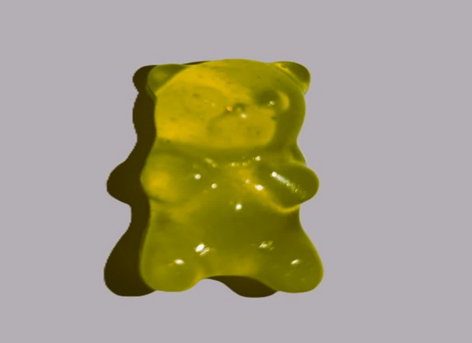
fig1. Guaifenesin gummy candy
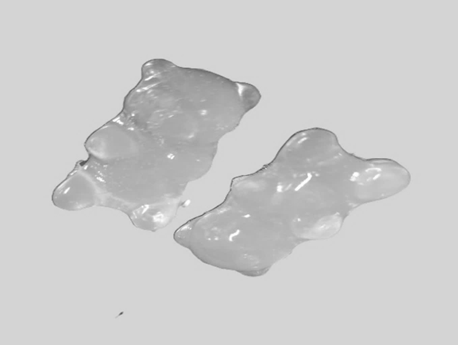
fig 2. Albendazole gummy candy
7.2 Results of albendazole gummies
Albendazole gummy candies were successfully synthesized. Different evaluation tests were performed to assess the physiochemical characteristics of gummies, and the results obtained from various tests ensured that the gummies were stable, showing no physiochemical changes. All the formulations showed acceptable results with reference to hardness, weight variation, moisture content, ph. and drug release. Preformulation studies for albendazole was not conducted and formulation was guided by reported physicochemical properties.
POST FORMULATION STUDIES
7.2.1 Sensory analysis
For evaluating numerous sensory characteristics, including sweetness, appearance, taste, texture and chewability, albendazole gummy bear candies were provided to a panel of 20 participants. The product received a mean hedonic score of 4.0 out of 5.0 based on likeliness, indicating a favorable level of acceptability among panelists.
7.2.2 Weight variation
The weight variations of the formulations (F1-D1) are shown in table4. All the formulations show adequate percentage variations which lie within the range according to USP specifications.
7.2.3 Hardness
Hardness of the gummy bear candies were measured using the texture profile analyzer. Hardness determines the chewiness of the gummies. The hardness of the formulations (F1-D1) is shown in the table4. R2 and D1 are less hard due to high water content and water content increases the softness of the gummies.
7.2.4 Moisture content
Results for the moisture content of the gummies are given in table. The moisture content was observed in the range of 17.5-18.5% which lies within the range as described in [29]. F3 has 18.5% which is slightly high compared to other formulations and R2 has 17.5% which is the least. Increased hydration levels in the formulation contribute significantly to the product's pliable consistency. Gummies with higher moisture content had a higher quantity of water and low concentration of polymers.
7.2.5 pH.
It was found that chewable Gummy bear candies have a pH. All the formulations F1 to D1 showed satisfactory results, and their pH values lies within the recommended range [2]. Table 4 presents the measured pH values for all gummy formulations.
7.2.6 In vitro dissolution
The percentage of drug release was observed for a period of 180mintues, as demonstrated in table. Dissolution studies were carried out for a duration of 3 hours. However, the gummy formulation demonstrated a prolonged release behavior, with complete drug release observed at approximately 8 hours in preliminary extended observations. This gradual release suggests that the gummy formulation exhibits characteristics of a sustained-release dosage form. Such a release profile could be beneficial in maintaining prolonged therapeutic levels of albendazole in systemic circulation, reducing dosing frequency, and potentially improving patient compliance, especially in pediatric populations. The formulation F3 showed the highest drug release within 180minutes; that’s why it is considered to be the best formulation and R2 showing the least amount of drug release. The pattern of release is shown in fig3 below. In future studies, a complete dissolution and drug release analysis should be performed to know the drug release profile for both gummy bear candies.
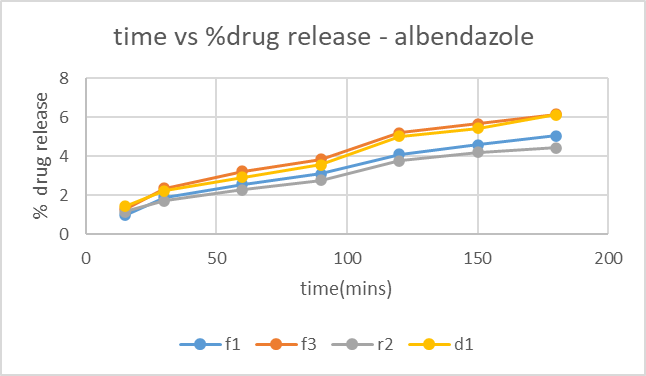
fig 3. Percentage drug release of albendazole
7.2.7 Release kinetics
During formulation kinetic data modelling, we concluded that (F1-D1) formulations were following first order because their R2 is near 1. So, it was shown that the release of drugs is dependent on concentration, which explained the first order behaviour of the formulation and extended-release kinetics. The n value in Korsemeyer and peppas release kinetics model describes the formulation’s specified drug release through Fick’s law of diffusion. In this case, a transport mechanism that is Fickian diffusion corresponds to an n value less than 0.45. The release kinetics of 4 formulations are shown in table 6.
Table 4. Results of albendazole gummy bear candies
|
TESTS |
F1 |
F3 |
R2 |
D1 |
|
Hardness (N) |
18.503 |
15.000 |
11.790 |
11.199 |
|
Weight (g) |
5.6 |
5.6 |
5.6 |
5.6 |
|
Moisture (%) |
18 |
18.5 |
17.5 |
18.2 |
|
Weight variation |
5.60 ± 0.17 |
5.60 ± 0.16 |
5.60 ± 0.18 |
5.60 ± 0.18 |
|
ph. |
6.4 |
5.3 |
6.4 |
5.5 |
Table 5. Dissolution test results of albendazole gummies
|
Time (mins) |
F1 |
F3 |
R2 |
D1 |
|
15 |
0.069 |
0.090 |
0.081 |
0.099 |
|
30 |
0.131 |
0.162 |
0.119 |
0.153 |
|
60 |
0.176 |
0.220 |
0.157 |
0.200 |
|
90 |
0.212 |
0.262 |
0.190 |
0.243 |
|
120 |
0.280 |
0.353 |
0.257 |
0.342 |
|
150 |
0.312 |
0.385 |
0.285 |
0.368 |
|
180 |
0.343 |
0.417 |
0.301 |
0.415 |
Table 6. Release kinetics results of albendazole gummies
|
Formulation |
Zero Order |
First Order |
Korsemeyer Peppas |
|||
|
ko |
R2 |
k1 |
R2 |
kkp |
n |
|
|
F1 |
0.6829 |
0.976 |
0.007139 |
0.977 |
1.022586 |
0.1105 |
|
F3 |
0.8272 |
0.97 |
0.008521 |
0.972 |
1.321904 |
0.1069 |
|
R2 |
0.5791 |
0.977 |
0.005988 |
0.978 |
1.078947 |
0.0973 |
|
D1 |
0.8058 |
0.982 |
0.008291 |
0.983 |
1.322818 |
0.1035 |
7.3 Results of Guaifenesin gummies
Similarly, Guaifenesin gummy bear candies were successfully synthesized. Different evaluation tests were performed to assess the physiochemical characteristics of gummies, and the results obtained from various tests ensured that the gummies were stable, showing no physiochemical changes. All developed formulations demonstrated compliance with established quality parameters, including texture profile, weight uniformity, hydration levels, pH stability, and drug release characteristics.
7.3.1 Preformulation Studies
Before formulation development, guaifenesin powder underwent thorough material characterization to examine its physical and chemical attributes. Critical powder flow properties - comprising loose and packed density measurements, compressibility index, density ratio, and repose angle analysis - were assessed to verify compatibility with gummy production processes. The combined evaluation of these properties yields comprehensive understanding of the powder's behavior during processing and its uniformity. The results of these analyses are systematically compiled in Table 7, offering a comparative overview of the powder’s performance characteristics.
Table 7. Preformulation studies of guaifenesin
|
Parameter |
Mean |
SD |
Mean ± SD |
RESULTS |
|
|
BD |
0.671 |
0.0061 |
0.671 ± 0.0061 |
Good |
|
|
TD |
0.83875 |
0.0066 |
0.8388 ± 0.0066 |
||
|
Carr's Index (%) |
20 |
0 |
20.00 ± 0.00 |
||
|
Hausner Ratio |
1.25 |
0 |
1.25 ± 0.00 |
||
|
Angle of repose |
34 |
Moderate flow |
|||
7.3.2 Post formulation studies
7.3.1 Sensory analysis
For evaluating numerous sensory characteristics, including sweetness, appearance, taste, texture and chewability, guaifenesin gummy bear candies were provided to a panel of 20 participants. The product received a mean hedonic score of 4.0 out of 5.0, indicating a favorable level of acceptability among panelists.
7.3.2 Weight variation
The weight variations of the formulations (F1-X1) are shown in table 8. All the formulations show adequate percentage variations which lie within the range according to USP specifications.
7.3.3 Hardness
Hardness of the gummy bear candies were measured using the texture profile analyzer. Hardness determines the chewiness of the gummies. The hardness of the formulations (F1-X1) is shown in table8.
7.3.4 Moisture content
Results for the moisture content of the gummies are given in table. The moisture content was observed in the range of 15.5% to 16.5% which lies within the range (12-20%) as described in the literature [12].
7.3.5 pH.
It was found that chewable Gummy bear candies have a pH. All the formulations F1 to X1 showed satisfactory results, and their pH values lies within the recommended range [2]. Table 8 summarizes the pH characteristics of the developed gummy products.
7.2.6 In vitro dissolution
The percentage of drug release was observed for a period of 180mintues, as demonstrated in table. Dissolution studies were carried out for a duration of 3 hours. Similarly, drug release of guaifenesin was observed at approximately 6 hours in preliminary extended observations. This gradual release suggests that the gummy formulation exhibits characteristics of a sustained-release dosage form. The formulation R2 showed the highest drug release within 180minutes; that’s why it is considered to be the best formulation and X1 showing the least amount of drug release. The pattern of release is shown in fig4 below. Among the seven different formulations, best six formulations except D2 were taken for study of dissolution.
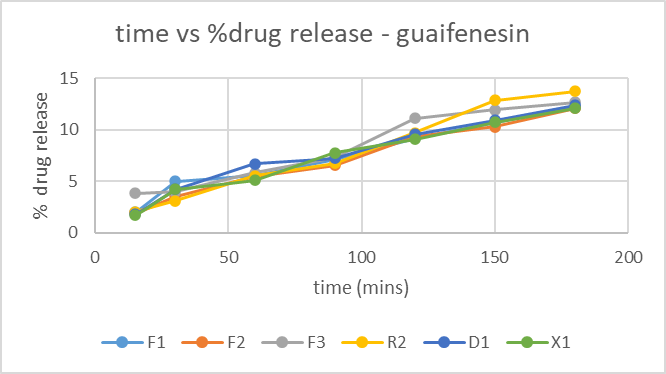
fig 4. Percentage drug release of guaifenesin
7.2.7 Release kinetics
During formulation kinetic data modelling, we concluded that (F1-X1) formulations were following first order because their R2 value is near 1. So, it was shown that the release of drugs is dependent of concentration, which explained the first order behaviour of the formulation. The n value in Korsemeyer and peppas release kinetics model describes the formulation’s specified drug release through Fick’s law of diffusion. In this case, a transport mechanism that is Fickian diffusion corresponds to an n value less than 0.45. The release kinetics of 6 formulations are described in table10.
Table8. Results of guaifenesin gummy bear candies
|
TESTS |
F1 |
F2 |
F3 |
R2 |
D1 |
D2 |
X1 |
|
Hardness (N) |
18.503 |
8.707 |
15.996 |
11.790 |
11.199 |
8.081 |
10.56 |
|
Weight (g) |
5.65 |
5.65 |
5.65 |
5.65 |
5.65 |
5.65 |
5.65 |
|
Moisture (%) |
16 |
15.8 |
16.5 |
16.2 |
16.3 |
15.5 |
15.6 |
|
Weight variation |
5.65 ±0.23 |
5.65 ± 0.22 |
5.65 ± 0.22 |
5.65 ± 0.21 |
5.65 ± 0.17 |
5.65±0.19 |
5.65±0.20 |
|
ph. |
5.2 |
5.8 |
5.3 |
5.7 |
5.6 |
5.5 |
5.1 |
Table9. dissolution results of guaifenesin
|
Time (mins) |
F1 |
F2 |
F3 |
R2 |
D1 |
X1 |
|
15 |
0.036 |
0.034 |
0.066 |
0.037 |
0.033 |
0.031 |
|
30 |
0.085 |
0.061 |
0.068 |
0.054 |
0.072 |
0.072 |
|
60 |
0.094 |
0.092 |
0.98 |
0.094 |
0.113 |
0.086 |
|
90 |
0.119 |
0.110 |
0.122 |
0.113 |
0.121 |
0.130 |
|
120 |
0.153 |
0.156 |
0.185 |
0.162 |
0.159 |
0.151 |
|
150 |
0.177 |
0.171 |
0.198 |
0.213 |
0.181 |
0.178 |
|
180 |
0.203 |
0.200 |
0.210 |
0.227 |
0.205 |
0.200 |
Table 10. Release kinetics results of guaifenesin gummies
|
Formulation |
Zero Order |
First Order |
Korsemeyer Peppas |
|||
|
Ko |
R2 |
k1 |
R2 |
kkp |
n |
|
|
F1 |
0.4084 |
0.968 |
0.017733 |
0.971 |
0.55616 |
0.1158 |
|
F2 |
0.4292 |
0.987 |
0.018424 |
0.988 |
0.458036 |
0.1284 |
|
F3 |
0.4278 |
0.961 |
0.018654 |
0.961 |
0.723769 |
0.1001 |
|
R2 |
0.5246 |
0.986 |
0.0228 |
0.985 |
0.431221 |
0.1413 |
|
D1 |
0.4282 |
0.965 |
0.018424 |
0.97 |
0.513807 |
0.1245 |
|
D2 |
0.4303 |
0.978 |
0.018424 |
0.979 |
0.464622 |
0.1297 |
7.2.8 Storage stability
The shelf life of the gummy bear candies was studied by storing it at a temperature of 4°C and 35°C in air tight containers over a period of 90days. The optimized gummy formulations (F3 for albendazole and R2 for guaifenesin) demonstrated excellent microbial stability over a 90-day storage period under refrigerated (4°C) and accelerated (35°C) conditions. Aerobic plate counts remained within acceptable limits (<10 CFU/g for yeast/mold and <20 CFU/g for bacteria) at both temperatures, complying with ISO 4833-1:2013 standards for food-grade products. No microbial growth was detected in refrigerated samples, while those stored at 35°C showed negligible bacterial counts (≤15 CFU/g) by Day 30, with no further increase. Sodium benzoate (0.0025% w/w) effectively preserved the formulations, confirming their suitability for human consumption without risk of spoilage. These results align with the moisture content (15.5–18.5%) and pH (3–6.4) ranges known to inhibit microbial proliferation in hydrocolloid matrices.
8. DISCUSSION
Recent advancements in medicated gummies have demonstrated the potential of natural polymers like agar-agar and guar gum for optimized drug delivery. The absence of literature on the development of vegan gummies for anthelmintic and expectorant therapies underscores the novelty of the project. While prior studies have established agar-agar’s role in structural stability and guar gum’s contribution to viscosity-mediated release, this study significantly improves upon existing systems by achieving an unparalleled balance of texture, drug release kinetics, and stability [5]. Unlike conventional gelatin or pectin-based gummies, which often suffer from rapid drug release or syneresis, our agar-guar gum matrix uniquely combines rigidity (from agar) and elasticity (from guar gum), resulting in a mechanically superior product with zero syneresis - a critical improvement over carrageenan-based systems [11]. The vegan agar-guar gum gummies demonstrated superior functional properties compared to conventional gelatin-based counterparts. Mechanically, the optimized formulations (F3 for albendazole, R2 for guaifenesin) exhibited greater structural resilience, with hardness values of 15.0 N and 11.8 N respectively exceeding the typical 8-12 N range reported for gelatin gummies [11]. Drug release profiles showed extended duration (T?? of 8 hours for albendazole vs. 4 hours in gelatin systems) while maintaining complete dissolution, addressing the burst release limitation of gelatin matrices. Notably, the plant-based formulations eliminated syneresis - a common issue in gelatin gummies during storage [30] - due to guar gum's superior water-binding capacity. Sensory evaluations yielded comparable acceptability scores (4.0/5.0) to commercial gelatin products, confirming successful taste-masking despite the absence of animal-derived components. For water-soluble drugs like guaifenesin, our system ensures controlled yet faster release, optimizing therapeutic efficacy without compromising stability. Furthermore, while existing pediatric formulations rely heavily on synthetic flavours for taste-masking, our natural lemon-flavored gummies completely neutralize bitterness without additives, enhancing compliance. Stability studies confirm >3 months of shelf-life with moisture surpassing the benchmarks set by similar hydrocolloid matrices. Most notably, our tunable polymer ratios allow precise modulation of release rates, a feature absent in rigid gelatin or pectin systems, positioning this platform as the first truly customizable gummy for personalized medicine. These findings suggest that agar-Guargum gummy bear candies address critical limitations of conventional systems, offering improved stability, controlled release profiles, and enhanced acceptability making them particularly valuable for pediatric and geriatric therapeutics. Further research needs to do a detailed study of prolonged release behaviour of gel matrix, so that it can be used as a sustained release gel base for other drugs and nutraceuticals.
CONCLUSION
The study conclusively demonstrates that natural polymer-based gummies can effectively deliver albendazole and guaifenesin while addressing key challenges in patient compliance and drug stability. Among the developed formulations, F3 (albendazole) and R2 (guaifenesin) emerged as optimal batches, exhibiting ideal mechanical properties, taste-masking efficiency, and controlled release profiles. The agar-guar gum system proved particularly advantageous, allowing customization of texture and release kinetics through simple compositional adjustments. These results highlight the significant potential of gummy dosage forms as patient-centric drug delivery systems, especially for populations with swallowing difficulties. The successful masking of bitter drugs, combined with excellent stability and flexible manufacturing, makes this approach highly translatable to clinical and commercial applications. Future studies could explore the incorporation of other challenging drugs and scale-up possibilities for industrial adaptation.
CONFLICT OF INTEREST
The authors declare that they have no conflict of interest.
REFERENCES



R. Palpandi Raja, R. Ashwin, R. Bhuvaneshwari, Development of a Vegan Gummy Using Sustainable Plant Biopolymers for Anthelmintic and Expectorant Therapies: with Albendazole and Guaifenesin, Int. J. of Pharm. Sci., 2025, Vol 3, Issue 7, 3872-3889. https://doi.org/10.5281/zenodo.16537728
 10.5281/zenodo.16537728
