

We use cookies to ensure our website works properly and to personalise your experience. Cookies policy
Kasturi College of Pharmacy, Shikrapur
Smart nanoparticles, which can respond to or be guided by biological stimuli, are emerging as a promising drug delivery platform for cancer treatment. Oncology, nanotechnology, and biomedicine have all improved rapidly, culminating in groundbreaking advances in smart nanoparticles for safer and more effective cancer treatments. This review will go over recent advancements in smart nanoparticles, including polymeric nanoparticles, dendrimers, micelles, liposomes, protein nanoparticles, cell membrane nanoparticles, mesoporous silica nanoparticles, gold nanoparticles, iron oxide nanoparticles, quantum dots, carbon nanotubes, black phosphorus, MOF nanoparticles, and more. We shall investigate their classification, structure, synthesis, and properties. Nanoparticles can respond to a multitude of external and internal stimuli, including enzymes, pH, temperature, optics, and magnetism, making them sentient. These intelligent nanoparticles may respond to a wide range of external and internal stimuli, including enzymes, pH, temperature, optics, and magnetism, making them sentient systems. In addition, this review will examine the most recent studies on tumour targeting by functionalizing smart nanoparticle surfaces with tumour specific ligands such as antibodies, peptides, transferrin, and folate. We will also discuss the numerous types of pharmaceutical delivery options, such as tiny molecules, peptides, proteins, nucleic acids, and even living cells, and their prospective use in cancer therapy. While the potential of smart nanoparticles is exciting, we will also discuss the hurdles and clinical opportunities connected with their application. Finally, we will present a strategy for using AI-powered nanoparticles in cancer therapeutic applications.by leveraging the promise of smart nanoparticles, this review hopes to usher in a new era of precise and personalized cancer therapy, giving patients with tailored treatment alternatives.
Cancer
Cancer is a group of diseases characterized by the uncontrolled growth and spread of abnormal cells in the body. These cells divide uncontrollably, invade surrounding tissues, and can spread (metastasize) to distant organs through the bloodstream or lymphatic system. Unlike normal cells, cancer cells lose the ability to regulate their growth, repair DNA damage, or undergo programmed cell death (apoptosis). Cancer poses a serious public health challenge, resulting in approximately 10 million deaths each year due to its rising rate and mortality rates overall. Given its large viability, the United States is expected to see 1,958,310 new cancer diagnoses and 609,820 cancer-related deaths in 2023. Cancer treatment options include surgical procedures, radiation therapy, chemotherapy, immunotherapy, and targeted treatments. Radiation therapy targets and destroys malignant tissue, chemotherapy kills cancer cells, immunotherapy strengthens the body's immune response, and targeted treatments rely on hereditary changes. Chemotherapeutic medicines serve an important role in cancer therapy regimens. Cancer therapy presents numerous problems, including drug resistance, substantial side effects, and major financial constraints. Nanotechnology, an intriguing discipline that combines chemistry, building, science, and medicine, has emerged as a promising area of cancer research. Available cancer treatment options include surgery, radiation treatment, chemotherapy, immunotherapy, and targeted treatments. Radiation treatment crushes destructive tissue, surgery excises harmful tissue, and chemotherapy, joining specialists such as gold nanoparticles, carbon nanotubes, liposomes, and quantum specks, has appeared impressive potential for both the location and treatment of cancer. Later headways, including coordinates nanodevices and bio-affinity nanoparticle tests, hold gigantic potential for personalized cancer care based on person patients. Nanoparticles can be built to provide solutions straightforwardly to specific cells or tissues, particularly focusing on cancer cells whereas saving solid ones. This technique improves treatment adequacy and lessens adverse effects. Nanotechnology encourages the creation of exceedingly delicate demonstrative disobedient that can recognize infections at prior stages. illustrations such as quantum dabs, gold nanoparticles, and nano sensors allow the quick location of biomarkers, opening modern roads for the early conclusion of cancer, cardiovascular infections, and contaminations. Nanotechnology is improving the plan and usefulness of therapeutic inserts, counting prosthetics and bone frameworks.
Nanoparticles
Nanoparticles are tiny particles that range in size from 1 to 100 nanometers (nm). At this scale, materials exhibit unique physical, chemical, and biological properties different from their bulk counterparts. These properties make nanoparticles highly useful in medicine, electronics, energy, and environmental science.
In cancer therapy, nanoparticles serve as carriers for drugs, imaging agents, or genes, enabling targeted delivery, controlled release, and reduced side effects.
Characteristics Of Nanoparticles
Nanoparticles exhibit special features that make them suitable for biomedical use:
Types of Nanoparticles
Carbon-based nanostructured materials, such as nanotubes, nano-horns, and nanodiamonds, provide significant advantages in cancer treatment due to their small size and hybridized carbon molecules. These materials promote simple functionalization, improve biocompatibility, and emphasize effective sedate transport, imaging, and controlled discharge devices. They, too, exhibit high in vivo solidity, a large surface area for functionalization, and ease of penetration across organic barriers. Nonetheless, issues like as biocompatibility, toxic quality testing, and administrative impediments remain. Encouraging inquiry is required to fully exploit the promise of these nanoparticles in cancer treatment.
Nanotubes
Carbon nanotubes, with their unique optical properties, have gained popularity in cancer treatment due to their ability to convert light into warmth. This targeted heated treatment boosts the restorative effects and selectivity of nanoscale carbon catalysts. The use of target-specific conveyance frameworks in nanomedicine has revolutionized the sector. Carbon nanotubes can be functionalized with various clusters, allowing for more effective delivery of solutions to cancer cells. They are classified as single-walled, double-walled, or multi-walled carbon nanotubes. Carbon nanotubes have many intriguing highlights because of their tiny size and tubular shape. Their electrical properties differ significantly between single-walled carbon nanotubes, which have a breadth of approximately 1 nm and a single graphene divider, and multi-walled carbon nanotubes, which have distances ranging from 1 to 100 nm and many graphene dividers. These nanotubes exhibit physical and chemical properties such as a high angle proportion, ultralight weight, unusual mechanical quality, increased electrical conductivity, and increased thermal conductivity. Carbon nanotubes have recently been extensively studied in a variety of cancer treatment processes, including sedate organization, lymphatic-targeted chemotherapy, warm treatment, photodynamic treatment, and quality treatment.
Nano Horns
Carbon nano-horns are a class of carbon nanomaterials with a unique ability to adsorb various particles, making them potential candidates for controlled medicate discharge applications. They have a distinctive hexagonal stacking structure, which originated in Jordan Diary of Pharmaceutical Sciences. Basic oxidation modifications create nanoscale windows on the dividers of single-walled carbon nano-horns, altering measure and concentration while enhancing microporosity and activating mesopores. The cone-shaped structure influences the electrical characteristics of single-walled carbon nano-horns, demonstrating semiconductor conduct based on oxidation condition and gas adsorption.
Nanodiamonds
Nanodiamonds are a potential stage for applications because of their ease of synthesis, small size, inactivity, surface functional bunches, biocompatibility, consistent fluorescence, and long fluorescent lifetime. These qualities have accelerated their use in cancer treatment and imaging, highlighting the level-headed fitting of molecule surfaces to deliver bioactive chemicals, withstand accumulation, and form composite Nanodiamond materials.
Metallic Nanoparticles
It is derived from reputable metals like as gold, silver, and platinum, and is increasingly being explored for prospective uses in fields such as catalysis, polymer composites, disease diagnosis, sensor innovation, and optoelectronic media naming. These nanoparticles are generated and stabilized using various methods, which affect their form, strength, and physicochemical properties. Metal-based nanoparticles, composed of components like as gold, silver, press, and platinum, have unique physical and chemical properties due to their small size and increased surface area.
Gold Nanoparticles
Gold nanoparticles are emerging as potent cancer therapeutic tools, promoting a comprehensive approach to anticancer therapy. They are gaining popularity in cancer treatment due to their beneficial features, which include cytotoxicity against specific cancer cells, size-dependent restraint, and tunable optical properties. Their unique physical and chemical properties, influenced by their various forms and sizes, contribute to their adaptability. Later considerations emphasize the effect of estimation, surface charge, and usable bunches on cytotoxicity, making careful consideration essential for their safe and viable use in medicinal applications, particularly cancer treatment.
Attractive Nanoparticles
Attractive nanoparticles, made of materials such as press, cobalt, or nickel, are small particles with intriguing physical and chemical properties. They have gained popularity in fields such as medicine, technology, and natural science because to their versatile applications. They are used in biological applications such as Attractive Reverberation Imaging (MRI), drug delivery, information capacity, sensors, and data capacity, as well as antiferromagnetic and paramagnetic nanomaterials. Their attractive control by an external field provides a considerable advantage, and their chemical composition, estimation, shape, morphology, and attractive behavior are important in determining their biomedical applications.
Quantum Dot Nanocarrier
Quantum dabs, which are extremely fluorescent nanocrystals, promise to have potential in biomedical applications, including cancer screening, tumor categorization, and imaging, with advances in innovation enabling multifunctional tests. Quantum dab nanocarriers, which use semiconductor nanoparticles' electronic and optical capabilities, provide precise medication delivery via a core-shell architecture that employs several union procedures for plan adaptability. They provide high sedate stacking capacity, effective surface range, targeted conveyance, real-time imaging, biocompatibility, precise control, synchronous sedate conveyance, and reduced side effects.
Lipid- Based Nanoparticles
Lipid-based nanoparticles are advanced sedate conveyance frameworks for targeted beneficial specialist epitome, advertising flexible, biocompatible stages in a variety of shapes including liposomes, strong nanoparticles, and nanostructured carriers. These nanoparticles, designed using methodologies like as dissolvable vanishing, homogenization, and microemulsion, provide high sedate embodiment effectiveness, regulated discharge, and biocompatibility for useful applications.
Liposomal Nanocarriers
Liposomal nanocarriers are advanced drug delivery frameworks with circular geometries, a hydrophilic canter, and a bilayer of phospholipids that form rapidly when lipids are hydrated in fluid environments. Liposomes, which are made up of designed or typical phospholipids, emerge unexpectedly from water particles and hydrophobic phosphate bunches and are loaded with medications using various methods. Liposomal nano dimensions ranging from 50 to 500 nm are critical for drug delivery in biomedical applications, with minor, mammoth, and multilamellar types promoting efficient cell uptake and tissue entry. Liposomes, with their stable, biocompatible, and degradable structure, serve an important role in distinguishing hydrophilic medicines and influencing their pharmacokinetics and biodistribution.
Strong Lipid Nanoparticles
Strong lipid nanoparticles (SLNs) are a submicron-sized drug delivery framework made up of a strong lipid network, surfactants, and cosurfactants that ensure controlled medication release and stability. SLNs have biocompatibility, biodegradability, and regulated pharmaceutical discharge, making them promising for large-scale sedative conveyance frameworks and adaptable to various courses. SLNs show promise in cancer treatment by improving functional adequacy and overcoming the limitations of traditional chemotherapy. The nanoscale layout design method demonstrated 96% connecting proficiency and improved discharge characteristics. Smith et al. developed powerful lipid nanoparticles to improve the restorative efficacy of 5-fluorouracil (5-FU) in colorectal cancer treatment.
Nanostructured Lipid Carriers
Nanostructured lipid carriers, which combine strong and fluid lipids, provide improved drug delivery and controlled release via high-pressure homogenization, dissolvable emulsification/ evaporation, and microemulsion techniques. Nanostructured lipid carriers are appealing due to their biocompatibility, solvent-free arrangement, cost-effectiveness, and controlled drug release, making them both environmentally acceptable and cost-effective for mass production and sterilizing. They provide efficient sedate transport, flexibility in delivering lipophilic and hydrophilic medicines, and biodegradability, giving them an appealing option for natural maintenance. Nanostructured lipid carriers promote medication delivery, regulated discharge, and productive transport in cancer treatment, overcoming complicated detailed optimization and limited long-term stability for specific medications.
Polymeric Nanoparticles
Polymeric nanoparticles, composed of engineered or common polymers offer customizable highlights in medicine conveyance frameworks and biocompatibility, making them secure and productive for sedate organization.
Polymeric nanoparticles
Polymeric nanoparticles provide advanced drug delivery in cancer treatment, including a core-shell design for safety and regulated release supported by advanced techniques such as nanoprecipitation and dissolvable disappearance. They are ideal for cancer treatment because of their versatility in identifying various payloads, counting medications, characteristics, and imaging specialists. They improve sedative stability, advance pharmacokinetics, and reduce adverse effects. In any case, obstacles include complicated details, potentially hazardous quality, and measurement requirements. Paclitaxel-loaded nanoparticles appear to be a promising treatment for ovarian cancer. Furthermore, PLGA-based polymeric nanoparticles are effective drug delivery systems.
Dendrimers
Dendrimers, deeply branched macromolecules with treelike structures, are useful in cancer research because to their precision in design and utility, which is achieved through regulated manufacturing processes. Dendrimers, which are made of poly amidoamine (PAMAM), are a versatile tool in cancer treatment due to their uniform size, precise atomic weight, and ability to transport a wide range of beneficial compounds. They provide regulated discharge capabilities, enhanced drug dissolution, and targeted delivery to specific cells. Nonetheless, disadvantages include complicated union and probable damage at greater doses. Dendrimers exceed expectations by focusing on sedate conveyance, limiting side effects, and assisting with cancer imaging, visualization, and integrated diagnostics and treatment.
Polymeric Micelle
Polymeric micelles, which are formed by self-assembling amphiphilic square copolymers, feature a hydrophobic canter and shell that promotes drug solubilization in watery environments, as summarized in Table 4-B. Polymeric micelles, with a size range of 10-100 nm, provide advantages such as increased medication solubility, circulation time, and targeted sedate conveyance. Nonetheless, they provide obstacles such as intricate amalgamation and limited sedate stacking capacity. Polymeric micelles are being studied for cancer applications, including drug delivery and imaging. Thinks about have appeared their viability against cancer stem cells and gastrointestinal cancers. Electron-stabilized polymeric micelles stacked with docetaxel appear guarantee as a helpful choice for advanced-stage gastrointestinal malignancies. These nanoparticles are utilized in anticancer sedate conveyance, focused on chemotherapy, and cancer conclusion and imaging.
Mechanism of Action
Targeting nanoparticles (NPs) improves therapeutic efficacy while reducing systemic toxicity. The enhanced permeability and retention (EPR) effect essentially improves the passive targeting of NPs by taking advantage of cancer cells increased vascular permeability and reduced lymphatic outflow, allowing for passive targeting of these cells. Active targeting happens when ligands connect with their specific receptors. Transferrin receptors, folate receptors, glycoproteins (such as lectins), and epidermal growth factor Tumours usually have permeable blood arteries as a result of their rapid and uneven growth, which allows nanoparticles to aggregate more effectively within tumour tissue than in healthy tissues. This is referred to as the enhanced permeability and retention (EPR) effect.
Nanoparticles may circulate in the bloodstream for long periods of time, and their small size allows them to enter these porous arteries and obtain access to the tumour microenvironment. Once inside the tumour, nanoparticles can carry therapeutic chemicals directly to cancer cells, enhancing therapy efficacy while limiting injury to healthy tissues. Because of this occurrence, the EPR effect is an important consideration in the development of nanoparticle-based drug delivery systems for cancer treatment. Active targeting is the practice of altering nanoparticles such that they can selectively recognize and bind to cancerous cells .This is often accomplished by attaching ligands, antibodies, or peptides to the nanoparticles' surfaces, allowing them to selectively bind to overexpressed receptors or antigens on cancer cells. For example, nanoparticles can be designed to bind to HER2 receptors prevalent in breast cancer cells.
Nanoparticles in Cancer Therapy
NPs used extensively in drug delivery systems include organic NPs, inorganic NPs, and hybrid NPs
Organic Nanoparticles
Polymeric Nanoparticles
Polymeric nanoparticles (PNPs) are well-defined as "colloidal macromolecules" having a distinct structural architecture generated by various monomers. To ensure regulated drug release in the target, the drug is either encapsulated or connected to the outside of the NPs, resulting in a nanosphere or nano capsule. PNPs were originally composed of non-biodegradable polymers such as polyacrylamide, polymethylmethacrylate (PMMA), and polystyrene. However, the accumulation of compounds caused toxicity due to the difficulty in removing them from the system. Biodegradable polymers such as polylactic acid, poly (amino acids), chitosan, alginate, and albumin are now in use since they have been shown to lower toxicity while improving drug release and biocompatibility. Proven research has shown that coating PNPs with polysorbates has a surfactant effect.
Dendrimers
Dendrimers are spherical polymeric macromolecules with a distinct hyperbranched topology. Dendrimers are characterized by their highly branching architectures. Typically, the production of dendrimers begins with the reaction of an ammonia core with acrylic acid. This reaction produces a "tri-acid" molecule, which then combines with ethylenediamine to give "tri-amine," a GO product. This product combines further with acrylic acid to form hexa-acid, which in turn creates "hexa-amine" (Generation 1), and so on. Typically, dendrimers range in size from 1 to 10 nm. However, the size can go up to 15 nm. Because of their unique structure, such as defined molecular weight, modifiable branching, bioavailability, and charge, they are utilized to target nucleic acids.
mAb Nanoparticles
Monoclonal antibodies are widely used in cancer treatment for their particular targeting abilities. These mAbs are currently coupled with nanoparticles to create antibody-drug conjugates (ADCs). These are proved to be highly specific and compelling than cytotoxic drugs or mAb alone. For instance, an antibody–drug NP consisting of paclitaxel core and a surface modified with trastuzumab presented a better anti-tumour efficacy and lower toxicity than single-agent paclitaxel or trastuzumab alone in HER2 positive breast epithelial cell control.
Extra cellular Vesicles
Extracellular vesicle (EVs) are double-layered phosphor-lipid vesicles measuring between 50 and 1000 nm in size. EVs are constantly secreted by several cell types and differ in origin, size, and composition. EVs are classified into three types: exosomes, micro vesicles, and apoptotic bodies. NPs mixed with exosomes are commonly employed because they include lipids and chemicals that are highly comparable to the original cells. Furthermore, they evade immune monitoring and incorporate fast within cancer cells. They serve as natural vehicles for delivering cytotoxic and other anti-tumour medicines to their intended areas. Exosomes loaded with doxorubicin (Exo DOX) is the greatest example. Exo DOX is used to treat breast cancer and has demonstrated superior results compared to doxorubicin-based treatment by increasing cytotoxicity while avoiding cardiotoxicity. Exosomes exhibit intrinsic biocompatibility properties, enhanced chemical stability, and intracellular communications compared to manufactured NPs.
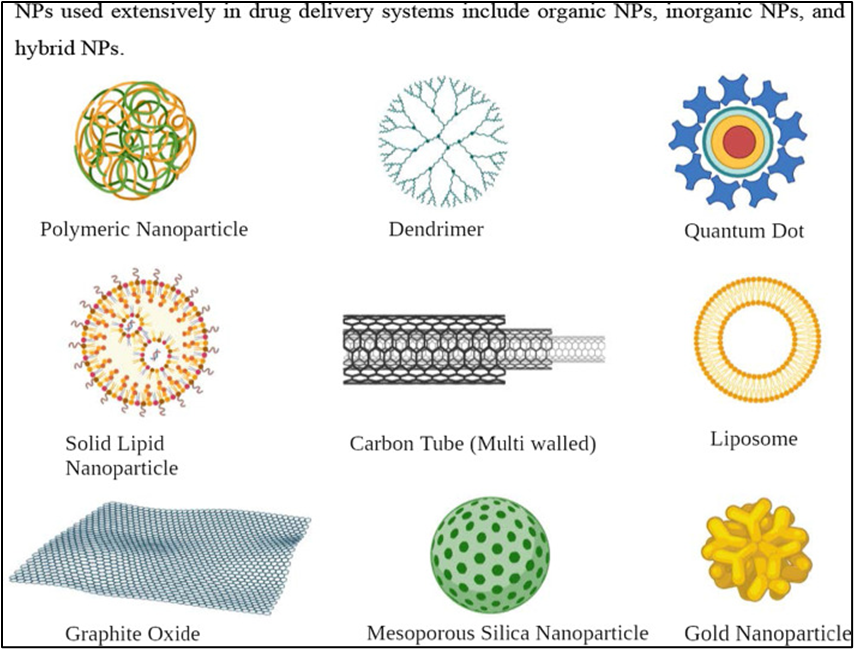
Figure 1: Various Types of Nanomaterials Used In Cancer Therapy
Solid Lipid Nanoparticles (SLN)
They are colloidal nanocarriers (1–100 nm) composed of a phospholipid monolayer, an emulsifier, and water. These are referred to as zero-dimensional nanomaterials. Triglycerides, fatty acids, waxes, steroids, and PEGylated lipids are some examples of lipid components. Unlike traditional liposomes, SLNs feature a "micelle-like structure" with the medication encapsulated in a non-aqueous core. Examples include mitoxantrone-loaded SLN, which has been found to be less toxic and more bioavailable. The integration of doxorubicin and idarubicin by SLN in "P388/ADR leukemia cells" and the "murine leukemia mouse model" yielded favorable results.
Cyclodextrin Nano sponges
Cyclodextrins are commonly utilized as stabilizers to improve the drug loading capacity of nanoparticles. Nano sponges are small, mesh-like structures. B-cyclodextrin nano sponges loaded with paclitaxel demonstrated strong cytotoxic effects in MCF-7 cell line culture. Similarly, using cyclodextrin-based nano sponges increased camptothecin's solubility and stability.
Inorganic nanoparticles
Carbon Nanoparticles
Carbon NPs, as the name implies, are based on the element carbon. They have been widely used in medical applications due to their optical, mechanical, and electrical qualities, as well as their biocompatibility. Carbon nanoparticles, which are hydrophobic, can encapsulate pharmaceuticals using π-π stacking. Carbon nanoparticles are further classified as graphene, carbon nanotubes, fullerenes, carbon nano horns, and graphyne. Although all of these are carbon-based, they differ in structure, appearance, and characteristics.
Fullerenes are enormous carbon-cage molecules made up of carbon allotropes in various conformations such as spherical, ellipsoid, or tube. They are the most commonly investigated nanocarriers because they have common structural, physical, chemical, and electrical properties.
These are employed in photodynamic therapy because of their triple yield and capacity to create oxygen species by prolonged π-conjugation and light absorption. PEG-modified fullerenes shown interesting photodynamic effects on tumour cells.
Carbon nanotubes (CNTs) are cylindrical tubes that are often referred to as graphene rolls. They were discovered in the late 1980s. They are divided into two categories: (1) single-walled CNTs and (2) multi-walled CNTs. Because they are carbon-based, they can stimulate an immunological response by interacting with immune cells, ultimately inhibiting tumour growth. They have traditionally been employed for DNA delivery and thermal ablation therapy. For example, a fluorescent single-walled CNT with mAb encapsulated doxorubicin is utilized to target colon cancer cells.
Metallic Nanoparticles
Metallic nanoparticles are widely used in "biological imaging" and targeted DDS due to their exceptional optical, magnetic, and photothermal characteristics. Gold, silver, iron-based, and copper NPs are among the most often utilized metallic nanoparticles. Gold nanoparticles are used as intracellular drug carriers because their size and surface characteristics are easily regulated. Furthermore, the visible light extinction behavior allows for the tracking of NP trajectories within cells. "Anti-HER2 functionalized gold-on-silica nanos hells" were shown to target HER2 positive breast cancer cells, an iron oxide nanoparticle formulation, is currently in late-stage clinical trials to identify nodal metastases. This is also used to treat nodal metastases in prostate and testicular cancer, and the FDA authorized it in June 2009.
Magnetic Nanoparticles
Enhance stability and biocompatibility. LHRH-conjugated superparamagnetic iron oxide nanoparticles are excellent at detecting and imaging breast cancer. Furthermore, magnetic nanoparticles are used in Magnetic nanoparticles are commonly employed in MRI imaging, and medication delivery uses metals or metal oxides. These are typically coated with organic compounds such as polymers and fatty acids to facilitate magnetic hyperthermia for thermal ablation of cancer cells. Feridex® and Resovist® are two magnetic nanoparticles on the market or in clinical trials for liver metastases and colon cancer, respectively.
Calcium Phosphate Nanoparticles
“Calcium phosphate nanoparticles" are biologically friendly, biodegradable, and do not produce any severe adverse effects. As a result, they are employed as a delivery mechanism for insulin, growth hormones, antibiotics, and contraception. They are also utilized for the delivery of oligonucleotides and plasmid DNA. Calcium phosphate nanoparticles paired with either a viral or non-viral vector have been successfully used as delivery vectors in cellular gene transfer. A "liposomal nano lipoplex formulation" containing calcium and glycerol has demonstrated lower toxicity and enhanced transfection properties
Silica Nanoparticles
Silica, which is an important component of many natural materials, has only recently been investigated in terms of biology. Silica nanoparticles are often utilized to transport genes by functionalizing their surfaces with amino-silicane. N-(6-aminohexyl)-3-aminopropyl-trimethoxysilane functionalized silica NPs have demonstrated excellent efficacy in Cos-1 cell transfection while causing low toxicity and are now commercially available. Mesoporous silica nanoparticles are regarded as one of the greatest medication carriers due to their superior pharmacokinetic features. They have been widely utilized in immunotherapy. A study found that colorectal cancer cells successfully absorbed camptothecin-loaded mesoporous silica nanoparticles.
CONCLUSION
Nanoparticle-based cancer therapy has progressed from simple drug delivery systems to complex, multifunctional, and intelligent platforms capable of diagnosis, targeted therapy, and immune regulation. Recent advances in nanotechnology have allowed for precise control over nanoparticle size, shape, surface chemistry, and reactivity to biological or environmental stimuli, resulting in better tumour targeting and lower systemic toxicity.
Modern nanocarriers, which range from lipid and polymeric nanoparticles to inorganic, hybrid, and biomimetic systems, are currently intended to overcome traditional cancer therapy limitations such as multidrug resistance, low drug solubility, and restricted tumour penetration. Innovations such as stimuli-responsive ("smart") nanoparticles, tumour microenvironment (TME)-modulating systems, and nano-immunotherapeutic platforms have created new therapeutic opportunities for highly selective and effective treatment.
Furthermore, theranostic nanoparticles, which combine therapeutic and diagnostic activities, have allowed for real-time monitoring of drug distribution and tumour response, expanding the concept of individualized nanomedicine. When combined with computational design tools and artificial intelligence, the production of customized nanoparticle systems becomes increasingly viable.
However, despite amazing laboratory accomplishments, translation into clinical practice remains difficult. Large-scale repeatability, long-term biocompatibility and clearance, regulatory standardization, and cost-effectiveness are all significant challenges. Addressing these issues through collaborative research, standardized methods, and early regulatory engagement will be important for the next stage of nanomedicine development.
To summarize, nanoparticles represent one of the most promising frontiers in cancer therapy, with the potential for more accurate, effective, and less hazardous treatment choices. The combination of nanotechnology, immunotherapy, imaging, and artificial intelligence is predicted to shape the future of cancer management. Continued interdisciplinary efforts will hasten the translation of these revolutionary nano systems from bench to bedside, eventually enhancing survival and quality of life for cancer patients globally.
REFERENCE


Vaishnavi Hendge, Snehal Kadbhane, Emerging Nanoparticles Based Strategies in Cancer Therapy, Int. J. of Pharm. Sci., 2025, Vol 3, Issue 11, 3109-3120. https://doi.org/10.5281/zenodo.17659286
 10.5281/zenodo.17659286