
1345Department of Pharmaceutics, Shri Sai College of pharmacy Khandala
2Department of Pharmaceutical Quality Assurance, School of Pharmacy Technology Management, Dhule (MH), India 424001.
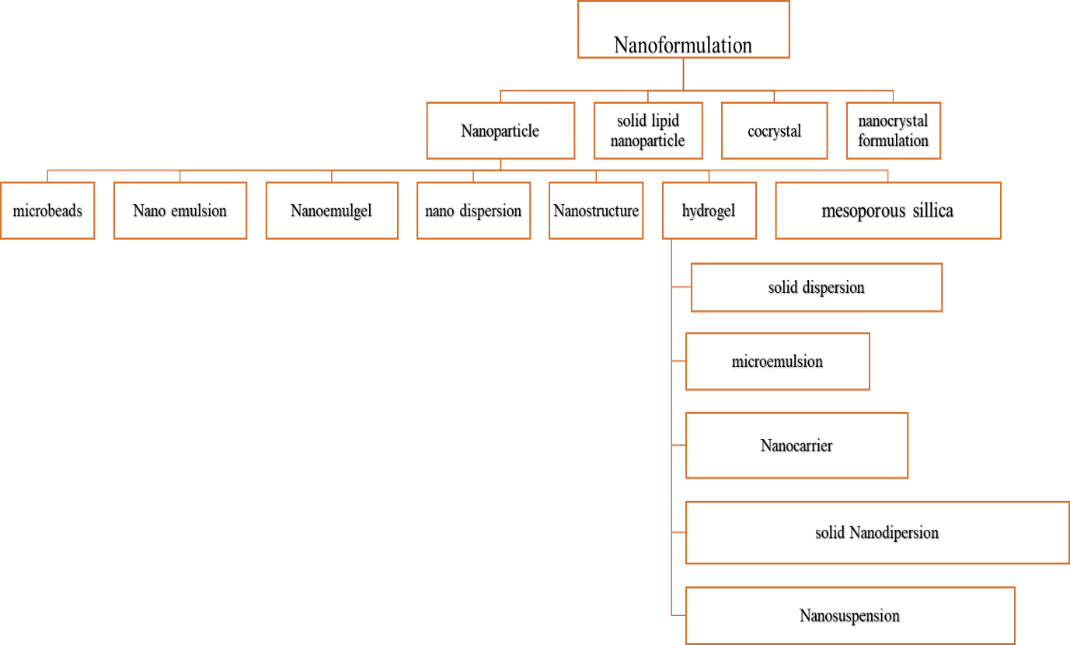
In this article, we have discussed various types of Nano formulation of glimepiride such as Nanosuspension, nanoparticles, solid lipid nanoparticles, nanocrystal formulation, cocrystal nanoemulgel, Nanoemulsion, nanostructure, Nano dispersion, mesoporous silica carriers, hydrogel, microemulsion, solid dispersion, solid Nano dispersion, microbeads, nanocarrier. The study of novel drug delivery techniques has received more attention recently as efforts to improve therapeutic efficacy and provide sustained release qualities are demonstrated. These developments are meant to address issues including the low bioavailability of oral anti-diabetic medications and their restricted solubility.These new techniques are important because regular diabetes pills often don't work well enough due to being hard to absorb or dissolve. By studying these tiny particle forms of glimepiride, researchers hope to find ways to make it work better for people with diabetes.Additionally, the article mentions specific formulations such as mucoadhesive microbeads and TPGS-based Vitamin E nanocarrier-loaded buccal films, which are designed to enhance therapeutic efficacy and address issues like low bioavailability and restricted solubility of oral anti-diabetic medication Finally, the article highlights the advanced techniques like Ionic gelation and solvent evaporation, which have demonstrated improved drug delivery and efficacy for glimepiride. Main goal of this study improved dissolution and bioavilability of the glimiperide and its nanoformulation.
Glimepiride is a second-generation sulfonylurea drug that is frequently utilised to treat type II diabetes or diabetes mellitus. It is a member of a class of orally administered diabetes medications that promote secreation of insulin from the pancreatic beta cells, so assisting in lowering blood sugar levels. Due to its high permeability but insoluble in water, glimepiride is differenciated as a class II drug. (1)Glimepiride has a very low point water solubility because it is insoluble in water. Glimepiride may dissolve slowly and unevenly in the digestive tract because of its low solubility. Subtherapeutic blood medication levels may arise from this, which has the potential to cause an unpredictable clinical response or, in certain situations, even therapeutic failure. Several measures can be used to minimize these problems, guarantee proper absorption, and improve therapeutic response. For instance, pharmaceutical companies might create particular dosage forms or formulations to speed up glimepiride's solubility and dissolution. These formulations can decrease the likelihood of therapeutic failures and increase the drug's bioavailability. To effectively manage diabetes in patients, healthcare practitioners must be aware of the solubility restrictions of glimepiride and take appropriate action, such as looking into other therapy alternatives or changing the dosage frequency. (2) Glimepiride has demonstrated various advantages as an antihyperglycemic agent. It exhibits high protein binding, meaning it binds strongly to proteins in the blood, which contributes to its long-acting effects. This characteristic allows for the simultaneous use of Glimepiride with insulin, providing flexibility in diabetes management. However, one drawback associated with the oral administration of Glimepiride is its low solubility in water, measuring approximately 1.6 μg/mL. In addition, glimepiride has a sluggish rate of dissolution, which contributes to its low bioavailability when taken by mouth. These factors impede its effective absorption and distribution in the body when administered orally. (3) The accumulation of fat in significant organs has also reportedly been linked to the usage of sulfonylureas such as glimepiride alone. It may be concluded from the information given that administering cholesterol-lowering and anti-diabetic drugs together is the best way to treat both hyperlipidemia (elevated lipid levels) and hyperglycemia (high blood sugar levels). (4,5) Glimepiride shows side effects that are commonly mentioned are low blood sugar, gastrointestinal disruption, lightheadedness, and headaches. A significant barrier to effective type 2 diabetic disease treatment is poor compliance(6) Due to its simple manufacturing procedure, spontaneous generation, capacity to solubilize lipophilic solutes, and improved bioavailability of hydrophobic medicines, microemulsion (ME) has attracted substantial interest in the field of pharmaceutical research. microemulsion provides an easy and effective technique for administering medications with limited water solubility, solving a problem that frequently arises in pharmaceutical formulations. Its benefits include better medication absorption and solubility, which improves therapeutic results(6,7) Nanosuspensions have attracted a ritual attention over the last 20 years as a practical and affordable method that may be used with a variety of drugs. The capacity to produce high drug loading and administration efficiency, as well as improved drug solubility and bioavailability, are only a few of its significant advantages. Additional benefits of nanosuspensions include enhanced adherence to biological membranes and greater saturation solubility based on the Ostwald-Freundlich equation. These traits help increase drug absorption through the digestive system, further increasing the therapeutic potential of nanosuspensions (8)
Diabetes mellitus: One of the oldest diseases affecting people is probably diabetes mellitus (DM). It initially appeared in a 3000-year-old Egyptian text. (9) This century's largest epidemic of diabetes, or diabetes mellitus, has seen a 50% increase in incidence over the previous ten years. (10) (11). Diabetes can be brought on by a deficiency in insulin or by the presence of substances that interfere with insulin's ability to work. An increase in blood glucose is the outcome of insulin's insufficient action. hyperglycemias concentration. Numerous other metabolic irregularities take place, most notably an increase in ketone bodies in the blood when there is a severe absence of insulin. (12)(13) According to reports, 4.6 million individuals died in 2011 as a result of DM, and 366 million people were diagnosed with DM that year. (14)(15). Between 2000 and 2016, there was an Globally, there has been an 18% decrease in the probability of mortality between the ages of 30 and 70 due to any of the four primary noncommunicable diseases: cancer, chronic respiratory diseases, diabetes, or cardiovascular disorders. (16) Diabetic patients' blood sugar levels stay elevated. This could be as a result of insulin not being made at all, not being produced in the right proportions, or not being as effective as it should be a majority In contrast to type 2 diabetes, which performed for 95% of instances and is connected to obesity, type 1 diabetes, an autoimmune disease, only accounts for 5% of cases of the disease. A single gene mutation causes other, highly rare kinds of diabetes. One type of diabetes that appears during pregnancy is gestational diabetes.(17)
Types of diabetes
1. Type I diabetes: It is a long-lasting autoimmune disorder associated with the selective loss of insulin-producing pancreatic beta cells. (17)(18) The presence of penetrating T cells leading to substantial insulitis when twin recipients with long-standing diabetes get pancreatic transplants from identical twin donors indicates an autoimmune reaction. The pancreatic beta-cells are the target of this immunological response, which causes fast cell death. Type 1 diabetes, also known as insulin-dependent diabetes (IDDM) or juvenile-onset diabetes, is a condition often characterized by various symptoms such as increased thirst, frequent urination, unexplained weight loss, extreme fatigue, breath with an acetone-like smell, nausea, vomiting, blurred vision, and itching in the genital area. (17)
2) Type II Diabetes: It also referred to as adult-onset diabetes, is characterized by a steady decline in insulin secretion in addition to insulin resistance. Insulin resistance frequently develops in those with this kind of diabetes. (19) Around 5-7% of the world's population suffers from type II diabetes mellitus, which is normally treated by altering diet, involving in regular physical exercise, and taking hypoglycemic drugs. The most common kind of diabetes is significantly influenced by factors like a back history of the condition, advanced age, obesity, and a sedentary lifestyle. (20)
3) Gestational Diabetes: - Any abnormal impairment of glucose tolerance that develops or becomes apparent during pregnancy is referred to as gestational diabetes mellitus. (21) Diabetes frequently affects pregnant women. Insulin resistance can develop from pregnancy-related hormone production because it can prevent the mother's body from using insulin as it should The term "gestational diabetes mellitus" refers to both women who develop type II diabetes at the time of pregnancy and those who discover they have undiagnosed, asymptomatic type 2 diabetes. (17) Due to its association with severe maternal and fetal morbidity, GDM has clinical significance. (22)
Drug profile of Glimepiride:
Structure:
Molecular Formula: C24H34N4O5S
1) Nano formulation: Nano-formulations are being increasingly adopted by the pharmaceutical industry as an essential component, which necessitates concentrated efforts in fundamental research to create effective drug delivery systems. As particle size and shape significantly affect the properties and potential applications of nano-formulations, future research should concentrate on developing synthesis methods that allow accurate manipulation of these variables. The broad use of nano-formulations in medication delivery applications will be accelerated by such initiatives. (24) The diameters of nano-formulations typically range from 10 to 100 nanometers. The drug can be integrated into these nanoscale structures by a variety of methods, including dissolution, trapping, encapsulation, or attachment to a drug carrier. (24,25) The pharmaceutical industry uses a variety of Nano-formulations for drug delivery. Micelles, liposomes, Nanoemulsions, polymers, and dendrimers are some of the dendrimers formulations specifically synthesized macromolecules with strong branching structures. (24,26) Numerous research investigations and academic articles have shown that selecting the right preparation methods is essential for producing nano-formulations with the appropriate characteristics for certain drug delivery applications. (27) The pharmaceutical sector uses a variety of nano-formulations for drug delivery. Among these compositions are dendrimers, polymers, liposomes, nano-emulsions, and micelles. Among them, dendrimers are a type of synthetic, hyperbranched polymeric macromolecules that, as a result of their clearly defined core, backbone, and multivalent periphery, have a distinctive spherical tree-like structure. Dendrimers have several benefits for applications involving medication delivery. First off, because of its clearly defined structure, it is possible to adjust the size, shape, and surface functions to meet particular drug delivery needs. The optimization of drug loading, release kinetics, and targeting capabilities is made possible by this level of control. Numerous attachment locations are provided by dendrimers' multivalent perimeter, which makes it possible to conjugate medicines or target ligands. This adaptability enables the simultaneous attachment of numerous therapeutic agents or imaging agents, increasing the therapeutic potential or diagnostic powers of these agents. Dendrimers' huge internal cavities also provide them with a high loading capacity. Through numerous interactions, including electrostatic or hydrophobic interactions, they can either encapsulate hydrophobic pharmaceuticals within their core or bind hydrophilic medications to their surface. Dendrimers' huge internal cavities also provide them with a high loading capacity. Through numerous interactions, including electrostatic or hydrophobic interactions, they can either encapsulate hydrophobic pharmaceuticals within their core or bind hydrophilic medications to their surface. The medication molecule that is enclosed is also shielded against deterioration and early removal by dendrimers. In addition, they can get around several biological barriers thanks to their small size and distinctive architecture, which increases the permeability of drugs at the target region. Dendrimers can also be made to have controlled drug release characteristics, enabling the gradual dissolution of an encapsulated medication over time. This regulated release profile can boost therapeutic results, lessen side effects, and boost drug efficacy. Due to their well-defined structure, adaptability in surface alterations, high loading capacity, protection of encapsulated pharmaceuticals, and controlled release qualities, dendrimers have emerged as attractive nanocarriers in drug delivery. Their potential for targeted and personalized therapy is being further investigated and optimized through future investigations (24,26)In general, drug Nano formulation offers a promising method to improve medication delivery accuracy, lower total dosage, and lessen potential negative effects. The goal of ongoing investigations in this area is to create novel nanostructures and enhance their targeting capabilities, which will eventually result in pharmacological therapies that are safer and more effective(28)Problems with drug administration when using the oral route Drugs with poor water solubility are difficult to distribute orally, even though gastrointestinal drug delivery is effective for medications with high water solubility and epithelial tissue permeability. The bulk of recently created chemical compounds have a lipophilic character, which limits their ability to dissolve in water. (29,30) Additionally, due to their restricted permeability in the gastrointestinal tract, some medications' effectiveness for treatment is reduced, which affects their oral bioavailability. Alternative techniques must be used to get the intended therapeutic outcomes.(29).
Enhancing bioavailability: Nanosuspensions' better drug solubility and higher drug loading may increase a medicine's bioavailability. When given, nanosuspensions can aid in the drug's improved distribution and absorption throughout the body. The more effectively the drug can be delivered throughout the body or to specific organs because to the smaller particle size's ability to pass through biological barriers like the membranes of cells. Nanosuspensions may improve the therapeutic efficacy of medications and possibly lower the dosage necessary by increasing bioavailability.(30,34)
High permeability but limited solubility and aqueous solubility are characteristics of class II Drug. Class IV medicines, on the other hand, have low permeability and solubility. Drugs of BCS class II have the potential to pass through biological membranes with ease, but their ability to be absorbed and made bioavailable is constrained by their poor water solubility, which interferes with their ability to dissolve and be absorbed into the bloodstream. The permeability of BCS class IV medicines, in contrast, and their solubility make them more soluble. in contrast, are problematic, making it challenging for them to efficiently dissolve in the gastrointestinal system and pass past biological barriers. These medications frequently need specialized formulation techniques, like the usage of nanoparticles.(35,36) When utilizing nanoparticles designed for long-lasting release, the frequent dosage required by glimepiride's short half-life results in continuous delivery, which increases the drug's absorption.(35,37) The diameter or dimensions of particles at a small scale are referred to as nanoparticle size. Sizes of nanoparticles typically range from 1 to 100 nanometers (nm). They are very helpful in some industries, including biology, technology, medicine delivery, and materials research. These nanoparticles have higher bioavailability, better site-specificity and targeting, lower toxicity, and lower dose requirements, among other important benefits. These advantages make it possible to administer medications safely and efficiently, particularly to target locations, whilst minimizing the influence on healthy tissues. Polymeric nanoparticles have been successfully created for a variety of uses, including gene transport and tumor targeting, demonstrating their adaptability and potential in biomedical study and therapeutic practice.(29,38)
Salts: To increase dissolution and stability, several medications are created as salts. The drug molecule is combined with an acidic or basic chemical to generate a crystalline structure in salt versions of the medication. This may increase the drug's absorption in general and rate of dissolution, as well as make it more readily absorbed and utilized by the body.
Hydrates: The drug's performance and manufacturing methods may be affected by the fact that hydrates may differ from anhydrous versions of the drug in terms of their chemical and physical characteristics.
Solvates: Hydrates are medications with a crystal structure that contains water molecules. The presence of water can affect the medication's long-term stability and solubility. Because hydrate may have different chemical and physical properties from the medication's anhydrous forms, this could have an impact on how well the drug works and how it is made.The characterization and comprehension of these many crystal structures are crucial for the creation of pharmaceuticals. To ascertain a drug's qualities, gauge how well it performs under various scenarios, and choose the best form to formulate and produce commercially, scientists and researchers examine the crystal structures of pharmaceuticals. With the aid of this information, drug formulations can be improved, drug delivery can be made more effective, and drugs can be made safe and effective.(43)(44).
Nanostructure: This method of drug delivery is especially beneficial for long-term or frequent use because it makes things simple and convenient for the patient. This is especially important for clinics located in developing nations where there may not be many or no additional drug administration options accessible.(48) Although there are many benefits to taking medications orally, some things, like obstacles in the GI tract, can reduce how effective it is. Intelligently created drug delivery systems are essential to overcoming these constraints. These systems not only get over the problems with oral administration but also improve the overall effectiveness of the therapy. DDS represents a significant development in nanomedicine by creating novel methods of medication delivery using nanotechnology.(48,49)
Taking medications orally and nanostructures: In the area of drug delivery, oral drug administration and the use of nanostructures are intimately interconnected. Drug delivery via oral ingestion is preferable due to its pra barriers that may reduce a drug's effectiveness when taken orally.(48) A promising method to improve oral medication delivery has developed using nanostructures like nanomaterials or nanocarriers. Researchers have created cleverly designed drug delivery devices that can get around the drawbacks of oral administration by utilizing the special features of nanostructures. The efficacy and safety of oral drugs can now be enhanced thanks to these advances in nanotechnology in drug delivery. To overcome the difficulties posed by the pharmacokinetics and pharmacodynamics of therapeutic compounds, nanostructures used in drug administration have been particularly developed to achieve targeted drug delivery. These nanostructures seek to minimize negative effects while optimizing medicinal dosage for substances with constrained therapeutic windows.(48,50)
|
Sr no |
Colloidal system |
Outcomes |
References |
|
1 |
Osmotic system |
Evaluation of Controlled Release |
(51) |
|
2 |
Nanosuspension |
evaluation of its pharmacokinetics in rats |
(32) |
|
3 |
Nanosuspension |
Improved bioavailability |
(34) |
|
4 |
Nanosuspension |
Improved bioavailability in vitro α-glucosidase inhibition |
(52) |
|
5 |
Nanosuspension |
improve solubility |
(53) |
|
6 |
Nanosuspension |
Solubility improvement |
(54) |
|
7 |
Nanosuspension |
improvement of oral bioavailability |
(55) |
|
9 |
Nanosuspension and solid self-nanoemulsifying drug |
dissolution rate, gastrointestinal permeability and oral |
(4) |
|
10 |
Nanosuspension |
For increasing solubility |
(56) |
|
11 |
Nanoparticle |
Mucoadhesive Microbeads of Glimepiride |
(57) |
|
12 |
Nanoparticle |
Improvement for bioavailability |
(35) |
|
13 |
Nanoparticle |
Diabetes Mellitus disease treatment |
(58) |
|
14 |
Nanoparticle |
antimicrobial improvement |
(59) |
|
15 |
Nanoparticle |
improving diabetes treatment effectiveness |
(60) |
|
16 |
Nanoparticle |
treatment of diabetic complication |
(61) |
|
17 |
Nanoparticle |
bioavailability |
(62) |
|
18 |
Nanoparticles |
sustained release |
(63) |
|
19 |
Nanoparticle |
improve the solubility |
(64) |
|
20 |
solid lipid nano particles |
Dissolution enhancement |
(65) |
|
21 |
Nanocrystal formulation |
dissolution enhancement |
(8) |
|
22 |
Nanocrystals |
effect of PEG 20000 and P90G |
(66) |
|
23 |
Nanocrystal formulation |
Estimation of its pharmacokinetic in rats |
(67) |
|
24 |
Cocrystals |
enhancing the dissolution rate |
(68) |
|
25 |
Co-crystal |
Solubility Enhancement |
(44) |
|
26 |
Co-crystal |
Solubility Enhancement |
(69) |
|
27 |
Nanoemulgel |
Solubility Enhancement |
(70) |
|
28 |
Nanocarrier |
Improved Transmucosal Delivery of |
(71) |
|
29 |
Nanoemulsifying Drug |
enhanced hypoglycemic activity |
(72) |
|
30 |
Nanoemulsion |
enhancement of in vivo |
(73) |
|
31 |
Nanostructures |
improving oral medicine |
(48) |
|
32 |
Nano dispersion |
Improving Its |
(74) |
|
33 |
Mesoporous Silica Particles |
improved dissolution |
(75) |
|
34 |
Mesoporous silica carriers |
Improvement of dissolution |
(76) |
|
35 |
Mesoporous silica carriers |
Improvement of dissolution of poorly soluble drug (glimepiride) |
(77) |
|
36 |
Hydrogel |
transdermal delivery |
(6) |
|
37 |
Microemulsion |
improve its solubility |
(3) |
|
38 |
Solid Dispersion |
enhanced bioavailability |
(7) |
|
39 |
Solid Dispersion |
Solubility is Improved |
(78) |
|
40 |
Solid Dispersion |
solubility enhancement |
(7) |
10) Hydrogel: Hydrogel, a three-dimensional polymer network with hydrophilic properties, has the remarkable ability to absorb and retain significant amounts of water or biological fluids.. These substances have a viscosity that is similar to gel and possess special qualities such as high water content, elasticity, and biological compatibility. Drug delivery methods based on hydrogels include benefits like increased bioavailability, decreased toxicity, and greater therapeutic efficacy. In general, hydrogels have shown great promise in a range of biological applications, including engineering tissues, medication transport, and diagnostics. Their special qualities make them appealing for creating cutting-edge treatment formulations and techniques.(6)
11) Microemulsion: Due to its simple manufacturing procedure, spontaneous creation, capacity to solubilize lipophilic compounds, and improved bioavailability of hydrophobic drugs, microemulsion has drawn a lot of attention in pharmaceutical research.(3,81,82) Microemulsions are two immiscible fluid-based systems that are transparent and clear. They are stabilized by a cosurfactant, a surfactant, or a mixture of surfactants. a variety of the physicochemical characteristics of the components and their ratios, the microstructure of microemulsions can be divided into three categories: water-in-oil, bicontinuous, or oil-in-water. The interaction of the constituents and their individual qualities leads to the microstructure of the microemulsion. (81)(83) Microemulsions have come to light in recent years as potent booster of the solubilization ability and dissolving rate for poorly soluble medicines. Drugs like glimepiride have been solubilized using biocompatible microemulsions. The aqueous phase's composition affects the drug's capacity for solubilization. The presence of the medication can change how rigidly the interface between the distinct phases of the microemulsion is, according to extensive characterization of the volumetric and transport properties of the microemulsions.(81,84)
12) Solid dispersion: Solid dispersion is a formulation method used to improve the solubility and rate of dissolution of medications that are not very water-soluble The problem of medications with low water solubility, which frequently demonstrate poor dissolution and absorption in the body, is addressed by the solid dispersion technique. The surface area and interaction between the drug and the dissolving media are increased when the drug is dispersed in a solid matrix, which improves dissolution and subsequent absorption. Solid dispersions have several benefits. They may improve the drug bioavailability, accelerate drug dissolution, and boost therapeutic effectiveness. Solid dispersions can be made using a variety of techniques, such as melting, solvent evaporation, spray drying, and hot melt extrusion. The exact medicine and intended release parameters determine the polymer matrix and manufacturing method to be used.(7)
Case studies of nano formulation:
a) Narendra Kumar Pandey et al. formulated a nanosuspension by using the liquid antisolvent precipitation method. the spray drying technique, for the (L-SNEDDS self-Nanoemulsifying drug delivery system) were converted into a powder with outstanding flow properties. The L-SNEDDS underwent a conversion process into a free-flowing powder by utilizing the spray drying technology. Precise measurements of 1 g of SIM and 0.4 g of glimepiride were taken and dissolved in 40 ml of acetone, which acted as the solvent, to generate a liquid nanosuspension. that previously had PVP K-30 (0.45 g) and SLS (0.59 g). Water was employed as an antisolvent. The dispersion was agitated using a Silverson’s homogenizer (REMI, India) for 4 hours at 4000 rpm. A translucent and clear nanosuspension was created. It was established that to increase the bioavlability . (85)
2) Nanoparticles
b) Lakshmana Prabhu et al. formulate a nanoparticle by using the technique of solvent evaporation using high-pressure homogenizer. nanoparticle. they are using dichloro methane use as a polymer Several methods were used in this study to evaluate the effectiveness of drug content encapsulation and the physical properties of nanoparticles, including particle size distribution analysis, X-ray diffraction, Fourier-transform infrared spectroscopy, differential scanning calorimetry (DSC), and field-emission scanning electron microscopy (FE-SEM) for studying particle morphology The goal of the study was to determine whether an oil-in-water (o/w) emulsion might be used as a drug delivery mechanism. The percentage of medication that was successfully absorbed into the nanoparticles the efficiency of the encapsulation was found to range between 40.27% and 80.55%. The nanoparticles' particle size was also determined to be 442 nm. Results from the DSC and XRD tests revealed that the medication and the polymer used to make the nanoparticles interacted. .(63)
c) V J mohanraj et al. they are formulate a nanopartical by using various type of method such as a Polymerization method, Coacervation or ionic gelation method, they are using synthetic polymer such as a protein , polysaccharide .in this formulation particle size is 10-1000nm. The information presented previously illustrates the huge potential of nanoparticulate systems in converting unstable, poorly soluble, and poorly absorbed physiologically active chemicals into promising medications that can be efficiently administered. These systems have a core that can house different medications, enzymes, and genes. One of their important characteristics is a hydrophilic covering that increases the time they spend in circulation by preventing the reticular-endothelial system from recognizing them. However, a more thorough understanding of the many mechanisms of biological interactions and particle engineering are still required in order to properly optimize this drug delivery method. The principle of nanoparticle technology needs to be developed further before it can be used in real-world applications as the next generation of medicine delivery systems.(38)
d)Sajeev Kumar et al: they are formulating a nanoparticle To enhance glimepiride's solubility, stability, and targeting efficiency, novel lipid nanoparticles were created using a combined strategy of precipitation and complexation. PEG 20000 was used to precipitate the glimepiride NCs, which were then combined with P90G to form a complex. The NCs were assessed using a variety of physicochemical characterization approaches, such as drug loading, saturation solubility), and particle characterization tests. X-ray powder diffractometry (XRPD), differential scanning calorimetry), infrared spectroscopy), and scanning electron microscopy (SEM) were used for solid-state characterization. Studies on medication targeting and in vitro dissolution were also carried out. On the most successful NCs, three months of short-term stability experiments were conducted. The saturation solubility of the GLP P90G NCs increased by three times as compared to In comparison to pure GLP, the GLP P90G NCs showed a two-fold increase in saturation solubility. The NCs had nanoparticles that were between 210 and 240 nm in size. The NCs outperformed pure GLP in terms of stability and dissolution in vitro. The NCs had crystallinity, according to XRPD and DSC analyses, although with a small alteration to the crystal structure. A lipid coating was found on spherical particles, according to SEM examination. The NCs were constant over the course of the investigation. In vivo, tests on the improved NCs revealed a somewhat greater amount of drug (1.38 g/ml) in the rat pancreas compared to pure GLP. In conclusion, the solubility and stability of GLPNCs were significantly enhanced by the complexation of P90G. Additionally, P90G (phospholipids) showed effectiveness.(64)
e) Osama Abdelhakim Aly et al. formulate the zain based nanoparticle with In situ gel of thermoresponsive triblock copolymers they are using method liquid–liquid phase separation method. These formulation made utilization of poly(lactide-co-glycolide)-block poly(ethylene glycol)-block poly(lactide-co-glycolide) copolymers. In a solution of 3 mL dichloromethane (DCM) and 9 mL 90% v/v ethanol in water, glimepiride and zein were dissolved. A probe sonicator with a power of 750 watts homogenized the solution for five minutes at a temperature of 10 °C. The resultant emulsion was stirred at 2,000 rpm and room temperature for 3 hours before being added dropwise to 20 mL of phosphate-buffered saline (pH 7.2) that contained a particular concentration and kind of stabilizer. The mixture was then allowed to evaporate overnight at room temperature By employing a rotary evaporator under vacuum conditions, the pressure is reduced to facilitate the evaporation of solvents or liquids until all of the ethanol had evaporated. The produced nanoparticles were separated from the resulting Nano dispersion by centrifugation for 60 minutes at 20,000 rpm. With the condenser temperature set at -55°C and an alpha 1-2 LD plus freeze drier, the centrifuged residue was freeze-dried for 72 hours. A promising method for regulating the release of glimepiride is the using of nanoparticles of Zein and triblock copolymers in in situ gel-forming intramuscular implants. The efficacy of treating diabetes. (60)
f) Dalia A. Gaber et al. formulate the nanoparticle by using method cryogenic the aqueous solubility of glimepiride can be increased by adding a water-soluble polymer, increasing its bioavailability. utilizing three different feeding solution volumes (50, 100, and 150 mL) and three different flow rates (10, 20, and 30 mL/min) with three different drug polymer ratios (1:1, 1:2, and 1:3) Using PVP K-30, a polymer of polyvinyl pyrrolidone. zeta potential, particle size medication content, and manufacturing yield of the prepared formulations were all assessed. bioavailability, rate of release, and hypoglycemic action in vivo. The drug contents of the various formulations produced ranged from 91.1 to 3.4% to 94.3 to 1.8% to 95.1 to 2.8% to 97.1 to 2.5%, and all of them showed high manufacturing yields. The region of 280–62–520–30 nm was where the average particle size fell. When compared to the pure medication, the compounded preparations' solubility significantly improved, according to the in vitro release research. In comparison to currently available tablets, the ideal formulation significantly decreased blood glucose levels in diabetic rats and demonstrated a 1.79-fold increase in oral bioavailability.(62)
3) Nanosuspension:
a) Sarita Kumari Yadav et al. formulate the eudragit RLPO based nanosuspension of glimepiride by using nanoprecipitation method for preparation of nanosuspension A modified version of the nanoprecipitation method. was used to prepare a nanosuspensions. A consistent organic solution was created by dissolving the ERLPO polymer in acetone at a temperature of 40°C together with a precise amount of the medication. Then, under 8,000 rpm of high-speed mechanical agitation, this organic solution was slowly injected drop by drop using a syringe into an aqueous phase that contained 2% (w/v) of P-188. As a result of this procedure, the desired Nano dispersion was created. For the purpose of speeding up the evaporation of the organic solvent, the produced nanosuspension was further subjected to magnetic stirring for 12 hours at room temperature and 500 rpm. Spectrophotometric methods were used to calculate the amount of acetone that has completely evaporated. Vanillin was used in a procedure that was used. A specific volume of vanillin was initially measured, and any volume loss was made up for by adding triple-distilled water. The samples were made in three copies. The experimental setup was adjusted to alter the drug/polymer ratio and agitation time while maintaining the other parameters constant. Purpose of this formulation improve the drug's water soluble properties. (32)
b) vaishali kilor et al . Formulate the nanosuspension loaded oral films of glimepiride by using method zeta potential, particle size, and in vitro dissolution. It was found that the oral thin film's (OTF) nanoparticles had an average particle size of 57.2 nm. The findings of in vivo bioavailability tests indicated that the nanosuspension-loaded OTF (NSOTF) had plasma drug concentrations (Cmax) of a high level. were much greater than those of the commercially available oral formulation. The Cmax for NSOTF was determined to be 4900 ng/ml, as opposed to 2900 ng/ml for the commercial oral formulation. Furthermore, stability analyses showed that the particles ‘small size was unaffected even three months into the study. Purpose of these study for improving bioavlability .(34)
c) Haroon Rahim et al . formulation of nanosuspension of glimepiride purpose of these study goal was to increase glimepiride's oral bioavailability, solubility, dissolution rate, and -glucosidase inhibition. We created a glimepiride nanosuspension using a precipitation-ultrasonication method to do this.
Method: Optimized processing conditions were used to create glimepiride nanosuspensions. Different methods, such as the Malvern Zetasizer, transmission electron microscopy (TEM), scanning electron microscopy (SEM), The glimepiride was characterized using differential scanning calorimetry (DSC) and powder X-ray diffraction (XRD). The polydispersity index (PDI) value for Glimepiride was determined to be 0.230.01 and the smallest particle size observed to be 152.42.42 nm. The formulation contained sodium lauryl sulfate at a 0.12% weight-to-volume concentration polyvinylpyrrolidone K30 at a concentration of 1% w/v, and hydroxypropyl methylcellulose (6 cPs) at a concentration of 1% w/v. A total of 15 minutes, including 3-second breaks, were spent ultrasonically processing samples at an input power of 400 W. Utilizing rabbits as a model organism, the oral bioavailability of glimepiride was assessed in person. Purpose of these study enhanced solubility and dissolution rate or increasing the rate of absorption .(52)
d) Sujit Bose et al . The formulation's objective In order to make glimepiride more soluble, a nanosuspension containing the drug was created using a various type of techniques.12 formulation is prepared by combination method that include in antisolvent precipitation The glimepiride (GLM) nanosuspensions, which were created using different methods, underwent a thorough examination using a variety of characterization techniques. These included transmission electron microscopy (TEM), optical microscopy, percent entrapment efficiency (%EE) calculation, particle size analysis, zeta potential measurement, and in vitro dissolution testing. method followed by sonication. determining a ratio 1:10, 1:20, or 1:30 ratio between the medication and the polymer. Six further formulations were created using the nanoprecipitation approach. they are using different type of polymer polyvinyl pyrrolidone (PVP K30), and poly(ethylene glycol) (PEG) such as PEG 6000 and PEG 400. One formulation in particular showed exceptional qualities when compared to the other formulations that were analyzed. This formulation had an 82.04% entrapment efficiency (%EE), a 129-180 nm particle size range, a 30.16 mV zeta potential, a 86.76% drug release with a polydispersity index (PDI) value of 0.253. Average particle size ranged from 72 to 383 nm, and A%EE was 80.03%. the zeta potential was -22.19 mV, PDI was 0.358, and drug release was 74.77% for the Fgii formulation, in contrast. The purpose of these study increasing dissolution rate .(56)
e)Dattatreya Manohar Shinkar et al. they are formulate and evaluate glimepiride nanosuspension by using antisolvent evaporation technique. And they are using different polymer such as Pluronic F68 and PEG 400 Nine different formulation batches were examined, and it was found that batch FG8 had the highest entrapment efficiency, at 85.3 0.73%. FG8 showed the highest percent total drug concentration among all the tested batches, measured at 96.40 0.4%. With the smallest particle size of 177.1 0.08 nm, the lowest the greatest zeta potential of 33.0 mV out of 100 and a polydispersity index of 0.142 0.01 all the nanosuspension batches studied, FG8 stood out. An in-vitro dissolution research revealed that batch FG8 had a maximum release of 97.6% in just 60 minutes when compared to the release of pure glimepiride. purposed the glimepiride nanosuspension was made using the sonication process after antisolvent evaporation. After the research was completed and the ANOVA findings were gathered, it was discovered that the FG8 batch of glimepiride contained Pluronic F68 30 mg and PEG 20 mg .was an improved glimepiride nanosuspension. Glimepiride's bioavailability and in-vitro dissolution can be efficiently by reducing the particle size to an optimum level when taken orally, the results are greatly improved. According to the study's findings, glimepiride nanosuspension may be a potential strategy for improving the drug's therapeutic activity in human volunteers and that it may be crucial for the clinical evaluation of nanosuspension in the future.(54)
4) Osmatic system
a) B. Sajeev Kumar et al. they are formulate and evaluate of controlled release of glimepiride by using osmatic system . Based on the osmotic principle, a controlled-release glimepiride tablet formulation was created. The evaluation's findings showed that batch GPF2 maintained a controlled release rate while showing a larger cumulative drug release than batches GPF1 and GPF3. The environment's pH had an impact on the release rate, with more release seen at pH values outside of 10. At higher pH levels, the release rate also slowed down, and this effect was directly connected to the quantity of pore-forming agent utilized. These results emphasize the significance of drug solubility, the concentration of pore-forming agents, and the swelling properties of the polymer in affecting the pace of drug dissolution. It was discovered that the chitosan coating on the core tablet had an effect on the rate of drug release.(51)
5) solid dispersion
a) S. Vidyadhara et al. they are formulate and evaluate solid dispersions and their tablet formulations. Utilizing physical mixing, solvent evaporation, and kneading techniques, several solid dispersions of glimepiride with SSG (Sodium Starch Glycolate) at various ratios were created. Both the amount of polymer employed and the technique of preparation had an impact on how quickly the weakly soluble Glimepiride disintegrated from solid dispersions. Solvent evaporation and kneading procedures were chosen from the three methods used (physical mixing, solvent evaporation, and kneading) as effective ways to speed up glimepiride breakdown. First-order kinetics was used to predict how the medication will be released from the solid dispersions. Some of the dispersions made utilizing the solvent evaporation and kneading techniques were used to create tablets, along with diluents including lactose, DCP (dicalcium phosphate), and MCC (microcrystalline cellulose). Drug release was seen to occur in the following order in all tablet formulations that contained diluents: DCP > MCC > Lactose. Furthermore, compared to tablets made with plain (unprocessed) medication, these tablet formulations showed a quicker drug release rate.(7)
b) Poonam Joshi et al. they are formulated solid dispersion by using fusion method of the hydrophobic drug glimepiride for the enhancing the solubility. The polymer was placed on a China disc and placed in a mantle with a continuous temperature programmed in order to liquefy. Add the medication once it has reached the point of dissolution and stir continuously with a glass rod. It is swiftly preserved for cooling in an ice bath after being removed from the mantle. It is removed once it has cooled down. kept at a high vacuum of more than 350Hg in a desiccator. purpose of this research enhanced the solubility. (78)
6 ) Solid lipid nanoparticle
a) Md. Abu Shuaib Rafsanjani et al: they are formulate the solid lipid nanoparticle by using glimepiride dispersion using glyceryl monostearate and β-cyclodextrin as carrier. The objective of this study was to accelerate the pace at which glimepiride, a sulfonylurea-class anti-diabetic medication, dissolves in the body. Type II diabetes mellitus is frequently treated with glimepiride. The researchers prepared glimepiride solid lipid nanoparticle dispersions and solid dispersions using two different techniques, namely heat homogenization and precipitation. Drugs with limited solubility can be effectively transported by solid lipid nanoparticles. As solid lipids, glyceryl monostearate and stearic acid were used in the formulation. together with the surfactant Lutrol F-68 and stabilizer Tween 80. Urea crystal and -cyclodextrin were also used by the researchers as polymers. For the heat homogenization procedure, three formulations (named GMLN1–GMLN3) and for the precipitation method, GMP1–GMP3 were created. Utilizing the paddle method and a US Pharmacopoeia type II apparatus, in vitro dissolving investigations were carried out to analyse the dispersions. The dissolution tests were carried out for 45 minutes with the paddle spinning at 50 rpm in 900 ml of distilled water at 37°C +/- 0.5°C. The drug's release pattern was investigated using in situ and external sink methods, and it was found that it followed zero-order, first-order, and Korsmeyer-Peppas equations. Based on the study's findings, both the pure medication and the commercially available formulation had a lower dissolving profile than any of the solid lipid nanoparticle dispersions. This suggests that glimepiride's solubility and bioavailability can be improved by using glyceryl monostearate and -cyclodextrin as carriers.(65)
7) solid Nano dispersion:
a)Mona Qushawy et al : In this research, scientists employed a solvent evaporation technique to fabricate solid dispersions of glimepiride. They utilized three different drug carrier ratios (1:1, 1:3, and 1:6) incorporating mannitol, polyethylene glycol 6000, and β-cyclodextrin as carriers. A 32 complete factorial design was implemented to optimize the formulation parameters. Various characteristics of the formulations such as production yield, drug content, micromeritic properties, thermal analysis, in vitro release, and in vivo hypoglycemic effect were thoroughly investigated. The findings showed that all the created formulations had high production yields, This varied between 98.4 2.8% and 99.8 2.2%, as well as significant drug content, which varied between 97.2 3.2% and 99.6 2.1%. The examination of the micromeritic characteristics revealed that the flowability of all glimepiride formulations was excellent. The medication was also found in an amorphous form, which was more soluble, according to the differential scanning calorimetry investigation. In summary, the study's solvent evaporation method was successful in producing glimepiride solid dispersions. High manufacturing yield, high drug content, and good flowability were all present in the formulations. The medication may exist in a more soluble amorphous form, according to the thermal study. These results offer useful information for creating glimepiride formulations with better solubility and maybe stronger in vivo hypoglycemic effects.(74)
8 ) ETHOSOMES
a)Navneet bhulli et al : they are prepared novel vesicular carrier ethosomes with glimepiride.
Method : The ethosome-encapsulated glimepiride was created, described, and evaluated using a variety of methodologies in the study. Optical microscopy, transmission electron microscopy, and the Mini column centrifugation technique were used to examine the vesicular shape, surface morphology, and entrapment efficiency, respectively. Ethosome properties were contrasted with those of liposomes, a common type of carrier system. The improved penetration of glimepiride via rat skin when Ethosomes were used was evaluated through in vitro percutaneous permeation studies. We assessed the flux from ethosomes and the kinetics of drug release. In order to comprehend the mechanism of increased permeability, FT-IR studies were carried out. Results showed that Ethosomes had an opposite charge to that of liposomes and had a more condensed vesicular shape. When compared to other formulations, ethosomal formulations demonstrated superior entrapment efficiencies, an ideal nanometric size range, and a low polydispersity index.
Purpose: This case study demonstrates the effective design, characterization, and assessment of glimepiride-containing ethosomes for transdermal distribution. Superior qualities displayed by ethosomes included increased skin permeability, appropriate size range, and improved entrapment efficiency. The study offers proof that Ethosomes are an effective delivery mechanism for glimepiride when applied topically and transdermally, potentially increasing its therapeutic efficacy in the management of diabetes. The results open doors for additional study and the creation of cutting-edge transdermal medication delivery systems using ethosomes.(1)
9) Cocrystal
a) Iman S Jaafar et al: they are formulate co crystal by using method in this work, citric acid, tartaric acid, and oxalic acid dihydrate were investigated as potential conformers with Glimepiride (the precise molecule is not given). The purpose was to look at how these conformers affected the characteristics of Glimepiride . The two different Glimepiride conformer molar ratios, 1:1 and 1:2, were used to prepare the formulations. The formulations were made using the solvent evaporation method, in which the solvent is evaporated to produce solid solids.
After that, several characterization techniques were used to assess the obtained products' qualities. The methods employed are: 1) Differential scanning Calorimetry (DSC): DSC analyses the thermal flow of a material and measures it. It offers details on melting points, phase transitions, and thermal stability by examining the heat flow. DSC was probably utilized to look into any modifications in the thermal behavior of glimepiride when mixed with the various conformers.(68)
b) Santosh Subhash Chhajed et al : they are formulating cocrystal by using the method solvent drop grinding method. The drug glimepiride is principally impacted by problems with its bioavailability due to its poor solubility in water. These bioavailability problems greatly reduce the drug's capacity to have the desired therapeutic benefits.
Material and method: Co-crystals were created utilizing a co-former that is Generally Recognized As Safe (GRAS), in this case, caffeine, to increase the crucial aspects of glimepiride. The solvent drop grinding method, a straightforward and environmentally benign technique, was used to create the co-crystals. In this procedure, the grinding process included the addition of a few drops of solvent, preferably acetone. Wistar albino rats were used in the pharmacokinetic investigation of the produced co-crystals. Following a comparison between the study's data and Glimepiride's free drug form, numerous pharmacokinetic parameters were calculated. These variables are crucial for determining how the co-crystals impact the body's ability to absorb, distribute, break down, and eliminate glimepiride. Comprehensive characterization of the co-crystal product was carried out utilizing high-level analytical techniques to ensure a thorough understanding. These methods offered thorough insights into the co-crystal product's qualities and assisted in confirming the production of the entire co-crystal product. Infrared spectroscopy, nuclear magnetic resonance spectroscopy, X-ray diffraction, thermal analysis (e.g., differential scanning calorimetry), and microscopy (e.g., scanning electron microscopy) are a few examples of the techniques that were probably used in the characterization process. The goal of this work was to generate co-crystals using a secure co-former and a green methodology in order to optimize the formulation of glimepiride. The co-crystals' potential advantages over the free drug form and their viability for further development as a better pharmaceutical product were all shown by the thorough characterization and pharmacokinetic evaluation.(44)
10) Hydrogel
a) Haiyang Li et al: they are formulate hydrogel for transdermal drug delivery system. By creating GM-meglumine complexes, this research tried to make glimepiride more soluble. and use the increased solubility to create transdermal hydrogels. With the improved drug solubility provided by GM-MU complexes, two different types of hydrogel formulations of Carbopol with GM-HPMC-Pu (GM-hydroxypropyl methylcellulose pullulan) were effectively created. Utilizing both response surface methods and single-factor studies, the hydrogel formulations were optimized. The best formulations were chosen after conducting in vitro drug release tests. The optimized GM-CP hydrogel formulation contained GM, carbopol 940 (1% w/v), and a 1:1 combination of azone and oleic acid (2.6% v/v). The GM-HPMC-Pu hydrogel was produced using GM, HPMC (3.5% w/v), Pu (1.5% w/v), glycerol (5% v/v), azone (2.9% v/v), and oleic acid (2.6% v/v). Evaluation of the hydrogels rabbits were used in in vivo tests. The outcomes showed that the medication was continuously released from the GM-CP and GM-HPMC-Pu hydrogels, resulting in a high plasma concentration for 48 hours. The relative bioavailability of GM-CP and GM-HPMC-Pu hydrogels was discovered to be 48% and 133%, respectively, when compared to commercial GM tablets. Importantly, transdermal absorption in vivo was well predicted by the in vitro drug release profiles, with GM hydrogel showing the strongest connection (R2 0.966). Overview: By creating GM-MU complexes, this study successfully increased the solubility of GM, and it then used the increased solubility to create brand-new transdermal hydrogel formulations. The sustained drug release and high plasma concentrations shown by the hydrogels point to their potential as substitute dosing forms. The appropriateness of these hydrogel formulations for efficient drug administration was highlighted by the ability of the in vitro drug release profiles to accurately predict transdermal absorption in vivo transdermal absorption in vivo with accuracy.(6)
11) Mesoporous Silica Particles:
a) Ch. tch. Voycheva et al: they are formulate the tablet containing mesoporous silica particle of glimepiride. The aim of this study was to develop a tablet formulation that enhances the dissolution of glimepiride. The drug glimepiride was loaded into two different kinds of mesoporous silica particles using a solvent-incubation technique. Characterization procedures like For the purpose of understanding the physicochemical properties of the particles, various techniques including transmission electron microscopy, infrared spectroscopy, dynamic light scattering, and thermogravimetric analysis were used. The bulk and tapped densities, as well as the angle of repose, were measured to assess the flowability and compressibility properties of the powder mixtures comprising glimepiride, drug-loaded silica particles, and excipients. A number of experiments were run on the tablets to evaluate their hardness, friability, disintegration, and in vitro release qualities after they had been made using a direct compression approach. Compared to tablets containing the bulk drugs, the results of the in vitro release trials demonstrated a considerable rate of increase has increased glimepiride dissolution from tablets manufactured with compared to tablets containing the bulk drugs, the results of the in vitro release trials showed a considerable the rate has increased of glimepiride dissolution from tablets manufactured with both kinds of mesoporous silica particles. Overall, this research shows a situation where a tablet formulation was created to speed up glimepiride disintegration. Mesoporous silica particles that had been loaded with glimepiride were used, and this improved the properties of the drug release. The results imply that this method of formulation has the potential to improve glimepiride's therapeutic efficacy and bioavailability. (75)
12 ) microbeads
a) M. Tejakrishna et al: they are formulate and evaluate Mucoadhesive Microbeads of Glimepiride. For the purpose of creating mucoadhesive microbeads for Glimepiride, the researchers in this work used the Ionic gelation process with coated polymers HPMC (hydroxypropyl methylcellulose) and NaCMC (sodium carboxymethylcellulose). The developed microbeads were evaluated for size distribution, tapping density, entrapment effectiveness, wall thickness, drug release tests, SEM (scanning electron microscopy), and GI (gastrointestinal) residence time, among other factors. Identifying was the main objective of this study. how the kind of polymer and polymer concentration affected the rate of medication release from glimepiride mucoadhesive microbeads. According to the findings, the rate of medication release was reduced when the coat polymer's concentration was raised. Additionally, it was shown that mucoadhesive microbeads made with NaCMC released drugs at a slower pace than those made with HPMC. The mucoadhesive microbeads made with HPMC and Glimepiride in a 1:9 ratio showed extended drug release for up to 12 hours among the various formulations. These microbeads released the drugs according to first-order kinetics, and it was found that a diffusion mechanism controlled how the drugs were released. In the final analysis, this study investigated the creation of mucoadhesive microbeads for glimepiride using coating polymers HPMC and NaCMC. The study focused on how polymer type and concentration affect how quickly drugs are released from microbeads. The mucoadhesive microbeads showed sustained drug release for a considerable amount of time, adhering to a diffusion-based release mechanism. They were made with HPMC and a certain Glimepiride ratio.(57)
13) microemulsion
a) Haiying Li et al : they are formulate microemulsion The objective was to produce an oral microemulsion of glimepiride that could improve the drug's solubility and bioavailability. The study optimized and prepared an oil/water microemulsion (GMME) of glimepiride (GM) for oral delivery using solubility studies, pseudo ternary phase diagrams, and Box-Behnken design. Caproyl 90 (oil), Cremophor RH40 (surfactant), and Transductal (cosurfactant) were the main ingredients in the optimized GMME formulation, which dramatically enhanced the solubility of GM to 544.64.91 g/mL. Zeta potential, transmission electron microscopy, dynamic laser light scattering, and viscosity tests were used to characterize the GMME. Spherical particles with a mean size of 38.9 17.46 nm and a low polydispersity index of 0.266 0.057 were present in the GMME. Three months at 4°C were used to establish the GMME's stability. When the GMME was delivered either orally (IG) or intraperitoneally (IP) to diabetic mice, both methods consistently and significantly decreased blood glucose levels at a dose of 375 g/kg. The pharmacokinetics of GMME in Wistar rats after oral treatment showed higher plasma drug concentrations, a bigger area under the curve, and increased oral bioavailability when compared to glimepiride suspensions or solutions containing the glimepiride-meglumine combination. The in vivo oral absorption of GMME and the in vitro release values also showed a good connection. These results imply that the microemulsion formulation would work well as an oral drug delivery strategy to increase glimepiride's bioavailability.(3)
13) Nanocarrier
a)Tahani S. Basahih et al: they are formulate TPGS-Based Vitamin E Nanocarrier-Loaded Unidirectional Release Buccal Film. A Box-Behnken design (BBD) was used to optimize the formulation parameters of the transmucosal buccal film. The mathematical design was successful in enhancing the Glimepiride release from the unidirectional transmucosal film loaded with TPGS micelles in a predictable and regulated way. The improved formula showed that the TPGS micelles had a positive impact on the penetration of Glimepiride from the film. In contrast to the raw Glimepiride film, which only released 60.41 percent of the Glimepiride within the same time frame, the most effective unidirectional The transmucosal glimepiride film demonstrated a 6-hour release of 93.9% of the glimepiride content. The optimized formulation's capacity to efficiently move over the buccal mucosa and its fluorescent labelling confirmed additional confirmation of this conclusion. The intensity of the fluorescence demonstrated successful sustained-release Glimepiride administration via the buccal mucosa. These results confirm that buccal mucosal transmucosal administration of Glimepiride is appropriate for attaining sustained release.(71)
14 ) Nanocrystal
b) Djordje Medarevic et al:
Introduction: The poorly soluble drugs glimepiride, which is used to treat diabetes, presents difficulties in achieving ideal solubility and bioavailability. In this case study, glimepiride nanosuspensions were created using wet media milling and then enhanced by the incorporation of mannitol during the process of spray drying, nanoparticles can be solidified to optimize their stability and properties for drug delivery applications.. In order to assess the redispersibility, physicochemical characteristics, and dissolving rate of the nanosuspensions, they were characterized. Additionally, topological analysis and lattice energy frameworks were used to obtain understanding of the mechanics underlying particle fracture during milling. The effects of several stabilizers on the characteristics of nanosuspension and the rate of dissolution were evaluated. Additionally, for thorough characterization, scanning electron microscopy (SEM), powder X-ray diffraction (PXRD), differential scanning calorimetry (DSC), and FT-IR spectroscopy were used.
Method : To produce glimepiride nanosuspensions, wet media milling was used, and several stabilizers were explored in order to perfect the formulation. The nanosuspensions were then spray dried and mannitol was added to solidify them. Utilizing dynamic light scattering, the redispersibility of the spray-dried nanocrystals was assessed. DSC, FT-IR spectroscopy, PXRD, and SEM were used to examine the physicochemical characteristics of the nanocrystals. Testing for dissolution was done to see how nanocrystals affected how quickly glimepiride dissolves. We used topological analysis and lattice energy frameworks to acquire understanding of the processes of particle fracture during milling.
Purposed : Utilizing the stabilizers poloxamer 188, HPC-SL, and Pharmacoat® 603, narrow size distribution nanosuspensions were effectively produced. But since the nanocrystals melted and stuck together during the spray drying process, poloxamer had poor redispersibility. While the milling process altered the hydrogen bonding patterns of glimepiride crystals, During the processing steps, the utilization of DSC (Differential Scanning Calorimetry) and FT-IR (Fourier Transform Infrared) analysis indicated that glimepiride remained unchanged in terms of its polymorphic form. The surface had a potential slip plane, which was discovered by topological and lattice energy framework analysis and physically confirmed by PXRD analysis. The better performance of glimepiride nanocrystals in comparison to the raw material was shown by dissolving testing, underscoring the significant effect of stabilizer on the rate of disintegration. The dissolving rate of glimepiride nanocrystals was improved by wet media milling and spray drying. Suitable stabilizers, such as poloxamer 188, HPC-SL, and Pharmacoat® 603, were used to create nanosuspensions with a limited size distribution. Poloxamer, on the other hand, displayed poor redispersibility as a result of melting and adhering during spray drying. Characterization research showed that the glimepiride polymorph was stable and that milling had altered the hydrogen bonding patterns. Topology analysis and lattice energy frameworks shed light on particle fracture mechanisms. Dissolution tests showed that glimepiride nanocrystals performed better than expected, highlighting the importance of stabilizer choice for faster dissolution rates. This case study emphasizes the potential of wet medium milling and spray drying as efficient methods for improving the solubility qualities of pharmaceuticals like glimepiride that aren't very soluble.(8)
a)Fizza Abdul Razzaq et al: they are prepared nanoemulgel . using method Nano emulsions were formulated by employing a combination of clove oil, Tween-80, and PEG-400 as key components. which were then gelled with xanthan gum to create nanoemulgel formulations., zeta potential, Particle size pH, viscosity, conductivity,, and in vitro skin penetration experiments were used to characterize the formulations. In a streptozocin-induced diabetic model, the optimized nanoemulgel formulations' hypoglycemic efficacy was assessed. A promising method for boosting transdermal distribution and improving the hypoglycemic effect of GMP is the creation of a topical nanoemulgel system. Clove oil and the GMP/CD/GEL-44/16 complex with improved solubility were added to the nanoemulgel formulation, which improved skin penetration and elevated hypoglycemic action. According to these findings, An effective alternative to oral medication delivery for controlling diabetes is topical nano emulsion-based GMP gel and the GMP/CD/GEL-44/16 complex.(70)
16 ) Nano emulsion
a) Tarek A. Ahmed et al: The major goal of The objective of the current study was to formulate oral medications for the treatment of diabetes. with improved hypoglycemic (blood sugar-lowering) effects. Researchers investigated the usage of glimepiride liquisolid tablets in conjunction with a self-nanoemulsifying drug delivery system (SNEDDS). They carried out tests to establish glimepiride's solubility in various mediums and applied a Box-Behnken design (BBD) to enhance the SNEDDS formulation. Avicel PH 101 and Neusilin were employed as carrier solutions to create the glimepiride liquisolid tablets, while FujiSil was used as a coating substance. The pharmacodynamics (effects on blood sugar levels) and histological alterations in the pancreas of the pills were thoroughly evaluated, and they were compared to those of a commercial medicinal product. The study's findings showed that the optimised SNEDDS formulation, which had particular ratios of polyethylene glycol 400, black seed oil, and tween 80, had a small droplet size and a high drug load. Pre- and post-compression qualities of the optimised tablet formulation, which contained FujiSil as a coating and Avicel and Neusilin as carriers, were satisfactory. In addition, the dissolving rates of the optimised tablet were noticeably higher than those of the commercial medication product. The optimised tablet formulation has better hypoglycemic action in terms of pharmacodynamics. Pancreatic tissues from rats given the optimised pill showed a normal histological structure during histopathological testing, indicating no negative effects on the pancreas. These results indicate that producing solid dosage forms incorporating water-insoluble medications using the black seed-based SNEDDS loaded with glimepiride liquisolid tablets could be a potential approach. However, more clinical studies are required to confirm these findings and assess the formulation's effectiveness and safety in people.(72)
CONCLUSION
In conclusion, nanotechnology has significantly advanced drug delivery systems in pharmaceuticals. Solid lipid nanoparticles effectively deliver poorly soluble drugs with improved bioavailability and controlled release. Nanocrystal formulations enhance drug solubility and dissolution, improving therapeutic outcomes. Cocrystal nanoemulgels combine cocrystals and nanoemulsions for versatile drug delivery. Nanoemulsions and nanostructures provide stable and bioavailable drug delivery options. Mesoporous silica carriers enable targeted and controlled drug release. Hydrogels offer stability and controlled release for drug delivery. Microemulsions and solid dispersions enhance drug solubility. Solid Nano dispersions and microbeads introduce novel drug delivery methods with improved stability and controlled release. These nano-based systems show promise for improving therapy, reducing side effects, and enhancing patient compliance.
REFERANCES




Vaishnavi Pandit*, Vishnu Pandit, Dr. Prachi Udapurkur, Amar Shejul, Dr. Ramesh Jain,Enhancing Therapeutic Efficacy of Glimepiride Through Nanoformulations., Int. J. of Pharm. Sci., 2026, Vol 4, Issue 2, 883-912. https://doi.org/10.5281/zenodo.18507761
 10.5281/zenodo.18507761
