
Anand Pharmacy College, Gujarat Technological University, Anand, Gujarat, India 388001.
Objective: The purpose of this article is to investigate the performance of betel leaf extract as an antimicrobial and anti-oxidant agent in oats nourishing cream. Methods: The oat cream was prepared by mixing the oil and water phases at a temperature of 70 ± 2 °C. Then, physicochemical and microbial analyses were performed on the prepared cream.Results: For proper evaluation and a more detailed examination of the prepared cream, each experiment was performed three times (n ? 3), and the average data are reported. The results of the prepared cream indicate that it has a high skin absorption capacity, and the betel extract has given it antimicrobial properties. Other advantages of making this oat cream include high anti-oxidant effects to human skin, formulation stability, and a long-lasting effect without creating a two-phase state.Conclusion: The present study successfully developed and formulated a stable oat-based cream incorporating betel leaf extract. All evaluated physicochemical and stability parameters were found to be within the desired acceptable range. The formulation demonstrated good stability under tested conditions. Furthermore, the results indicate promising antimicrobial and antioxidant potential of oat and betel leaf extract, suggesting its suitability as a novel nourishing topical formulation.
The skin is the largest organ in the human body comprising the epidermis, dermis and hypodermis. It provides the initial barrier to physical, chemical and microbial infections. The skin also provides immune protection as well as body homeostasis. Skin is prone to intrinsic aging and external influence of the environment which undermines its barrier properties causing skin to become dry, inflamed, vulnerable to microbes and develop diseases like dermatitis and acne. Topical creams are considered as the key ingredients of the cosmetic formulations mainly because of the favourable application properties and the ease with which they may be removed off the skin surface. Creams are described as opaque liquids or semi-solid staffs. There are two categories of creams, which are oil-in- water (the oil forms droplets that are dispersed in the aqueous phase (O/W)) and water-in-oil (where the water is the dispersed phase and the oil is the dispersion medium (W/O)).[1] Most commercial creams nowadays are composed of synthetic chemical like methyl paraben and propyl paraben which in spite of their preservative effect are known to have adverse effects on the skin, like allergies, acne and pigmentation disorders. That is why, the consumers are causing a rise in the interest towards the herbal-based alternatives. Herbal skincare preparations are favoured because of their natural source, biocompatibility and therapeutic properties. Herbal formulation This term is used to describe the process through which a type of herbal creams, or products, are developed based on approved pharmaceutical ingredients, and then a single or multiple herbal ingredients are incorporated to generate certain benefits [2,3]. microorganism on the skin consists of bacteria and fungi that are necessary in the health of the skin. The pathogenic organisms like Staphylococcus aureus, Candida albicans, pergillus niger, Pseudomonas aeruginosa which lead to infections, particularly when the resistance are developed for traditional antimicrobial formulation.[4] research groups have conducted much research on antimicrobial creams and the recently researchers have been interested in the properties of the betel extract and particularly the antioxidant and anti-inflammatory properties can use to balance physiological conditions in adverse environment, whereas antimicrobial activity can use as inhibit the proliferation of pathogens [5,6].this research will develop and evaluate nourishing cream using oat milk as the base and betel leaf extract to determine the antimicrobial and antioxidant performance using acceptable methodology. With the systematic fill of the research gaps and the establishment of a scientifically approved herbal skincare cream, this research will fill the gap between the ancient wisdom of herbs and the modern cosmetic science, which will lead to the ultimate gain of the researchers and consumers in the field of dermatological care [7].the present researchers provide a report on the development of an anti-microbial cream, which contains several moisturizing, Penetration enhancer and Emulsifier components, preservative and antimicrobial, etc. This paper has shown that betel extract had good performance in the preservative tests of stability and antimicrobial effectiveness at accelerated conditions [8]. There are other benefits associated with this cream such as compatibility with skin, washable, homogenous, great skin hydration and anti-wrinkle effects and stability over time [9,10]. The following are some of the contents that were used in this research to produce the cream:
The nourishing cream formulation had oats milk powder as the major base to be used which has high nutrient content in terms of β-glucans, proteins, lipids, and including vitamins B-complex and E. These bioactive ingredients are effective in enhancing better skin hydration, reinforcement of the barrier, and calming of the irritated skin by creating a protective film which minimizes the trans epidermal water loss. oat extract improves the overall stability of the cream and its sensory properties, which makes it a perfect carrier of active ingredients that stimulate the nourishment of the skin and its healing process [11].
The extract of betel leaf (Piper betle L.) was added due to its strong antimicrobial, antioxidant, and anti-inflammatory effects, which were attributed to the presence of such phytochemicals as eugenol, chavicol, and hydroxychavicol. They are broad-spectrum antimicrobial agents against skin pathogens such as Staphylococcus aureus, Candida albicans, inhibit lipid peroxidation as anti-oxidants, and suppress pro-inflammatory cytokines, including TNF-α and IL-6. It provides a microbial stability, environmental protection, and inflammation relief in the cream, improving the therapeutic effect of the product on acne-prone or sensitive skin. Adding betel leaf extract in combination with the addition of oat milk powder gives a protective effect both antimicrobial and antioxidant along with the moisturizing and calming effect. Thus, a blend between these two extracts will yield a highly useful and multitasking nourishing cream [12].
The gel extract of aloe vera acted as a penetration enhancer enabling active ingredients to reach the dermis using mucopolysaccharides and anthraquinones that temporarily interfere with the stratum corneum lipid structure. This enhances bioavailability through enhancing skin permeability without irritation as shown through an augmented flux rates through permeation studies. It also has hydrating and wounds-healing abilities, which also enhance the formulation as it allows the nutrients and the antimicrobials to penetrate the skin [13].
As an emulsifier, borax (sodium borate) was used to stabilize the emulsion of oils in water by chelating the divalent cations and the pH level to preserve the droplet size during storage and use. It inhibits the separation of phases at low concentrations (usually 0.1-0.5%), increases the viscosity, and contributes to the even distribution of hydrophobic and hydrophilic phases. This provides a creamy spreadable feel and a long shelf-life [13].
Olive oil (Olea europaea) was chosen due to its emollient and mild laxative-like softening properties of the skin because it is rich in oleic acid (83%), squalene, as well as polyphenols. These ingredients replicate the skin lipids to enhance occlusivity, decrease dryness and offer non-comedogenic hydration, softening the keratinized layers. In the formulation, it gives it a better feel and helps repair the barrier and protect against free radicals [14].
The thickening agent was beeswax, which provided the structure viscosity and emollience with its long-chain esters, hydrocarbons and fatty acids, which create a semi-solid matrix at ambient temperatures. This increases the consistency of the cream, inhibits syneresis and forms a protective layer of occlusive that entraps moisture and actives. Its natural plasticity gives it shear thinning and easy applies to enhance consumer acceptability and better product performance [13].
Jojoba oil (Simmondsia chinensis) was also added as a preservative and emollient since it is similar to human sebum, which consists of wax esters that prevent the growth of micro-organisms and oxidation. It is rich in tocopherols and ferulic acid and prevents bacterial and fungal growth and rancidity formation in the emulsion. This increases the shelf-life without synthetics preservatives, preserves the integrity and compatibility of formulations and skin [15].
The rose water (Rosa damascina) has both fragrance and astringent properties, due to its essential oils (citronellol, geraniol) and polyphenolic antioxidants which provide delicate and natural aroma on the skin. It increases the appeal of the senses, balances minor irritation, and helps to balance the pH in the aqueous phase. It increases user experience in the cream but does not overshadow the therapeutic profile [13].
Water was used as the carrier, which included the continuous phase to dissolve hydrophilic actives, regulate viscosity and emulsify oil-in-water system. Distilled water is also pure and so it has the benefit of reducing the chances of contamination and get the best solubility of extracts such as betel leaf and aloe vera. Its presence (usually, 60 to 70%), moisturises the skin matrix, aids in the dispersion of the ingredients and creates a light, non-greasy texture that is necessary in everyday use.
The oats milk powder was purchased from Saipro Company. Betel leaf oil was bought at Avi Naturals, and jojoba oil was bought at JKA Pharmacy. The rest of the chemicals such as aloe vera gel (Kudos Aloe Vera Gel), borax (Astron Company), olive oil (Figaro Olive Oil), beeswax (Chemdyes Corporation), and rose water (Blue Heaven) were obtained in the laboratory of Anand Pharmacy College, Anand, Gujarat, India.
The instrument used in the given study were following: a centrifuge (Plasto Crafts Industry Pvt. Ltd.), ultrasonic cleaner (ANM Industries) and UV spectrophotometer (Shimadzu) used in total phenol content and antioxidant assays, Franz diffusion cells (Orchid Scientific) use for in vitro release studies. While Weighing Balance (Uni Bloc) use in cream preparation, pH meter (Welltronix) use for pH determination. While, autoclave and incubator (both Tempo) used in microbial studies. All instruments were checked and standard laboratory procedures used to maintain and calibrate at the Anand Pharmacy College, Anand, Gujarat, India.
preparation of the microbial sample:
Aseptically, soil (1 gm) was suspended in sterile distilled water (100 ml) and allowed to stand after 30 minutes to allow release of the microorganisms into the aqueous medium. The suspension was further filtered and filtrate containing soil-borne microorganisms was subjected to further analysis. Examples of common bacteria found in sample and cause infections like Staphylococcus aureus (thus causing impetigo and cellulitis) and Streptococcus pyogenes (thus causing erysipelas and necrotizing fasciitis). Fungi can also be found in soil including Trichophyton spp. (dermatophytes causing ringworm) and Sporothrix schenckii (causing dermal diseases through cutaneous inoculation).
Design of experiment (DOE):
The effects of two main natural ingredients oats (Factor A), and betel leaf oil (Factor B) on the antimicrobial effect of the formulated skin cream were studied by using a systematic Design of Experiment (DOE) method. The factorial design of three levels (32) was chosen and the oats were added at 2.5, 5, and 7.5 percent and the betel leaf oil at the percentage of 2, 3, and 4. Such design allowed the determination of interactive effects of the formulation variables on antimicrobial response. The zone of inhibition derived through microbial assays studies was regarded as the major response variable, which is an indicator of antimicrobial potency.
Table 1: two-factor, three-level factorial design
|
|
|
Factor 1 |
Factor 2 |
Response 1 |
|
Std |
Run |
A: oats (%) |
B: betel leaf oil (%) |
microbial assay (mm) |
|
1 |
6 |
2.5 |
2 |
6 |
|
2 |
8 |
5 |
2 |
7 |
|
3 |
7 |
7.5 |
2 |
9 |
|
4 |
9 |
2.5 |
3 |
12 |
|
5 |
3 |
5 |
3 |
14 |
|
6 |
2 |
7.5 |
3 |
22 |
|
7 |
1 |
2.5 |
4 |
8 |
|
8 |
4 |
5 |
4 |
10 |
|
9 |
5 |
7.5 |
4 |
11 |
The experimental design enabled an in-depth evaluation of changes in oats and betel leaf oil concentration levels with regard to the effects on microbial inhibition. The responses measured were between 6 and 22 mm, which showed that there was a significant influence of the concentration of ingredients on the antimicrobial activity. The improvement in the concentration of oats indicated a strong increase in the zone of inhibition especially in combination with moderate concentration of betel leaf oil implying a synergistic effect by the formulation constituents [16,17].

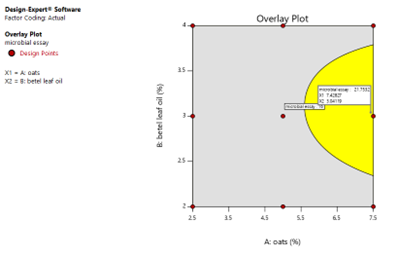
Figure 1: Microbial assay results via response surface methodology
Optimization and Selection of Formulation:
According to the results of the DOE and statistical analysis, the formulation with 7.5% oats and 3% betel leaf oil had the best prospects of antimicrobial activity, since it produced the greatest zone of inhibition among the tested combinations. This concentration maximization demonstrates an ideal combination of the antimicrobial activity of each natural ingredient without excessively relying on the betel concentrations that might not have a corresponding increase in efficacy.
Thus, this resulted in the selection of oats (2.5%, 5% and 7.5%) and betel (3%) composition that was to be used in the preparation of the final cream formulation and further physicochemical characterization and stability analysis. The optimization with the help of the DOE in the given way ensured the scientifically-grounded and effective choice of the formulation variables with the idea to create a strong and balanced antimicrobial skin cream.
Preparation of antimicrobial cream:
The cream formula was made through a four-step procedure. At the first stage, the mixture was prepared by weighing and mixing olive oil and beeswax and heating to 70°C to fully melt and mix the beeswax and oil. At the same time the aqueous phase was made by dissolving the oats milk powder, aloe vera gel and borax in purified water that was also heated to 70°C. The oil phase was gradually added into the aqueous phase and placed under constant stirring at 70°C to create a stable emulsion due to the homogenous dispersal of oil droplets. Lastly, the emulsion was left to cool to room temperature with continuous agitation, whereby thermolabile ingredients such as betel leaf oil, jojoba oil, and rose water were incorporated to improve on stability, bioactivity and cosmetic qualities [18,19].
Table 2: Ingredients for formulation of cream (20 g) [20,21]
|
Name of ingredient |
Category |
F1 (2.5%) |
F2 (5%) |
F3 (7.5%) |
|
Aqueous Phase |
||||
|
Oats milk power |
Base |
0.5 gm |
1.0 gm |
1.5 gm |
|
Aloe vera |
Penetration enhancer |
8 gm |
8 gm |
8 gm |
|
Borax |
Emulsifier |
1.2 gm |
1.2 gm |
1.2 gm |
|
Water |
Vehicle |
Q.s. |
Q.s. |
Q.s. |
|
Oil Phase |
||||
|
Olive oil |
Laxative |
3 ml |
3 ml |
3 ml |
|
Bees wax |
Thickening agent |
1.5 ml |
1.5 ml |
1.5 ml |
|
Jojoba oil |
Preservative |
0.3 ml |
0.3 ml |
0.3 ml |
|
Betel leaf oil |
Newer |
0.6 ml |
0.6 ml |
0.6 ml |
|
Rose water |
Fragrance |
Q.s. |
Q.s. |
Q.s. |
These physical characteristics like color, smell, thickness, greasiness, and physical state were measured and recorded for the optimized cream formulation.
First, the pH meter (Welltronix) was calibrated using standard buffers (pH=4.0, 7.0, and 10.0) to obtain more accurate results. Then, a 10 % (w/w) solution of the cream was prepared and its pH was measured (at 20 ± 1°C).
The sample (1 gm) of optimized cream is placed between two microscope slides and pressed down on by placing a total of 100 gm on the top slide to create an even layer of cream. Sample that pools outside of the slides is trimmed off. The top slide is pulled (as in laying it flat on a table) and measured with a ruler for how long it takes for one slide to move from a distance of X cm to the other.
speadability= m×lt
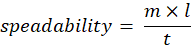
where m = weight on slide (g), l = distance moved (cm), and t = time taken (sec) [22,23].
To determine saponification value, 1 gm of cream sampled was refluxed with 25 ml of 0.5 N alcoholic KOH for 30 minutes. After appropriate cooling, the sample was added to an equal portion of a 0.5 N HCl solution and titrated with phenolphthalein. Once the sample had reached its endpoint, the saponification value was calculated as follows:
Saponification value=(B-S)×N×56.1W

The cream was analyzed by dissolving 10 g of the cream in a 1:1 solution of ether and alcohol, heating the solution, and titrating the cream solution with a 0.1 N sodium hydroxide solution using phenolphthalein as an indicator.
Acid value=n×5.61W
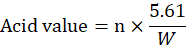
where n = ml of NaOH used and W = weight of sample (g) [24,25].
The viscosity of the cream affects the ability to spread the cream evenly and is a measure of the stability of the cream. Viscosity was measured using the falling ball viscometer, which calculates viscosity (μ) based on the time it takes the ball to fall through the cream.
μ= gdp2(ρp-ρf)t18L
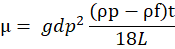
where, g = acceleration due to gravity (9.8 m/s²), t = time between the spheres falling through the cream, L = the distance between the marks on the viscometer, dp = diameter of the sphere, ρp = density of the sphere
The appearance of the cream was used to evaluate the uniformity of the cream, the degree of lumpy appearance, and how homogeneous or how evenly the ingredients were mixed.
The ease with which the cream could be washed off the skin and the amount of residual cream left behind after washing were evaluated using tap water [22,23].
To help distinguish or identify the type of emulsion, Sudan red dye was added to the cream. If red, or colored, droplets were observed in a clear background, then the cream could be classified as an oil-in-water emulsion. if a red background with clear droplets was observed, the cream would be classified as a water-in-oil emulsion.
A stability study or investigation was conducted on the cream in order to account for changes in pH, spreadability, homogeneity and phase separation from accelerated storage at 45 ± 2?°C and 75% relative humidity (±5%) to indicate how each characteristic changed over time when environmental conditions changed according to the ICH Guidelines [25].
To carry out the in vitro study on the release of the optimized cream, we created a drug diffusion model using a Franz diffusion cell. The dialysis or cellulose membrane was placed between the donor and receptor compartments, which contained a phosphate buffer (ph 7.4) as the receptor media after being soaked in the receptor media for 24 hours. A gram of the cream was placed onto the donor compartment of the diffusion model. The modelling experiment was conducted at 37?±?0.5°C and stirred at 100 rpm continuously. At predetermined time points, i.e., 10, 20, 30, 45, 60, 90, and 120 minutes, we withdrew 1 ml of sample from the receptor compartment and then replaced it with fresh buffer. The drug in the withdrawn samples was analyzed by UV-visible spectroscopy at the maximum wavelength (λmax) for drug absorption, and drug release profiles were constructed as cumulative drug release over time. The release rate constant (value of J flux) for the pure extract and cream was calculated and compared to determine how much faster the cream would provide the drug compared to the pure extract. The pure extract contains exactly the same quantity (the same amount of each) and is matched in concentration to the amount of oat and betel extracts contained in the same quantity of aloe vera gel used to prepare the cream.
J=CD×m×vdS
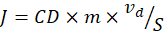
Where J = j flux, CD = concentration of donor solution, m = slope, Vd = volume of donor solution (20 ml), and S = surface area of membrane (5.72 cm²) [26,27].
The Total Phenolic Content (TPC) of the cream was determined based on the Folin-Ciocalteu method. A gallic acid standard curve was developed using a 200 µg/ml working solution of gallic acid, which was diluted to create concentrations of 1, 2, 3, 4, and 5 µg/ml. One mL of each diluted concentration was added to 1 mL of Folin-Ciocalteu reagent, and then to this mixture 2 mL of 7.5% sodium carbonate solution was added and incubated for 30 minutes in the dark before the absorbance was measured at a wavelength of 765 nm. The cream samples were prepared by adding 1 g of the cream into 10 mL of methanol or ethanol, which was sonicated for 10 to 15 minutes before being filtered. The TPC analysis of the sample was conducted per the same procedure as the gallic acid curves in order to estimate TPC based upon the standard curves [28].
To investigate the antioxidant ability of the cream, we carried out the DPPH free radical scavenging test. Solutions containing ascorbic acid at different concentrations (5 to 25 µg/mL) prepared from a 1000 µg/mL stock were tested as standards against the DPPH free radical scavenger. The reaction between DPPH and ascorbic acid was allowed to take place in darkness at room temperature for 30 minutes before measuring the absorbance of the remaining DPPH via spectrophotometry at 517 nm and plotting a standard calibration curve. When testing the cream, 1 g of cream was mixed with 10 mL of methanol and sonicated before filtering. The filtered methanolic extract was then combined with DPPH, and again the absorbance value was taken after incubation at 517 nm. The antioxidant capability of the cream extract is expressed as the percentage inhibition calculated using the formula:
% Inhibition=[A0-A1A0]×100

where A0 is control absorbance and A1 is the test absorbance value [29].
The antimicrobial activity of the optimized cream was evaluated by utilizing the cup plate procedure to Bacillus subtilis (MTCC 6633) from the ICH standard medium E. The sterile 150 mm Petri dishes and medium used in the experiment were subjected to autoclaving for 30 minutes at 121 °C. After the medium had solidified, a spread plate methodology was employed to inoculate it with the Bacillus subtilis strain. Six plates (9.5 mm) were produced in the medium and filled with both a standard streptomycin treatment range from 10 to 50 µg/mL as well as a dosage form of 100 µg/mL. Each Petri dish was held in a channel under refrigeration in order that sufficient diffusion could take place before being placed in a 37 °C incubator for 48 hours before measurements of the zones of inhibition were recorded in millimeters. A comparative determination of the antimicrobial action of the experimental cream was conducted with the established antibiotic, streptomycin [30,31].
RESULTS AND DISCUSSION:
The physicochemical parameters of the final optimized cream formulation were tested to evaluate its quality, stability, and acceptability. The physicochemical parameters also provide important information about the formulation's physical properties, such as appearance, texture, and homogeneity, and will help in determining the product's overall performance.
Table 3: Physicochemical parameter of optimized cream
|
Parameter |
F1 |
F2 |
F3 |
|
Colour |
Faint yellow |
Faint yellow |
Faint yellow |
|
Odour |
Pleasant |
Pleasant |
Pleasant |
|
Physical state |
Semi solid |
Semi solid |
Semi solid |
|
Greasiness |
Non-greasy |
Non-greasy |
Non-greasy |
|
Consistency |
Smooth |
Smooth |
Smooth |
|
% yield |
82.5% |
85.3% |
89.7% |
|
Homogeneity |
Homogeneous |
Homogeneous |
Homogeneous |
|
Easy to remove |
Easily washable |
Easily washable |
Easily washable |
The optimized cream was further evaluated for a variety of other parameters that would help determine its suitability for topical applications (i.e., pH, spreadability, saponification value, acid value and viscosity) by comparing these to recognized ideals for each parameter.
Table 4: other parameters with ideal range
|
Parameters |
Ideal range |
F1 |
F2 |
F3 |
|
pH |
5 to 7.5 |
7.1 |
7.2 |
7.1 |
|
Spreadability |
15 to 20 g·cm/s |
20.66 g·cm/s |
21.24 g·cm/s |
18.46 g·cm/s |
|
Saponification Value |
180–200 mg KOH/g |
193.67 mg KOH/g |
185.23 mg KOH/g |
190.74 mg KOH/g |
|
Acid Value |
1 to 4 mg KOH/g |
3.5 mg KOH/g |
3.7 mg KOH/g |
3.9 mg KOH/g |
|
Viscosity |
20–100 Pa·s |
88.35 Pa·s |
84.49 Pa·s |
89.95 Pa·s |
The dye test for this cream confirmed that the cream is classified as an oil-in-water (O/W) emulsion with a blue background produced with methylene blue and red oil globules produced with Sudan red.
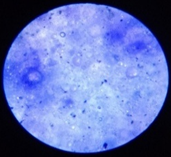

Figure 2: methylene blue (F3) Figure 3: Sudan red (F3)
Determining Stability: The stability studies of the optimized cream were performed for three months to assess its physical and chemical stability parameters (including pH, phase separation, spreadability, and homogeneity).
Table 5: stability data (F3)
|
Parameter |
1 Month |
2 Month |
3 Month |
|
PH |
7.1 |
7.1 |
7.2 |
|
Phase separation |
Not seen |
Not seen |
Not seen |
|
Spreadability (g·cm/s) |
21.1 |
20.5 |
21.3 |
|
Homogeneity |
Homogeneous |
Homogeneous |
Homogeneous |
The in vitro drug release study of the optimized cream was completed over 120 minutes to evaluate differences in the release profiles of the cream formulation with that of the pure extract containing aloe vera, oats, and betel leaf extract. Measurements of absorbance at various time intervals during the 120 minutes showed a gradual increase in absorbance over the course of time. The optimized cream had a slightly higher absorbance reading compared to the pure extracts throughout the study period, indicating that the optimized cream had improved drug release characteristics compared to the pure extracts.

Figure 4: drug releases
the Calculated Flux (J) value for Cream, which was equal to 18.30 mL / cm², compared to a Flux value for pure Extracts of 16.02 mL / cm². The relative efficiencies of releases between creams and pure extracts, as defined by the ratio of Jcream / Jpure Extracts, were found to be equal to 1.14 (i.e., 1.14 times more rapidly than the pure extracts). Probably, the ability of Cream to perform better than pure Extracts may result from the manner in which the formulation matrix aids in the better diffusion of active components.
Total Phenolic Content (TPC) of the samples was determined by using the Folin-Ciocalteu method and expressed as the amount of Gallic Acid Equivalent (GAE). A calibration curve was prepared using standard solutions of gallic acid in a concentration range of 1-5 ug/mL. The calibration curve demonstrated a good linear correlation, with the regression equation being y=0.1845x+0.0319 (where "y" = absorbance and "x" = concentration). The GAE values for oat extract, betel leaf extract, and the formulated cream were calculated based on this calibration curve. The cream formulation had an oat component of 75 mg and 0.030 mL of betel leaf extract per gram of cream. The amount of phenolics present from these two sources were shown to be 223.6 mg GAE (from 75 mg of oats) and 181.95 mg GAE (from 0.030 mL of betel leaf extract).A cream sample (1 g) was sonicated and then centrifuged for determining TPC in the final cream formulation, etc. The supernatant contained the phenolic compounds and was analyzed using the same methodology. The TPC of this formulation was calculated as 198.1 mg GAE/g cream sample, which shows a large retention of phenolics in the formulation. A combination of oat constituents and betel leaf extract produced an increase in both extraction ability and stability of phenolics in the cream formulation. Thus, the formulation process maintained the phenolics, and there was a potential enhancement of the phenolics in the formulation leading to the enhanced activity.
Table 6: TPC data
|
Ingredients |
TPC Value |
|
Oats milk powder |
223.6 mg GAE eq./75 mg of oats |
|
Betel leaf extract |
181.95 mg GAE eq./0.03 ml of betel |
|
Optimize cream |
|
Determining antioxidant activity of the samples using the DPPH radical scavenging assay and expressed as the percentage of radical scavenging activity (% RSA) compared to ascorbic acid (the standard for this study) prepared from calculated concentrations of 5 to 25 µg/mL. A calibration plot was made (the plot of the achieved % RSA versus the associated concentration), which illustrated a good linear correlation (y = 3.8276x-11.6379) with a very high correlation coefficient (R² = 0.9961) between the % RSA values on the Y axis and the sample concentration on the X axis. The IC?? value represents the sample concentration measured from the IC?? formula (concentration that scavenged 50% of the DPPH radicals), which was calculated to be 16.11 µg/mL.

Figure 5: %RSA vs concentration of ascorbic acid
Similarly, for the 3 remaining sample types (oat extract, betel leaf extract, and the optimized cream formulation), the relationships between % RSA and concentration were determined for each using linear regression analysis to provide a further linear regression equation (the equations used for each of these sample types were Oat Extract y = 0.0493x − 6.43; Betel Leaf Extract y = 69.862x − 8.035; and Optimized Cream y = 0.1862x − 18.237). The IC?? values for each of the three sample types are summarized in Table 7.
Table 7: IC50 data
|
Ingredient |
IC50 Value |
|
Ascorbic acid |
16.11 µg/ml |
|
Oats milk powder |
1144.62 µg/ml |
|
Betel leaf extract |
0.6005 µl (576 µg/ml) |
|
Optimize Cream |
|
To assess the antimicrobial properties of the cream formulation, we measured the zone of inhibition relative to the known antibiotic, streptomycin, which was found to be zones ranging from 19 to 24 mm in diameter. The cream formulation had an antimicrobial response, allowing for the formation of a zone of inhibition of size 11 mm at a concentration of 50 ug/ml and 22 mm at 100 ug/ml, proving to have a significant degree of antimicrobial action. Percent potency was calculated for the cream formulation.The antimicrobial potency of the optimized cream was further quantified using the following equation: %Potency=Antilog(2+αlogI)
α=U1+U2-S1+S2/U1+U2+(S1+S2)

Here, U1 = Zone of Inhibition at High Concentration (Cream), U2 = Zone of Inhibition at Low Concentration (Cream), S1 = Zone of Inhibition at High Concentration (Streptomycin), S2 = Zone of Inhibition at Low Concentration (Streptomycin), and I = Dilution Ratio.
Using the values obtained in this experiment (S1 = 19 mm, S2 = 25 mm, U1 = 18 mm, U2 = 22 mm), we calculated the value for a to be 0.11. The % potency of the cream formulation is equal to 77.62%, indicating effectiveness in antimicrobial activity.

Figure 6: zone of inhibition of test and standard

Figure 7: Zone of inhibition
REFERENCES
Saha P, Das S, Saha A. Formulation and Evaluation of Herbal Cream For Skin Care Using Extracts of Krishna Tulsi as Active Ingredient with Anti-Microbial Activity. n.d

Hit Dadhaniya, Harsh Ambasana, Mukti patel, Janvi Patel, Viral Gosai, Tejal Gandhi, Formulation & Development of Newer Nourishing Skin Cream Formulation Utilizing Oat Milk as A Base with Combination of Betel Leaf Extract, Int. J. of Pharm. Sci., 2026, Vol 4, Issue 4, 2612-2627, https://doi.org/10.5281/zenodo.19607107
 10.5281/zenodo.19607107
