
Bhausaheb Mulak College of Pharmacy, Umred
Acne is a common dermatological condition affecting a large portion of adolescents and young adults. It occurs due to excessive sebum production, bacterial infection, inflammation, and blockage of hair follicles. Herbal medicines have gained attention due to their safety, effectiveness, and fewer side effects compared to synthetic drugs. The present study focuses on the formulation and evaluation of a herbal anti-acne gel using natural ingredients such as hibiscus, aloe vera, neem, turmeric, tea tree oil, and rose water. These ingredients possess antibacterial, anti-inflammatory, antioxidant, and skin-healing properties that help in reducing acne and improving skin health. The gel was prepared using a suitable gelling agent and evaluated for parameters such as pH, appearance, spreadability, and stability. The developed formulation showed good consistency, acceptable pH for skin application, and potential anti-acne activity. Thus, the herbal anti-acne gel can be considered an effective and safe alternative for acne treatment.Acne vulgaris is a common skin disorder caused by excessive oil production, bacterial infection, and inflammation of sebaceous glands. Herbal medicines are widely used in dermatology because they are safer and produce fewer side effects than synthetic drugs. The present study aims to formulate an herbal anti-acne gel using natural ingredients such as hibiscus, aloe vera, neem, turmeric, tea tree oil, and rose water. These ingredients possess antibacterial, anti-inflammatory, antioxidant, and skin-healing properties. The gel was prepared using a suitable gelling agent and evaluated for physical properties such as pH, consistency, and spreadability. The results indicate that the formulated herbal gel may be effective for reducing acne and improving skin health..
Acne vulgaris is one of the most common skin disorders that mainly affects adolescents but may also occur in adults. It is caused by the blockage of sebaceous glands, excessive sebum secretion, bacterial infection, and inflammation of hair follicles. The bacterium Cutibacterium acnes (formerly Propionibacterium acnes) plays an important role in acne formation.
Conventional treatments include antibiotics, retinoids, and chemical formulations, which may cause side effects such as dryness, irritation, and antibiotic resistance. Therefore, herbal formulations are gaining importance due to their natural origin, safety, and therapeutic effectiveness. Plants such as hibiscus, aloe vera, neem, turmeric, and tea tree oil have been traditionally used for skin treatment due to their antimicrobial and anti-inflammatory properties. Rose water acts as a soothing and toning agent for the skin. The objective of this study is to develop a herbal anti-acne gel using these natural ingredients and evaluate its effectiveness for topical use.
Acne vulgaris is a chronic inflammatory skin disease affecting adolescents and adults. It occurs due to blockage of hair follicles, increased sebum production, bacterial growth, and inflammation. Conventional acne treatments such as antibiotics and retinoids may cause side effects like skin irritation and dryness.
Herbal formulations are gaining popularity because they are natural, safe, and effective. Plants such as hibiscus, aloe vera, neem, turmeric, and tea tree oil have antimicrobial and anti-inflammatory properties that help control acne. Rose water acts as a soothing and cooling agent for the skin. Therefore, the development of a herbal anti-acne gel using these ingredients can be beneficial for acne treatment.
ACNE
Acne vulgaris, known as acne, is a common chronic disease caused by abnormal sebaceous production within skin follicles. This disease often affects self confidence. The pathological feature of acne starts when abnormal sebaceous therapeutics for acne treatment, they have a lot of side effects caused by chemical ingredients in the cosmetic products, which frequently result in skin irritation and bacterial resistance problems. Recently, many reports have demonstrated that natural active compounds such as proteins or peptides derived from plants and animals display anti-acne properties with low toxicity to humans. Hence, many efforts have been made to use these compounds in the context of supplementary cosmetic products. [9] Tropical regions, particularly Southeast Asia, are a rich source of biodiversity, especially with high varieties of medicinal plant and animal extracts. One medicinal derivative from animals is crocodile blood, a rich source of active proteins or peptides that demonstrate various biological properties. Previous reports have shown that crocodile blood components, such as the serum of the American alligator exhibit antibacterial activity against Escherichia coli, and is anti- virus in addition, our reports demonstrate that Siamese crocodile blood had antibacterial activity, especially crocodile leukocytes. There are peptides that have been discovered from Siamese crocodile leukocyte extracts, these peptides exhibit broad- spectrum antimicrobial activity. Moreover, crude crocodile leukocyte extract contains several biological properties, such as antioxidant activity and anti-inflammatory activity. Crocodile leukocyte extract is believed to represent a source of biologically active peptides, which may be suitable for developing a crocodile leukocyte-based cosmetics product as an anti-acne gel. Thus, in this study, the feasibility of preparing crocodile leukocyte extract anti-acne skin-care gel products assessed.
OBJECTIVES
Main objectives of the study include:
LITERATURE REVIEW
Various researchers have studied herbal remedies for acne treatment due to their antimicrobial and anti-inflammatory properties.
Studies have shown that neem possesses strong antibacterial activity against acne-causing bacteria. Neem extracts are widely used in herbal skin formulations.
Turmeric contains curcumin which has powerful anti-inflammatory and antioxidant properties that help reduce redness and swelling associated with acne.
Aloe vera is widely used in dermatological preparations due to its soothing, moisturizing, and wound-healing properties. It also helps in reducing acne scars.
Tea tree oil has been reported to possess significant antimicrobial activity against acne-causing microorganisms.
Hibiscus contains natural alpha hydroxy acids (AHAs) that help exfoliate dead skin cells and prevent pore blockage.
Rose water acts as a natural toner that balances skin pH and provides a cooling and soothing effect.
These studies suggest that combining these herbal ingredients can produce an effective anti-acne topical formulation.
CHEMICAL CONSTITUENTS
1.Hibiscus
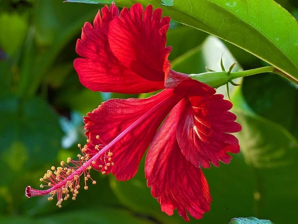
Synonyms: China rose, Shoe flower, Gudhal
Family: Malvaceae
Subfamily: Malvoideae
Botanical Name: Hibiscus rosa-sinensis
Botanical Origin: Hibiscus is believed to have originated from tropical regions of Asia, especially China and India, and is widely cultivated in tropical and subtropical climates. The flowers and leaves are commonly used in herbal medicine and cosmetic preparations.
Hibiscus contains several important chemical constituents such as flavonoids, anthocyanins, hibiscetin, quercetin, tannins, organic acids, and vitamin C. These compounds possess strong antioxidant and anti-inflammatory properties. Hibiscus also contains natural alpha-hydroxy acids (AHAs) which help exfoliate dead skin cells and improve skin texture. The medicinal properties of hibiscus include antimicrobial, antioxidant, anti-inflammatory, wound healing, and skin rejuvenating activities. It is widely used in skincare formulations for treating acne, improving skin elasticity, and reducing pigmentation. The mechanism of action involves inhibition of bacterial growth, neutralization of free radicals, and gentle exfoliation of the skin which helps unclog pores and prevent acne formation.
2.Aloe Vera
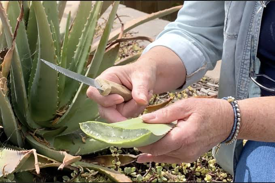
Synonyms: Ghritkumari, Kumari, Barbados Aloe
Family: Asphodelaceae
Subfamily: Asphodeloideae
Botanical Name: Aloe barbadensis Miller
Botanical Origin: Aloe vera is native to North Africa and the Arabian Peninsula but is widely cultivated in tropical and semi-tropical regions including India.
Aloe vera gel contains numerous chemical constituents such as aloin, aloe-emodin, polysaccharides, glucomannan, vitamins (A, C, E, B12), enzymes, amino acids, minerals, and saponins. These compounds contribute to its medicinal activities. Aloe vera possesses medicinal properties such as anti-inflammatory, antibacterial, antioxidant, moisturizing, and wound-healing effects. It is widely used in dermatological and cosmetic preparations for soothing irritated skin and promoting healing. The mechanism of action involves stimulation of fibroblast activity and collagen synthesis, hydration of the skin, and inhibition of inflammatory mediators. Aloe vera also helps reduce redness and swelling associated with acne and accelerates the healing of acne lesions.
3.Neem
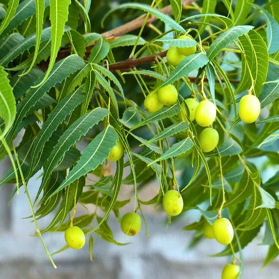
Synonyms: Indian lilac, Margosa tree, Nimba
Family: Meliaceae
Subfamily: Melioideae
Botanical Name: Azadirachta indica
Botanical Origin: Neem is native to the Indian subcontinent and is widely found in India, Pakistan, Bangladesh, and tropical regions of Asia and Africa.
Neem contains several biologically active chemical constituents including azadirachtin, nimbin, nimbidin, quercetin, salannin, and limonoids. These compounds are responsible for its powerful medicinal properties. Neem is known for its antibacterial, antifungal, antiviral, anti-inflammatory, and antioxidant activities. It is widely used in traditional medicine for treating skin infections, acne, eczema, and wounds. The mechanism of action of neem involves inhibition of bacterial growth, especially acne-causing bacteria such as Cutibacterium acnes, reduction of inflammation, and regulation of excess oil production in the skin. These actions help prevent the formation of pimples and promote healthier skin.
4.Turmeric
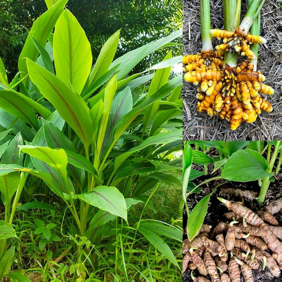
Synonyms: Haldi, Indian saffron, Curcuma
Family: Zingiberaceae
Subfamily: Zingiberoideae
Botanical Name: Curcuma longa
Botanical Origin: Turmeric is native to South Asia, particularly India, and is widely cultivated in tropical regions.
The main chemical constituents of turmeric are curcuminoids including curcumin, demethoxycurcumin, and bisdemethoxycurcumin along with essential oils such as turmerone and zingiberene. Curcumin is the primary active compound responsible for most of its medicinal effects. Turmeric exhibits anti-inflammatory, antibacterial, antioxidant, antiseptic, and wound-healing properties. It has been widely used in traditional medicine and cosmetic preparations for skin disorders. The mechanism of action involves inhibition of inflammatory pathways, suppression of bacterial growth, and neutralization of free radicals. Curcumin also reduces redness and swelling associated with acne and helps improve skin complexion.
5.Tea Tree Oil
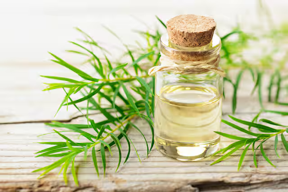
Synonyms: Melaleuca oil, Ti-tree oil
Family: Myrtaceae
Subfamily: Myrtoideae
Botanical Name: Melaleuca alternifolia
Botanical Origin: Tea tree oil is obtained from the leaves of Melaleuca alternifolia, which is native to Australia.
Tea tree oil contains various chemical constituents such as terpinen-4-ol, cineole, alpha-terpineol, gamma-terpinene, and limonene. Terpinen-4-ol is the major active component responsible for its antimicrobial activity. Tea tree oil has strong antibacterial, antifungal, anti-inflammatory, and antiseptic properties. It is widely used in dermatology for treating acne, dandruff, and skin infections. The mechanism of action involves disruption of microbial cell membranes, inhibition of bacterial growth, and reduction of inflammation. It helps kill acne-causing bacteria and reduces redness and swelling of pimples.
6.Rose Water
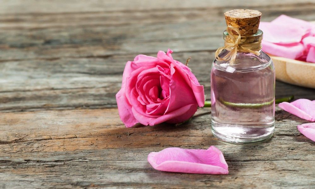
Synonyms: Gulab Jal, Rose hydrosol
Family: Rosaceae
Subfamily: Rosoideae
Botanical Name: Rosa damascena
Botanical Origin: Rose water is obtained from the distillation of fresh petals of Rosa damascena, which originated in the Middle East but is widely cultivated in countries like India, Iran, and Bulgaria.
Rose water contains several chemical constituents including phenolic compounds, flavonoids, geraniol, citronellol, nerol, and various aromatic compounds. These components provide fragrance and therapeutic benefits. Rose water possesses anti-inflammatory, antibacterial, antioxidant, and soothing properties. It is widely used in cosmetics as a natural toner and skin refresher. The mechanism of action involves maintaining the natural pH of the skin, reducing irritation and redness, and providing mild antimicrobial effects. It also helps hydrate the skin and tighten pores, which aids in preventing acne formation.
MATERIAL AND METHODS
Materials
• Hibiscus extract
• Aloe vera gel
• Neem extract
• Turmeric extract
• Tea tree oil
• Rose water
• Carbopol (gelling agent)
• Glycerin
• Triethanolamine
• Distilled water
• Preservative
Method of Preparation
1. Preparation of Gel Base:
A weighed quantity of carbopol (gelling agent) was slowly dispersed in a small amount of distilled water with continuous stirring to avoid lump formation. The mixture was allowed to hydrate and swell completely for about 30–60 minutes to form a uniform gel base.
2. Preparation of Herbal Extract Mixture:
Extracts of hibiscus, neem, and turmeric were weighed accurately and dissolved in a small quantity of distilled water or rose water. Fresh aloe vera gel was then added to the mixture and stirred to obtain a smooth dispersion.
3. Addition of Excipients:
Glycerin was added as a moisturizing and humectant agent, followed by the addition of rose water to provide soothing and toning effects.
4. Incorporation of Active Ingredient:
Tea tree oil was added slowly to the mixture with continuous stirring to ensure uniform distribution throughout the formulation.
5. Mixing with Gel Base:
The prepared herbal mixture was gradually incorporated into the carbopol gel base under continuous stirring until a homogeneous gel was obtained.
6. pH Adjustment:
Triethanolamine was added dropwise to adjust the pH to around 5.5–6.5, which is suitable for skin application and also helps in forming the proper gel consistency.
7. Final Preparation:
The final gel was mixed thoroughly to ensure uniformity and then transferred into a clean, airtight container for storage and further evaluation.
FORMULATION FORMULA
Example formulation for 100 g gel
|
Ingredient |
Quantity |
|
Aloe vera gel |
40 g |
|
Hibiscus extract |
5 g |
|
Neem extract |
5 g |
|
Turmeric extract |
2 g |
|
Tea tree oil |
0.5 g |
|
Rose water |
20 ml |
|
Carbopol |
1 g |
|
Glycerin |
5 g |
|
Preservative |
0.8 g |
|
Triethanolamine |
q.s |
|
Distilled water |
q.s to 100 g |
DIFFERENT USES
The herbal anti-acne gel has multiple skin benefits:
1. Treatment of Acne and Pimples:
Helps reduce acne and pimples by inhibiting the growth of acne-causing bacteria on the skin.
2. Reduction of Skin Inflammation:
Herbal ingredients like turmeric and aloe vera help reduce redness, swelling, and irritation associated with acne.
3. Control of Excess Oil:
Neem and tea tree oil help regulate sebum production and prevent oily skin.
4. Prevention of Bacterial Infection:
Tea tree oil and neem possess antibacterial properties that help prevent skin infections.
5. Healing of Acne Scars:
Aloe vera and hibiscus promote skin regeneration and help reduce acne marks.
6. Skin Soothing and Hydration:
Aloe vera and rose water provide cooling, moisturizing, and soothing effects to the skin.
7. Improvement of Skin Texture:
Hibiscus helps remove dead skin cells and improves overall skin appearance.
RESULTS AND DISCUSSION
The prepared herbal gel showed good physical appearance with smooth texture and pleasant odor. The pH of the gel was found to be around 5.5–6.5, which is suitable for skin application. The gel demonstrated good spreadability and consistency.
The presence of neem, turmeric, and tea tree oil provides strong antibacterial activity against acne-causing bacteria. Aloe vera and rose water provide soothing and moisturizing effects, while hibiscus helps remove dead skin cells.
The combination of these herbal ingredients makes the gel effective for reducing acne and improving overall skin health.
EVALUATED OF ANTI-ACNE GEL :
Table 1. Physicochemical characteristics of Anti-Acne gel
|
S.No |
Parameters |
Anti-Acne gel Procured |
|
1 |
Color |
Orange-yellow |
|
2 |
Odour |
Aromatic |
|
3 |
Acid value |
3.66 |
|
4 |
Solubility |
Freely soluble |
Table 2. Characteristics of gel formulation
|
Formulation |
color |
Appearance |
pH |
Spreadability |
Viscosity |
Homogeneity |
|
F1 |
Orangeyellow |
Translucent |
6.6 |
18.20 |
24.937 |
Good |
|
F2 |
Orangeyellow |
Translucent |
6.7 |
18.14 |
23.062 |
Good |
|
F3 |
Orangeyellow |
Translucent |
6.7 |
17.49 |
16.500 |
Good |
Table 3. Formulation of Anti-Acne gel chart
CONCLUSION
The present study successfully formulated a herbal anti-acne gel using hibiscus, aloe vera, neem, turmeric, tea tree oil, and rose water. The formulation showed good physical properties and potential anti-acne activity due to the presence of natural antibacterial and anti-inflammatory compounds. Herbal gels offer a safer alternative to chemical-based acne treatments with fewer side effects. Therefore, this herbal anti-acne gel can be considered a promising formulation for topical acne management.
The present study focused on the formulation of a herbal anti-acne gel using natural ingredients such as hibiscus, aloe vera, neem, turmeric, tea tree oil, and rose water. These medicinal plants are well known for their antibacterial, anti-inflammatory, antioxidant, and skin-healing properties. The combination of these herbal components helps in reducing acne-causing bacteria, controlling excess sebum production, and soothing inflamed skin. The prepared gel showed good physical characteristics such as smooth texture, acceptable pH suitable for skin application, good spreadability, and homogeneity. Aloe vera and rose water provide hydration and soothing effects, while neem, turmeric, and tea tree oil act as powerful antimicrobial agents against acne-causing microorganisms. Hibiscus contributes to gentle exfoliation and improves skin texture. Overall, the herbal anti-acne gel formulation appears to be a safe, effective, and natural alternative to synthetic anti-acne products. The use of herbal ingredients minimizes side effects and enhances skin health, making the formulation suitable for regular topical use.
FUTURE WORK
Future research can include:
Further research can be carried out to improve and validate the effectiveness of the formulated herbal anti-acne gel. Future studies may include detailed stability studies to determine the shelf life and storage conditions of the formulation. Clinical trials on human volunteers can be conducted to evaluate the safety, efficacy, and potential side effects of the gel under real-life conditions. Microbiological studies may also be performed to test the antimicrobial activity of the formulation against acne-causing bacteria such as Cutibacterium acnes. In addition, the formulation can be optimized by adjusting the concentration of herbal extracts to enhance therapeutic activity. Advanced techniques such as phytochemical analysis and in-vitro evaluation may also be used to study the mechanism of action of the active ingredients. Finally, the product can be developed into different herbal cosmetic forms such as creams, face washes, or serums for commercial production and wider application in dermatological skincare.
REFERENCES


Srushti Sonkusare, Payal Yadav, Formulation of Anti-Acne Gel from Hibiscus, Aleo Vera, Neem, Turmeric, Tea Tree Oil and Rose Water, Int. J. of Pharm. Sci., 2026, Vol 4, Issue 3, 2611-2620. https://doi.org/10.5281/zenodo.19183308
 10.5281/zenodo.19183308
