
Krishna Pharmacy College-Trichy.
The present research was carried out to formulate an herbal anti-acne cream intended for nourishing, moisturizing, and treating different skin-related conditions. The cream was developed using various crude drugs such as Manjistha, Aloe vera, Neem, Liquorice and Vitamin E oil. These ingredients were selected based on their established therapeutic properties. Manjistha helps in blood purification, reduces skin inflammation, and improves skin complexion, thereby aiding in the reduction of acne, pimples, and acne scars. Aloe vera provides deep moisturizing, soothes irritated skin, reduces redness, and promotes healing of acne lesions while preventing dryness. Neem exhibits strong antibacterial and antifungal activity, which helps in controlling acne-causing microorganisms and prevents skin infections. Liquorice possesses anti-inflammatory and skin– lightening properties that help to reduce pigmentation, dark spots, and redness associated with acne. Vitamin E oil acts as a powerful antioxidant that nourishes the skin, supports skin repair, maintains skin elasticity, and helps in minimizing acne scars, making the cream beneficial for overall skin health.
ACNE
Acne is a dermatological condition characterized by inflammation or infection of the sebaceous (oil) glands. It affects nearly three-quarters of individuals between the ages of 11 and 30, making it one of the most prevalent skin disorders worldwide. Skin pimples typically appear as inflamed, erythematous lesions that protrude from otherwise healthy skin. Although acne may develop on various parts of the body, it most commonly affects the face [1]. Lesions may present in different forms, with the most common being circular in shape, and their appearance may vary as red, black, or white depending on the stage and underlying cause. In recent years, the use of medicinal herbs as a source of therapeutic intervention has gained significant attention within global healthcare systems for both human and veterinary applications. Herbal medicines are increasingly recognized not only for the treatment of disease but also for their role in health maintenance. Medicinal plants have been utilized for centuries as a safe and reliable source of therapy in nearly all human cultures, with approximately 75% of the world’s population relying on traditional plant-based medicines. These natural resources represent a largely unexplored reservoir of bioactive compounds with\ substantial therapeutic potential [1].
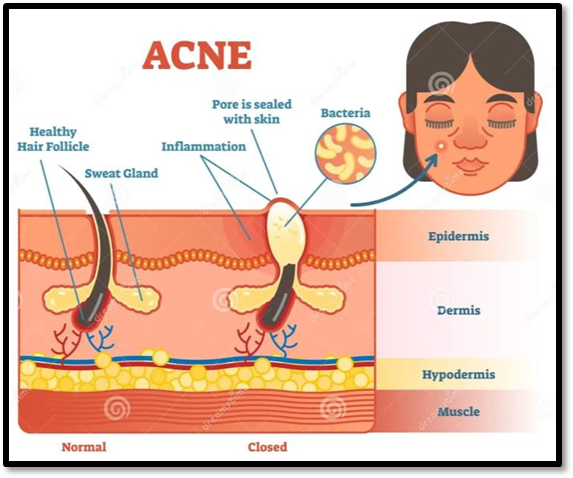
Fig. 1. Structure of normal skin and pimple skin
TYPES OF PIMPLES
Acne vulgaris is an inflammatory condition involving the pilosebaceous units of the skin. It commonly affects regions such as the face, chest, and back, where sebaceous glands are abundant. The condition develops due to the action of Propionibacterium acnes, which increases the responsiveness of sebaceous glands to normal circulating androgen levels [2].
a) Non-inflammatory Acne
Whiteheads:
Whiteheads are small, closed lesions that remain just beneath the skin surface and do not come into contact with air.
Blackheads:
Blackheads are open lesions that appear dark on the skin surface. Their black color is not caused by dirt but results from the oxidation of keratin when exposed to air [3].
b) Inflammatory Acne
Papules:
Papules are small, raised, pinkish lesions that are sensitive and clearly visible on the skin.
Pustules:
Pustules are inflamed acne lesions characterized by a red base and a pus- filled tip, commonly referred to as pimples.
Nodules:
Nodules are large, painful lesions that extend deep into the skin and are easily noticeable on the surface.
Cysts:
Cysts are deeply seated, painful lesions filled with pus. They are prominent on the skin surface and tend to heal relatively quickly [4].
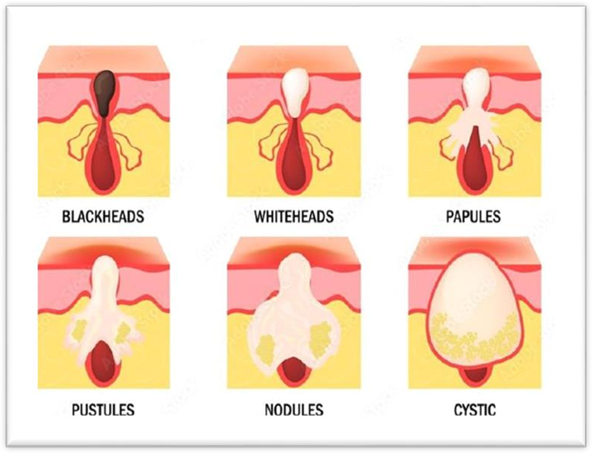
Fig. 2. Structure of Types of Skin Pimples
SKIN
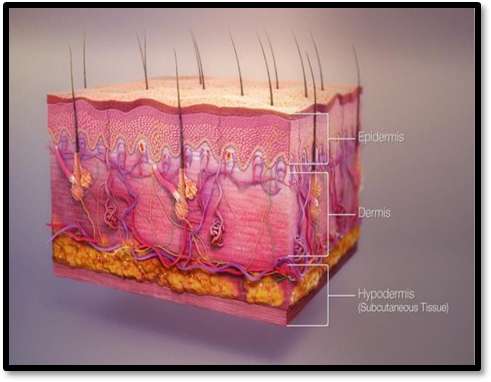
Fig. 3. Structure of Skin
The skin contributes about 15% of the total human body weight and is therefore considered the largest organ of the body. It performs several essential functions such as regulation of body temperature and protection of the body from ultraviolet radiation, as well as external physical, chemical, and biological agents. The mucous membranes that cover the body surfaces form a continuous layer with the skin, together acting as a protective barrier between the internal and external environments [5,6].
TYPES OF SKIN
Human skin can be broadly categorized into different types based on its oil and moisture content, namely normal, oily, dry, and combination skin.
a) Dry Skin:
Dry skin occurs due to insufficient moisture, resulting in a rough, tight, and sometimes hardened texture. The skin often appears dull and dehydrated. People with dry skin may experience discomfort, irritation, and heightened sensitivity. Factors such as climatic conditions, genetic makeup, aging, and poor hydration levels contribute to this condition. Consistent application of moisturizers helps in replenishing moisture and maintaining the skin’s protective barrier. In severe cases, extreme dryness may lead to itching or dermatitis.
b) Oily Skin:
Oily skin is mainly caused by overproduction of sebum by the sebaceous glands. This causes the skin to appear shiny, especially in the T-zone area, including the forehead, nose, and chin. Excess oil can clog pores, leading to enlarged pores and a higher tendency for acne, blackheads, and whiteheads. However, oily skin naturally slows down the formation of wrinkles and fine lines, providing a degree of protection against premature aging.
c) Normal Skin:
Normal skin is considered healthy and well-balanced. It maintains an optimal level of moisture, feels smooth, and shows good elasticity. Since it is neither excessively oily nor overly dry, normal skin rarely develops skin-related problems. It has a clear appearance, evenly sized pores, and produces enough sebum to keep the skin hydrated without causing greasiness [7].
d) Combination Skin:
Combination skin displays characteristics of both oily and dry skin. This skin type is very common, with the T-zone typically being oily, while other areas such as the cheeks and sides of the face may remain normal or dry skin.
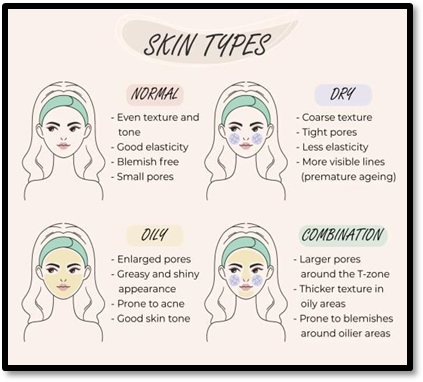
Fig. 4. Structure of Types of Skin
HERBAL COSMETICS
Herbal cosmetics are cosmetic products prepared using natural ingredients obtained from herbs and plants, mainly to provide cosmetic benefits. The demand for herbal cosmetics is increasing rapidly because they are considered safer and do not cause harmful side effects. These products primarily contain plant-based ingredients.
Natural herbs are generally safe for the skin and do not produce adverse effects. Nowadays, cosmetics are widely used to improve appearance and maintain healthy skin. Various formulations such as skin protectants, sunscreens, anti-acne, and anti-wrinkle products are available in both natural and synthetic forms to meet different skin needs.
Compared to synthetic formulations, herbal cosmetics are more preferred due to their beneficial properties, including anti-inflammatory, antiseptic, antibacterial, and antioxidant activities, which help protect and nourish the skin.
CREAM
A cream is a semi-solid dosage form meant for external use, formulated either as a water-in-oil (w/o) or oil-in-water (o/w) system, and is intended for topical application. Based on the nature of the emulsion, creams are classified into two main types: (w/o) and (o/w) emulsion. One of the primary functions of a cream is its ability to remain at the site of application for a prolonged period when applied to the outer or superficial layers of the skin. Skin cream not only protects the skin from adverse environmental and climatic conditions but also provides a soothing and moisturizing effect. Herbal formulations are increasingly preferred over synthetic products, as synthetic agents are often associated with various undesirable side effects, whereas herbal products generally exhibit minimal adverse effects. Acne emerged as a prevalent dermatological problem among adults, affecting individuals of both genders.
AIM & OBJECTIVES
AIM
The formulation and evaluation of herbal cream for anti acne treatment and packed in the suitable container, kept in the stability chamber for evaluation of self-life.
OBJECTIVES
PLANT PROFILE
MANJISTHA
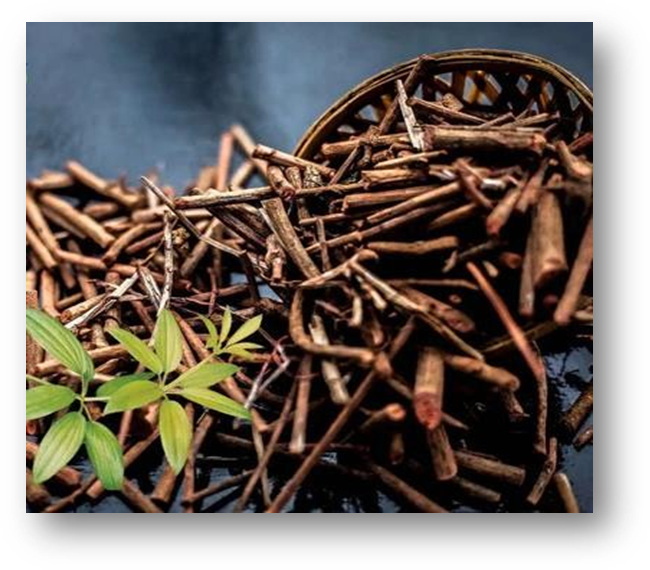
Fig. 5. Manjistha Root
BOTANICAL CLASSIFICATION
DESCRIPTION
Rubia cordifolia Linn. (manjistha) is popularly known as ‘Indian Madder’. The roots are natural red dye and traditionally used as anti-inflammatory, astringent, tonic, antiseptic, antidysenteric, blood purifier. It is an important ingredient of many ayurvedic preparations. It is commonly used in Ayurveda for treating skin diseases, acne, wounds, and pigmentation.
KEY PHYTOCHEMICALS
PHARMACOLOGICAL ACTIVITIES
BENEFITS OF MANJISTHA IN ANTI-ACNE HERBAL CREAM
COMMON FORMS USED IN FORMULATION
In herbal and cosmetic formulations, Manjistha is commonly used in the following forms:
These forms are selected based on the type of formulation (cream, gel, ointment, lotion) and the desired therapeutic effect, especially in skin and anti-acne preparations.
SAFETY AND SIDE EFFECTS SAFETY:
POSSIBLE SIDE EFFECTS:
ALOE VERA
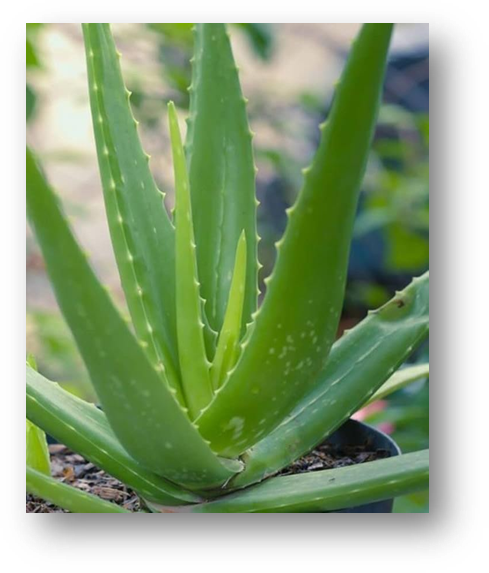
Fig. 6. Aloe vera
BOTANICAL CLASSIFICATION
DESCRIPTION
Aloe vera is a succulent plant known for its thick, fleshy leaves filled with a clear, mucilaginous gel. This gel contains numerous bioactive compounds with medicinal, cosmetic, and nutritional value.
KEY PHYTOCHEMICALS
PHARMACOLOGICAL ACTIVITIES
BENEFITS OF ALOE VERA IN ANTI ACNE HERBAL CREAM
COMMON FORMS USED IN FORMULATION
SAFETY AND SIDE EFFECTS
NEEM
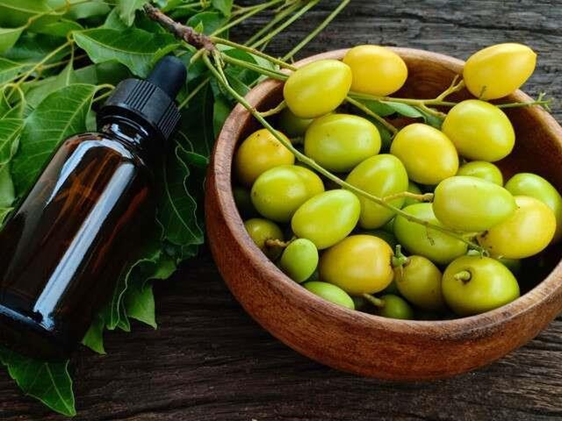
Fig. 7. Neem oil
BOTANICAL CLASSIFICATION
DESCRIPTION
Neem oil is a bioactive oil derived from the seeds of Azadirachta indica. It is extensively incorporated into anti-acne formulations due to its potent antibacterial, anti-inflammatory, antifungal, and antioxidant activities. Neem oil effectively inhibits the proliferation of acne- causing microorganisms such as Cutibacterium acnes, alleviates erythema and inflammation, and regulates excessive sebum secretion, thereby contributing to the prevention and management of acne lesions.
KEY PHYTOCHEMICALS
PHARMACOLOGICAL ACTIVITIES
Neem possesses a broad range of pharmacological actions that make it ideal for acene treatment.
BENIFITS OF NEEM IN ANTIACNE HERBAL CREAM
COMMON FORMS USED IN FORMULATION
SAFETY AND SIDE EFFECTS
LIQUORICE
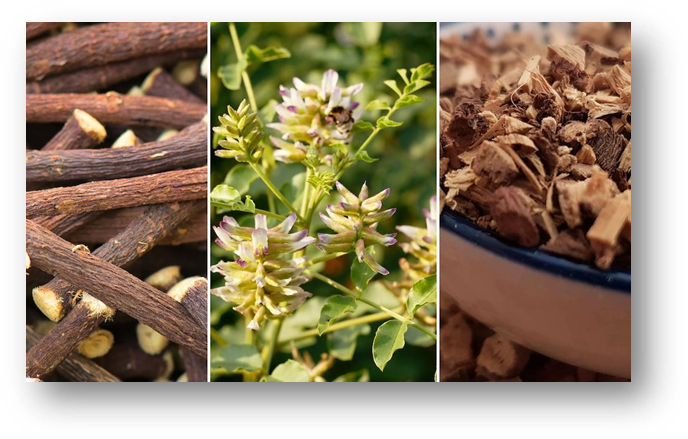
Fig. 8. Liquorice Root
BOTANICAL CLASSIFICATION
DESCRIPTION
Licorice, also known as Glycyrrhiza glabra, is a powerful medicinal root that’s been used for centuries in Ayurveda, Traditional Chinese Medicine, and even ancient Greek remedies.2 In India, it’s commonly called mulethi or yashtimadhu. One of the most common benefits of Licorice for skin is its lightening effect. It helps reduce dark spots and uneven tone by slowing down melanin production. Licorice is a calming but powerful remedy. Its all-natural anti-inflammatory components calm redness and swelling, and its antibacterial compounds target acne-causing bacteria. Thus, licorice is a great choice for acne-prone or sensitive skin that needs calming care without harsh ingredients.7
KEY PHYTOCHEMICALS
PHARMACOLOGICAL ACTIVITIES
BENEFITS OF LIQUORICE IN ANTI ACNE HERBAL CREAM
COMMON FORMS USED IN FORMULATION
SAFETY AND SIDE EFFECTS
SAFETY
POSSIBLE SIDE EFFECTS
VITAMIN E OIL
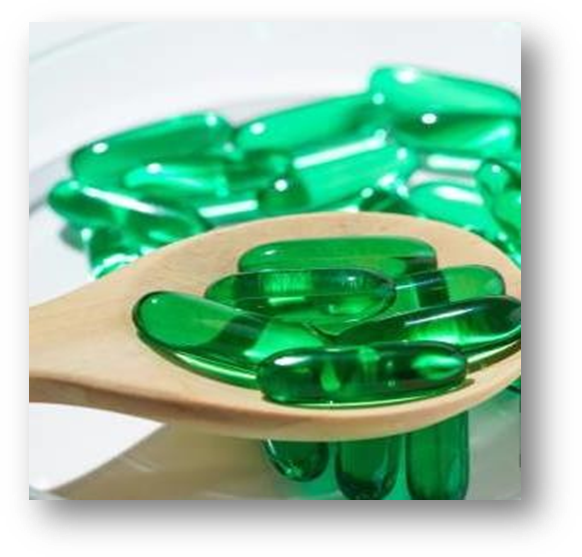
Fig. 9. Vitamin E capsule
DESCRIPTION
Vitamin E is just one of the antioxidants touted as a potential acne treatment. Vitamin E is an anti-inflammatory, which means it can help boost your immune system and help with cell regeneration. It’s thought that these properties may specifically help with inflammatory acne, such as:
KEY PHYTOCONSTITUENTS
PHARMACOLOGICAL ACTIVITIES
Antioxidant Activity
Anti-Inflammatory Activity
Wound Healing Activity
Anti-Scar Activity
Skin Moisturizing Activity
Photo-Protective Activity
Immunomodulatory Activity
Sebum Regulation (Supportive)
BENEFITS OF VITAMIN E OIL IN ANTI ACNE CREAM
COMMON FORMS USED IN FORMULATION
SAFETY AND SIDE EFFECTS
POSSIBLE SIDE EFFECTS (RARE)
PREFORMULATION STUDIES FOR PHARMACEUTICAL CREAM PREFORMULATION STUDIES
Preformulation studies are the preliminary investigations conducted on a drug and its potential excipients before developing a cream formulation. These studies aim to understand the physical, chemical, and biological properties of the drug, ensure compatibility with excipients, and provide essential information for designing a stable, safe, effective, and patient-friendly cream.
This study involves examining the physical characteristics of the drug such as color, odor, taste, and appearance. These properties help in identifying the drug, detecting impurities, and ensuring initial quality control before formulation.
Solubility of the drug in various solvents like water, oils, alcohol, or buffers is determined. This is crucial for selecting the appropriate phase (oil or aqueous) in cream formulation and for enhancing drug release and absorption from the cream.
The pH of the drug solution or dispersion is measured to ensure skin compatibility. A suitable pH (around 5.5–7) prevents skin irritation, maintains drug stability, and ensures patient comfort during application.
The melting point indicates the temperature at which the drug changes from solid to liquid. It helps in checking purity, and also guides the selection of manufacturing conditions, especially the temperature for mixing cream ingredients.
The partition coefficient measures the distribution of the drug between oil and water. Drugs with higher oil solubility may penetrate the skin more easily. This study predicts skin absorption and therapeutic effectiveness.
Drug is tested with potential excipients to detect chemical or physical interactions using techniques like FTIR, DSC, or TLC. Compatibility ensures stability, efficacy, and safety of the final cream.
The particle size of the drug affects smoothness, spread ability, stability, and release rate from the cream. Smaller particles increase surface area, improving drug release and uniformity of the formulation.
The drug is exposed to heat, light, humidity, and other environmental conditions to assess stability. Stability studies help in predicting shelf life, preventing degradation, and ensuring the cream remains effective throughout its storage.
Viscosity testing evaluates the flow and consistency of the cream. Proper viscosity ensures the cream is easy to apply, spreads evenly, and retains its form on the skin.
10. Skin Irritation Test
Preliminary tests are done to ensure the cream does not cause redness, itching, or irritation. This is important for topical safety, especially for sensitive skin.
MATERIALS AND METHODS
In this experiment, an oil-in-water (O/W) cream was prepared by the emulsification method.
COLLECTION OF MATERIALS
Materials used in this herbal anti-acne cream are as follows:
Rubia cordifolia, Aloe barbadensis, Azadirachta indica, Glycyrrhiza glabra.
CHEMICALS
APPARATUS
Beakers, water bath, thermometer, glass rod, balance, spatula, mortar and pestle.
Collection of Aloe vera Plant Material (For Anti-Acne Herbal Cream)
Aloe vera leaves were collected from naturally growing plants in dry and semi-arid regions with sandy, well-drained soil and warm climate. Only healthy, mature, and disease-free plants were chosen to ensure good quality crude drug.
Leaves are the medicinal part used for anti-acne formulations as they contain active compounds like aloins, aloesin, polysaccharides, glycoproteins, vitamins, and enzymes, which show antimicrobial, anti-inflammatory, soothing, and wound-healing effects. Leaves from 2–3-year-old plants were selected because the gel and active constituents are maximum at this stage.
Harvesting was done in dry weather to reduce contamination. Leaves were cut near the base using clean tools. Environmental factors such as soil, temperature, and sunlight were considered since they affect phytochemical content.After collection, leaves were washed, the outer rind removed, and the inner gel separated quickly to avoid degradation. The fresh or processed gel was then used in the anti-acne herbal cream. Proper identification and hygienic handling ensured purity and therapeutic quality.
Collection of Manjistha Root Powder from Herbal Medicinal Store (For Anti-Acne Herbal Cream)
Manjistha root powder (Rubia cordifolia) was procured from a reputable herbal medicinal store to ensure authenticity and quality of the crude drug used in the formulation. The material was selected based on its color, odor, and fine texture, indicating good quality and proper processing.
Manjistha is rich in bioactive constituents such as alizarin, purpurin, rubiadin, and anthraquinones, which possess anti-inflammatory, antibacterial, antioxidant, and blood-purifying properties, making it beneficial for acne treatment and skin disorders.
The purchased powder was free from visible contaminants, adulterants, and moisture. It was stored in an airtight container in a cool, dry place to protect it from light, humidity, and microbial contamination. Proper labeling and batch details from the supplier were maintained for quality control and reproducibility of the formulation.
The use of standardized, hygienically processed Manjistha root powder helps ensure the safety, stability, and therapeutic effectiveness of the anti-acne herbal cream.
Collection of Liquorice Root Powder from Herbal Medicinal Store (For Anti-Acne Herbal Cream)
Liquorice root powder (Glycyrrhiza glabra) was obtained from a trusted herbal medicinal store to ensure the quality and authenticity of the crude drug used in the formulation. The powder was evaluated based on its characteristic sweet taste, yellowish-brown color, and fine texture, which indicate proper processing and good quality.
Liquorice contains important phytoconstituents such as glycyrrhizin, glabridin, liquiritin, and flavonoids, which exhibit anti-inflammatory, antimicrobial, antioxidant, and skin-soothing activities. These properties make it useful in reducing acne, redness, and skin irritation.
The procured powder was free from foreign matter, adulterants, and excess moisture. It was stored in an airtight container in a cool, dry place away from direct light to maintain stability and prevent contamination. Supplier details and batch information were recorded for quality control and formulation reproducibility.
Using properly processed and hygienically handled liquorice root powder ensures the safety, effectiveness, and stability of the anti-acne herbal cream.
Collection of Neem Oil from Natural Sources (For Anti-Acne Herbal Cream)
Neem oil was obtained from naturally grown Azadirachta indica trees. Healthy and mature trees were selected to ensure good quality. Ripe neem seeds were collected, cleaned, and shade dried to reduce moisture.
Oil was extracted from the dried seeds by cold-press/mechanical method to preserve active constituents like azadirachtin, nimbin, nimbidin, and gedunin, which have antibacterial, antifungal, anti-inflammatory, and antiseptic properties useful in acne treatment.
Environmental factors such as soil and climate were considered as they affect oil quality. The extracted oil was filtered and stored in airtight, amber-colored containers in a cool, dry place to maintain stability and prevent degradation.
Collection of Vitamin E Oil from Medical Store (For Anti-Acne Herbal Cream)
Vitamin E oil was procured from a reliable medical store to ensure the purity and quality of the ingredient used in the formulation. The product was checked for proper labeling, manufacturing details, and expiry date to confirm its suitability for pharmaceutical use.
Vitamin E oil mainly contains tocopherols, which possess antioxidant, anti-inflammatory, skin- repairing, and moisturizing properties. These actions help reduce acne inflammation, promote skin healing, and protect the skin from oxidative damage.
The oil was free from impurities and stored in a tightly closed, light-resistant container in a cool and dry place to prevent oxidation and degradation. Proper storage and handling ensured the stability and effectiveness of Vitamin E oil in the anti-acne herbal cream.
PROCEDURE FOR PREPARATION OF ANTI-ACNE HERBAL CREAM
EVALUATION TESTS FOR ANTI-ACNE HERBAL CREAM
The prepared cream is examined visually for color, odor, texture, consistency, and presence of any lumps or phase separation. A good herbal cream should be smooth, uniform, and free from grittiness. This test ensures aesthetic acceptability and proper formulation.
About 1 g of cream is dissolved or dispersed in distilled water and the pH is measured using a digital pH meter. Skin-friendly creams should have pH between 5 and 7, which matches normal skin pH. This prevents skin irritation and dryness.
Viscosity is measured using a Brookfield viscometer at suitable spindle speed. It determines the thickness and flow behavior of the cream. Proper viscosity ensures ease of application and stability of the emulsion.
A known quantity of cream is placed between two glass slides. A weight is applied and the time taken for the slides to separate is noted. Spread ability indicates how easily the cream spreads on the skin. Good spread ability enhances patient compliance.
The cream is tested by visual inspection and by touch. It should appear uniform without coarse particles or phase separation. This ensures even distribution of active herbal ingredients.
A small amount of cream is applied on skin and washed with water. The ease of removal is observed. Good washability means the formulation is non-sticky and cosmetically elegant.
The cream is applied to a small area of skin (usually on the forearm) and observed for 24 hours. The area is checked for redness, itching, swelling, or irritation. Absence of these signs indicates the formulation is safe for topical use.
The cream is stored undisturbed for 24 hours and observed for separation of oil and water layers. No phase separation indicates a stable emulsion system.
Samples are taken from different parts of the container and analyzed. Uniform drug content indicates proper mixing and distribution of active ingredients throughout the cream.
These tests confirm the quality, safety, stability, and effectiveness of the anti-acne herbal cream.
10. Stability Study
The cream is stored in the stability chamber as per the ICH guidelines (Both ACC and Real time stability studies) to evaluation of all parameters and confirm the shelf-life of the formulation.
RESULTS AND DISCUSSION
The formulated anti-acne herbal showed a smooth, homogenous without phase separation, indicating good formulation quality. The pH was within the skin-friendly range suggesting suitability for topical application. The cream exhibited appropriate viscosity, good spread ability, and easy washability, ensuring proper application and user comfort. The effects of herbal components provide enhanced therapeutic benefits without the side effects seen in synthetic formulations.
CONCLUSION
The formulated anti-acne herbal cream demonstrated promising results in the terms of stability, safety, and efficacy. The use of natural ingredients such as Manjistha, Aloe vera, Liquorice, Neem oil, and Vitamin E oil provide synergistic anti-microbial, anti-inflammatory, antioxidant, and skin-soothing properties, which are essential for acne treatment. The cream showed desirable physicochemical characteristics, including appropriate pH, smooth texture, non-greasiness, and good spread ability. Evaluation studies confirmed its non-irritant nature and significant anti-acne activity against Propionibacterium acne and Staphylococcus aureus. Based on the findings, it can be concluded that herbal creams are safe, cost-effective, and efficient alternative to synthetic acne with minimal side effects.
REFERENCES


Jayarani. S, Jeno Lilly Bai. R, Mahalakshmi. S, Selvakumar. S, Stain Berk Chiril. S, Swetha, B. K. Babu, Formulation and Evaluation of Anti-Acne Herbal Cream, Int. J. of Pharm. Sci., 2026, Vol 4, Issue 3, 3517-3535. https://doi.org/10.5281/zenodo.19247825
 10.5281/zenodo.19247825
