
Department of Pharmacy, BK Patil Institute of Pharmacy, Taloja, Navi Mumbai, Maharashtra, India
Migraine is a neurological disorder characterized by recurrent, intense headaches often accompanied by symptoms such as nausea, vomiting, and sensitivity to light and sound. Unlike ordinary headaches, migraines are typically unilateral (affecting one side of the head) and may last from a few hours to several days. Overview of Migraine (Humanized Introduction). Migraine is more than just a bad headache—it’s a complex neurological condition that can deeply affect a person’s daily life. People who experience migraines often describe the pain as throbbing or pulsating, usually on one side of the head, and it can last for hours or even days. Along with pain, migraines may bring nausea, vomiting, and sensitivity to light or sound, making it difficult to carry out even simple tasks. For many, it’s not just physical pain but also the emotional and mental toll that makes migraines so challenging. Living with migraines often means planning life around unpredictable attacks, which can impact work, social life, and emotional well-being. Because of this, finding effective and safe treatments has become a major focus of modern medicine. Recent research is exploring both synthetic drugs and natural alternatives to manage migraine symptoms. Combining traditional knowledge with scientific understanding, such as blending caffeine and herbal extracts, may open new doors for gentler yet powerful migraine relief solutions
1.1 Disease: Migraine
A migraine is a severe headache that causes throbbing and pulsing head pain on one side of your head. The headache phase of a migraine usually lasts at least four hours, but it can also last for days. This headache gets worse with:
Migraines are disruptive. They can interfere with your daily routine and affect your ability to meet personal and social obligations. Treatment is available to help you manage migraines. Over-the-counter migraine medications are effective if you have mild to moderate migraine symptoms. Sometimes, overuse can cause analgesic or dependency problems. Migraines show serious health problems with an indefinite cause and severe symptoms.
1.2 Treatment of Migraine:
There isn’t a cure for migraines. But a healthcare provider can help you manage migraine symptoms through the following:
A healthcare provider might recommend taking doses to treat migraines. There are two types of medications available:
1.3 Pathophysiology: What Happens During a Migraine
The underlying mechanism of migraine is intricate and multifactorial.
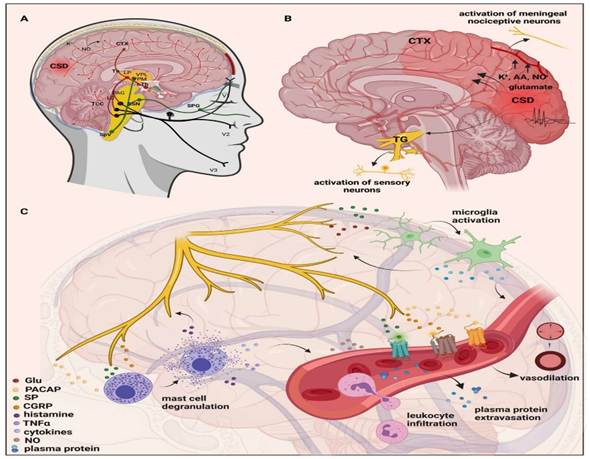
A. Neurological Changes - Migraines originate in the brain, particularly in areas that regulate pain and sensory processing. A phenomenon called cortical spreading depression (CSD) is often observed—a slow wave of electrical activity that spreads across the brain’s surface. This wave temporarily suppresses normal brain function and triggers the release of inflammatory molecules, leading to pain and aura symptoms such as visual disturbances.
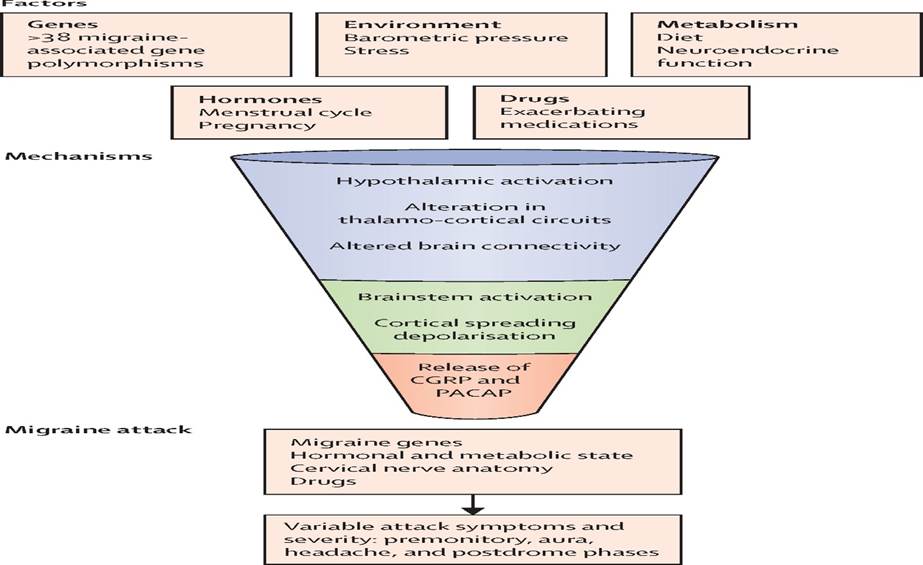
B. Trigeminovascular System Activation - The trigeminal nerve, which is responsible for facial sensations and motor functions like biting and chewing, plays a major role. During a migraine attack, this nerve releases neuropeptides such as calcitonin gene-related peptide (CGRP), substance P, and neurokinin A. These substances cause inflammation and dilation of blood vessels around the brain, leading to pain transmission.
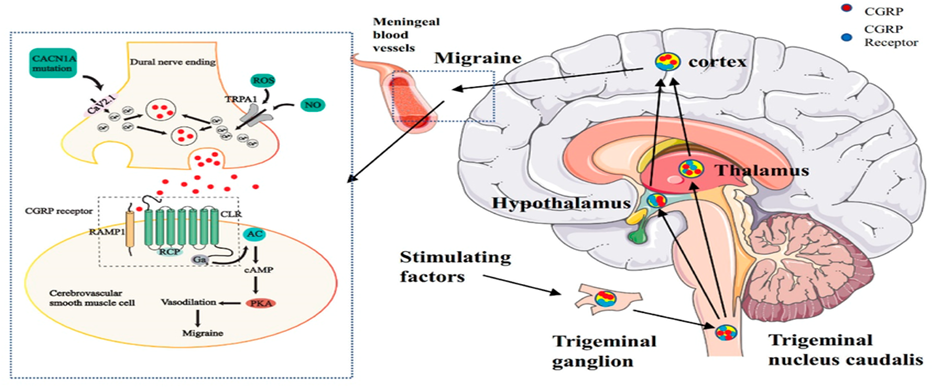
C. Neurochemical Imbalance –
Neurotransmitters like serotonin (5-HT) and dopamine also influence migraine attacks. Low levels of serotonin can cause blood vessels to widen and trigger pain pathways. This understanding has led to the development of triptans, a class of migraine medications that restore serotonin balance and reduce pain.
1.4 Introduction to Caffeine as an analgesic adjuvant for acute pain in adults.
Caffeine is found in various plant products, and may be ingested in drinks like tea, coffee, and some soft drinks and energy drinks. Caffeine is a stimulant and can improve alertness and prevent tiredness over short periods. It may disturb sleep in some people if taken before bed. Ordinary consumption of caffeine (less than 400 milligrams daily) is not harmful to health. Caffeine is commonly used in pain?relieving medicines available from pharmacies without a prescription(OTC drugs). An adjuvant is something that is added to a medicine to make it work better.

1.5 Dried Jasmine Powder
Biological Source: The dried powder is obtained from the flowers of Jasminum sambac (L.) Aiton, belonging to the family Oleaceae.
Common Names: Arabian Jasmine, Mogra (in Hindi).
Family: Oleaceae
Genus: Jasminum
Species: Jasminum sambac
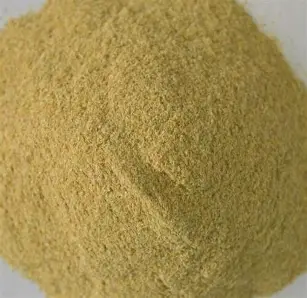
Jasmine is an aromatic plant commonly used in traditional medicine, particularly in aromatherapy. While scientific evidence specific to “jasmine dried powder” and “migraine treatment”, it may offer supportive benefits
1.6 ELECTROLYTES
Electrolytes are minerals in your body that carry an electric charge and help keep your body’s fluids and systems balanced. Electrolytes are body salts that help your nerves signal, muscles contract, and your body stay hydrated and balanced.
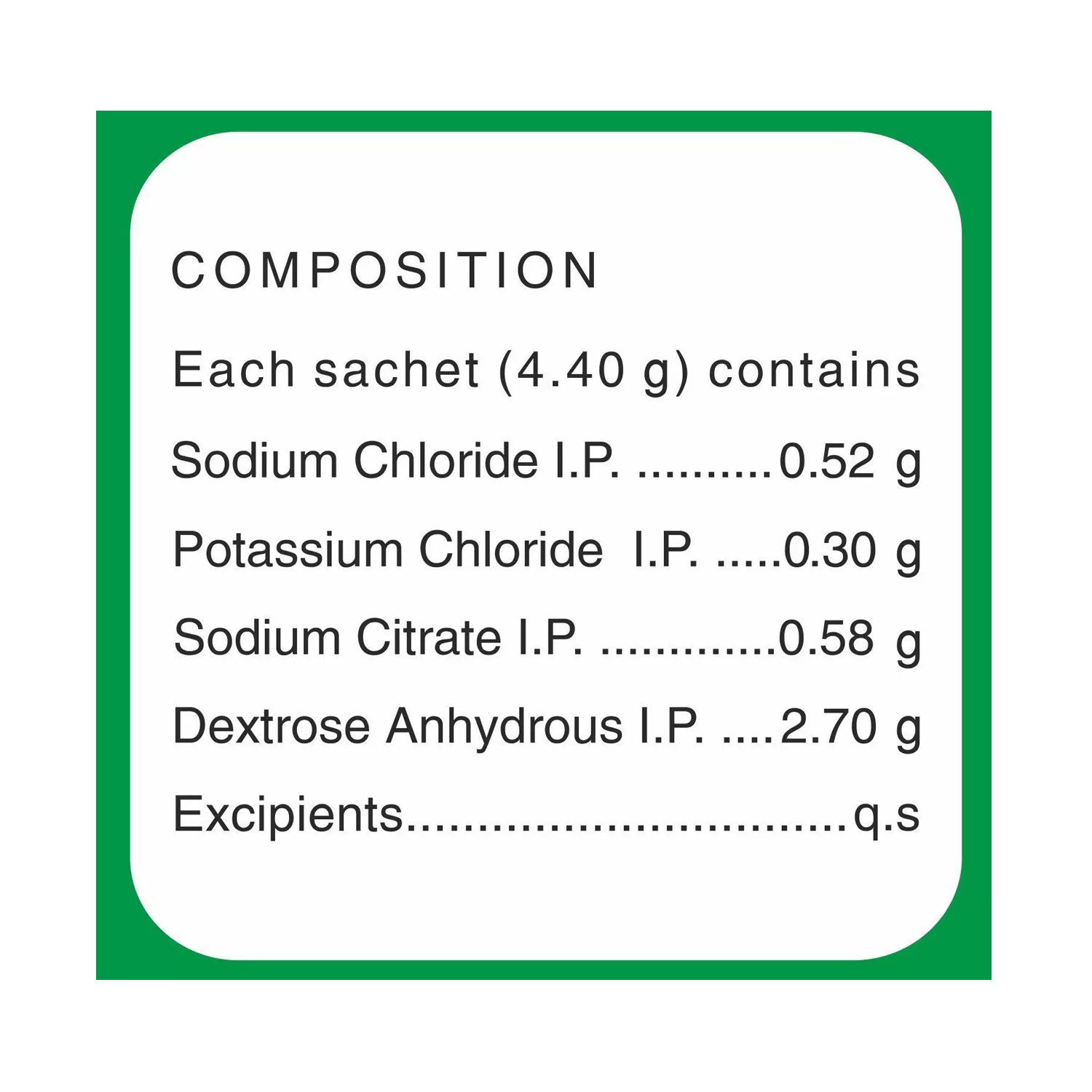
During a migraine attack, the brain and body go through several neurochemical, vascular, and metabolic changes. These changes can affect the balance of electrolytes — minerals like sodium (Na?), potassium (K?), calcium (Ca²?), and magnesium (Mg²?) — which are essential for nerve signalling, muscle contraction, and maintaining fluid balance.
|
Electrolyte Trends (Decreasing) |
Resulting Effect on Migraine |
|
↓ Magnesium, ↓ Potassium, ↓ Calcium |
Increases neuronal hyperexcitability, triggers cortical spreading depression (CSD), and causes vascular changes |
|
↓ Sodium, ↓ Chloride |
Promotes dehydration and impaired nerve signalling |
|
↓ Bicarbonate |
Leads to mild acidosis, worsening headache and fatigue |
2. Aim:
To develop and evaluate combinations of caffeine, jasmine dried powder, and electrolytes for potential use in the management of migraine, targeting neurovascular regulation, inflammatory control, and electrolyte balance to enhance therapeutic efficacy and patient well-being.
Objectives:
3. MATERIALS AND METHODOLOGY:
|
INGREDIENTS |
ROLE |
|
Caffeine |
OTC adjuvant dose |
|
Jasmine dried flower powder (Jasminum sab.) |
Phytochemical antioxidant / calming component. |
|
Sodium (as NaCl) |
NaCl chosen for simple, readily available Na source. |
|
Potassium (as KCl) |
Replenishes cellular K? lost with dehydration; KCl is standard |
|
Magnesium (as magnesium citrate, anhydrous) |
Magnesium citrate is more soluble & supports neuronal stability. |
|
Citric acid (anhydrous) |
Flavour, pH adjustment; contributes to mouthfeel. |
|
Aerosil (colloidal silicon dioxide) |
Anti-caking / flow aid — very small amount. |
Fig: Ingredients requirements for the formulation of the anti-migraine agents.
4. Pharmacological Rationale
The combination of caffeine, jasmine dried powder, and electrolytes presents a synergistic approach to migraine management by targeting multiple neurovascular and biochemical pathways. Caffeine acts as a central nervous system stimulant and adenosine receptor antagonist, producing mild cerebral vasoconstriction that counteracts migraine-associated vasodilation. Jasmine (Jasminum sambac or J. officinale) contributes potent antioxidant and anti-inflammatory effects through its flavonoids and essential oils, stabilizing vascular tone and modulating serotonergic and GABAergic neurotransmission. Electrolytes such as magnesium, calcium, sodium, and potassium maintain neuronal excitability, membrane potential, and vascular smooth-muscle balance, which are frequently disrupted during migraine episodes.
Together, these components restore cerebral blood flow, reduce oxidative and inflammatory stress, and correct ionic imbalances caused by dehydration or vomiting. Additionally, the mild stimulant property of caffeine complements the calming and neuroprotective action of jasmine, while electrolyte replenishment supports sustained energy metabolism and hydration. Hence, the tri-component formulation offers a balanced therapeutic profile that enhances pain relief, prevents recurrence, and promotes neural stability during and after migraine attacks.
5. Combination studies and Rationale of Caffeine and Jasmine Dried Powder
1.
2.
3.
6. PARAMETERS AND EVALUATION
|
PARAMETERS |
METHODS OF EVALUATION |
|
|
Appearance |
The prepared formulation is visually inspected for colour, texture, uniformity and presence of any foreign particles.
|
|
|
Disintegration time |
The time taken for the tablet to break down into smaller particles is measured using a disintegration test apparatus in distilled water at 37°C. |
|
|
Dissolution study |
Drug release from the formulation is studied using a USP dissolution apparatus in suitable dissolution medium |
|
|
Drug Content |
The amount of caffeine present is determined using UV-Visible spectrophotometry at its specific wavelength
|
|
|
Stability Study |
The formulation is stored at room temperature and evaluated periodically for changes in colour, odour, pH and drug content |
|
|
Moisture Content |
Determined using loss on Drying method |
|
|
Organoleptic Properties |
The prepared anti-migraine formulation will be evaluated for colour, odour, taste, and appearance. |
|
|
pH Determination |
The pH of the reconstituted formulation (after dissolving in alcohol and water) will be measured using a digital pH meter. |
SACHET PACKAGING:
Sachet packaging is a small, sealed pouch made from flexible packaging materials used to store and dispense small quantities of powders, liquids, or semi-solid products. It is widely used in pharmaceuticals, food, cosmetics, and personal care products for single-dose or small-dose packaging.
Materials Used:
Sachets are usually made from laminated films that provide protection from moisture, air, and contamination. Common materials include:
Advantages of Sachet Dosing.
Disadvantage of Sachet Dosing.
7. RESULT
Sachet Dosing system were successfully prepared using selected ingredients. The formulated sachet doses were smooth, flexible, and showed uniformity, acceptable weight variation, satisfactory endurance, and consistent drug content.
The studies demonstrated sustained drug release over the study period, indicating controlled drug reaction to the migraine activity. The studies confirmed effective drug transport across the systemic activity. Stability testing revealed no significant changes in physical characteristics or drug content, suggesting that the optimized formulation was stable and suitable for dosing.
CONCLUSION
The anti-migraine sachet containing caffeine, jasmine dried powder, electrolytes, citric acid, and Aerosil was successfully formulated to be dissolved in 100 mL of water. The combination was designed to provide quick relief from migraine pain while also helping the body restore essential electrolytes and reduce fatigue. Caffeine acts as a mild stimulant to improve alertness and enhance pain-relieving effects, while jasmine offers natural calming and antioxidant properties. The electrolytes maintain hydration and nerve balance, and citric acid improves the taste and stability of the formulation.
The sachet showed good dissolution, uniform weight, acceptable pH, and stable composition during evaluation, indicating that it is physically and chemically stable. Overall, the formulation appears effective, convenient, and safe for early-stage development as an over the counter or supportive anti-migraine preparation. Further testing and clinical studies can help confirm its performance and patient acceptability.
9. ACKNOWLEDGEMENT
The authors express their sincere appreciation to B. K. Patil Institute of Pharmacy for providing the academic support and facilities required to complete this work. The authors are thankful to the Principal, Dr. Akshay Mesharam, and the faculty members of the Department of Pharmacy for their encouragement and guidance.
Special gratitude is extended to Asst. Mr. Akshay Nemade for his valuable supervision, constructive suggestions, and continuous support throughout the preparation of this manuscript. The authors also acknowledge the institutional library resources that facilitated access to essential scientific literature.





Akshay Nemade, Sumit Desai, Rohit Devanshi, Tanvi Gade, Sakshi Gaikar, Kunal Gavate, Preparation and Evaluation of the Anti-Migraine Medicine by Using Caffeiene and Jasmine Dried Powder, Int. J. of Pharm. Sci., 2026, Vol 4, Issue 3, 2204-2212. https://doi.org/10.5281/zenodo.19130198
 10.5281/zenodo.19130198
