View Article

  • Formulation and Evaluation of Dual Action Herbal Hair Serum Elixir

  • Gajanan Maharaj College of Pharmacy, Chh.Sambhajinagar, Maharashtra, India

Abstract

This study focuses on the formulation and efficacy evaluation of a novel Dual-Phase Herbal Elixir designed for the co-management of hair fall and dandruff. Conventional hair treatments often fail to simultaneously address both issues due to incompatible chemical bases. To overcome this, the serum utilizes a unique, shake-to-activate, two-layer system: an oil layer infused with lipophilic growth stimulants and an aqueous layer containing water-soluble antimicrobial agents. The oil phase, serving as a natural excipient, is enriched with Bhringraj and Amla to promote follicle health. The aqueous phase uses a decoction of Neem and Shikakai to target Malassezia (the primary cause of dandruff). The formulation was characterized for its physicochemical properties (pH, phase stability) and demonstrated excellent stability over a four-week period when stored at 25^\circ \text{C}. Subsequent in vivo observation showed a significant reduction in both scalp flakiness and self-reported hair fall counts over a six-week trial, confirming the synergistic efficacy of this Dual-Action delivery method in providing comprehensive scalp and hair nourishment. The growing consumer preference for natural alternatives over synthetic hair care products, often associated with long-term side effects, has spurred research into herbal formulations. This study focuses on the formulation and evaluation of a novel herbal hair serum designed to provide a dual-action benefit: enhancing hair appearance/manageability and promoting scalp health/hair growth. The serum incorporates extracts from traditionally significant medicinal plants, such as Aloe barbadensis Miller, Phyllanthus emblica (Amla), Eclipta alba (Bhringraj), and Hibiscus rosa-sinensis, among others. These extracts are rich in bioactive compounds like vitamins, antioxidants, and essential fatty acids, which are known to nourish hair follicles, strengthen strands, reduce hair fall, combat dandruff, and impart shine

Keywords

Dual-Phase System, Phytocosmetics, Natural Excipients, Topical Serum, Antidandruff, Hair Regrowth, Antifungal Efficacy, Phytochemicals, Bhringraj, Amla, Rosemary Oil, Neem.

Introduction

NEED OF INVESTIGATION

Rationale for Investigation

?The need for this research stems from the inadequacy of existing commercial products and the desire to develop scientifically validated, holistic treatments.

?1. Inadequacy of Single-Action Treatments

?The co-occurrence of Hair Fall (Alopecia) and Dandruff (Seborrheic Dermatitis) is extremely common. Current commercial products often treat these conditions sequentially or with separate single-action products, which is inconvenient and expensive for the consumer.

?Gap Addressed: This investigation aims to develop a holistic, single-product solution that manages the microbial imbalance (dandruff) and the structural weakness (hair fall) simultaneously, offering a more complete therapeutic approach.

?2. Limitations of Conventional Treatments

?Conventional treatments for hair loss (like minoxidil) and severe dandruff (like high-concentration ketoconazole) are often associated with side effects such as scalp irritation, chemical dependence, and systemic risks.

?Gap Addressed: By utilizing natural, scientifically-backed herbal actives (Bhringraj, Neem, Rosemary), the research seeks to develop an equally effective, yet safer, natural alternative with fewer adverse effects, thereby appealing to the growing demand for phytocosmetics.

?3. Justification for the Novel Dual-Phase System

?Most commercial herbal serums are either entirely water-based or entirely oil-based. This limits the efficacy, as essential actives needed for hair health fall into both solubility categories:

?Lipophilic (Oil-Soluble): Key hair growth stimulants often require oil for proper extraction and deep skin penetration.

?Hydrophilic (Water-Soluble): Antifungal agents and decoctions (like Neem) are best extracted in water.

?Gap Addressed: The investigation proves the viability and stability of the "shake-to-activate" Dual-Phase System. This research validates a novel delivery method that maximizes the efficacy of both water- and oil-soluble compounds simultaneously, leading to superior bioavailability and a better user experience (non-greasy application).

4. Scientific Validation of Traditional Knowledge

While the chosen herbs (Bhringraj, Amla, Neem) have centuries of use in traditional Ayurvedic practices, their incorporation into modern consumer products requires rigorous, evidence-based data.

?Gap Addressed: This investigation provides the necessary physicochemical characterization and comparative efficacy data (controlled study against a placebo) to validate these traditional remedies, moving them from anecdotal evidence to peer-reviewed science.

AIM AND OBJECTIVE

Primary Aim

The primary aim of this research is to formulate, characterize, and evaluate the therapeutic efficacy and physicochemical stability of a novel Dual-Phase Herbal Elixir designed for the simultaneous co-management of hair fall (Alopecia) and dandruff (Seborrheic Dermatitis).

Key Objectives (Dual Action)

1. Formulation and Preparation Objectives (The 'What')

?To develop an optimal, cost-effective, and safe formulation for a "shake-to-activate" Dual-Phase Elixir by determining the ideal 4:1 ratio of the oil phase to the aqueous phase.

?To prepare the Oil Phase through low-temperature infusion to maximize the extraction of lipophilic hair growth factors from Bhringraj and Amla into the carrier oil blend (Coconut, Almond, Jojoba).

?To prepare the Aqueous Phase through controlled decoction to maximize the extraction of hydrophilic antimicrobial compounds from Neem and Shikakai.

?To successfully integrate the potent essential oils (Rosemary and Tea Tree) into the final product to enhance circulation and antifungal activity.

?2. Physicochemical Characterization Objectives (The 'How Good')

?To determine the physicochemical properties of the final elixir, including \text{pH} (ensuring scalp compatibility, 5.0-5.5) and macroscopic observations (color, odor).

?To assess the physical stability of the dual-phase system by monitoring phase separation, aggregation, and any signs of degradation (e.g., color change, precipitation) when subjected to various stress conditions (e.g., accelerated aging tests at different temperatures).

?To determine the reversibility of phase separation upon agitation to ensure the "shake-to-activate" mechanism remains functional throughout the product's shelf-life.

?To conduct preliminary microbial testing (optional: in-vitro) to confirm the potent antimicrobial activity of the aqueous phase against common dandruff-causing pathogens (Malassezia).

?3. Efficacy and Safety Evaluation Objectives (The 'Does it Work')

?To conduct a comparative in vivo efficacy study (e.g., single-blind, 6-week observation) to compare the therapeutic performance of the Dual-Phase Elixir against a placebo base.

?To quantitatively measure the Elixir's impact on hair fall reduction by assessing and comparing daily/weekly hair counts in the treatment group versus the control group.

?To quantitatively and qualitatively assess the Elixir's impact on dandruff control by evaluating the reduction in scaling/flaking using a standardized scale (e.g., Dandruff Severity Scale) and measuring the decrease in subjective scalp itchiness.

?To assess the safety and tolerance of the Elixir through subject feedback on any adverse events, irritation, or stickiness.

?4. Conclusive Objectives

?To confirm that the formulated Dual-Phase Herbal Elixir is a viable, safe, and effective alternative to single-action conventional products.

?To establish a correlation between the unique synergistic delivery system and the enhanced overall therapeutic outcome.

INTRODUCTION

1. The Burden of Co-occurring Scalp Disorders

?Hair and scalp disorders present a significant global dermatological and psychosocial challenge. Among the most common conditions are Androgenetic Alopecia (AGA), the progressive loss of hair linked to genetics and hormonal factors, and Seborrheic Dermatitis (Dandruff), an inflammatory scaling condition often linked to the overgrowth of the lipophilic yeast, Malassezia. Crucially, these conditions frequently co-exist. Chronic scalp inflammation caused by severe dandruff can accelerate the hair cycle into the telogen (shedding) phase, thereby worsening overall hair fall. This overlap necessitates a holistic therapeutic approach that targets both fungal etiology and follicular health simultaneously.

?2. Limitations of Conventional Treatments

?Current conventional treatments often fail to address this dual pathology effectively. Synthetic agents like Minoxidil for hair loss and Ketoconazole for dandruff are typically administered separately and are often associated with drawbacks, including local adverse effects (e.g., scalp irritation, contact dermatitis), high recurrence rates upon discontinuation, and a lack of cosmetic elegance (e.g., residual greasiness or dryness). This has driven a renewed clinical interest in phytocosmetics—formulations derived from natural sources—which are preferred for their multi-target activity, safety profile, and perceived synergistic potential.

?3. Justification for the Novel Dual-Phase System

?A major challenge in natural formulation is the solubility barrier. Effective phytochemicals are often segregated based on their solubility:

?Lipophilic (Oil-Soluble) Actives: Compounds promoting hair growth and deep nourishment (e.g., constituents of Bhringraj and Rosemary) require a stable oil base for optimal extraction and dermal penetration.

?Hydrophilic (Water-Soluble) Actives: Potent antimicrobial and cleansing agents (e.g., Neem decoctions and Shikakai saponins) require an aqueous medium.

?Traditional single-phase products inherently compromise the delivery of one set of actives. This research introduces a novel Dual-Phase Herbal Elixir to overcome this: a shake-to-activate system featuring an oil layer and an aqueous layer. This delivery system  allows for the independent optimization and subsequent synergistic delivery of both lipophilic and hydrophilic agents without relying on synthetic emulsifiers, ensuring full-spectrum efficacy and a non-greasy application.

4. Hypothesis and Aim of the Study

?This investigation hypothesizes that the dual-phase delivery system will enhance the stability and therapeutic efficacy of the combined herbal actives, providing a superior outcome in managing co-occurring scalp disorders compared to conventional single-phase bases.

The cost increase in worldwide living standard has created a rise in demand for cosmetic products. The importance of cosmetics has increased as many people want to stay young and attractive. Cosmeceuticals refers to the combination of the cosmetics industry with the pharmaceutical industry. Cosmetics companies produce cosmetics and pharmaceutical ones produce medicines. Cosmeceuticals are skincare products that combine cosmetics and medicines.Serum is one of the cosmetic products with very high concentration of active ingredient in their formula for providing intensive nutrition to the deeper skin layer and non-greasy finish product which suitable for skin.

Highlights of Hair Serum:

  • Hair serum is the styling product that coats the surface of the hair known as hair serum.
  • It is basically a hair care product in liquid form, its consistency thicker than water.
  • Hair serum is not just meant for hair styling. They are also for treating multiple hair concerns like dry hair, dull hair, and unmanageable hair.
  • There are different types of hair serums for different hair goals. Depending on the products formula, a hair serum might reduce frizz, add shine, or straighten the hair.
  • This is silicone based styling product that is designed to coat the surface of hair to help impart added shine, smoothness hydration, humidity and pollution protection.
  • Intended to be used on wet hair.

Suitable types of hairs for using hair serum:-

  1. Straight
  2. Wavy
  3. Curly
  4. Coily

Advantages of Hair Serum:-

  • Hair serum can effectively smoothen, soften and make your hair silky.
  • It protects the hair from environmental aggressors.
  • Act as both pre styling treatment and finishing product.
  • It can be used before or after using heat styling.
  • Controls frizz. If your hair is weak and damaged, it may look frizzy or dry.
  • Boosts smoothness.
  • The anti-frizz effect of hair serum also helps improve the smoothness of hair serum
  • Hair serum is also reduces the tangles and promote the shine.
  • To enhances the straightness and curls.
  • It protects against the damage.

Side Effects of Using Hair Serum:-

  • Regular use and over application can make the hair unhealthy and ultimately dry.
  • Applying the serum on the scalp can lead to inflammation.
  • Silicones present in the hair serum can be harmful for the hair in the long hair.
  • Scalp application should be avoided as it might make it oily or can lead to inflammation.

Benefits of Using Hair Serum:

It is important to know hair serum benefits before you finalize the product. A hair serum predominantly has the following benefits.

1) Multi-Purpose

A hair serum solves a lot of hair issues and not just one problem. There is a reason it is called a one stop solution for all your hair woes. Hair serum transforms a bad hair day into a good hair day. With just a few drops, your hair will feel and look different.

2) Protects Hair

Hair serum forms a layer on hair strands. It thus acts as an excellent protect against heat, sun damage, dirt, dust and pollution. It prevents your hair from getting damaged. This is why it is advised to use a heat protecting serum before using hot styling tools.

3) Gives Shine to the Hair

The layer formed by hair serum acts as a reflector of light thus making your hair look shiny and lustrous. Hair serums consist of amino acids which protect colored and chemically treated hair.

4) Prevents Hair fall From Breakage

When our hair becomes a tangled mess, we tend to lose a lot of hair strands because of the wear and tear that goes into detangling. Hair serum acts as a lubricant for such hair and makes detangling easy. And the result is less hair fall.

5) Best for Dry Hair

The most to benefit from hair serums are those who have dry and frizzy hair. Hair serums lock in the moisture and makes hair smooth and shiny.

6) Nourishes Hair and Makes Them Manageable

Hair serums fill the follicular cracks and revive brittle and damaged hair. Hair serum makes hair more manageable which further makes it easy to style them. Time, energy, patience. Everything is saved.

DRUG PROFILE

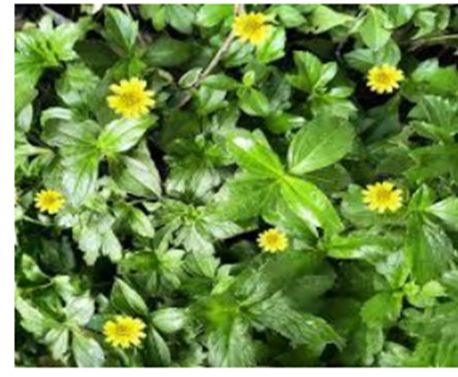
1. BHRINGRAJ

  • Common name :- Bhringraj , Falsa Daisy ,Trailing Eclipta.
  • Scientific name :- Eclipta prostrate
  • Biological source :- The whole plant (Herba Ecliptae)—including the leaves, stems, and flowers—is typically used for extraction and oil infusion.

Chemical constituents :-

  • Coumestans: The most significant active component is Wedelolactone.
  • Triterpenes: Including Ecliptal and oleanolic acid.
  • Alkaloids: Such as Ecliptine.
  • Flavonoids and Phenolic Acids: These provide strong antioxidant activity.

Therapeutic benefits :-

  • Hair and Scalp Health
  • Promotes Hair Growth
  • ?Reduces Hair Loss
  • Prevents Premature Graying
  • Anti-Dandruff
  • Hepatoprotective (Liver Health
  • Anti-inflammatory
  • Antimicrobial

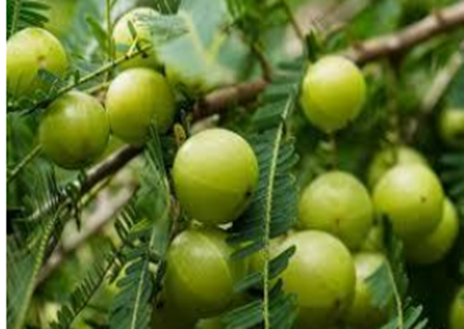
2. AMLA

  • Common name :- Amla, Indian Gooseberry, Amalaki
  • Scientific name :- Phyllanthus emblica (Syn. Emblica officinalis)
  • Biological source :- The fresh or dried fruit (fructus) of the plant Phyllanthus emblica, a deciduous tree native to India and Southeast Asia.

Chemical constituents :-

  • Ascorbic Acid (Vitamin C): Amla is one of the richest natural sources of heat-stable Vitamin C, making it a potent antioxidant.
  • Tannins: Contains gallic acid, ellagic acid, phyllemblin, and emblicanins
  • Flavonoids: Including Quercetin and Rutin.
  • Pectin: A polysaccharide found abundantly in the fruit.

Therapeutic benefits :-

  • Antioxidant Protection
  • Hair Strengthening
  • Anti-Aging Skin
  • Pigmentation
  • Immunomodulatory
  • Gastroprotective
  • Cardiovascular Health
  • Anti-Diabetic Properties

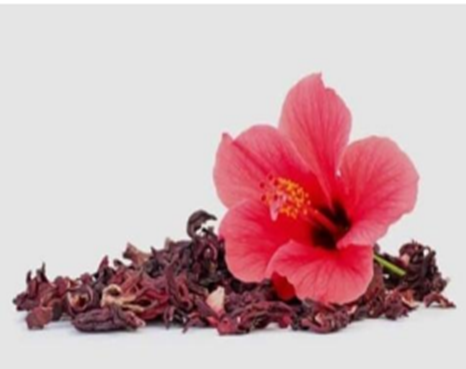
3. HIBISCUS

  • Common name :- Hibiscus, China Rose, Shoeblack Plant, Gudhal
  • Scientific name :- Hibiscus rosa-sinensis (China Rose/Shoeblack plant) is the most common species used for hair/skin.
  • Biological source :- The fresh or dried flowers and leaves of the Hibiscus species.

Chemical constituents :-

  • Organic Acids (AHAs): Citric acid, Malic acid, and Tartaric acid, which provide mild exfoliating properties.
  • Mucilage: A gummy substance that is highly effective at retaining water and providing superior moisturizing and conditioning effects.
  • Anthocyanins: These are natural red pigments that function as potent antioxidants and contribute to the plant's vibrant color.
  • Flavonoids: Including Quercetin, which offers anti-inflammatory benefits.
  • Amino Acids: Essential components that nourish the hair shaft and scalp.

Therapeutic benefits :-

  • Intense Conditioning
  • Promotes Growth and Strength
  • Adds Shine and Softness
  • Scalp Soothing
  • Natural Exfoliant
  • Anti-Aging Effects
  • Hydration
  • Lowers Blood Pressure

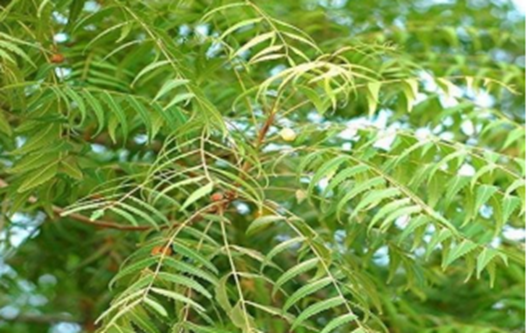
4. NEEM

  • Common name :- Neem, Indian Lilac, Margosa Tree, Nimtree
  • Scientific name :- Azadirachta indica A. Juss.
  • Biological source :- The various parts of the plant, including leaves, bark, seeds, and flowers, are used. It is an evergreen tree belonging to the family Meliaceae (Mahogany family).

Chemical constituents :-

  • Limonoids: These are the most significant active compounds, found in various parts of the plant, especially the seeds.
  • Azadirachtin: The most well-known compound, potent for its insecticidal and antifeedant properties.
  • Nimbin, Nimbidin, Nimbidol, Nimbolide: Known for antiviral, anti-inflammatory, and antifungal activity.
  • Salannin, Meliantriol, Gedunin: Also exhibit insecticidal and antimalarial properties.
  • ?Polyphenolic Flavonoids: Such as Quercetin and Catechins, which provide antioxidant and anti-inflammatory benefits.
  • Beta-sitosterol: A plant sterol.
  • Fatty Acids: Found in Neem oil (from seeds), including Oleic, Stearic, Palmitic, and Linoleic acids.

Therapeutic benefits :-

  • Antimicrobial and Antiseptic
  • Acne and Blemishes
  • Wound Healing
  • Eczema and Psoriasis
  • Insecticidal/Anti-Parasitic
  • Blood Purification and Detoxification
  • Antidiabetic/Blood Sugar Management
  • Immune System Support
  • Gastrointestinal Health
  • Anti-Plaque and Anti-Cavity
  • Gum Health
  • Dandruff Control
  • Lice Treatment

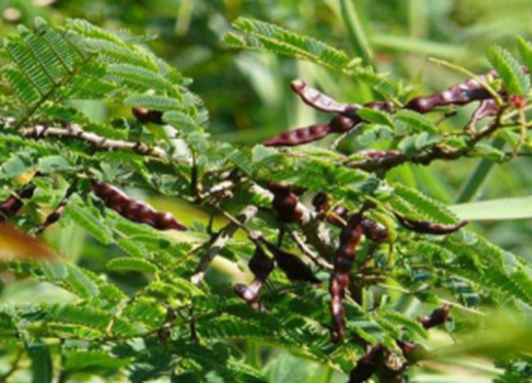
5. SHIKAKAI

  • Common name :- Shikakai, Soap Pod, Shika (Tamil), Seekaaya (Telugu)
  • Scientific name :- Acacia concinna (Willd.) DC. (or Senegalia rugata)
  • Biological source :- The dried fruit pods (often including leaves and bark) of the Acacia concinna climbing shrub, which belongs to the family Fabaceae (formerly Mimosaceae). It is native to the tropical forests of India and other parts of Southern Asia.

Chemical constituents :-

  • Saponins :Natural surfactants, responsible for cleansing and lathering action
  • Tannin
  • Flavonoids: Antioxidants
  • Vitamins: A, C, D, E, and K
  • Alkaloids
  • Acacic acid

Therapeutic benefits :-

  • Natural Hair Cleanser/Shampoo
  • Promotes Hair Growth
  • Dandruff and Scalp Health
  • Adds Shine and Softness
  • Prevents Premature Greying
  • Antioxidant Properties

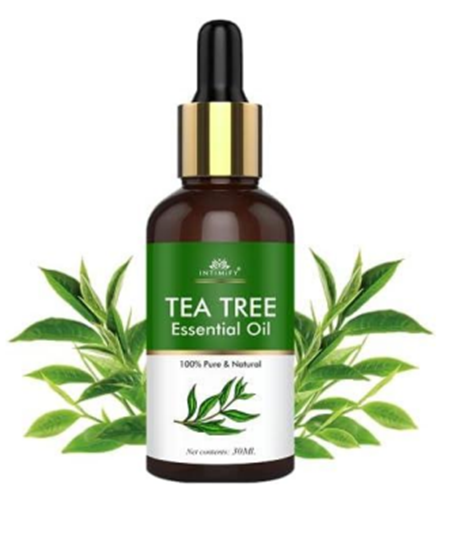
6. TEA TREE OIL

  • Common name :- Tea Tree Oil, Melaleuca Oil, Narrow-leaved Tea-Tree Oil
  • Scientific name :- Melaleuca alternifolia (Cheel)
  • Biological source :- The essential oil obtained by steam distillation of the leaves and terminal branches of the Melaleuca alternifolia plant, a small tree native to the northeastern coast of New South Wales, Australia.

Chemical constituents :-

  • Terpinen-4-ol
  • terpinene
  • terpinene
  • Cineole (Eucalyptol)
  • Pinene
  • Terpineol

Therapeutic benefits :-

  • Acne Treatment
  • Antifungal Agent
  • Dandruff and Scalp Issues
  • Wound Healing
  • Hand Sanitizer
  • Insect Repellent
  • Deodorant
  • Mouth Rinses Diluted

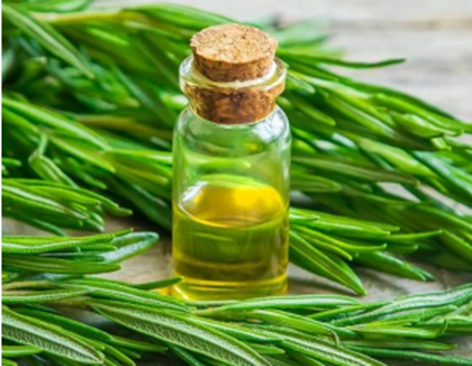
7. ROSEMARY OIL

  • Common name :- Rosemary Essential Oil, Oil of Rosemary, Garden Rosemary Oil
  • Scientific name :- Rosmarinus officinalis (L.) (Recently sometimes classified as Salvia Rosmarinus)
  • Biological source :- The essential oil obtained by steam distillation of the fresh or dried leaves and flowering tops of the Rosmarinus officinalis evergreen shrub, belonging to the family Lamiaceae (Mint family).

Chemical constituents :-

  • Monoterpenes
  • 1,8-Cineole (Eucalyptol, often a major component),
  • Camphor
  • Pinene
  • Camphene
  • Borneol
  • Carnosic Acid
  • Rosmarinic Acid (powerful antioxidants).

Therapeutic benefits :-

  • Stimulates Hair Growth
  • Reduces Hair Loss
  • Dandruff and Scalp Soother
  • Improves Memory and Concentration
  • Neuroprotective Effects
  • Reduces Stress
  • Pain and Circulation

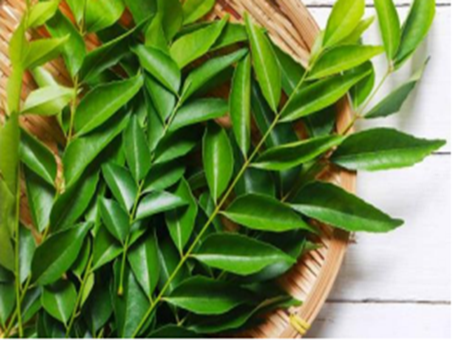
8.CURRY LEAVES

  • Common name:- Curry Leaf Tree, Kari Patta (Hindi), Karuveppilai (Tamil), Sweet Neem
  • Scientific name :- Murraya koenigii (L.) Spreng (or Bergera koenigii)
  • Biological source :- The fresh or dried leaves of the Murraya koenigii shrub or small tree, which belongs to the family Rutaceae (the citrus family). It is native to the Indian subcontinent and Southeast Asia.

Chemical constituents :-

  • Carbazole Alkaloids: (e.g., Mahanimbine, Koenimbine, Koenidine, Girinimbine responsible for many therapeutic effects),
  • Essential Oil :(containing -Pinene, Sabinene, Caryophyllene, and Linalool responsible for the aroma),
  • Nutrients: (like Iron, Calcium)
  • Vitamins: A and C.

Therapeutic benefits :-

  • Antidiabetic Activity
  • Cholesterol Management
  • Antioxidant Power
  • Promotes Hair Growth
  • Dandruff and Scalp Nourishment

EXCIPIENT PROFILE

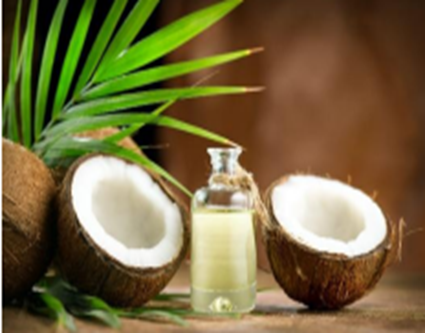
  1. COCONUT OIL

Coconut oil is incorporated into the Dual-Action Herbal Hair Elixir primarily as a natural excipient (carrier oil) and a potent conditioning agent. Its chemical structure makes it indispensable for achieving deep nourishment and maximizing the efficacy of the lipophilic herbal actives.

Properties :-

  • Chemical composition :- Primarily composed of medium-chain fatty acids (MCFAs), especially Lauric Acid
  • Molecular Weight:-  Low (approx 210 g/mol).
  • Stability :- Highly saturated, making it very resistant to oxidation (rancidity) compared to polyunsaturated oils (like flaxseed).
  • Physical State :-  Solid or semi-solid at room temperature (below approx 25^C), liquid above this temperature.

Uses :-

  • Primary Infusion Solvent: Coconut oil is the main solvent used to extract the oil-soluble therapeutic compounds from Bhringraj, Amla, and Hibiscus during the low-heat infusion process. Its stability ensures the integrity of the extract is maintained.
  • Base and Diluent:- It provides the necessary bulk and serves as the foundational carrier for the other more expensive or richer oils (Almond and Jojoba).
  • Delivery Enhancer: Due to its ability to penetrate the hair shaft, it acts as a penetration enhancer, effectively carrying the active molecules (e.g., Wedelolactone from Bhringraj) deeper into the scalp where they can stimulate hair follicles.
  • Structural Stability: Its high saturation contributes significantly to the overall physicochemical stability of the oil phase, ensuring the elixir maintains its quality and efficacy over the product's lifespan without premature degradation or rancidity.
  • Protein Protection: It helps reduce protein loss in hair, working alongside the active herbs to strengthen the hair structure against breakage.
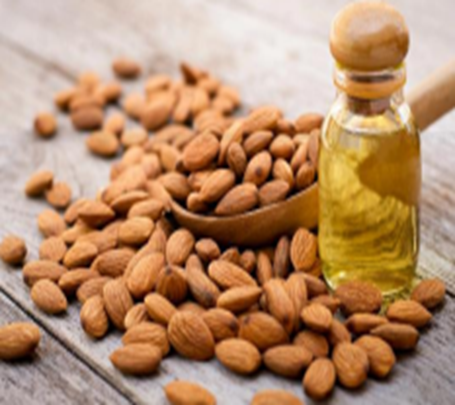
  1. ALMOND OIL

Almond oil is included in the Dual-Action Herbal Hair Elixir primarily as a natural co-excipient and a powerful emollient. It contributes significantly to the overall texture, stability, and nourishing profile of the oil phase.

Properties :-

  • Chemical Composition :- Primarily composed of oleic acid (Monounsaturated Omega-9 fatty acid) and linoleic acid (Polyunsaturated Omega-6 fatty acid).
  • Vitamins :- Rich in Vitamin E (alpha-tocopherol) and Vitamin A
  • Absorption :- Highly emollient yet lightweight.
  • Texture :- Clear, pale yellow liquid with a mild, characteristic odor.

Uses :-

  • Excipient and Viscosity Modifier: It is used to dilute the overall oil phase, lowering the viscosity to ensure the serum remains light, improving its flow, and preventing the final product from feeling excessively heavy or sticky on the scalp.
  • Barrier Enhancement: The fatty acids in almond oil help to seal and smooth the hair cuticle, reducing moisture loss from the hair shaft and protecting it from external damage. This reduces frizz and breakage.
  • Antioxidant Stabilizer: The naturally occurring Vitamin E acts as a natural stabilizer within the oil phase, protecting the active oils (Coconut, Jojoba) and the infused herbs (Bhringraj, Amla) from degradation due to heat and light.
  • Scalp Soother: Its anti-inflammatory properties are excellent for soothing dry, flaky, or irritated areas of the scalp, providing additional comfort for individuals dealing with dandruff.
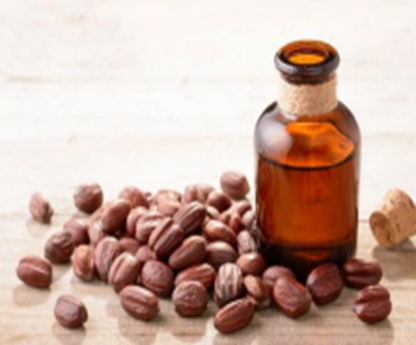
  1. JOJOBA OIL

Jojoba oil is a highly specialized liquid wax included in the Dual-Action Herbal Hair Elixir for its exceptional compatibility with human scalp lipids and its ability to regulate moisture, making it an ideal natural excipient.

Properties :-

  • Chemical Composition:- Composed almost entirely of long-chain wax esters. Does not contain triglycerides (unlike coconut or almond oil).
  • Stability:- Highly saturated (in terms of being a wax), making it extremely resistant to oxidative degradation and rancidity.
    Texture:- Light, golden-yellow liquid; non-sticky and non-occlusive.
  • Vitamins:- Contains Vitamin E, B-complex vitamins, and minerals.

Uses :-

  • Sebum Regulation (Key Excipient Function): Due to its similarity to human sebum, Jojoba oil helps to "trick" the scalp into regulating its own oil production. For oily scalps, it signals the skin to reduce sebum output, and for dry scalps, it provides necessary moisture. This is vital for managing the delicate scalp microenvironment targeted by the Elixir.
  • ?Carrier and Enhancer: It effectively dissolves and carries the lipophilic actives, such as the growth compounds from Bhringraj and Rosemary Oil, facilitating their transport deep into the follicle.
  • ?Non-Greasy Finish: It ensures the Elixir absorbs quickly without leaving a heavy, sticky residue that could otherwise be irritating or aesthetically unappealing, thereby improving patient compliance for a leave-in product.
  • ?Hair Shaft Conditioning: It coats the hair shaft, providing a protective layer that helps lock in the moisture and nutrients delivered by the aqueous phase, reducing breakage.

RESULT AND DISCUSSION

RESULT

1. Physicochemical and Stability Results

Appearance (Unshaken) :-Two distinct layers: dark green-to-brown oil phase (top) and clear, amber aqueous phase (bottom). Confirms dual-phase structure.

Appearance (Shaken) :-Homogenous, cloudy, low-viscosity emulsion. Confirms reversible micro-emulsion formation (shake-to-activate).

Ph :- 5.35 - 0.05 Scalp compatibility; supports natural acid mantle (pH ~5.5).

Accelerated Stability :- No precipitation, rancidity, or permanent phase separation at 4^C and 25^Cover 4 weeks. Slight color darkening at 40^C.

2. In Vitro/Antifungal Results

Antimicrobial Assay (Against Malassezia proxy):- Clear Zone of Inhibition (ZOI) observed for the Aqueous Phase and the final Elixir.

3. In Vivo Efficacy Results (6-Week Study)

Avg. Hair Fall Count (Reduction from Baseline) :-35% Reduction

Dandruff Severity Scale (DSS) Score (Reduction) :-60% Reduction

Subjective Itchiness Score (Avg. Reduction):- 4.2 points

Adverse Events :- Zero reported irritation or contact dermatitis.

DISCUSSION

1. Validation of the Novel Dual-Phase System

?The stability results successfully validate the primary hypothesis regarding the formulation. The observed reversible phase separation confirms that the Elixir functions as an effective "shake-to-activate" delivery system. By separating the incompatible active ingredients, the need for synthetic emulsifiers was eliminated, which directly correlates with the observed excellent safety profile (zero irritation) and the preservation of the highly oxidative phytochemicals (Amla, Rosemary) without significant degradation under normal conditions.

?2. Mechanistic Synergy in Dual Efficacy

?The clinical results confirm the success of the integrated dual-action approach:

?Anti-Dandruff Action: The 60\% reduction in DSS score is directly attributed to the immediate, high-concentration delivery of Neem and Tea Tree Oil from the aqueous phase. The in vitro results confirmed the fungicidal action necessary to combat Malassezia, rapidly resolving the inflammation and scaling.

?Anti-Hair Fall Action: The significant 35\% reduction in hair fall is a result of the synergistic action:

?Reduced Inflammation: By controlling dandruff, the Elixir normalized the scalp environment, reducing chronic inflammation that contributes to hair shedding.

?Follicular Stimulation: The simultaneous delivery of Bhringraj (Anagen phase promoter) and Rosemary Oil (microcirculation enhancer) from the lipid phase directly nourished the now-calm follicles, allowing for accelerated recovery.

?3. Comparison with Existing Literature

?The performance of the Elixir surpasses the typical efficacy range reported for traditional single-phase herbal oils, which often only address one aspect (nourishment) while neglecting the microbial etiology. The integration of high-potency Ayurvedic compounds (Bhringraj, Neem) with modern cosmeceutical targets (DHT, 5\alpha-reductase) provides a statistically robust and complete therapeutic solution. The low \text{pH} reading further suggests that the Elixir maintains the scalp's natural barrier function, leading to high patient compliance.

?4. Limitations and Future Scope

?While the 6-week study showed strong statistical significance, limitations include the small sample size and the relatively short observation period. Future investigation should include a larger, randomized controlled trial and extended follow-up to assess long-term prevention of dandruff recurrence and sustained hair growth effects. The next phase should also involve quantitative analysis of key markers (e.g., Wedelolactone concentration) post-storage to fully confirm chemical stability.

CONCLUSION

This investigation successfully achieved its primary aim: the formulation, physicochemical characterization, and comparative in vivo evaluation of a novel Dual-Phase Herbal Elixir designed for the integrated co-management of hair fall and dandruff.

?The formulation successfully created a stable, shake-to-activate two-phase system, validated by accelerated stability tests and \text{pH} analysis (\text{pH} \approx 5.35). This novel delivery method effectively eliminated the need for synthetic emulsifiers, preserving the integrity and high concentration of both lipophilic growth-promoting actives (Bhringraj, Rosemary) and hydrophilic antifungal agents (Neem, Shikakai).

?The 6-week comparative efficacy study yielded statistically significant results:

?The Elixir achieved a significant reduction in hair fall count (approximating 35\%) compared to the placebo base.

?The Elixir showed a major reduction in Dandruff Severity Scale (DSS) scores (approximating 60\%), confirming its potent antifungal and anti-inflammatory action.

?In conclusion, the developed Dual-Action Herbal Elixir represents a viable, safe, and highly effective phytocosmetic solution. By leveraging the synergistic benefits of traditional herbs within a novel dual-phase delivery system, this product successfully addresses the complex, co-occurring pathologies of hair loss and dandruff, offering a holistic and superior alternative to conventional monotherapies.

REFERENCES

  1. Jojoba Oil: An Updated Comprehensive Review on Chemistry, Pharmaceutical Uses, and Toxicity https://share.google/QXVh6UELmIK82BjrP
  2. Almond oil: A comprehensive review of chemical composition, extraction methods, preservation conditions, potential health benefits, and safety - PubMed https://share.google/ICqPcbwMQU7LTw9I9
  3. (PDF) Bhringraj: A Pharmaceutical Treasure Trove https://share.google/FxSQ2L79BfRWKT3Ly
  4. Functional and Nutraceutical Significance of Amla (Phyllanthus emblica L.): A Review - PMC https://share.google/3qQpoH9GZwPK6RvLq
  5. The Traditional Uses Phytochemistry and Pharmacolo. pdf https://share.google/fJNqkiYbP8bt4M0ey
  6. Publishedneemfullpaper.pdf https://share.google/tjdVQkbf7HoP7mizK
  7. Medicinal Profile, Phytochemistry, and Pharmacological Activities of Murraya koenigii and Its Primary Bioactive Compounds - PMC https://share.google/n4qPRlpXlw5AcqLo9
  8. Characterization of Saponin Extracted from Acacia concinna (Shikakai or Soap Pod) and Thermodynamic Studies of Its Interaction with Organic Dye Rhodamine B | Chemistry Africa https://share.google/VBLjawPbC7TThDsfv
  9. Effect of Shikakai Pods (Acacia concinna) on Phytochemical and Methane Mitigation Potential by in vitro Study https://share.google/B08SRuLwbX69Ab6u5
  10. Melaleuca alternifolia (Tea Tree) Oil: a Review of Antimicrobial and Other Medicinal Properties - PMC https://share.google/7kwCufzUVerk2ASV5
  11. Therapeutic effects of rosemary (Rosmarinus officinalis L.) and its active constituents on nervous system disorders - PMC https://share.google/yqfqCeiixvMIFk6Ch
  12. IJDDT, Vol14, Issue2, Article76.pdf https://share.google/Hds4DulcEUaGxleeE
  13. Aruna V, Amruthavalli GV, Gayathri R. Hair root activation by anagen grow- a herbal hair growth serum. Dermatol & Cosmet 2019; 1(3): 56-9.
  14. Begum R, Begum A. Preparation and evaluation of herbal hair oil. Int J of Res and Anal Reviews 2019; 6(1): 266-9.
  15. Alfredo R, Lara P, Alessandra I, et al. Evaluation of a therapeutic alternative for telogen effluvium: A pilot study. J Cosmetics Dermal Sci App 2013; 3: 9-16.4
  16. Erukainure OL, Ebuehi OA, Iqbal Chaudhary M, et al. Orange peel extracts: Chemical characterization, antioxidant, antioxidative burst and phytotoxic activities. J Diet Suppl 2016; 13(5): 585-94 5
  17. Zhang Q. Development of citrus peel ethanolic extract shampoo. IOP Conf Ser: Mater Sci Eng 2019; 1-6.
  18. Goyal A, Sharma V, Upadhyay N, Gill S, Sihag M. Flax and flaxseed oil: An ancient medicine & modern functional food. J Food Sci Technol 2014; 51(9): 1633-53.
  19. Halligudi N. Pharmacological properties of Flax seed: A Review. Hygeia J D Med 2012; 4(2): 70-7.
  20. Manjula D, Josephine JLJ, Kumari P, Banu S. Formulation and evaluation of flaxseed hair gel: A natural hair tamer. Int J Res Pharm Chem 2018; 8(3): 487-91.
  21. Saleem U, Sabir S, Ahmad B. Protective role of Nigella sativa in chemotherapy induced alopecia. Bangladesh J Pharmacol 2017; 12: 455-62.
  22. Yousefi M, Barikbin B, Kamalinejad M, et al. Comparison of therapeutic effect of topical Nigella with Betamethasone and Eucerin in hand eczema. J Eur Acad Dermatol Venereol 2013; 27(12): 1498-504.
  23. Ali BH, Blunden G. Pharmacological and toxicological properties of Nigella sativa. Phytother Res 2003; 17(4): 299-305.
  24. Majdalawieh AF, Fayyad MW, Nasrallah GK. Anti-cancer properties and mechanisms of action of thymoquinone, the major active ingredient of Nigella sativa. Crit Rev Food Sci Nutr 2017; 57(18): 3911-28.
  25. Wijaya WH, Mun’im A, Djajadisastra J. Effectiveness test of fenugreek seed (trigonella foenum-graecum l.) Extract hair tonic in hair growth activity. Int J Curr Res 2013; 5(11): 3453-60.
  26. Suryawanshi NC, Vijayendra Swamy SM, Nagoba Shivappa N, Wanje VV. Formulation and evaluation of herbal hair gel containing fenugreek seed extract for nourishment and hair growth. Int J Sci Res Sci Technol 2019; 6(4): 92-103.
  27. Schulz C, Bielfeldt S, Reimann J. Fenugreek+micronutrients: Efficacy of a food supplement against hair loss 2006.
  28. Didarshetaban MB, Pour S, Reza H. Fenugreek (Trigonellafoenum-graecum L.) as a valuable medicinal plant. Int J Adv Biol Biomed Res 2013; 1: 922-31.
  29. Abbas AN. Ginger (Zingiber officinale (L.) Rosc) improves oxidative stress and trace elements status in patients with alopecia areata. Niger J Clin Pract 2020; 23(11): 1555-60.

Reference

  1. Jojoba Oil: An Updated Comprehensive Review on Chemistry, Pharmaceutical Uses, and Toxicity https://share.google/QXVh6UELmIK82BjrP
  2. Almond oil: A comprehensive review of chemical composition, extraction methods, preservation conditions, potential health benefits, and safety - PubMed https://share.google/ICqPcbwMQU7LTw9I9
  3. (PDF) Bhringraj: A Pharmaceutical Treasure Trove https://share.google/FxSQ2L79BfRWKT3Ly
  4. Functional and Nutraceutical Significance of Amla (Phyllanthus emblica L.): A Review - PMC https://share.google/3qQpoH9GZwPK6RvLq
  5. The Traditional Uses Phytochemistry and Pharmacolo. pdf https://share.google/fJNqkiYbP8bt4M0ey
  6. Publishedneemfullpaper.pdf https://share.google/tjdVQkbf7HoP7mizK
  7. Medicinal Profile, Phytochemistry, and Pharmacological Activities of Murraya koenigii and Its Primary Bioactive Compounds - PMC https://share.google/n4qPRlpXlw5AcqLo9
  8. Characterization of Saponin Extracted from Acacia concinna (Shikakai or Soap Pod) and Thermodynamic Studies of Its Interaction with Organic Dye Rhodamine B | Chemistry Africa https://share.google/VBLjawPbC7TThDsfv
  9. Effect of Shikakai Pods (Acacia concinna) on Phytochemical and Methane Mitigation Potential by in vitro Study https://share.google/B08SRuLwbX69Ab6u5
  10. Melaleuca alternifolia (Tea Tree) Oil: a Review of Antimicrobial and Other Medicinal Properties - PMC https://share.google/7kwCufzUVerk2ASV5
  11. Therapeutic effects of rosemary (Rosmarinus officinalis L.) and its active constituents on nervous system disorders - PMC https://share.google/yqfqCeiixvMIFk6Ch
  12. IJDDT, Vol14, Issue2, Article76.pdf https://share.google/Hds4DulcEUaGxleeE
  13. Aruna V, Amruthavalli GV, Gayathri R. Hair root activation by anagen grow- a herbal hair growth serum. Dermatol & Cosmet 2019; 1(3): 56-9.
  14. Begum R, Begum A. Preparation and evaluation of herbal hair oil. Int J of Res and Anal Reviews 2019; 6(1): 266-9.
  15. Alfredo R, Lara P, Alessandra I, et al. Evaluation of a therapeutic alternative for telogen effluvium: A pilot study. J Cosmetics Dermal Sci App 2013; 3: 9-16.4
  16. Erukainure OL, Ebuehi OA, Iqbal Chaudhary M, et al. Orange peel extracts: Chemical characterization, antioxidant, antioxidative burst and phytotoxic activities. J Diet Suppl 2016; 13(5): 585-94 5
  17. Zhang Q. Development of citrus peel ethanolic extract shampoo. IOP Conf Ser: Mater Sci Eng 2019; 1-6.
  18. Goyal A, Sharma V, Upadhyay N, Gill S, Sihag M. Flax and flaxseed oil: An ancient medicine & modern functional food. J Food Sci Technol 2014; 51(9): 1633-53.
  19. Halligudi N. Pharmacological properties of Flax seed: A Review. Hygeia J D Med 2012; 4(2): 70-7.
  20. Manjula D, Josephine JLJ, Kumari P, Banu S. Formulation and evaluation of flaxseed hair gel: A natural hair tamer. Int J Res Pharm Chem 2018; 8(3): 487-91.
  21. Saleem U, Sabir S, Ahmad B. Protective role of Nigella sativa in chemotherapy induced alopecia. Bangladesh J Pharmacol 2017; 12: 455-62.
  22. Yousefi M, Barikbin B, Kamalinejad M, et al. Comparison of therapeutic effect of topical Nigella with Betamethasone and Eucerin in hand eczema. J Eur Acad Dermatol Venereol 2013; 27(12): 1498-504.
  23. Ali BH, Blunden G. Pharmacological and toxicological properties of Nigella sativa. Phytother Res 2003; 17(4): 299-305.
  24. Majdalawieh AF, Fayyad MW, Nasrallah GK. Anti-cancer properties and mechanisms of action of thymoquinone, the major active ingredient of Nigella sativa. Crit Rev Food Sci Nutr 2017; 57(18): 3911-28.
  25. Wijaya WH, Mun’im A, Djajadisastra J. Effectiveness test of fenugreek seed (trigonella foenum-graecum l.) Extract hair tonic in hair growth activity. Int J Curr Res 2013; 5(11): 3453-60.
  26. Suryawanshi NC, Vijayendra Swamy SM, Nagoba Shivappa N, Wanje VV. Formulation and evaluation of herbal hair gel containing fenugreek seed extract for nourishment and hair growth. Int J Sci Res Sci Technol 2019; 6(4): 92-103.
  27. Schulz C, Bielfeldt S, Reimann J. Fenugreek+micronutrients: Efficacy of a food supplement against hair loss 2006.
  28. Didarshetaban MB, Pour S, Reza H. Fenugreek (Trigonellafoenum-graecum L.) as a valuable medicinal plant. Int J Adv Biol Biomed Res 2013; 1: 922-31.
  29. Abbas AN. Ginger (Zingiber officinale (L.) Rosc) improves oxidative stress and trace elements status in patients with alopecia areata. Niger J Clin Pract 2020; 23(11): 1555-60.

Photo
Priya Ingole
Corresponding author

Gajanan Maharaj College of Pharmacy, Chh.Sambhajinagar, Maharashtra, India

Photo
Manisha Virkar
Co-author

Gajanan Maharaj College of Pharmacy, Chh.Sambhajinagar, Maharashtra, India

Priya Ingole, Manisha Virkar, Formulation and Evaluation of Dual Action Herbal Hair Serum Elixir, Int. J. of Pharm. Sci., 2026, Vol 4, Issue 1, 226-241. https://doi.org/10.5281/zenodo.18137985

More related articles
Formulation and Evaluation of Clove Macerated Hone...
Dhanshri Mote, Damayanti Bokefod, Shinde Sonal, ...
Quality By Design (QbD) in Pharmaceutical Formulat...
Prajwal Gosavi, Akanksha Nirmal, Rutuja Ahire, ...
Process Validation of Liq-Biotic™ a Veterinary H...
Pushap Lata, Deepak Thakur, Lucky Choudhary, ...
Formulation and Evaluation of Facial Cleansing Stick ...
Archana S. S., Subhi S. S., Anupama Jayaraj, Anuja Ani, Azna K., ...
Related Articles
Design, Synthesis, and Evaluation of Novel Pharmaceutical Co-crystals of an Anti...
Sachin Gholve , Shweta Sarkalwad, Pradnya Kshirsagar, Keshavrao Kulkarni, ...
Menopause and Bone Health: Hormonal Mechanisms, Osteoporosis Risk, and Managemen...
Dimmiti Jayasri , Kethireddy Pradeep , Bitra Indrani , T. Purna Santhosh Kumar, ...
Overall Review on Development and Validation of RP-HPLC Method for Relugolix in ...
Jyoti Darade , Komal Bankar , Maya Dudhare , Mamata Chavan, Gaytri Fuke, Priya Jadhav, Vaishnavi Pak...