

We use cookies to ensure our website works properly and to personalise your experience. Cookies policy
Department of Pharmacology, R. C. Patel Institute of Pharmaceutical Education and Research, Shirpur, Dhule, Maharashtra, India-425405
Several tropical fruit-bearing plants with a long history of medical use belong to the Annona genus. Biologically active substances including alkaloids, flavonoids, tannins, and acetogenins, which are abundant in these plants, have drawn interest in recent studies due to their potential as treatments, especially for the treatment of diabetes and other metabolic diseases. Annona squamosa (sweetsop), Annona muricata (soursop), Annona reticulata (custard apple), and Annona cherimola (cherimoya) are the four Annona species whose antidiabetic qualities are the focus of this review. These species' bioactive compounds have a variety of pharmacological effects, including as insulin-like activity, hypoglycemic effects, inhibition of enzymes that hydrolyse carbohydrates, modulation of lipid metabolism, and stimulation of glucose absorption. According to data from both in vitro and in vivo research, these plants may help improve insulin sensitivity, lower blood glucose levels, and lessen the consequences of diabetes. Their potent anti-inflammatory and antioxidant properties provide further advantages by shielding pancreatic ?-cells and preventing oxidative stress, which is a major factor in the development of diabetes. Furthermore, changes in lipid profiles show how effective they are at treating dyslipidaemia associated with diabetes. In conclusion, the varied phytochemical components of the investigated Annona species indicate great promise as natural antidiabetic medicines. Preclinical evidence is encouraging, but before they can be suggested for routine clinical usage, thorough clinical studies are needed to determine their therapeutic effectiveness and safety in human patients.
The Annonaceae family, widely known as the custard apple family, represents a diverse group of flowering plants. Earlier classifications estimated this family to include around 40 to 50 genera and 500 to 600 species. However, more recent botanical studies suggest that it actually encompasses over 2,400 species spread across approximately 120 genera [1, 2, 3]. Among these, the genus Annona is particularly notable, with over 170 species found mainly in the tropical regions of Africa and the Americas. Several of these, including Annona muricata (soursop), Annona squamosa (sugar apple), Annona cherimola (cherimoya), and Annona reticulata (bullock’s heart), have long histories of use in traditional medicine for treating ailments such as diabetes, fever, and high blood pressure [39]. Botanically, Annona species share several unifying traits. They generally grow as small trees or shrubs, reaching heights between 5 and 11 meters, and are characterized by a shallow root system with numerous thin lateral roots [3]. Their flowers are hermaphroditic, often lightly fragrant, and primarily pollinated by insects, although wind may play a minor role as well [3]. In recent years, researchers have taken a closer look at the medicinal potential of Annona species, especially their role in managing diabetes. This review focuses on evaluating their antidiabetic activity, based on evidence from in vivo and in vitro animal studies. It also examines the key phytochemicals found in these plants and summarizes their other therapeutic properties, including antioxidant, anti-inflammatory, anticancer, and antimicrobial effects. A systematic literature search was conducted, with special attention given to studies from India, where Annona species are widely used in herbal medicine. Overall, this review aims to shed light on the potential of Annona as a natural and safer alternative to conventional antidiabetic treatments.
BOTANICAL OVERVIEW:
Annona species, including custard apple, sugar apple, soursop, and cherimoya, are known for their unique fruits and therapeutic uses. These tropical and subtropical natives belong to the Annonaceae family and are significant commercially and culturally globally. Taxonomy, Morphological, Native Place Characteristics of Selected Annona Species summarized in Table 1.
Annona muricata (Munolla, Soursop)
The soursop tree, Annona muricata, is 5–10 meters tall and has enormous, dark-green, oblong-ovate leaves. It has 3.2-3.8 cm long, yellowish-green hermaphrodite flowers. The fruit is about 4 kg in weight, 15–35 cm long, ovate or heart-shaped, and spiny. Native to tropical parts of the Americas, it is now prevalent in tropical and subtropical locations, including India and Malaysia [3, 4].
Annona squamosa (Sitaphal, sugar apple)
The sugar apple, Annona squamosa, grows to a height of 3–7 meters. It features fragrant yellowish-green blooms and simple, light-green, lanceolate leaves. The fruit weighs between 120 and 330 grams, is round, heart-shaped, or conical, and has a tuberculate surface. It is 5 to 10 cm long. In addition to India and Indonesia, it is indigenous to the Caribbean, South America, and Central America [3, 4].
Annona reticulata (Ramphal, custard apple)
The custard apple, or Annona reticulata, reaches a height of 6 to 7.5 meters. It has green, membrane-bound oblong-lanceolate leaves. The fragrant, yellowish-green blooms bloom in drooping clusters. The fruit is smooth or reticulated, heart-shaped, 10–12 cm long, and weighs between 0.1 and 1 kilogram. indigenous to tropical areas such as India and Southeast Asia, as well as the Caribbean and Central America [3, 4].
Annona cherimola (Lakshamanphal, Cherimoya or Cherimolia)
Cherimoya, also known as Annona cherimola, has velvety, ovate-lanceolate leaves and reaches a height of 5 to 9 meters. The blooms are protogynous and aromatic. Its fruit is 7.5–12.5 cm long, 200–700 grams in weight, conical or heart-shaped, smooth or slightly rough. indigenous to western South America's subtropical highlands, which include Bolivia, Colombia, and Peru [3, 4].
Table 1: Taxonomy, Morphological, Native place characteristics of selected Annona species
|
Species |
Taxonomy |
Common Name |
Leaf Characteristics |
Flower Characteristics |
Fruit Type |
Native Place |
|
Annona muricata [3,4]
|
Order: Magnoliales Family: Annonaceae Genus: Annona |
Soursop, Munolla (India)
|
Large, oblong-ovate, dark green, 7.6-15.2 cm long and 2.5-7.6 wide. |
Hermaphrodite, Solitary or cluster, yellowish-green, 3.2 to 3.8 cm in length |
Ovate conical or heart-shaped fruit, spiny, 15- 35 cm long and 10-20 cm wide, Avg. 4kg weight
|
warmest tropical areas of the Americas, widespread across tropical and subtropical regions, including India, Malaysia, and Nigeria. |
|
Annona squamosa [3,4]
|
Order: Magnoliales Family: Annonaceae Genus: Annona |
Sugar apple, Sitaphal (India) |
Simple, lanceolate, 5-17 cm long and 2-7 cm wide, light green. |
Hermaphrodite, Solitary or cluster, greenish-yellow, fragrant, 2 to 2.5 cm in length |
Round, heart shaped, ovate or conical, tuberculate surface, 5-10 cm long and 5-7.5 wide, 120-330 gm weight. |
Caribbean and South American region, Central America, India, Indonesia, and southern Florida, West Indies. |
|
Annona reticulata [3,4]
|
Order: Magnoliales Family: Annonaceae Genus: Annona |
Custurd apple, Ramphal (India)
|
Oblong, lanceolate, membranous, green leaves, 16.7 to 24.3 cm long and 3 to 6 cm wide |
Hermaphrodite, Drooping clusters, fragrant, slender, yellowish green, 1.5 to 3 cm in length, |
Heart shaped, lopsided, irregular, or nearly round, or oblate, smooth or reticulated10-12cm long, 0.1 to 1 kg weight. |
Caribbean and Central America, various tropical regions, including Southeast Asia and India. |
|
Annona cherimola [3,4] |
Order: Magnoliales Family: Annonaceae Genus: Annona |
Cherimolia, Cherimoya, Lakshamanphal (India) |
Ovate-lanceolate to elliptical, 10-25 cm long and 7.5 cm wide, velvety green. |
Single, protogynous, fragrant flower, 2.5 to 3 cm in length
|
Heart-shaped, conical, oval, smooth or slightly bumpy, greenish yellow, 7.5 to 12.5 cm long, 200 to 700 gm weight |
Subtropical highlands of western South America, specifically in countries like Bolivia, Colombia, Ecuador, and Peru |
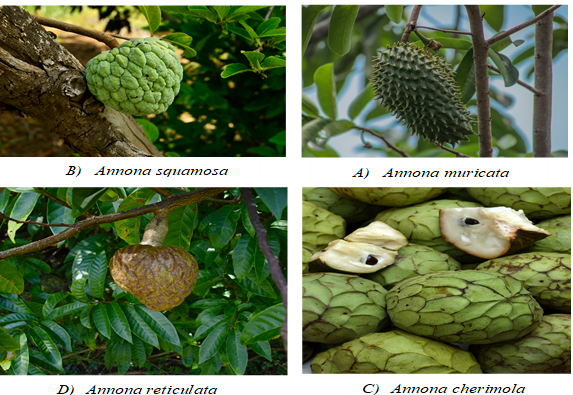
Figure 1: Fruits of Various Annona species
Phytochemical Composition:
Annona species are rich in bioactive compounds, with the most notable being acetogenins, alkaloids, flavonoids, phenolic compounds, tannins, saponins, lignans, steroids, terpenoids, essential oils, coumarins and fatty acids. Annona muricata is particularly noted for its high levels of acetogenins, while Annona squamosa contains significant quantities of flavonoids and alkaloids. Annona cherimola is rich in phenolics and flavonoids, and Annona reticulata is distinguished by its phenolic acids and alkaloids. These compounds vary in concentration and composition among the different species, contributing to the distinct chemical profiles of each.
Table 2: Phytochemicals from Annona plants
|
Species name |
Chemical constituents |
|
Annona muricata
[1, 4, 6, 7] |
1)Acetogenins: Seed: Annomontacin, Annonacin A, cis-Annomontacin, Murisolin, Muricin H, cis-Annonacin-10-one, Arianacin, Javoricin, Donhexocin, Murihexol, Cohibins, Gigantetrocin B, Longifolicin, Muricin A, B, C, D, E, F and G, Annomuricatin B and C Stem bark: Muricatin Fruit: Epomuricenins-A and B, Epomurinins-A and B, Epomusenins-A and B, Muricin J, K and L Fruit and Root: Sabadelin Leaf: Annomutacin, Annopentocins, Annomuricine, Muricapentocin, Annomuricins A and B, Muricatocins A and B, Murihexocin A and B, Muricoreacin, Murihexocin C Leaf and seed: Annonacin, Annocatacin, Annonacinone, Annocatalin, cis-Corossolone, Goniothalamicin, Isoannonacin, Corossolone. Pericarp: Annonacin, Annonacin A, Annomuricin A Root: Annonacin, Muridienins, Chatenaytrienins, Muricadienin, Montecristin, cis-Panatellin, cis-Reticulatacin-10-one, cis-Uvariamicin IV, Coronin, cis-reticulatacin, cis-Solamin, Cohibins |
|
2)Alkaloids: Fruits: Asimilobine, Nomuciferine, Annonaine Leaf: dimethylcoclaurine, Anonaine, Annonamine, Norcorydine, Anonaine, Isolaureline, Xylopine |
|
|
3)Flavonoids: Leaf: Catechine, Epicatechine, Gallic acid, Chlorogenic acid, Kaempferol, Kaempferol-3-O-rutinoside, Quercetin-3-O-rutinoside, Quercetin-3-O-glucoside, Quercetin-3-O-neohispredoside, Quercetin-3-O-robinoside, Annoionols A and B, Annoionoside |
|
|
Annona squamosa
[1, 4, 6, 7] |
1)Acetogenins: Bark: Bullatacin, Bullatacinone, Squamone Seed: Neoannonin, Annosquamins, Annosquacin, Annosquamin, Annosquatin, Annotemoyin, Cherimolin, Diepomuricanin, Dieporeticenin, Dieposabadelin, Squadiolin, Squamostanin, Cyclosquamosin, Squamin A and B |
|
2)Alkaloids: Stem: ent-Kaur-16-en-19-oic acid, 16α,17-Dihydroxy-ent-kauran-19-al, 16α-Hydro-19-al-ent-kauran-17-oic acid, 16β,17-Dihydroxy-ent-kauran-19-oic acid, 16β-Hydroxy-17-acetoxy-ent-kauran-19-oic acid, 4α-Hydroxy-19-nor-ent-kauran-17-oic acid |
|
|
3)Essential oils: Leaf: Anonaine, Methylarmepavine, Caryophyllene, Cedrene, Caryophyllene, Germacrene D, Bicyclogermacrene, Quercetin-3-O-glucoside Pulp fruit: α-Pinene, Limonene, Sabinene |
|
|
Annona reticulata
[1, 4, 6, 7] |
1)Acetogenins: Leaf: Squamone, Annoreticuin-9-one, Annonaretin A Stem bark: Reticullacinone, Rolliniastatin-2 Bark: Molvizarin, Bullatacin Seed: Annoreticuin, Annoreticuin-9-one, Isoannonareticin, Rolliniastatin-1, 2, Annonareticin, 2, 4-cis-Isoannonareticin, Reticulacinone, Annoreticuin |
|
2)Alkaloids: Root: Neoannonin, Reticuline Bark: Reticulatacin, Liriodenine, Coclaurine Root bark: Anonaine, Michelalbine, Reticuline, Oxoushinsunine |
|
|
3)Essential oils: Leaf: Muurolene, Coclaurine, Copaene, Eudesmol Root: Spathenelol, Copaene, Eudesmol, Muurolene Bark: Patchoulane Seed: Annoreticuin, Annoreticuin-9-one, Solamin, Annomonicin, Isoannonareticin, Rolliniastatin-1, 2 Squamone, Annonareticin, 2, 4-cis-Isoannonareticin, Solamin, Murisolin, Reticulacinone, Annomonicin, Sitosterol, Annoreticuin (ACT). Fruit: Limonene, Pinene, Myrcene |
|
|
Annona cherimola
[1, 4, 6, 7] |
1)Acetogenins: Seed: 2,4-cis-Annocherinones, Annocherin, 2, Isoannonacins, Annocherimolin, Annomolin, Annomocherin, Annomontacin, Annonacin, Asimicin, |
|
2)Alkaloids: Root: Corytenchine, Isocoreximine Stem: Annocherine A and B, Artabonatine B, Romucosine H, Cherianoine |
|
|
3)Essential oils: Fruit: α-Pinene, α-Thujene, Terpinen-4-ol, Germacrene D |
Annona Species Potential Antihyperglycemic Effects:
In-vivo studies:
Table 3: In-vivo studies representing antidiabetic activity
|
Annona species |
Part and extract used |
Inducer and animal strain used |
Mechanism of action/ markers for study |
|
Annona muricata |
Leaves (100 mg/kg) and aqueous extract |
55 mg/kg of streptozotocin i.v. and wistar rats |
In STZ-diabetic rats, aqueous extract (100 & 200 mg/kg) decreased glucose by 75% and 58.22% over the course of one month. It also improved weight, lipid profile, antioxidant defence, and decreased food and water consumption. [8]. |
|
Annona liquid extract (100mg/kg) |
(i.p) injection of STZ (40 mg/kg b.wt.) and wistar rat |
Blood glucose, insulin levels, glycosylated hemoglobin (HbA1c), and the homeostatic model assessment for insulin resistance (HOMA-IR) were all improved by anona extract, which also decreased malondialdehyde (MDA) and restored liver antioxidant enzyme activity. [9]. |
|
|
Leaves and aqueous extract (100mg/kg) |
- |
According to a research, the leaves' aqueous gummy extracts were full of essential nutrients and bioactive substances that could have anti-hyperglycemic benefits in people with diabetes [10 |
|
|
Leaves and aqueous extracts |
25 ml of glucose infusion through cannula inserted in intestine and wistar rat |
Soursop leaf infusion reduced glucose absorption from 24.42?mg/dL to 18.24?mg/dL after treatment. [11]. |
|
|
Leaves (150mg/kg, 300 mg /kg, 600 mg /kg body weight) and Ethanol extract |
40 mg /kg BW of alloxan by i.p injection and Swiss Webster mice |
Soursop leaf ethanol extract (300 mg/kg) increased the size of the pancreatic islets in mice treated with alloxan from 16.83?±?3.55?µm to 32.29?±?4.14?µm. [12]. |
|
|
Annona muricata, Mangifera indica leaves and ethanolic extract Succinic acid and Hexamethylcyclotrisiloxane (1:1, 100 mg /kg b.w) same composition with dose 200 mg /kg. |
Alloxan 140 mg /kg bodyweight and Wistar rats.
|
There are several ways to lower blood glucose levels, and treatments with the bioactive ingredients in mango and soursop leaves—succinic acid and hexamethylcyclotrisiloxane—seemed to improve glucose regulation by potentially enhancing the utilization of glucose in peripheral tissues [13]. |
|
|
Leaves (200mg/kg, 400 mg/kg) and Aqueous Extract |
Alloxan Monohydrate I,p of 150mg /kg b.wt. and albino rat. |
200 mg/kg was found to provide antihyperglycemic effects, increase body weight, enhance the blood lipid profile by lowering TCHO, TRIG, LDL, and VLDL, and raise HDL and the proportion of antiatherogenic index (AAI) [14]. |
|
|
Leaves (10mg/200gm, 20mg/200gm, 30 mg/200gm) and ethanolic extract |
streptozotocin administered was 45 mg/200gm i.p and wistar rat. |
The antihyperglycemic effects of A. muricata leaf ethanol extract are dose- related. The antihyperglycemic impact of 30 mg of soursop leaf ethanol extract is equivalent to that of 1.8 mg of acarbose [15]. |
|
|
Ripe fruit (750, 1000, 2000 mg/kg) and ethanolic extract
|
Streptozotocin (75 mg /kg I.p) and albino rat. |
A high dose concentration of Annona muricata's ripened fruit ethanoic extract significantly reduced blood sugar levels. Ripe fruit pulp from A. muricata increases PCV, Hb, platelet counts, TWBC, neutrophils, eosinophils, basophils, monocytes, and lymphocytes proportionately [16]. |
|
|
Annona squamosa |
Leaves (300 mg /kg) & Aqueous Extract |
STZ (55 mg /kg body weight i.p) and albino wistar rat |
Insulin-treated A. squamosa enhanced Hb, HbA1c, insulin levels, body weight, and adjusted lipid profile in diabetic rats while lowering blood glucose (264.4?±?8.5 to 98.1?±?5.9 mg/dL). [17]. |
|
Leaves (250mg/kg, 500 mg/kg) and aqueous extract |
intraperitoneal injection of 65mg/kg streptozotocin and wistar rat |
In diabetic rats, A. squamosa aqueous extract substantially decreased pancreatic TBARS and improved FPG, insulin, lipid profile, and liver glycogen (P? |
|
|
Leaves (100mg/kg 400mg/kg) and hexane extract |
STZ (50mg/kg, i.p) and CF strain |
By lowering blood glucose by 41.18?±?2.46% (100 mg/kg) and 78.10?±?1.57% (400 mg/kg), the hexane leaf fraction had a hypoglycemic effect. Insulin levels increased to 11.58?±?1.80 and 16.26?µU/mL, respectively [19]. |
|
|
Leaves (350mg/kg) and aqueous extract
|
STZ (50mg /kg, i.p) -Wistar rats and Alloxan (i.v 80 mg /kg)- newzealand albino rabbit |
FBG decreased in rabbits at 350 mg/kg from 373 ± 6.2 to 191 ± 5.4 mg/dL (48.7%), other than total hemoglobin increased by 10.8%. FBG decreased from 246 ± 6.0 to 65 ± 10 mg/dL (75%), in diabetic rats. Within two hours, serum insulin increased from 22.2±2.8 to 26.4±2.6 pmol/L (18.9%).[20]. |
|
|
Seed (200 mg/kg) and ethanolic and methanolic extract |
I.P. injection of 150mg/kg of Alloxan monohydrate and wistar rat |
In rats with alloxan-induced diabetes, crude methanol and ethanol extracts reduced blood glucose levels by 45.99% and 43.96% on day 7, respectively. [21]. |
|
|
Fruit pulp (2.5, 5.0, 10.0 g /kg b.wt.) |
alloxan (80 mg /kg b.wt.) ear vein of rabbit |
Fruit pulp had no impact at 10 g/kg, but it decreased urine protein and sugar in diabetic rabbits by 70% (2.5 g/kg) and 80% (5.0 g/kg). [22]. |
|
|
Leaves (250mg/kg, 500 mg/kg) and alcoholic extract
|
intraperitoneal injection of 65mg/kg STZ 15 min after i.p administration of 110mg/kg of nicotinamide and wistar rat |
Alcohol extract considerably improved lipid profile, liver glycogen, and pancreatic TBARS levels, however it had less of an impact on FBS in diabetic rats than standard medications (P? |
|
|
Leaves (100 mg/kg) and ethanol extract |
streptozotocin (50 mg/kg body weight i.p.) and Wistar rats |
Within 30 days, A. squamosa leaf extract lowered Hb and HbA1c levels, raised insulin and C-peptide levels, and recovered blood glucose in diabetic rats. |
|
|
Annona reticulata |
Seed (50mg /kg and 100mg /kg) and ethanolic extract |
STZ (i.p 55 mg /kg) and Wistar rat.
|
Extract from A. reticulata seeds (50–100 mg/kg) raised islet area and insulin-positive cells, significantly decreased blood sugar, and enhanced insulin sensitivity, HbA1c, HOMA-IR, and glucose tolerance in diabetic rats. [25]. |
|
Bark and methanol (200 – 400 mg /kg), water (50 – 100 mg /kg) |
STZ (i.p 55 mg/kg) and Wistar rat.
|
In SHSY5Y and DRG cells, methanol (200 & 400 mg/kg) and water extracts (50 & 100 mg/kg) demonstrated neuroprotection, decreased blood glucose, and enhanced pain thresholds in Randall-Selitto, hot plate, cold plate, and tail immersion tests. Body weight did not change, and the effects were similar to those of insulin (5 IU/kg) and pregabalin (100 mg/kg). [26]. |
|
|
Leaves (250 mg/kg) and ethanolic, methanolic, aqueous, n-hexane extract |
STZ (i.p 45 mg/kg) and Wistar rat.
|
Methanol extract improved the lipid profile by increasing HDL and decreasing LDL/VLDL, and it considerably decreased fasting blood glucose (up to 46.47%), which was comparable to glibenclamide (48.30%). [27]. |
|
|
Leaves (200mg/kg and 400mg/kg) and hydro-alcoholic extract |
STZ (i.p 40 mg/kg) and Wistar rat.
|
A. reticulata hydroalcoholic extract (200 mg/kg and 400 mg/kg) decreased glucose by 54.73% and 47.80%, respectively, which is similar to the 55.25% impact of metformin in hyperglycemic rats. [28]. |
|
|
Leaves (100mg/kg) and hydro-alcoholic extract (chloroform, ethyl acetate, methanolic and residue fraction) |
(i.p. 40 mg/kg) of STZ and wistar rat
|
In 14 days, the ethyl acetate fraction of A. reticulata leaves decreased FBG by 47.69%, which is comparable to the standard medication's 50.93% reduction, indicating strong glucose-lowering properties. [29]. |
|
|
Leaves (50mg/kg, 100mg/kg, 200 mg/kg, 400mg/kg) and methanolic extract |
2 g glucose/kg and Swiss albino mice.
|
In mice given glucose, methanolic extract of A. reticulata leaves had dose-dependent antihyperglycemic actions, lowering glucose levels by as much as 56.1%. [30]. |
|
|
Stem bark and Petroleum ether, Chloroform, Ethyl acetate and ethanol (200mg/kg, 400mg/kg) |
streptozotocin (STZ, 45 mg /kg; i.p.) and Wistar rat
|
Similar to glibenclamide, ethanolic extract of A. reticulata (200–400 mg/kg) reversed weight loss, excessive water consumption, and hyperglycemia in STZ-diabetic rats and dramatically decreased fasting glucose, perhaps via blocking hepatic glucogenosis and glycogenosis. [31]. |
|
|
Annona cherimola |
Leaves (300 mg/kg), rutin(50mg/kg) and ethanolic extract |
STZ 100 mg/kg intraperitoneally and BALB/c strain |
When taken with oral antidiabetics, A. cherimola extract and 50 mg/kg rutin significantly reduced hyperglycemia, HbA1c, and lipid profiles. [32]. |
|
Leaves (300mg/kg) and tea infusion extract |
STZ (100 mg/kg bw i.p.) and albino BALB/c mice |
Annona cherimola leaf tea (300 mg/kg) reduced blood glucose, HbA1c, lipids, and stopped weight loss in diabetic mice when given once or repeatedly. [33]. |
|
|
Leaves (300mg/kg) and rutin (30mg/kg) separated with ethanolic extract |
Alloxan monohydrate (i.v 125 mg/kg) albinos Sprague-Dawley rats, |
Similar to acarbose (151.3 mg/dl), a single 300 mg/kg dosage of ethanol extract reduced glucose to 149.2 mg/dL, indicating that it functions as an α-glucosidase inhibitor. [34]. |
|
|
Leaves (300 mg/kg) and tea infusion extract |
STZ (100 mg/kg bwt i.p.) and albino Balb/c mice |
In diabetic mice, tea infusions from May to July significantly lowered blood glucose levels for up to seven hours; the August extract had the most impact. [35]. |
|
|
Leaves and ethanol, aqueous and dichloromethane (all 300 mg/kg) |
Alloxan at (i.p. 74 mg/kg) BALB/c mice
|
In mice with diabetes induced by alloxan, ethanol extract (300 mg/kg) significantly reduced hyperglycemia at 2 and 4 hours. [36].
|
|
|
Leaves (100 mg/kg, 200 mg/kg) and ethanolic extract |
alloxan monohydrate (i.p. 150 mg /kg b.wt.) and albino rats |
Blood glucose was successfully lowered by Annona cherimola extract (100 mg/kg), particularly when used in conjunction with conventional therapy. [37]. |
In STZ-induced diabetic mice, extracts from Annona muricata (100–600 mg/kg) shown potent antidiabetic actions, lowering blood glucose levels, improving insulin levels, HbA1c, lipid profiles, antioxidant defense, and body weight, while lowering food and water intake. [8-16]. Leaf extracts from Annona squamosa (300–500 mg/kg) improved lipid profile (↑HDL-C, ↓TC, TG, LDL-C), increased liver glycogen, improved insulin secretion, and improved overall metabolic health, all of which demonstrated significant antidiabetic benefits [17–24]. In STZ-diabetic mice, extracts from Annona reticulata seeds, leaves, and bark (50–400 mg/kg) demonstrated potent antihyperglycemic actions by lowering fasting glucose, increasing insulin sensitivity, enlarging islets and insulin-positive cells, and promoting metabolic health [25–31]. By enhancing glucose regulation, HbA1c, and lipid profiles, Annona cherimola leaf extracts demonstrated potent antidiabetic benefits in diabetic rats, particularly when paired with rutin (50 mg/kg). Seasonal fluctuations affected the efficacy of tea infusion extracts, which also reduced lipids and glucose [32, 34, 35].
In-vitro studies:
Table 4: In-vitro studies representing antidiabetic activity
|
Annona species |
Part, extract and doses used |
Assays performed |
Mechanism of action/ markers of study |
|
Annona squamosa |
Leaves, extract (Aqueous, methanol) and (20-100μg/ml) |
Investigation of the inhibitory action of alpha amylase (1.0 g) in vitro |
Both aqueous and methanol leaf extracts demonstrated dose-dependent inhibition of α-amylase; the methanol extract was more efficient than the aqueous extract (IC??: 47.78?±?2.45?µg/mL; IC??: 40.31?±?1.13?µg/mL). [38]. |
|
Fruit peel, extract (ethanol) and 10-100µg/ml |
In-vitro Aapha amylase inhibitory assay |
α-amylase was inhibited by an ethanolic extract of custard apple peel, with IC?? values ranging from 3.31 to 6.37?µg/mL. The inhibition was higher in blanched samples (IC??: 3.31–5.53?µg/mL) than in fresh samples (6.37?µg/mL) and unblanched samples (4.92?µg/mL) [39]. |
|
|
Annona muricata |
Leaves, extract (Aqueous) and 20µl |
1)α-Amylase (20 μl, 2 U/ml) inhibitory activity
2) α-Glucosidase (20 μl, 1 U/ml) inhibition assay |
Strong inhibition of α-amylase (IC???=0.90?μg/mL) and α-glucosidase (IC???=3.32?μg/mL) was demonstrated by silver nanoparticles, which substantially outperformed acarbose (IC???=10.20 and 610.65?μg/mL, respectively; P?< 0.0001). α-glucosidase was found to be non-competitively inhibited by kinetic analysis. [40]. |
|
Peel, extract (Aqueous) and 15–240 μg/ml, 10µl
|
1)α-amylase {500 μl of porcine pancreatic amylase (2 U m/L)} activity 2) α-glucosidase activity 200 mg of bovine serum albumin |
The aqueous extract was less efficient than acarbose (76.41%) at inhibiting α-glucosidase (71.56%) and α-amylase (60.46%). By improving glucose absorption, increasing hexokinase activity, and decreasing β-cell apoptosis through PI3K/Akt gene upregulation, it decreased insulin resistance in diabetic rats.[41].
|
|
|
pericarp, pulp, seed, extract (aqueous), 500 µL |
1)α-amylase {0.5 mg/ml hog pancreatic α- amylase} inhibition assay 2)α-glucocsidase (1.0 U/ml) inhibition assay |
The outcome demonstrated that each extract reduced ????amylase activity in a way that was dependent on concentration (00.8 mg/mL). However, as compared to acarbose (IC50 = 9.51 ± 0.11????g/mL), the pericarp extract (EC50 = 0.46 ± 0.03mg/mL) had the strongest inhibitory effect but the lowest, while the seed extract (EC50 = 0.76 ± 0.03mg/mL) had the least [42]. |
|
|
Leaves, extract (methanol), 250 μl (1–5 mg/mL) |
1)α-Glucosidase {500 μl (1.0 U/mL)} (EC 3.2.1.20) activity inhibitory assay 2) 500 μl of porcine pancreatic amylase α-Amylase (EC 3.2.1.1) activity inhibitory assay (2 U/mL) |
Methanol extract showed a substantial inhibitory effect on the carbohydrate-hydrolyzing activity of α-amylase. In comparison to acarbose, a well-known starch blocker, it shown a considerable (p < 0.05) inhibition against the carbohydrate-hydrolyzing activities of α-amylase (IC 50 = 112.27 mg/ml) and α-glucosidase (IC 50 = 34.85 mg/ml) [43].
|
|
|
Leaves, extract (methanol, hexane, ethyl acetate, n-butanol) and 250 μL (1-5 mg/mL) |
1)α-Glucosidase (500 L of 1.0 U/mL) inhibitory activity assay 2) Assay for α-Amylase inhibition using 500 μL of pig pancreatic amylase (2 U/mL) |
Both α-glucosidase (IC???=?71.06?±?1.45?mg/mL) and α-amylase (IC???=?73.88?±?1.58?mg/mL) were significantly, dose-dependently inhibited by the chloroform fraction of A. muricata (CFAm); both were significantly less effective than acarbose (IC?=?44.39?±?1.82 and 43.25?±?1.84?mg/mL, respectively; P?
|
|
|
Leaves, extract (methanol, ethylacetate, and n-butanol) and 100 µL of 0.5% |
1) α-Amylase inhibition assay (100ul of 1.0 mg/mL) |
Aqueous and hydromethanol extracts had the highest inhibitory efficacy, 48.84 ± 0.23% and 53.31 ± 0.33%, respectively, when the extracts' capacity to inhibit α-amylase was used to assess their antidiabetic activity. The compounds with the most affinity for the α-amylase active site include hepadecanolide, cyclotetracosane, and cyclopentadecanone 2-hydroxy- [45]. |
|
|
Leaves, extract (ethanol) and 250 μL |
α-glucosidase (250 μL) assay |
α-glucosidase inhibitory activity (IC50=0.17 ppm). Molecular weights of 638 amu at Rt=5.00 min, 612 amu at Rt=6.17 min, and 640 amu at Rt=7.51 min were recorded for one isolate of Annona muricata [46].
|
|
|
Leaves, extract (aqueous), MgO nanoparticles and 500μl |
1) Inhibition of alpha-amylase (0.5 mg/ml) enzyme
2) Inhibition of alpha glucosidases enzyme {1ml (1U/ml)} |
A. muricata significantly inhibited the α-Amylase enzyme at different doses of 20, 40, 60, 80, and 100; the corresponding percentage inhibition was 32.59, 36.69, 39.16, 50.15, and 69.68, with an IC50 of 66.00μg/ml. it had a high percentage inhibition of 69.68±0.38 at 100μg/ml. At varying concentrations of MgO nanoparticles A. muricata (20, 40, 60, 80, and 100), the α-glucosidase enzyme was considerably inhibited; the % inhibition was 20.98, 23.41, 45.57, and 52.96. with a corresponding IC50 of 73.42μg/ml and 61.33. At 100 μg/ml, Annona muricata showed a high percentage inhibition of 61.33±0.742 [47]. |
|
|
Leaves, extract (aqueous) and 50µL |
Alpha glucosidase (50 µL, 0.5 U/mL), inhibition assay |
The AGI activity IC50 for each infusion was higher than that of acarbose. Acarbose (1285 ± 148 μg/mL) had less α-glucosidase inhibitory effects than the guava, bay, and soursop infusions (0.083 ± 0.01; 0.025± 0.007; 0.533 ± 0.039 μg GAE/mL, respectively) [48]. |
|
|
Annona reticulata |
Leaves, extract (methanol, aqueous, ethyl acetate and n-hexane) and (100, 200, 300, 400, 500 mg/ml) |
1)Inhibition of alpha-amylase enzyme (500 mL) activity 2) suppression of the alpha glucosidase enzyme activity in yeast |
At 200 mg/mL, α-amylase (IC???=?1051.58?±?7.17?mg/mL, 16.45%?±?3.42) and α-glucosidase (IC???=?713.09?±?2.37?mg/mL, 11.71%?±?2.12) were both dose-dependently inhibited by A. reticulata methanol leaf extract. [49].
|
|
Leaves, extract (aqueous, ethyl acetate, methanol, and n-hexane) and 100 to 500 μg/mL |
Glucose Uptake in Yeast (100 μL) Cell Model |
In comparison to the other extracts, Methanol Extrat shown strong antidiabetic efficacy (48.55% at 500 µg/mL). A dose-related rise in the amount of glucose absorption was seen when the concentration of A. reticulata leaf extracts raised from 100 to 500 µg/mL. [50].
|
|
|
Annona cherimola |
Peel, pulp and seeds (400ul) 1.0 mg mL−1of 2-naphthyl--D-glucopyranoside substrate |
α-Glucosidase (4 ml, 5.0 U mL−1) bioassay |
N-trans-p-coumaroyltyramine, N-trans-feruloyl tyramine, and N-trans-feruloylphenethylamine are the three α-glucosidase inhibitors found in A. cherimoya. By lowering the enzyme concentration (10 to 5 U/mL) and incubation duration (60 to 10 min), HPTLC-bioassay was improved. [51]. |
|
Peel and leaves, extract (alkaloid methanol) and 50 µL |
α-glucosidase (25 µL, 1 U mL-1) inhibition assay |
With activity 7.3 times lower than acarbose, cherimoya leaf extracts demonstrated substantial α-glucosidase inhibition; peel extracts had the lowest IC?? (1798.12?±?85.28?µg/mL). This effect might be exacerbated by strong AGIs such as N-trans-feruloyl tyramine and N-trans-p-coumaroyltyramine. [52]. |
|
|
Fruit pulp, extract (hydro-alcoholic) and 7.5 and 15 g/mL |
Alpha glucosidase {(0.5 unit/mL) from Saccharomyces cerevisiae yeast} Activity Assay |
Annona cherimola pulp extract substantially suppressed albumin glycation and α-glucosidase activity (Ki?=?17.72?μg/mL), with 7.5?g/mL and 15?g/mL inhibiting 50% and greater of advanced glycation end-products (aAGE) generation in vitro. |
α-Amylase inhibition was demonstrated by ethanol, methanol, and water extracts of Annona squamosa peel and leaves (10–100?μg/mL). Methanol extract was more effective than aqueous extract (IC50: 40.31?μg/mL), perhaps lowering post-meal glucose spikes [38, 39]. Strong antidiabetic potential was demonstrated by Annona muricata's leaves, peel, pulp, and seeds [40–47]. The extract's silver nanoparticles outperformed acarbose in their considerable inhibition of α-amylase (IC??: 0.90?μg/mL) and α-glucosidase (IC??: 3.32?μg/mL) [40]. Additionally, aqueous peel extract demonstrated strong inhibition (76.41% for α-glucosidase and 71.56% for α-amylase) [41], suggesting enhanced glucose uptake, decreased β-cell mortality, and hexokinase activity. [41]. The antidiabetic properties of Annona reticulata leaf extracts (100–500 μg/mL) in methanol, water, ethyl acetate, and hexane were evaluated. The greatest dose-dependent inhibition of α-amylase (IC??: 713.09?μg/mL) and α-glucosidase (IC??: 1051.58?μg/mL) was seen in methanol extract [49]. Additionally, it improved yeast cells' uptake of glucose, indicating that it may be useful in the treatment of diabetes [50]. Strong α-glucosidase inhibition was observed in hydro-alcoholic, methanolic, and alkaloid extracts of Annona cherimola components, including the peel, pulp, seeds, and leaves. Hydro-alcoholic pulp extract demonstrated competitive inhibition, lowering post-meal glucose [52], whereas alkaloid peel extract exhibited an IC?? of 1798.12?μg/mL, lower than acarbose [51]. This impact was most likely caused by active substances such as N-trans-p-coumaroyl tyramine [51].
Common Pharmacological Activities:
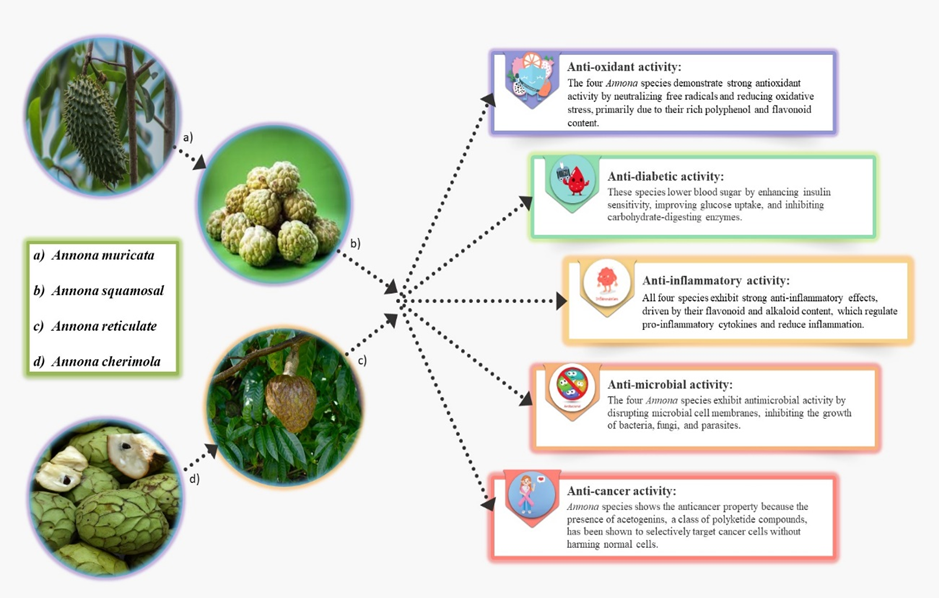
Figure 2: Other common activities of selected Annona species
The Annona genus, particularly the species Annona muricata (soursop), Annona reticulata (bullock’s heart), Annona squamosa (sugar apple), and Annona cherimola (cherimoya), has attracted considerable scientific interest due to its wide range of bioactive compounds with significant medicinal properties. These species are characterized by their rich phytochemical profiles, featuring key constituents such as acetogenins, alkaloids, flavonoids, tannins, and essential oils, all of which contribute to their therapeutic potential. Acetogenins, in particular, are recognized for their selective cytotoxicity against cancer cells, while alkaloids and flavonoids exhibit antioxidant, anti-inflammatory, and antimicrobial activities and antidiabetic activities. Despite their shared bioactive compounds, each species exhibits unique therapeutic benefits depending on the concentration and interaction of these phytochemicals, making them valuable for diverse applications in traditional and modern medicine. Ongoing research continues to explore their potential in developing novel treatments for cancer, infections, and metabolic disorders [1, 4].
Anti-oxidative activity
Strong antioxidant qualities are well known for Annona species as Annona squamosa, Annona muricata, Annona cherimola, and Annona reticulata Because of its higher phenolic and flavonoid content, the methanolic extract of Annona squamosa fruit demonstrated stronger free radical scavenging activity than the aqueous extract [54]. The leaves and seeds of Annona muricata, which are abundant in flavonoids and phenols, also showed high antioxidant activity in DPPH, TEAC, FRAP, and CUPRAC assays when extracted in methanol and ethyl acetate [55]. Furthermore, rats were successfully shielded against liver damage caused by paracetamol by Annona cherimola leaf ethanol extract, probably as a result of its antioxidant properties based on polyphenols [56].
Anti-cancer activity
Uncontrolled development and tumor formation are the results of genetic dysregulation and aberrant cell proliferation, which give birth to cancer. With an IC?? of 70.90 ppm, the leaf isolate from Annona squamosa demonstrated significant anticancer activity against HeLa cells, suggesting that it may be used as a cervical cancer treatment [57]. Similarly, Annona reticulata's methanolic extract shown efficacy against lung (Hop65) and liver (HEPG2) cancer cell lines, perhaps as a result of acetogenins and other phytochemicals, which calls for additional research [58].
Anti-inflammatory activity
Both innate and adaptive immune responses are involved in inflammation, which is brought on by pathogens or tissue injury. In animal models, methanolic extract of Annona squamosa bark (50 mg/kg) and its active ingredient caryophyllene oxide (12.5 and 25 mg/kg) shown notable anti-inflammatory and analgesic effects [59]. Similarly, the flavonoids, alkaloids, and other phytoconstituents in Annona cherimola leaf methanol extract showed significant anti-inflammatory and analgesic effect at tested levels in the rat paw edema model generated by carrageenan [60].
Anti-microbial activity
Antimicrobial compounds can prevent or eradicate the microorganisms that cause infections, such as bacteria, fungus, viruses, and protozoa. Aqueous leaf extract from Annona squamosa had 80% insecticidal efficacy against Callosobruchus chinensis and strong antibacterial activity at 0.07 mg/mL, suggesting that it could be used as a natural preservative for pulses that have been preserved [61]. At 20 mg/mL, extracts from Annona muricata leaves, which are abundant in secondary metabolites, demonstrated potent antibacterial action against P. aeruginosa, S. aureus, E. coli, and Candida albicans, particularly ethyl acetate and hexane extracts [62].
CONCLUSION:
The Annona genus, which includes species including Annona muricata, Annona squamosa, Annona reticulata, and Annona cherimola, is rich in bioactive chemicals such as acetogenins, alkaloids, flavonoids, essential compounds, and phenolic compounds. These chemical components provide the plants their potent free radical scavenging, anti-microbial, anti-diabetic, and anti-inflammatory properties. Research has indicated that extraction from a range of plant parts, including leaves, bark, and seeds, and fruit peels, can effectively reduce blood sugar levels, enhance lipid profiles, and fortify the body's antioxidant defenses. These side effects can occasionally be compared to those of conventional diabetic drugs.The antidiabetic effects of Annona species are linked to mechanisms including improving insulin and energy metabolism and inhibiting enzymes that break down carbs. as natural supplements or additional treatments for diabetes. Even if initial research shows promise, for wider therapeutic usage, especially in human clinical trials, further research is required to demonstrate their effectiveness and guarantee their safety.
REFERENCES


Manali Chaudhari*, Jagruti Patil, M. B. Gagarani, I. E. Ansari, Therapeutic Insights into the Antidiabetic Activity of Selected Annona Species: A Comprehensive Review, Int. J. of Pharm. Sci., 2025, Vol 3, Issue 6, 4119-4136. https://doi.org/10.5281/zenodo.15732926
 10.5281/zenodo.15732926