We use cookies to make sure that our website works properly, as well as some ‘optional’ cookies to personalise content and advertising, provide social media features and analyse how people use our site. Further information can be found in our Cookies policy
Vitiligo is a long-term skin disorder that causes white patches of skin due to pigment loss. The pigment that provides white patches of skin. This happens when melanocytes, the cells that make melanin, the pigment that gives skin its color, are damaged or malfunction1. Vitiligo can affect people of all ages, races, and genders, though it is more noticeable in individuals with darker skin tones. The exact cause of vitiligo remains unclear, though it is believed to be an immune-mediated disease. In this research, we provide an overview of the currently known herbal medicine for treatment, herbal drugs like Polypodium leucotomos (calaguala) and Liquorice (mulethi). A cream of such herbal drugs is prepared that, when applied to the affected area, may reduce depigmentation. It is then evaluated to check the safety, stability, and efficacy. The result can be seen after the trial on the skin for better understanding.
Vitiligo is an acquired depigmentary disorder affecting near 1–2% of the society population4. It transpire due to the destruction or impaired function of melanocytes, resulting in loss of skin pigmentation. Several hypotheses, including autoimmune, oxidative stress, and neural factors, are proposed in its pathogenesis. Herbal treatments aim to restore pigmentation by stimulating melanogenesis (the process of melanin formation) through natural phytochemicals. Many plants used in Ayurveda, Siddha, and Unani systems have been scientifically evaluated for their melanogenic effects5,6.
The reasons are not yet established, but it is believed to be an immune-mediated condition linked to a family history and triggered by events like stress, sunburn, or trauma. Symptoms include depigmented macules and patches, often starting on hands, face, or feet, and the condition can also affect hair, eyes, and the inner ear.
Vitiligo is characterized by well-defined, milky-white patches of skin that vary in size and shape. Lesions often appear on the face, hands, feet, and around the eyes and mouth, though they can occur anywhere on the body7.
1.1 Vitiligo patches
Vitiligo is a chronic autoimmune disorder that causes the skin to lose its natural color, resulting in characteristic smooth, chalky-white patches with well-defined borders. These patches occur when the body's immune network mistakenly demolish and devastate the melanocytes, the nucleus responsible for producing the pigment melanin7.
1.2 Types of vitiligo include:
1. Generalized: This is the most common type of vitiligo that causes macules to appear in various places on your body.
2. Segmental: This type only affects one side of your body or one area, such as your hands or face.
3. Mucosal: Mucosal vitiligo affects the mucous membranes of the mouth and/or genital area.
4. Focal: Focal vitiligo is a rare type where the macules develop in a small area and don’t spread in a certain pattern within one to two years.
5. Trichome: This type causes a bulls eye with a white or colorless center, then an area of lighter pigmentation, and an area of your natural skin tone.
6. Universal: This rare type of vitiligo causes more than 80% of your skin to not have pigment7,8.
1.3 Symptoms of Vitiligo on Your Skin Include:
De-pigmented (white or lighter) skin patches
Irregular-shaped patches of skin
Patches that may spread over time
Premature graying or whitening of hair
Loss of color in mucous membranes (mouth, nose)
Changes in the color of the retina (rare)10
1.4 Factor Responsible for Vitiligo:
Autoimmune response (immune system attacks pigment cells): The autoimmune response in vitiligo results from a combination of genetic susceptibility, oxidative stress, immune system dysregulation, and environmental triggers, which together lead to destruction of melanocytes12.
Genetic factors (family history of vitiligo or other autoimmune diseases): They alter the immune system regulation and melanocyte stability.
Environmental triggers (sunburn, stress, trauma): Environmental triggers such as skin injury, chemical exposure, sunburn, and stress can aggravate vitiligo. Chemical exposure (certain chemicals, like in hair dyes): Chemical exposure to phenolic compounds, industrial depigmenting agent, pesticides, and certain cosmetic chemicals can lead to melanocyte damage.
Neurogenic factors (nervous system involvement): Thus, neurogenic factors contribute to vitiligo by releasing neurochemical substances from nerve endings, increasing oxidative stress, and affecting melanocyte survival, which ultimately leads to depigmented skin patches25.
Vitamin D deficiency: Thus, vitamin D deficiency may contribute to vitiligo by causing immune imbalance, reducing melanocyte survival, decreasing melanin production, and increasing oxidative stress, which ultimately leads to depigmented skin patches.
Hormonal changes: (during pregnancy or puberty): Thus, different types of hormonal imbalances—thyroid hormones , cortisol , melanocyte-stimulating hormone, and sex hormones can affect vitiligo by disturbing immune regulation and melanin production in the skin20.
1.5 Benefits of Herbal or Chemical Anti -Vitiligo Cream:
Natural ingredients: Often contain plant-based extracts, which may be gentler on the skin.
Reduced side effects: Typically fewer side effects compared to chemical-based treatments.
Safe for sensitive skin: May be better suited for individuals with sensitive skin.
Moisturizing properties: Herbal creams often hydrate the skin, improving overall skin health.
Promotes skin healing: Some herbs help in the healing and protection of the skin.
Pigmentation restoration: Helps stimulate the repigmentation of white patches.
Faster results: Can show quick effects, particularly with corticosteroid-based creams.
Reduces inflammation: Helps reduce inflammation in the affected skin areas.
Improves skin texture: Some creams help to rejuvenate the skin’s surface.
Convenient: Easy to apply and use on a daily basis.
Enhanced Effectiveness: The combination can provide the quick results of chemical creams with the gentle healing properties of herbal ingredients.
Balanced Approach: Chemical creams may stimulate repigmentation, while herbal creams soothe and nourish the skin, reducing the risk of irritation.
Reduced Side Effects: Herbal ingredients can help mitigate some of the side effects (like skin thinning or irritation) that may come with chemical treatments.
Comprehensive Skin Care: Combines the strengths of both—chemical creams target the pigmentation process, while herbal creams improve skin health, hydration and overall appearance.
Improved Skin Healing: The soothing and antioxidant properties of herbal ingredients can support skin healing, while chemicals work on pigmentation.
Long-term benefits: A dual approach may provide both short-term pigmentation improvement and long-term skin protection and nourishment25.
2. MATERIALS AND METHOD:
2.1 Active Ingredients:
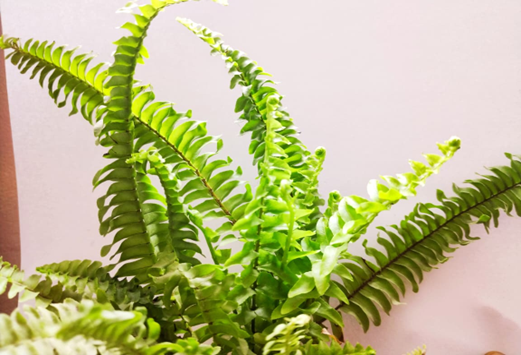
i. Polypodium Leucotomos:
Taxonomic Identity
Kingdom: Plantae
Class: Polypodiopsida (Leptosporangiate ferns)
Order: Polypodiales
Suborder: Polypodiineae
Family: Polypodiaceae
Genus: Polypodium (Note: Frequently classified under the genus Phlebodium as Phlebodium aureum)
Borax acts as an essential emulsifier and stabilizer in vitiligo cream formulations, enabling the blending of oily herbal extracts with water-based components to create a smooth, consistent texture.
ii. Stearic acid
Stearic acid acts as a crucial emulsifier and thickener in vitiligo cream, creating a stable, smooth, and luxurious texture that ensures uniform application of active ingredients.
iii. Liquid paraffin
Liquid paraffin acts as an occlusive emollient in vitiligo creams, forming a protective, non-greasy barrier that seals in moisture to alleviate dryness in depigmented patches.
iv. Salicylic acid
Salicylic acid acts as a keratolytic and penetration-enhancing agent, promoting cell turnover and allowing other active ingredients in the vitiligo formulation to reach deeper layers of the skin.
v. Sesame oil
Sesame oil serves as an ideal nutrient-rich carrier oil for vitiligo creams, offering anti-inflammatory properties that soothe irritated skin while improving hydration to support the skin barrier.
vi. Distilled water
Distilled water acts as a high-purity, contaminant-free solvent that ensures stability and prevents unwanted chemical reactions in vitiligo cream formulations33.
2.3 Methodology :
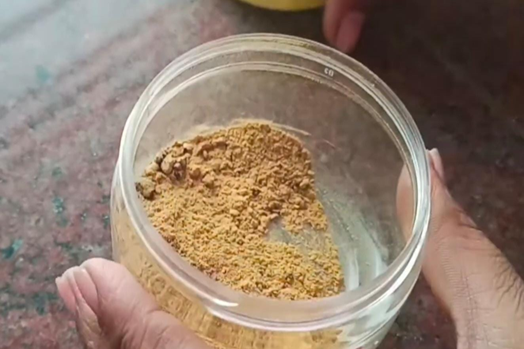
i. Extraction of Liquorice ( Soxhlet Extraction)
Place ~50–100 g of liquorice powder in a thimble.
↓
Load into the Soxhlet extractor.
↓
Use 300–500 ml of ethanol or methanol in the boiling flask.
↓
Heat the solvent to reflux for 6–8 hours (until the solvent in siphon tube runs clear).
↓
Collect the extract and evaporate excess solvent using a rotavaping.
↓
Dry the final withdraw under vacuum or in a desiccator35.
ii. Extraction of Polypodium (Soxhlet Extraction)
Place ~50–100 g of polypodium powder in a thimble.
↓
Load into the Soxhlet extractor.
↓
Use 300–500 ml of ethanol or methanol in the boiling flask.
↓
Heat the solvent to reflux for 6–8 hours (until the solvent in siphon tube runs clear).
↓
Collect the extract and evaporate excess solvent using a rotavaping.
↓
Dry the final withdraw under vacuum or in a desiccator35.
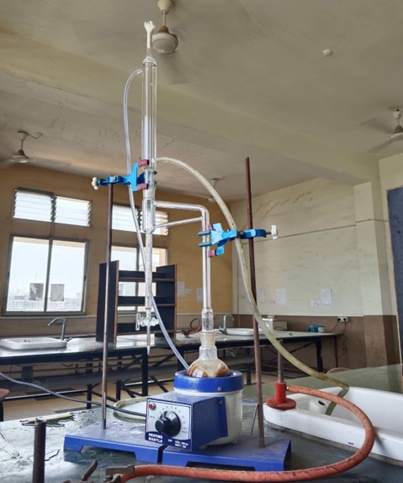
Figure 3 : Soxhlet Apparatus
Soxhlet extractor : The Soxhlet extractor is a laboratory apparatus used for the continuous extraction of phytochemical isolation of the plant materials using a suitable solvent. It is commonly used in pharmaceutical and herbal research to isolate active constituents from medicinal plants such as Polypodium leucotomos and Glycyrrhiza glabra.
2.4 Procedure :
Emulsification Method
It isan methodical procedure that uses an emulsifying agent to combine two immiscible liquids, usually an oil phase and an aqueous (water) phase, into a stable, homogeneous mixture.
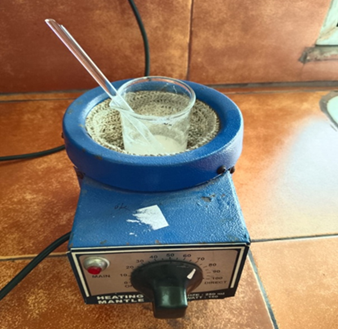
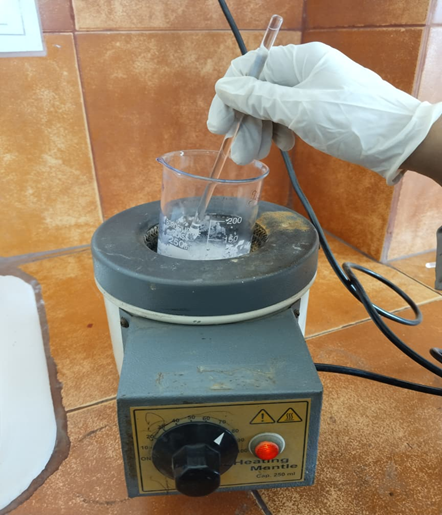
All the measured ingredients were poured into a beaker and heated onin water bath until they melted completely. The mixture was then kept aside for some time to maintain temperature before the next step of cream preparation.
Figure 4 : oil phase preparation
b) Preparation of Aqueous Phase
(Borax + Salicylic Acid + Purified Water → Heat 70–75°C)
In a separate container measure 0.5 g of Borax.
Measure 0.5 g of salicylic acid.
And take the required quantity of purified water.
Heat the mixture gently on a water bath (about 70–75 °°C) with continuous stirring until a clear or uniform solution is obtained.
Keep this aqueous phase at the same temperature as the oil phase before mixing both phases to form the cream.
Figure 5 : aqueous phase preparation
c) Adding aqueous phase → Oil phase (stir well)
First, the oil phase (containing stearic acid, sesame oil, and liquid paraffin) is heated to about 70–75 °C until all the ingredients melt and form a uniform mixture.
The aqueous phase (containing purified water, borax, and salicylic acid) is also heated separately to the same temperature.
The hot hydrous phase is then slowly added into the hydrophobic phase with continuous stirring.
Constant stirring helps in uniform mixing of both phases and prevents separation.
During this process, borax reacts with stearic acid in the oil phase to form a small amount of soap, which acts as an emulsifying agent and stabilizes the emulsion.
Stirring is continued until the mixture cools down and forms a smooth, homogeneous cream.
d) Cool to ~40°C
After the hydrous phase is added to the hydrophobic phase and a uniform emulsion is formed, the mixture is allowed to cool gradually with continuous stirring.
After proper emulsification, the mixture is continuously stirred while cooling to about 40–45 °C.
e) Adding herbal extracts
(Polypodium leucotomos + Glycyrrhiza glabra)
Make sure that ingredients such as herbal extracts from Polypodium leucotomos (ferulic acid) and Glycyrrhiza glabra (glycyrrhizic acid) can be added.
f) Mixing uniformly
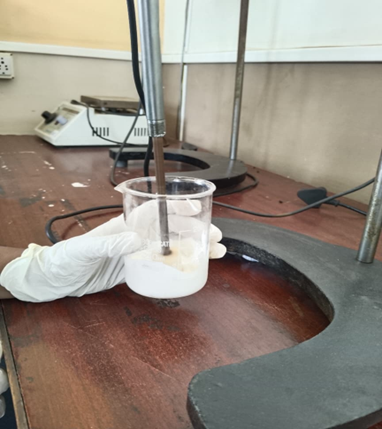
After the oil phase and aqueous phase are combined and partially cooled, the cream is mixed using a Homogenizer to obtain a smooth and uniform formulation.
Figure 6 : Mixing of cream with Homogenizer
Homogenizer : A homogenizer is a kind of industrial mixer that breaks down fat droplets and evenly distributes them throughout the liquid phase to create a consistent, stable, and smooth cream.
g) Cool it and transfer to clean container
After preparation, the cream should be stored properly to maintain its stability, effectiveness, and safety.
The prepared cream is transferred into a clean, dry, airtight container or collapsible tube.
The container should be properly labeled with the formulation name, date of preparation, and other necessary details.
3. EVALUATION PARAMETER OF CREAM:
a) Organoleptic evaluation :
Physical properties such as color, odour and texture was examined by visual inspection.
Color: the color of cream should be off whiter.
Odour : it should have mild fragrance.
Texture :smooth texture without any lumps.
b) pH determination :
After dissolving 1 gram of cream in 10 milliliters of distilled water, the pH is measured with a digital pH meter. The ideal pH range is between 5.5 and 6.5, which is similar to the skin's typical pH.
c ) Spreadability :
Each sample was weighed and placed in the center of a glass plate, with another glass plate carefully placed over it. To prevent the glass plates from sliding, a 2 kg weight was positioned in the center of each plate. After 30 minutes, the paste's diameter in centimeters was measured. The experiment was conducted three times, and the averages for each sample were reported.
d) Washability:
After applying cream to the hand, it should be easily removed with a stream of water. resulting in less oily hands.
4. RESULT:
The herbal modulator cream was successfully formulated using the emulsification technique. The hydrophobic phase and hydrous phase were mixed and homogenized using a homogenizer.to create a smooth, uniform cream base. The formulation demonstrated good physical and stability characteristics.
The active phytochemical components of dried herbal materials, such as Polypodium and Glycyrrhiza, are extracted using the Soxhlet apparatus. This method involves using a suitable solvent, such as ethanol, methanol, or water, and placing the powdered plant material in a thimble inside the Soxhlet extractor.
Proper emulsification was demonstrated by the prepared cream's consistent consistency, smooth texture, and good spreadability. The cream's pH was discovered to be between 5.5 and 6.5, making it appropriate for topical skin application. Good formulation stability was confirmed by the absence of phase separation or instability during the evaluation period.
Evaluation tests revealed that the cream was easily washable, had good homogeneity, and showed no indication of spunk. According to the flowability test, the cream spreads readily on the skin's surface, improving drug delivery.
5. DISCUSSION:
Melanocyte loss is the hallmark of vitiligo, a chronic depigmentary condition that causes white patches to appear on the skin. Conventional therapies such as corticosteroids, immune-modulators, and phototherapy are commonly used for treatment; however, prolonged use of these therapies may cause adverse effects. Therefore, there is growing interest in herbal formulations as safer and more effective alternatives. Herbal modulator creams formulated with plant-based ingredients may provide antioxidant, anti-inflammatory, and immune-modulatory effects that support melanocyte protection and repigmentation. One promising herbal ingredient is Polypodium leucotomos, a tropical fern known for its strong antioxidant and photoprotective properties. Extracts of this botanical have been shown to deplete oxidative stress, protect melanocytes from UV-induced damage, and improve skin tolerance to phototherapy, which may contribute to repigmentation in vitiligo patients. Another important herbal component is Glycyrrhiza glabra (licorice), which contains bioactive compounds such as glabridin and liquiritin that possess anti-inflammatory, antioxidant, and skin-healing properties. Liquiritin has been reported to promote melanin dispersion in depigmented areas and support the melanogenesis process. The combination of Polypodium and licorice in a topical herbal modulator cream may produce synergistic effects by protecting melanocytes from oxidative damage, regulating immune responses, and promoting melanin production. Such herbal formulations offer advantages including better skin compatibility, lower risk of side effects, and suitability for long-term use. However, further scientific studies, including standardized formulations and clinical-investigation, are mandatory to confirm the efficacy, protection, and optimal concentrations of these herbal extracts in the management of vitiligo.
6. CONCLUSION:
The current study effectively illustrates the creation of a vitiligo cream by combining chemical and herbal methods to improve patient compliance and therapeutic efficacy. By promoting melanogenesis and providing inflammation reducer and oxidation inhibitor properties, the use of herbal extract offers a natural and comprehensive approach. Simultaneously, the addition of carefully chosen chemical agents, such as immune-modulators or corticosteroids, improves depigmentation control and speeds up the repigmentation process. The finished cream formulation showed stability, the right pH for topical application, and desirable physicochemical characteristics. According to preliminary assessments, treating vitiligo with a combination of herbal and chemical components may have synergistic effects that lessen the drawback of extended use of chemical drugs alone.
REFERENCES
Andge L, Gabhane V, Ande A. Development and Evaluation of Polyherbal Cream for Treatment of Vitiligo Patches. Int J Innov Sci Res Technol. 2024;9(2).
Christian CBS, Shiny SE, Jayalakshmi J, Singh VS, Nirmaladevi P, Vaiz JMJ. Evaluation of Anti-vitiligo properties through an In-silico Computational screening of Selected Herbal Bioactive Components with the target protein Tyrosinase. Int J Ayurvedic Med. 2024;15(1):1549.
Tiwari S, Tripathi N, Mishra R, Jain V. Formulation and Evaluation of Polyherbal Skin Cream for Wound Healing. South East Eur J Public Health. 2025;26:264–79.
Somatkar DR, Rathod HK, Deshmukh SP. Formulation and Evaluation of Antioxidants Cream. Indo Am J Pharm Sci. 2025;12(4).
Shinde P, Khule S. Formulation and Evaluation of Vanishing Herbal Cream of Crude Drugs. Asian J Pharm Res Dev. 2020;8(3):66–9.
Machado RD, de Morais MC, da Conceicão EC, Vaz BG, Chaves AR, Rezende KR. Crude plant extract versus single compounds for Vitiligoo treatment: Ex vivo intestinal permeability assessment on Brosimum gaudichaudii Trécul. J Pharm Biomed Anal. 2020;191:113593.
Soumya A, Rasheed S, Manjunath S. Formulation and evaluation of herbal cream containing extracts of Murraya koenigii and Cajanus Cajun.. Int J Res Phytochem Pharmacol Sci. 2020;1:58–63.
Navindgikar NN, Kamalapurkar KA, Chavan PS. Formulation and evaluation of multipurpose herbal cream. Int J Curr Pharm Res. 2020;12:25–30.
Ahmed AA, Nath B. Formulation and in vitro evaluation of poly-herbalanti-agingg face cream of Coriandrum sativum and rose hip oil.
Mahawar V, Patidar K, Joshi N. Development and evaluation of herbal antiaging cream formulation containing Annona squamosa leaf extract. Asian J Pharm Clin Res. 2019;12:210–4.
Glusac J, Davidesko-Vardi I, Isaschar-Ovdat S, Kukavica B, Fishman A. Gel-like emulsions stabilized by tyrosinase-crosslinked potato and zein proteins. Food Hydrocoll. 2018;82:53–63.
Jalalmanesh S, et al. Turmeric topical cream for vitiligo: A randomized controlled trial. J Integr Dermatol. 2022;2(1):45–52.
Hu Y, et al. Epigallocatechin-3-gallate in the treatment of vitiligo: A prospective study. J Integr Dermatol. 2021;1(2):33–9.
Leite M, et al. Case report: Repigmentation in vitiligo using Coffeasp.p and Helianthus annuus. J Integr Dermatol. 2021;1(3):60–2.
Rothstein B, et al. Ruxolitinib cream for vitiligo: A proof-of-concept study. J Integr Dermatol. 2017;1(1):10–5.
Zhou J, et al. Madecassoside from Centella asiatica as a potential treatment for vitiligo. Front Pharmacol. 2020;11:1234.
Cao Y, et al. Psoralidin from Cullen corylifolium: A natural compound for vitiligo therapy. Phytomedicine. 2019;60:152985.
Zabolinejad N, et al. Psoralen with NBUVB in vitiligo treatment: A clinical study. Dermatol Ther. 2020;33(6)
Zhai Y, et al. Psoralidin's mechanism in vitiligo: PI3K/Akt and Nrf2/HO-1 pathways. J Ethnopharmacol.2018;222:1– –9.
Newman DJ, Cragg GM. Natural products as sources of new drugs over the nearly four decades from 01/1981 to 09/2019. J NatProd. 770–803.83(3):770–803.
Atanasov AG, Zotchev SB, Dirsch VM, Supuran CT. Natural products in drug discovery: Advances and opportunities. Nat Rev Drug Discov. 2021;20(3):200–16.
Bernardini S, Tiezzi A, Laghezza Masci V, Ovidi E. Natural products for human health: An historical overview of the drug discovery approaches. Nat Prod Res. 2018;32(17):1926–50.
Rasoanaivo P, Wright CW, Willcox ML, Gilbert B. Whole plant extracts versus single compounds for the treatment of malaria: Synergy and positive interactions. Malar J.2011;;10.
Sharma N, Trikha P, Gupta B. Formulation and evaluation of topical herbal gel for vitiligo. Int J Pharm Sci Invent.2017;;6–10.
Gupta PC, Sharma N, Sharma V. Formulation and evaluation of herbal cream containing Wrightia tinctoria extract. Pharmacogn J. 2016:56–60.
Singh SK, Chauhan S, Meena M. Formulation and evaluation of polyherbal cream for vitiligo. Int J Pharm Chem Biol Sci. 2014;4:90–6.
Kim HJ, Park WS, Koh HJ, Min DJ, Park NH, Park PJ, et al. Composition for Preventing or Treating Poliosis or Vitiligo Comprising a Pueraria GenusPlantt Extract or Puerarin. US Patent No. 2014:8901088.
Ferreira EQ. Pharmaceutical Composition on the Basis of Stachytarpheta sp., a Process for Obtaining theSame,e andIts Usee for Treating Vitiligo. US Patent No. 2013:20130287868.
Paleo RA, Rojas UJ. Natural Product in Cream with Anti-vitiligo Therapeutic Properties. EP No. 2007:1747786.
Msika P, Saunois A, Leclere-Bienfait S, Baudoin C. Vigna unguiculata Seed Extract and Compositions Containing Same. EP No. 2014:2506724.
Singhal, D. V. (n.d.). Vitiligo treatment in Punjabi Bagh, Delhi, by Dr. Vijay Singhal, dermatologist at Zenith Skin & Dental Clinic. Vitiligo. itiligo.ttps://www.zenithskindental.com/vitiligo/
Bernardini S, Tiezzi A, Laghezza Masci V, Ovidi E. Natural products for human health: An historical overview of the drug discovery approaches. Nat Prod Res. 2018;32(17):1926–50.
Rasoanaivo P, Wright CW, Willcox ML, Gilbert B. Whole plant extracts versus single compounds for the treatment of malaria: Synergy and positive interactions. Malar J. 2011;10.
Sharma N, Trikha P, Gupta B. Formulation and evaluation of topical herbal gel for vitiligo. Int J Pharm Sci Invent. 2017;6–10.
Gupta PC, Sharma N, Sharma V. Formulation and evaluation of herbal cream containing Wrightia tinctoria extract. Pharmacogn J. 2016:56–60.
Singh SK, Chauhan S, Meena M. Formulation and evaluation of polyherbal cream for vitiligo. Int J Pharm Chem Biol Sci. 2014;4:90–6.
Reuland DJ, Khademi S, Castle CJ, Irwin DC, McCord JM, Miller BF, Hamilton KL. Upregulation of phase II enzymes through phytochemical activation of Nrf2 protects cardiomyocytes against oxidant stress. Free Radic Biol Med. 2013 Mar;56:102-11. doi:10.1016/j.freeradbiomed.2012.11.016. Epub 2012 Nov 30. PMID: 23201694.
Amit K, Govind Y. Potential Role of Medicinal Plants for their Immunomodulatory Activity - A Review. Ann Clin Pharmacol Toxicol. 2022;3(1):1021.
Mukne, A., Dangat, S., Shirodkar, P., Sawate, K. (2023). Herbs for Autoimmune Diseases. In: Dhara, A.K., Mandal, S.C. (eds) Role of Herbal Medicines. Springer, Singapore. https://doi.org/10.1007/978-981-99-7703-1_18.
Husain, M.K., Pratap, G.P., Alam, M., Javed, G., Minhajuddin, A., Khan, A.A. (2023). Traditional Uses and Properties of Indian Medicinal Plants in the Treatment of Vitiligo. In: Máthé, Á., Khan, I.A. (eds) Medicinal and Aromatic Plants of India Vol. 2. Medicinal and Aromatic Plants of the World, vol 9. Springer, Cham. https://doi.org/10.1007/978-3-031-44914-7_10.
Robinson KA, Akinyede O, Dutta T, et al. Framework for Determining Research Gaps During Systematic Review: Evaluation [Internet]. Rockville (MD): Agency for Healthcare Research and Quality (US); 2013 Feb. Introduction. Available from: https://www.ncbi.nlm.nih.gov/books/NBK126702/
Mou, K., Pan, W., Han, D., Wen, X., Cao, F., Miao, Y., & Li, P. (2019). Glycyrrhizin protects human melanocytes from H2O2-induced oxidative damage via the Nrf2-dependent induction of HO-1. International Journal of Molecular Medicine, 44, 253-261. https://doi.org/10.3892/ijmm.2019.4200
Mishra, N., Ashique, S., & Kumar, A. (Eds.). (2025). Gastrointestinal Inflammations and Gut Microbiota: Pathophysiology, Management, and Emerging Therapies (1st ed.). CRC Press. https://doi.org/10.1201/9781003493143
Máthé, A., Khan, I.A. (2024). Medicinal and Aromatic Plants of India, Vol. 3, Springer, ISBN - 978-3031756603
Carniciu S, Hafi B, Gkini MA, Tzellos T, Jafferany M, StamuO'Brien C. Secondary psychiatric disorders and the skin. Dermatological Reviews. 2023;4:162-172. doi:10.1002/der2.211
Yoshida, K. (2022). Botulinum Toxin Therapy for Oromandibular Dystonia and Other Movement Disorders in the Stomatognathic System. Toxins, 14(4), 282.
Andge L, Gabhane V, Ande A. Development and Evaluation of Polyherbal Cream for Treatment of Vitiligo Patches. Int J Innov Sci Res Technol. 2024;9(2).
Christian CBS, Shiny SE, Jayalakshmi J, Singh VS, Nirmaladevi P, Vaiz JMJ. Evaluation of Anti-vitiligo properties through an In-silico Computational screening of Selected Herbal Bioactive Components with the target protein Tyrosinase. Int J Ayurvedic Med. 2024;15(1):1549.
Tiwari S, Tripathi N, Mishra R, Jain V. Formulation and Evaluation of Polyherbal Skin Cream for Wound Healing. South East Eur J Public Health. 2025;26:264–79.
Somatkar DR, Rathod HK, Deshmukh SP. Formulation and Evaluation of Antioxidants Cream. Indo Am J Pharm Sci. 2025;12(4).
Shinde P, Khule S. Formulation and Evaluation of Vanishing Herbal Cream of Crude Drugs. Asian J Pharm Res Dev. 2020;8(3):66–9.
Machado RD, de Morais MC, da Conceicão EC, Vaz BG, Chaves AR, Rezende KR. Crude plant extract versus single compounds for Vitiligoo treatment: Ex vivo intestinal permeability assessment on Brosimum gaudichaudii Trécul. J Pharm Biomed Anal. 2020;191:113593.
Soumya A, Rasheed S, Manjunath S. Formulation and evaluation of herbal cream containing extracts of Murraya koenigii and Cajanus Cajun.. Int J Res Phytochem Pharmacol Sci. 2020;1:58–63.
Navindgikar NN, Kamalapurkar KA, Chavan PS. Formulation and evaluation of multipurpose herbal cream. Int J Curr Pharm Res. 2020;12:25–30.
Ahmed AA, Nath B. Formulation and in vitro evaluation of poly-herbalanti-agingg face cream of Coriandrum sativum and rose hip oil.
Mahawar V, Patidar K, Joshi N. Development and evaluation of herbal antiaging cream formulation containing Annona squamosa leaf extract. Asian J Pharm Clin Res. 2019;12:210–4.
Glusac J, Davidesko-Vardi I, Isaschar-Ovdat S, Kukavica B, Fishman A. Gel-like emulsions stabilized by tyrosinase-crosslinked potato and zein proteins. Food Hydrocoll. 2018;82:53–63.
Jalalmanesh S, et al. Turmeric topical cream for vitiligo: A randomized controlled trial. J Integr Dermatol. 2022;2(1):45–52.
Hu Y, et al. Epigallocatechin-3-gallate in the treatment of vitiligo: A prospective study. J Integr Dermatol. 2021;1(2):33–9.
Leite M, et al. Case report: Repigmentation in vitiligo using Coffeasp.p and Helianthus annuus. J Integr Dermatol. 2021;1(3):60–2.
Rothstein B, et al. Ruxolitinib cream for vitiligo: A proof-of-concept study. J Integr Dermatol. 2017;1(1):10–5.
Zhou J, et al. Madecassoside from Centella asiatica as a potential treatment for vitiligo. Front Pharmacol. 2020;11:1234.
Cao Y, et al. Psoralidin from Cullen corylifolium: A natural compound for vitiligo therapy. Phytomedicine. 2019;60:152985.
Zabolinejad N, et al. Psoralen with NBUVB in vitiligo treatment: A clinical study. Dermatol Ther. 2020;33(6)
Zhai Y, et al. Psoralidin's mechanism in vitiligo: PI3K/Akt and Nrf2/HO-1 pathways. J Ethnopharmacol.2018;222:1– –9.
Newman DJ, Cragg GM. Natural products as sources of new drugs over the nearly four decades from 01/1981 to 09/2019. J NatProd. 770–803.83(3):770–803.
Atanasov AG, Zotchev SB, Dirsch VM, Supuran CT. Natural products in drug discovery: Advances and opportunities. Nat Rev Drug Discov. 2021;20(3):200–16.
Bernardini S, Tiezzi A, Laghezza Masci V, Ovidi E. Natural products for human health: An historical overview of the drug discovery approaches. Nat Prod Res. 2018;32(17):1926–50.
Rasoanaivo P, Wright CW, Willcox ML, Gilbert B. Whole plant extracts versus single compounds for the treatment of malaria: Synergy and positive interactions. Malar J.2011;;10.
Sharma N, Trikha P, Gupta B. Formulation and evaluation of topical herbal gel for vitiligo. Int J Pharm Sci Invent.2017;;6–10.
Gupta PC, Sharma N, Sharma V. Formulation and evaluation of herbal cream containing Wrightia tinctoria extract. Pharmacogn J. 2016:56–60.
Singh SK, Chauhan S, Meena M. Formulation and evaluation of polyherbal cream for vitiligo. Int J Pharm Chem Biol Sci. 2014;4:90–6.
Kim HJ, Park WS, Koh HJ, Min DJ, Park NH, Park PJ, et al. Composition for Preventing or Treating Poliosis or Vitiligo Comprising a Pueraria GenusPlantt Extract or Puerarin. US Patent No. 2014:8901088.
Ferreira EQ. Pharmaceutical Composition on the Basis of Stachytarpheta sp., a Process for Obtaining theSame,e andIts Usee for Treating Vitiligo. US Patent No. 2013:20130287868.
Paleo RA, Rojas UJ. Natural Product in Cream with Anti-vitiligo Therapeutic Properties. EP No. 2007:1747786.
Msika P, Saunois A, Leclere-Bienfait S, Baudoin C. Vigna unguiculata Seed Extract and Compositions Containing Same. EP No. 2014:2506724.
Singhal, D. V. (n.d.). Vitiligo treatment in Punjabi Bagh, Delhi, by Dr. Vijay Singhal, dermatologist at Zenith Skin & Dental Clinic. Vitiligo. itiligo.ttps://www.zenithskindental.com/vitiligo/
Bernardini S, Tiezzi A, Laghezza Masci V, Ovidi E. Natural products for human health: An historical overview of the drug discovery approaches. Nat Prod Res. 2018;32(17):1926–50.
Rasoanaivo P, Wright CW, Willcox ML, Gilbert B. Whole plant extracts versus single compounds for the treatment of malaria: Synergy and positive interactions. Malar J. 2011;10.
Sharma N, Trikha P, Gupta B. Formulation and evaluation of topical herbal gel for vitiligo. Int J Pharm Sci Invent. 2017;6–10.
Gupta PC, Sharma N, Sharma V. Formulation and evaluation of herbal cream containing Wrightia tinctoria extract. Pharmacogn J. 2016:56–60.
Singh SK, Chauhan S, Meena M. Formulation and evaluation of polyherbal cream for vitiligo. Int J Pharm Chem Biol Sci. 2014;4:90–6.
Reuland DJ, Khademi S, Castle CJ, Irwin DC, McCord JM, Miller BF, Hamilton KL. Upregulation of phase II enzymes through phytochemical activation of Nrf2 protects cardiomyocytes against oxidant stress. Free Radic Biol Med. 2013 Mar;56:102-11. doi:10.1016/j.freeradbiomed.2012.11.016. Epub 2012 Nov 30. PMID: 23201694.
Amit K, Govind Y. Potential Role of Medicinal Plants for their Immunomodulatory Activity - A Review. Ann Clin Pharmacol Toxicol. 2022;3(1):1021.
Mukne, A., Dangat, S., Shirodkar, P., Sawate, K. (2023). Herbs for Autoimmune Diseases. In: Dhara, A.K., Mandal, S.C. (eds) Role of Herbal Medicines. Springer, Singapore. https://doi.org/10.1007/978-981-99-7703-1_18.
Husain, M.K., Pratap, G.P., Alam, M., Javed, G., Minhajuddin, A., Khan, A.A. (2023). Traditional Uses and Properties of Indian Medicinal Plants in the Treatment of Vitiligo. In: Máthé, Á., Khan, I.A. (eds) Medicinal and Aromatic Plants of India Vol. 2. Medicinal and Aromatic Plants of the World, vol 9. Springer, Cham. https://doi.org/10.1007/978-3-031-44914-7_10.
Robinson KA, Akinyede O, Dutta T, et al. Framework for Determining Research Gaps During Systematic Review: Evaluation [Internet]. Rockville (MD): Agency for Healthcare Research and Quality (US); 2013 Feb. Introduction. Available from: https://www.ncbi.nlm.nih.gov/books/NBK126702/
Mou, K., Pan, W., Han, D., Wen, X., Cao, F., Miao, Y., & Li, P. (2019). Glycyrrhizin protects human melanocytes from H2O2-induced oxidative damage via the Nrf2-dependent induction of HO-1. International Journal of Molecular Medicine, 44, 253-261. https://doi.org/10.3892/ijmm.2019.4200
Mishra, N., Ashique, S., & Kumar, A. (Eds.). (2025). Gastrointestinal Inflammations and Gut Microbiota: Pathophysiology, Management, and Emerging Therapies (1st ed.). CRC Press. https://doi.org/10.1201/9781003493143
Máthé, A., Khan, I.A. (2024). Medicinal and Aromatic Plants of India, Vol. 3, Springer, ISBN - 978-3031756603
Carniciu S, Hafi B, Gkini MA, Tzellos T, Jafferany M, StamuO'Brien C. Secondary psychiatric disorders and the skin. Dermatological Reviews. 2023;4:162-172. doi:10.1002/der2.211
Yoshida, K. (2022). Botulinum Toxin Therapy for Oromandibular Dystonia and Other Movement Disorders in the Stomatognathic System. Toxins, 14(4), 282.
Rungta Institute of Pharmaceutical Sciences and Research
Nishika Tamrakar
Co-author
Rungta Institute of Pharmaceutical Sciences and Research
Suchita Wamankar
Co-author
Rungta Institute of Pharmaceutical Sciences
Dr. Gyanesh Kumar Sahu
Co-author
Rungta Institute of Pharmaceutical Sciences and Research
Dr. Chanchal Deep Kaur
Co-author
Rungta Institute of Pharmaceutical Sciences
V. Ramya Sri, Nishika Tamrakar, Praveen Kumar Sahu, Suchita Wamankar, Dr. Gyanesh Kumar Sahu, Dr. Chanchal Deep Kaur, Formulation and Evaluation of Herbal Modulator Cream in the Management of Vitiligo Patches, Int. J. of Pharm. Sci., 2026, Vol 4, Issue 4, 1288-1299. https://doi.org/10.5281/zenodo.19475374


 10.5281/zenodo.19475374
