

We use cookies to ensure our website works properly and to personalise your experience. Cookies policy
Govindrao Nikam College of Pharmacy, Sawarde
The biological process of wound healing is intricate and involves remodeling, proliferation, inflammation, and hemostasis. Herbal formulations are becoming more popular as safer substitutes for synthetic wound-healing agents due to their drawbacks. The goal of the current study was to create and assess a topical herbal gel with extracts of Punica granatum Linn peel and Tectona grandis Linn leaves for its potential to treat wounds. The presence of flavonoids, tannins, phenolic compounds, alkaloids, saponins, and steroids was confirmed by phytochemical screening after the extracts were made by cold maceration using 70% ethanol. Carbopol 934 was used as the gelling ingredient to create three gel formulations, which were then assessed for physicochemical characteristics and antibacterial efficacy. Superior antibacterial efficacy against Aspergillus niger and Escherichia coli was demonstrated by the mixed extract formulation.The results indicate that the formulated herbal gel is safe, stable, and effective for topical wound-healing applications.
The skin is the largest organ in our body, making up around 16% of our total body weight. It is also necessary for maintaining homeostasis and for the protection it offers against the effects of external stimuli. The integrity of the skin is crucial for maintaining overall health because injuries from chronic diseases, burns, trauma, and surgical procedures can cause impairment and emotional distress. Nowadays, chronic wounds are becoming a bigger issue, and placing a significant financial burden on the medical industry.[1] When applied topically to pathological areas, gels provide a significant benefit over creams and ointments in that they release the medicine more quickly and directly to the site of action, regardless of the drug's water solubility.[2] Topical semisolid dose forms are in the shape of pastes, ointments, gels, or creams. They include one or more active substances that have been dissolved or evenly distributed in an appropriate base together with any necessary excipients.[3] The process of wound healing is intricate and multifaceted, encompassing several phases like as haemostasis, inflammation, proliferation, and remodelling. In order to minimise scarring, avoid infection, and restore tissue integrity and function, wound healing must be done effectively. Despite the advances in medical treatments, wound management remains a challenge due to factors such as chronic conditions, infections, and delayed healing. Thus, there has been a growing interest in exploring natural products with wound-healing properties as an alternative or adjunct to conventional therapies.[4]
Gels are typically homogeneous, transparent, semi-solid preparations with a liquid phase inside a three-dimensional polymeric matrix that is cross-linked physically or occasionally chemically.[3]
TYPES OF GELS
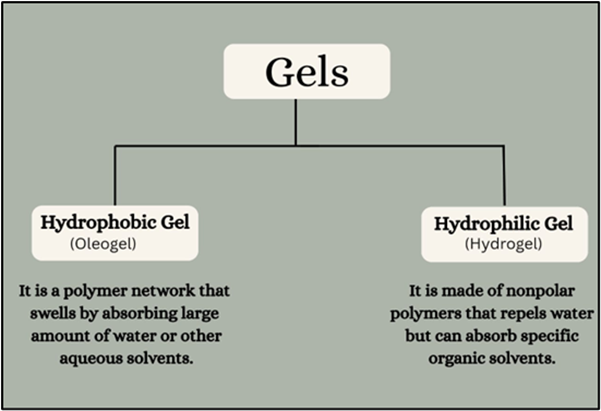
Fig No: 1 Types of Gel.
Hydrophobic gels are also known as oleogel. These are the nonpolar polymers that repels water but can absorb specific amount of organic solvents. Liquid paraffin with polyethylene or fatty oils gelled with colloidal silica, aluminium, or zinc soaps are typically the bases for hydrophobic gels.
Hydrophilic gels are also known as hydrogel. These are the polymer network that swell’s by absorbing large amount of water and other aqueous solvents. These are often made of water, glycerol, or propylene glycol gelled with appropriate substances such magnesium aluminium silicates, cellulose derivatives, tragacanth, starch, and carboxy-vinyl polymers.
Advantages of GELS:
Disadvantages of GELS:
Mechanism of wound healing
Wound healing forms a detailed, well-organized process. It includes key biological steps to fix damaged tissue and bring back skin or other tissue strength. This process splits into four main phases that overlap: hemostasis, inflammation, proliferation, and remodeling. Each phase matters for tissue recovery. It also stops more harm or infection. Passive diffusion is the most common route of drug absorption through the skin. In this process, drugs passively move from an area of higher concentration to an area of lower concentration across the various layers of the skin.
Mechanism:
TABLE NO 1: MECHANISM OF WOUND HEALING
|
Sr. No |
Phase |
Duration |
Key Events |
Goal / Outcome |
|
1 |
Haemostasis |
Minutes to hours |
Clot formation, vasoconstriction, platelet aggregation |
Stop bleeding, prevent infection |
|
2 |
Inflammation |
1–7 days |
Immune cell activation, exudate formation, vasodilation |
Clear infection, clean the wound site |
|
3 |
Proliferation |
Days to weeks |
Angiogenesis, fibroplasia, granulation tissue formation, re-epithelialisation |
Fill, cover, and protect the wound |
|
4 |
Remodelling |
Months to years |
Collagen remodelling, scar maturation |
Strengthen and mature tissue |
There are IV PHASES of mechanism of wound healing:
Tectona grandis Linn popularly known as "Teak." This huge deciduous tree, which stands 30 to 35 meters tall, has light brown bark, simple, opposite leaves that are widely elliptical, acute, or acuminate, and tiny glandular dots. Native to India, Myanmar, and other South-East Asian nations, Tectona grandis is the most extensively grown high value hardwood (HVH) worldwide . It is one of the most significant species in tropical plantation forestry today. According to Indian traditional medicine, the entire plant has therapeutic value and is said to be able to treat a number of illnesses. Widely Tectona Grandis is known about its wound healing property.[5]
Various uses of parts of Tectona Grandis Linn
Bark: Anthelmintic, Astringent, and Constipant,, Bronchitis, Hyperacidity, Dysentery, burning sensation, Diabetes, Difficult labour, Leprosy, and Skin conditions are among the conditions for which it is utilised.
Leaves: Cooling, Haemostatic, and Anti-inflammatory properties. Inflammations, Leprosy, Skin conditions, Stomatitis, Pruritus, Ulcers, Haemorrhages, and Haemoptysis can all benefit from their use.
Wood: Helpful for piles, Leucoderma, and Dysentery, Cooling, Laxative, and Sedative to gravid uterus. The greatest treatment for Headaches, Biliousness, and Burning pains, especially over a liver region, is oil extracted from wood.
Roots: Help with urine retention and Anuria.[5]
Tectona grandis leaves have been shown to have antioxidant, antibacterial, and anti-inflammatory properties, which makes them a viable option for wound healing. In addition to offering a practical and easily accessible dosage form, the creation of a wound healing gel with Tectona grandis extract can be an efficient way to take advantage of the plant's medicinal potential. Semi-solid dosage forms, are ideal for topical application as they are easily spreadable and provide a protective barrier to the wound site. Additionally, they allow for controlled release of the active ingredients, ensuring prolonged therapeutic effects.
The extract of Tectona grandis contains various bioactive compounds, such as flavonoids, tannins, and phenolic acids, which are believed to contribute to its healing properties. These compounds have been shown to promote tissue regeneration, reduce inflammation, and combat microbial infections, all of which are essential in the wound healing process. The application of such a Gel to wounds may not only speed up the healing process but also minimize complications such as infections, which are common in open wounds.[4]
Traditional uses: Wound healing is a complex, highly coordinated process that involves a series of biological events aimed at repairing damaged tissue and restoring the integrity of the skin or other tissues. The Unani medical system states that the oil extracted from the blooms promotes hair growth and is good for scabies. Teak extracts' antibacterial and anti-inflammatory properties are used to treat skin conditions such rashes, dermatitis, and itching. Cooling, equilibrium, cleansing, anti-inflammatory, and vulnerability are among the therapeutic qualities of leaves. Because of their anti-inflammatory and febrifuge qualities, teak leaves are frequently used to lower fever and inflammation. Laxative, cooling, caustic, and sedative to the uterus, it works well for piles, leukoderma, and dysentery during pregnancy. When the pain is localised over the liver, wood-derived oil is the most effective remedy for headaches, biliousness, and scorching sensations. They treat bronchitis, urine discharge, and biliousness and are caustic, bitter, and dry. Wound healing is a complex, highly coordinated process that involves a series of biological events aimed at repairing damaged tissue and restoring the integrity of the skin or other tissues.
4. Namely the main chemical constituents and its uses are :
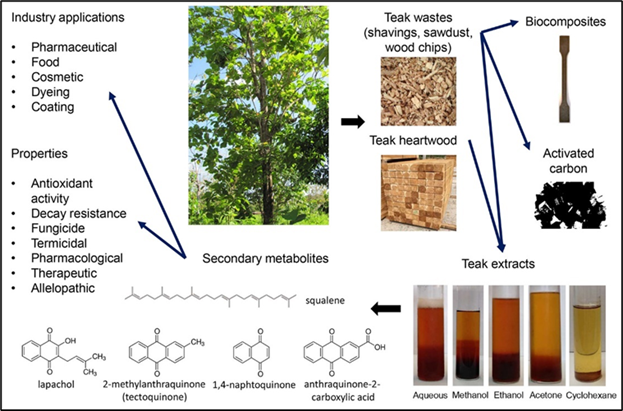
Fig No: 2 Chemical constituents present in Tectona Grandis Linn
Punica granatum Linn most commonly known as “Pomegranate peel” have historically been regarded as agricultural trash. Recent research, however, has shown that it has the potential to be a rich source of bioactive substances with a variety of pharmacological effects.[6] Pomegranate is a fruit that is commonly utilised in folk medicine. Pomegranate peel has a favourable effect on skin wound healing.[7]Pomegranate peel's exceptional bioactivity is attributed to its abundance of vitamins, dietary fibre, polyphenols, and antioxidants. Because pomegranate peel contains phytochemicals such gallic acid, ellagic acid, and punicalagin, studies have shown that it has anti-inflammatory, cardioprotective, wound-healing, anticancer, and antibacterial qualities.[6]
Traditional uses: Pomegranate peel is suggested as a remedy for common health issues by a number of civilisations and traditions in both the developed and developing nations. Aqueous Pomegranate peel extract is typically made by boiling for 10 to 40 minutes. In addition to being used as an enema, the extract has been used to treat dental plaque, diarrhoea, and dysentery. In the Indian Subcontinent, dried pomegranate peel and plant bark have also been used to cure diarrhoea, intestinal worms, bleeding noses, and ulcers.[8] Historically, pomegranates have been utilised to treat a wide range of illnesses in many medical systems.[9] Pomegranates and their derivatives have long been used to cure a variety of illnesses. This priceless plant was utilised by traditional healers in Islamic and Iranian medicine in a variety of formulations and application forms for a broad range of ailments. For ailments like skin conditions, reproductive issues, gastrointestinal issues, infectious infections, and respiratory issues, they used various plant parts, mostly fruit peels, fruit juice, and flowers. This astringency is linked by modern medicine to the presence of tannins and other phenolic compounds. Pomegranates and their derivatives have long been used to cure a variety of illnesses.[6] Pomegranates are used as a "blood tonic" in Ayurvedic medicine to treat erectile dysfunction, diabetes, diarrhoea, ulcers, aphthae, dental conditions, and UV radiation.[9]
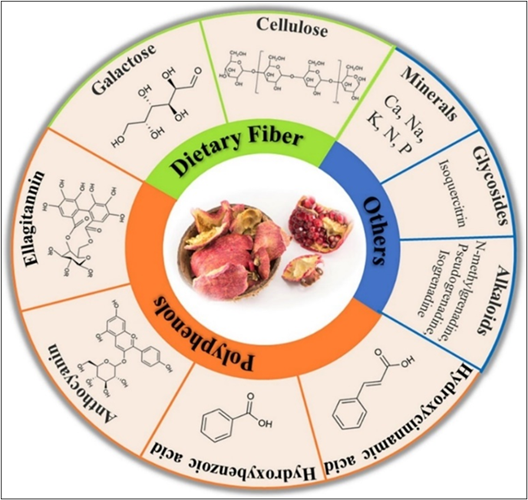
Fig No: 3 The main chemical constituents present in pomegranate peel.
REVIEW OF LITERATURE
1. A. Al Mamun et al. (2024)
The study of A.AI Mamun et al includes the “Recent advances in molecular mechanisms of skin wound healing and its treatment.” In the study its was described that the complex biological and molecular mechanisms of wound healing, including haemostasis, inflammation, proliferation, and remodeling highlights new therapeutic strategies to enhance the healing process.
2. G. Misal, G. Dixit, and V. Gulkari (2012)
The study of G.Misal, G. Dixit, and V. Gulkari includes the “Formulation and evaluation of herbal gel.” The study was focused on advantages of gels as topical drug delivery systems. It was demonstrated that gels allow faster drug release and improved patient compliance compared to creams and ointments.
3. A. Bora, S. Deshmukh, and K. Swain (2014)
The study of A. Bora, S. Deshmukh, and K. Swain includes the “Recent advances in semisolid dosage form.” The study involved review of semisolid formulations like gels and ointments. The advantages such as enhanced spreadability, localized action, and avoidance of first-pass metabolism were explained.
4. J. Prakash (2025)
The study of J. Prakash was on the topic “International Journal of Pharmaceutical Sciences Review.” The discussion involved the emphasized growing importance of herbal formulations for wound management and also bioactive plant compounds with anti-inflammatory and antimicrobial properties were discussed.
5. N. Khera and S. Bhargava
The study of N. Khera and S. Bhargava was about the “Phytochemical and pharmacological evaluation of Tectona grandis Linn.”And in the discussion it was reported that Tectona grandis (Teak) leaves contain bioactive compounds like flavonoids and phenolics that possess wound healing, antibacterial, and antioxidant properties.
6. Singh et al ( Oct. 03, 2023)
The study of Singh et al was about the “Pomegranate Peel Phytochemistry, Pharmacological Properties, Methods of Extraction, and Its Application: A Comprehensive Review,” and the chemical constituents its pharmacological properties method of extraction and also various applications were discussed.
AIM AND OBJECTIVES
Aim: To Formulate and Evaluate a Topical Herbal Gel for wound healing potential.
Objective:
PLAN OF WORK
Review of literature.

Selection of Topic.

Collection and Authentication of the Plant material

Preparation of the Plant extract

Phytochemical Screening of Plant Extract along with the Study of Antimicrobial activity.

Formulation of Herbal Gel

Evaluation of prepared Herbal Gel Formulation

Result

Conclusion and Reference
METHOD AND MATERIAL
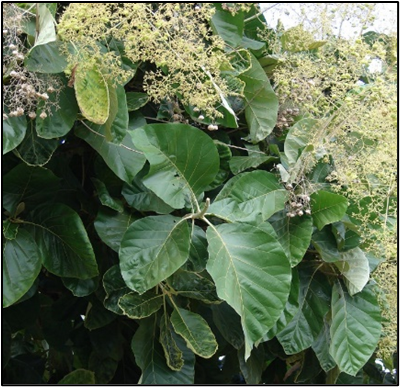
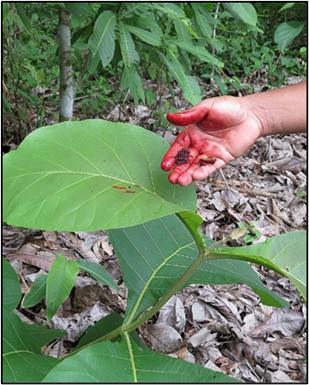
Fig No:4 Tectona Grandis Linn Fig No: 5: Speciality of redness
Synonym: Teak(English), Sagwan(Hindi).
Biological Source: It is obtained from the dried leaves, bark wood and roots.[5]
Family: Verbenaceae.
Morphology:This deciduous tree can grow up to 30-40 meters tall, with branches and braces at the base of older trees. The bark is light grayish-brown. The leaves are huge, glossy, opposite, and elliptical. The lower surface of the leaf is grey and coated in glandular hairs. The blooms are tiny, white, and bisexual, emerging in huge panicles.
It has the fruit as a green, hairy, woody, and irregularly spherical drupe. The tree, found in South Asian countries, contains medicinal characteristics in its root, bark, blossoms, wood, and oil.[10]
Chemical Constituents: Phytochemicals such as alkaloids, glycosides, saponins, steroids, flavonoids, phenolic compounds, and terpenoids are present . It has been stated that Tectona grandis (Sakha) contains fatty, fatty acids, volatile oils, proteins, and carbs. The three chemical ingredients with the most efficacy and potency for treating scars and wounds are alkaloids, flavonoids, and phenolic compounds.[11]
Uses: Tectona grandis contains components that help cure scars and wounds, making it a great natural treatment for scars from acne, surgery, burns, wounds, hyperpigmentation, dryness, swelling, wound healing, skin rashes, and sunburns.
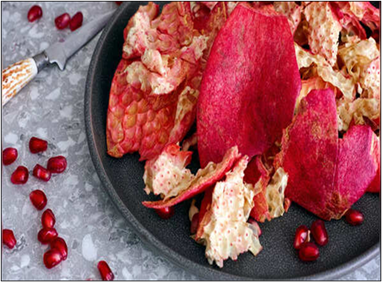
Fig No: 6 Punica Granatum Linn
Synonym: Pomegranate Pericarp/ shell(English), Punica Granatum Skin.
Biological Source: It is obtained from the pericarp, or dried or fresh, of the Punica granatum Linn fruit.
Family: Punicaceae.
Morphology: Pomegranate peels contain a lot of bioactive compounds and make up around 26–30% of the fruit’s weight. The characterisation and physiological roles of the main bioactive substances found in pomegranate peel are briefly reviewed in this research, along with a thorough evaluation of their impact on human health. [12] Colour of the peel is red depending on the phenolic content in it. Average size of pomegranate is 6- 13cm. It is firm, leathery texture, and has rich composition of bioactive compounds.
Chemical constituents: Pomegranate peel’s primary chemical constituents include phenolic acids, flavonoids, and tannins. Other bioactive materials like vitamins, minerals, and alkaloids are also listed, along with dietary fibre.[12] Numerous phytochemicals, such as tannins, steroids, phenolics, alkaloids, flavonoids, terpenoids, and saponins, are present in pomegranate peel extract (PPE). P-coumaric acid, syringic acid, benzoic acid, ellagic acid, caffeic acid, cinnamic acid, protocatechuic acid, isoferulic acid, and quinic acid are among the polyphenolic ingredients.[6]
Uses: Pomegranate peel shows wound healing activity, anti-inflammatory, cardioprotective, anticancer, and antibacterial qualities due to the compounds it contains.[6]
EXPERIMENTAL WORK
Extraction Process:
Cold maceration is a technique for extracting soluble elements from crude pharmaceuticals by immersing them in a suitable solvent at room temperature without using heat.
1. Dry and powder the Tectona grandis leaves.
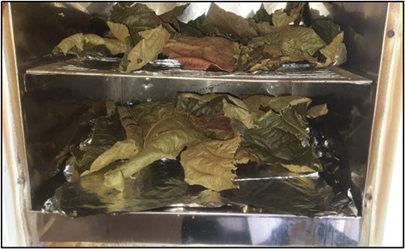
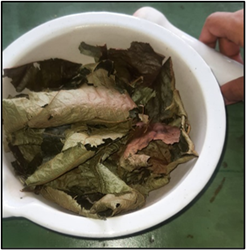
Fig No:7 Drying of leaves in Hot air oven. Fig No: 8 Trituration
2.Dry and powder Pomegranate peel.
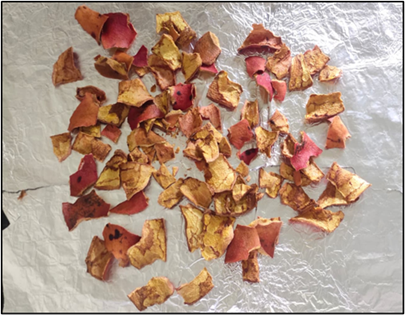
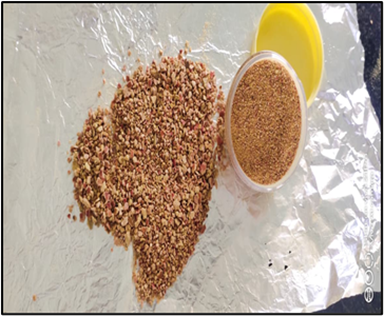
Fig No: 9 Drying of pomegranate peel. Fig No: 10 Powder .
3. Weigh 30gm tectona grandis leaves(powder)as well as 30gm of pomegranate peel (powder). A cold ethanolic extraction should be performed by taking 70% ethanol in 2 beakers each containing 300ml ethanol respectively. Cold maceration was kept for about 48-72 hrs.
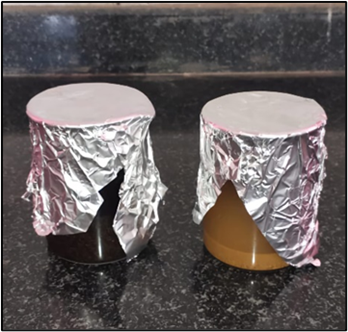
Fig No: 11 Cold Maceration.
PHYTOCHEMICAL SCREENING OF THE EXTRACT:
A) Tests for Alkaloids:
TABLE NO 2: TESTS FOR ALKALOIDS.
|
Sr No. |
Test Name |
Test |
Inference |
|
1 |
Dragendroff's Test |
To 2 -3 ml filtrate add few drops of dragendorff's Reagent |
Orange brown ppt formed |
|
2 |
Mayer's Test |
To 2-3 ml filtrate add few drops of mayers reagent |
ppt formed |
|
3 |
Hager's Test |
To 2-3 ml filtrate add few drops of hagers reagent |
brown ppt |
|
4 |
Wagner's Test |
To 2-3 ml filtrate add few drops of wagners reagent |
Reddish brown ppt |
|
5 |
Tannic Acid Test |
To 2-3 ml filtrate add few drops of tannic acid Reagent |
Buff Coloured ppt |
|
6 |
Picrolonic Acid Test |
To 2-3 ml filtrate add few drops of picrolonic acid |
Yellow ppt |
B) Tests for Tannins and Phenolic Compounds:
TABLE NO 3: TESTS FOR TANNINS AND PHENOLIC COMPOUNDS.
|
Sr No. |
Test Name |
Test |
Inference |
|
1 |
5 % FeCl3 Solution |
In 2-3 ml of Extract add few drops of 5% FeCl3 Solution . |
Deep black-blue solution |
|
2 |
Lead Acetate Test |
In 2-3 ml of Extract add few drops of Lead acetate Solution . |
White ppt |
|
3 |
Gelatin Solution Test |
In 2-3 ml of Extract add few drops of Gelatin Solution . |
White ppt |
|
4 |
Bromine Water Test |
In 2-3 ml of Extract add few drops of Bromine water. |
Decolouration of bromine water |
|
5 |
Acetic Acid Solution Test |
In 2-3 ml of Extract add few drops of Acetic acid Solution . |
Red colour solution |
|
6 |
Dil HNO3 Test |
In 2-3 ml of Extract add few drops of Dil HNO3 Solution . |
Red colour solution |
C) Tests for Flavonoids:
TABLE NO 4: TESTS FOR FLAVONOIDS.
|
Sr No. |
Test Name |
Test |
Inference |
|
1 |
To small amount of residue add lead acetate solution |
To a small quantity of residue, add lead acetate solution. |
Yellow coloured ppt |
|
2 |
Sulphuric Acid Test |
To small amount of extract add sulphuric acid. |
Red colour observed |
D) Test for saponins:
TABLE NO 5: TESTS FOR SAPONINS.
|
Sr No. |
Test Name |
Test |
Inference |
|
1 |
Foam Test |
Shake the drug extract vigorously with water. |
Persistent stable foam formed. |
E) Test for Steroids:
TABLE NO 6: TESTS FOR STEROIDS.
|
Sr No. |
Test Name |
Test |
Inference |
|
1 |
Salkowski Reaction |
To 2ml of extract, add 2ml chloroform and 2ml conc.H2SO4. Shake well. |
Chloroform layer appears red and acid layer shows fluorescence. |
Procedure for the Antimicrobial Activity:
1. Sterilization of Glass ware: Petri plates are rinsed with tap water, and cleaned with alcohol swabs..Than wrapped in paper and place it in the hot air oven for sterilization for a specific period of time. All glasswares are also kept for sterilization of a specific period of time.
2. Preparation of Media: To produce bacterial media, weigh nutritional agar and mix with water. Gently boil the medium to dissolve the agar. The amount of agar and water needed is estimated using the stated standard (13 g in 1000 ml).To produce fungal media, weigh Sabouraud dextrose agar and mix with water. Gently boil the medium to dissolve the agar. The amount of agar and water required is estimated using the specified standard (65 g in 1000 ml).
3. Sterilization of Media: Both mediums are autoclaved for 20 minutes.
4. Petri plate preparation: It involves evenly distributing the material into Petri plates after it has been sterilized.
5. Microorganism inoculation: The spread plate method is used to introduce both bacteria and fungi into the media (by distributing the bacteria across the media with a spreader).
6. Wells or cups in the agar wells are made with a sterile cork borer.
7.Addition of test substance: Using a micropipette, the test substance is added to the wells or cups in varying amounts. To check the solvent's zone of inhibition (ZOI), add a control solution to a different Petri plate.
8. Incubation: Various time periods are used to incubate the bacterial and fungal species.
Bacterial species: kept in an incubator at 37°C for 24 to 48 hours. Fungal species: kept in an incubator at 37°C for seven days.
9. Zone of Inhibition: The diameter of the clear area surrounding the well is used to calculate the zone of inhibition.
FORMULATION WORK:
Excepients used in the formulation:
For a gel base Carbopol 934 was used. It is a gelling agent which works as the base for the formulation. A synthetic carbomer-based polymer is called carbopol. A microgel structure made of cross-linked carbomer polymers is helpful in dermatological applications. Since the structure of microgels depends on neutralisation due to the anionic nature of these polymers, organic amines such as triethanolamine are employed for this purpose.[13]
Gels were prepared by gently dispersing the polymer (Carbopol 934) into a known volume of water while continuously swirling with a magnetic stirrer to ensure that there were no lumps in the mixture.
Methyl Paraben and Propyl Paraben were used as antimicrobial preservatives in order to prevent the growth of bacteria and fungi. It also increases the shelf life of the formulation.
Antioxidants used such as vitamin E. For providing necessary cooling effect Menthol is used.
For balancing the PH of the formulation, Triethanolamine can be added.
The pH of the skin is typically acidic, ranging from 4 to 6, whereas the pH of the body's internal environment is kept close to neutral (7 to 9).[14]
Punica granatum linn peel which is the API in this experimental work its extract itself gives the moituring effect.
PROCEDURE:
FORMULATION TABLE:
TABLE NO 7: Formulation table.
|
Sr No. |
Ingredients |
Quantity( F1) |
Quantity (F2) |
Quantity (F3) |
Role. |
|
1 |
Tectona Grandis Linn |
10 ml |
5 ml |
Leaf extract |
|
|
2 |
Punica Granatum Linn |
- |
10 ml |
5 ml |
peel extract |
|
3 |
Carbopol 934 |
1.2 gm |
1.2 gm |
1.2 gm |
Gel forming agent |
|
4 |
Methyl Paraben |
0.075 gm |
0.075 gm |
0.075 gm |
Preservative |
|
5 |
Propyl Paraben |
0.075 gm |
0.075 gm |
0.075 gm |
Preservative |
|
6 |
Triethanolamine |
QS |
QS |
QS |
To adjust Ph |
|
7 |
Menthol |
QS |
QS |
QS |
Cooling effect |
|
8 |
Vitamin-E |
0.16 ml |
0.16 ml |
0.16 ml |
Antioxidant |
|
9 |
Distilled water |
QS |
QS |
QS |
Vehicle |
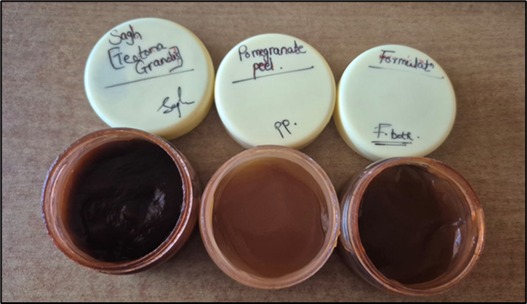
Fig no : 12 formulation
EVALUATION PARAMETER’S
I. Organoleptic Properties:
a) Colour: The colour of the formulation was checked visually.
b) Consistency: The consistency of the formulation was checked by applying on skin whether the the formulation is greasy or not.
c) Odour: The formulation was evaluated on the basis of its odour.
d) Nature: Homogenous or not.
II. Measurement of pH: The pH was determined by using digital pH meter. The pH meter should be calibrated firstly. Dissolve 1 gm gel in 10 ml of distilled water and store for 2 hrs and than the pH was measured.
III. Viscosity: The viscosity of all the 3 formulations was evaluated and noted in cps using Brookfield viscometer.
IV. Spreadability: Spreadability is expressed in terms in terms of time in seconds taken by two slides to slip from gel that is placed in between the slides under the certain load. Lesser the time taken for the separation of two slides, the better is the spreadability.
The formula to calculate spreadability is:
Spreadability (S) = M × L/T
Where M = weight
L = length of glass slide
T = time taken to separate the slides
V. Skin Irritation test: To check if any erythema(redness), edema(swelling) or any other adverse reactions were observed or not.
VI. Washability: To check if after rinsing the hand remains greasy or the gel gets washed off easily.
RESULTS AND DISCUSSION:
1. Result of Phytochemical Screening Tests:
A) Tests for Alkaloids:
TABLE NO 8 : TESTS FOR ALKALOIDS.
|
Sr No. |
Test |
Inference ( Tectona Grandis Linn ) Positive ( + ) , Negative ( - ) |
Inference ( Punica Granatum Linn ) Positive ( + ) , Negative ( - ) |
|
1 |
Dragendroff's Test |
+ |
+ |
|
2 |
Mayer's Test |
- |
+ |
|
3 |
Hager's Test |
- |
+ |
|
4 |
Wagner's Test |
+ |
+ |
|
5 |
Tannic Acid Test |
- |
- |
|
6 |
Picrolonic Acid Test |
+ |
+ |
B) Tests for Tannins and Phenolic Compounds:
TABLE NO 9 : TESTS FOR TANNIS AND PHENOLIC COMPOUNDS.
|
Sr No. |
Test |
Inference (Tectona Grandis Linn) Positive (+) , Negative (-) |
Inference ( Punica Granatum Linn ) Positive ( + ) , Negative ( - ) |
|
1 |
5 % FeCl3 Solution |
+ |
+ |
|
2 |
Lead Acetate Test |
- |
+ |
|
3 |
Gelatin Solution Test |
- |
- |
|
4 |
Bromine Water Test |
+ |
+ |
|
5 |
Acetic Acid Solution Test |
- |
+ |
|
6 |
Dil HNO3 Test |
- |
+ |
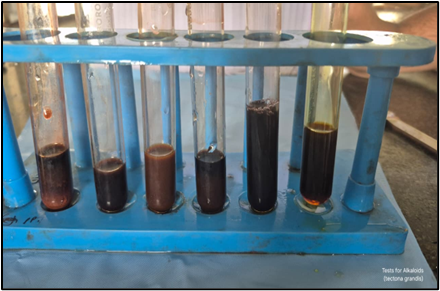
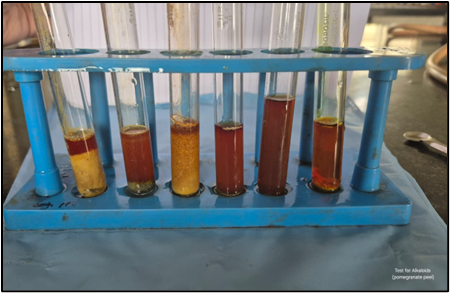
Fig No: 13 tests for Alkaloids Fig No: 14 Tests for Alkaloids
(Tectona Grandis leaves). (Punica Granatum peel).
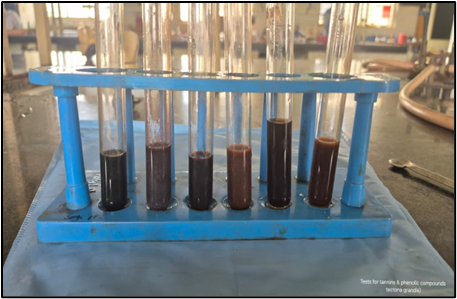
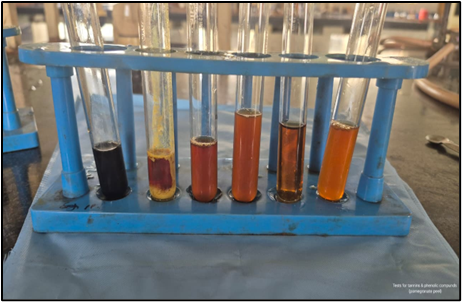
Fig No: 15 Tests for Tannins Fig No: 16 Tests for Tannins
(Tectona Grandis leaves). (Punica Granatum peel).
C) Tests for Flavonoids:
TABLE NO 10 : TESTS FOR FLAVONOIDS.
|
Sr No. |
Test |
Inference (Tectona Grandis Linn) Positive (+) , Negative (-) |
Inference (Punica Granatum Linn) Positive (+) , Negative (-) |
|
1 |
To small amount of residue add lead acetate solution |
+ |
+ |
|
2 |
Sulphuric Acid Test |
+ |
+ |
D) Test for saponins:
TABLE NO 11 : TESTS FOR SAPONINS.
|
Sr No. |
Test |
Inference ( Tectona Grandis Linn ) Positive ( + ) , Negative ( - ) |
Inference ( Punica Granatum Linn ) Positive ( + ) , Negative ( - ) |
|
1 |
Foam Test |
+ |
+ |
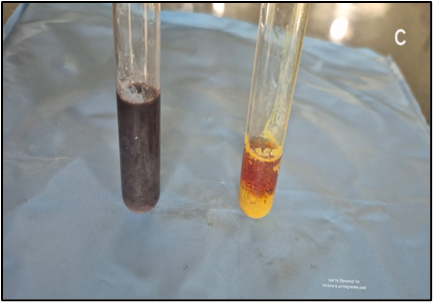
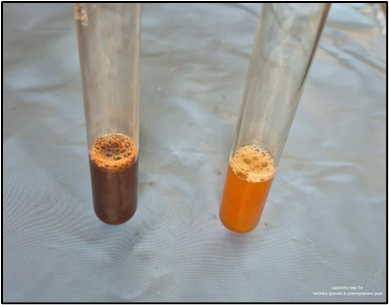
Fig No: 17 Tests for flavonoids(for both). Fig No: 18 Tests for saponins(for both).
E) Test for Steroids:
TABLE NO 12 : Tests for Steroids.
|
Sr No. |
Test |
Inference ( Tectona Grandis Linn ) Positive ( + ) , Negative ( - ) |
Inference ( Punica Granatum Linn ) Positive ( + ) , Negative ( - ) |
|
1 |
Salkowski Reaction |
+ |
+ |
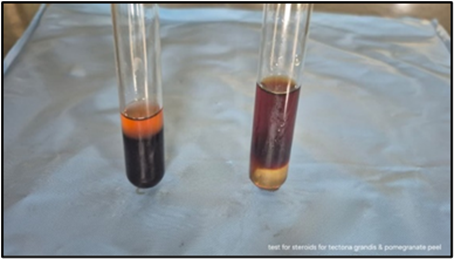
Fig No 19: Tests for Steroids for both:
2. Result of Antimicrobial Activity: OBSERVATION TABLE:
1. E-Coli. (Tectona Grandis linn leaves Extract)
TABLE NO 13: Observation table (E-Coli)
|
Circles |
Diameter (cm) |
Radius (cm) |
Area.(sqcm) |
Total area |
|
1 |
1.2 cm |
0.6 cm |
1.13 |
|
|
2 |
1.3 cm |
0.65 cm |
1.33 |
|
|
3 |
1.6 cm |
0.80 cm |
2.01 |
15.69 sq cm |
|
4 |
1.7 cm |
0.85 cm |
2.27 |
|
|
5 |
1.8 cm |
0.90 cm |
2.54 |
|
|
6 |
1.9 cm |
0.95 cm |
2.83 |
|
|
7 |
1.9 cm |
0.95 cm |
2.83 |
2. E-Coli (Punica Granatum linn peel Extract)
TABLE NO 14: Observation table (E-Coli)
|
Circles |
Diameter (cm) |
Radius (cm) |
Area.(sqcm) |
Total area |
|
1 |
1.3 cm |
0.65 cm |
1.327 |
|
|
2 |
1.4 cm |
0.70 cm |
1.539 |
|
|
3 |
1.7 cm |
0.85 cm |
2.27 |
16.166 sq cm |
|
4 |
1.8 cm |
0.90 cm |
2.54 |
|
|
5 |
1.9 cm |
0.95 cm |
2.83 |
|
|
6 |
1.9 cm |
0.95 cm |
2.83 |
|
|
7 |
1.9 cm |
0.95 cm |
2.83 |
3. E-Coli ( combination of both extracts)
TABLE NO 15: Observation table (E-Coli)
|
Circles |
Diameter (cm) |
Radius (cm) |
Area.(sqcm) |
Total area |
|
1 |
2.0 cm |
1.0 cm |
3.14 |
|
|
2 |
2.2 cm |
1.1 cm |
3.80 |
|
|
3 |
2.2 cm |
1.1 cm |
3.80 |
28.09 sq cm |
|
4 |
2.3 cm |
1.15 cm |
4.15 |
|
|
5 |
2.3 cm |
1.15 cm |
4.15 |
|
|
6 |
2.3 cm |
1.15 cm |
4.15 |
|
|
7 |
2.5 cm |
1.25 cm |
4.90 |
1. Aspergillus niger (Tectona Grandis linn leaves Extract)
TABLE NO 16 : Observation table (Aspergillus niger)
|
Circles |
Diameter (cm) |
Radius (cm) |
Area.(sqcm) |
Total area |
|
1 |
1.0 cm |
0.5 cm |
0.785 |
|
|
2 |
1.1 cm |
0.55 cm |
0.949 |
|
|
3 |
1.2 cm |
0.6 cm |
1.13 |
9.02 sq cm |
|
4 |
1.3 cm |
0.65 cm |
1.32 |
|
|
5 |
1.3 cm |
0.65 cm |
1.32 |
|
|
6 |
1.5 cm |
0.75 cm |
1.76 |
|
|
7 |
1.5 cm |
0.75 cm |
1.76 |
2. Aspergillus niger (Punica Granatum linn peel Extract)
TABLE NO 17 : Observation table (Aspergillus niger)
|
Circles |
Diameter (cm) |
Radius (cm) |
Area.(sqcm) |
Total area |
|
1 |
1.0 cm |
0.5 cm |
0.785 |
|
|
2 |
1.1 cm |
0.55 cm |
0.949 |
|
|
3 |
1.2 cm |
0.6 cm |
1.13 |
9.504 sq cm |
|
4 |
1.3 cm |
0.65 cm |
1.32 |
|
|
5 |
1.3 cm |
0.65 cm |
1.32 |
|
|
6 |
1.6 cm |
0.80 cm |
2.00 |
|
|
7 |
1.6 cm |
0.80 cm |
2.00 |
3. Aspergillus niger ( combination of both extracts)
TABLE NO 18 : Observation table (Aspergillus niger)
|
Circles |
Diameter (cm) |
Radius (cm) |
Area (sq cm) |
Total area |
|
1 |
2.2 cm |
1.1 cm |
3.79 |
|
|
2 |
2.2 cm |
1.1 cm |
3.79 |
|
|
3 |
2.2 cm |
1.1 cm |
3.79 |
29.09 sq cm |
|
4 |
2.3 cm |
1.15 cm |
4.15 |
|
|
5 |
2.3 cm |
1.15 cm |
4.15 |
|
|
6 |
2.4 cm |
1.2 cm |
4.52 |
|
|
7 |
2.5 cm |
1.25 cm |
4.90 |
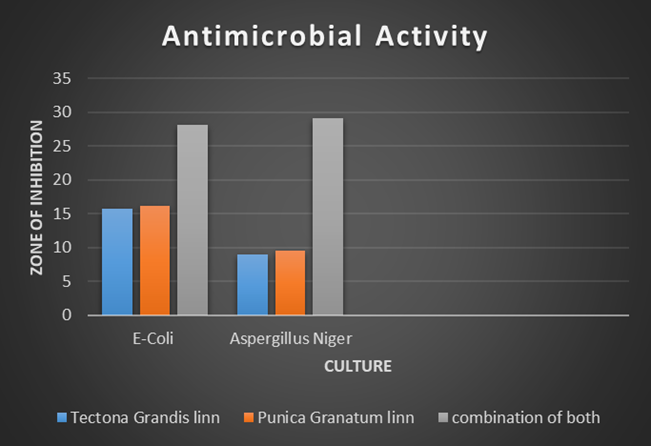
Fig No: 20 Zone of Inhibition.
More the zone of Inhibition, the more is the Antimicrobial activity
The Antimirobial activity was proved using
We came to know that the Punica granatum linn peel extract present in the bacterial culture (Ecoli) and the fungal culture ( Aspergillus niger )shows a good zone of inhibition as compared to the tectona grandis leaves extract. But when these both extracts were used as a combination it showed an excellent antimicrobial activity. Thus the formulated topical herbal gel passes the test.
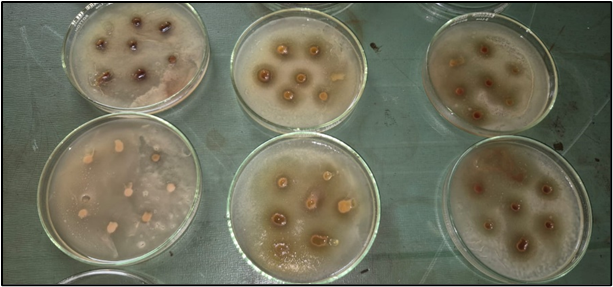
Fig No: 21. Antimicrobial study.
3. Result of Evaluation Parameters:
TABLE NO 19: Organoleptic parameters.
|
Formulation |
Colour |
Consistency |
Odour |
|
F1 |
Brown |
Non greasy |
Characteristic |
|
F2 |
Yellowish |
Non greasy |
Characteristic |
|
F3 |
Reddish Brown |
Non greasy |
Characteristic |
TABLE NO 21: Viscocity.
|
Formulation |
Viscocity |
|
F1 |
6200 cp |
|
F2 |
5900 cp |
|
F3 |
6700 cp |
TABLE NO 20: Measurement of pH.
|
Formulation |
pH |
|
F1 |
6.5 |
|
F2 |
6.2 |
|
F3 |
6.5 |
TABLE No 22: Spreadability.
|
Formulation |
Spreadability |
|
F1 |
6.6g .cm/sec |
|
F2 |
6.6g .cm/sec |
|
F3 |
6.6g .cm/sec |
V. Skin Irritation test: No edema or erythema was observed in any of the formulation. Hence all the formulation passes Skin irritation test.
VI. Washability: The gel was washed off easily. Hence all the formulation passes the wasability test.
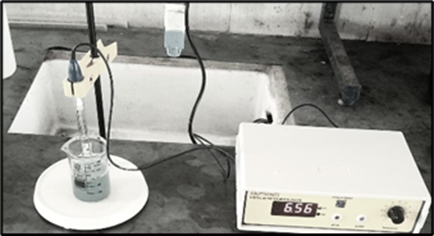
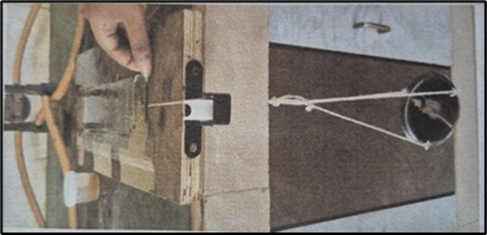
Fig No: 22. PH measurement Fig No: 23. Spreadibility
CONCLUSION
The present study aimed to formulate and evaluate a topical herbal gel with Tectona grandis Linn and Punica granatum Linn extracts for their capacity to promote wound healing. The gel's durability and convenience of use were demonstrated by its favourable physicochemical properties, which included an appropriate pH, homogeneity, viscosity, and acceptable spreadability.
The presence of bioactive components such as tannins, flavonoids, and phenolic compounds which are known to improve the wound-healing process due to their antibacterial, anti-inflammatory, and antioxidant qualities was verified by phytochemical analysis. Long-term formulation stability and sustained release were shown by in vitro drug release and stability experiments.
The wound-healing evaluation further confirmed that the herbal gel accelerated wound contraction and epithelialization compared to control formulations.
Therefore, it can be concluded that the developed herbal gel provides a safe, effective, and natural alternative to conventional synthetic wound-healing agents and holds promising potential for future therapeutic and clinical applications.
REFERENCES
Muskan Tajuddin Rajiwate, Formulation and Evaluation of Topical Herbal Gel for Wound Healing Potential, Int. J. of Pharm. Sci., 2026, Vol 4, Issue 1, 2166-2184. https://doi.org/10.5281/zenodo.18330209
 10.5281/zenodo.18330209