
View Article

Abstract

Glutathione is a Potential antioxidant and its reduced form ( GSH) has a good skin- Whitening effect in humans through its tyrosinase inhibitory activity. Glutathione is a available in topical, Oral and injectable formulation. Topical and Oral forms are Considered to be safe. Intravenous form did not prove its safety and efficacy to till date. Hyperpigmentary disorders, including melisma, are challenging to treat. Glutathione has anti-melanogenic and antioxidant properties, which led to its use as a skin-lightening agent. Glutathione is a low molecular weight Thiel-tripeptide that plays a prominent role in maintaining intracellular redox balance. In addition to its remarkable antioxidant properties, the discovery of its ant melanogenic properties has led to its promotion as a skin-lightening agent. This narrative review aims to evaluate the efficacy and safety of oral, topical,and intravenous glutathione in skin-lightening therapies:

Keywords

Glutathione, Skin Lightening, Dermatologist and Hyperpigmentation, Depigmenting

Introduction

Desire to attain skin tone lighter or fairer complexion in adults is  increasing day by day.  This craze exploiting the implication of topical skin Lightening agents and therapies containing hydroquinone, alpha and beta hydroxylases, tretinoin, arbutin,  VitaminC serum, soy extract.

Glutathione peptide is an antioxidant and is a Combinations of three amino acids glutamate, cystine, and glycine Which detoxifies xenobiotics. As a skin Lightening agents, glutathione inhibits tyrosinase enzymes which helps in synthesis of melanin. It also modifies the production of eumelanin ( produce dark brown colour), Leads to Lightening of skins The role of skin color in daily life is important, especially for women, as it may become one's charm. Its sociopsychological significance may exceed its biological function, even to the extent of causing cosmetic problems, resulting in lower quality of life and one's self-esteem. White-skinned individuals tan their skin, while dark skinned individuals seek various ways to brighten their skin. lighter skin tone has been considered a superior trait in most races, especially in women of Asian or African descent who have Fitzpatrick skin types IV–VI. Fair skin is a prevalent aesthetic and cultural preference, particularly in many regions of Asia and Africa. Products designed to achieve this are widely used, primarily aimed at minimizing hyperpigmentation, reducing dark spots, and achieving uniform skin tone. The concentration of Glutathione, a tripeptide (glutamic acid, glycine, and cysteine) is around 5 millimolar in most cells.[3] Glutathione exists in 2 forms in human body- reduced and oxidized. The ratio of oxidized and reduced Glutathione determines the redox status of the cell. The ratio is >100 in a healthy cell and it drops to 1 to 10 in cells exposed to oxidant stress.[4] The availability of Glutathione in body depends on three energy dependent processes which involves de novo synthesis, reduction of the oxidized form and then recycling of cysteine from conjugated Glutathione.[3] Reduced glutathione (GSH) is the main low-molecularweight thiol-containing tripeptide present in almost all living cells ranging from bacteria to mammals. It was discovered 130 years ago in baker's yeast (Saccharomyces cerevisiae). Initially named as “philothion,” many works have tried to establish and elucidate its pivotal role in aerobic life.[1] Glutathione exists in a reduced form (GSH) and an oxidized form (GSSG).Glutathione is available naturally in fresh leafy vegetables, Walnuts, Orange, Whey protein, tomatoes and fresh fruits. Glutathione is available in different formulation like topical, Oral and injectable. The major limitations of these studies included were small sample size consisting of healthy Volunteers, extremely short study periods with an even shorter follow- up and Lack of measurement of Blood Levels of Glutathione.The investigators also did not estimate baseline or post- treatment renal or thyroid function of the Subjects, both of which were reported to be adversely affected by IV glutathione. Glutathione is a ‘ magical skin Whitening ‘ molecules in Countries like the  republic of Philippines. Glutathione compared to placebo, with no adverse drugs effects. In India, Central Drug Standard Control Organization (CDSCO) has approved Glutathione for intravenous use in cases of alcoholic fatty liver, alcoholic liver fibrosis, alcoholic cirrhosis, and alcoholic hepatitis while Food and Drug Administration (FDA) The dose and duration of treatment by oral

Glutathione varied in all the three studies.[12], [13], [14] Because of its antioxidant properties, it is also being used by some dermatologists for allergic disorders of the skin like eczema. The main objective of the study was to analyze the usage pattern of Glutathione by dermatologists in India from their clinical experience.

BIOCHEMISTRY OF GLUTATHIONE :

  • Neutralizing reactive oxygen species ( ROS)
  • Supporting detoxification pathways
  • Regulating immune functions
  • Protecting Cells from Oxidative stress 

Within skin physiology, glutathione supports cellular repair, maintain redox balance, and influences melanogenesis, which contributes to its proposed roles in skin- Lightening application.

UPDATE ON GLUTATIONE AS SKIN- LIGHTENING AGENTS : 

There were only few published studies that evaluated the efficacy of Oral, topical and parental glutathione as a skin Whitening agents. Two trails were conducted on oral GSH conducted in Thai population by Arjinpathana and in Filipino Women by Handogbet et al, 

 STRUCTURE:
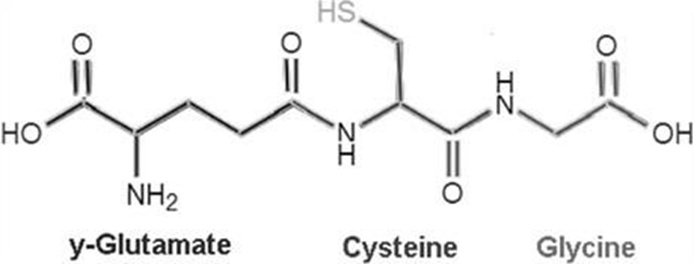
Figure 1 : Structures  of Glutathione

PHARMACEUTICAL  FORMULATION OF GLUTATHIONE :

  1. Oral Formulation :Available as Pills, Capsules, Lozenges, Solutions, Syrups and sprays. 
      1. Liposomal Glutathione.
      2. Sublingual or Buccal Tablets.
      3. Stabilized Oral Forms.
  2. Parenteral Preparations: Administered via injections to achieve rapids onset and higher therapeutics Levels in the Bloodstream. These includes : 
      1. Intravenous injection s ( IV ):
      2. Intramuscular injections: 
      3. Lyophilized Powders for  Injections :
  3. Topical Formulation: Applied directly to the skin for Localized effects, most commonly for Skin Lightening or anti- aging.
      1. Creams, Lotions, Face washes, Soaps and Chemical Peels are available. 
  4. Others Routes of Administrations :
      1. Inhaled or Nebulized Solutions :
      2. Intranasal Formulations :
      3. Transdermal Patches or Films : 

MATERIALS AND METHODS:

A questionnaire-based study was conducted from October 2023- December 2023. The study protocol was approved by the Institutional Ethics Committee for Biomedical and Healthcare Research. Apart from the relevant demographic details, the responders were requested to answer a total of 16 questions. These questions were related to indications, administration, safety, and adverse events associated with Glutathione therapy. Data entry was done in Microsoft Excel and descriptive statistics was applied. Categorical data were analyzed by frequency and percentages while continuous data were represented as mean with standard deviation. After incorporation of their suggestions and approval,

validated questionnaire using Google form was circulated through WhatsApp to practicing dermatologists and post-graduate dermatology residents in India. This narrative review employed a two-stage selection process to ensure the inclusion of relevant and high-quality studies. In the first stage, titles and abstracts of articles retrieved from databases such as PubMed and Google Scholar were screened. The review included clinical trials, observational studies, and reviews investigating the use of glutathione for skin lightening. Priority was given to randomized controlled trials (RCTs), cohort studies, case-control studies, and systematic reviews. Review articles summarizing evidence from multiple studies on glutathione were also incorporated to offer a broader perspective on its efficacy and safety. Studies were restricted to human subjects utilizing glutathione for body skin lightening, irrespective of the route of administration (oral, intravenous, or topical). 

TOPICAL GLUTATHIONE:

Glutathione is commercially available as face washes and creams. A randomized, double-blind, placebo-controlled clinical trial conducted in 30 healthy Filipino women aged 30–50 years has provided some evidence favouring the efficacy of topical 2% GSSG lotion in temporary skin lightening. Patients were randomized to apply glutathione as 2% GSSG lotion and a placebo lotion in a split-face protocol, twice daily for ten weeks. GSSG was preferred over GSH, as GSH is unstable in aqueous solutions. GSSG eventually generates GSH after cutaneous absorption. The changes in the melanin index, moisture content of the stratum corneum, skin smoothness, skin elasticity and wrinkle formation were objectively assessed. The reduction of the melanin index with glutathione was statistically significant when compared to placebo [Table - 1].[10] Glutathione treated areas had significant improvement in other parameters as well. No adverse drug effects were reported. Glutathione has also become available in the form of soaps, face washes and creams.[18] Recently, a glutathione based chemical peel has been launched. Although evidence of efficacy is lacking, the manufacturers claim improvement of melasma, hyperpigmentation and skin ageing.[19

Biological activity: The glutathione redox cycle : Glutathione exists in two interconvertible forms, reduced glutathione (GSH) and oxidized glutathione (GSSG). GSH is the predominant intracellular form, which acts as a strong antioxidant and defends against toxic compounds and xenobiotics. In this process, GSH is constantly oxidized to GSSG by the enzyme glutathione peroxidase.To maintain the intracellular redox balance, GSH is replenished through the reduction GSSG by glutathione reductase enzyme.
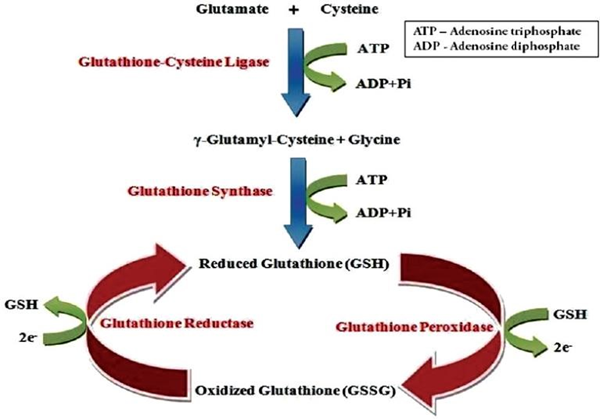
Figure 2. The glutathione redox cycle, demonstrating the inter-conversion of oxidized and reduced glutathione

GLUTATHIONE AND HUMAN PIGMENTATION :

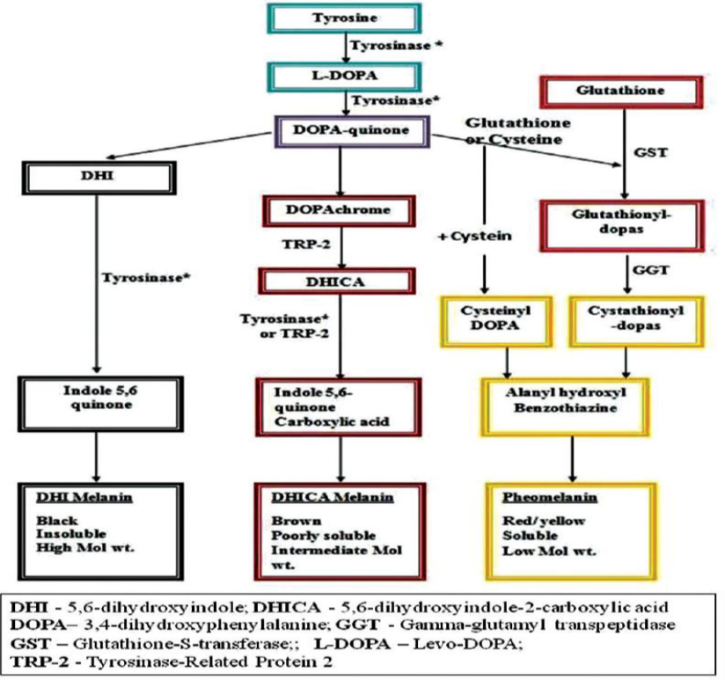
Melanin in human skin is a polymer of various indole compounds synthesized from L-tyrosine by the Raper–Mason pathway of melanogenesis [Figure - 2] with tyrosinase being the rate limiting enzyme. The ratio of the two different types of melanin found in skin, black-brown colored eumelanin and yellow-red pheomelanin, determines the skin colour.[9] An increased proportion of pheomelanin is associated with lighter skin colour.

Other potential adverse effects of glutathione

Since glutathione is a component of human cellular metabolism, the adverse effects seen with oral supplementation are expected to be mild, akin to high-dose vitamin supplements. The adverse effects of intravenous glutathione speculatively arise from the direct delivery of huge amounts of the molecule in the blood circulation. Other potential adverse effects of high dose and long-term glutathione supplementation include:
  • Lightening of hair colour: A logically expected effect since hair colour is dependent on the amount and type of melanin which may be altered by glutathione supplementation. This adverse effect has not yet been clinically reported
  • Hypopigmented patches, especially on sun-exposed areas have been observed after 10–12 doses of intravenous injection by practitioners (unpublished observations). Their experience suggested that the patchy hypopigmentation tended to resolve after 30-40 doses due to the evolution of a uniform skin-lightening effect
  • Depletion of natural hepatic stores of glutathione: Hypothetically, long-term supplementation with any external synthetic compound may signal the body to stop its own production resulting in dependence on synthetic supplements.[39] Depletion of liver glutathione levels (the site of glutathione storage) may be devastating to health. This hypothetical adverse effect, although not clinically reported until now, is analogous to the hypothalamic-pituitary axis suppression seen with long-term use of systemic corticosteroids
  • Exacerbation of Helicobacter pylori associated peptic ulcers: Helicobacter pylori is known to feed on macrophages and neutrophils abundant at the site of inflammation caused by the ulcer. As glutathione can improve the numbers and activity of macrophages, peptic ulcers may be exacerbated [40]
  • Increased susceptibility to melanoma: Theoretically, long-term administration of systemic glutathione switches eumelanin to pheomelanin, and may increase the susceptibility towards development of melanoma in the long run.[28] 

Figure:2

ROLE OF GLUTATHIONE IN SKIN DISORDERS OTHER THAN HYPERPIGMENTATION :

A decrease in the cellular and serum levels of glutathione has been speculated to be associated with the pathogenesis of autoimmune and inflammatory dermatoses that include psoriasis, vitiligo, alopecia areata, polymorphic light eruption, acne vulgaris, etc. [43],[44],[45],[46],[47] In addition, there is sufficient evidence demonstrating the importance of glutathione levels in the genesis of melanoma and related skin tumors.[48]
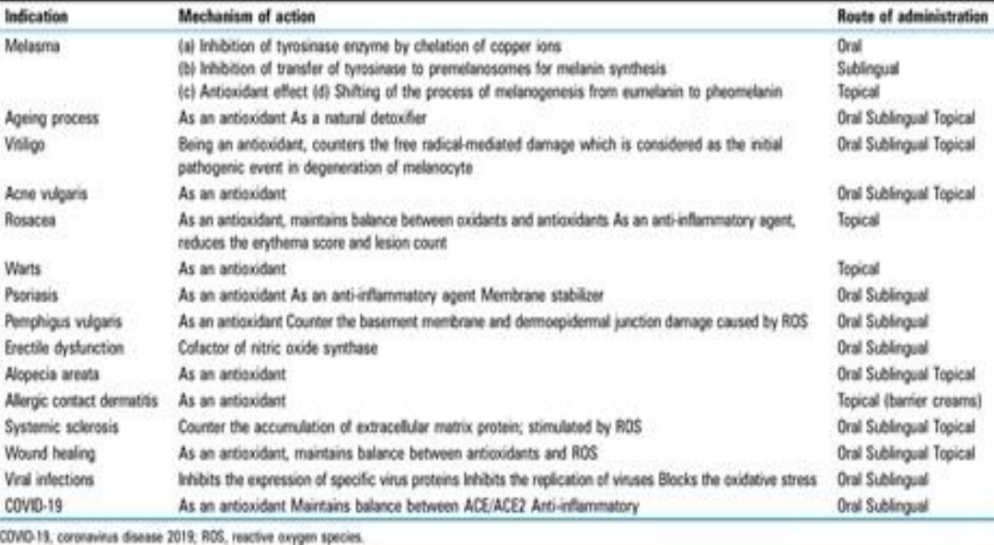
Figure 3. Summary of indications of glutathione, route of administration, and mechanism of action

RESULTS :

Efficacy of Glutathione Supplementation for Skin Lightening

Oral glutathione: Oral glutathione supplements have demonstrated mixed results in clinical studies, prompting further research to explore the effects of varying dosages, treatment durations, and individual factors [11]. A randomized, double-blind, placebo-controlled trial reported a significant reduction in melanin indices after four weeks of supplementation with 500 mg/day, particularly in sun-exposed areas [12]. However, Allen and Bradley reported no significant changes in melanin indices or oxidative stress biomarkers, emphasizing the variability in observed outcomes [13]. Scientists have investigated the potential of oral glutathione for overall skin lightening. In a randomized, double-blind, placebo-controlled trial, Arjinpathana and Asawanonda demonstrated that participants taking 500 mg of oral glutathione daily exhibited significantly lower melanin levels in sun-exposed areas, such as the face and wrists, compared to the control group [12]. These findings suggest that oral glutathione may be effective in lightening various skin types.

Wahab et al. demonstrated that the effectiveness of oral glutathione is enhanced when combined with other topical agents, the combined oral and topical use of topical glutathione produced more significant skin-lightening effects as compared to the use of a single agent [14]. Similarly, Duperray et al. found that 2400 mg of oral glutathione with 300 mg L-cystine resulted in significant improvement in lightening of facial skin, as well as significantly reduced dark spots [15]. This finding again supports the hypothesis that combination therapies will yield more synergistic mechanisms to help with the skin-lightening effect, but more studies are warranted to validate the synergistic effects of glutathione further [15].

Variability in outcomes across studies can be attributed to a range of factors, including demographic, genetic, and environmental differences, as highlighted by various studies [16,17]. Additionally, the dosage and duration of supplementation play critical roles in determining the extent of skin-lightening effects. Oral glutathione is generally well-tolerated, with reported side effects including transient gastrointestinal discomfort that typically resolves on its own [7,16]. Overall, oral glutathione shows promise as a systemic skin-lightening agent, particularly when optimized for dosage and duration or used alongside complementary therapies. However, more studies are needed to find the best ways to use it and to see if it has long-term effects.

CONCLUSIONS

The biological mechanisms of glutathione, combined with consumer demand for safer alternatives to conventional skin-lightening agents, have contributed to its increasing popularity for skin-lightening purposes. Various studies have demonstrated significant potential, particularly with oral and topical formulations. Oral supplementation has shown measurable, though sometimes inconsistent, skin-lightening effects and a favorable safety profile at standard dose levels. Topical formulations have been associated with significant improvements in hyperpigmentation and skin quality, with minimal and self-resolving side effects. In contrast, intravenous glutathione raises serious safety concerns, including the risk of anaphylaxis and hepatotoxicity, compounded by the lack of standardized protocols and rigorous clinical studies. These factors highlight that, while glutathione can be an effective skin-lightening agent, especially in its oral or topical forms. Additional large, well-designed clinical trials are needed to address critical gaps. These include long-term safety, optimal dosing, and the durability of its skin-lightening effects.

REFERENCES

  1. Arjinpathana N., Asawanonda P. Glutathione as an oral whitening agent: a randomized, double-blind, placebo-controlled study. Journal of Dermatological Treatment. 2010;23(10):1–6. doi: 10.3109/09546631003801619. [DOI] [PubMed] [Google Scholar].
  2. Kamakshi R. Fairness via formulations: a review of cosmetic skin-lightening ingredients. Journal of Cosmetic Science. 2011;63(1):43–54. [PubMed] [Google Scholar].
  3. Weschawalit S., Thongthip S., Phutrakool P., Asawanonda P. Glutathione and its antiaging and antimelanogenic effects. Clinical, Cosmetic and Investigational Dermatology. 2017;10(10):147–153. doi: 10.2147/ccid.s128339. [DOI] [PMC free article] [PubMed] [Google Scholar].
  4. Pizzorno J. Glutathione!. Integr Med (Encinitas). 2014;13(1):8-12. [Google Scholar]
  5. Vairetti M, Pasqua L, Cagna M, Richelmi P, Ferrigno A, Berardo C. Changes in Glutathione Content in Liver Diseases: An Update. Antioxidants (Basel). 2021;10(3). [Google Scholar] [Crossref].
  6. Townsend D, Tew K, Tapiero H. The importance of Glutathione in human disease. Biomed Pharmacother. 2003;57(3-4):145-55. [Google Scholar]
  7. Sacco R, Eggenhoffner R, Giacomelli L. Glutathione in the treatment of liver diseases: insights from clinical practice. Minerva Gastroenterol Dietol. 2016;62(4):316-24. [Google Scholar]
  8. Pocernich C, Butterfield D. Elevation of glutathione as a therapeutic strategy in Alzheimer disease. Biochim Biophys Acta. 2012;1822(5):625-30. [Google Scholar]
  9. Hall M, Niedzwiecki M, Liu X. Chronic arsenic exposure and blood Glutathione and Glutathione disulfide concentrations in Bangladeshi adults. Environ Health Perspect. 2013;121(9):1068-74. [Google Scholar]
  10. Sonthalia S, Jha A, Lallas A, Jain G, Jakhar D. Glutathione for skin lightening: a regnant myth or evidence-based verity?. Dermatol Pract Concept. 2018;8(1):15-21. [Google Scholar]
  11. Santacroce G, Gentile A, Soriano S, Novelli A, Lenti MV, AS. Pharmacological aspects and implications for clinical use in non-alcoholic fatty liver disease. Front Med (Lausanne). 2023;10. [Google Scholar] [Crossref]
  12. Averill-Bate D. Chapter Five - The antioxidant glutathione. Vitamins Horm. 2023;121:109-41. [Google Scholar] [Crossref]
  13. Wu G, Lupton J, Turner N, Fang Y, Yang S. Glutathione metabolism and its implications for health. J Nutr. 2004;134(3):489-92. [Google Scholar]
  14. Sitohang I, Ninditya S. Systemic Glutathione as a Skin-Whitening Agent in Adult. Dermatol Res Pract. 2020. [Google Scholar] [Crossref]
  15. Sonthalia S, Jha A, Lallas A, Jain G, Jakhar D. Glutathione for skin lightening: a regnant myth or evidence-based verity?. Dermatol Pract Concept. 2018;8(1):15-21. [Google Scholar]
  16. Arjinpathana N, Asawanonda P. Glutathione as an oral whitening agent: A randomized, double-blind, placebo-controlled study. J Dermatolog Treat. 2012;23(2):97-102. [Google Scholar]
  17. Weschawalit S, Thongthip S, Phutrakool P, Asawanonda P. Glutathione and its antiaging and antimelanogenic effects. Clin Cosmet Investig Dermatol. 2017;10:147-53. [Google Scholar] [Crossref]
  18. Handog E, Datuin M, Singzon I. An open-label, single-arm trial of the safety and efficacy of a novel preparation of Glutathione as a skin-lightening agent in Filipino women. Int J Dermatol. 2016;55(2):153-7. [Google Scholar]
  19. Davids L, Wyk JV, Khumalo N. Intravenous Glutathione for skin lightening: Inadequate safety data. S Afr Med J. 2016;106(8):782-6. [Google Scholar]
  20. Dickinson DA, Forman HJ. Glutathione in defense and signaling: Lessons from a small thiol. Ann N Y Acad Sci 2002;973:488-504.(Google Scholar )
  21. Dickinson DA, Forman HJ. Glutathione in defense and signaling: lessons from a small thiol Ann NY Acad Sci. 2002;973:488–504.
  22. Mari M, Morales A, Colell A, Garcia-Ruiz C, Fernandez-Checa JC. Mitochondrial glutathione, a key survival antioxidant Antioxid Redox Signal. 2009;11:2685–700.
  23. Watanabe F, Hashizume E, Chan GP, Kamimura A. Skin-whitening and skin-condition-improving effects of topical oxidized glutathione: a double-blind and placebo-controlled clinical trial in healthy women Clin Cosmet Investig Dermatol. 2014;7:267–74.
  24. Gaucher C, Boudier A, Bonetti J, Clarot I, Leroy P, Parent M. Glutathione: antioxidant properties dedicated to nanotechnologies Antioxidants (Basel). 2018;7:62.
  25. Hong S.-Y., Gil H.-W., Yang J.-O., et al. Pharmacokinetics of glutathione and its metabolites in normal subjects. Journal of Korean Medical Science. 2005;20(5):721–726. doi: 10.3346/jkms.2005.20.5.721. [DOI] [PMC free article] [PubMed] [Google Scholar].
  26. Handog E. B., Datuin M. S. L., Singzon I. A. An open-label, single-arm trial of the safety and efficacy of a novel preparation of glutathione as a skin-lightening agent in Filipino women. International Journal of Dermatology. 2016;55(2):153–157. doi: 10.1111/ijd.12999. [DOI] [PubMed] [Google Scholar].
  27. Dilokthornsakul W., Dhippayom T., Dilokthornsakul P. The clinical effect of glutathione on skin color and other related skin conditions: a systematic review. Journal of Cosmetic Dermatology. 2019;18(3):1–10. doi: 10.1111/jocd.12910. [DOI] [PubMed] [Google Scholar].
  28. Watanabe F., Hashizume E., Chan G. P., Kamimura A. Skin-whitening and skin-condition-improving effects of topical oxidized glutathione: a double-blind and placebo-controlled clinical trial in healthy women. Clinical, Cosmetic and Investigational Dermatology. 2014;267:267–274. doi: 10.2147/ccid.s68424. [DOI] [PMC free article] [PubMed] [Google Scholar].
  29. Masaki H. Role of antioxidants in the skin: Anti-aging effects. J Dermatol Sci 2010;58:85-90. [Google Scholar]
  30. Halprin KM, Ohkawara A. Glutathione and human pigmentation. Arch Dermatol 1966;94:355-7.
  31. Rosengren E, Rorsman H. Hydrogen peroxide as an inducer of elevated tyrosinase level in melanoma cells. J Invest Dermatol 1993;100 2 Suppl:209S-13S.(Google Scholar).
  32. Villarama CD, Maibach HI. Glutathione as a depigmenting agent: An overview. Int J Cosmet Sci 2005;27:147-53. [Google Scholar]
  33. Hagen TM, Wierzbicka GT, Bowman BB, Aw TY, Jones DP. Fate of dietary glutathione: Disposition in the gastrointestinal tract. Am J Physiol 1990;259(4 Pt 1):G530-5. [Google Scholar]
  34. Allen J, Bradley RD. Effects of oral glutathione supplementation on systemic oxidative stress biomarkers in human volunteers. J Altern Complement Med. 2011;17(9):827-33. [Google Scholar]
  35. Park EY, Shimura N, Konishi T, Sauchi Y, Wada S, Aoi W, et al. Increase in the protein-bound form of glutathione in human blood after the oral administration of glutathione. J Agric Food Chem 2014;62:6183-9. [Google Scholar]
  36. Bijalwan S, Randhawa GK, Kaur T: A prospective, randomized and open label study to compare efficacy, safety and quality of life impact of topical glutathione (2%) in comparison to topical tranexamic acid (3%) in adult melasma patients. JK Science. 2024, 26:149-54.
  37. Arjinpathana N, Asawanonda P: Glutathione as an oral whitening agent: a randomized, double-blind, placebo-controlled study. 2012, 23:97-102. 10.3109/09546631003801619
  38. Allen J, Bradley RD: Effects of oral glutathione supplementation on systemic oxidative stress biomarkers in human volunteers. J Altern Complement Med. 2011, 17:827-33. 10.1089/acm.2010.0716
  39. Arjinpathana N, Asawanonda P: Glutathione as an oral whitening agent: a randomized, double-blind, placebo-controlled study. J Dermatolog Treat. 2012, 23:97-102. 10.3109/09546631003801619
  40. Wahab S, Anwar AI, Zainuddin AN, Hutabarat EN, Anwar AA, Kurniadi I: Combination of topical and oral glutathione as a skin-whitening agent: a double-blind randomized controlled clinical trial. Int J Dermatol. 2021, 60:1013-8. 10.1111/ijd.15573
  41. Duperray J, Sergheraert R, Chalothorn K, Tachalerdmanee P, Perin F: The effects of the oral supplementation of L-cystine associated with reduced L-glutathione-GSH on human skin pigmentation: a randomized, double-blinded, benchmark- and placebo-controlled clinical trial. J Cosmet Dermatol. 2022, 21:802-13. 10.1111/jocd.14137
  42. Mahmood M: The effectiveness of glutathione on skin lightening: a review. Int J Med Sci. 2022, 5:5-16.
  43. Sarkar R, Yadav V, Yadav T, P J, Mandal I: Glutathione as a skin-lightening agent and in melasma: a systematic review. Int J Dermatol. 2024, 10.1111/ijd.17535
  44. Sitohang IBS, Ninditya S: Systemic glutathione as a skin-whitening agent in adult. Dermatol Res Pract. 2020, 2020:547960.
  45. Mahmood M: The effectiveness of glutathione on skin lightening: a review. Int J Med Sci. 2022, 5:5-16.
  46. Zubair S, Hafeez S, Mujtaba G: Efficacy of intravenous glutathione vs. placebo for skin tone lightening. J Pak Assoc Dermatol. 2017, 26:177-81.
  47. Pollock S, Taylor S, Oyerinde O, et al.: The dark side of skin lightening: an international collaboration and review of a public health issue affecting dermatology. Int J Womens Dermatol. 2021, 7:158-64. 10.1016/j.ijwd.2020.09.006
  48. Handog EB, Datuin MS, Singzon IA: An open-label, single-arm trial of the safety and efficacy of a novel preparation of glutathione as a skin-lightening agent in Filipino women. Int J Dermatol. 2016, 55:153-7. 10.1111/ijd.12999
  49. Sharma DK, Sharma P: Augmented glutathione absorption from oral mucosa and its effect on skin pigmentation: a clinical review. Clin Cosmet Investig Dermatol. 2022, 15:1853-62. 10.2147/CCID.S378470
  50. Mohamed M, Beshay YM, Assaf HM: Microneedling with glutathione versus microneedling alone in treatment of facial melasma: split-face comparative study. J Cosmet Dermatol. 2023, 22:3379-86. 10.1111/jocd.15834
  51. Dilokthornsakul W, Dhippayom T, Dilokthornsakul P: The clinical effect of glutathione on skin color and other related skin conditions: a systematic review. J Cosmet Dermatol. 2019, 18:728-37. 10.1111/jocd.12910
  52. Rahiman F, Davids LM, Thomas A: A survey evaluating knowledge, perception, and use of skin lightening products among South African students. Int J Womens Dermatol. 2021, 7:766-8. 10.1016/j.ijwd.2021.07.00
  53. Petit A: Skin lightening and its motives: a historical overview. Ann Dermatol Venereol. 2019, 146:399-409. 10.1016/j.annder.2019.04.017
  54. Naidoo L, Khoza N, Dlova NC: A fairer face, a fairer tomorrow? A review of skin lighteners. Cosmetics. 2016, 3:33. 10.3390/cosmetics3030033
  55. Karunarathna I, Bandara S, Jayawardana A, De Alvis K: Assessing the pharmacological impact of glutathione and its derivatives on skin pigmentation [Preprint]. ResearchGate. 2025, 10:10.13140/RG.2.2.31931.84007
  56. Abd Rahim NH, Ming LC, Ali Al-Worafi YM, Sarker MR: A regulatory review for products containing glutathione. Arch Pharm Pract. 2016, 7:S57. 10.4103/2045-080X.183029
  57. Sonthalia S, Jha AK, Lallas A, Jain G, Jakhar D: Glutathione for skin lightening: a regnant myth or evidence-based verity?. Dermatol Pract Concept. 2018, 8:15-21. 10.5826/dpc.0801a04
  58. Sonthalia S, Daulatabad D, Sarkar R: Glutathione as a skin whitening agent: facts, myths, evidence and controversies. Indian J Dermatol Venereol Leprol. 2016, 82:262-72. 10.4103/0378-6323.179088
  59. Juhasz ML, Levin MK: The role of systemic treatments for skin lightening. J Cosmet Dermatol. 2018, 17:1144-57. 10.1111/jocd.12747
  60. Glutathione market analysis. . . [Google Scholar]
  61. Zubair S, Hafeez S, Mujtaba G. Efficacy of intravenous Glutathione vs. placebo for skin tone lightening. J Pak Ass Dermatol. 2016;26(3):177-81. [Google Scholar]
  62. Handog E, Datuin M, Singzon I. An open-label, single-arm trial of the safety and efficacy of a novel preparation of Glutathione as a skin-lightening agent in Filipino women. Int J Dermatol.
  63. Santacroce G, Gentile A, Soriano S, Novelli A, Lenti MV, AS. Pharmacological aspects and implications for clinical use in non-alcoholic fatty liver disease. Front Med (Lausanne). 2023;10. [Google Scholar] [Crossref]

Reference

  1. Arjinpathana N., Asawanonda P. Glutathione as an oral whitening agent: a randomized, double-blind, placebo-controlled study. Journal of Dermatological Treatment. 2010;23(10):1–6. doi: 10.3109/09546631003801619. [DOI] [PubMed] [Google Scholar].
  2. Kamakshi R. Fairness via formulations: a review of cosmetic skin-lightening ingredients. Journal of Cosmetic Science. 2011;63(1):43–54. [PubMed] [Google Scholar].
  3. Weschawalit S., Thongthip S., Phutrakool P., Asawanonda P. Glutathione and its antiaging and antimelanogenic effects. Clinical, Cosmetic and Investigational Dermatology. 2017;10(10):147–153. doi: 10.2147/ccid.s128339. [DOI] [PMC free article] [PubMed] [Google Scholar].
  4. Pizzorno J. Glutathione!. Integr Med (Encinitas). 2014;13(1):8-12. [Google Scholar]
  5. Vairetti M, Pasqua L, Cagna M, Richelmi P, Ferrigno A, Berardo C. Changes in Glutathione Content in Liver Diseases: An Update. Antioxidants (Basel). 2021;10(3). [Google Scholar] [Crossref].
  6. Townsend D, Tew K, Tapiero H. The importance of Glutathione in human disease. Biomed Pharmacother. 2003;57(3-4):145-55. [Google Scholar]
  7. Sacco R, Eggenhoffner R, Giacomelli L. Glutathione in the treatment of liver diseases: insights from clinical practice. Minerva Gastroenterol Dietol. 2016;62(4):316-24. [Google Scholar]
  8. Pocernich C, Butterfield D. Elevation of glutathione as a therapeutic strategy in Alzheimer disease. Biochim Biophys Acta. 2012;1822(5):625-30. [Google Scholar]
  9. Hall M, Niedzwiecki M, Liu X. Chronic arsenic exposure and blood Glutathione and Glutathione disulfide concentrations in Bangladeshi adults. Environ Health Perspect. 2013;121(9):1068-74. [Google Scholar]
  10. Sonthalia S, Jha A, Lallas A, Jain G, Jakhar D. Glutathione for skin lightening: a regnant myth or evidence-based verity?. Dermatol Pract Concept. 2018;8(1):15-21. [Google Scholar]
  11. Santacroce G, Gentile A, Soriano S, Novelli A, Lenti MV, AS. Pharmacological aspects and implications for clinical use in non-alcoholic fatty liver disease. Front Med (Lausanne). 2023;10. [Google Scholar] [Crossref]
  12. Averill-Bate D. Chapter Five - The antioxidant glutathione. Vitamins Horm. 2023;121:109-41. [Google Scholar] [Crossref]
  13. Wu G, Lupton J, Turner N, Fang Y, Yang S. Glutathione metabolism and its implications for health. J Nutr. 2004;134(3):489-92. [Google Scholar]
  14. Sitohang I, Ninditya S. Systemic Glutathione as a Skin-Whitening Agent in Adult. Dermatol Res Pract. 2020. [Google Scholar] [Crossref]
  15. Sonthalia S, Jha A, Lallas A, Jain G, Jakhar D. Glutathione for skin lightening: a regnant myth or evidence-based verity?. Dermatol Pract Concept. 2018;8(1):15-21. [Google Scholar]
  16. Arjinpathana N, Asawanonda P. Glutathione as an oral whitening agent: A randomized, double-blind, placebo-controlled study. J Dermatolog Treat. 2012;23(2):97-102. [Google Scholar]
  17. Weschawalit S, Thongthip S, Phutrakool P, Asawanonda P. Glutathione and its antiaging and antimelanogenic effects. Clin Cosmet Investig Dermatol. 2017;10:147-53. [Google Scholar] [Crossref]
  18. Handog E, Datuin M, Singzon I. An open-label, single-arm trial of the safety and efficacy of a novel preparation of Glutathione as a skin-lightening agent in Filipino women. Int J Dermatol. 2016;55(2):153-7. [Google Scholar]
  19. Davids L, Wyk JV, Khumalo N. Intravenous Glutathione for skin lightening: Inadequate safety data. S Afr Med J. 2016;106(8):782-6. [Google Scholar]
  20. Dickinson DA, Forman HJ. Glutathione in defense and signaling: Lessons from a small thiol. Ann N Y Acad Sci 2002;973:488-504.(Google Scholar )
  21. Dickinson DA, Forman HJ. Glutathione in defense and signaling: lessons from a small thiol Ann NY Acad Sci. 2002;973:488–504.
  22. Mari M, Morales A, Colell A, Garcia-Ruiz C, Fernandez-Checa JC. Mitochondrial glutathione, a key survival antioxidant Antioxid Redox Signal. 2009;11:2685–700.
  23. Watanabe F, Hashizume E, Chan GP, Kamimura A. Skin-whitening and skin-condition-improving effects of topical oxidized glutathione: a double-blind and placebo-controlled clinical trial in healthy women Clin Cosmet Investig Dermatol. 2014;7:267–74.
  24. Gaucher C, Boudier A, Bonetti J, Clarot I, Leroy P, Parent M. Glutathione: antioxidant properties dedicated to nanotechnologies Antioxidants (Basel). 2018;7:62.
  25. Hong S.-Y., Gil H.-W., Yang J.-O., et al. Pharmacokinetics of glutathione and its metabolites in normal subjects. Journal of Korean Medical Science. 2005;20(5):721–726. doi: 10.3346/jkms.2005.20.5.721. [DOI] [PMC free article] [PubMed] [Google Scholar].
  26. Handog E. B., Datuin M. S. L., Singzon I. A. An open-label, single-arm trial of the safety and efficacy of a novel preparation of glutathione as a skin-lightening agent in Filipino women. International Journal of Dermatology. 2016;55(2):153–157. doi: 10.1111/ijd.12999. [DOI] [PubMed] [Google Scholar].
  27. Dilokthornsakul W., Dhippayom T., Dilokthornsakul P. The clinical effect of glutathione on skin color and other related skin conditions: a systematic review. Journal of Cosmetic Dermatology. 2019;18(3):1–10. doi: 10.1111/jocd.12910. [DOI] [PubMed] [Google Scholar].
  28. Watanabe F., Hashizume E., Chan G. P., Kamimura A. Skin-whitening and skin-condition-improving effects of topical oxidized glutathione: a double-blind and placebo-controlled clinical trial in healthy women. Clinical, Cosmetic and Investigational Dermatology. 2014;267:267–274. doi: 10.2147/ccid.s68424. [DOI] [PMC free article] [PubMed] [Google Scholar].
  29. Masaki H. Role of antioxidants in the skin: Anti-aging effects. J Dermatol Sci 2010;58:85-90. [Google Scholar]
  30. Halprin KM, Ohkawara A. Glutathione and human pigmentation. Arch Dermatol 1966;94:355-7.
  31. Rosengren E, Rorsman H. Hydrogen peroxide as an inducer of elevated tyrosinase level in melanoma cells. J Invest Dermatol 1993;100 2 Suppl:209S-13S.(Google Scholar).
  32. Villarama CD, Maibach HI. Glutathione as a depigmenting agent: An overview. Int J Cosmet Sci 2005;27:147-53. [Google Scholar]
  33. Hagen TM, Wierzbicka GT, Bowman BB, Aw TY, Jones DP. Fate of dietary glutathione: Disposition in the gastrointestinal tract. Am J Physiol 1990;259(4 Pt 1):G530-5. [Google Scholar]
  34. Allen J, Bradley RD. Effects of oral glutathione supplementation on systemic oxidative stress biomarkers in human volunteers. J Altern Complement Med. 2011;17(9):827-33. [Google Scholar]
  35. Park EY, Shimura N, Konishi T, Sauchi Y, Wada S, Aoi W, et al. Increase in the protein-bound form of glutathione in human blood after the oral administration of glutathione. J Agric Food Chem 2014;62:6183-9. [Google Scholar]
  36. Bijalwan S, Randhawa GK, Kaur T: A prospective, randomized and open label study to compare efficacy, safety and quality of life impact of topical glutathione (2%) in comparison to topical tranexamic acid (3%) in adult melasma patients. JK Science. 2024, 26:149-54.
  37. Arjinpathana N, Asawanonda P: Glutathione as an oral whitening agent: a randomized, double-blind, placebo-controlled study. 2012, 23:97-102. 10.3109/09546631003801619
  38. Allen J, Bradley RD: Effects of oral glutathione supplementation on systemic oxidative stress biomarkers in human volunteers. J Altern Complement Med. 2011, 17:827-33. 10.1089/acm.2010.0716
  39. Arjinpathana N, Asawanonda P: Glutathione as an oral whitening agent: a randomized, double-blind, placebo-controlled study. J Dermatolog Treat. 2012, 23:97-102. 10.3109/09546631003801619
  40. Wahab S, Anwar AI, Zainuddin AN, Hutabarat EN, Anwar AA, Kurniadi I: Combination of topical and oral glutathione as a skin-whitening agent: a double-blind randomized controlled clinical trial. Int J Dermatol. 2021, 60:1013-8. 10.1111/ijd.15573
  41. Duperray J, Sergheraert R, Chalothorn K, Tachalerdmanee P, Perin F: The effects of the oral supplementation of L-cystine associated with reduced L-glutathione-GSH on human skin pigmentation: a randomized, double-blinded, benchmark- and placebo-controlled clinical trial. J Cosmet Dermatol. 2022, 21:802-13. 10.1111/jocd.14137
  42. Mahmood M: The effectiveness of glutathione on skin lightening: a review. Int J Med Sci. 2022, 5:5-16.
  43. Sarkar R, Yadav V, Yadav T, P J, Mandal I: Glutathione as a skin-lightening agent and in melasma: a systematic review. Int J Dermatol. 2024, 10.1111/ijd.17535
  44. Sitohang IBS, Ninditya S: Systemic glutathione as a skin-whitening agent in adult. Dermatol Res Pract. 2020, 2020:547960.
  45. Mahmood M: The effectiveness of glutathione on skin lightening: a review. Int J Med Sci. 2022, 5:5-16.
  46. Zubair S, Hafeez S, Mujtaba G: Efficacy of intravenous glutathione vs. placebo for skin tone lightening. J Pak Assoc Dermatol. 2017, 26:177-81.
  47. Pollock S, Taylor S, Oyerinde O, et al.: The dark side of skin lightening: an international collaboration and review of a public health issue affecting dermatology. Int J Womens Dermatol. 2021, 7:158-64. 10.1016/j.ijwd.2020.09.006
  48. Handog EB, Datuin MS, Singzon IA: An open-label, single-arm trial of the safety and efficacy of a novel preparation of glutathione as a skin-lightening agent in Filipino women. Int J Dermatol. 2016, 55:153-7. 10.1111/ijd.12999
  49. Sharma DK, Sharma P: Augmented glutathione absorption from oral mucosa and its effect on skin pigmentation: a clinical review. Clin Cosmet Investig Dermatol. 2022, 15:1853-62. 10.2147/CCID.S378470
  50. Mohamed M, Beshay YM, Assaf HM: Microneedling with glutathione versus microneedling alone in treatment of facial melasma: split-face comparative study. J Cosmet Dermatol. 2023, 22:3379-86. 10.1111/jocd.15834
  51. Dilokthornsakul W, Dhippayom T, Dilokthornsakul P: The clinical effect of glutathione on skin color and other related skin conditions: a systematic review. J Cosmet Dermatol. 2019, 18:728-37. 10.1111/jocd.12910
  52. Rahiman F, Davids LM, Thomas A: A survey evaluating knowledge, perception, and use of skin lightening products among South African students. Int J Womens Dermatol. 2021, 7:766-8. 10.1016/j.ijwd.2021.07.00
  53. Petit A: Skin lightening and its motives: a historical overview. Ann Dermatol Venereol. 2019, 146:399-409. 10.1016/j.annder.2019.04.017
  54. Naidoo L, Khoza N, Dlova NC: A fairer face, a fairer tomorrow? A review of skin lighteners. Cosmetics. 2016, 3:33. 10.3390/cosmetics3030033
  55. Karunarathna I, Bandara S, Jayawardana A, De Alvis K: Assessing the pharmacological impact of glutathione and its derivatives on skin pigmentation [Preprint]. ResearchGate. 2025, 10:10.13140/RG.2.2.31931.84007
  56. Abd Rahim NH, Ming LC, Ali Al-Worafi YM, Sarker MR: A regulatory review for products containing glutathione. Arch Pharm Pract. 2016, 7:S57. 10.4103/2045-080X.183029
  57. Sonthalia S, Jha AK, Lallas A, Jain G, Jakhar D: Glutathione for skin lightening: a regnant myth or evidence-based verity?. Dermatol Pract Concept. 2018, 8:15-21. 10.5826/dpc.0801a04
  58. Sonthalia S, Daulatabad D, Sarkar R: Glutathione as a skin whitening agent: facts, myths, evidence and controversies. Indian J Dermatol Venereol Leprol. 2016, 82:262-72. 10.4103/0378-6323.179088
  59. Juhasz ML, Levin MK: The role of systemic treatments for skin lightening. J Cosmet Dermatol. 2018, 17:1144-57. 10.1111/jocd.12747
  60. Glutathione market analysis. . . [Google Scholar]
  61. Zubair S, Hafeez S, Mujtaba G. Efficacy of intravenous Glutathione vs. placebo for skin tone lightening. J Pak Ass Dermatol. 2016;26(3):177-81. [Google Scholar]
  62. Handog E, Datuin M, Singzon I. An open-label, single-arm trial of the safety and efficacy of a novel preparation of Glutathione as a skin-lightening agent in Filipino women. Int J Dermatol.
  63. Santacroce G, Gentile A, Soriano S, Novelli A, Lenti MV, AS. Pharmacological aspects and implications for clinical use in non-alcoholic fatty liver disease. Front Med (Lausanne). 2023;10. [Google Scholar] [Crossref]

Photo
Vaishnavi Bore
Corresponding author

Department of pharmacy Satyajeet College of Pharmacy, Mehkar, Buldhana. Maharashtra-443-301

Photo
Satish Lodhe
Co-author

: Department of pharmacy Satyajeet College of Pharmacy, Mehkar, Buldhana. Maharashtra-443-301

Photo
Dr. Shivshankar Mhaske
Co-author

Satyajeet College of Pharmacy, Mehkar, Buldhana. Maharashtra-443-301

Vaishnavi Bore, Satish Lodhe, Dr. Shivshankar Mhaske, Glutathione of Skin Lightening and Whitening Agents: A Comprehensive Review of Mechanism, Efficacy and Safety., Int. J. of Pharm. Sci., 2025, Vol 3, Issue 12, 2566-2576. https://doi.org/10.5281/zenodo.17947022

More related articles
Utilization Of Radix Rauwolfia As Therapeutic Agen...
Monali V. Chavan, Prof. Poonam P. Khade, Dr. Megha T. Salve, ...
Hand And Foot Syndrome With Hyperpigmentation By C...
Asra Jabeen, Masrat Nabi, Sheikh H. Ismail, Zahid Akhtar, Sami Ma...
Related Articles
CRISPR-Cas9: A Magical Revolution in Stem Cells Gene Therapy...
Pradip Kushwaha, Avinash Maurya, Sudheer Yadav, Riya Singh, Shweta Mishra, ...
A Review on Himalayan Balsam (Impatiens Glandulifera)...
Bhavneshwari Devi, Dev Prakash Dahiya, Shivani, Anchal Sankhyan, Nishant Verma, ...
Formulation And Evaluation Of Sustained Release Buccoadhesive Wafer Of Levodopa ...
Shubhashree A. S., Shabaraya A. R., Mahananda R. Prabhu, ...
Review On Herbal Peel Off Mask –An Approach to Anti-Aging and Skincare ...
Nikhil Samarth, Nandini Band, Mohit Sonare, Mahesh Gadge , ...
More related articles
Utilization Of Radix Rauwolfia As Therapeutic Agent: A Comprehensive Review...
Monali V. Chavan, Prof. Poonam P. Khade, Dr. Megha T. Salve, ...
Hand And Foot Syndrome With Hyperpigmentation By Capecitabine...
Asra Jabeen, Masrat Nabi, Sheikh H. Ismail, Zahid Akhtar, Sami Magray, Nasreen Chashoo, ...
Utilization Of Radix Rauwolfia As Therapeutic Agent: A Comprehensive Review...
Monali V. Chavan, Prof. Poonam P. Khade, Dr. Megha T. Salve, ...
Hand And Foot Syndrome With Hyperpigmentation By Capecitabine...
Asra Jabeen, Masrat Nabi, Sheikh H. Ismail, Zahid Akhtar, Sami Magray, Nasreen Chashoo, ...
