View Article

Abstract

Diabetes mellitus is a chronic metabolic disorder characterized by elevated blood glucose levels resulting from insulin deficiency or resistance. The increasing prevalence of diabetes worldwide has prompted the search for functional foods that can help manage blood glucose levels. Chocolate, particularly dark chocolate rich in cocoa polyphenols, possesses antioxidant and potential hypoglycemic effects. Incorporating anti-diabetic herbal extracts into chocolate formulations offers an innovative approach to develop a palatable, functional, and therapeutic confectionery product. This review summarizes current research on the formulation, preparation, and evaluation of anti-diabetic herbal chocolates, highlighting commonly used herbal ingredients, their bioactive components, pharmacological actions, and formulation challenges. The present study focuses on the formulation and evaluation of an anti-diabetic herbal chocolate, aiming to combine the therapeutic potential of medicinal plants with the sensory appeal of chocolate. The objective was to develop a functional confectionery product that supports glycemic control while providing nutritional and antioxidant benefits. Herbal extracts known for their anti-diabetic properties—such as Gymnema sylvestre, Trigonella foenum-graecum (fenugreek), Momordica charantia (bitter gourd), and Cinnamomum verum (cinnamon)—were incorporated into a dark chocolate base formulated with natural, low-glycemic sweeteners like stevia or erythritol. The prepared herbal chocolate was evaluated for its physicochemical properties, sensory acceptability, and in vitro anti-diabetic activity, including ?-amylase and ?-glucosidase inhibitory assays. Results indicated that the herbal chocolate retained desirable organoleptic qualities while exhibiting significant anti-hyperglycemic potential. This study demonstrates the feasibility of developing a palatable, natural, and functional chocolate formulation that could serve as a dietary supplement for diabetic individuals and those seeking to manage blood glucose levels through natural means.

Keywords

Diabetes mellitus, Functional foods, Herbal chocolate, Antidiabetic activity, Cocoa polyphenols

Introduction

Overview of diabetes mellitus and its global impact Limitations of synthetic anti-diabetic drugs (side effects, cost, accessibility) Emergence of nutraceuticals and functional foods for diabetes management Chocolate as a carrier for herbal actives (palatability, stability, consumer acceptance) Objective of the review: To explore formulation aspects, key herbs, and preparation tech Here’s a clear and professional introduction for a report, thesis, or research paper on the preparation and formulation of anti-diabetic herbal chocolate

Diabetes mellitus is one of the most prevalent metabolic disorders worldwide, characterized by chronic hyperglycemia resulting from defects in insulin secretion, insulin action, or both. The condition is associated with severe long-term complications such as cardiovascular diseases, neuropathy, nephropathy, and retinopathy. With the increasing incidence of diabetes, there is a growing demand for natural, safe, and effective alternatives to synthetic hypoglycemic agents, which often produce adverse side effects. Herbal medicines have gained significant attention in diabetes management due to their ability to regulate blood glucose levels, improve insulin sensitivity, and provide antioxidant protection. Plants such as Gymnema sylvestre, Momordica charantia (bitter gourd), Trigonella foenum-graecum (fenugreek), and Ocimum sanctum (holy basil) have been extensively studied for their antidiabetic potential. Incorporating these medicinal plants into functional foods offers a promising approach to enhance patient compliance and promote overall well-being.

Chocolate, particularly dark chocolate, serves as an excellent carrier for herbal extracts due to its palatable taste, high antioxidant content (mainly flavonoids), and consumer acceptability. The formulation of anti-diabetic herbal chocolate aims to combine the therapeutic benefits of selected antidiabetic herbs with the nutritional and sensory appeal of chocolate. Such formulations can provide dual advantages—glycemic control and the enjoyment of a widely accepted confectionery product.

The present study focuses on the preparation and formulation of anti-diabetic herbal chocolate, evaluating its physical properties, phytochemical content, and potential hypoglycemic efficacy. This innovative approach represents a step toward developing functional foods that support diabetes management through natural and enjoyable means.niques of anti-diabetic herbal chocolate.

  1. Purpose

Anti-diabetic herbal chocolate combines low-glycemic sweeteners, dark cocoa, and herbal extracts known for their hypoglycemic (blood sugar–lowering) and antioxidant properties. It serves as a health-friendly sweet treat for diabetic or pre-diabetic individuals.

2. Main Components

A. Base Ingredients

Component, Function, Example -

  • Cocoa powder / Dark chocolate base (70–85% cocoa): Provides rich flavor and antioxidants (flavonoids improve insulin sensitivity), Unsweetened dark cocoa powder
  • Cocoa butter: Fat source that gives smooth texture, Natural cocoa butter
  • Milk or plant-based milk powder: Adds creaminess; often replaced with non-dairy for low-carb versions, Skimmed milk, soy, almond, or coconut milk powder:
  • Low-glycemic sweetener: Replaces sugar to control glucose spikes, Stevia, erythritol, xylitol, monk fruit extract .

3. Preparation Process

Step-by-Step Method:

1. Melting Base:

  • Melt cocoa butter (45–50°C) in a double boiler.
  • Add dark cocoa powder and mix until smooth.

2. Sweetener Incorporation:

  • Add natural low-calorie sweetener (like stevia or erythritol) and blend thoroughly.

3. Herbal Extract Addition:

  • Mix standardized herbal extracts (in powder or liquid form) once the chocolate base cools to ~35°C.
  • Stir continuously to ensure even distribution.

4. Tempering:

  • Cool the mixture to 28°C and reheat gently to 31–32°C for proper crystallization (improves texture and shelf life).

5. Molding & Setting:

  • Pour into chocolate molds.
  • Tap to remove air bubbles.
  • Refrigerate (10–15°C) for 30–60 minutes until solidified.

6. Packaging:

  • Wrap in foil or food-grade paper.
  • Store in a cool, dry place.

4. Quality Evaluation

Parameter Test/ Observation
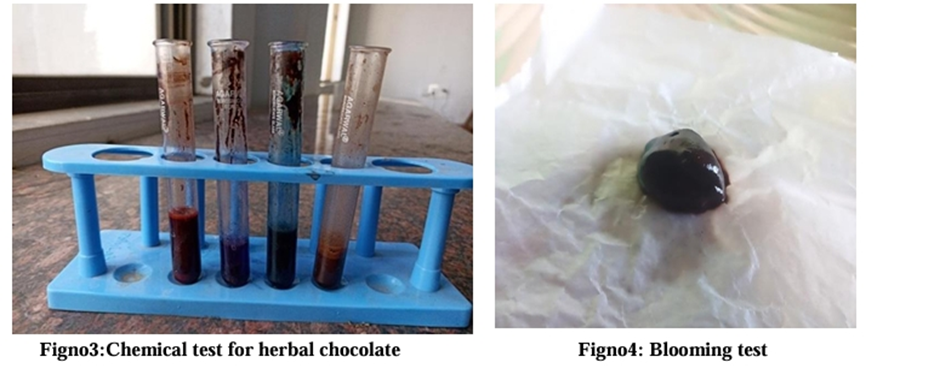
  • Texture: Smooth, glossy, no bloom
  • Taste: Slightly bitter (dark chocolate), herbal aftertaste
  • Moisture content: ≤ 2%
  • Melting point: 30–34°C
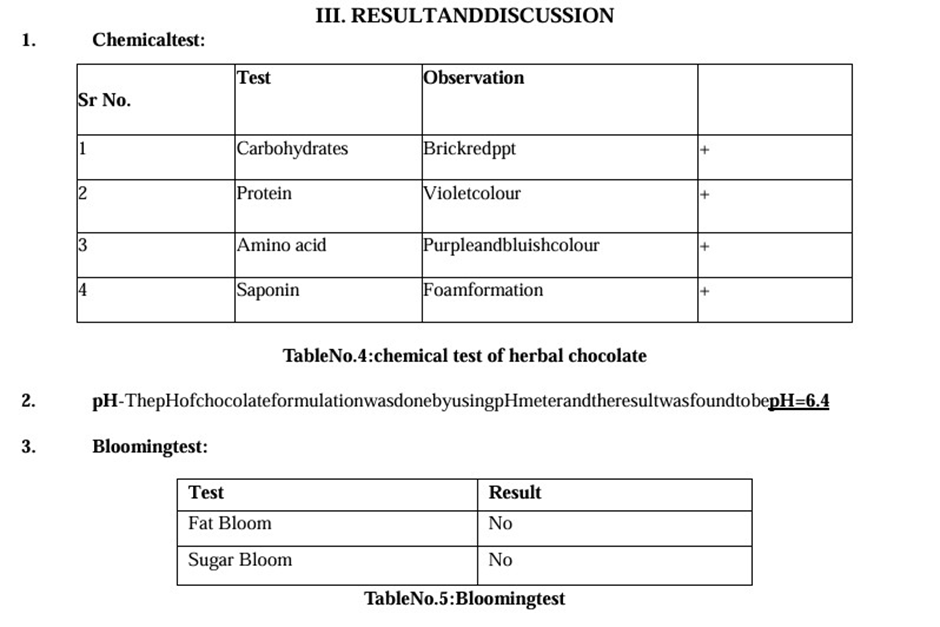
  • pH: 6.5–7.0
  • Glycemic index: Low
  • Antioxidant activity: High (via DPPH assay)

Therapeutic Benefits of Chocolate:

  1. Diuretic Properties: Theobromine, a compound found in chocolate, has diuretic effects, helping to treat fluid retention (edema) by promoting the elimination of excess water and salts through urine. This can also contribute to reducing high blood pressure caused by fluid buildup in connective tissues.
  2. Vasodilation: Theobromine helps dilate blood vessels, which can improve blood flow and, as a result, reduce blood pressure. This vasodilation effect supports cardiovascular health.
  3. Cardiac Function Improvement: Theobromine has long been recognized for its ability to enhance heart function. According to the American Journal of Clinical Nutrition, it can be beneficial in treating heart conditions like arteriosclerosis, vascular diseases, angina, and hypertension.
  4. Tooth Decay Prevention: Theobromine has been shown to help prevent tooth decay by inhibiting the growth of bacteria that cause dental cavities, making it useful in oral health.
  5. Anti-Cancer and Anti-Inflammatory Effects: Dark chocolate is rich in antioxidants like flavonoids and polyphenols. These compounds help combat cancer and Ingredient inflammation by neutralizing free radicals and suppressing abnormal cell division, thus reducing inflammation.
  6. Heart Disease Prevention: Chocolate contains essential minerals such as iron, copper, magnesium, and zinc, all of which play a crucial role in preventing coronary heart disease (CHD) by supporting overall cardiovascular health.
  7. Reduced Food Cravings: The bitter taste and high calorie and fat content of dark chocolate have been found to reduce cravings for sweet, salty, and fatty foods, making it a potential aid for appetite control.
  8. Antidepressant Effects: Consuming chocolate stimulates the production of endorphins, neurotransmitters that promote a sense of well being and help alleviate symptoms of depression. Additionally, chocolate is rich in serotonin, another neurotransmitter with known antidepressant properties.
  9. Memory Improvement: Drinking hot chocolate has been shown to improve neurovascular coupling, the relationship between blood flow and brain activity, particularly in the white matter of the brain. This can enhance cognitive function and improve memory.

5. Notes & Safety

  • Use standardized herbal extracts to ensure consistent potency.
  • Avoid overheating herbal extracts (some degrade above 60°C).
  • Diabetic patients should consult healthcare professionals before consuming regularly.
  • Sweeteners like xylitol should be used cautiously (can cause GI upset in large amounts).

2. ROLE OF FUNCTIONAL FOODS IN DIABETES MANAGEMENT

Definition and importance of functional foods

Mechanisms of anti-diabetic action:
  • Enhancement of insulin secretion
  • Improvement of glucose uptake
  • Inhibition of α-amylase and α-glucosidase
  • Reduction of oxidative stress
  • Role of cocoa polyphenols in glycemic control

3. COCOA AND CHOCOLATE: A NATURAL BASE FOR FUNCTIONAL FORMULATIONS

  • Composition of cocoa: flavonoids (epicatechin, catechin, procyanidins), theobromine, caffeine Dark chocolate vs. milk chocolate (sugar content, polyphenol concentration)
  • Benefits of cocoa in diabetes: Antioxidant and anti-inflammatory effects
  • Improvement in endothelial function and insulin sensitivity

4. FORMULATION AND PREPARATION OF HERBAL CHOCOLATE

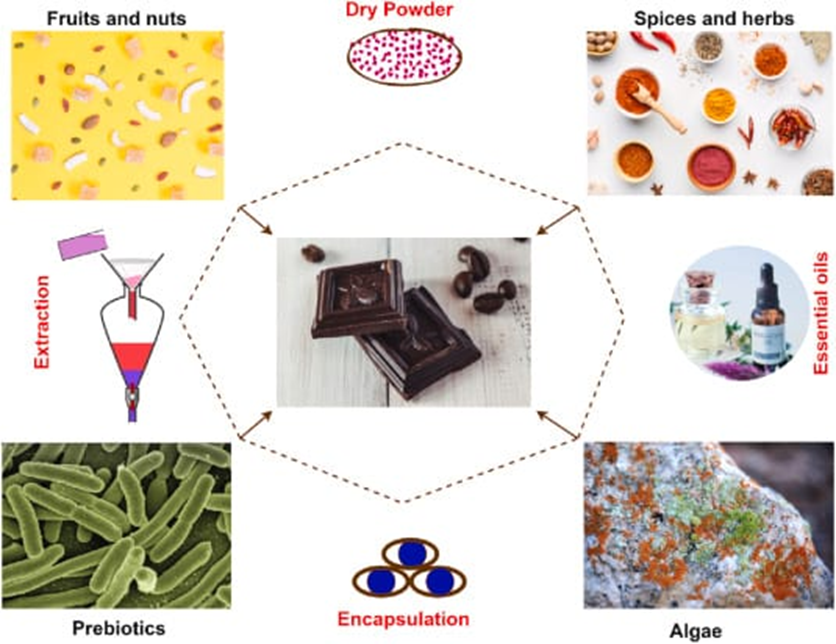
4.1 Ingredients

  • Base material: Dark chocolate (≥70% cocoa)
  • Sweeteners: Stevia, xylitol, erythritol (low-glycemic alternatives)
  • Emulsifiers: Lecithin or soy lecithin
  • Herbal extracts: Dried powder or ethanolic extracts standardized for bioactive content
  • Binders and stabilizers: Cocoa butter, milk solids (optional)

4.2 Preparation Method

  1. Melting: Cocoa butter and dark chocolate melted at 45–50°C.
  2. Mixing: Herbal extract incorporated into molten chocolate under constant stirring.
  3. Sweetening: Add stevia or natural sweeteners; ensure uniform dispersion.
  4. Tempering: Gradual cooling (28–32°C) to stabilize cocoa crystals.
  5. Molding: Pour into molds and allow to set at 4°C.
  6. Packaging: Stored in airtight containers away from light and moisture.

4.3 Key Considerations

  • Compatibility of herbal extract with cocoa matrix
  • Stability of bioactive compounds during heating
  • Sensory characteristics (taste masking of bitter herbs)
  • Standardization of herbal extract concentration

Mechanism:

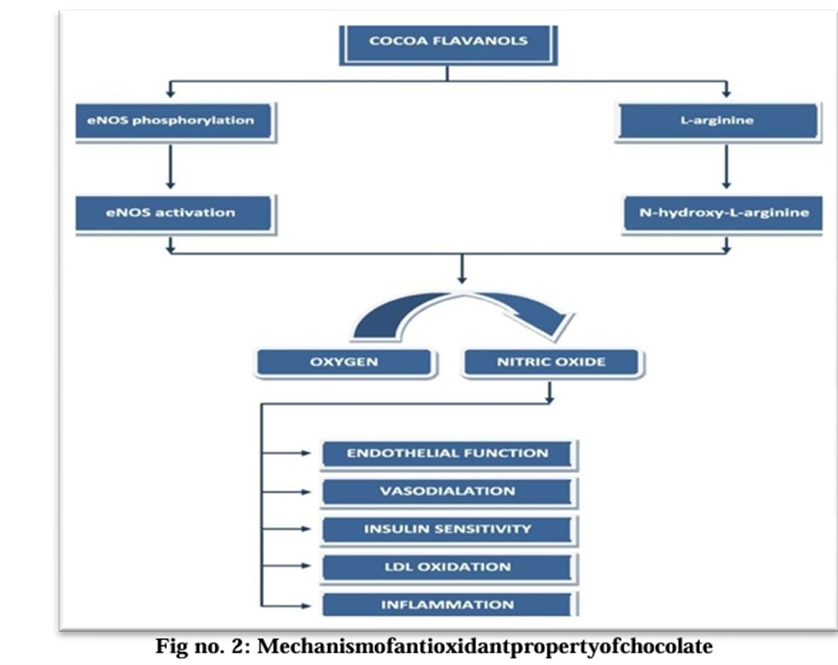
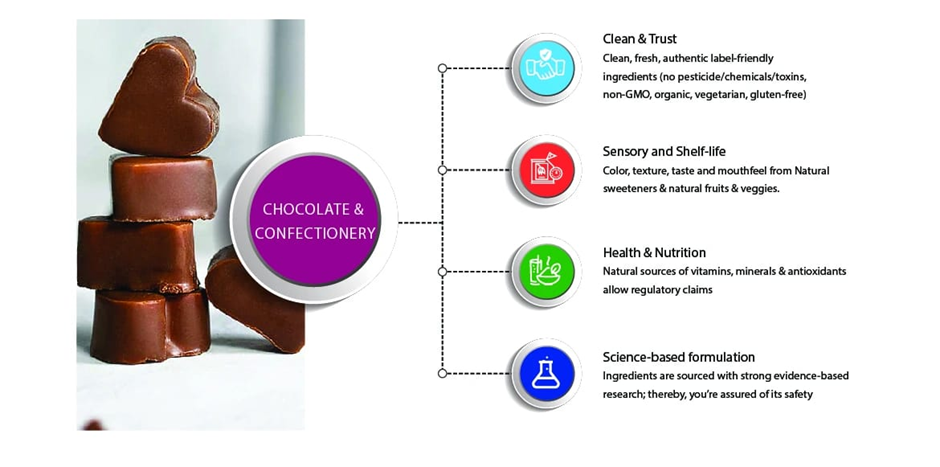
Cocoa is recognized as a natural source of antioxidants, which are compounds that neutralize free radicals, helping to protect cell membranes, safeguard DNA, and prevent the oxidation of LDL cholesterol. This oxidation process can contribute to the development of atherosclerosis and plaque buildup in artery walls. The antioxidant properties of cocoa are attributed to procyanidins and their precursors, epicatechin and catechin, which prevent LDL oxidation. Studies have shown that dark chocolate and cocoa can reduce LDL oxidation while also raising HDL cholesterol levels. Catechins, which are phytochemical compounds found in various plant-based foods and drinks, are abundant in dark chocolate. For example, dark chocolate contains 12 mg of catechin per 100 grams and 41.5 mg of epicatechin per 100 grams. The consumption of catechins has been linked to several health benefits, including increased plasma antioxidant activity, improved bronchial artery dilation, enhanced fat oxidation, and resistance to LDL oxidation. Epicatechin is considered a key bioactive compound in cocoa and other flavanol-rich foods and beverages.
5. CHALLENGES AND FUTURE PROSPECTS

  • Standardization and reproducibility of herbal extracts.
  • Stability of bioactive compounds during processing and storage.
  • Regulatory and safety concerns for nutraceutical chocolates.
  • Potential for large-scale production and commercialization.

6. CONCLUSION

Anti-diabetic herbal chocolates represent an innovative fusion of traditional herbal medicine and modern food technology. By incorporating scientifically validated herbal extracts into palatable chocolate matrices, it is possible to create functional foods with both therapeutic and sensory appeal. Continued research into formulation optimization, bioavailability, and clinical validation will be essential for translating this concept into a commercial success. In the present study, development of Herbal Chocolate having antioxidant activity was carried out Aqueous extract of guava leaves was prepared and phytochemical analysis was carried out to check the presence of desired compounds  Blooming test that shows the acceptable results. From above study, we concluded that the chocolate provides smooth and creamy texture to the formulation and are good for masking the gives therapeutic effect.

7. SUMMARY

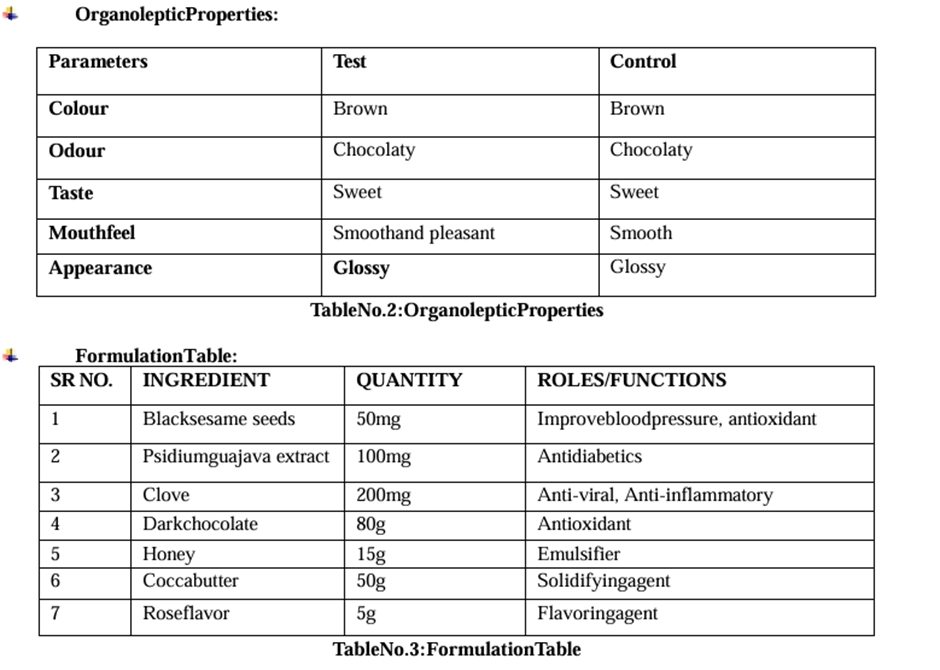
As a result of the previous findings, the sweetening properties, pH, and stability profile are all deemed satisfactory. Additional in vivo studies could be conducted using a cognitive model or another suitable animal model. The herbal extracts from black sesame seeds and guava were successfully incorporated into chocolate formulations. The organoleptic characteristics of chocolate are ideal for masking undesirable flavors often associated with certain active ingredients while providing a smooth, creamy texture to the active agent compositions. Consequently, chocolate formulations offer an attractive method for administering medications orally. The herbal extracts used within the specified dose range are safe for consumption and can be easily ingested.

REFERENCES

  1. Tiwari, A. K., & Rao, J. M. (2002). Diabetes mellitus and multiple therapeutic approaches of phytochemicals: Present status and future prospects. Current Science, 83(1), 30–38.
  2. Grover, J. K., et al. (2002). Medicinal plants of India with anti-diabetic potential. Journal of Ethnopharmacology, 81, 81–100.
  3. Kooti, W., et al. (2016). Herbal, mineral, and synthetic remedies for diabetes: A review. Pharmacognosy Reviews, 10(19), 31–44.
  4. Najmin Ansar Shaikh, Sakshi Omprakash Jaju, and Anand Daulatrao Khendke: Formulated and evaluated anti-diabetic herbal chocolates containing guava leaves and Aegle marmelos leaves.
  5. Vedant V. Patil, Vaishnavi R. Patil, and their colleagues: Researched the formulation and evaluation of anti-diabetic chocolate made with guava leaves and mulberry fruits.
  6. Tanishq Hogade and Dr. Asmita Sakore: Developed an herbal chocolate enriched with Ashwagandha (Withania somnifera) and flaxseeds (Linum usitatissimum).
  7. Kape Omkar Anil: Authored a study on the formulation and evaluation of anti-diabetic herbal chocolate.
  8. Pawan Asaram Nimbalkar et al.: Conducted research on the preparation and evaluation of a sugar-free anti-diabetic chocolate using guava leaves. Herbal Extracts for Anti-Diabetic Activity
  9. Grover, J. K., & Yadav, S. (2004). Pharmacological actions of Momordica charantia: A review. Journal of Ethnopharmacology, 93(1), 123–132.
  10. Modak, M., Dixit, P., Londhe, J., Ghaskadbi, S., & Devasagayam, T. P. A. (2007). Indian herbs and herbal drugs used for the treatment of diabetes. Journal of Clinical Biochemistry and Nutrition, 40(3), 163–173.
  11. Patel, D. K., Prasad, S. K., Kumar, R., & Hemalatha, S. (2012). An overview on antidiabetic medicinal plants having insulin mimetic property. Asian Pacific Journal of Tropical Biomedicine, 2(4), 320–330. Chocolate and Functional Food Formulation
  12. Afoakwa, E. O. (2016). Chocolate Science and Technology (2nd ed.). Wiley-Blackwell.
  13. Cooper, K. A., Donovan, J. L., Waterhouse, A. L., & Williamson, G. (2008). Cocoa and health: A decade of research. British Journal of Nutrition, 99(1), 1–11.
  14. Jalil, A. M. M., & Ismail, A. (2008). Polyphenols in cocoa and cocoa products: Is there a link between antioxidant properties and health? Molecules, 13(9), 2190–2219. Herbal Chocolate Formulation / Functional Confectionery
  15. Kaur, P., & Kaur, R. (2021). Development and evaluation of herbal chocolate using medicinal plant extracts. International Journal of Pharmaceutical Sciences Review and Research, 67(1), 45–50.
  16. Deshmukh, S. D., & Kumbhar, P. P. (2022). Formulation of functional chocolate with antidiabetic herbal extracts. Journal of Food and Drug Analysis, 30(2), 211–218.

Reference

  1. Tiwari, A. K., & Rao, J. M. (2002). Diabetes mellitus and multiple therapeutic approaches of phytochemicals: Present status and future prospects. Current Science, 83(1), 30–38.
  2. Grover, J. K., et al. (2002). Medicinal plants of India with anti-diabetic potential. Journal of Ethnopharmacology, 81, 81–100.
  3. Kooti, W., et al. (2016). Herbal, mineral, and synthetic remedies for diabetes: A review. Pharmacognosy Reviews, 10(19), 31–44.
  4. Najmin Ansar Shaikh, Sakshi Omprakash Jaju, and Anand Daulatrao Khendke: Formulated and evaluated anti-diabetic herbal chocolates containing guava leaves and Aegle marmelos leaves.
  5. Vedant V. Patil, Vaishnavi R. Patil, and their colleagues: Researched the formulation and evaluation of anti-diabetic chocolate made with guava leaves and mulberry fruits.
  6. Tanishq Hogade and Dr. Asmita Sakore: Developed an herbal chocolate enriched with Ashwagandha (Withania somnifera) and flaxseeds (Linum usitatissimum).
  7. Kape Omkar Anil: Authored a study on the formulation and evaluation of anti-diabetic herbal chocolate.
  8. Pawan Asaram Nimbalkar et al.: Conducted research on the preparation and evaluation of a sugar-free anti-diabetic chocolate using guava leaves. Herbal Extracts for Anti-Diabetic Activity
  9. Grover, J. K., & Yadav, S. (2004). Pharmacological actions of Momordica charantia: A review. Journal of Ethnopharmacology, 93(1), 123–132.
  10. Modak, M., Dixit, P., Londhe, J., Ghaskadbi, S., & Devasagayam, T. P. A. (2007). Indian herbs and herbal drugs used for the treatment of diabetes. Journal of Clinical Biochemistry and Nutrition, 40(3), 163–173.
  11. Patel, D. K., Prasad, S. K., Kumar, R., & Hemalatha, S. (2012). An overview on antidiabetic medicinal plants having insulin mimetic property. Asian Pacific Journal of Tropical Biomedicine, 2(4), 320–330. Chocolate and Functional Food Formulation
  12. Afoakwa, E. O. (2016). Chocolate Science and Technology (2nd ed.). Wiley-Blackwell.
  13. Cooper, K. A., Donovan, J. L., Waterhouse, A. L., & Williamson, G. (2008). Cocoa and health: A decade of research. British Journal of Nutrition, 99(1), 1–11.
  14. Jalil, A. M. M., & Ismail, A. (2008). Polyphenols in cocoa and cocoa products: Is there a link between antioxidant properties and health? Molecules, 13(9), 2190–2219. Herbal Chocolate Formulation / Functional Confectionery
  15. Kaur, P., & Kaur, R. (2021). Development and evaluation of herbal chocolate using medicinal plant extracts. International Journal of Pharmaceutical Sciences Review and Research, 67(1), 45–50.
  16. Deshmukh, S. D., & Kumbhar, P. P. (2022). Formulation of functional chocolate with antidiabetic herbal extracts. Journal of Food and Drug Analysis, 30(2), 211–218.

Photo
Anjali Sagare
Corresponding author

Nootan Collage of Pharmacy, Kavathe Mahankal, Maharashtra, India

Photo
Tanuja Deshmukh
Co-author

Nootan Collage of Pharmacy, Kavathe Mahankal, Maharashtra, India

Photo
Shraddha Chavan
Co-author

Nootan Collage of Pharmacy, Kavathe Mahankal, Maharashtra, India

Photo
Mayuri Bhosale
Co-author

Nootan Collage of Pharmacy, Kavathe Mahankal, Maharashtra, India

Anjali Sagare, Tanuja Deshmukh, Shraddha Chavan, Mayuri Bhosale, A Review on Formulation and Evaluation of Anti-Diabetic Herbal Chocolate Preparation, Int. J. of Pharm. Sci., 2025, Vol 3, Issue 11, 2101-2109. https://doi.org/10.5281/zenodo.17605960

More related articles
Evaluation of Effect of Excipients on Atropine Sul...
Niranjana S Kumar, Shifa Fathima A R, Sangeetha K, Karthika R, Al...
Exploring The Anti-Arthritic Potential Of Merremia...
T Purushoth Prabhu, Deepak Venkataraman N, Selvakumari.E, Ravicha...
A new approach in the drug carrier system: Aquasomes...
Belna Augustine, Mrs Aswathy C, Shilpa KD, Mrs Naseena U, ...
Atropine-Induced Psychosis in The Treatment of Cypermethrin Poisoning: A Case St...
Gayathri P, Priyadharshini R, Lakshmi Priyanka P, Poovitha M, ...
UV Spectrophotometric Method Validation of Rosuvastatin Calcium in API and Pharm...
Sumana Maity, Dr. Subhabrota Majumdar, Sneha Senapati, ...
Related Articles
Zilebesiran For Hypertension Treatment: An Overview...
Mounika K., Dr. K. B. Ilango, Arumugam S., Kanishka Sre S., Srinivasan K., Subashini M., Vishnu Gane...
Beam Radiation Therapy for Cancer Treatment: Advancements and New Approaches...
Pratiksha Pawar, Tanvi Raskar, Sushma Nakhate, Dr. Tushar Shelke, Dr. Tushar Shelke, ...
Analytical Method Development and Validation for the Simultaneous Estimation of ...
P. V. Madhavi Latha, Nagamani Bolla, P. Sivalalitha, P. Uma Devi, ...
More related articles
Evaluation of Effect of Excipients on Atropine Sulphate by UV Spectroscopy...
Niranjana S Kumar, Shifa Fathima A R, Sangeetha K, Karthika R, Alfi R, Emin Jose, ...
Exploring The Anti-Arthritic Potential Of Merremia Emarginataburm. Fin Extract: ...
T Purushoth Prabhu, Deepak Venkataraman N, Selvakumari.E, Ravichandran.S, Kabilan.N, Manikgantan.E.M...
Evaluation of Effect of Excipients on Atropine Sulphate by UV Spectroscopy...
Niranjana S Kumar, Shifa Fathima A R, Sangeetha K, Karthika R, Alfi R, Emin Jose, ...
Exploring The Anti-Arthritic Potential Of Merremia Emarginataburm. Fin Extract: ...
T Purushoth Prabhu, Deepak Venkataraman N, Selvakumari.E, Ravichandran.S, Kabilan.N, Manikgantan.E.M...