View Article

Abstract

Liquorice (Glycyrrhiza glabra) is a perennial herb belonging to the Fabaceae family and is recognized as one of the most widely studied medicinal plants. It holds significant value in traditional systems of medicine as well as in culinary use. The roots and rhizomes are primarily utilized for their healing properties and natural sweetness in various herbal formulations. Historical records from Ayurveda, Traditional Chinese Medicine, Unani, and ancient Greek systems highlight its long-standing use in treating respiratory and digestive disorders. From a pharmacological perspective, liquorice demonstrates a wide range of therapeutic effects. It has been applied in the treatment of liver disorders, allergic conditions, eczema, cardiovascular abnormalities, gastric and peptic ulcers, respiratory ailments, inflammatory joint diseases, kidney issues, low blood pressure, and microbial infections. These diverse therapeutic roles are attributed to its rich phytochemical composition. Phytochemical investigations have revealed the presence of triterpenoid saponins, flavonoids, isoflavonoids, and chalcones as major active constituents. Among these, glycyrrhizic acid (glycyrrhizin) is considered the principal bioactive compound, known for its potent anti-inflammatory, antiviral, and hepatoprotective activities. Flavonoids and is flavonoids are responsible for antioxidant and anti-inflammatory actions, whereas chalcones exhibit antimicrobial and anticancer properties. Recent pharmacological studies emphasize the hepatoprotective, anti-inflammatory, anti-ulcer, antidiabetic, immunomodulatory, laxative, and antidepressant activities of liquorice. In addition, new findings indicate its potential in promoting hair growth, regulating lipid metabolism, aiding weight management, improving mood, and supporting cardiovascular health through anticoagulant and circulatory mechanisms. Overall, Glycyrrhiza glabra remains a versatile medicinal herb that effectively connects traditional knowledge with modern pharmacological science. With glycyrrhizic acid as its core active molecule, supported by various phytoconstituents, liquorice continues to gain scientific relevance in the development of evidence-based therapeutic applications.

Keywords

Glycyrrhiza glabra, Liquorice, Glycyrrhizin, Phytochemistry, Pharmacology, Toxicology, Herbal Medicine

Introduction

Licorice roots are usually long, cylindrical, and fibrous, with a wrinkled appearance, growing horizontally beneath the surface [1]. Lately, researchers have been diving into plants that indigenous healers and herbalists have traditionally used to boost liver function and tackle liver-related issues [2]. This study is all about creating an ex situ collection of Glycyrrhiza glabra, using plant material sourced from Bulgarian populations, and assessing the key traits of these cultivated plants to see if they could serve as a viable source for establishing plantations [3]. Among the various populations examined, the one located near the village of Beltsov stood out with the highest glycyrrhizin content [4]. In-depth chemical analyses have revealed that the underground parts of Glycyrrhiza species not only contain glycyrrhizin, a type of triterpene saponin, but also a range of flavonoids, including unique compounds like glabridin that are specific to certain species [5].Since ancient times, people have turned to plants not just for food and shelter, but also for their healing properties. Long before modern pharmaceuticals and technological advancements came into play, traditional societies relied heavily on herbal remedies for their healthcare needs [6]. The exploration of plant biochemistry and their natural compounds has been crucial for centuries and continues to be a key area of global research. The name Glycyrrhiza comes from Greek, meaning “sweet root,”[7] which perfectly captures its distinct flavor. Medicinal plants have always been vital in healthcare, with Glycyrrhiza glabra, part of the Fabaceae (Leguminosae) family, being a standout example. Other related species are also commonly utilized in the food and livestock sectors.[8] Over the years, many drugs have been derived from natural substances found in these medicinal plants. One traditional system, Ayurveda, began in India and is still widely practiced in many developing countries because of its accessibility, affordability, therapeutic benefits, and low side effects.[9] G. glabra is a key component in Ayurvedic remedies[10] and thrives across Asia and Southern Europe.[11] Historical records indicate that liquorice may have first appeared in Iraq,[12] and today, various Glycyrrhiza species are commercially grown in countries like Italy, France, Spain, Greece, Turkey, Turkmenistan, Uzbekistan, Syria, Afghanistan, Azerbaijan, and China. [13]Ancient scholars such as Theophrastus and Dioscorides acknowledged liquorice for its healing properties and categorized it as a medicinal herb. In contemporary cosmetics,[14] G. glabra is often used as a skin-lightening [15]  ingredient in topical products, and its dried root has traditionally been used as a natural tooth cleaner.[16] Did you know that tea made from its root is celebrated for its refreshing qualities?[17]  Botanically speaking, G. glabra features pinnate leaves that measure between 7 to 15 cm long, each adorned with 9 to 17 leaflets.[18] Its delicate flowers bloom in axillary spikes, showcasing short, bell-shaped calyces that come in shades from pale white-blue to purple.[19] The root system is quite fascinating, consisting of a soft, fibrous taproot with a vibrant yellow core that branches out into secondary roots, which then develop into horizontal woody stolons. These secondary roots are roughly 1.25 cm in diameter, while the main root is notably thick, flaunting reddish or lemon-colored outer layers and a pale yellow interior. The bark of both the roots and rhizomes can range from brownish-green to dark brown.[20,21]On the phytochemical side, liquorice is packed with triterpenoids, saponins, tannins, phenols, flavonoids, and alkaloids, all of which contribute to its wide array of physiological benefits.[22] For nearly four centuries, Glycyrrhiza root has been cherished for both its medicinal properties and its role as a flavoring agent. Its extracts are commonly used to enhance the flavors of baked goods, ice cream, chewing gum, candies, and soft drinks.[23] Beyond its culinary and medicinal applications, Glycyrrhiza also plays a role in biomass production, bioenergy, and pulp manufacturing.[24] Its continued use in Ayurvedic medicine underscores its lasting therapeutic importance.[25].

Scientific Studies

Liquorice is typically sourced from the dried roots of Glycyrrhiza glabra, which naturally contain between 2% and 9% glycyrrhizin—a sweet saponin celebrated for its medicinal benefits. In a clinical trial with forty-two HIV-1 positive patients who also had hemophilia, researchers noted improvements in immune function, liver health, and symptoms like oral candidiasis, lymphadenopathy, and skin rashes.[26] Back in the late 1940s, Dutch physician Revers discovered that glycyrrhizin and its metabolite, glycyrrhetinic acid (GA), played crucial roles in healing ulcers, with GA also demonstrating localized anti-inflammatory properties. Compounds like glycyrrhizin, CB, and deglycyrrhizinated liquorice (DGL) are known for their anti-ulcer effects, primarily by inhibiting gastrin secretion. DGL is a modified version of liquorice where glycyrrhizin is removed to minimize side effects.[27] It's often used in treating peptic ulcers alongside antacids and comes in various forms, such as wafers, capsules, liquids, and lozenges.[28] The wide-ranging pharmacological effects of liquorice and its derivatives stem from unique biochemical processes. [29]For example, glycyrrhetinic acid can inhibit 11β-HSD2 even at low serum levels, while its interaction with mineralocorticoid receptors happens more gradually, allowing it to stay active in the bloodstream.[30].

Figure 1: [A] Glycyrrhiza glabra (B) flowers (C) Roots [1]

Traditional Uses

Traditional Ayurvedic texts highlight the diverse therapeutic benefits of Glycyrrhiza glabra, commonly known as Yashtimadhu, which is often used in combination with other natural ingredients. For treating anemia, a mix of madhuka powder or its decoction blended with honey was frequently recommended. To boost lactation, Yashtimadhu was taken with cow’s milk. In cases of heavy menstrual bleeding, a combination of 10 grams each of madhuka powder and sugar, crushed in rice water, was advised. For vocal hoarseness, a sweet treat made from rice milk and infused with Yashtimadhu was suggested. Charaka described a tonic that stimulates the brain and acts as an aphrodisiac, consisting of 10 grams of madhuka powder mixed with honey and followed by milk. He also recommended a heart-strengthening formulation that combined liquorice with Picrorhiza kurroa paste dissolved in sugar water, and for cases of vomiting blood, a powdered mix of Yashtimadhu and Santalum album blended with milk was proposed. Sushruta, another prominent figure in Ayurveda, suggested a 10-gram paste of Yashtimadhu to help manage internal bleeding. Additionally, a paste made from liquorice and Sesamum indicum was recommended as a treatment for edema.[31]

Recent Advancements

The authors highlighted the difficulties in assessing complex molecular mixtures like liquorice. They pointed out that the therapeutic benefits of plant extracts usually come from the combined and simultaneous effects of various components, rather than just the action of individual compounds [32]. Research using animal models has demonstrated that Glycyrrhiza uralensis and Sophora flavescens can help ease bronchoconstriction and restore cytokine balance [33]. Liquorice stands out not only for its health benefits but also for its role in sweets, making it a valuable ingredient in the market. However, overindulging in liquorice or its active compounds can sometimes lead to acquired mineralocorticoid excess (AME) syndrome [34]. This plant is known for its wide array of healing properties and is thought to be helpful for a variety of health issues, including respiratory, liver, and heart conditions. Liquorice root is often suggested as a dietary supplement for problems like digestive issues, menopausal symptoms, coughs, and certain bacterial and viral infections [35].
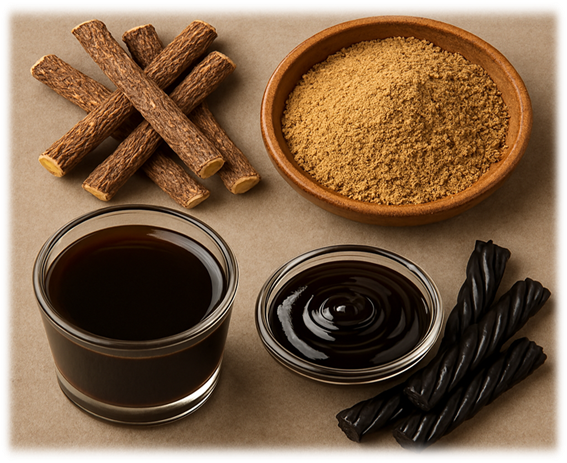
Figure 2: Liquorice extract

Applications

Covid 19: When it comes to COVID-19, licorice shows promise with its anti-inflammatory properties, as it can inhibit pro-inflammatory cytokines and other inflammation mediators. It also interacts with MAPK-related signaling pathways and boosts immune function during COVID-19 treatment. These actions suggest that licorice might help reduce inflammation and lower the chances of severe immune responses, like cytokine storm syndrome [36].

Dentistry: In the realm of dentistry, a supercritical extract of Chinese licorice (Glycyrrhiza uralensis), along with its key isoflavans, Licoricidin and Licorisoflavan A, has demonstrated the ability to inhibit the growth of P. gingivalis, cut down on the production of volatile sulfur compounds (VSCs), and reduce protease activity. This indicates that licorice could have some real benefits for oral health [37].

Poultry feed: As for poultry, adding licorice extract (LE) to their drinking water at concentrations up to 0.4 g/L has been shown to boost feed intake, enhance immune responses, and improve antioxidant status and lipid profiles. However, more research is needed to fully understand the benefits and potential applications of licorice as a feed supplement for poultry [38].

Eye drops: Glycyrrhizin has shown some promising protective effects against keratitis caused by Pseudomonas aeruginosa [28]. A small clinical pilot study found that 2.5% glycyrrhizin eye drops were generally well tolerated by participants. Moreover, researchers developed a dipotassium glycyrrhizinate (DG)-based nanomicelle ophthalmic solution that encapsulates thymol (DG-THY) using a straightforward thin-film dispersion technique [39].

Cosmetics: Glycyrrhetinic acid (GA) and licorice root extract, with GA being the main component, have proven effective in treating conditions like atopic dermatitis, itching, and acne vulgaris [40]. This extract is commonly found in both pharmaceutical and cosmetic products due to its soothing properties, ability to reduce redness, and gentle effects on the skin [41]. Additionally, GA acts as a tyrosinase inhibitor, helping to diminish UVB-induced pigmentation and redness when applied topically at a concentration of 0.5%.[42] Its skin-lightening benefits make it a sought-after ingredient in whitening cosmetic formulations [43].

Mechanism Of Actions

Antimalarial: Glycyrrhizin (GLR) and its metabolites show their antimalarial properties through two main mechanisms. First, they create a membrane effect that disrupts lipid rafts and sequesters cholesterol. Second, they form stable complexes with HMGB1 proteins, which include both human and Plasmodium HMGB1, enhancing their therapeutic effects [44].

Antiviral: Various in vitro studies have shown that glycyrrhizic acid (GC) can inhibit HCV by reducing the release of infectious viral particles [45]. It also suppresses HSV (herpes simplex virus) by decreasing cellular adhesion, inhibits the influenza virus by limiting HMGB1's binding to DNA, and disrupts interactions between viral macromolecules and host proteins. Additionally, it prevents HIV replication and helps mitigate H5N1 infection—not by directly disrupting viral replication, but by modulating the proinflammatory gene expression triggered by H5N1 [46].

Figure 3: Ant inflammatory action of liquorice [2]

Anti-inflammatory: The monoamine 5-hydroxytryptophan (5-HT or serotonin) is crucial in regulating inflammation. When cells encounter environmental triggers, they release 5-HT into the bloodstream, which increases vascular permeability and promotes inflammation [47]. Tryptophanamide, a substrate of tryptophan aminopeptidase, is enzymatically converted into L-tryptophan, which is then transformed into 5-HT through tryptophan hydroxylase. Research has indicated that licorice flavonoids can lower tryptophanamide levels, which in turn decreases 5-HT production and indirectly reduces PGE2 levels, helping to alleviate inflammation [48].                   

Antidiabetic: Glycyrrhizin has been found to lower TNFα levels in retinal endothelial cells (REC) that are grown in high-glucose conditions [49]. This suggests it might help protect the diabetic retina by reducing inflammation. Moreover, when glycyrrhizin was given systemically through drinking water, it significantly decreased HMGB1 levels at both the two-month and six-month marks [50]. This further emphasizes its potential in alleviating complications related to diabetes.

Pharmacological Action

Antitusssive: Licorice extract and powder have shown promise in easing bronchial irritation, cough, and throat discomfort by boosting mucus secretion in the trachea [51]. One of the key components, liquiritinapioside, has been found to help suppress coughing triggered by capsaicin exposure [52].

On the anticoagulant front: glycyrrhizin, a well-known anti-inflammatory compound, has recently been recognized as the first plant-derived thrombin inhibitor. It has been demonstrated to extend both thrombin and fibrinogen clotting times and delay plasma recalcification. Glycyrrhizin specifically inhibits platelet aggregation induced by thrombin, while aggregation caused by platelet-activating factor (PAF) or collagen remains unaffected [53,54]. Studies involving populations suggest that the risk of major bleeding is lower when combining Chinese herbal medicines (CHMs) with anticoagulants compared to using anticoagulants alone [55]. When administered intravenously, glycyrrhizin (GL) led to a dose-dependent reduction in thrombus formation in a venous thrombosis model, with a dose of 180 mg/kg body weight resulting in a remarkable 93% decrease in thrombus mass [56].

Antioxidative Activity: Compounds found in Glycyrrhiza show impressive antioxidant properties.[57] For instance, glabridin, an isoflavone derivative from Glycyrrhiza glabra, has been shown to reduce lipid peroxidation in rat liver microsomes and safeguard mitochondrial integrity from oxidative harm. Moreover, glabridin has exhibited robust antioxidant effects against the oxidation of low-density lipoprotein (LDL) in both laboratory and live studies.[58]

Anticancer Activity: The ethanol extract from Chinese licorice root (Glycyrrhiza uralensis) has been studied for its estrogen-like effects and its ability to curb cell growth in the MCF-7 human breast cancer cell line. [59]. These findings suggest that the extract not only mimics estrogen but also has anticancer properties. Additionally, using licorice (Glycyrrhiza species) in patients with hepatitis C has been associated with a protective effect against liver cancer and shows promise in treating stomach cancer.[60]

Table: Pharmacological Actions of Licorice

Pharmacological Action

Mechanism of Action

Dose

Description/Reference

Antitussive and Expectorant

Promotes mucus secretion in trachea via glycyrrhizin; Liquiritinapioside suppresses capsaicin-induced cough.

Not specified

Licorice extract relieves cough, throat discomfort, and bronchial irritation. [51,52]

Anticoagulant Activity

Glycyrrhizin inhibits thrombin, prolongs clotting times, delays plasma recalcification, and suppresses thrombin-induced platelet aggregation.

180 mg/kg (i.v. in animal model)

93% reduction in thrombus mass in venous thrombosis model; inhibited thrombus formation in arteriovenous shunt. [53,54,56]

Antioxidative Activity

Isoflavone derivatives like glabridin inhibit lipid peroxidation, protect mitochondria, and prevent LDL oxidation.

Not specified

Glabridin shows strong antioxidant properties in vitro and in vivo. [57,58]

Anticancer

Ethanolic extract of G. uralensis shows estrogen-like activity and inhibits proliferation of MCF-7 cells; liver and stomach

Not specified

Licorice extract inhibits breast cancer cell growth, prevents liver cancer in hepatitis C patients, and shows stomach cancer potential. [59,60]

Toxicological Study

Licorice and its main active ingredient, glycyrrhizin, can have some pretty serious side effects that fall into a few different categories: general toxicity, potential for mutagenic and genotoxic effects, cancer risk, developmental toxicity, cytotoxic reactions, reported side effects, and interactions with medications.[61] To assess skin toxicity, researchers applied glycyrrhetinic acid at a concentration of 100 mg/mL (about 0.5 cc) directly onto both healthy and damaged skin on the backs of rabbits, following the method outlined by Eaton and Gilbert in 2013.[62] In another experiment, mice were given 0.4% ammoniated glycyrrhizin in their drinking water for four days before being subjected to prolonged cold stress (8 hours at 5 °C).[63] The mice that received the treatment had shorter survival times compared to those that didn’t.[64] Likewise, rats that were given the same concentration for a week showed increased sensitivity during a 48-hour fasting period, leading to significant hypoglycemia.[65] Additionally, sub-acute administration of Glycyrrhiza glabra and its glycyrrhizin derivatives has been shown to suppress adrenal-pituitary axis activity and lower liver iron levels.[66] Hypokalemia caused by licorice has been associated with a higher risk of digoxin toxicity, as low potassium levels can amplify the drug’s harmful effects on the heart. Natural killer (NK) cells, which are essential for eliminating virus-infected cells, are usually activated by immune signals like interferon-γ and interleukin-2. However, clinical studies suggest that regular consumption of glycyrrhizin can lead to a condition known as pseudohypercorticosteroidism, which mimics the effects of having too much corticosteroid in the body.[67]In a study, administering licorice extract at a dose of 2.5 g/kg/day was found to slightly inhibit body weight gain in experimental animals [68]. Researchers have also looked into the cytoprotective properties of Glycyrrhiza glabra root extract (GRE) against both apoptotic and non-apoptotic cell death triggered by cadmium (Cd) exposure [69]. Notably, among its components, liquiritigenin showed a more significant protective effect against the heightened cytotoxicity resulting from the combined exposure to cadmium and sulfhydryl depletion, compared to the effects of cadmium toxicity on its own [70].

Major Challenges

The quality of medicinal herbs, like licorice, often suffers because of a lack of genuine plants, the economic downsides of careless farming practices, and outdated testing methods.[71] These issues really hold back the growth of the herbal industry. Research shows that cultivating licorice could bring significant ecological, economic, and social benefits to Uzbekistan.[72] Given the country’s environmental hurdles—such as the drought of the Aral Sea, soil salinity, climate change, sandstorms, and water shortages—licorice farming is crucial for alleviating these ecological pressures.[73] This resilient plant has a deep root system that can reach up to 17 meters, making it especially useful for reclaiming and managing saline soils. However, many of its mechanisms for tolerating stress are still not well understood, which points to the need for more research. Some studies even suggest that the reduction of soil salinity might be connected to licorice roots’ ability to absorb salts while producing glycyrrhizic acid, which helps in soil remediation.[74]

Therapeutic Benefits

Licorice and Its Health Benefits: Licorice is packed with secondary metabolites that offer a range of health perks.[75] The compounds found in licorice roots have been linked to helping treat conditions like cancer, tuberculosis, atherosclerosis, gastric ulcers, immunodeficiency, hepatitis, and bacterial infections. Lately, there’s been a surge of interest in how it can help manage oral health issues.[76] Plus, licorice has a long history of being used for ailments such as epilepsy, fever, sexual debility, rheumatism, paralysis, psoriasis, and jaundice. Licorice showcases a variety of pharmacological effects.[77] It works as a monoamine oxidase inhibitor and has anticholinergic, antitussive, hypolipidemic, antifungal, antioxidant, and anticancer properties. Traditionally, it’s also been used for its anti-inflammatory, anti-ulcer, antibiotic, anti-arthritic, antiviral, laxative, and memory-boosting effects.[78] In Traditional Chinese Medicine, licorice is seen as a “guiding medicine” that helps with respiratory issues, viral coughs, viral hepatitis, and more, appearing in over half of both traditional and modern prescriptions.[79] When it comes to oral health, licorice plays a role in keeping teeth, gums, and oral tissues healthy, and it can help tackle common dental problems like cavities, gum disease, bad breath, oral thrush, and recurring mouth ulcers. However, overindulging in licorice-flavored sweets or dark foods might lead to temporary staining of the teeth and tongue, especially if you also smoke.
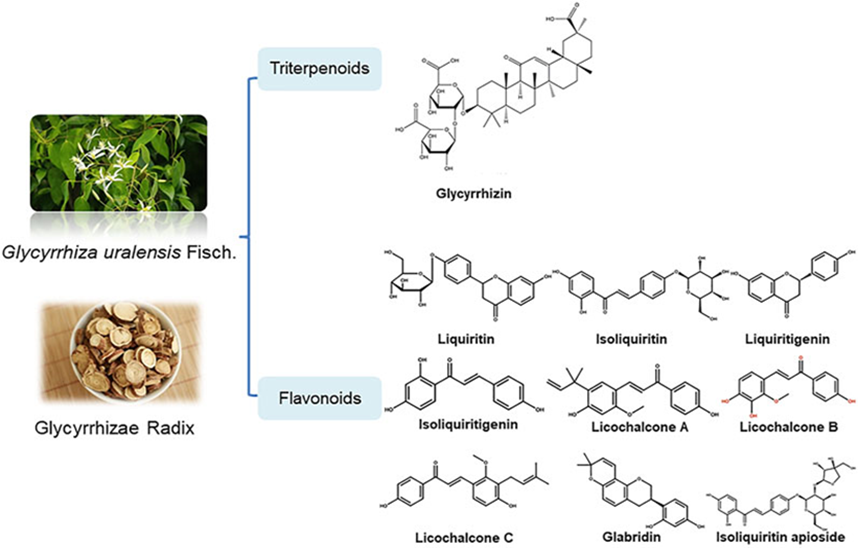
Figure 4: Chemistry of liquorice

Table 2: Phytochemical Screening Tests of liquorice

Phytochemical

Test

Observation

Inference

Alkaloids

Mayer’s Test

Cream or white precipitate

Presence of alkaloids

Alkaloids

Dragendorff’s Test

Orange brown precipitate

Presence of alkaloids

Alkaloids

Wagner’s Test

Reddish-brown precipitate

Presence of alkaloids

Carbohydrates

Molisch’s Test

Violet ring at junction

Presence of carbohydrates

Glycosides

Keller–Killiani Test

Reddish-brown ring at junction

Presence of glycosides

Saponins

Foam Test

Formation of stable foam

Presence of saponins

Tannins

Ferric Chloride Test

Blue-black or green color

Presence of tannins

Flavonoids

Lead Acetate Test

Yellow precipitate

Presence of flavonoids

Steroids

Salkowski Test

Reddish-brown color at interface

Presence of steroids

Terpenoids

Libermann–Burchard Test

Deep green color

Presence of terpenoids

DISCUSSION

The roots of different Glycyrrhiza species, like G. glabra var. typica, G. glabra var. glandulifera, and G. uralensis, are cherished not just as traditional herbal remedies but also as popular natural sweeteners and flavor enhancers in cooking and medicine [81]. If you consume licorice root in amounts over 3 grams a day for more than six weeks, or take glycyrrhizin in doses higher than 100 mg daily, you might face some negative side effects, such as water retention, high blood pressure, and low potassium levels [82]. In clinical studies involving HIV patients, a special intravenous formulation called Stronger Neo-Minophagen C (SNMC) has been used, which includes 0.2% glycyrrhizin, 0.1% cysteine, and 2.0% glycine mixed in physiological saline [83]. Moreover, the ethanolic extract from licorice leaves showed the strongest ability to inhibit Gram-positive bacteria [84]. However, taking it for a long time at higher doses can lead to issues like high blood pressure, low potassium, and symptoms that mimic excess mineralocorticoids, thanks to the aldosterone-like effects of glycyrrhetinic acid [85].

RESULT

Research on Glycyrrhiza glabra highlights its remarkable medicinal properties, thanks to bioactive compounds like glycyrrhizin, flavonoids, saponins, and isoflavonoids. Pharmacological studies have shown a variety of benefits, including anti-inflammatory, antitussive, antioxidant, anticoagulant, and anticancer effects. Experimental models also reveal its potential in treating ulcers, respiratory issues, microbial infections, and immune-related disorders. However, it's important to note that toxicological studies suggest that long-term or excessive use can lead to negative effects such as hypertension, low potassium levels, and pseudohyperaldosteronism. So, while licorice shows great promise in both pharmacological and nutraceutical fields, it's crucial to regulate doses carefully to ensure safe clinical use.

CONCLUSION

Liquorice is an important therapeutic herb with extensive applications in both traditional and modern medicine. Its rich phytochemical profile underpins a variety of pharmacological actions, making it effective in managing gastrointestinal, respiratory, cardiovascular, and dermatological disorders. However, the potential for toxicity from prolonged or high-dose consumption underscores the importance of controlled dosing and careful clinical monitoring. Future research should prioritize the development of standardized formulations and the exploration of novel drug delivery systems to enhance therapeutic efficacy while minimizing adverse effects.

REFERENCES

  1. Adel M, Alousi LA, Salem HA. Licorice: a possible anti-inflammatory and anti-ulcer drug. AAPS Pharm Sci Tech.  2005;6:74–82. doi: 10.1208/pt060113.
  2.  Asgary S, Madani H, Naderi GH, Toori SH, Taleb-Alhoseini M. 2005. Hepatoprotective effect of Silybum marianum (L.) Gaertn. and Glycyrrhiza glabra L. in the rats. J Med Plants 4: 18–24.
  3. Luper S. 1999. A review of plants employed in the treatment of liver disease: Part Two. Altern Med Rev 4: 178–188.
  4. Mohammad N and Rehman S (1985). Performance of Glycyrrhiza glabra in Mastung valley, Baluchistan. Pak. J Agric. Res., 6(3): 176-179.
  5.  A. Chauhan, D. Semwal, S. Mishra, R. Semwal, Ayurvedic research and methodology: present status and future strategies, AYU (An Int. Q. J. Res. Ayurveda) 36 (4) (2015) 369
  6. Z. Sadeghi, M. Akaberi, J. Valizadeh, Otostegia persica (Lamiaceae): a review on its ethnopharmacology, phytochemistry, and pharmacology, Avicenna J. phytomed. 4 (2) (Mar. 2014) 79–88.
  7.  Ahn, J., Lee, H., Jang, J., Kim, S., & Ha, T. (2013). Anti?obesity effects of glabridin?rich supercritical carbon dioxide extract of licorice in high? fat?fed obese mice. Food and Chemical Toxicology, 51, 439445.
  8. Asha, M. K., Debraj, D., Prashanth, D., Edwin, J. R., Srikanth, H. S., Muruganantham, N., Agarwal, A. (2013). In vitro anti?Helicobacter pylori activity of a flavonoid rich extract of Glycyrrhiza glabra and its probable mechanisms of action. Journal of Ethnopharmacology, 145(2), 581–586.
  9. F. Mujeeb, P. Bajpai, N. Pathak, Phytochemical evaluation, antimicrobial activity, and determination of bioactive components from leaves of aegle marmelos, BioMed Res. Int. 2014 (May 2014) 497606.
  10. M. Damle, Glycyrrhiza glabra (Liquorice)-a potent medicinal herb, Int. J. Herb. Med. 2 (2) (2014) 132–136.
  11. Q. Zhang, M. Ye, Chemical analysis of the Chinese herbal medicine Gan-Cao (licorice), J. Chromatogr. A 1216 (11) (Mar. 2009) 1954–1969.
  12.  R.A. Josephs, J.S. Guinn, M.L. Harper, F. Askari, Liquorice consumption and salivary testosterone concentrations, Lancet 358 (9293) (Nov. 2001) 1613–1614.
  13. Asl, M. N., & Hosseinzadeh, H. (2008). Review of pharmacological effects of Glycyrrhiza sp. and its bioactive compounds. Phytotherapy Research, 22(6), 709–724.
  14. Albermann, M. E., Musshoff, F., Hagemeier, L., & Madea, B. (2010). Determination of glycyrrhetic acid after consumption of liquorice and application to a fatality. Forensic Science International, 197(1), 35–39.
  15.  The Plant list, A working list of all plant species, Glycyrrhiza glabra. http://www.theplantlist.org/tpl1.1/record/ild-7886.
  16. The Plant list, A working list of all plant species, Glycyrrhiza glabra. http://www. theplantlist.org/tpl1.1/record/ild-7886.
  17.  Oyama, K., Kawada?Matsuo, M., Oogai, Y., Hayashi, T., Nakamura, N., & Komatsuzawa, H. (2016). Antibacterial Effects of Glycyrrhetinic Acid and Its Derivatives on Staphylococcus aureus. PLoS One, 11(11), e0165831
  18. Kaur, R. ? Kaur, H. ? Singh Dhindsa, A.Glycyrrhiza glabra: a phytopharmacological review Int. J. Pharma Sci. Res. 2013; 4:2470-2477
  19.  Olukoga, A. ? Donaldson, D.Historical perspectives on health the history of liquorice: the plant, its extract, cultivation, commercialisation and etymology J. R. Soc. Promot. Health. 1998; 118:300-304
  20.  shtiyaq, A. ? Alam, A. ? Siddiqui, J.I. ...Therapeutic potential of widely employed unani drug Asl-us-Soos (Glycyrrhiza glabra linn.): a systematic reviewJ. Drug Deliv. Therapeut. Aug. 2019; 9:765-773
  21. WHO monographs on selected medicinal plants in: World Health Organization. 1. 1999
  22. Mujeeb, F. ? Bajpai, P. ? Pathak, N.Phytochemical evaluation, antimicrobial activity, and determination of bioactive components from leaves of aegle marmelos,BioMed Res. Int. May 2014; 2014:497606.
  23. Rizzato, G. ? Scalabrin, E. ? Radaelli, M. ...A new exploration of licorice metabolome Food Chem. Apr. 2017; 221:959-968.
  24.  Rizzato, G. ? Scalabrin, E. ? Radaelli, M. ...A new exploration of licorice metabolomeFood Chem. Apr. 2017; 221:959-968.
  25.  V. Sharma, A. Katiyar, R.C. Agrawal, Glycyrrhiza Glabra: Chemistry and Pharmacological Activity, Sweeteners, 2018, pp. 87–100.
  26. Mori K, Sakai H, Suzuki S, Akutsu Y, Ishikawa M, Imaizumi M, Tada K, Aihara M, Sawada Y and Yokoyama M et al. (1990). Effects of glycyrrhizin (SNMC: Stronger neo minophagenin hemophilia patients with HIV-1 infection. Tohoku J. Exp. Med., 162(2): 183-193.
  27. Morgan AG, McAdam WA, Pacsoo C and Darnborough A (1982). Comparison between cimetidine and Caved-Sin the treatment of gastric ulceration and subsequent maintenance therapy. Gut., 23(6): 545-551.
  28.  Masoomeh, M.J.; Kiarash, G. In vitro susceptibility of Helicobacter pylori to licorice extraOmar, H.R.; Komarova, I.; El-Ghonemi, M.; Fathy, A.; Rashad, R.; Abdelmalak, H.D.; Yerramadha, M.R.; Ali, Y.; Helal, E.; Camporesi, E.M. Licorice abuse: Time to send a warning message. Ther. Adv. Endocrinol. Metab. 2012, 3, 125–138. ct. Iran. J. Pharm. Res. 2007, 6, 69–72
  29. Omar, H.R.; Komarova, I.; El-Ghonemi, M.; Fathy, A.; Rashad, R.; Abdelmalak, H.D.; Yerramadha, M.R.; Ali, Y.; Helal, E.; Camporesi, E.M. Licorice abuse: Time to send a warning message. Ther. Adv. Endocrinol. Metab. 2012, 3, 125–138.
  30. Calò, L.A.; Zaghetto, F.; Pagnin, E.; Davis, P.A.; De Mozzi, P.; Sartorato, P.; Martire, G.; Fiore, C.; Armanini, D. Effect of aldosterone and glycyrrhetinic acid on the protein expression of PAI-1 and p22(phox) in human mononuclear leukocytes. J. Clin. Endocrinol. Metab. 2004, 89, 1973–1976.
  31. Kumar A, Dora J. Review on Glycyrrhiza glabra: licorice. Journal of Pharmaceutical & Scientific Innovations 2012; 1: 1-4
  32. Thomford NE, Senthebane DA, Rowe A, et al. Natural products for drug discovery in the 21st century: innovations for novel drug discovery. Int J Mol Sci 2018; 19: 1578..
  33. Wen, M.C.; Wei, C.H.; Hu, Z.Q.; Srivastava, K.; Ko, J.; Xi, S.T.; Mu, D.Z.; Du, J.B.; Li, G.H.; Wallenstein, S.; et al. Efficacy and tolerability of anti-asthma herbal medicine intervention in adult patients with moderate-severe allergic asthma. J. Allergy Clin. Immunol. 2005, 116, 517–524.
  34. Arriza J.L., Weinberger C., Cerelli G., Glaser T.M., Handelin B.L., Housman D.E. and Evans R.M. (1987). Cloning of human mineralocorticoid receptor complementary DNA: structural and functional kinship with the glucocorticoid receptor. Science; 237, 268-275
  35. Brandon Olsen, Glycyrrhiza glabraLicorice, University of Wisconsin LA CROSSE, 2012.
  36. Wang, H., Shan, H., and Lü, H. (2020d). Preparative Separation of Liquiritigenin and Glycyrrhetic Acid from Glycyrrhiza Uralensis Fisch Using Hydrolytic Extraction Combined with High-Speed Countercurrent Chromatography. Biomed. Chromatogr. 34, e4788. doi:10.1002/bmc.4788
  37. Burgess, J.A.; van der Ven, P.F.; Martin, M.; Sherman, J.; Haley, J. Review of over-the-counter treatments for aphthous ulceration and results from use of a dissolving oral patch containing glycyrrhiza complex herbal extract. J. Contemp. Dent. Pract. 2008, 9, 88–98.
  38. Dhama, K.; Tiwari, R.; Khan, R.U.; Chakraborty, S.; Gopi, M.; Karthik, K.; Saminathan, M.; Desingu, P.A.; Sunkara, L.T. Growth promoters and novel feed additives improving poultry production and health, bioactive principles and beneficial applications: The trends and advances–A Review. Int. J. Pharmacol. 2014, 10, 129–159.
  39.  Y. Zhang et al.Fabrication, characterization and antimicrobial activities of thymol-loaded zein nanoparticles stabilized by sodium caseinate-chitosan hydrochloride double layers
  40. Kapoor, S. and Saraf, S. Topical herbal therapies an alternative and complementary choice to combat acne research. J. Med. Plants. 5, 650–669 (2011).
  41.  Aburjai, T. and Natsheh, F.M. Plants used in cosmetics. Phytother. Res. 17, 987–1000 (2003).
  42. Gendler, E.C. Treatment of periorbital hyperpigmentation. Aesthetic Surg. J. 25, 618– 624 (2005)
  43.  Sabbadin, C.; Bordin, L.; Donà, G.; Manso, J.; Avruscio, G.; Armanini, D. Licorice: From pseudohyperaldosteronism to therapeutic uses. Front. Endocrinol. (Lausanne) 2019, 10, 484.
  44. Malabed R, Hanashima S, Murata M, Sakurai K. Sterol-recognition ability and membrane-disrupting activity of Ornithogalum saponin OSW-1 and usual 3-O-glycosyl saponins. Biochim Biophys Acta Biomembr. 2017;1859: 2516-25
  45. Matsumoto Y, Matsuura T, Aoyagi H, Matsuda M, Hmwe SS, Date T, Watanabe N, Watashi K, Suzuki R, Ichinose S, Wake K, Suzuki T, Miyamura T, Wakita T, Aizaki H. Antiviral activity of glycyrrhizin against hepatitis C virus in vitro. PLoS One 2013; 8:e68992
  46. Michaelis M, Geiler J, Naczk P, Sithisarn P, Ogbomo H, Altenbrandt B, Leutz A, Doerr HW, Cinatl jr. J. Glycyrrhizin inhibits highly pathogenic H5N1 influenza A virus-induced pro-inflammatory cytokine and chemokine expression in human macrophages. Med Microbiol Immunol 2010; 199: 291–297
  47. Lim SS, Shin KH, Ban HS, Kim YP, Jung SH, Kim YJ and Ohuchi K: Effect of the essential oil from the flowers of Magnolia sieboldii on the lipopolysaccharide-induced production of nitric oxide and prostaglandin E2 by rat peritonealmacrophages. Planta Med. 68:459–462. 2002. 
  48. Yao W, Zhang L, Hua Y, Ji P, Li P, Li J, Zhong L, Zhao H and Wei Y: The investigation of anti-inflammatory activity of volatile oil of Angelica sinensis by plasma metabolomics approach. Int Immunopharmacol. 29:269–277. 2015. View Article : NCBI]
  49. Liu, L.; Jiang, Y.; Steinle, J.J. Inhibition of HMGB1 protects the retina from ischemia-reperfusion, as well as reduces insulin resistance proteins. PLOS ONE 2017, 12, e0178236.
  50.  Akutagawa, K.; Fujita, T.; Ouhara, K.; Takemura, T.; Tari, M.; Kajiya, M.; Matsuda, S.; Kuramitsu, S.; Mizuno, N.; Shiba, H.; et al. Glycyrrhizic acid suppresses inflammation and reduces the increased glucose levels induced by the combination of Porphyromonas gulae and ligature placement in diabetic model mice. Int. Immunopharmacol. 2019, 68, 30–38.
  51. Hikino H, Wagner H, Farnsworth NR (eds) (1985) Recent research on oriental medicinal plants. Economic and medicinal plant research, vol 1. Academic, London, pp 53–85.
  52. G. Pastorino, L. Cornara, S. Soares, F. Rodrigues, M.B.P.P. Oliveira, Liquorice (Glycyrrhiza glabra): a phytochemical and pharmacological review, Phyther. Res. 32 (12) (Dec. 2018) 2323–2339.
  53. Mauricio I, Francischett B, Monterio RQ, Guimaraeas JA (1997) Identification of glycyrrhizin as thrombin inhibitor. Biochem Biophys Res Commun 235:259–263 22.
  54. Mendes-Silva W, Assafim M, Ruta B, Monteiro RQ, Guimaraes JA, Zingali RB (2003) Antithrombotic effect of glycyrrhizin, a plant-derived thrombin inhibitor. Thromb Res 112:93–98
  55. Barnes GD. Combining antiplatelet and anticoagulant therapy in cardiovascular disease. Hematology Am Soc Hematol Educ Program. 2020; 2020(1):642–8. Epub 2020/12/05. https://doi.org/10.1182/ hematology.2020000151 PMID: 33275740; PubMed Central PMCID: PMC7727581.
  56. Stubbs MT, Bode W. A player of many parts: the spotlight falls on thrombin’s structure. Thromb Res 1993;69:1 – 58.
  57. Haraguchi H, Yoshida N, Ishikawa H, Tamura Y, Mizutani K, Kinoshita T. 2000. Protection of mitochondrial functions against oxidative stresses by isoflavans from Glycyrrhiza glabra. J Pharm Pharmacol 52: 219–223
  58. Fuhrman B, Buch S, Vaya J et al. 1997. Licorice extract and its major polyphenol glabridin protect low-density lipoprotein against lipid peroxidation: in vitro and ex vivo studies in humans and in atherosclerotic apolipoprotein E-deficient mice. Am J Clin Nutr 66: 276–275.
  59. Jo, E.-H.; Kim, S.-H.; Ra, J.-C.; Kim, S.-R.; Cho, S.-D.; Jung, J.-W.; Yang, S.-R.; Park, J.-S.; Hwang, J.-W.; Aruoma, O. I.; Kim, T.-Y.; Lee, Y.-S.; Kang, K.-S. (2005). Chemopreventive properties of the ethanol extract of chinese licorice (Glycyrrhiza uralensis) root: induction of apoptosis and G1 cell cycle arrest in MCF-7 human breast  cancer cells. Cancer Letters, 230:  239–247
  60. Takahashi, T.; Baba, M.; Nishino, H.and Okuyama, T. (2006). Cyclooxygenase- 2 plays a suppressive role for induction of apoptosis in isoliquiritigenin-treated mouse coloncancer cells. Cancer Lett. 231, 319-325.
  61. Khazraei-Moradian S, Andalib A, Ganjalikhani-Hakemi M, et al. 2014. The effect of protein extract of licorice root in proliferation of HT-29 and CT26 cancer cell lines. Majallahi Danishkadahi Pizishkii Isfahan 32: 1338–1346.
  62. Finney RS, Somers GF, Wilkinson JH. 1958. The pharmacological properties of glycyrrhetinic acid: a new anti-inflammatory drug. J Pharm Pharmacol 10: 687–695
  63. Kraus SD. 1958. Glycyrrhizin-induced inhibition of the pituitaryadrenal stress response. J Exp Med 108: 325–328
  64. Lee CS, Kim YJ, Lee MS, et al. 2008. 18β-Glycyrrhetinic acid induces apoptotic cell death in SiHa cells and exhibits a synergistic effect against antibiotic anti-cancer drug toxicity. Life Sci 83: 481–489
  65. Abe, N., Ebina, T., Ishida, N., 1982. Interferon induction by glycyrrhizin and glycyrrhetinic acid in mice. Microbiology and Immunology 26, 535–539.
  66. Abe, H., Ohya, N., Yamamoto, K.F., Shibuya, T., Arichi, S., Odashima, S., 1987. EVects of glycyrrhizin and glycyrrhetinic acid on growth and melanogenesis in cultured B16 melanoma cells. European Journal of Cancer and Clinical Oncology 23, 1549–1555.
  67. Van Gelderen, C.E., Bijlsma, J.A., van Dokkum, W., Savelkoul, T.J., 2000. Glycyrrhizic acid: the assessment of a no eVect level. Human & Experimental Toxicology 19, 434–439.
  68. Mori, T., Kobayashi, K., Sakamaki, S., Sugiya, Y., 1987. EVects of oral administration of glycyrrhizin and its combinations on urine volume and electrolyte metabolism in rats. Pharmacometrics 34, 293–301.
  69. Klaassen, C.D., 2001a. Heavy metals and heavy-metal antagonists. In: Hardman JG, Limbard LE, Gilman AG. (Ed.), Goodman and Gilman’s The Pharmacological Basis of Therapeutics, McGrow-Hill Medical Publishing Division, New York, pp. 1865–1867
  70. Zeng, L., Zhang, R.Y., Meng, T., Lou, Z.C., 1990. Determination of nine flavonoids and coumarins in licorice root by high-performance liquid chromatography. J. Chromatography. 513, 247–254.
  71. Donahue and Nye, 2004 J.D. Donahue, J.S. Nye Market-based Governance: Supply Side, Demand Side, Upside, and Downside Brookings Institution Press (2004)
  72. Armanini, Decio, et al. "Licorice (Glycyrrhiza glabra)." Encyclopedia of Dietary Supplements, Coates P (ed.). Marcel Dekker Inc.: New York (2005): 391-392.
  73. Sabbadin, C.; Bordin, L.; Donà, G.; Manso, J.; Avruscio, G.; Armanini, D. Licorice: From Pseudohyperaldosteronism to Therapeutic Uses. Front. Endocrinol. 2019, 10, 484.
  74. Kappas, M.; Kushiev, K.H.; Kenjaev, A.; Uzaydullaev, S.; Ibrakhimov, H.; Renchin, T. Strategy to Restore Abandoned Irrigated Land Using Glycyrrhiza Glabra: Case study from Central Asia. Int. J. Agric. Innov. Res. 2016, 5, 310–323. [
  75. R.A. Isbrucker, G.A. Burdock Risk and safety assessment on the consumption of licorice root (Glycyrrhiza sp.), its extract and powder as a food ingredient, with emphasis on the pharmacology and toxicology of glycyrrhizin Regul Toxicol Pharmacol, 26 (2006), pp. 167-192
  76. X.P. Shen, P.G. Xiao, C.X. Liu Research and application of Radix Glycyrrhizae Asian J Drug Metab Pharmacokinet, 7 (2007), pp. 181-200.
  77. El-Saber Batiha, G. ? Magdy Beshbishy, A. ? El-Mleeh, A.Traditional uses, bioactive chemical constituents, and pharmacological and toxicological activities of Glycyrrhiza glabra L. (Fabaceae)Biomolecules. Feb. 2020; 10:352.
  78. Zhang, H., Penninger, J. M., Li, Y., Zhong, N., and Slutsky, A. S. (2020). Angiotensin-converting Enzyme 2 (ACE2) as a SARS-CoV-2 Receptor: Molecular Mechanisms and Potential Therapeutic Target. Intensive Care Med. 46, 586–590. doi:10.1007/s00134-020-05985-9
  79. Sidhu, P.; Shankargouda, S.; Rath, A.; Hesarghatta Ramamurthy, P.; Fernandes, B.; Kumar Singh, A. Therapeutic benefits of liquorice in dentistry. J. Ayurveda Integr. Med. 2020, 11, 82–88.
  80. Touyz, L.Z. Liquorice health check, Oro-dental implications, and a case report. Case Rep. Med. 2009, 2009, 170735.
  81. M. R. Gibson, J. Nat. Products, 41, 348 (1978).
  82. Nazari S, Rameshrad M, Hosseinzadeh H. Toxicological effects of Glycyrrhiza glabra (licorice):are view. Phytother Res. 2017;31(11):1635–1650. https://doi.org/10.1002/ptr.5893. Epub 2017 Aug 18.
  83.  Eisenburg J. Treatment of chronic hepatitis B. Part 2. Effect of glycyrrhizinic acid on the course of illness. Fortschr Med. 1992;110:395–398 ([German]).
  84. Irani M., Sarmadi M., Bernard F., Ebrahimipour G.H., Bazarnov H.S. Leaves antimicrobial activity of Glycyrrhiza glabra L. Iran. J. Pharm. Res. 2010;9:425–428.
  85. Nayak C., Singh V., Singh K. Glycyrrhiza glabra-A multicentric clinical verification study. Indian J. Res. Homeopath. 2010;4:22–26.

Reference

  1. Adel M, Alousi LA, Salem HA. Licorice: a possible anti-inflammatory and anti-ulcer drug. AAPS Pharm Sci Tech.  2005;6:74–82. doi: 10.1208/pt060113.
  2.  Asgary S, Madani H, Naderi GH, Toori SH, Taleb-Alhoseini M. 2005. Hepatoprotective effect of Silybum marianum (L.) Gaertn. and Glycyrrhiza glabra L. in the rats. J Med Plants 4: 18–24.
  3. Luper S. 1999. A review of plants employed in the treatment of liver disease: Part Two. Altern Med Rev 4: 178–188.
  4. Mohammad N and Rehman S (1985). Performance of Glycyrrhiza glabra in Mastung valley, Baluchistan. Pak. J Agric. Res., 6(3): 176-179.
  5.  A. Chauhan, D. Semwal, S. Mishra, R. Semwal, Ayurvedic research and methodology: present status and future strategies, AYU (An Int. Q. J. Res. Ayurveda) 36 (4) (2015) 369
  6. Z. Sadeghi, M. Akaberi, J. Valizadeh, Otostegia persica (Lamiaceae): a review on its ethnopharmacology, phytochemistry, and pharmacology, Avicenna J. phytomed. 4 (2) (Mar. 2014) 79–88.
  7.  Ahn, J., Lee, H., Jang, J., Kim, S., & Ha, T. (2013). Anti?obesity effects of glabridin?rich supercritical carbon dioxide extract of licorice in high? fat?fed obese mice. Food and Chemical Toxicology, 51, 439445.
  8. Asha, M. K., Debraj, D., Prashanth, D., Edwin, J. R., Srikanth, H. S., Muruganantham, N., Agarwal, A. (2013). In vitro anti?Helicobacter pylori activity of a flavonoid rich extract of Glycyrrhiza glabra and its probable mechanisms of action. Journal of Ethnopharmacology, 145(2), 581–586.
  9. F. Mujeeb, P. Bajpai, N. Pathak, Phytochemical evaluation, antimicrobial activity, and determination of bioactive components from leaves of aegle marmelos, BioMed Res. Int. 2014 (May 2014) 497606.
  10. M. Damle, Glycyrrhiza glabra (Liquorice)-a potent medicinal herb, Int. J. Herb. Med. 2 (2) (2014) 132–136.
  11. Q. Zhang, M. Ye, Chemical analysis of the Chinese herbal medicine Gan-Cao (licorice), J. Chromatogr. A 1216 (11) (Mar. 2009) 1954–1969.
  12.  R.A. Josephs, J.S. Guinn, M.L. Harper, F. Askari, Liquorice consumption and salivary testosterone concentrations, Lancet 358 (9293) (Nov. 2001) 1613–1614.
  13. Asl, M. N., & Hosseinzadeh, H. (2008). Review of pharmacological effects of Glycyrrhiza sp. and its bioactive compounds. Phytotherapy Research, 22(6), 709–724.
  14. Albermann, M. E., Musshoff, F., Hagemeier, L., & Madea, B. (2010). Determination of glycyrrhetic acid after consumption of liquorice and application to a fatality. Forensic Science International, 197(1), 35–39.
  15.  The Plant list, A working list of all plant species, Glycyrrhiza glabra. http://www.theplantlist.org/tpl1.1/record/ild-7886.
  16. The Plant list, A working list of all plant species, Glycyrrhiza glabra. http://www. theplantlist.org/tpl1.1/record/ild-7886.
  17.  Oyama, K., Kawada?Matsuo, M., Oogai, Y., Hayashi, T., Nakamura, N., & Komatsuzawa, H. (2016). Antibacterial Effects of Glycyrrhetinic Acid and Its Derivatives on Staphylococcus aureus. PLoS One, 11(11), e0165831
  18. Kaur, R. ? Kaur, H. ? Singh Dhindsa, A.Glycyrrhiza glabra: a phytopharmacological review Int. J. Pharma Sci. Res. 2013; 4:2470-2477
  19.  Olukoga, A. ? Donaldson, D.Historical perspectives on health the history of liquorice: the plant, its extract, cultivation, commercialisation and etymology J. R. Soc. Promot. Health. 1998; 118:300-304
  20.  shtiyaq, A. ? Alam, A. ? Siddiqui, J.I. ...Therapeutic potential of widely employed unani drug Asl-us-Soos (Glycyrrhiza glabra linn.): a systematic reviewJ. Drug Deliv. Therapeut. Aug. 2019; 9:765-773
  21. WHO monographs on selected medicinal plants in: World Health Organization. 1. 1999
  22. Mujeeb, F. ? Bajpai, P. ? Pathak, N.Phytochemical evaluation, antimicrobial activity, and determination of bioactive components from leaves of aegle marmelos,BioMed Res. Int. May 2014; 2014:497606.
  23. Rizzato, G. ? Scalabrin, E. ? Radaelli, M. ...A new exploration of licorice metabolome Food Chem. Apr. 2017; 221:959-968.
  24.  Rizzato, G. ? Scalabrin, E. ? Radaelli, M. ...A new exploration of licorice metabolomeFood Chem. Apr. 2017; 221:959-968.
  25.  V. Sharma, A. Katiyar, R.C. Agrawal, Glycyrrhiza Glabra: Chemistry and Pharmacological Activity, Sweeteners, 2018, pp. 87–100.
  26. Mori K, Sakai H, Suzuki S, Akutsu Y, Ishikawa M, Imaizumi M, Tada K, Aihara M, Sawada Y and Yokoyama M et al. (1990). Effects of glycyrrhizin (SNMC: Stronger neo minophagenin hemophilia patients with HIV-1 infection. Tohoku J. Exp. Med., 162(2): 183-193.
  27. Morgan AG, McAdam WA, Pacsoo C and Darnborough A (1982). Comparison between cimetidine and Caved-Sin the treatment of gastric ulceration and subsequent maintenance therapy. Gut., 23(6): 545-551.
  28.  Masoomeh, M.J.; Kiarash, G. In vitro susceptibility of Helicobacter pylori to licorice extraOmar, H.R.; Komarova, I.; El-Ghonemi, M.; Fathy, A.; Rashad, R.; Abdelmalak, H.D.; Yerramadha, M.R.; Ali, Y.; Helal, E.; Camporesi, E.M. Licorice abuse: Time to send a warning message. Ther. Adv. Endocrinol. Metab. 2012, 3, 125–138. ct. Iran. J. Pharm. Res. 2007, 6, 69–72
  29. Omar, H.R.; Komarova, I.; El-Ghonemi, M.; Fathy, A.; Rashad, R.; Abdelmalak, H.D.; Yerramadha, M.R.; Ali, Y.; Helal, E.; Camporesi, E.M. Licorice abuse: Time to send a warning message. Ther. Adv. Endocrinol. Metab. 2012, 3, 125–138.
  30. Calò, L.A.; Zaghetto, F.; Pagnin, E.; Davis, P.A.; De Mozzi, P.; Sartorato, P.; Martire, G.; Fiore, C.; Armanini, D. Effect of aldosterone and glycyrrhetinic acid on the protein expression of PAI-1 and p22(phox) in human mononuclear leukocytes. J. Clin. Endocrinol. Metab. 2004, 89, 1973–1976.
  31. Kumar A, Dora J. Review on Glycyrrhiza glabra: licorice. Journal of Pharmaceutical & Scientific Innovations 2012; 1: 1-4
  32. Thomford NE, Senthebane DA, Rowe A, et al. Natural products for drug discovery in the 21st century: innovations for novel drug discovery. Int J Mol Sci 2018; 19: 1578..
  33. Wen, M.C.; Wei, C.H.; Hu, Z.Q.; Srivastava, K.; Ko, J.; Xi, S.T.; Mu, D.Z.; Du, J.B.; Li, G.H.; Wallenstein, S.; et al. Efficacy and tolerability of anti-asthma herbal medicine intervention in adult patients with moderate-severe allergic asthma. J. Allergy Clin. Immunol. 2005, 116, 517–524.
  34. Arriza J.L., Weinberger C., Cerelli G., Glaser T.M., Handelin B.L., Housman D.E. and Evans R.M. (1987). Cloning of human mineralocorticoid receptor complementary DNA: structural and functional kinship with the glucocorticoid receptor. Science; 237, 268-275
  35. Brandon Olsen, Glycyrrhiza glabraLicorice, University of Wisconsin LA CROSSE, 2012.
  36. Wang, H., Shan, H., and Lü, H. (2020d). Preparative Separation of Liquiritigenin and Glycyrrhetic Acid from Glycyrrhiza Uralensis Fisch Using Hydrolytic Extraction Combined with High-Speed Countercurrent Chromatography. Biomed. Chromatogr. 34, e4788. doi:10.1002/bmc.4788
  37. Burgess, J.A.; van der Ven, P.F.; Martin, M.; Sherman, J.; Haley, J. Review of over-the-counter treatments for aphthous ulceration and results from use of a dissolving oral patch containing glycyrrhiza complex herbal extract. J. Contemp. Dent. Pract. 2008, 9, 88–98.
  38. Dhama, K.; Tiwari, R.; Khan, R.U.; Chakraborty, S.; Gopi, M.; Karthik, K.; Saminathan, M.; Desingu, P.A.; Sunkara, L.T. Growth promoters and novel feed additives improving poultry production and health, bioactive principles and beneficial applications: The trends and advances–A Review. Int. J. Pharmacol. 2014, 10, 129–159.
  39.  Y. Zhang et al.Fabrication, characterization and antimicrobial activities of thymol-loaded zein nanoparticles stabilized by sodium caseinate-chitosan hydrochloride double layers
  40. Kapoor, S. and Saraf, S. Topical herbal therapies an alternative and complementary choice to combat acne research. J. Med. Plants. 5, 650–669 (2011).
  41.  Aburjai, T. and Natsheh, F.M. Plants used in cosmetics. Phytother. Res. 17, 987–1000 (2003).
  42. Gendler, E.C. Treatment of periorbital hyperpigmentation. Aesthetic Surg. J. 25, 618– 624 (2005)
  43.  Sabbadin, C.; Bordin, L.; Donà, G.; Manso, J.; Avruscio, G.; Armanini, D. Licorice: From pseudohyperaldosteronism to therapeutic uses. Front. Endocrinol. (Lausanne) 2019, 10, 484.
  44. Malabed R, Hanashima S, Murata M, Sakurai K. Sterol-recognition ability and membrane-disrupting activity of Ornithogalum saponin OSW-1 and usual 3-O-glycosyl saponins. Biochim Biophys Acta Biomembr. 2017;1859: 2516-25
  45. Matsumoto Y, Matsuura T, Aoyagi H, Matsuda M, Hmwe SS, Date T, Watanabe N, Watashi K, Suzuki R, Ichinose S, Wake K, Suzuki T, Miyamura T, Wakita T, Aizaki H. Antiviral activity of glycyrrhizin against hepatitis C virus in vitro. PLoS One 2013; 8:e68992
  46. Michaelis M, Geiler J, Naczk P, Sithisarn P, Ogbomo H, Altenbrandt B, Leutz A, Doerr HW, Cinatl jr. J. Glycyrrhizin inhibits highly pathogenic H5N1 influenza A virus-induced pro-inflammatory cytokine and chemokine expression in human macrophages. Med Microbiol Immunol 2010; 199: 291–297
  47. Lim SS, Shin KH, Ban HS, Kim YP, Jung SH, Kim YJ and Ohuchi K: Effect of the essential oil from the flowers of Magnolia sieboldii on the lipopolysaccharide-induced production of nitric oxide and prostaglandin E2 by rat peritonealmacrophages. Planta Med. 68:459–462. 2002. 
  48. Yao W, Zhang L, Hua Y, Ji P, Li P, Li J, Zhong L, Zhao H and Wei Y: The investigation of anti-inflammatory activity of volatile oil of Angelica sinensis by plasma metabolomics approach. Int Immunopharmacol. 29:269–277. 2015. View Article : NCBI]
  49. Liu, L.; Jiang, Y.; Steinle, J.J. Inhibition of HMGB1 protects the retina from ischemia-reperfusion, as well as reduces insulin resistance proteins. PLOS ONE 2017, 12, e0178236.
  50.  Akutagawa, K.; Fujita, T.; Ouhara, K.; Takemura, T.; Tari, M.; Kajiya, M.; Matsuda, S.; Kuramitsu, S.; Mizuno, N.; Shiba, H.; et al. Glycyrrhizic acid suppresses inflammation and reduces the increased glucose levels induced by the combination of Porphyromonas gulae and ligature placement in diabetic model mice. Int. Immunopharmacol. 2019, 68, 30–38.
  51. Hikino H, Wagner H, Farnsworth NR (eds) (1985) Recent research on oriental medicinal plants. Economic and medicinal plant research, vol 1. Academic, London, pp 53–85.
  52. G. Pastorino, L. Cornara, S. Soares, F. Rodrigues, M.B.P.P. Oliveira, Liquorice (Glycyrrhiza glabra): a phytochemical and pharmacological review, Phyther. Res. 32 (12) (Dec. 2018) 2323–2339.
  53. Mauricio I, Francischett B, Monterio RQ, Guimaraeas JA (1997) Identification of glycyrrhizin as thrombin inhibitor. Biochem Biophys Res Commun 235:259–263 22.
  54. Mendes-Silva W, Assafim M, Ruta B, Monteiro RQ, Guimaraes JA, Zingali RB (2003) Antithrombotic effect of glycyrrhizin, a plant-derived thrombin inhibitor. Thromb Res 112:93–98
  55. Barnes GD. Combining antiplatelet and anticoagulant therapy in cardiovascular disease. Hematology Am Soc Hematol Educ Program. 2020; 2020(1):642–8. Epub 2020/12/05. https://doi.org/10.1182/ hematology.2020000151 PMID: 33275740; PubMed Central PMCID: PMC7727581.
  56. Stubbs MT, Bode W. A player of many parts: the spotlight falls on thrombin’s structure. Thromb Res 1993;69:1 – 58.
  57. Haraguchi H, Yoshida N, Ishikawa H, Tamura Y, Mizutani K, Kinoshita T. 2000. Protection of mitochondrial functions against oxidative stresses by isoflavans from Glycyrrhiza glabra. J Pharm Pharmacol 52: 219–223
  58. Fuhrman B, Buch S, Vaya J et al. 1997. Licorice extract and its major polyphenol glabridin protect low-density lipoprotein against lipid peroxidation: in vitro and ex vivo studies in humans and in atherosclerotic apolipoprotein E-deficient mice. Am J Clin Nutr 66: 276–275.
  59. Jo, E.-H.; Kim, S.-H.; Ra, J.-C.; Kim, S.-R.; Cho, S.-D.; Jung, J.-W.; Yang, S.-R.; Park, J.-S.; Hwang, J.-W.; Aruoma, O. I.; Kim, T.-Y.; Lee, Y.-S.; Kang, K.-S. (2005). Chemopreventive properties of the ethanol extract of chinese licorice (Glycyrrhiza uralensis) root: induction of apoptosis and G1 cell cycle arrest in MCF-7 human breast  cancer cells. Cancer Letters, 230:  239–247
  60. Takahashi, T.; Baba, M.; Nishino, H.and Okuyama, T. (2006). Cyclooxygenase- 2 plays a suppressive role for induction of apoptosis in isoliquiritigenin-treated mouse coloncancer cells. Cancer Lett. 231, 319-325.
  61. Khazraei-Moradian S, Andalib A, Ganjalikhani-Hakemi M, et al. 2014. The effect of protein extract of licorice root in proliferation of HT-29 and CT26 cancer cell lines. Majallahi Danishkadahi Pizishkii Isfahan 32: 1338–1346.
  62. Finney RS, Somers GF, Wilkinson JH. 1958. The pharmacological properties of glycyrrhetinic acid: a new anti-inflammatory drug. J Pharm Pharmacol 10: 687–695
  63. Kraus SD. 1958. Glycyrrhizin-induced inhibition of the pituitaryadrenal stress response. J Exp Med 108: 325–328
  64. Lee CS, Kim YJ, Lee MS, et al. 2008. 18β-Glycyrrhetinic acid induces apoptotic cell death in SiHa cells and exhibits a synergistic effect against antibiotic anti-cancer drug toxicity. Life Sci 83: 481–489
  65. Abe, N., Ebina, T., Ishida, N., 1982. Interferon induction by glycyrrhizin and glycyrrhetinic acid in mice. Microbiology and Immunology 26, 535–539.
  66. Abe, H., Ohya, N., Yamamoto, K.F., Shibuya, T., Arichi, S., Odashima, S., 1987. EVects of glycyrrhizin and glycyrrhetinic acid on growth and melanogenesis in cultured B16 melanoma cells. European Journal of Cancer and Clinical Oncology 23, 1549–1555.
  67. Van Gelderen, C.E., Bijlsma, J.A., van Dokkum, W., Savelkoul, T.J., 2000. Glycyrrhizic acid: the assessment of a no eVect level. Human & Experimental Toxicology 19, 434–439.
  68. Mori, T., Kobayashi, K., Sakamaki, S., Sugiya, Y., 1987. EVects of oral administration of glycyrrhizin and its combinations on urine volume and electrolyte metabolism in rats. Pharmacometrics 34, 293–301.
  69. Klaassen, C.D., 2001a. Heavy metals and heavy-metal antagonists. In: Hardman JG, Limbard LE, Gilman AG. (Ed.), Goodman and Gilman’s The Pharmacological Basis of Therapeutics, McGrow-Hill Medical Publishing Division, New York, pp. 1865–1867
  70. Zeng, L., Zhang, R.Y., Meng, T., Lou, Z.C., 1990. Determination of nine flavonoids and coumarins in licorice root by high-performance liquid chromatography. J. Chromatography. 513, 247–254.
  71. Donahue and Nye, 2004 J.D. Donahue, J.S. Nye Market-based Governance: Supply Side, Demand Side, Upside, and Downside Brookings Institution Press (2004)
  72. Armanini, Decio, et al. "Licorice (Glycyrrhiza glabra)." Encyclopedia of Dietary Supplements, Coates P (ed.). Marcel Dekker Inc.: New York (2005): 391-392.
  73. Sabbadin, C.; Bordin, L.; Donà, G.; Manso, J.; Avruscio, G.; Armanini, D. Licorice: From Pseudohyperaldosteronism to Therapeutic Uses. Front. Endocrinol. 2019, 10, 484.
  74. Kappas, M.; Kushiev, K.H.; Kenjaev, A.; Uzaydullaev, S.; Ibrakhimov, H.; Renchin, T. Strategy to Restore Abandoned Irrigated Land Using Glycyrrhiza Glabra: Case study from Central Asia. Int. J. Agric. Innov. Res. 2016, 5, 310–323. [
  75. R.A. Isbrucker, G.A. Burdock Risk and safety assessment on the consumption of licorice root (Glycyrrhiza sp.), its extract and powder as a food ingredient, with emphasis on the pharmacology and toxicology of glycyrrhizin Regul Toxicol Pharmacol, 26 (2006), pp. 167-192
  76. X.P. Shen, P.G. Xiao, C.X. Liu Research and application of Radix Glycyrrhizae Asian J Drug Metab Pharmacokinet, 7 (2007), pp. 181-200.
  77. El-Saber Batiha, G. ? Magdy Beshbishy, A. ? El-Mleeh, A.Traditional uses, bioactive chemical constituents, and pharmacological and toxicological activities of Glycyrrhiza glabra L. (Fabaceae)Biomolecules. Feb. 2020; 10:352.
  78. Zhang, H., Penninger, J. M., Li, Y., Zhong, N., and Slutsky, A. S. (2020). Angiotensin-converting Enzyme 2 (ACE2) as a SARS-CoV-2 Receptor: Molecular Mechanisms and Potential Therapeutic Target. Intensive Care Med. 46, 586–590. doi:10.1007/s00134-020-05985-9
  79. Sidhu, P.; Shankargouda, S.; Rath, A.; Hesarghatta Ramamurthy, P.; Fernandes, B.; Kumar Singh, A. Therapeutic benefits of liquorice in dentistry. J. Ayurveda Integr. Med. 2020, 11, 82–88.
  80. Touyz, L.Z. Liquorice health check, Oro-dental implications, and a case report. Case Rep. Med. 2009, 2009, 170735.
  81. M. R. Gibson, J. Nat. Products, 41, 348 (1978).
  82. Nazari S, Rameshrad M, Hosseinzadeh H. Toxicological effects of Glycyrrhiza glabra (licorice):are view. Phytother Res. 2017;31(11):1635–1650. https://doi.org/10.1002/ptr.5893. Epub 2017 Aug 18.
  83.  Eisenburg J. Treatment of chronic hepatitis B. Part 2. Effect of glycyrrhizinic acid on the course of illness. Fortschr Med. 1992;110:395–398 ([German]).
  84. Irani M., Sarmadi M., Bernard F., Ebrahimipour G.H., Bazarnov H.S. Leaves antimicrobial activity of Glycyrrhiza glabra L. Iran. J. Pharm. Res. 2010;9:425–428.
  85. Nayak C., Singh V., Singh K. Glycyrrhiza glabra-A multicentric clinical verification study. Indian J. Res. Homeopath. 2010;4:22–26.

Photo
Harshali Thakare
Corresponding author

Dept. Of Ideal institute of pharmacy , wada , Palghar , MH421303

Photo
Sonali Uppalwar
Co-author

Dept. Of Ideal institute of pharmacy , wada , Palghar , MH421303

Photo
Rohit Patil
Co-author

Dept. Of Ideal institute of pharmacy , wada , Palghar , MH421303

Photo
Mohit Patil
Co-author

Dept. Of Ideal institute of pharmacy , wada , Palghar , MH421303

Photo
Himanshu Thakur
Co-author

Dept. Of Ideal institute of pharmacy , wada , Palghar , MH421303

Rohit Patil, Harshali Thakare*, Mohit Patil, Himanshu Thakur, Dr. Sonali Uppalwar, Glycyrrhiza Glabra [Liquorice] from Botany to Phytochemistry and Pharmacological Insights, Int. J. of Pharm. Sci., 2025, Vol 3, Issue 10, 2897-2912 https://doi.org/10.5281/zenodo.17455821

More related articles
Regulatory Role of Inflammatory and Pro-Inflammato...
S. Vignesh, Parthasarathi V., Manikandan K., Hemalatha S., Vibhan...
Development and Comparative Evaluation of Polyherb...
Dr. Prakash Jadhav, Vidya Jagtap, Sangram Madane, Atish Velhal, A...
Phytoconstituents And Pharmacological Activities o...
Vijaya Ambica Durga Bonthu, Bhaskararaju Vatchavai, Tejasri Laksh...
A Comprehensive Review on Picric Acid: Synthesis, Properties, and Applications ...
Abhang Archana, Khutal Tejaswinee, Bhand Abhijit, Dr. Gaikwad Shital , ...
Related Articles
Formulation And Evaluation of Dexketoprofen Trometamol Loaded Microsponge Gel...
Anju Tomar, Dr. Narendra Mandoria, Kamlesh Dashora, Dr. Praveen Khirwadkar, Aashish Singh, ...
Formulation And Evolution of Face Glowing Cream...
Pradip Sudke, Priyanka Karjatkar, Pratiksha Jangame, ...
Regulatory Role of Inflammatory and Pro-Inflammatory Cytokines in Rheumatoid Art...
S. Vignesh, Parthasarathi V., Manikandan K., Hemalatha S., Vibhanshu Raj, Dr. Srinivasan R., Dr. Raj...
More related articles
Regulatory Role of Inflammatory and Pro-Inflammatory Cytokines in Rheumatoid Art...
S. Vignesh, Parthasarathi V., Manikandan K., Hemalatha S., Vibhanshu Raj, Dr. Srinivasan R., Dr. Raj...
Development and Comparative Evaluation of Polyherbal Formulations Comprising Her...
Dr. Prakash Jadhav, Vidya Jagtap, Sangram Madane, Atish Velhal, Ashish Thorat, ...
Phytoconstituents And Pharmacological Activities of Phyllanthus emblica ...
Vijaya Ambica Durga Bonthu, Bhaskararaju Vatchavai, Tejasri Lakshmi Kunche, Jyothsna Satya Priya Kon...
Regulatory Role of Inflammatory and Pro-Inflammatory Cytokines in Rheumatoid Art...
S. Vignesh, Parthasarathi V., Manikandan K., Hemalatha S., Vibhanshu Raj, Dr. Srinivasan R., Dr. Raj...
Development and Comparative Evaluation of Polyherbal Formulations Comprising Her...
Dr. Prakash Jadhav, Vidya Jagtap, Sangram Madane, Atish Velhal, Ashish Thorat, ...
Phytoconstituents And Pharmacological Activities of Phyllanthus emblica ...
Vijaya Ambica Durga Bonthu, Bhaskararaju Vatchavai, Tejasri Lakshmi Kunche, Jyothsna Satya Priya Kon...