
B. R. Harne College of Pharmacy, Karav, Vangani
Green nanotechnology employs phytochemicals found in plants to produce eco-friendly nanoparticles without the use of hazardous materials. Some of the herbal medicines that possess active principles like flavonoids, alkaloids, polyphenols found in Tulsi, Neem, Turmeric, Ashwagandha, and Guduchi can be used as reducing agents for nanoparticle production. Herbal nanoparticles provide better bioavailability, targeted delivery, and therapeutic effectiveness of herbal medicines. This paper focuses on the process of green nanotechnology, herbal nanotechnology forms, the benefits of herbal nanotechnology, recent herbal formulations of Ayurvedic medicines using nanotechnology, along with differences between herbal medicines
Green nanotechnology has made a sustainable approach toward the synthesis of nanoparticles using plant extracts, avoiding toxic reagents that are usually used in chemical synthesis.
Ayurvedic plant extracts act as:
It has revolutionized herbal drug delivery and tilled out multiple advanced nano-herbal formulations. Enhancement; Targeted drug delivery; Sustainable nanotechnology. and herbal nanotechnology.
Green Synthesis of Nanoparticles Using Ayurvedic Herbs
Commonly Used Ayurvedic Herbs
Green Synthesized Nano-Materials:
Flow Chart: Green Nanoparticle Synthesis Using Ayurvedic Herbs
Ayurvedic Herb Selection
↓
Collection of Plant Material
↓
Washing, Drying & Powdering
↓
Preparation of Aqueous Plant Extract
↓
Mixing Extract with Metal Salt Solution
↓
Phytochemicals Reduce Metal Ions to Nanoparticles
↓
Nanoparticle Formation (Color change observed)
↓
Capping & Stabilization by Herbal Compounds
↓
Centrifugation & Purification
↓
Characterization (UV-Vis, TEM, DLS, FTIR)
↓
Final Nano-Herbal Formulation
Mechanism of Green Synthesis:
Plant phytochemicals such as:
It would act as a reducing agent, reducing metal ions (Ag? to Ag?) or a stabilizing agent that helps form a biological shell around nanoparticles.
Advantages of Ayurvedic Herbal Nanotechnology:
Applications of Herbal Nanotechnology:
Current Nanoformulation Using Ayurvedic Herbs (2021-2025)
Current Nanoformulation Using Ayurvedic Herbs (2021-2025)
1.Nano-Curcumin (Turmeric):
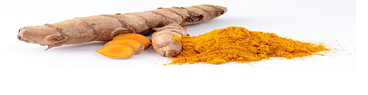
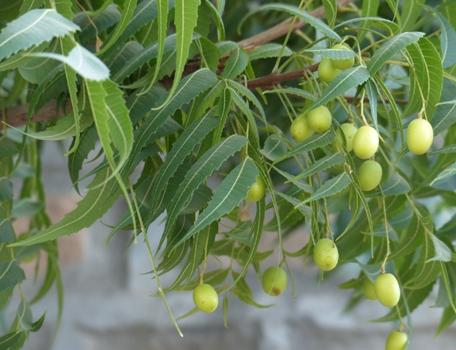
2. Neem-Silver Nanoparticles:
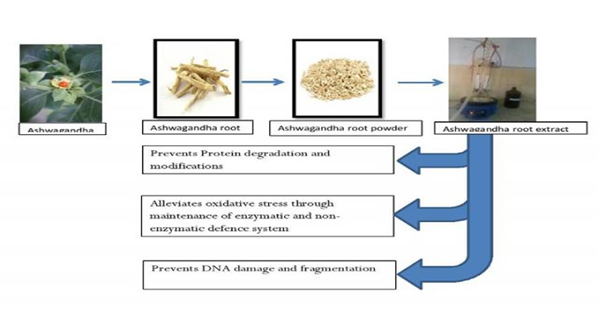
3. Ashwagandha Nanoparticles:
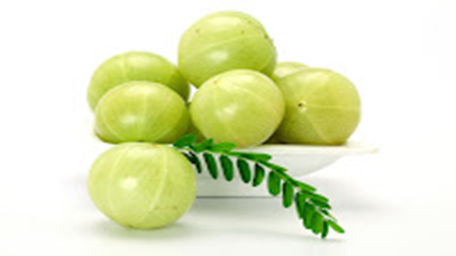
4. Amla Polyphenol Nanocarriers:
5. Tulsi Nanoemulsion:

6. Guduchi (Tinospora) Nanoparticles:
Difference between Conventional Herbal Medicine & Herbal Nanotechnology
|
Parameter |
Conventional Herbal Remedies |
Herbal Nanotechnology |
|
Solubility |
Low, especially hydrophobic phytochemicals |
High solubility via nano-sizing |
|
Bioavailability |
Poor absorption & rapid metabolism |
Significantly improved |
|
Dose Required |
High doses needed |
Lower doses effective |
|
Stability |
Unstable, prone to degradation |
Stable due to nanoencapsulation |
|
Targeting Ability |
Nonspecific distribution |
Targeted & controlled release |
|
Time to Onset of Action |
Slow |
Faster |
|
Therapeutic Efficiency |
Moderate |
Highly enhanced |
|
Side Effects |
Possible gastrointestinal irritation |
Reduced due to targeted delivery |
|
Shelf Life |
Shorter |
Longer |
|
Formulation |
Powders, decoctions, syrups |
Nanoparticles, liposomes, nanogels, nanoemulsion |
Challenges in Herbal Nanotechnology:
Future Scope:
CONCLUSION:
Green nanotechnology is an area that is gaining importance for the development of herbal nanomedicine by merging herbal therapeutics with nanotechnology. Utilization of herbal extracts as biologic reducing and stabilizing agents helps in synthesizing biodegradable nanoparticles with improved bioavailability, therapeutic potency, and low cytotoxicity. Green nanotechnology synthesized nanoparticles exhibit excellent biocompatibility with significant properties in drug delivery systems, antimicrobial, antioxidant, anti-inflammatory, and cancer applications, with better biocompatibility compared with their chemical counterparts.
Despite such benefits, issues such as batch variability, non-standardization, limited in vivo & clinical data, and regulatory issues should be attended to. Future studies should emphasis on understanding, mass production, toxicological analysis, and subsequent validation of Green nanotechnology applications for the development of herbal drugs. Conclusion: Green nanotechnology is a safe, low-cost, eco-friendly technology for the development of herbal delivery systems.
RESULTS AND DISCUSSION:
The recent studies reveal that green nanotechnology using herbal extracts is quite an efficient and eco-friendly method of nanoparticle synthesis. Phytochemicals like flavonoids, phenolics, alkaloids, terpenoids, and proteins in medicinal plants act as reducing, capping agents, and stabilizers simultaneously without the usage of toxic chemicals.
The synthesized herbal nanoparticles normally exhibit uniform size distribution, stability, and increased surface reactivity. Green-synthesized nanoparticles, compared to conventionally synthesised NPs, have less toxicity and more biocompatibility.
The nano-formulation in herbal medicine delivery significantly improves the solubility, bioavailability, and therapeutic efficacy of plant-based drugs. Increased cellular uptake and sustained drug release have been consistently reported to enhance antimicrobial, antioxidant, anti-inflammatory, and anticancer activities.
Overall, the findings are that GNT provides a cost-effective, eco-friendly, and biologically safer platform to modernize herbal medicine. However, variability in plant composition and limited clinical studies remain challenges, hence requiring standardization and in vivo validation.
REFERENCES


Sairaj Suryawanshi, Vinita Yadav, Green Nanotechnology using Ayurvedic Herbs, Int. J. of Pharm. Sci., 2025, Vol 3, Issue 12, 3815-3819. https://doi.org/10.5281/zenodo.18069684
 10.5281/zenodo.18069684
