

We use cookies to ensure our website works properly and to personalise your experience. Cookies policy
Shankarrao Ursal College of Pharamcy (Diploma), Kharadi, Pune-14
Cardiovascular diseases are the most common cause of death in industrialized countries. Among these diseases, you have certainly heard the name "heart attack"; A very important and dangerous disease that threatens the lives of many people in the world. Heart attack is one of the most common types of heart disease and one of the main causes of death in the world, and unfortunately, many people suffer from this problem. Despite the fact that thanks to timely measures and quality medical care, tens of thousands of people in the world survive death due to heart attacks, but still the percentage of death due to a severe heart attack is very high. A heart attack may seem scary at first, but many people go on to live normal lives after a heart attack and recovery. Answering the following questions can help you better understand what happened and how your heart is recovering. The heart muscle needs oxygen to survive, and a heart attack occurs when the flow of oxygenated blood to the heart muscle is reduced or completely cut off, which occurs when the coronary arteries that supply blood to the heart muscle become blocked. Accumulation of fat, cholesterol and other substances that are collectively called plaques. A blood clot may form around the plaque, which can disrupt the blood supply to the heart muscle.
A heart attack, also known as myocardial infarction (MI), happens when the blood supply to a part of the heart suddenly gets blocked. This blockage prevents oxygen from reaching the heart muscle, causing the muscle cells to get damaged or die. It is a serious and life-threatening condition that needs immediate medical care. Early treatment helps save heart tissue and improves survival. The heart is the most vital organ in the body, and any problems related to it should be taken seriously. Medical care and periodic checkups regarding the heart and its problems, especially hidden heart problems, are very important. One of the scariest and most dangerous problems that can happen to the heart is a heart attack. A heart attack is really a scary experience that if someone has experienced it or even seen someone close to them in this condition, they definitely know the depth of the danger of this complication. A heart attack, which in clinical terms is called myocardial infarction, occurs when a part of the heart muscle does not receive enough blood and as a result, the required oxygen does not reach the heart muscles. When the heart does not receive enough blood and oxygen, the function of the heart is disturbed. During heart attacks, the heart muscle is struggling to survive and needs oxygen. The longer the heart is deprived of oxygen and the later it receives the necessary treatments, the more severe the damage to the heart muscle will be. In a severe heart attack, the amount of damage and then the risk is definitely higher. The main reason for the occurrence of such a complication is the problems and blockage of the coronary arteries of the heart. In fact, due to taking these veins for various reasons, these arteries cannot supply the blood needed by the heart muscles. Coronary artery occlusion or CAD is known as the main cause of heart attack. In general, stroke and heart attack are used interchangeably. If we want to be a little more precise about them; It should be said that when the function of the heart is disrupted due to electrical problems, a heart attack occurs, which leads to cardiac arrest, but a heart attack is usually caused by a problem in the blood vessels. Both complications cause damage to the heart muscle. A heart attack, also known as "heart attack" and "myocardial infarction", occurs due to long-term failure of oxygen flow to the heart muscle (ischemia), which is actually associated with the death of the heart muscle (necrosis). Heart attack affects millions of people worldwide every year. An event that causes insufficient blood flow to the heart muscles is known as "coronary artery disease". Coronary arteries are vessels that are responsible for supplying blood to the cells of the heart, and when there is a blockage in these vessels, blood supply to the heart will also be disturbed. This also leads to myocardial infarction (heart attack), which causes disruption disturbed. This also leads to myocardial infarction (heart attack), which causes disruption in the normal functioning of the heart. Depending on the duration of vascular occlusion, the damage to the myocardium will be different, and a heart attack can be asymptomatic or have long-term and very severe manifestations. A heart attack occurs when there is insufficient blood supply to the heart muscle. This complication is also known as Myocardial Infarction and affects the person suddenly. A heart attack is an emergency situation and if medical measures are not taken in time, the patient's life will be threatened. The more time the blood supply disorder to the heart takes, the more the heart damage will be increased.
ETIOLOGY
Coronary artery disease (main cause) – Fat, cholesterol, and other substances build up inside the heart arteries and form plaque. When plaque ruptures, a blood clot forms and blocks the artery.
Atherosclerosis – Long-term narrowing and hardening of arteries due to plaque formation.
Coronary artery spasm – Temporary tightening of a coronary artery reduces blood flow.
Severe emotional or physical stress – Can trigger spasm or clot in already narrowed arteries.
High blood pressure, diabetes, high cholesterol, and smoking – These conditions damage arteries and make blockage more likely.
Drug use (like cocaine) – Can cause severe artery spasm or clot formation.
Sudden reduced oxygen supply – Severe anemia or low oxygen levels can also contribute.

Types of heart attack
Spasm (cramping) of coronary arteries or unstable angina: In this case, the patient faces an acute coronary heart attack. Chest pain may occur at rest, and the patient will experience pain for a longer period of time. It is not possible to treat this heart disease with medicine and rest. In contrast to unstable angina, there is stable angina. In this case, the occurrence of disease symptoms is related to physical activity. That is, the symptoms appear when physical activities have reached a certain level.
Myocardial infarction: In this case, one of the main arteries of the heart is damaged. These arteries allow blood to supply oxygen and nutrients to the heart muscle. This disease can be acute. In this case, there is also a possibility of ventricular arrhythmia. This will increase the risk of cardiac arrest.
Heart attack symptoms
Catch the Signs Early – Recognizing the Symptoms of a Heart Attack
A heart attack, or myocardial infarction, occurs when the blood flow to a part of the heart is blocked, leading to damage of the heart muscle. Recognizing early warning signs is crucial, as prompt medical attention can save lives and minimize heart damage.
Chest Discomfort:
The most typical symptom is pain or discomfort in the center of the chest. It may last for several minutes or come and go. The sensation can feel like pressure, squeezing, fullness, heaviness, or pain.
Discomfort in Other Areas:
Pain or discomfort may spread to one or both arms, the back, neck, jaw, or upper stomach. These sensations may appear suddenly or gradually.
Shortness of Breath:
This may occur with or without chest discomfort and often indicates that the heart is struggling to pump efficiently.
Other Warning Signs:
People experiencing a heart attack may also notice:
Symptoms in Women
While chest pain remains the most common symptom in women, they are more likely than men to experience atypical symptoms, such as:
These differences can sometimes delay recognition and treatment, making awareness especially important for women.
Variation in Symptoms
Heart attack symptoms can differ from person to person. Some may experience mild discomfort, while others have severe pain. In certain cases, symptoms are so that they go unnoticed until serious complications occur. Occasionally, the first sign may even be sudden cardiac arrest
Early Warning Signs
Not all heart attacks occur suddenly. Many individuals experience warning symptoms hours, days, or even weeks in advance. Persistent chest pressure or pain (known as angina) that does not resolve with rest may be an early indicator. Angina is caused by a temporary reduction in blood flow to the heart and should never be ignored. The more symptoms there are, the more likely a heart attack will occur. Signs and symptoms of a heart attack (myocardial infarction) can include the following:
Although "chest pain" is a key warning sign and the most common manifestation of this disease (heart attack); But it may also occur with other conditions such as: indigestion, pleurisy, pulmonary embolism, aortic valve stenosis, heartburn, etc.
The important point is that chest pain and discomfort, which is also interpreted as "angina" and is caused by myocardial ischemia, is divided into three categories: stable angina, unstable angina, and variant angina.
Angina includes the following important items:
Stable angina
It occurs due to atherosclerosis and coronary artery disease:
Unstable angina
Variant angina or Prinzmetal

PREVENTION
One of the best things you can do for your heart is to stop smoking or using smokeless tobacco. Even if you're not a smoker, be sure to stay away from second hand smoke.
Chemicals in tobacco can damage the heart and blood vessels. Cigarette smoke lowers the oxygen in the blood, which raises blood pressure and heart rate.
That's because the heart has to work harder to supply enough oxygen to the body and brain. There's good news though. The risk of heart disease starts to drop in as little as a day after quitting. After a year without cigarettes, the risk of heart disease drops to about half that of a smoker. No matter how long or how much you smoked, you'll start reaping rewards as soon as you quit.
Regular, daily physical activity can lower the risk of heart disease. Physical activity helps control your weight. It also lowers the chances of getting other conditions that may put a strain on the heart. These include high blood pressure, high cholesterol and type 2 diabetes.
If you haven't been active for a while, you may need to slowly work your way up to these goals. But in general, you should aim for at least:
150 minutes a week of moderate aerobic exercise, such as walking at a brisk pace.
75 minutes a week of vigorous aerobic activity, such as running. Two or more strength training sessions a week.
Even shorter bouts of activity offer heart benefits. So if you can't meet those guidelines, don't give up. Just five minutes of moving can help. Activities such as gardening, housekeeping, taking the stairs and walking the dog all count toward your total. You don't have to exercise hard to benefit. But you can see bigger benefits if you boost the intensity, length and frequency of your workouts.
A healthy diet can help protect the heart, improve blood pressure and
cholesterol, and lower the risk of type 2 diabetes. A heart-healthy eating plan includes:
Two examples of heart-healthy food plans include the Dietary Approaches to Stop Hypertension (DASH) eating plan and the Mediterranean diet.
Take in less of the following:
4. Maintain a healthy weight
Being overweight — especially around the middle of the body — raises the risk of heart disease. Extra weight can lead to conditions that raise the chances of getting heart disease. These conditions include high blood pressure, high cholesterol and type 2 diabetes.
The body mass index (BMI) uses height and weight to find out whether a person is overweight or obese. A BMI of 25 or higher is considered overweight.
In general, it's linked with higher cholesterol, higher blood pressure, and an increased risk of heart disease and stroke.
Waist circumference also can be a useful tool to measure how much belly fat you have. The risk of heart disease is higher if the waist measurement is greater than: 40 inches (101.6 centimeters, or cm) for men. 35 inches (88.9 cm) for women.
Even a small weight loss can be good for you. Reducing weight by just 3% to 5% can help lower certain fats in the blood called triglycerides. It can lower blood sugar, also called glucose. And it can cut the risk of type 2 diabetes. Losing even more helps lower blood pressure and blood cholesterol levels.
People who don't get enough sleep have a higher risk of obesity, high blood pressure, heart attack, diabetes and depression.
Most adults need at least seven hours of sleep each night. Children usually need more. So make sure you get enough rest. Set a sleep schedule and stick to it. To do that, go to bed and wake up at the same times each day. Keep your bedroom dark and quiet too, so it's easier to sleep.
Talk to a member of your health care team if you feel like you get enough sleep but you're still tired throughout the day. Ask if you need to be evaluated for obstructive sleep apnea. It's a condition that can raise your risk of heart disease. Symptoms of obstructive sleep apnea include loud snoring, stopping breathing for short times during sleep and waking up gasping for air. Treatment for obstructive sleep apnea may involve losing weight if you're overweight. It also might involve using a device that keeps your airway open while you sleep. This is called a continuous positive airway pressure (CPAP) device.
Ongoing stress can play a role in higher blood pressure and other risk factors for heart disease. Some people also cope with stress in unhealthy ways. For example, they may overeat, drink or smoke. You can boost your health by finding other ways to manage stress. Healthy tactics include physical activity, relaxation exercises, mindfulness, yoga and meditation.
If stress becomes overwhelming, get a health care checkup. Ongoing stress may be linked with mental health conditions such as anxiety and depression. These conditions also are tied to heart disease risk factors, including higher blood pressure and less blow flow to the heart. If you think you might have depression or anxiety, it's important to get treatment.
High blood pressure and high cholesterol can damage the heart and blood vessels. But if you don't get checked for these conditions, you likely won't know whether you have them. Regular screening tests can tell you what your numbers are and whether you need to take action.
Blood pressure. Regular blood pressure screenings usually start in childhood. Starting at age 18, blood pressure should be measured at least once every two years. This checks for high blood pressure as a risk factor for heart disease and stroke. If you're between 18 and 39 and have risk factors for high blood pressure, you'll likely be screened once a year. People age 40 and older also are given a blood pressure test yearly.
Cholesterol levels. The National Heart, Lung, and Blood Institute (NHLBI) recommends that cholesterol screenings start between the ages of 9 and 11. Earlier testing may be recommended if you have other risk factors, such as a family history of early-onset heart disease. After the first cholesterol test, screenings should be repeated every five years. Then the timing changes with age. The NHLBI recommends that women ages 55 to 65 and men ages 45 to 65 get screened every 1 to 2 years. People over 65 should get their cholesterol tested once a year.
Type 2 diabetes screening. Diabetes involves ongoing high blood sugar levels. It raises the chances of getting heart disease. Risk factors for diabetes include being overweight and having a family history of diabetes. If you have any of the risk factors, your health care team may recommend early screening. If not, screening is recommended starting at age 45. Then you get your blood sugar levels tested again every three years.
If you have a condition such as high cholesterol, high blood pressure or diabetes, talk with your health care team. Your doctor may prescribe medicines and recommend lifestyle changes. Make sure to take your medicines exactly as prescribed, and follow a healthy-lifestyle plan.
Certain infections may lead to heart problems. For instance, gum disease may be a risk factor for heart and blood vessel diseases. So brush and floss daily. Get regular dental checkups too.
Other illnesses caused by infections can make existing heart problems worse. Vaccines help protect against infectious diseases. So stay up to date on the following shots:
CONCLUSION
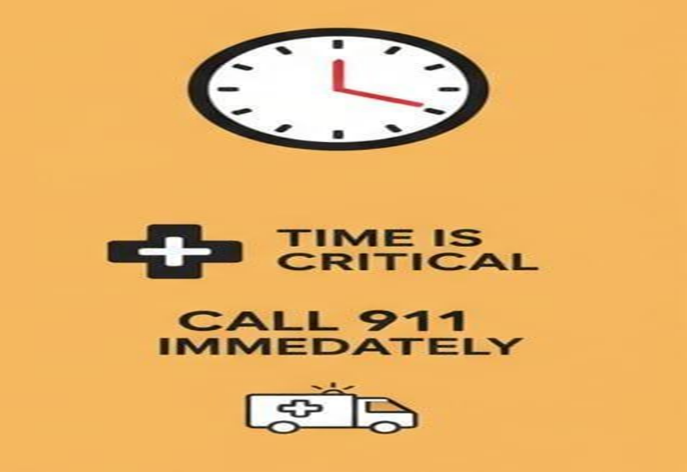
A heart attack is a critical medical emergency resulting from interruption of blood supply to the heart muscle, leading to tissue damage. The overall outcome depends greatly on early recognition and prompt treatment.
Symptoms such as chest pain, breathlessness, and sweating should be identified quickly, as timely medical care can reduce complications and improve survival. Long-term management involves lifestyle modification, regular medication, and continuous monitoring to prevent future cardiac events. Adoption of healthy habits—such as balanced diet, regular exercise, avoidance of smoking, and stress control—plays a key role in reducing risk. Therefore, awareness, prevention, and timely intervention are essential components for protecting heart health.
REFERENCES


Ashwini Bankar, Dr. Ashwini Shewale, Rohini Jethe, Aashukuvar Deora, Sonu Koli, Heart Attack: An Overview Etiology, Symptoms and Prevention, Int. J. of Pharm. Sci., 2025, Vol 3, Issue 12, 3528-3537. https://doi.org/10.5281/zenodo.18044367
 10.5281/zenodo.18044367