View Article

Abstract

Women’s health is increasingly recognized as a vital area of research, especially with respect to immunity and hormonal balance, where lifestyle stressors, environmental factors, and nutritional deficiencies often contribute to long-term health challenges. Herbal medicine offers a promising, safe, and holistic approach to addressing these concerns by using plant-based formulations rich in bioactive compounds. This article presents an in-depth review of important medicinal herbs—including Clitoria ternatea, German chamomile (Matricaria chamomilla), ashwagandha (Withania somnifera), tulsi (Ocimum sanctum), amla (Phyllanthus emblica), and guduchi (Tinospora cordifolia)—that exhibit strong immunomodulatory, antioxidant, adaptogenic, and hormone-regulating properties. The review highlights their phytochemical profiles, therapeutic mechanisms, traditional uses, and modern scientific evidence supporting their efficacy. Additionally, this article examines the synergistic benefits of combining these botanicals into polyherbal formulations for enhanced activity and better physiological outcomes. Special emphasis is placed on how these herbs support women’s immunity, reduce oxidative stress, promote hormonal equilibrium, and improve overall wellness. Current research gaps, safety considerations, and opportunities for future innovation—such as colour-changing herbal formulations and novel delivery systems—are also discussed. By integrating traditional knowledge with contemporary scientific insights, this article aims to provide a comprehensive resource that supports the development of effective, natural, and innovative herbal solutions for women’s health.

Keywords

Immunity booster, Hormonal balance, Clitoria ternatea, German chamomile, Traditional herbs, Women’s health, Herbal immunity

Introduction

Women’s health has always been a central focus of traditional and modern medical sciences, particularly in relation to immunity and hormonal balance, which play a crucial role in maintaining overall wellness. In today’s fast-paced lifestyle, increasing stress, irregular dietary habits, environmental pollution, and hormonal fluctuations have contributed to a rise in conditions such as fatigue, weakened immunity, emotional imbalance, irregular menstrual cycles, and reduced vitality. This growing global concern has renewed interest in natural, plant-based remedies that offer gentle yet effective therapeutic benefits without the adverse effects commonly associated with synthetic treatments.

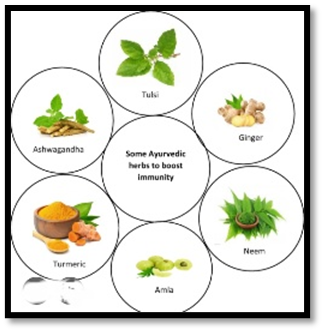
 Herbal medicine, deeply rooted in Ayurveda, Siddha, Unani, and other traditional systems, provides a rich source of bioactive compounds capable of supporting the immune system and regulating endocrine function. Botanicals such as Clitoria ternatea (Butterfly pea), German chamomile (Matricaria chamomilla), ashwagandha (Withania somnifera), tulsi (Ocimum sanctum), amla (Phyllanthus emblica), and guduchi (Tinospora cordifolia) have received increasing scientific attention due to their antioxidant, anti-inflammatory, adaptogenic, and immunomodulatory properties. Their potential to enhance women’s health—especially by promoting hormonal harmony, reducing stress, improving resilience, and supporting natural immune defences—makes them valuable candidates for research and formulation development.

In recent years, innovative approaches such as colour-changing herbal formulations, polyherbal synergy, and advanced extraction techniques have opened new opportunities for creating effective and consumer-friendly wellness products. Understanding the pharmacology, phytochemistry, and therapeutic significance of these herbs is essential for developing reliable, evidence-based interventions. This article aims to bridge traditional wisdom with contemporary research by providing an in-depth review of herbal strategies that can enhance women’s immunity and hormonal balance, ultimately contributing to improved quality of life and long-term health.

Women’s immunity challenges:

Women face unique immunity challenges due to constant hormonal changes during menstruation, pregnancy, postpartum, and menopause. Stressful lifestyles, poor diet, lack of sleep, and pollution further weaken their natural defence system. As a result, many women experience frequent infections, fatigue, inflammation, and slow recovery. These challenges highlight the need for natural and effective ways to support and strengthen women’s immunity.

Hormonal balance overview:

Hormonal balance is essential for a woman’s physical, emotional, and reproductive well-being. Hormones control important functions such as mood, energy, metabolism, immunity, and the menstrual cycle. Even small changes in hormone levels can lead to stress, fatigue, irregular periods, skin issues, and mood swings. Factors like lifestyle stress, poor sleep, unhealthy diet, and environmental toxins commonly disturb this balance. Supporting the body with natural remedies, proper nutrition, and stress management can help maintain stable hormone levels and promote overall wellness.

Need for the Study:

Women often face hormonal changes and low immunity due to stress, lifestyle habits, pollution, and nutritional deficiencies. These issues can lead to tiredness, mood changes, irregular cycles, and frequent infections. Many available treatments give only temporary relief and may cause side effects. Because of this, there is a growing need for natural, safe, and effective methods to support women’s overall health.

Herbs such as Clitoria ternatea, Chamomile, Ashwagandha, Amla, and Guduchi have shown great potential in improving immunity, reducing stress, and balancing hormones. However, their combined benefits are not fully studied. Understanding how these herbs work together can help develop better herbal solutions for women.

Therefore, this study is needed to explore the scientific support, benefits, and effectiveness of herbal ingredients in improving women’s immunity and hormonal wellness.

Herbal Syrup:

Herbal syrups are liquid oral preparations containing medicinal plant extracts, juices, or infusions that are sweetened and flavoured to enhance patient acceptability. They are among the oldest and most widely used dosage forms in traditional and modern herbal medicine because of their ease of consumption, quick absorption, and pleasant taste.

In recent years, the demand for natural and plant-based formulations has increased significantly due to the growing awareness about the side effects of synthetic drugs and the advantages of herbal remedies. Herbal syrups represent a bridge between Ayurvedic principles and modern pharmaceutical formulations, combining the efficacy of herbal extracts with convenient dosage form technology.

Importance of herbal syrup:

  1. Natural and Safe: Herbal syrups are made from plant-based ingredients, making them safe for regular use with minimal side effects.
  2. Boosts Immunity: Rich in antioxidants and bioactive compounds, herbal syrups help strengthen the body’s natural defence system.
  3. Supports Overall Wellness: They improve digestion, reduce stress, enhance energy, and promote better sleep.
  4. Easy to Consume: The liquid form makes it easy to absorb, quick in action, and suitable for all age groups.
  5. Chemical-Free Health Support: Herbal syrups provide a natural alternative to synthetic supplements or medicines.
  6. Holistic Benefits: They work on the root cause of imbalance and offer long-term health improvement.

Literature review:

Women’s immunity and hormonal balance are influenced by stress, diet, and physiological changes. Many researchers across the world have studied herbal plants that support immunity, reduce inflammation, and promote endocrine balance. The following literature highlights the scientific evidence for key herbs used in your formulation.

1. Ashwagandha (Withania somnifera)

Research Evidence

Mahdi et al. (2011) reported that Ashwagandha significantly lowers cortisol levels and improves hormonal balance insssss stressed individuals (Journal of Ethnopharmacology). Choudhary & Bhattacharya (2010) found its bioactive compounds enhance immunity and reduce inflammation. Singh et al. (2011) documented Ashwagandha’s adaptogenic effect, supporting physical and mental wellbeing.

2. Tulsi (Ocimum sanctum)

Research Evidence

Cohen (2014) demonstrated that Tulsi acts as a powerful adaptogen, improving stress response and immune function (Journal of Ayurveda and Integrative Medicine). Siva et al. (2009) reported antimicrobial and antioxidant activities of Tulsi leaves. Jamshidi & Cohen (2017) concluded that Tulsi improves psychological stress and maintains hormonal balance.

3. Amla (Emblica officinalis)

Research Evidence

Krishnaveni & Mirunalini (2010) reported that Amla is rich in Vitamin C and strengthens immunity while reducing oxidative stress. Ghosal et al. (1996) studied Amla’s immunomodulatory and rejuvenating properties. Rani et al. (2011) confirmed its anti-inflammatory role and digestive benefits.

4. Guduchi (Tinospora cordifolia)

Research Evidence

Kapil & Sharma (1997) demonstrated Guduchi’s immunomodulatory properties (Phytotherapy Research). Desai et al. (2002) found Guduchi effective in enhancing white blood cell function. Saha & Ghosh (2012) confirmed its role in boosting immunity and reducing inflammation.

5. German Chamomile (Matricaria chamomilla)

Research Evidence

Srivastava et al. (2010) reported chamomile’s anti-inflammatory, calming, and hormone-supportive effects (Molecular Medicine Reports). Amsterdam et al. (2009) found chamomile extracts reduce anxiety and menstrual discomfort. McKay & Blumberg (2006) highlighted its antioxidant and endocrine-supporting properties.

6. Clitoria ternatea (Butterfly Pea)

Research Evidence

Kazuma et al. (2003) identified its anthocyanins, which improve antioxidant activity (Journal of Agricultural and Food Chemistry). Jeyaraj et al. (2010) studied its antimicrobial and immune-supportive compounds. Mukherjee et al. (2008) documented its memory-enhancing and stress-relieving properties

7. Shatavari

Research Evidence

Goyal et al. (2003) reported that Shatavari root extracts help regulate female reproductive hormones and improve ovarian function (Indian Journal of Experimental Biology). Thakur et al. (2012) found that Shatavari promotes estrogenic activity, supporting menstrual cycle regulation. Sharma et al. (2011) confirmed its role in balancing female hormones and reducing menstrual irregularity.

Summary:

Across studies from researchers such as Mahdi, Cohen, Krishnaveni, Kapil, Srivastava, Kazuma, Goyal et al. and many others, these herbs consistently show strong scientific support for:

Boosting immunity, balancing hormones, reducing stress and inflammation Supporting overall women’s wellness. These findings validate the use of A herbal syrup combining Ashwagandha, Tulsi, Amla, Guduchi, Shatavari, Chamomile, and Clitoria ternatea for women's immunity and hormonal balance.

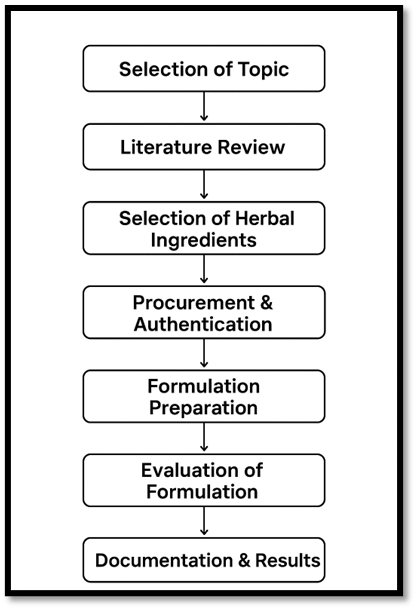
Plan of work:

1. Selection of Topic

  • Identification of key women’s health challenges.
  • Choosing herbs with proven immunity and hormone-balancing potential

2. Collection of Literature

  • Review of standard textbooks
  • Analysis of research articles, journals, and authentic online sources
  • Compilation of phytochemical and pharmacological data

3. Selection of Herbal Ingredients

  • Choosing herbs like Ashwagandha, Tulsi, Amla, Guduchi, German Chamomile, Clitoria ternatea, etc.
  • Ensuring safety, availability, and therapeutic relevance

4. Procurement & Authentication of Raw Materials

  • Collection of herbs from reliable sources
  • Authentication by botanical or pharmacognosy experts

5. Preparation of Herbal Syrup

  • Cleaning and drying of herbs
  • Extraction (Decoction/ infusion/ aqueous extract)
  • Filtration and concentration
  • Preparation of syrup base
  • Mixing extracts with base and preservatives (if allowed)
  • Final formulation of the syrup

6. Evaluation of Formulation

  • Organoleptic evaluation (colour, Odor, taste, consistency)
  • Physicochemical parameters
  • pH
  • Specific gravity
  • Viscosity
  • Stability testing

7. Documentation and Data Compilation

  • Tabulation of results
  • Comparative analysis
  • Graphs/charts preparation

8. Conclusion & Outcome

  • Summary of formulation success
  • Expected benefits for women’s immunity and hormonal balance

9. References

  • Citing books, journals, research papers used

AIM AND OBJECTIVES

Aim

“To Formulate and Evaluate a Novel Syrup for Women’s Immunity and Hormonal Health.”

 Objectives

  1. To review traditional and scientific literature on herbs possessing immunomodulatory and hormone-balancing properties.
  2. To select and collect suitable medicinal plants such as Ashwagandha, Shatavari, Amla, Guduchi, Tulsi, German chamomile, and Clitoria ternatea based on their pharmacological activities.
  3. To prepare extracts of the selected herbal ingredients using appropriate extraction methods.
  4. To formulate a stable and palatable polyherbal syrup using the prepared extracts.
  5. To evaluate the formulated syrup for:
    • Organoleptic properties (colour, taste, odour, appearance)
    • Physicochemical parameters (pH, viscosity, specific gravity)
    • Phytochemical screening for active constituents
    • Stability and microbial quality

MATERIAL AND METHODS

1. Butterfly Pea

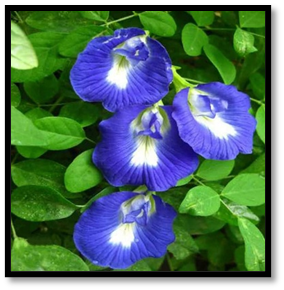
Butterfly Pea (Clitoria ternatea) is a vibrant blue medicinal flower known for its powerful antioxidant and stress-modulating properties that play a supportive role in maintaining hormonal balance. Its rich anthocyanins help reduce oxidative stress, which is one of the key triggers for hormonal disturbances in women.

  • Synonym: Blue pea
  • Biological name: Clitoria ternatea L.
  • Family: Fabaceae
  • Type: Climbing perennial vine
  • Chemical constituents:  Anthocyanins (main: ternatins, Flavonoids (quercetin, kaempferol), Alkaloids, Tannins, Saponins, Terpenoids, Phenolic compounds

Uses

      1. Supports hormonal balance in women
  1. Improves memory and mental alertness
  2. Acts as an antioxidant and anti-inflammatory
  3. Used in herbal teas, syrups, and natural food colouring.

Clitoria ternatea (Butterfly Pea) – Extraction Method

Procedure:

      1. Take 5 g dried Butterfly Pea petals.
      2. Add 100 ml distilled water.
      3. Heat for 15–20 minutes at 60–65°C (to preserve natural blue anthocyanin pigment).
      4. Cool & then Filter through muslin cloth and collect the extract.

2. German Chamomile

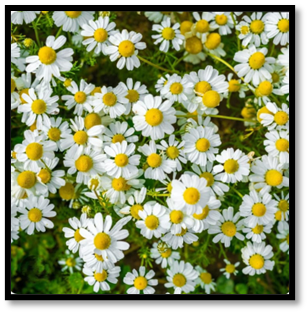
German Chamomile is a small, annual herb belonging to the Asteraceae family. It has feathery, light-green leaves and daisy-like white flowers with a yellow central disc. The flowers are highly aromatic and rich in bioactive compounds such as chamazulene and bisabolol, which give it anti-inflammatory, antioxidant, and calming properties.

  • Synonyms:  Matricaria Chamomilla L.                                                                     
  • Biological Name: Matricaria recutita
  • Family: Asteraceae
  • Chemical constituents: Chamazulene, Bisabolol, Flavonoids, Coumarins, Apigenin.

Uses:

  1. Herbal teas and infusions
  2. Syrups and tonics
  3. Cosmetics and skin-care products
  4. Traditional remedies for stress, menstrual discomfort, and mild infections

German Chamomile (Matricaria chamomilla) – Extraction Method

Procedure:

  1. Take 5g dried chamomile flowers.
  2. Add 100 ml distilled water.
  3. Heat for 15 minutes at 60°C (to protect volatile oils).
  4. Cool naturally.
  5. Filter and collect the extract.

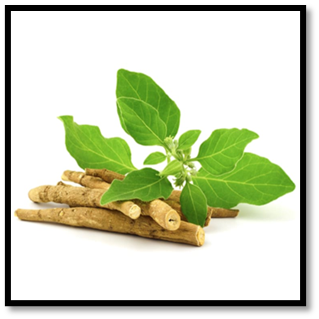
3. Ashwagandha

Ashwagandha, also called Indian ginseng or Winter cherry, is a well-known Ayurvedic herb used for boosting strength, immunity, and stress relief. It is a small shrub with green leaves, yellow flowers, and red berries. The roots are the main medicinal part and are known for adaptogenic properties (helps the body manage stress).

  • Synonyms: Indian Ginseng
  • Biological (Botanical) Name: Withania somnifera (L.) Dunal
  • Family: Solanaceae       
  • Chemical Constituents: Withanolides, Withaferin A, Alkaloids, Flavonoids, Steroid.

Uses:

      1. Acts as an Adaptogen – helps body resist stress
      2. Boosts immunity and overall vitalit Balances hormones and improves
      3. Reproductive health (especially in women)

Ashwagandha (Withania somnifera) – Extraction Method

Procedure:

  1. Weigh 5 g of dried Ashwagandha root powder.
  2. Add 100 ml distilled water.
  3. Heat on water bath at 70°C for 25 minutes
  4. Cool to room temperature.
  5. Filter using muslin cloth.
  6. Collect the clear aqueous extract.

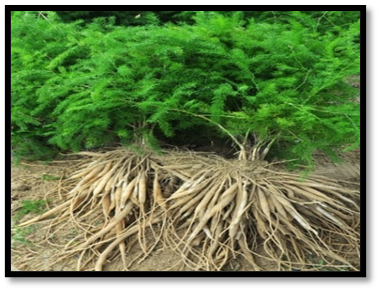
4. Shatavari

Shatavari is considered to be the most useful Ayurvedic herb for unique health problems of women. Shatavari root powder is traditionally used by women to support fertility and lactation by increasing blood flow throughout the reproductive system and supporting normal estrogen (hormone) production and use.

  • Synonyms: Asparagus
  • Biological (Botanical) Name: Asparagus racemosus Willd.
  • Family:   Liliaceae (formerly), now Asparagaceae
  • Parts Used: Roots (Tuberous roots)
  • Chemical Constituents: Isoflavones, Steroidal saponins – Shatavarins I–IV (major active compounds), Alkaloid, Tann, Mucilage, Polysaccharide, Polysaccharide.

Uses:

      1. Acts as a female reproductive tonic – balances hormones and supports lactation
      2. Enhances immunity and vitalit
      3. Shows adaptogenic and rejuvenating properties
      4. Beneficial in gastric ulcers and digestive health
      5. Acts as an antioxidant, anti-inflammatory, and aphrodisia

Shatavari – Extraction Method (Short)

  1. Take 5 g dried Shatavari root powder.
  2. Add 100 ml distilled water.
  3. Heat for 25–30 minutes at 70°C.
  4. Filter and collect the aqueous extract

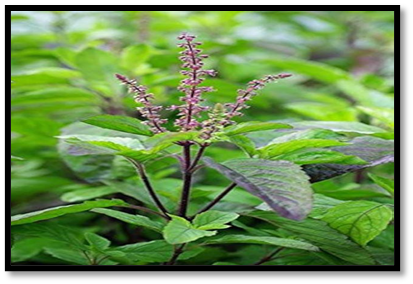
5. Tulsi

Tulsi, also known as Holy Basil, is a sacred medicinal plant widely used in Ayurveda. It is known for its strong aroma, antioxidant properties, and ability to boost immunity. The plant has green or purple leaves, a woody stem, and small purple or white flowers.

  • Synonyms: Holy Basil, Sacred Basil
  • Biological Name: Ocimum sanctum Linn. (syn. Ocimum tenuiflorum)
  • Family: Lamiaceae
  • Chemical Constituents: Essential oils (eugenol, methyl eugenol, carvacrol), Flavonoids, Triterpenoids, Phenolic compounds, Saponins, Alkaloids

Uses:

  1. Boosts immunity and fights infections
  2. Acts as an adaptogen – reduces stress
  3. Useful in respiratory disorders (cold, cough, asthma)
  4. Shows antioxidant, anti-inflammatory, and antimicrobial effects
  5. Supports heart and liver health

Tulsi (Ocimum sanctum) – Extraction Method

Procedure:

  1. Weigh 5 g dried Tulsi leaves.
  2. Add 100 ml distilled water
  3. Heat gently for 15–20 minutes (do not boil strongly).
  4. Cool at room temperature.
  5. Filter to obtain the extract.

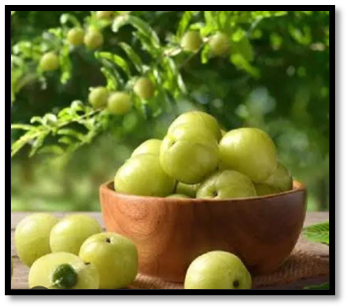
6.  Amla

Amla is an excellent source of vitamin c, so it helps boost your immunity, metabolism and prevents viral and bacterial diseases including colds and coughs. Its nutritional profile is also full of various polyphenols known to fight the development of cancer cells.

  • Synonym – Indian Gooseberry
  • Biological Name: Emblica officinalis or Phyllanthus emblica,
  • Family: Phyllanthaceae
  • Chemical Constituents: Vitamin C, Tannins (emblicanin A & B), Flavonoid, Polyphenols, Gallic acid, Ellagic acid, Amino acids

Uses:

      1. Boosts immunity
      2. Improves digestion
      3. Acts as antioxidant
      4. Promotes hair and skin health

Extraction Process:

  1. Weigh 5 g of dried Amla fruit powder.
  2. Add 100 ml of distilled water.
  3. Heat the mixture on a water bath for 20–25 minutes at 70°C.
  4. Allow the mixture to cool to room temperature.
  5. Filter through muslin cloth or Whatman filter paper.
  6. Collect the clear aqueous Amla extract and store in an airtight container

7. Guduchi

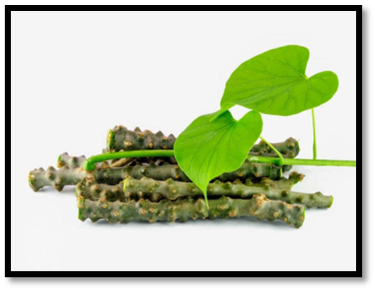
Guduchi (Tinospora cordifolia), also known as Giloy, is a powerful rejuvenating herb widely celebrated in Ayurveda for strengthening both immunity and hormonal health. Its graceful heart-shaped leaves and climbing vines symbolize vitality, while its inner stem is packed with potent bioactive compounds like alkaloids, terpenoids, and glycosides that help regulate the body’s internal balance.

  • Synonyms:  Giloy, Amrita, Tinospora, Gulvel (Marathi), Heart-leaved Moonsee
  •  Biological Name: Tinospora cordifolia
  • Family:  Menispermaceae
  • Chemical Constituents:   Alkaloids: berberine, palmatine, magnoflorine, n Glycosides: tinocordiside, cordifolioside, Diterpenoid lactones: tinosporin, tinosporide, Steroids: β-sitosterol, Polysaccharides, Phenolic compounds

Uses:

      1. Immunomodulator: Enhances the body’s resistance against infections.
      2. Antipyretic: Reduces chronic fevers.
      3. Antioxidant: Protects cells from oxidative stress.
      4. Hepatoprotective: Supports liver health.

Extraction Process:

      1. Take 5 g of dried Guduchi stem pieces/powder.
      2. Add 100 ml distilled water.
      3. Heat for 20–30 minutes at 60–70°C.
      4. Allow to cool.
      5. Filter through cloth or filter paper & Collect the filtrate

8. Honey

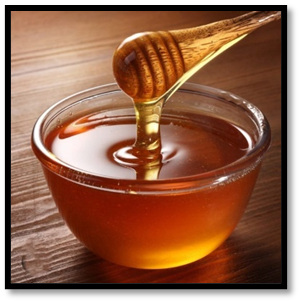
Honey is a natural, golden elixir widely cherished for its healing, nourishing, and harmonizing properties. Rich in enzymes, antioxidants, vitamins, and natural sugars, honey acts as both a therapeutic ingredient and a natural sweetener in herbal formulations.

  • Synonyms: Madhu (Sanskrit), Shahad (Hindi), Honey (English)
  • Biological Source:  A natural sweet secretion produced by Apis mellifera and other honeybee species from the nectar of flowers.
  • Family:  Apidae
  • Chemical constituents: Sugars: fructose, glucose. Water, Organic acids: gluconic acid, formic acid, Enzymes: invertase, amylase, catalase.  Amino acids: proline (main), Minerals: potassium, calcium, magnesium.

Uses: 

      1. Acts as a natural sweetener in formulations
      2. Works as a natural preservative
      3. Has antimicrobial and antioxidant properties
      4. Soothes cough and sore throat
      5. Supports digestion and immunity

 Honey – Method

  1. Pure honey was filtered through muslin cloth to remove impurities.
  2. It was slightly warmed in a water bath to reduce thickness.
  3. The filtered honey was directly used in the syrup formulations.

9.  Citric acid

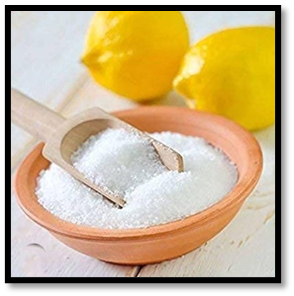
Citric acid is a white, crystalline, odourless powder with a strongly acidic taste. It is highly soluble in water and acts as a natural preservative and acidulant.

  • Synonyms: 2-Hydroxy-1,2,3-propane tricarboxylic acid, Lemon acid
  • Biological Source: Naturally found in citrus fruits such as lemon (Citrus limon), orange (Citrus sinensis), and lime. Commercially produced by fermentation of sugars using Aspergillus Niger fungus.
  • Chemical Formula: C?H?O?
  • Family:  Rutaceae (plant source)
  • Chemical Nature:
      1. Organic acid (weak tricarboxylic acid)
      2. Naturally occurs as part of the citric acid cycle in metabolism.

Uses of Citric Acid:

  1. Acts as a preservative in formulations
  2. Works as a pH adjuster to maintain acidity
  3. Enhances flavour by adding mild sourness
  4. Prevents microbial growth
  5. Improves stability and shelf-life of syrups

Citric Acid – Method

  1. Required quantity of citric acid was weighed accurately.
  2. It was dissolved in a small amount of warm distilled water.
  3. The solution was added to the syrup mixture to adjust acidity and improve stability.

10. Sucrose syrup /sugar

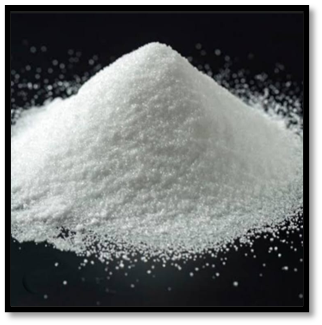
Sucrose is a naturally occurring carbohydrate widely used as a primary sweetening agent in pharmaceutical and herbal formulations. It is a clean, white crystalline substance composed of glucose and fructose, giving it a pleasant sweetness and smooth mouthfeel. In syrup preparations, sucrose does more than enhance taste .it plays an essential functional role.

  • Chemical Name – Sucrose
  • Chemical Formula - C??H??O??
  • Molecular Weight - 342.30 g/mol
  • Nature - Disaccharide carbohydrate. Formed by glucose + fructose
  • Source - Sugarcane & Sugar beet

Uses:

  1. Acts as a sweetening agent in syrups
  2. Works as a preservative at high concentrations
  3. Improves taste and palatability
  4. Increases viscosity and provides body to syrup
  5. Enhances stability of the formulation

 Sucrose – Method

  1. Required amount of sucrose was weighed accurately.
  2. It was dissolved in warm distilled water with continuous stirring.
  3. The clear sugar solution was added to the syrup mixture to adjust sweetness and volume.

Formulation Table:

Sr.

No

Ingredients

Quantity (g/ml)

(Sample)

Role

  1.  

Butterfly Pea (Clitoria ternatea) Extract

4g

Natural blue colour, antioxidant

  1.  

Ashwagandha Extract

4g

Adaptogen, improves immunity & strength

  1.  

Shatavari Extract

3g

Hormonal balance, women’s health support

  1.  

Tulsi Extract

2g

Antimicrobial, immunity booster

  1.  

Amla Extract


1.5 g

Vitamin C source, antioxidant

  1.  

Guduchi Extract

3g


Immunomodulator, detoxifying agent

  1.  

German Chamomile Extract

1g

Calming, Anti-inflammatory

  1.  

Honey

40ml


Natural sweetener, mild preservative

  1.  

Sucrose

15g

Sweetener, provides syrup base/ viscosity, antimicrobial

  1.  

Citric Acid

0.2g

pH adjuster, enhances stability

  1.  

Purified water

q.s. to 200ml

Solvent, syrup base

Procedure: 

1. Preparation of Herbal Extract Solution

  1. Accurately weighed Ashwagandha, Shatavari, Tulsi, Amla, Guduchi, Chamomile, and Butterfly Pea extracts.
  2. Each extract was dissolved separately in a small amount of warm distilled water to ensure complete solubilization.
  3. All extract solutions were combined and mixed thoroughly.

2. Preparation of Sugar Syrup

  1. Sucrose (15 g) was heated with distilled water until completely dissolved.
  2. The solution was maintained at 60–70°C for 10–15 minutes to reduce microbial load (stability step).
  3. The syrup was filtered through muslin cloth/Whatman filter paper to obtain a clear solution (improves clarity & stability).

3. Mixing of Herbal Extracts with Sugar Syrup

  1. The prepared clear sugar syrup was slowly added to the herbal extract mixture.
  2. The mixture was stirred continuously to ensure uniform blending.

4. Addition of Stability-Enhancing Agents

  1. Citric acid (0.2 g) was added as a pH adjuster and preservative.
  2. Add honey(40ml) after cooling the mixture below 45°C to avoid degradation and ensure stability. Honey was incorporated as a natural sweetener and stabilizer.
    • Optional preservatives (if required for long shelf-life): Sodium benzoate 0.1% OR Potassium sorbate 0.1%

5. pH Adjustment

  • The pH was adjusted to 4.0–5.0, which enhances color stability (butterfly pea) and reduces microbial growth.

6. Final Volume Adjustment

  • The mixture was topped up with distilled water q.s. to 100 ml.

7. Final Heating (Stabilization Step)

  • The mixture was gently heated again at 60°C for 5 minutes to stabilize and improve homogeneity.

8. Filtration

  • The final syrup was filtered to remove any undissolved particles for a clear, stable product.

9. Packaging

  1. The syrup was filled into amber-coloured, airtight glass bottles to protect against light degradation.
  2. Bottles were labelled and stored in a cool, dry place.

10. Storage:

The syrup was stored in amber coloured, airtight glass bottle to project from light and enhance shelf stability.

EVALUATION   PARAMETER

Sr. No

Parameter

Test method

Observation/ Result

Purpose

1

Appearance / Colour

Visual inspection

Clear blue, uniform

Stable

2

Odour


Smell test

Pleasant herbal aroma

Acceptable

3

Taste


Panel taste

Sweet & palatable

Acceptable

4

pH

pH meter

4.3

Within 4–5, stable

5

Viscosity (cP)

Brookfield viscometer

210

Consistent

6


Brix (°Brix)

Refractometer

62

Consistent

7

Clarity / Sedimentation

Visual

Clear, no sediment

Homogeneous

8

Microbial Load

Plate count

Within permissible limits

Safe

9

Colour Stability

Visual / ΔE

Blue maintained

Stable

10

Shelf-Life Enhancement

Honey + pH + Brix + optional preservative

Maintained

Extended 6–12 months

DISCUSSION:

The Herbal Immunity and Hormone Balancing Syrup developed in this study brings together a thoughtful combination of herbs known for their synergistic effects on women’s wellness. Each ingredient contributes a unique therapeutic role, creating a formulation that naturally supports both immune function and hormonal balance.

Adaptogenic herbs such as Ashwagandha, Shatavari, Tulsi, and Guduchi help the body respond better to physical and emotional stress—one of the major causes of hormonal disturbances. Their ability to calm the stress pathways enhances endocrine balance, improves energy, and stabilizes mood. Butterfly Pea and German Chamomile, rich in antioxidants and calming phytochemicals, further reduce oxidative stress and promote relaxation, supporting smoother hormonal rhythm and overall emotional well-being.

The formulation is made more acceptable and stable through the inclusion of honey and sucrose, which not only enhance taste but also add mild therapeutic and preservative benefits. Together, the ingredients create a balanced, soothing, and effective herbal syrup that promotes internal harmony.

Overall, the formulation demonstrates strong potential as a holistic wellness supplement for women, offering combined benefits of immune enhancement, hormonal support, and stress relief.

CONCLUSION AND RESULT

The Herbal Immunity and Hormone Balancing Syrup developed in this study demonstrates a promising natural approach for supporting women’s wellness. By combining adaptogenic, antioxidant, and immunomodulatory herbs such as Ashwagandha, Shatavari, Tulsi, Guduchi, Butterfly Pea, and German Chamomile, the formulation offers synergistic benefits that help promote hormonal harmony, strengthen immunity, and reduce stress-related imbalance. The addition of honey and sucrose improves palatability and stability without affecting therapeutic value.

Overall, the formulation shows potential as a safe, effective, and holistic herbal syrup that may contribute to improved hormonal balance, enhanced immune function, and better overall vitality in women.

REFERENCES

  1. Singh, Pooja, & Diksha Singh. (2025). Ethno pharmacological review on Asparagus racemosus. Phytotherapy Journal, 14(2), 348.
  2. Bagchi, Debasis; Bhupathiraju, Kiran; Banik, Samudra Prosad (Eds.). (2026). Health Benefits of Asparagus racemosus (Shatavari): A Comprehensive Guide to the Medicinal and Nutritional Potential of Shatavari. CRC Press.
  3. Chakraborty, Sudipta & Pal, Arna. In Health Benefits of Asparagus racemosus (Bagchi et al., Eds.): “Pharmacognosy and Therapeutic Benefits of Asparagus racemosus: A Novel Adaptogenic Ayurvedic Herb.” CRC Press.
  4. Shaha, Pooja & Bellankimath, Anurag. (2017). Pharmacological profile of Asparagus racemosus: A review. International Journal of Current Microbiology & Applied Sciences, 6(11), 1215–1223.
  5. Alok, S., & Others. (2013). Plant profile, phytochemistry and pharmacology of Asparagus racemosus. Journal of Ethnopharmacology, 146(3), 515–528.
  6. Hussain, A., & Others. (2011). Asparagus racemosus: Rasayana and immunomodulatory properties. PharmacologyOnline, 3, 1353–1364.
  7. Kumari, A., Chakraborty, M., & Bose, S. (2021). Synergistic immunomodulatory activity of aqueous root extract of Asparagus racemosus and ethanol extract of Boerhavia diffusa. Asian Journal of Pharmaceutical and Clinical Research, 14(11), 120–123.
  8. Mikulska, P., Malinowska, M., Ignacyk, M., Szustowski, P., Nowak, J., Pesta, K., Szel?g, M., Judasz, E., Szklanny, D., & Kaczmarek, G. (2023). Ashwagandha (Withania somnifera) — Current research on the health promoting activities: A narrative review. Pharmaceutics, 15(4), 1057.
  9. (2023). Effects of Withania somnifera (Ashwagandha) on hematological and biochemical markers, hormonal behavior, and oxidant response in healthy adults: A systematic review. Current Nutrition Reports, 12, 465–477.
  10. Nasimi Doost Azgomi, R., Zomorrodi, A., Nazemyieh, H., Fazljou, S.?M.?B., Sadeghi Bazargani, H., Nejatbakhsh, A., & Ahmadi Asr Badr, Y. (2019). Effects of Withania somnifera on the reproductive system: A systematic review. BioMed Research International, 2019, Article ID 7591541.
  11. Al Snafi, Ali Esmail. (2016). Pharmacological importance of Clitoria ternatea – A review. IOSR Journal of Pharmacy and Biological Sciences, 6(3), 68–83.
  12. Salve, P. D., Khedkar, S., Pansare, V. J., & Veer, S. (2024). A review on pharmacological studies of Clitoria ternatea. World Journal of Advanced Research and Reviews, 24(2), 1175–1183.
  13. Gollen, B., Mehla, J., & Gupta, P. (2024). Pharmacological potential of Clitoria ternatea Linn: Perspectives on its future as a therapeutic herbal medicine. Journal of Pharmacology & Drug Delivery, (special issue), Article.
  14. Aggarwal, B. B., & Harikumar, K. B. (2009). Potential therapeutic effects of curcumin, the anti-inflammatory agent, against neurodegenerative, cardiovascular, pulmonary, metabolic, autoimmune and neoplastic diseases. International Journal of Biochemistry & Cell Biology, 41(1), 40–59
  15. Singh, N., Bhalla, M., de Jager, P., & Gilca, M. (2011). An overview on Ashwagandha: A Rasayana (rejuvenator) of Ayurveda. African Journal of Traditional, Complementary and Alternative Medicines, 8(5), 208–213.
  16. Upadhyay, A. K., Kumar, K., Kumar, A., & Mishra, H. S. (2010). Tinospora cordifolia (Guduchi): A review of its medicinal properties and pharmacological activities. Journal of Medicinal Plants Research, 4(8), 292–301.
  17. Cohen, M. M. (2014). Tulsi—Ocimum sanctum: A herb for all reasons. Journal of Ayurveda and Integrative Medicine, 5(4), 251–259.
  18. Sharma, P. V. (2006). Dravyaguna Vijnana (Vol. I–III). Chaukhambha Bharati Academy, Varanasi, India. (Standard Ayurvedic reference for Ashwagandha, Shatavari, Guduchi, Tulsi)
  19. Bone, K., & Mills, S. (2013). Principles and Practice of Phytotherapy: Modern Herbal Medicine. Churchill Livingstone. (Shatavari, Chamomile, adaptogens, immune herbs)
  20. Srivastava, J. K., Shankar, E., & Gupta, S. (2010). Chamomile: A herbal medicine of the past with a bright future (Review). Molecular Medicine Reports, 3(6), 895–901.
  21. Chusak, C., et al. (2018). Clitoria ternatea extract improves antioxidant status and glycemic control. Journal of Ethnopharmacology, 216, 217–224.
  22. Mukherjee, P. K., et al. (2008). Clitoria ternatea root: An ayurvedic medicine with antioxidant and nootropic potential. Journal of Ethnopharmacology, 91, 35–41.
  23.  Khoo, H. E., et al. (2019). Phytochemicals and medicinal properties of Clitoria ternatea. Molecules, 24(23), 4300.
  24. Jeyaraj, E. J., et al. (2018). Anti-inflammatory potential of Clitoria ternatea flower extract. International Journal of Pharmaceutical Sciences Review and Research, 51(1), 71–76.
  25. Sharma, A., et al. (2020). Blue pigments (anthocyanins) from Clitoria ternatea and their stability analysis. Journal of Food Science and Technology, 57, 2898–2907.
  26. McKay, D. L., & Blumberg, J. B. (2006). A review of the bioactivity and potential health benefits of chamomile tea. Phytotherapy Research, 20, 519–530.
  27.  Miraj, S., & Alesaeidi, S. (2016). A systematic review on the therapeutic effects of Matricaria chamomilla. Electronic Physician, 8(9), 3024–3031.
  28. Thakur AV. Immunostimulatory effects of Clitoria ternatea extract — evaluation of hydro-methanolic leaf extract for immune-enhancement.
  29. Solanki YB & Jain S. Immunomodulatory activity of Clitoria ternatea extracts in rats — humoral and cellular immune response studies.
  30. Sneha Kshirsagar SK. Immunomodulatory and antioxidative properties of Clitoria ternatea extract.
  31. Maia NMA et al. Functional properties and phytochemistry of Clitoria ternatea with health benefits.
  32. Daisy P et al. Immunomodulatory & antioxidant effects of Clitoria ternatea and Phyllanthus emblica in diabetic rats.
  33. Paul S. Withania somnifera: comprehensive review of pharmacological activities including immunomodulation & adaptogenic effects.
  34. Siddiqui NA. Immunomodulatory effect of Withania somnifera in experimental models.
  35. Pin-Gaon et al. Randomized clinical evidence of Shatavari and Ashwagandha extracts improving menopause-related outcomes (inflammation, oxidative stress markers).
  36. Systematic review of immunomodulatory effects of W. somnifera and other herbs.
  37. Wikipedia summary on Withania somnifera including phytochemical evidence related to hormonal and immune parameters.
  38. Mohanty M et al. Ayurvedic medicinal plants as phyto-immunoboosters
  39. Kokate CK, Purohit AP, Gokhale SB. Textbook of Pharmacognosy, Nirali Prakashan.
  40. Trease GE, Evans WC. Pharmacognosy, Saunders Elsevier.

Reference

  1. Singh, Pooja, & Diksha Singh. (2025). Ethno pharmacological review on Asparagus racemosus. Phytotherapy Journal, 14(2), 348.
  2. Bagchi, Debasis; Bhupathiraju, Kiran; Banik, Samudra Prosad (Eds.). (2026). Health Benefits of Asparagus racemosus (Shatavari): A Comprehensive Guide to the Medicinal and Nutritional Potential of Shatavari. CRC Press.
  3. Chakraborty, Sudipta & Pal, Arna. In Health Benefits of Asparagus racemosus (Bagchi et al., Eds.): “Pharmacognosy and Therapeutic Benefits of Asparagus racemosus: A Novel Adaptogenic Ayurvedic Herb.” CRC Press.
  4. Shaha, Pooja & Bellankimath, Anurag. (2017). Pharmacological profile of Asparagus racemosus: A review. International Journal of Current Microbiology & Applied Sciences, 6(11), 1215–1223.
  5. Alok, S., & Others. (2013). Plant profile, phytochemistry and pharmacology of Asparagus racemosus. Journal of Ethnopharmacology, 146(3), 515–528.
  6. Hussain, A., & Others. (2011). Asparagus racemosus: Rasayana and immunomodulatory properties. PharmacologyOnline, 3, 1353–1364.
  7. Kumari, A., Chakraborty, M., & Bose, S. (2021). Synergistic immunomodulatory activity of aqueous root extract of Asparagus racemosus and ethanol extract of Boerhavia diffusa. Asian Journal of Pharmaceutical and Clinical Research, 14(11), 120–123.
  8. Mikulska, P., Malinowska, M., Ignacyk, M., Szustowski, P., Nowak, J., Pesta, K., Szel?g, M., Judasz, E., Szklanny, D., & Kaczmarek, G. (2023). Ashwagandha (Withania somnifera) — Current research on the health promoting activities: A narrative review. Pharmaceutics, 15(4), 1057.
  9. (2023). Effects of Withania somnifera (Ashwagandha) on hematological and biochemical markers, hormonal behavior, and oxidant response in healthy adults: A systematic review. Current Nutrition Reports, 12, 465–477.
  10. Nasimi Doost Azgomi, R., Zomorrodi, A., Nazemyieh, H., Fazljou, S.?M.?B., Sadeghi Bazargani, H., Nejatbakhsh, A., & Ahmadi Asr Badr, Y. (2019). Effects of Withania somnifera on the reproductive system: A systematic review. BioMed Research International, 2019, Article ID 7591541.
  11. Al Snafi, Ali Esmail. (2016). Pharmacological importance of Clitoria ternatea – A review. IOSR Journal of Pharmacy and Biological Sciences, 6(3), 68–83.
  12. Salve, P. D., Khedkar, S., Pansare, V. J., & Veer, S. (2024). A review on pharmacological studies of Clitoria ternatea. World Journal of Advanced Research and Reviews, 24(2), 1175–1183.
  13. Gollen, B., Mehla, J., & Gupta, P. (2024). Pharmacological potential of Clitoria ternatea Linn: Perspectives on its future as a therapeutic herbal medicine. Journal of Pharmacology & Drug Delivery, (special issue), Article.
  14. Aggarwal, B. B., & Harikumar, K. B. (2009). Potential therapeutic effects of curcumin, the anti-inflammatory agent, against neurodegenerative, cardiovascular, pulmonary, metabolic, autoimmune and neoplastic diseases. International Journal of Biochemistry & Cell Biology, 41(1), 40–59
  15. Singh, N., Bhalla, M., de Jager, P., & Gilca, M. (2011). An overview on Ashwagandha: A Rasayana (rejuvenator) of Ayurveda. African Journal of Traditional, Complementary and Alternative Medicines, 8(5), 208–213.
  16. Upadhyay, A. K., Kumar, K., Kumar, A., & Mishra, H. S. (2010). Tinospora cordifolia (Guduchi): A review of its medicinal properties and pharmacological activities. Journal of Medicinal Plants Research, 4(8), 292–301.
  17. Cohen, M. M. (2014). Tulsi—Ocimum sanctum: A herb for all reasons. Journal of Ayurveda and Integrative Medicine, 5(4), 251–259.
  18. Sharma, P. V. (2006). Dravyaguna Vijnana (Vol. I–III). Chaukhambha Bharati Academy, Varanasi, India. (Standard Ayurvedic reference for Ashwagandha, Shatavari, Guduchi, Tulsi)
  19. Bone, K., & Mills, S. (2013). Principles and Practice of Phytotherapy: Modern Herbal Medicine. Churchill Livingstone. (Shatavari, Chamomile, adaptogens, immune herbs)
  20. Srivastava, J. K., Shankar, E., & Gupta, S. (2010). Chamomile: A herbal medicine of the past with a bright future (Review). Molecular Medicine Reports, 3(6), 895–901.
  21. Chusak, C., et al. (2018). Clitoria ternatea extract improves antioxidant status and glycemic control. Journal of Ethnopharmacology, 216, 217–224.
  22. Mukherjee, P. K., et al. (2008). Clitoria ternatea root: An ayurvedic medicine with antioxidant and nootropic potential. Journal of Ethnopharmacology, 91, 35–41.
  23.  Khoo, H. E., et al. (2019). Phytochemicals and medicinal properties of Clitoria ternatea. Molecules, 24(23), 4300.
  24. Jeyaraj, E. J., et al. (2018). Anti-inflammatory potential of Clitoria ternatea flower extract. International Journal of Pharmaceutical Sciences Review and Research, 51(1), 71–76.
  25. Sharma, A., et al. (2020). Blue pigments (anthocyanins) from Clitoria ternatea and their stability analysis. Journal of Food Science and Technology, 57, 2898–2907.
  26. McKay, D. L., & Blumberg, J. B. (2006). A review of the bioactivity and potential health benefits of chamomile tea. Phytotherapy Research, 20, 519–530.
  27.  Miraj, S., & Alesaeidi, S. (2016). A systematic review on the therapeutic effects of Matricaria chamomilla. Electronic Physician, 8(9), 3024–3031.
  28. Thakur AV. Immunostimulatory effects of Clitoria ternatea extract — evaluation of hydro-methanolic leaf extract for immune-enhancement.
  29. Solanki YB & Jain S. Immunomodulatory activity of Clitoria ternatea extracts in rats — humoral and cellular immune response studies.
  30. Sneha Kshirsagar SK. Immunomodulatory and antioxidative properties of Clitoria ternatea extract.
  31. Maia NMA et al. Functional properties and phytochemistry of Clitoria ternatea with health benefits.
  32. Daisy P et al. Immunomodulatory & antioxidant effects of Clitoria ternatea and Phyllanthus emblica in diabetic rats.
  33. Paul S. Withania somnifera: comprehensive review of pharmacological activities including immunomodulation & adaptogenic effects.
  34. Siddiqui NA. Immunomodulatory effect of Withania somnifera in experimental models.
  35. Pin-Gaon et al. Randomized clinical evidence of Shatavari and Ashwagandha extracts improving menopause-related outcomes (inflammation, oxidative stress markers).
  36. Systematic review of immunomodulatory effects of W. somnifera and other herbs.
  37. Wikipedia summary on Withania somnifera including phytochemical evidence related to hormonal and immune parameters.
  38. Mohanty M et al. Ayurvedic medicinal plants as phyto-immunoboosters
  39. Kokate CK, Purohit AP, Gokhale SB. Textbook of Pharmacognosy, Nirali Prakashan.
  40. Trease GE, Evans WC. Pharmacognosy, Saunders Elsevier.

Photo
Sakshi Ghodke
Corresponding author

Dr. Vedprakash Patil Pharmacy College, Georai Tanda, Paithan Road, Ch. Sambhajinagar 431001

Photo
Akash Burse
Co-author

MUPS College of Pharmacy, Degaon

Photo
Samiksha Shinde
Co-author

Dr. Vedprakash Patil Pharmacy College, Georai Tanda, Paithan Road, Ch. Sambhajinagar 431001

Photo
Dattatray Parihar
Co-author

Dr. Vedprakash Patil Pharmacy College, Georai Tanda, Paithan Road, Ch. Sambhajinagar 431001

Sakshi Ghodke, Akash Burse, Samiksha Shinde, Dattatray Parihar, Herbal Harmony: A Novel Syrup for Women’s Immunity and Hormonal Health, Int. J. of Pharm. Sci., 2026, Vol 4, Issue 1, 3279-3295. https://doi.org/10.5281/zenodo.18406209

More related articles
A Review on Method Development and Validation...
Anjani M. Nikhare, R. T. Lohiya, S. W. Rangari, M. J. Umekar, ...
Harnessing the Power of Life: Synthetic Biology fo...
Ninad Joshi, Dr. Bhavini Gharia, ...
Artificial Intelligence Integration in Clinical Re...
Rutuja Sakharam Ghanghav, Vaishnavi Valmik Gite , Sachin Mahadu ...
USFDA Guidelines: A review on Pharmaceuticals Formulations ...
Kalyani Nikam, Vaishnavi Nirmal, Vaishnavi Palve, Pallavi Palve, Jagdish Nikam, Dr. S. D. Mankar, ...
A Study on Tofacitinib in Patients with Spondyloarthritis:-Retrospective Analysi...
Dr. Namratha Sunkara, Dr. Swathi Boddupally, P. Twila Pushpa, Rentala Glory Therissa, Pasupulati Har...
A Comparative Formulation Study of Furosemide Oral Film ...
Smita More ., Pratiksha Londhe, Sanskruti Khedkar, Snehal Thorat, ...
Related Articles
Litfulo : Is An Innovative Medication ...
Mayur P. Narode , Shweta R. Agrawal , Pallavi R. Thombare , Nikita R. Kuhile, Omkar M. Kadam, ...
A Study on Incidence of Dengue and Efficacy of Caripill a Papaya Extract in Mild...
R.Sandhya, Haritha Pasupulati, Swathi Boddupally, P.Twila Pushpa, Namratha Sunkara, ...
Impact Of Nitrogen and Phosphorus on The Synthesis of Carotenoids in Cladophora ...
Rama Kant, Nida Ziyaul, Kuntal Sarma, Doli, Deepti Gupta, Gauri, ...
A Review on Method Development and Validation...
Anjani M. Nikhare, R. T. Lohiya, S. W. Rangari, M. J. Umekar, ...
More related articles
A Review on Method Development and Validation...
Anjani M. Nikhare, R. T. Lohiya, S. W. Rangari, M. J. Umekar, ...
Artificial Intelligence Integration in Clinical Research: Prospects, Difficulti...
Rutuja Sakharam Ghanghav, Vaishnavi Valmik Gite , Sachin Mahadu Chaudhuri , Aarushi Atul Garge , So...
A Review on Method Development and Validation...
Anjani M. Nikhare, R. T. Lohiya, S. W. Rangari, M. J. Umekar, ...
Artificial Intelligence Integration in Clinical Research: Prospects, Difficulti...
Rutuja Sakharam Ghanghav, Vaishnavi Valmik Gite , Sachin Mahadu Chaudhuri , Aarushi Atul Garge , So...