

We use cookies to ensure our website works properly and to personalise your experience. Cookies policy
Krishnarao Bhegade Institute of Pharmaceutical Education and Research, Talegaon Dabhade
Although making cosmetics with entirely natural raw materials is challenging, herbal formulations are thought to provide an alternative to synthetic shampoo. There are numerous medicinal plants that are frequently utilized in shampoo composition and are said to have positive effects on hair. These plant materials can be employed as derivatives, refined extracts, powders, or crude forms. Like conventional shampoo, herbal shampoos are made from natural ingredients and are intended to cleanse the hair and scalp. Since no surfactants are used, these shampoos have superior stability, are less damaging than synthetic shampoos, and have no adverse effects. Long-term usage of the surfactants found in synthetic shampoo can cause major side effects such skin irritation, split ends, hair loss, drying out, greying, and inflammation of the scalp. Because of these factors, the public is becoming more interested in herbal cosmetics because of their low cost and negligible adverse effects.
The scalp is shielded by hair from severe heat and UV radiation. In addition, human hair serves as a crown. Because of this, hair needs extra attention to stay lustrous, silky, hard to break, and combed easily. One type of cosmetic product used to remove debris from the hair and scalp is shampoo. Shampoo is made with surfactant as the primary ingredient and other compounds that work to boost the product's effectiveness.
There are many different kinds of shampoos on the market that are made with artificial components that are bad for your skin and health. The majority of consumers, however, are unaware of these compounds' adverse impacts. One example of a surfactant that can be fairly harsh when used excessively, irritating the scalp and harming hair follicles, is sodium lauryl sulphate. Additionally, formaldehyde is commonly employed as a preservative in shampoo formulas, increasing the risk of skin sensitization.
According to our earlier research, grape skin and seed extracts have strong antioxidant and antibacterial qualities in addition to large levels of polyphenols. Extending the assessment of their antifungal efficacy was interesting, nevertheless. Furthermore, numerous investigations into the characteristics of grapes have confirmed their exceptional capacity to stimulate hair follicle cell proliferation and control the physiological cycles of hair growth. Studies showing that grape extracts have the ability to inhibit 5α-reductase are still lacking, nevertheless. Thus, using human dermal papilla cells, the ability of grape extracts to prevent hair loss was also examined in vitro. Grape skin and grape seeds were provided by Village Farm & Winery All solvents used were of analytical grade.
Definition -
A hair cleansing solution made mostly of natural substances originating from plants, such as flowers, herbs, and essential oils, is known as a herbal shampoo. In addition to offering cleaning benefits, these shampoos are made to nourish the hair and scalp without the harsh chemicals present in traditional shampoos. Active ingredients from botanical sources that are recognized for their medicinal qualities, such as anti-inflammatory, antibacterial, and moisturizing actions, are frequently included in herbal shampoos and support the general.{14}
Advantages -
The formulation of herbal shampoos has particular goals that correspond with the requirements and inclinations of the user. These goals emphasize the special advantages and uses of hair care products made from herbs:
1. Natural Cleansing: Using natural ingredients to effectively cleanse is one of the main goals of herbal shampoos. Herbal shampoos seek to eliminate product buildup, oil, and debris while preserving the hair's natural moisture balance, in contrast to conventional shampoos that could contain harsh sulphates.[14}
2. Nourishment and Protection: By combining healthy botanicals, herbal shampoos are made to nourish and shield the hair and scalp. Because of their moisturizing and conditioning qualities, which encourage healthy hair growth and guard against damage, ingredients like hibiscus and aloe vera are added
3. Improving Scalp Health: Improving the general health of the scalp is another important goal. Tea tree oil and neem, two antibacterial and anti-inflammatory components included in many herbal shampoos, help to relieve common scalp problems like dandruff, irritation, and itching.[16} Maintaining the vitality of hair requires a focus on scalp health
4. Sustainability and Eco-Friendliness: Herbal shampoos frequently seek to encourage environmentally friendly beauty techniques. These items satisfy customers who are concerned about the environment and favor eco-friendly solutions by utilizing naturally derived and biodegradable materials. This goal is in line with the personal care industry's rising need for sustainable products.
5. Consumer Education and Awareness: Informing customers about the advantages of using herbal ingredients and the significance of selecting natural products is a key goal.This entails raising awareness of the possible negative effects of artificial ingredients and supporting wise hair care decisions.
The ideal characteristics of herbal shampoo are as follows:
Types of shampoo -
Shampoos are of following types given below
Materials –

The Indian gooseberry, or Phyllanthus emblica, is a great hair conditioner. Amla is a crucial component of any skin and hair care routine because of its high vitamin C content. It has antioxidants and vital fatty acids that assist to fortify hair follicles and give hair a glossy, robust appearance. Because it helps dissolve oil and debris from follicles and remove dandruff, amla is generally good for the health of the hair and scalp.
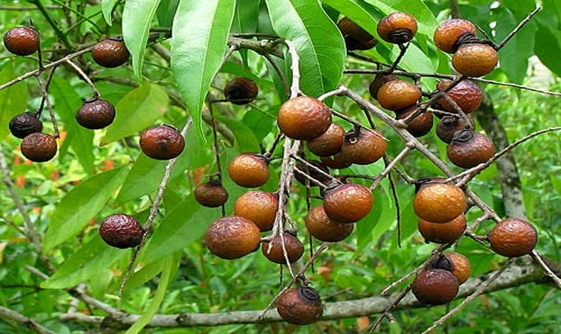
Soapnuts, or Sapindus mukorossi, are a great hair tonic that has long been recognized for its advantages for a healthy scalp and hair. Since ancient times, shampoos with natural antifungal and antibacterial qualities have been used to prevent hair loss. These properties may also aid with dandruff. In addition to cleansing, natural saponins provide hair body and shine, giving it a smoother, silkier, and thicker feel.

Remember when our mother washed our hair with Shikakai? Thanks to our mother, shikakai is a fantastic plant for good hair. Acacia concinna, another name for the ayurvedic herb shikakai, is a natural tonic and cleanser for the scalp. Its high content of phytochemicals and vitamin C reduces dandruff, itching, and dryness of the scalp. Shikakai is rich in antioxidants, which promote hair development naturally.

It calms and reduces inflammation on the scalp. It has been used to prevent hair loss for a long time. It is also an excellent at-home remedy for hair damage and dandruff. Aloe vera gel aids in restoring the pH balance of the scalp and encourages hair development.

It is applied to lessen gray hair and promote hair growth. Dandruff and hair loss can be treated with the use of mucilage and plant proteins present in the flowers and leaves. Hibiscus infusions are great as a final rinse since they give red hair a touch of warmth, improve slide, and help detangle naturally curly hair.

Used as a natural preservative, grapefruit seed extract offers antibacterial, antifungal, and antioxidant properties. It helps extend the shelf life of herbal formulations and supports scalp health.
Antifungal activity –
Fungal strains and growth conditions –
Microsporum gypseum DMST 21146, Candida albicans TISTR 5779, and Trichophyton mentagrophytes DMST 19735 were cultivated in Sabouraud dextrose broth (SDB) and incubated for 48 hours at 37 °C. Sabouraud dextrose agar (SDA) mixed with 1% w/v yeast extract and 1% w/v Tween 80 was used to cultivate Pityrosporum ovale ATCC 64061 for 72 hours at 25 °C.
According to a previous study, proanthocyanidins found in grape seeds accelerated the growth of mouse hair follicle cells and changed the mice's hair cycle from the telogen to the anagen phase, possibly via influencing signal transduction pathways (Takahashi et al., 1998). Additionally, epigallocatechin-gallate (EGCG), which is frequently present in flavan-3-ol, green tea, and grape seeds, enhanced HDPC proliferation in vitro and enhanced hair development in hair follicles ex vivo (Kwon et al., 2007).
Significance -
Because of its many advantages and compatibility with consumer preferences for natural products, herbal shampoos are quite important in the current hair care business. Many customers are switching to herbal shampoos as safer substitutes as they become more conscious of the negative impacts of synthetic chemicals. These solutions frequently include natural chemicals that nourish and protect hair in addition to cleaning it.
1. Natural Ingredients: Botanical extracts with medicinal qualities are commonly used in herbal shampoos. While tea tree oil has antibacterial properties and helps with typical scalp problems like dandruff and irritation, ingredients like aloe vera give moisture.
2. Eco-Friendly: Sustainable techniques are frequently followed in the manufacture and application of herbal shampoos. Customers who care about the environment are drawn to brands that prioritize organic farming and eco-friendly sourcing. Research showing that sustainability is a major element affecting consumer choices in cosmetics supports the trend towards green beauty products.
3. Market Growth: A larger tendency toward holistic health and wellness is shown in the sharp rise in demand for herbal shampoos. According to market research, consumer interest in natural and organic goods is predicted to fuel a large growth in the herbal personal care industry. Opportunities for creativity and the creation of novel formulations that address a range of hair care requirements are presented by this expansion.
4. Possible Health Benefits: Studies have indicated that the use of herbal elements may enhance the health and vitality of hair For example, the application of herbal extracts in shampoos has been associated with improved hair growth, strength, and shine, offering a practical remedy for a number of hair problems.{8}
Disadvantages –
1. Efficacy Variability: The formulation and concentration of active ingredients in herbal shampoos can have a substantial impact on their efficacy. Certain products might not have the intended effects, particularly if they don't include enough beneficial herbs or if the herbs aren't taken by consumers.
2. Allergic Reactions: While herbal components are typically thought to be safer, some people may still experience allergic reactions to them. Certain plant extracts or essential oils can cause sensitivities or irritations, especially in those who already have skin disorders.
3. Allergic Reactions: While herbal compounds are typically thought to be safer, some people may still experience allergic reactions to them. Certain plant extracts or essential oils can cause sensitivities or irritations, especially in those who already have skin disorders.
4. Absence of Regulation: Compared to traditional cosmetics, the herbal cosmetics business is not as strictly controlled. Customers may find it difficult to ascertain the genuineness and concentration of herbal compounds due to inconsistent product quality and labeling caused by this lack of control.
5. Shorter Shelf Life: Natural preservatives found in many herbal shampoos might not be as efficient as synthetic ones. Compared to traditional shampoos, this may have a shorter shelf life, which could cause product spoiling if improperly stored.
Future Aspects of Herbal Shampoo -
CONCLUSION -
The increasing consumer desire for sustainable and natural beauty products is causing a shift in the formulation of herbal shampoos. Brands are putting more emphasis on sustainability, customization, and the use of cutting-edge herbal extracts as consumers become more conscious of the advantages of employing herbal ingredients. The market is changing due to the move toward environmentally friendly practices and openness in the procurement of ingredients, and research findings are supporting the effectiveness of these formulations scientifically.
In order to satisfy a range of consumer demands, future herbal shampoos are anticipated to make use of personalization, fusing traditional wisdom with contemporary formulations. Herbal shampoos are positioned as a major market niche in the hair care industry thanks to their innovative, sustainable, and culturally integrated approach .{13}
REFERENCES


Aryan Satpute, Apurva Kamble, Prajakta Vidhate, Shalaka Katkar, Vedika Andhale, Harshada Pardhi, G. K. Brahma, Herbal Shampoos Enriched with Grape Extract: A Review, Int. J. of Pharm. Sci., 2025, Vol 3, Issue 12, 365-371. https://doi.org/10.5281/zenodo.17793340
 10.5281/zenodo.17793340