

We use cookies to ensure our website works properly and to personalise your experience. Cookies policy
Department of Pharmaceutics P.S.G.V.P. Mandals’s College of Pharmacy, Shahada, Maharashtra-425409 India
Hydrogels are three-dimensional, water-rich materials that have attracted significant attention due to their versatility and compatibility with biological systems. Their high-water content allows them to closely resemble natural tissues, making them particularly suitable for applications in biomedicine, biosensing, and tissue engineering. Hydrogels can be derived from both natural sources—such as collagen, gelatin, alginate, and hyaluronic acid—and synthetic polymers like polyethylene glycol (PEG), polyvinyl alcohol (PVA), and polyacrylamide (PAAm). Each type offers distinct properties in terms of mechanical strength, biodegradability, and biocompatibility, which can be tailored for specific uses such as wound dressings, contact lenses, tissue scaffolds, and bio-inks for 3D printing. Their ability to promote cell proliferation and enable nutrient and waste exchange makes them particularly useful in regenerative medicine, including applications like cartilage and bone repair, blood vessel formation, and organ-on-a-chip systems. Additionally, hydrogels serve as effective carriers for the localized and controlled release of drugs or bioactive molecules. Depending on the desired characteristics, hydrogels can be synthesized through various crosslinking methods: physical (non-covalent interactions), chemical (covalent bonding), or irradiation (e.g., UV light). The choice of crosslinking technique significantly influences the hydrogel's structure and function. Recent advances in hydrogel technology have expanded their potential in medical applications, though challenges remain in optimizing their performance and scalability. This review highlights the progress in hydrogel preparation and characterization, their functional roles in wound healing and tissue regeneration, and outlines ongoing challenges and future directions in hydrogel-based biomedical engineering
Biomaterials are substances that are intended to function safely inside the body for therapeutic applications. They are utilized for various purposes and can be constructed from metals, polymers, or other materials. bone implants or to promote tissue growth and healing. The biomaterial polymeric hydrogels are a significant type. These are pliable, water-filled materials created by chemically or physically joining polymer strands. Hydrogels are biocompatible and helpful for applications like drug administration and tissue engineering (TE) since they feel likereal tissues and store a lot of water. One unique kind is injectable hydrogel, whereby a syringe can be used to inject straight into the body. [1]
Principle Benefits:
In situations where shape is irrelevant or occurs naturally within the body, injectable hydrogels are perfect. [2]
Methods for Producing Injectable Hydrogels:
Eye Problems and Their Present Therapies
The World Health Organization (WHO) estimates that 1 billion individuals have moderate to severe vision loss and that 2.2 billion people have vision issues. More than 4.2 million in the United States Diseases including AMD, cataracts, diabetic retinopathy, and glaucoma affect persons over 40. [4]
Current Treatments:
Eye ointments and drops:
Problem: Eye drops don’t stay in the eye long enough; ointments stay longer but blur vision.
Intravitreal injections:
Deliver drugs to the back of the eye but are invasive, need frequent dosing, and risk
infection or retinal detachment.
Surgeries:
Cataracts: Artificial lens replaces the cloudy one.
Retinal surgeries: Fluids replaced with gas or liquid, but these can cause side effects like
cataracts or glaucoma. [5]
Tissue Engineering and Hydrogels
Tissue engineering combines scaffolds, cells, and bioactive molecules to repair or replace
damaged tissues.
Scaffolds provide the structure for cells to grow. For nerve injuries, scaffolds must be soft, biocompatible, and biodegradable so cells can
survive and form connections.
For example, in order for neurons to live and develop normally, brain tissue requires scaffolds that are flexible enough to resemble actual brain tissue. [6]
Hydrogels and Wound Healing
Although the skin shields the body, it is prone to harm. Controlling bleeding, reducing inflammation, promoting tissue growth, and creating scars are all phases of healing. Because they:
Unfortunately, the majority of hydrogels on the market today are not self-healing, which reduces their effectiveness for wounds on the body's moving parts. [7]
Hydrogel Development in the 1950s:
Initially, hydrogels were employed for contact lenses and simple wound dressings because of their high-water absorption capacity. [8]
Issues: They lacked strength, had poor drug release capabilities, and were unable to replicate actual tissues.
HYDROGEL
Specially made materials called injectable hydrogels have the ability to hold medications and release them gradually over time. They are extremely helpful since they may administer medication straight to the body's afflicted location, increasing drug concentration where it is required and minimizing adverse effects in the remainder of the body. [9]
They can be utilized in places that are difficult for surgeons to access since they are injectable. Long-lasting drug release from a single injection makes it easier for patients to adhere to their treatment plans. Following injection, the hydrogel conforms to the surrounding tissue, establishing good contact and enabling the medicine to diffuse straight into the tissue, occasionally even aiding in the healing process.
The following characteristics are ideal for a drug delivery hydrogel:
They are beneficial for injection because they offer the following benefits:
Historically, invasive operations were utilized to introduce hydrogels into the body, which frequently resulted in difficulties because of the size of the incisions. Injectable hydrogels that can be administered directly to the target region without the need for surgery have recently been created. These hydrogels can undergo a sol gel transition, which is a simple and less intrusive procedure whereby they change from liquid to gel inside the body or gel after a certain amount of time. [13]
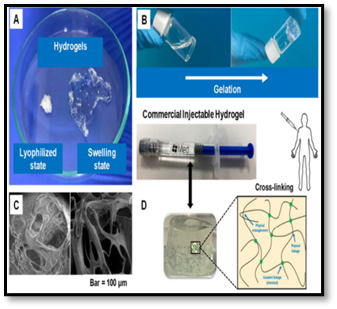
Figure 1: Hydrogel’s Structural Variability and Physical Characteristics: From Molecular Structure to Macroscopic
Preparation of Hydrogels:
Hydrogels can be prepared through various physical and chemical cross linking methods, depending on the desired properties and applications. Physical cross linking involves non-covalent interactions such as hydrogen bonding, ionic interactions, or crystallization, which create reversible and biocompatible networks without toxic reagents. In contrast, chemical cross linking uses covalent bonds formed by polymerization reactions or cross linking agents, producing more stable and durable structures suitable for long-term biomedical use. Common techniques include free radical polymerization, irradiation, grafting, and enzymatic reactions, which allow precise control over gel structure, porosity, and mechanical strength. Additionally, natural and synthetic polymers like chitosan, gelatin, polyvinyl alcohol (PVA), and polyethylene glycol (PEG) are widely used as hydrogel precursors. The selection of preparation method influences the hydrogel’s swelling behavior, degradability, and drug release profile, making it essential to tailor synthesis techniques to specific biomedical environmental applications [14,15]
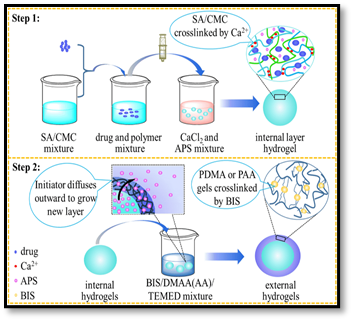

Figure 2: Schematic illustration of the stepwise preparation of double-layered hydrogels.
Type Of Advanced Hydrogel:
Self-Healing Hydrogels
These smart hydrogels can automatically repair damage, making them durable and reliable. Their self-repair ability comes from reversible dynamic covalent bonds (like Schiff base, disulfide, and boronate ester bonds) and non-covalent interactions (such as hydrogen bonding, ionic interactions, and host–guest chemistry), allowing them to restore structure and function after stress. [16–17]
Tough Hydrogels
Developed to overcome the fragility of traditional hydrogels, tough hydrogels use designs like double network (DN) structures combining stiff and flexible polymers to enhance strength and elasticity. Incorporating nanomaterials (e.g., graphene oxide, CNTs) improves mechanical and electrical properties, useful for bioelectronics, neural, and cardiac tissue engineering. Current research focuses on improving biocompatibility, biodegradability, and long-term stability for biomedical use. [18–19]
Smart Hydrogels
These are stimuli-responsive materials that react to environmental changes such as pH, temperature, or light. pH-sensitive hydrogels can release drugs in specific conditions for example, in acidic tumor sites or during tissue regeneration (e.g., myocardial repair). They enable controlled and targeted drug delivery. [20]
Hybrid Hydrogels
Formed by blending natural and synthetic polymers, hybrid hydrogels combine biocompatibility with mechanical strength. They can integrate nanoparticles like gold or magnetic types for photo thermal therapy or magnetically controlled drug release. They are widely used in tissue engineering, drug delivery, and wound healing due to their multifunctionality. [21–22]
Polymer-Based Hydrogels
Natural Polymer Hydrogels: Made from biopolymers (e.g., polysaccharides, proteins), they are biodegradable, eco-friendly, and useful in agricultural applications like controlled pesticide release. [23]
Synthetic Polymer Hydrogels: Composed of materials like PVA and PAM, they are mechanically strong and allow precise control of release. [24]
Natural Synthetic Composites: Combine the advantages of both strength, stability, and biodegradability providing sustainable and controlled release systems, though cost and eco-friendly production remain challenges.
Double Network (DN) Hydrogels
Double Network (DN) hydrogels are a type of advanced, water-rich polymer material composed of two interwoven polymer networks that differ significantly in their mechanical behavior. This distinctive dual-network architecture allows DN hydrogels to achieve remarkable strength, toughness, and durability, greatly outperforming conventional single-network hydrogels. The synergy between a rigid, brittle first network and a soft, stretchable second network provides these materials with mechanical properties that make them suitable for demanding applications where traditional hydrogels would fail
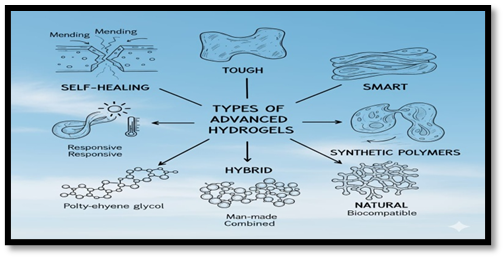
Figure 2: Types Of Advanced Hydrogels & Their Classifications
Benefits:
|
Application |
Examples |
Benefits / Key Points |
|
Drug Delivery |
PDAEA-Fe3+, QCS/GT/DA |
Targeted and controlled drug release; reduces side effects [25–26] |
|
Tissue Engineering |
Artificial Bladder, Oral Mucosa |
3D scaffold supports cell growth; mimics ECM [27] |
|
Wound Healing |
CSG-PEG/DMA/Zn, GT-SA-TPFx |
Minimally invasive; promotes cell proliferation |
|
Bone Repair |
nHA/PLGA-Dex |
Biocompatible, supports bone regeneration |
|
Hemostasis |
DNAH1, Dopa-OA glue |
Rapid bleeding control; strong tissue adhesion [28–30] |
|
Smart Sensors |
PC-CNF-GG-glycerol |
Real-time health monitoring; controlled drug release [31] |
|
Biological Molecules |
OCMC-DA/CMCS |
Enhanced biocompatibility; improved cell adhesion [32] |
|
Cancer Therapy |
Chitosan/GP |
Localized chemotherapy; fewer side effects [33] |
|
3D Bioprinting |
GelMA cardiac tissue models |
Creates tissue-like structures; supports regeneration [34] |
|
Ophthalmic |
Chitosan/β-glycerophosphate |
Improves healing; reduces surgical need [35] |
|
Stem Cell Therapy |
RPE cells for AMD |
Protects stem cells; aids neural regeneration [36] |
|
Gene Delivery |
HA hydrogel with VEGF plasmid |
Sustained gene release; promotes angiogenesis |
|
Cardiac Repair |
BMP-2 plasmid in chitosan hydrogel |
Localized regeneration after MI [37] |
|
Spinal Cord Injury |
BDNF, NGF delivery |
Supports nerve regeneration; fills injury cavity [38] |
|
Tumor Immunotherapy |
IL-2, IFN-γ hydrogels |
Localized immune activation; reduced side effects [39] |
|
Tissue Filling |
PEG or HA-based hydrogels |
Volume restoration; tissue integration |
|
Knee Osteoarthritis |
HA-based hydrogel |
Lubrication; pain relief; cartilage repair [40] |
|
Intratumoral Treatment |
Anti-PD-1 antibody hydrogel |
Localized, sustained drug delivery |
|
Incompressible Bleeding |
Injectable hemostatic hydrogels |
Rapid clotting; minimally invasive |
|
Craniofacial Bone Reconstruction |
GelMA with MSCs and BMP-2 |
Bone regeneration; ECM mimicry [41] |
Future Perspectives of Hydrogels:
Hydrogels represent one of the most promising materials in modern biomedical research, with continuous innovation expanding their potential across drug delivery, tissue regeneration, wound healing, and biosensing. Looking ahead, the future development of hydrogels will focus on improving biocompatibility, mechanical strength, and responsiveness to complex biological environments. Advanced designs such as multi-responsive, self-healing, and stimuli-sensitive hydrogels are expected to play a major role in next-generation medical systems, allowing precise and on-demand therapeutic action. The integration of nanotechnology, 3D bioprinting, and gene therapy with hydrogel science offers new avenues for personalized and regenerative medicine, enabling targeted drug release, tissue-specific repair, and real-time health monitoring [42] Future hydrogels are also expected to become more biodegradable and eco-friendlier, reducing environmental impact while maintaining functionality. Researchers are exploring bio inspired and hybrid hydrogels that mimic natural extracellular matrices to support cell communication and regeneration. In the field of smart medicine, hydrogels embedded with biosensors or electronic components could provide continuous health tracking, delivering feedback-driven treatments for chronic diseases. [43] Moreover, 3D and 4D bioprinting technologies are likely to revolutionize hydrogel use in organ regeneration, enabling precise fabrication of tissues such as cartilage, bone, heart, and skin. [44]In the coming years, the combination of synthetic polymers with natural biomaterials, along with controlled degradation and self-adaptation mechanisms, will help overcome current challenges like limited stability, low mechanical strength, and immune responses. Such innovations will make hydrogels more clinically reliable and multifunctional, bridging the gap between laboratory research and real-world healthcare applications. Thus,the future of hydrogels lies in creating intelligent, sustainable, and patient-specific materials that not only repair or replace damaged tissues but also actively participate in the healing process marking a new era in biomedical and therapeutic technologies.[45]
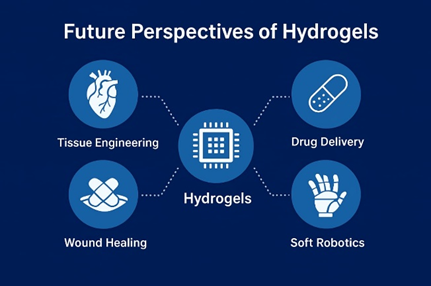
Figure 3: Future Perspectives Of Hydrogels
CONCLUSION:
Hydrogels are unique biomaterials capable of holding large amounts of water while mimicking the properties of natural tissues. Their softness, flexibility, and biocompatibility make them highly valuable in medical applications such as drug delivery, tissue engineering, wound healing, and ophthalmology. Injectable hydrogels are particularly advantageous because they can be administered directly into the body without surgery, minimizing infection risks and promoting faster recovery. They also enable localized and controlled drug release, keeping therapeutic agents at the target site for longer periods. Over the years, hydrogels have evolved from simple water-absorbing substances into advanced functional materials. Modern hydrogels may exhibit self-healing abilities, respond to environmental stimuli like pH or temperature (smart hydrogels), or combine natural and synthetic polymers (hybrid hydrogels) to enhance mechanical strength and bioactivity. These properties allow applications in cartilage repair, nerve regeneration, and targeted cancer therapies. Despite challenges such as limited mechanical strength, rapid drug release, or instability under dynamic conditions, innovations like nanomaterial reinforcement, enzymatic crosslinking, and 3D bioprinting are addressing these issues. Overall, hydrogels represent a promising class of next-generation biomaterials, offering safe, effective, and patient-friendly solutions for healthcare and potentially sustainable agriculture.
REFERENCE


Ruchita Patil, Roshan Chaudhari, Sunil Pawar, Hydrogel and its Benefits, Int. J. of Pharm. Sci., 2025, Vol 3, Issue 11, 2683-2692. https://doi.org/10.5281/zenodo.17640882
 10.5281/zenodo.17640882