Implantable drug-delivery systems offer a precise and sustained method for transporting therapeutic agents directly to targeted tissues. By integrating biocompatible materials, controlled-release mechanisms, and miniature electronics, these devices can maintain stable drug concentrations while reducing systemic side effects. Current designs emphasize programmable release profiles, real-time monitoring, and responsiveness to physiological cues such as pH, temperature, or biochemical markers. Advances in microfabrication, smart polymers, and wireless communication are accelerating the development of next-generation implants capable of personalized dosing and long-term operation. As these technologies mature, implantable systems are expected to play a major role in managing chronic diseases, improving patient adherence, and enhancing treatment effectiveness.
Implantable drug-delivery systems have emerged as an important advancement in modern therapeutics, offering a way to transport medications directly to specific sites within the body with high precision. Unlike conventional oral or injectable treatments, implantable devices can maintain consistent drug levels over extended periods, reducing fluctuations in dosage and minimizing systemic exposure. This targeted approach not only enhances treatment effectiveness but also improves patient compliance, particularly for chronic conditions that require long-term medication.[1]
The development of these systems is driven by progress in biomaterials, microengineering, and sensor technology. Biocompatible polymers, miniaturized reservoirs, and stimuli-responsive components allow implants to release drugs in controlled or programmable patterns. Many recent designs also incorporate wireless communication and feedback mechanisms, enabling clinicians to adjust dosing without additional surgical procedures. As research continues, implantable drug-delivery platforms are expected to evolve into smarter, more adaptive systems capable of personalized treatment and real-time physiological monitoring.
Implantable drug-delivery systems represent a significant shift in the way therapeutic agents are administered, offering solutions to many limitations associated with traditional routes such as oral ingestion or periodic injections. Oral medications often undergo rapid metabolism, resulting in unpredictable drug levels, while injections can cause discomfort and require frequent clinical visits. In contrast, implantable systems are designed to deliver drugs continuously or on demand, ensuring stable concentrations at the target site and reducing the need for repeated dosing. This capability is especially valuable for chronic illnesses, where long-term treatment is necessary and adherence to medication schedules is a persistent challenge.[2]
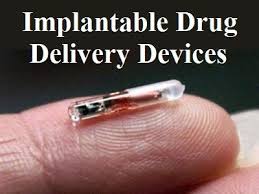
Fig 1. Implantable Drug Delivery System
The concept of implantable delivery integrates principles from biomedical engineering, materials science, and pharmacology. Early devices relied on simple diffusion-based release, but advancements in technology have enabled far more sophisticated mechanisms. Modern implants may use biodegradable polymers that release drugs as they break down, microfluidic channels that regulate flow, or electrically controlled pumps that respond to user-defined settings. Some systems are even engineered to react to internal physiological signals—such as pH changes, enzymatic activity, or temperature variations—allowing drugs to be released only when needed.[3]
Biocompatibility remains a crucial factor in implant design, as the device must function safely within the body for extended durations. Innovations in surface coatings, polymer chemistry, and anti-fouling materials have significantly reduced adverse immune responses, prolonging device lifespan. In addition, ongoing research is exploring the integration of sensors and wireless communication modules, enabling healthcare providers to monitor drug levels, track device performance, and remotely adjust dosing parameters. Such features support the growing movement toward personalized medicine, where treatments can be tailored to the patient’s unique biological profile.
As these technologies continue to evolve, implantable drug-delivery systems are poised to reshape therapeutic strategies across a wide range of medical fields, including oncology, endocrinology, neurology, and infectious disease management. Their potential to increase treatment precision, reduce patient burden, and improve clinical outcomes positions them as a promising cornerstone of future healthcare innovation.
Controlled and Sustained Drug Release
1. Steady Drug Levels
Implantable systems are designed to maintain a consistent concentration of medication in the bloodstream or target tissue. Unlike oral or injectable drugs, which can create peaks (high concentration) and troughs (low concentration), implants release the drug gradually. This steady release ensures that the drug remains within the therapeutic window, maximizing effectiveness while reducing side effects. For instance, in pain management, this can prevent breakthrough pain that occurs when drug levels drop between doses.[5]
2. Improved Treatment Efficacy and Reduced Side Effects
By delivering drugs directly to the site of action or maintaining a uniform systemic concentration, implantable systems enhance treatment outcomes. Lower variability in drug levels reduces the risk of toxicity and adverse reactions, which is especially important for potent drugs like chemotherapeutics or hormones. Controlled release ensures that the drug acts where and when it is needed without overexposing other tissues.
3. Beneficial for Chronic Conditions
Chronic diseases such as diabetes, cancer, or cardiovascular disorders often require long-term medication. Frequent oral or injectable doses can be inconvenient and prone to patient non-compliance. Implantable devices allow sustained drug delivery over weeks, months, or even years, reducing the burden on patients and healthcare providers.[7]
Mechanisms of Drug Release
a. Diffusion-Based Systems
These systems rely on the passive movement of drug molecules from a high-concentration region (inside the implant) to a low-concentration region (surrounding tissue). The release rate can be controlled by adjusting the porosity or thickness of the polymer matrix. Diffusion-based implants are simple, reliable, and widely used in applications like contraceptive implants.
b. Reservoir-Type Implants
Reservoir implants contain a concentrated core of the drug enclosed by a rate-controlling membrane. The membrane controls how quickly the drug exits, allowing precise modulation of the release rate. This design is effective for drugs that require tightly controlled dosing over long periods.
c. Biodegradable Implants
These implants are made from polymers that gradually degrade in the body, releasing the drug as they break down. Common materials include PLGA (poly-lactic-co-glycolic acid) and PCL (polycaprolactone). Biodegradable implants have the advantage of not requiring surgical removal, which reduces patient discomfort and additional medical procedures.
d. Stimuli-Responsive Systems
Some implants are designed to release drugs in response to specific internal or external stimuli. For example:
Internal triggers: pH changes, enzyme activity, or inflammation.
External triggers: magnetic fields, ultrasound, or electrical signals.[11]
These systems allow targeted, on-demand release, which improves precision and reduces unnecessary drug exposure.
e. Feedback-Controlled Systems
Advanced implants may integrate sensors that detect physiological markers (e.g., glucose levels in diabetes). The device adjusts the drug release automatically based on these readings, providing real-time personalized therapy. Feedback-controlled systems are highly effective for conditions where drug requirements fluctuate over time.
Advantages
Improved Patient Compliance: Reduces the need for frequent dosing, making long-term treatment easier to manage.
Personalized Therapy: Programmable devices allow dosage adjustments based on patient-specific needs.
Minimized Toxicity: Steady, controlled release prevents spikes that could damage organs or tissues.
Efficient Drug Use: Reduces wastage by delivering drugs only when needed and in correct doses.[13]
Considerations
Biocompatibility: Materials must not trigger immune reactions or toxicity.
Release Kinetics: Proper design ensures the drug is released at the desired rate over the intended period.
Durability: Devices must withstand mechanical and chemical stress in the body.
Monitoring Capabilities: Some implants now include wireless or sensor-based monitoring to track performance and allow remote adjustments.
Targeted Delivery and Localized Therapy
Targeted drug delivery and localized therapy are critical features of modern implantable drug-delivery systems. Unlike systemic administration, where the drug circulates throughout the body and affects both diseased and healthy tissues, targeted delivery ensures that therapeutic agents act primarily at the site of pathology. This approach enhances treatment effectiveness while minimizing systemic side effects and drug wastage.
1. Concept and Importance
Targeted delivery focuses the drug on specific tissues, cells, or organs, increasing the local drug concentration at the desired site while reducing exposure to non-target areas.
Localized therapy allows for direct application of the drug to affected regions, which is particularly important in conditions such as tumors, chronic wounds, or joint diseases.
These strategies improve therapeutic outcomes, reduce side effects, and often allow the use of higher drug concentrations at the target site that would be unsafe if delivered systemically.[17]
2. Mechanisms of Targeting
Passive Targeting
Utilizes natural physiological or anatomical characteristics, such as leaky vasculature in tumors (enhanced permeability and retention effect), to concentrate drugs in specific areas.
Often relies on size, shape, or surface properties of the implant or drug carrier.
Active Targeting
Involves functionalizing the implant or drug carrier with ligands, antibodies, or peptides that specifically bind to receptors expressed on target cells.
Provides a high degree of specificity, reducing off-target effects and improving drug uptake in diseased tissue.
Stimuli-Responsive Targeting
Implants can release drugs in response to local environmental cues, such as pH changes, temperature, or enzyme activity in the target tissue.
Ensures that drug release occurs precisely where it is needed, minimizing systemic distribution.[23]
3. Advantages of Localized Therapy
Enhanced Drug Efficacy: High local concentrations increase therapeutic effectiveness.
Reduced Side Effects: Limited systemic exposure minimizes adverse reactions.
Lower Drug Doses Required: Targeted action often allows lower total doses, reducing costs and toxicity.
Improved Patient Compliance: Reduces the need for repeated systemic administration.
4. Applications
Cancer Therapy: Implants can deliver chemotherapeutics directly to tumors, reducing systemic toxicity.
Orthopedic Treatments: Localized delivery of anti-inflammatory or bone-growth agents improves healing in joints or fractures.
Neurological Disorders: Implants in the brain can release drugs for Parkinson’s or epilepsy, avoiding systemic side effects.
Cardiovascular Therapy: Localized delivery of drugs to arteries or veins helps prevent restenosis or thrombosis after surgeries.
5. Challenges and Considerations
Precision Placement: Accurate surgical implantation is critical to ensure the drug reaches the intended site.
Biocompatibility: Implants must not cause local inflammation or tissue rejection.
Controlled Release: Localized delivery must be paired with sustained or controlled release to maintain therapeutic levels over time.
Monitoring: Advanced implants may integrate sensors to monitor drug levels or tissue response at the target site.[24]
Biocompatibility and Material Advancements
Biocompatibility is a fundamental requirement for implantable drug-delivery systems. It refers to the ability of a material to interact safely with the human body without causing adverse immune responses, toxicity, or inflammation. Achieving biocompatibility ensures that the implant can function effectively over extended periods while minimizing complications. Material advancements play a crucial role in enhancing both the safety and performance of these devices.
1. Importance of Biocompatibility
Reduced Immune Response: Implants must avoid triggering inflammation or rejection, which can compromise device function and patient safety.
Long-Term Stability: Biocompatible materials maintain structural integrity and drug-release profiles over prolonged periods.
Minimized Toxicity: Materials should not leach harmful substances into the body, ensuring safe interaction with surrounding tissues.
Improved Patient Outcomes: Safe and compatible materials reduce complications and improve adherence to treatment.[25]
2. Material Categories and Their Advantages
a. Polymers
Widely used due to their versatility, flexibility, and ability to control drug release.
Biodegradable Polymers: Examples include PLGA (poly-lactic-co-glycolic acid), PCL (polycaprolactone), and PLA (polylactic acid). They gradually degrade in the body, releasing drugs without requiring removal.
Non-biodegradable Polymers: Examples include silicone and polyethylene, used when long-term stability is needed. These may require surgical removal after drug depletion.
b. Metals and Alloys
Often used in structural components for durability, mechanical strength, and precision drug delivery.
Titanium and Stainless Steel: Biocompatible, corrosion-resistant, and commonly used in orthopedic and cardiovascular implants.
Shape-Memory Alloys (e.g., Nitinol): Can respond to temperature changes, allowing mechanical control over drug release.
c. Ceramics
Biocompatible and chemically stable, often used for bone-targeted applications.
Examples: Hydroxyapatite and bioactive glass, which support tissue integration and can act as drug reservoirs.[22]
d. Smart and Responsive Materials
Polymers and composites that react to physiological cues like pH, temperature, or enzymes to control drug release.
Enable on-demand or feedback-controlled therapy, enhancing precision and personalization.
3. Advancements in Material Science
Surface Modification: Coatings with polyethylene glycol (PEG), heparin, or other bioactive molecules reduce immune response and prevent biofouling.
Nanotechnology Integration: Nanoparticles and nanostructured surfaces improve drug loading, targeting, and controlled release.
Hybrid Materials: Combining polymers, metals, and ceramics allows designers to optimize mechanical strength, biocompatibility, and drug delivery efficiency.
3D Printing and Microfabrication: Enable customized implants with precise drug reservoirs and complex geometries for targeted therapy.[21]
4. Considerations for Material Selection
Mechanical Properties: Must withstand physiological forces without deformation or fracture.
Drug Compatibility: Material should not chemically interact with the drug, altering its stability or activity.
Degradation Rate: For biodegradable implants, degradation should match the intended drug-release period.
Patient Safety: Materials must meet regulatory standards and demonstrate long-term biocompatibility.
5. Impact on Implantable Drug-Delivery Systems
Advances in materials have significantly expanded the functionality of implantable devices, allowing:
Precise, sustained, and localized drug delivery.
Integration of sensors and electronics for smart, responsive therapy.
Long-term implantation with minimal adverse reactions.
Personalization of therapy based on patient-specific needs and conditions.
Biodegradable vs. Non-Biodegradable Implants
Implantable drug-delivery systems can be broadly categorized based on whether the implant material naturally degrades in the body or remains intact over time. The choice between biodegradable and non-biodegradable implants depends on the clinical application, desired duration of therapy, and patient-specific considerations.[20]
1. Biodegradable Implants
Definition:
Biodegradable implants are made from materials that gradually break down into non-toxic byproducts in the body, eliminating the need for surgical removal after the drug is released.
Bioceramics: Certain bioactive glasses and hydroxyapatite-based composites
Advantages:
No Surgical Removal Needed: The implant naturally degrades, reducing patient discomfort and additional procedures.
Sustained Drug Release: Degradation can be tuned to control the rate and duration of drug delivery.
Reduced Risk of Long-Term Complications: Since the implant dissolves, the risk of long-term foreign body reactions is minimized.
Flexibility in Design: Biodegradable materials can be shaped into microspheres, rods, films, or scaffolds depending on the target site.[19]
Limitations:
Limited Mechanical Strength: Biodegradable materials may not be suitable for load-bearing applications.
Predictability of Degradation: Degradation rates can vary based on local physiological conditions (pH, enzymes, temperature), potentially affecting drug-release consistency.
Drug Compatibility: Some drugs may interact with degrading polymers, altering their efficacy.
2. Non-Biodegradable Implants
Definition:
Non-biodegradable implants are made from materials that remain stable in the body for long periods and do not degrade. These implants often require surgical removal once the drug reservoir is depleted or the treatment period ends.
Materials Used:
Metals: Titanium, stainless steel
Polymers: Silicone, polyethylene, polyurethane
Ceramics: Dense hydroxyapatite or alumina-based ceramics
Advantages:
High Mechanical Strength: Suitable for load-bearing or structural applications, such as orthopedic implants.
Stable Drug Delivery: Drug-release kinetics are easier to control over long periods without being influenced by material degradation.
Precision in Design: Can incorporate complex reservoirs, microchannels, or electronic components for programmable release.[18]
Limitations:
Surgical Removal Required: After drug depletion, an additional procedure may be needed, increasing patient risk and healthcare cost.
Potential Long-Term Complications: Risk of chronic inflammation, biofilm formation, or foreign-body reactions if not properly designed.
Limited Flexibility: Non-degradable materials may be less adaptable to complex tissue shapes or changing physiological conditions.
3. Clinical Applications
Biodegradable Implants: Local chemotherapy, contraceptives, orthopedic scaffolds, wound healing, and tissue regeneration.
Non-Biodegradable Implants: Cardiac pacemaker reservoirs, orthopedic fixation devices with drug delivery, long-term pain management pumps, and neurological implants.[16]
Enhanced Therapeutic Outcomes
Implantable drug-delivery systems are designed to improve the overall effectiveness of treatments by optimizing drug administration in terms of timing, location, and dosage. By combining controlled release, targeted delivery, and biocompatible materials, these systems provide significant clinical advantages over conventional therapies.
1. Improved Drug Efficacy
Implantable systems maintain therapeutic drug levels consistently over extended periods, avoiding the fluctuations seen with oral or injectable administration.
High local drug concentrations at the target site increase the drug’s ability to act effectively on diseased tissues, such as tumors or inflamed joints.
Precise dosing reduces the likelihood of underdosing, which can lead to treatment failure, or overdosing, which can cause toxicity.
2. Reduced Side Effects
By limiting systemic distribution, implantable systems minimize exposure of healthy tissues to the drug.
This targeted approach is particularly important for potent drugs like chemotherapeutics, steroids, or hormones, where systemic toxicity is a major concern.
Patients experience fewer adverse effects, improving safety and overall quality of life.[15]
3. Enhanced Patient Compliance
Traditional therapies often require frequent dosing, which can be burdensome and prone to non-compliance.
Implantable systems deliver drugs automatically over weeks or months, reducing the need for daily or frequent medication.
Improved adherence ensures consistent therapy, which is critical for managing chronic conditions like diabetes, cardiovascular diseases, or chronic pain.
4. Personalized and Adaptive Therapy
Advanced implants can be programmed or designed to respond to physiological cues, providing patient-specific therapy.
Sensors and feedback mechanisms allow real-time adjustment of drug release based on factors such as glucose levels, inflammation markers, or tumor microenvironment.
This adaptability improves treatment precision and outcomes for individual patients, moving toward the paradigm of personalized medicine.[14]
5. Applications Across Medical Fields
Oncology: Implants deliver chemotherapeutics directly to tumors, reducing systemic toxicity and improving local efficacy.
Cardiology: Drug-eluting stents prevent restenosis while minimizing systemic exposure to anticoagulants.
Neurology: Implants for Parkinson’s or epilepsy release drugs directly in the brain, improving symptom control without systemic side effects.
Orthopedics: Localized delivery of growth factors or anti-inflammatory drugs enhances bone healing and joint repair.
6. Overall Impact on Patient Care
Increased therapeutic effectiveness with lower drug doses.
Reduction in hospital visits and overall healthcare costs.
Better patient quality of life due to minimized side effects and reduced treatment burden.
Ability to combine therapy with diagnostics (theranostics) for more intelligent treatment strategies.
Protection of Sensitive Drugs
One of the major advantages of implantable drug-delivery systems is their ability to protect drugs from degradation, thereby preserving their efficacy and stability over time. Many therapeutic agents, such as proteins, peptides, nucleic acids, and certain chemotherapeutics, are highly sensitive to environmental factors and can degrade before reaching their target if delivered through conventional routes. Implantable systems offer a controlled environment that safeguards these delicate molecules.[12]
1. Challenges for Sensitive Drugs
Chemical Degradation: Many drugs are susceptible to hydrolysis, oxidation, or enzymatic breakdown in the gastrointestinal tract or bloodstream.
Physical Instability: Proteins and peptides may denature or aggregate under temperature fluctuations or mechanical stress.
Rapid Clearance: Sensitive drugs may be metabolized or eliminated quickly, reducing therapeutic efficacy.
2. How Implantable Systems Protect Drugs
Encapsulation:
Drugs can be encapsulated within biocompatible polymers, liposomes, or microspheres, shielding them from harsh physiological conditions.
Encapsulation prevents premature degradation and allows controlled release over time.
Barrier Protection:
Non-permeable or semi-permeable coatings on the implant protect the drug from moisture, enzymes, and other degrading agents.
Materials like PEGylated polymers, silicones, or hydrogels provide a protective barrier while allowing controlled diffusion.
Controlled Microenvironment:
Implants can maintain a stable pH or temperature within the reservoir, ideal for drugs that are sensitive to fluctuations.
Some systems include buffering agents or stabilizers to further enhance drug stability.
Reduced Systemic Exposure:
Localized delivery prevents rapid dilution and enzymatic degradation that often occur when drugs circulate systemically.[10]
3. Advantages of Protecting Sensitive Drugs
Maintained Drug Efficacy: The therapeutic activity of delicate drugs is preserved throughout the treatment period.
Extended Shelf-Life: Encapsulation or stabilization inside implants can improve the in vivo and in vitro lifespan of the drug.
Enables Advanced Therapies: Sensitive biologics like monoclonal antibodies, growth factors, or gene therapies become feasible for long-term use.
Reduced Dosage Frequency: Sustained protection allows for fewer administrations, improving patient convenience and compliance.
4. Applications
Protein and Peptide Drugs: Insulin, GLP-1 analogs, and growth hormones.
Gene Therapy Agents: DNA, RNA, and viral vectors that require protection from nucleases.
Chemotherapeutics: Drugs that degrade rapidly or are highly reactive.
Vaccines and Biologics: Stabilization ensures effective immune response when delivered locally over time.
Programmable and Responsive Systems
Programmable and responsive implantable drug-delivery systems represent the forefront of medical technology, allowing dynamic, patient-specific therapy. Unlike conventional implants that release drugs at a fixed rate, these advanced systems can adjust drug delivery in real time based on physiological signals, external commands, or pre-set programs. This capability enhances treatment precision, minimizes side effects, and supports personalized medicine.[9]
1. Concept and Importance
Programmable systems allow clinicians or patients to adjust the timing, dosage, and rate of drug release remotely or via pre-set schedules.
Responsive systems detect changes in the patient’s physiological environment—such as pH, temperature, glucose levels, or enzyme activity—and alter drug release accordingly.
These systems combine biomedical engineering, sensor technology, and advanced materials to provide a more intelligent and adaptive treatment approach.
2. Mechanisms of Programmable Systems
Microelectromechanical Systems (MEMS):
Tiny pumps and valves control drug flow from reservoirs with high precision.
Delivery parameters can be programmed electronically or adjusted wirelessly.
Electroresponsive Polymers:
Certain polymers change their structure or permeability in response to electrical stimulation, controlling drug release.
Microchip-Based Implants:
Contain multiple drug reservoirs that can be activated on demand.
Can store and release multiple drugs in a pre-determined sequence or upon physician input.[8]
3. Mechanisms of Responsive Systems
Physiological Feedback-Based Release:
Sensors detect biochemical markers such as glucose, lactate, or inflammatory cytokines.
Drug release is automatically adjusted to meet real-time therapeutic needs.
Stimuli-Responsive Materials:
pH-sensitive polymers: Release drugs in acidic or basic environments.
Temperature-sensitive hydrogels: Swell or shrink to release drugs based on local temperature changes.
Enzyme-responsive matrices: Release drugs in response to specific enzymatic activity in diseased tissue.
4. Advantages
Personalized Therapy: Tailors drug delivery to the patient’s individual physiological conditions.
Reduced Side Effects: Drugs are released only when required, minimizing systemic exposure.
Enhanced Efficacy: Maintains optimal drug concentrations and therapeutic timing.
Remote Monitoring and Control: Wireless connectivity allows clinicians to monitor performance and adjust therapy without additional surgery.
5. Applications
Diabetes Management: Insulin-releasing implants that respond to real-time glucose levels.
Cancer Therapy: On-demand chemotherapy delivery based on tumor biomarkers.
Pain Management: Adaptive analgesic release responding to patient-reported pain or inflammatory markers.
Neurological Disorders: Responsive implants for epilepsy or Parkinson’s disease that deliver drugs upon detecting abnormal neuronal activity.[6]
6. Future Potential
Integration with wearable devices and AI algorithms for predictive, anticipatory drug delivery.
Multi-drug implants capable of simultaneous or sequential release for complex therapy regimens.
Fully autonomous systems that adjust therapy without clinician intervention, moving toward closed-loop, self-regulating treatment.
Minimally Invasive Administration
Minimally invasive administration is a key advantage of modern implantable drug-delivery systems. Traditional drug delivery methods often require repeated injections, intravenous access, or major surgeries, which can be uncomfortable, carry infection risks, and reduce patient compliance. Implantable systems, particularly those designed for minimally invasive insertion, overcome these challenges while providing precise, sustained therapy.
1. Concept and Importance
Minimally invasive implantation involves introducing the device into the body with minimal tissue disruption, often using needles, catheters, or small incisions.
This approach reduces surgical trauma, pain, and recovery time, making it more suitable for outpatient procedures or chronic therapies.
Minimally invasive devices improve patient comfort and adherence while maintaining the therapeutic benefits of sustained or targeted drug delivery.[4]
2. Techniques for Minimally Invasive Implantation
Needle-Based Insertion:
Small, flexible implants can be delivered using hypodermic needles, similar to a subcutaneous injection.
Common in contraceptive rods, insulin delivery devices, and localized chemotherapy implants.
Catheter-Guided Delivery:
Implants or reservoirs are inserted into specific tissues or blood vessels using catheters, often under imaging guidance.
Enables precise placement in areas like the heart, brain, or tumors.
Endoscopic or Laparoscopic Placement:
Small incisions and camera-assisted procedures are used to position implants in internal organs.
Reduces recovery time compared to open surgery and allows accurate delivery to target sites.
Micro- and Nano-Structured Devices:
Tiny implants or microchips can be inserted with minimally invasive techniques and remain in the body for long-term drug release.
3. Advantages
Reduced Patient Discomfort: Smaller incisions and less tissue trauma lead to faster recovery and less pain.
Lower Risk of Infection: Minimally invasive procedures reduce exposure to pathogens compared to open surgery.
Precision Delivery: Advanced imaging and catheter techniques allow exact placement near target tissues.[12]
4. Applications
Subcutaneous Hormone or Contraceptive Implants: Small rods inserted under the skin provide long-term drug release.
Localized Chemotherapy: Catheter-guided implants deliver high drug concentrations directly to tumors.
Cardiovascular Therapy: Drug-eluting stents or local anti-thrombotic implants placed via minimally invasive catheterization.
Neurological Applications: Implants for Parkinson’s disease or epilepsy can be positioned with minimal disruption to surrounding tissue.
5. Future Potential
Development of needle-free, injectable implants using biodegradable microstructures.
Integration with robotic-assisted and image-guided insertion techniques for enhanced accuracy.
Miniaturized smart implants combining sensors and wireless communication for fully automated, minimally invasive therapy.[23]
Applications Across Multiple Medical Fields
Implantable drug-delivery systems have a wide range of applications across medical disciplines due to their ability to provide controlled, sustained, and targeted therapy. By enhancing drug efficacy, reducing side effects, and improving patient compliance, these systems have transformed treatment strategies for both chronic and acute conditions.
1. Oncology
Localized Chemotherapy: Implants deliver high concentrations of anticancer drugs directly to tumors, reducing systemic toxicity.
Post-Surgical Tumor Sites: Biodegradable drug-eluting implants prevent tumor recurrence in areas where surgical removal is performed.
Combination Therapy: Devices can carry multiple drugs, allowing sequential or simultaneous delivery for synergistic effects.
2. Cardiovascular Diseases
Drug-Eluting Stents: Implanted in arteries to prevent restenosis after angioplasty while releasing anticoagulants or anti-proliferative drugs.
Local Anti-Thrombotic Therapy: Catheter-based implants provide precise delivery to prevent clot formation.
Long-Term Cardiovascular Management: Implantable pumps can release antihypertensive or anti-arrhythmic agents consistently.
3. Neurology
Parkinson’s Disease: Implants release dopamine agonists or neuroprotective agents directly into the brain to improve motor control.[5]
Epilepsy: Responsive implants detect abnormal neuronal activity and deliver anticonvulsants on demand.
Pain Management: Localized analgesic implants reduce reliance on systemic opioids, minimizing side effects and dependency risk.
Hormone Replacement Therapy: Subcutaneous hormone implants provide sustained delivery over months, reducing injection frequency.
Obesity and Metabolic Syndrome: Targeted delivery of appetite-regulating hormones or peptide therapeutics.
5. Orthopedics and Musculoskeletal Disorders
Bone Regeneration: Biodegradable scaffolds release growth factors or osteoinductive drugs to support fracture healing.
Anti-Inflammatory Therapy: Localized implants reduce joint inflammation in arthritis without systemic side effects.
Tendon and Ligament Repair: Drug-eluting implants promote tissue regeneration and reduce scarring.[15]
6. Infectious Diseases
Localized Antibiotic Delivery: Implants can treat chronic infections such as osteomyelitis by releasing antibiotics directly at the infection site.
Preventing Post-Surgical Infections: Drug-releasing implants in surgical areas reduce the risk of bacterial colonization and biofilm formation.
7. Ophthalmology
Retinal Implants: Deliver anti-VEGF or corticosteroids to treat macular degeneration and diabetic retinopathy.
Glaucoma Therapy: Controlled-release implants reduce intraocular pressure over extended periods without daily eye drops.
8. Advantages Across Medical Fields
Precision Therapy: Drugs reach the target tissue at therapeutic concentrations.
Reduced Systemic Side Effects: Healthy tissues are minimally exposed to potent drugs.
Enhanced Patient Compliance: Long-term implants reduce the need for frequent dosing.
Customizable and Adaptive Treatment: Programmable and responsive implants allow therapy personalization.[4]
Challenges and Limitations
While implantable drug-delivery systems offer numerous advantages, several challenges and limitations must be addressed to ensure safety, effectiveness, and widespread adoption. Understanding these constraints is essential for improving device design, material selection, and clinical application.
1. Biocompatibility and Immune Response
Even with advanced materials, implants may trigger foreign body reactions, inflammation, or fibrotic encapsulation.
Chronic immune responses can interfere with drug release and reduce implant lifespan.
Continuous research is needed to develop anti-fouling coatings and surface modifications to minimize immune activation.[7]
2. Device-Related Complications
Mechanical failure: Implants can fracture, leak, or malfunction, especially in load-bearing or highly mobile sites.
Migration: Improper placement may cause the device to move from the target site, reducing efficacy.
Infection Risk: Invasive procedures, even minimally invasive, carry the risk of infection during implantation or while the device is in place.
3. Limited Drug Compatibility
Certain drugs may degrade or interact with implant materials, compromising stability or therapeutic efficacy.
Highly sensitive biologics like proteins, peptides, or nucleic acids require careful encapsulation and protection.
Not all drugs are suitable for sustained release due to solubility or stability issues.
4. Challenges in Controlling Drug Release
Achieving precise, predictable release kinetics can be difficult, particularly for biodegradable implants where physiological conditions affect degradation rates.
Responsive systems require accurate sensing and feedback, and any malfunction can lead to under- or over-dosing.
5. Cost and Accessibility
Advanced implantable systems, especially programmable or sensor-integrated devices, are expensive to develop and produce.
High costs can limit access for patients in low-resource settings and may not be covered by insurance.[17]
6. Surgical and Procedural Limitations
Even minimally invasive implantation requires skilled clinicians and specialized equipment.
Some implants require removal after drug depletion, adding surgical risk.
Patient-specific anatomical differences may complicate placement and performance.
7. Regulatory and Long-Term Safety Concerns
Implantable devices are subject to strict regulatory approval, including preclinical and clinical testing for long-term safety.
Long-term biocompatibility, stability, and unintended interactions with surrounding tissues remain concerns.
Monitoring for device performance over months or years can be challenging, particularly for non-responsive implants.
8. Patient-Specific Limitations
Individual differences in metabolism, immune response, and tissue characteristics can affect implant performance.
Some patients may experience allergic reactions or intolerance to certain materials.
Personalized design and dosing adjustments are necessary but increase complexity.[12]
CONCLUSION
Implantable drug-delivery systems represent a significant advancement in modern medicine, combining controlled and sustained release, targeted therapy, and biocompatible materials to improve therapeutic outcomes. These systems address many limitations of conventional drug administration by maintaining consistent drug levels, minimizing systemic side effects, enhancing patient compliance, and enabling precise localization of treatment. Biodegradable and non-biodegradable implants each offer unique advantages, with biodegradable systems reducing the need for surgical removal and non-biodegradable devices providing long-term stability and structural support. Programmable and responsive implants further expand treatment possibilities, allowing therapy to adapt in real time to physiological changes or clinician-defined schedules. Minimally invasive implantation techniques enhance patient comfort and accessibility, while protection of sensitive drugs ensures the stability and efficacy of biologics and other delicate therapeutics. Despite these advantages, challenges such as biocompatibility, device malfunction, cost, regulatory hurdles, and patient-specific variability remain. Ongoing research in materials science, nanotechnology, sensor integration, and smart systems is essential to overcome these limitations, enabling safer, more effective, and personalized therapies.
REFERENCES
He, G.-Q., Li, H.-M., Liu, J., Hu, Y.-L., Liu, Y., Wang, Z.?L., & Jiang, P. (2024). Recent Progress in Implantable Drug Delivery Systems. Advanced Materials, 36(23), e2312530. (PubMed)
Cai, H., Chen, A., You, Y., Qu, J., Scheper, V., Tang, J., & Zhang, H. (2025). Implantable drug delivery systems with a bioinspired zwitterionic nanocoating resist foreign body reaction induced obstruction and enable sustained delivery. Biomaterials Science, 13, 5837–5850. (RSC Publishing)
Del Bono, F., Di Trani, N., Demarchi, D., Grattoni, A., & Motto, P. (2025). Active implantable drug delivery systems: engineering factors, challenges, opportunities. Lab on a Chip, 25. (RSC Publishing)
Abdulsalam, L., et al. (2025). Advanced Biocompatible and Biodegradable Polymers. Polymers, 17(21), 2901. (MDPI)
Pothupitiya, J.?U., et al. (2022). Synthetic biodegradable polyesters for implantable controlled release devices. Expert Opinion on Drug Delivery. (PubMed)
Blanco, A.?F., & co authors. (2025). Functionalization of Implantable Systems for Controlled Drug Delivery and Beyond. Regenerative Engineering and Translational Medicine. (SpringerLink)
El Tanani, M., & co authors. (2025). Revolutionizing Drug Delivery: The Impact of Advanced Materials. Pharmaceutics, 17(3), 375. (MDPI)
Nalam, A.?L., & Jyothsna, K. (2025). A Review on Applications of Implantable Drug Delivery Systems. Journal of Pharma Insights and Research, 3(4), 271–279. (jopir.in)
Fayzullin, A., & co authors. (2021). Implantable Drug Delivery Systems and Foreign Body Reaction. Frontiers in Bioengineering and Biotechnology. (PMC)
Wang, T., Wu, C., Hu, Y., Zhang, Y., & Ma, J. (2023). Stimuli responsive nanocarrier delivery systems for Pt based antitumor complexes. RSC Advances, 13, 16488–16511. (RSC Publishing)
Singh, R.?P., & co authors. (2011). Microchip for Drug Delivery System: A Review. Journal of Applied Pharmaceutical Science. (JAPhS)
Ouyang, X., & co authors. (2024). Recent advances in zwitterionic nanoscale drug delivery systems. Journal of Biotechnology / Nanomedicine. (ScienceDirect)
Li, C., & co authors. (2019). Recent progress in drug delivery. Materials Today Advances. (ScienceDirect)
Nitschke, T., Stenhammar, J., & Wittkowski, R. (2021). Collective guiding of acoustically propelled nano and microparticles for medical applications. arXiv preprint. (arXiv)
Ziegler, R., Ilyas, S., Mathur, S., Goya, G.?F., & Fuentes García, J.?A. (2024). Remote Controlled Activation of the Release through Drug Loaded Magnetic Electrospun Fibers. arXiv preprint. (arXiv)
Tiryaki, M.?E., Dogangun, F., Dayan, C.?B., Wrede, P., & Sitti, M. (2023). MRI powered Magnetic Miniature Capsule Robot with HIFU controlled On demand Drug Delivery. arXiv preprint. (arXiv)
Zhou, Y., Jeong, M., Zhang, M., Duan, X., & Qiu, T. (2024). A Miniaturized Device for Ultrafast On demand Drug Release based on a Gigahertz Ultrasonic Resonator. arXiv preprint. (arXiv)
Shitiri, E., Yadav, A., Abadal, S., Alarcón, E., & Cho, H.-S. (2024). Enhanced Drug Delivery via Localization Enabled Relaying in Molecular Communication Nanonetworks. arXiv preprint. (arXiv)
Fayzullin, A., Patel, M., & Rajgor, N. (2011). Implantable drug delivery systems: An overview. Systematic Reviews in Pharmacy, 2(2), 91–96. (Faculty of Arts and Social Sciences)
Kossovsky, N., Gelman, A., Rajguru, S., Nguyen, R., & Sponsler, E. (1996). Control of molecular polymorphisms by a structured carbohydrate/ceramic delivery vehicle — aquasomes. Journal of Controlled Release. (Wikipedia)
Zhang, D., Forgham, H., Javed, I., Huang, X., & others. (2023). pH and thermal dual-responsive polymer-coated magnetic nanoparticles for controlled drug delivery. Materials Science & Engineering C. (Wikipedia)
Alkahtani, M.?E., Sun, S., Chapman, C.?A.?R., Gaisford, S., & Orlu, M. (2024). 3D printed electro responsive system with programmable drug release. Materials Today Advances. (Wikipedia)
Bernkop Schnürch, A. (2000). Thiomers: Thiolated polymers for drug delivery and other biomedical applications. Journal of Controlled Release. (Wikipedia)
Zhang, D., Shi, C., Ma, K., & others. Dealing with the Foreign Body Response to Implanted Biomaterials: Strategies and Applications of New Materials. Advanced Functional Materials. (Wikipedia)
Encinas, N., Angulo, M., Astorga, C., Colilla, M., & Vallet Regí, M. (2021). Mixed-charge pseudo-zwitterionic mesoporous silica nanoparticles with low fouling and reduced cell uptake properties. arXiv preprint. (arXiv).
Reference
He, G.-Q., Li, H.-M., Liu, J., Hu, Y.-L., Liu, Y., Wang, Z.?L., & Jiang, P. (2024). Recent Progress in Implantable Drug Delivery Systems. Advanced Materials, 36(23), e2312530. (PubMed)
Cai, H., Chen, A., You, Y., Qu, J., Scheper, V., Tang, J., & Zhang, H. (2025). Implantable drug delivery systems with a bioinspired zwitterionic nanocoating resist foreign body reaction induced obstruction and enable sustained delivery. Biomaterials Science, 13, 5837–5850. (RSC Publishing)
Del Bono, F., Di Trani, N., Demarchi, D., Grattoni, A., & Motto, P. (2025). Active implantable drug delivery systems: engineering factors, challenges, opportunities. Lab on a Chip, 25. (RSC Publishing)
Abdulsalam, L., et al. (2025). Advanced Biocompatible and Biodegradable Polymers. Polymers, 17(21), 2901. (MDPI)
Pothupitiya, J.?U., et al. (2022). Synthetic biodegradable polyesters for implantable controlled release devices. Expert Opinion on Drug Delivery. (PubMed)
Blanco, A.?F., & co authors. (2025). Functionalization of Implantable Systems for Controlled Drug Delivery and Beyond. Regenerative Engineering and Translational Medicine. (SpringerLink)
El Tanani, M., & co authors. (2025). Revolutionizing Drug Delivery: The Impact of Advanced Materials. Pharmaceutics, 17(3), 375. (MDPI)
Nalam, A.?L., & Jyothsna, K. (2025). A Review on Applications of Implantable Drug Delivery Systems. Journal of Pharma Insights and Research, 3(4), 271–279. (jopir.in)
Fayzullin, A., & co authors. (2021). Implantable Drug Delivery Systems and Foreign Body Reaction. Frontiers in Bioengineering and Biotechnology. (PMC)
Wang, T., Wu, C., Hu, Y., Zhang, Y., & Ma, J. (2023). Stimuli responsive nanocarrier delivery systems for Pt based antitumor complexes. RSC Advances, 13, 16488–16511. (RSC Publishing)
Singh, R.?P., & co authors. (2011). Microchip for Drug Delivery System: A Review. Journal of Applied Pharmaceutical Science. (JAPhS)
Ouyang, X., & co authors. (2024). Recent advances in zwitterionic nanoscale drug delivery systems. Journal of Biotechnology / Nanomedicine. (ScienceDirect)
Li, C., & co authors. (2019). Recent progress in drug delivery. Materials Today Advances. (ScienceDirect)
Nitschke, T., Stenhammar, J., & Wittkowski, R. (2021). Collective guiding of acoustically propelled nano and microparticles for medical applications. arXiv preprint. (arXiv)
Ziegler, R., Ilyas, S., Mathur, S., Goya, G.?F., & Fuentes García, J.?A. (2024). Remote Controlled Activation of the Release through Drug Loaded Magnetic Electrospun Fibers. arXiv preprint. (arXiv)
Tiryaki, M.?E., Dogangun, F., Dayan, C.?B., Wrede, P., & Sitti, M. (2023). MRI powered Magnetic Miniature Capsule Robot with HIFU controlled On demand Drug Delivery. arXiv preprint. (arXiv)
Zhou, Y., Jeong, M., Zhang, M., Duan, X., & Qiu, T. (2024). A Miniaturized Device for Ultrafast On demand Drug Release based on a Gigahertz Ultrasonic Resonator. arXiv preprint. (arXiv)
Shitiri, E., Yadav, A., Abadal, S., Alarcón, E., & Cho, H.-S. (2024). Enhanced Drug Delivery via Localization Enabled Relaying in Molecular Communication Nanonetworks. arXiv preprint. (arXiv)
Fayzullin, A., Patel, M., & Rajgor, N. (2011). Implantable drug delivery systems: An overview. Systematic Reviews in Pharmacy, 2(2), 91–96. (Faculty of Arts and Social Sciences)
Kossovsky, N., Gelman, A., Rajguru, S., Nguyen, R., & Sponsler, E. (1996). Control of molecular polymorphisms by a structured carbohydrate/ceramic delivery vehicle — aquasomes. Journal of Controlled Release. (Wikipedia)
Zhang, D., Forgham, H., Javed, I., Huang, X., & others. (2023). pH and thermal dual-responsive polymer-coated magnetic nanoparticles for controlled drug delivery. Materials Science & Engineering C. (Wikipedia)
Alkahtani, M.?E., Sun, S., Chapman, C.?A.?R., Gaisford, S., & Orlu, M. (2024). 3D printed electro responsive system with programmable drug release. Materials Today Advances. (Wikipedia)
Bernkop Schnürch, A. (2000). Thiomers: Thiolated polymers for drug delivery and other biomedical applications. Journal of Controlled Release. (Wikipedia)
Zhang, D., Shi, C., Ma, K., & others. Dealing with the Foreign Body Response to Implanted Biomaterials: Strategies and Applications of New Materials. Advanced Functional Materials. (Wikipedia)
Encinas, N., Angulo, M., Astorga, C., Colilla, M., & Vallet Regí, M. (2021). Mixed-charge pseudo-zwitterionic mesoporous silica nanoparticles with low fouling and reduced cell uptake properties. arXiv preprint. (arXiv).
Divekar Payal
Corresponding author
Vidya Niketan Institute of Pharmacy and Research Center, Bota.
Shinde Kiran
Co-author
Vidya Niketan Institute of Pharmacy and Research Center, Bota.
Divekar Payal*, Shinde Kiran, Implantable Drug Delivery System, Int. J. of Pharm. Sci., 2025, Vol 3, Issue 12, 372-389 https://doi.org/10.5281/zenodo.17797271



 10.5281/zenodo.17797271