
View Article

Abstract

The unique structure of indole makes it very useful in drug development. It is a nitrogen containing heterocycle, having resemble peptide structure and it reversibly bind to many enzymes which are building blocks of numerous physiologically active compounds. This review, highlight the researches from the recent years on indole derivatives showing the activities like antibacterial, antifungal, anti-HIV, anti-inflammatory, anticancer, anti-migraine, antimalarial, anti-dengue, anti-diabetic, antioxidant, anti-Herpes Simplex Virus.

Keywords

Drug development, peptide structure, heterocycle, enzymes, and indole derivatives

Introduction

Nitrogen-containing heterocycles, such as Indole was widely used for various diseases. Indole, also referred to as “Benzopyrrole” which is an aromatic compound with a benzenoid nucleus and 10 π-electrons (two from a lone pair on nitrogen and eight from double bonds). Like the benzene ring, indole undergoes electrophilic substitution quickly because of excessive π-electrons delocalisation. Indole is an essential heterocyclic compound which gives strychnine, lysergic acid diethylamide (LSD), and alkaloids derived from plants their structural compounds1.Indole nucleus derivatives having various pharmacological activities like physostigmine (anticholinergic)2, carprofen (nonsteroidal)3, pindolol (anticancer)4, oglufenadine (antineoplastic)5, tropisteron (serotonin receptor antagonist)6, harmine (anti HSV)7.

* Various pharmacological activities of indole nucleus derivatives:
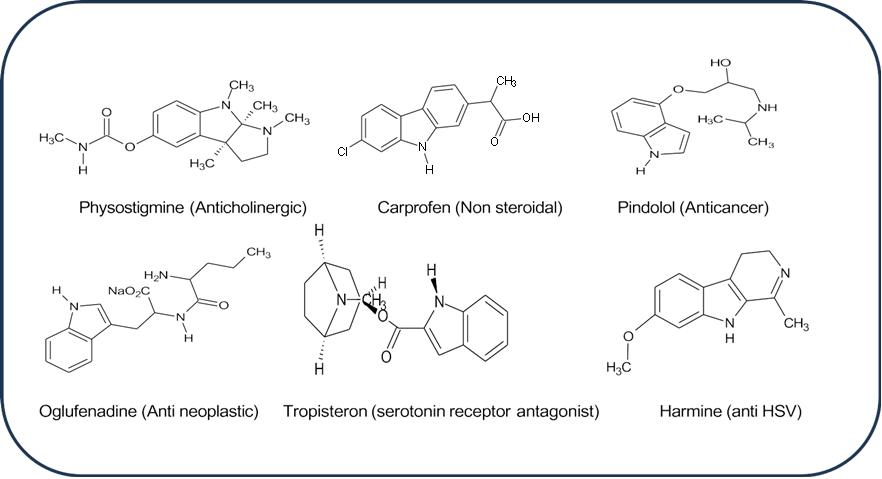
*Pharmacological activities:

Anti-Bacterial activity:

The antibacterial activity of Klebsiella oxytoca selectively inhibits Pseudomonas solanacearum without affecting E. coli. Indole fully inhibits Pseudomonas solanacearum at >100 µg/mL, which is largely depend on its nitrogen and aromatic ring. Erchinines A and B strongly inhibit Bacillus subtilis in In-vitro with Minimum Inhibitory Concentration (MIC = 0.78 µg/mL) 8.
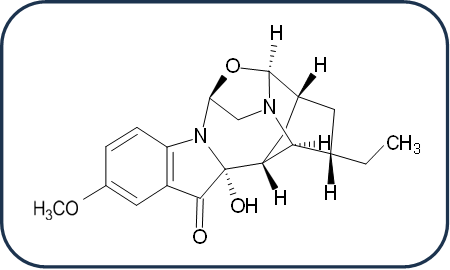
Figure 1: Antibacterial activity of indole derivative

Anti-Fungal activity:

Zhang et al. explained the streptochlorin activity profile and mode of action is associated with disruption of fungal sporulation and inhibition of mycelia growth. Erchinines A and B strongly inhibit Trichophyton in In-vitro with Minimum Inhibitory Concentration of 12.5 µg/mL and 6.25 µg/mL, respectively9.

Figure 2: Antifungal activity of indole derivative


Anti-Inflammatory activity:

Classical NSAIDs inhibit COX-1 and COX-2 by blocking prostaglandin synthesis which reduce inflammation and pain. Substitution at the indole 3-position enhances potency. Indomethacin inhibits COX-1 by modifying the indole, it can affect COX-2 activity.

Strictosamide was tested for anti-inflammatory effects in mice with ear swelling caused by Tissue Plasminogen Activator (TPA) when given at doses of 20 and 40mg per kg of body weight10.

Figure 3: Anti-inflammatory activity of indole derivative

Anti-Cancer activity:

Indole derivatives induce apoptosis via the p53 pathway, mitochondrial cytochrome-c release.

Vallesiachotamine and iso-vallesiachotamine showed strong activity against lung cancer cells (IC?? = 4.24 µM and 3.79 µM11.
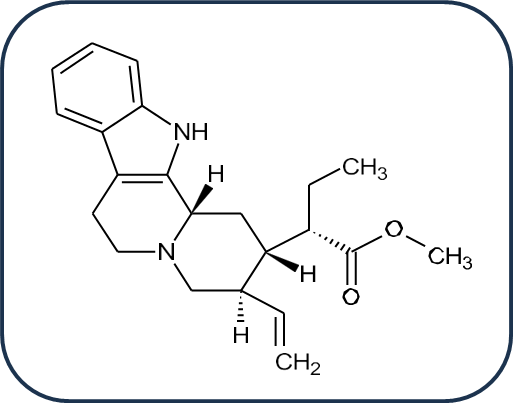
Figure 4: Anticancer activity of indole derivative

Anti-Migraine activity:

Indole      derivative   like      triptans  acts      on 5-hydroxytryptamine1B                 receptor      (5-HT1B) /5- hydroxy tryptamine 1D receptor (5-HT1D) which cause vasoconstriction of dilated cranial Blood Vessels and prevent release of neuropeptides (substance P, neurokinin A, Calcitonin gene-related peptide). These actions relieve migraines by suppressing pain pathways and inflammation. Dihydroergotamine was administered intravenously into anesthetized pigs. The doses ranging from 3– 100 µg12.
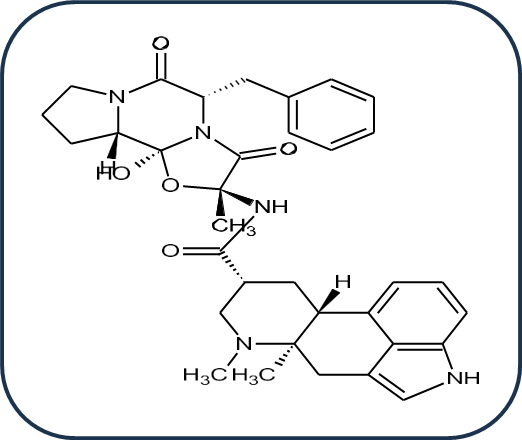
Figure 5: Anti-migraine activity of indole derivative

Anti-Malarial activity:

Melatonin regulates Plasmodium replication by affecting their development stages (ring, trophozoite, and schizont) via Protein kinase an activation, proteases, increase Ca²?, and increase cAMP levels. Infected mice is treated with melatonin by intraperitoneally at doses of 5–10 mg/kg for 4 days. It showed the protective effects like reducing brain swelling, blood–brain barrier protection, less inflammation, and helped the mice to live longer13.
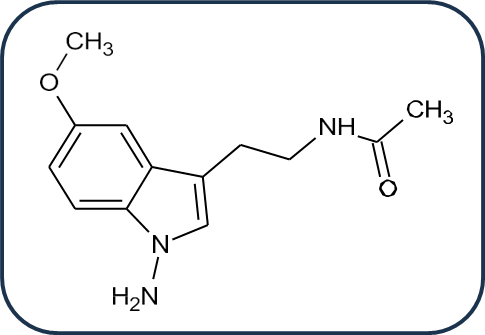
Figure 6: Antimalarial activity of indole derivative

Anti-Dengue activity:

Indole-based nucleoside derivatives act as RNA-dependent RNA polymerase (RdRp) inhibitors. Which prevent the synthesis of viral RNA. Hirsutine is a potent anti-DENV compound in cell culture. They report EC??=1.97µM (antiviral potency) and CC?? > 10 µM (low cytotoxicity) 14.
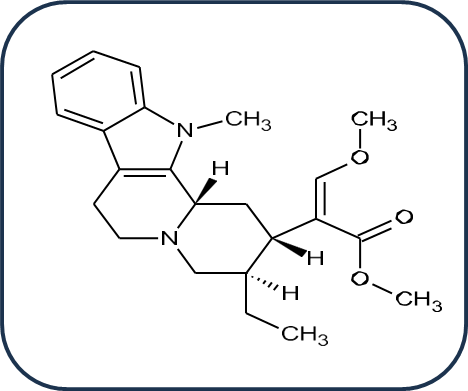
Figure 7: Dengue activity of indole derivative

Anti-Diabetic activity:

Indole–triazole derivatives act via α-glycosidase inhibition. Sprague-Dawely rats and spontaneously diabetic torii rats are used and they were fasted for 16 hours before test. Glucose (2 g/kg BW), L-tryptophan or D-tryptophan (62.5 mg/kg BW) orally was given. Which Results: L-tryptophan reduced the rise in blood sugar at 30 to 60 min. D-tryptophan also lowers the glucose levels but less effective than L-tryptophan. Finally, L-tryptophan shows stronger anti- hyperglycemic effect during glucose load.

Figure 8: Anti diabetic activity of indole derivative

Anti-HSV activity:

Organic extracts of Peganum harmala seeds and their alkaloids show anti-HSV-2 activity in In- Vitro by inhibiting viral replication. Harmaline acts against HSV-1 by interfering with early replication in Vero cells, without blocking entry. Harmine showed potent anti-HSV-2 activity with EC?? ≈ 1.47 µM and a wide safety margin (CC?? ≈ 337 µM), indicating low host cell toxicity at effective doses15.
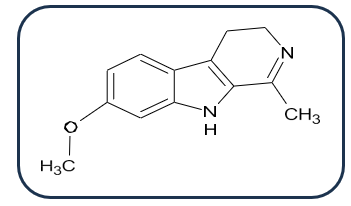
Figure 9: Anti-HSV activity of indole derivative

REFERENCES

  1. Sharma V, Kumar P, Pathak D. Biological importance of the indole nucleus in recent years: a comprehensive review. Journal of Heterocyclic Chemistry. 2010 May; 47(3):491-502.
  2. David B, Schneider P, Schäfer P, Pietruszka J, Gohlke H. Discovery of new acetylcholinesterase inhibitors for Alzheimer’s disease: virtual screening and in vitro characterisation. Journal of enzyme inhibition and medicinal chemistry. 2021 Jan 1; 36(1):491-6.
  3. Magnowska Z, Jana B, Brahman RP, Husked a, Lamest R, De Gobba C, Guardabassi L. Carprofen-induced depletion of proton motive force reverses TetK-mediated doxycycline resistance in methicillin-resistant Staphylococcus pseudintermedius. Scientific reports. 2019 Nov 28; 9(1):17834.
  4. Garcia P, Montastruc JL, Rousseau V, Hamard J, Sommet A, Montastruc F. β-adrenoceptor antagonists and nightmares: a pharmacoepidemiological–pharmacodynamic study. Journal of Psychopharmacology. 2021 Dec; 35(12):1441-8.
  5. Makarenkova VP, Logunov DY, Tukhvatulin AI. Immunomodulatory peptides as adjuvants and anticancer agents: focus on Oglufanide. Front Immunol. 2021; 12:673123. doi:10.3389/fimmu.2021.673123
  6. Yao Q, Chang BT, Chen R, Wei YJ, Gong QJ, Yu D, Zhang Y, Han X, Yang HB, Tang SJ, Gao Y. Research advances in pharmacology, safety, and clinical applications of Yunnan baiyao, a traditional Chinese medicine formula. Frontiers in Pharmacology. 2021 Nov 24; 12:773185.
  7. Zandi K, Tajbakhsh S, Nabipour I, Rastian Z, Yousefi F, Sharafian S, et al. In vitro antiviral activity of harmine against herpes simplex virus type 1 (HSV-1). J Antivir Antiretrovir. 2010; 2(4):051-055.
  8. Zhang H, et al. Antibacterial activity of Erchinines A and B from marine-derived Streptomyces against Bacillus subtilis and Pseudomonas solanacearum. J Antiriot (Tokyo). 2013; 66(2):75-82.
  9. Zhang H, et al. Antifungal activity and mode of action of streptochlorin and Erchinines from marine-derived fungi. J Antiriot (Tokyo). 2012; 65(4):123-130.
  10. Wu YH, Zhang XX, Chen L, Li Q, Huang J, Wang Y, et al. Strictosamide alleviates acute lung injury via regulating Th17/Trig balance and gut micro biota in mice. Phytomedicine. 2024; 155490. Doi: 10.1016/j.phymed.2024.155490.
  11. Mosaic Saleh A, Hajji M, Pourers N, and Khodadadi A. Investigating how nano-curcumin affects the expression of the p53 gene and inhibits the cell cycle in the A549 lung cancer cell line. Jentashapir J Cell Mol Biol. 2025; 16(2): e159105.
  12. Al-Hassany L, Boucherie DM, Creeney H, Younis S, Tibar H, Pozo Ramos M, et al. Future targets for migraine treatment beyond CGRP. J Headache Pain. 2023; 24(1):76.
  13. Ataide MA, Kauffmann F, Mendes RV, Torres EL, dos Anjos ICS, Passos G, de Moraes TL, Batista BB, Herculano AM, Oliveira MF. Melatonin prevents brain damage and neurocognitive impairment induced by Plasmodium berghei ANKA infection in murine model of cerebral malaria. Front Cell Infect Microbiol. 2020; 10:541624.
  14. Zheng D, Fang W, Wang Y, Li Y, Zong Y, Zhu H, et al. Antiviral activity of an indole-type compound derived from natural products, identified by virtual screening by interaction on Dengue Virus NS5 Protein. Viruses. 2023; 15(2):407.
  15. Virology Journal. Harmon used for the treatment of herpes simplex virus induced keratitis. VirologyJ. 2024; 21:118.

Reference

  1. Sharma V, Kumar P, Pathak D. Biological importance of the indole nucleus in recent years: a comprehensive review. Journal of Heterocyclic Chemistry. 2010 May; 47(3):491-502.
  2. David B, Schneider P, Schäfer P, Pietruszka J, Gohlke H. Discovery of new acetylcholinesterase inhibitors for Alzheimer’s disease: virtual screening and in vitro characterisation. Journal of enzyme inhibition and medicinal chemistry. 2021 Jan 1; 36(1):491-6.
  3. Magnowska Z, Jana B, Brahman RP, Husked a, Lamest R, De Gobba C, Guardabassi L. Carprofen-induced depletion of proton motive force reverses TetK-mediated doxycycline resistance in methicillin-resistant Staphylococcus pseudintermedius. Scientific reports. 2019 Nov 28; 9(1):17834.
  4. Garcia P, Montastruc JL, Rousseau V, Hamard J, Sommet A, Montastruc F. β-adrenoceptor antagonists and nightmares: a pharmacoepidemiological–pharmacodynamic study. Journal of Psychopharmacology. 2021 Dec; 35(12):1441-8.
  5. Makarenkova VP, Logunov DY, Tukhvatulin AI. Immunomodulatory peptides as adjuvants and anticancer agents: focus on Oglufanide. Front Immunol. 2021; 12:673123. doi:10.3389/fimmu.2021.673123
  6. Yao Q, Chang BT, Chen R, Wei YJ, Gong QJ, Yu D, Zhang Y, Han X, Yang HB, Tang SJ, Gao Y. Research advances in pharmacology, safety, and clinical applications of Yunnan baiyao, a traditional Chinese medicine formula. Frontiers in Pharmacology. 2021 Nov 24; 12:773185.
  7. Zandi K, Tajbakhsh S, Nabipour I, Rastian Z, Yousefi F, Sharafian S, et al. In vitro antiviral activity of harmine against herpes simplex virus type 1 (HSV-1). J Antivir Antiretrovir. 2010; 2(4):051-055.
  8. Zhang H, et al. Antibacterial activity of Erchinines A and B from marine-derived Streptomyces against Bacillus subtilis and Pseudomonas solanacearum. J Antiriot (Tokyo). 2013; 66(2):75-82.
  9. Zhang H, et al. Antifungal activity and mode of action of streptochlorin and Erchinines from marine-derived fungi. J Antiriot (Tokyo). 2012; 65(4):123-130.
  10. Wu YH, Zhang XX, Chen L, Li Q, Huang J, Wang Y, et al. Strictosamide alleviates acute lung injury via regulating Th17/Trig balance and gut micro biota in mice. Phytomedicine. 2024; 155490. Doi: 10.1016/j.phymed.2024.155490.
  11. Mosaic Saleh A, Hajji M, Pourers N, and Khodadadi A. Investigating how nano-curcumin affects the expression of the p53 gene and inhibits the cell cycle in the A549 lung cancer cell line. Jentashapir J Cell Mol Biol. 2025; 16(2): e159105.
  12. Al-Hassany L, Boucherie DM, Creeney H, Younis S, Tibar H, Pozo Ramos M, et al. Future targets for migraine treatment beyond CGRP. J Headache Pain. 2023; 24(1):76.
  13. Ataide MA, Kauffmann F, Mendes RV, Torres EL, dos Anjos ICS, Passos G, de Moraes TL, Batista BB, Herculano AM, Oliveira MF. Melatonin prevents brain damage and neurocognitive impairment induced by Plasmodium berghei ANKA infection in murine model of cerebral malaria. Front Cell Infect Microbiol. 2020; 10:541624.
  14. Zheng D, Fang W, Wang Y, Li Y, Zong Y, Zhu H, et al. Antiviral activity of an indole-type compound derived from natural products, identified by virtual screening by interaction on Dengue Virus NS5 Protein. Viruses. 2023; 15(2):407.
  15. Virology Journal. Harmon used for the treatment of herpes simplex virus induced keratitis. VirologyJ. 2024; 21:118.

Photo
Dr. K. Chandrasekhar
Corresponding author

Dr. K. V. Subba Reddy institute of pharmacy, Dupadu, Kurnool, 518218.

Photo
P. Laya Sree
Co-author

Dr. K. V. Subba Reddy institute of pharmacy, Dupadu, Kurnool, 518218.

Dr. K. Chandrasekhar*, P. Laya Sree, Indole Beyond Tradition- A Next Generation Pharmacological Scaffold, Int. J. of Pharm. Sci., 2025, Vol 3, Issue 12, 1355-1361 https://doi.org/10.5281/zenodo.17853239

More related articles
Transdermal Drug Delivery: Beyond Conventional Pat...
Priti Jondhale, Sakshi Kakad, Sonali Bamhane, Manisha Magar, ...
Review on Vitiligo Beyond the Skin– A Journey of...
Buradakavi Lahari Sri, M. Veerendra Kumar, ...
Innovations in Next-Generation Pharmaceutical Packaging: Shaping the Future...
Priti Ranjan Sahoo, Priti Prakash Behura, Premchand Bhuyan, ...
Choco-Flax-Oat Fusion: A Next-Generation Functional Cookie for Women’s Wellnes...
Nandini Hiwrale, Manasi Choudhari, Dr. Swati Deshmukh, ...
Related Articles
Rentosertib: An AI-Created Milestone Beyond Traditional Methods...
Tripthi Hinger, Shrutika Patil, Christina Viju, Tanu Hinger, Jitendra Prajapati, ...
Beyond the Shadows: Transforming Human Metapneumovirus Management with Next Gene...
Pooja S, Sathish Kumar JD, Hema D, Yoghashri D, Nithya Sri Pandi, Naveen Kumar S, Rakesh B, Praveen ...
Phytochemical and Pharmacological Insights into Croton tiglium Linn: A Promising...
Ankita Lokare, Madhura Khot, Saniya Shaikh, V. Mote , ...
More related articles
Transdermal Drug Delivery: Beyond Conventional Patches...
Priti Jondhale, Sakshi Kakad, Sonali Bamhane, Manisha Magar, ...