

We use cookies to ensure our website works properly and to personalise your experience. Cookies policy
Abasaheb Kakade College of Pharmacy, Bhodhegaon, Shevgaon, Ahilyanagar
This study presents the formulation of a low glycemic index biscuit tailored for individuals with diabetes, utilizing alternative flours and health-promoting ingredients. The primary components include okra flour, jujube flour, and moringa oleifera, which contribute to the biscuit's nutritional profile and help lower its glycemic index. Additional ingredients such as cumin seed flour, baking soda, salt, and a blend of vegetable oil and cow ghee enhance the texture and flavor. Fenugreek seeds are incorporated for their potential blood sugar-regulating properties, while chocolate and a flavoring agent provide palatability. Wheat flour is used in moderation to balance the formulation. The resulting biscuit is not only suitable for diabetic diets but also offers a flavorful option, promoting better health without compromising taste. Further analysis will assess the nutritional benefits and glycemic response of the developed product.
India, a country sharing almost 17.5% of the total world population also carries a considerable share in the global diabetes burden. Asia is considered the epicenter of the epidemic of diabetes. According to the International Diabetes Federation (IDF)463 million people in the world have diabetes and 88 million people live in the Southeast Asia region. Out of this 88 million people, 77 million belong to India which accounts for 11.8 % of the total world diabetes burden with both men and women equally affected. India is currently regarded as the diabetic capital of the world as the country has the highest number of diabetic patients in the world. Diabetes is India’s one of the fastest-growing endocrine disorder. The chronic burden of diabetes has an extensive impact on the health and well- being of the individual as well as the nation. It is estimated that by 2030 the prevalence of diabetes is expected to rise to 552 million people globally. According to the World Health Organization, an estimated 1.6 million deaths were caused directly by diabetes in the year 2016.Diabetes is a chronic metabolic and endocrine disease characterized by elevated blood sugar levels with disturbances in the metabolism in carbohydrates, fat, and proteins resulting from an abnormality in the pancreas causing a defect in insulin secretion, insulin action, or both. This disorder is often associated with long term complications of organs like eyes, heart, kidneys, nerves, and blood vessels. Biscuits are the most widely sold products in the food industry market and most of them are high in carbohydrates as they are made of refined flours and are unsuitable for daily consumption especially by a diabetic individual. The biscuit is suitable for consumption by the diabetic population. Therefore, it can be concluded that the combination of flours in the production of biscuits can help maintain the blood sugar levels for the diabetic population making it a very suitable snacking option. carbohydrate inhibitory enzyme activities showed that the biscuit inhibited key digestive enzymes such as (α- amylase and α- glucosidase). The result of glycemic index showed that the biscuit possessed low glycemic index and glycemic load
Diabetes is a chronic metabolic disorder characterized by high blood sugar levels over a prolonged period. It results from either the body's inability to produce enough insulin or the cells not responding Type 1, Type 2, and gestational diabetes, each with distinct causes, symptoms, and management strategies. The condition affects millions worldwide and can lead to severe complications if not properly managed, highlighting the importance of research into prevention, treatment, and improved understanding of the disease, effectively to the insulin produced. There are several types of diabetes, including
Biscuits are the most commonly consumed bakery products in the market, they are usually found to be high in calories, carbohydrates, and fats but are low in vitamins, minerals, and proteins making them unfit for daily consumption. Some biscuits available in the market are specifically formulated for the consumption by diabetic patients most of them developed from whole wheat flour alone. These biscuits are usually found to be high in fibre and resistant starch. But research suggests that cereal and pulse or legume mixed food products have a lower glycemic index than only whole wheat flour food products. The primary objective of the study is to develop a cereal and legume-based diabetic-friendly biscuits using wheat flour, barley flour, and soy flour. Barley (Hordeum Vulgare L.) is an underutilized functional grain because it contains -glucan, vitamin B-complex, tocotrienols, tocopherols and has significant antioxidant properties. Barley has a higher amount of phenolic compounds and antioxidant activity when compared to the most widely consumed cereals, wheat, and rice. Health effects of -glucans are to lower plasma cholesterol, improve lipid metabolism, reduce glycemic index, and boost the immune system, etc. In barley, most of the free phenolics are flavanols and tocopherols, whereas the bound phenolics are mainly phenolic acids are ferulic acid and coumaric acid.
Therefore, it is a beneficial cereal crop from a nutritional point of view. Many researches have shown that barley can be successfully incorporated in a wide array of products such as different types of bread, Asian noodles, bars, muffins, biscuits, and cookies.
Soybean (Glycine max) is an excellent source of protein. It contains 35-45% protein with all essential amino acids required for proper growth, repair, and maintenance of the body. It is also rich in vitamin, mineral, and antioxidant like Isoflavones which help in lowering cholesterol levels, prevent cancer and regulation of menopause. Wheat is deficient in essential amino acid lysine. However, soybean is rich in lysine and can be added to wheat in order to enrich the biscuit with all the essential amino acids. Soybean protein is the best source of plant protein. Research by Shakuntale b. Masum, 2008 found that enrichment of defatted soy flour improved the nutritional quality of the food product by 20% without affecting its taste, textural and overall acceptability of the product.
Cumin (Cuminum cyminum) is a flowering plant belonging to family Apiaceae, commonly known as jeera. It is a common ingredient found in Indian kitchens.They are oblong, longitudinally ridged, and grey-brown in color.It is rich in anti-inflammatory antioxidants and has antibacterial and antiseptic properties. Due to its numerous medicinal properties, jeera is one of the main ingredients in many home remedies and ayurvedic preparations. The strong aroma of jeera or cumin seeds is due to the presence of compound cumin aldehyde. Cumin is widely used in Ayurvedic medicine as a stimulant, carminative, and astringent and for the treatment of dyspepsia. It is effective against digestive problems, relieves nausea, bloating, and constipation.
HISTORY
The condition known today as diabetes (usually referring to diabetes mellitus) is thought to have been described in the Ebers Papyrus (c. 1550 BC). Ayurvedic physicians (5th/6th century BC) first noted the sweet taste of diabetic urine, and called the condition madhumeha ("honey urine"). The term diabetes traces back to Demetrius of Apamea (1st century BC). For a long time, the condition was described and treated in traditional Chinese medicine as xi?o k? ("wasting-thirst"). Physicians of the medieval Islamic world, including Avicenna, have also written on diabetes. Early accounts often referred to diabetes as a disease of the kidneys. In 1674, Thomas Willis suggested that diabetes may be a disease of the blood. Johann Peter Frank is credited with distinguishing diabetes mellitus and diabetes insipidus in 1794.

Fig No-1 (History of diabetes)
CAUSES-
It is caused by
SYMPTOMS-
TYPES OF DIABETES-
There are primarily three types of diabetes:
Type 1 Diabetes: This type occurs when the immune system mistakenly attacks and destroys the insulin-producing beta cells in the pancreas. As a result, the body produces little to no insulin. Type 1 diabetes is typically diagnosed in children and young adults, although it can occur at any age. Individuals with Type 1 diabetes require insulin injections for survival.
Type 2 Diabetes: Type 2 diabetes is the most common form of diabetes, accounting for the majority of cases worldwide. It develops when the body becomes resistant to insulin or when the pancreas is unable to produce enough insulin to maintain normal blood sugar levels. Type 2 diabetes is often associated with lifestyle factors such as obesity, physical inactivity, and poor diet. It can be managed with lifestyle changes, oral medications, and/or insulin injections.
Gestational Diabetes: Gestational diabetes occurs during pregnancy when the body cannot produce enough insulin to meet the increased needs of pregnancy. It usually develops around the 24th week of pregnancy and typically resolves after childbirth. However, women who have had gestational diabetes have an increased risk of developing Type 2 diabetes later in life. Additionally, there are other less common types of diabetes, such as monogenic diabetes and secondary diabetes, which result from specific genetic or medical conditions, respectively.
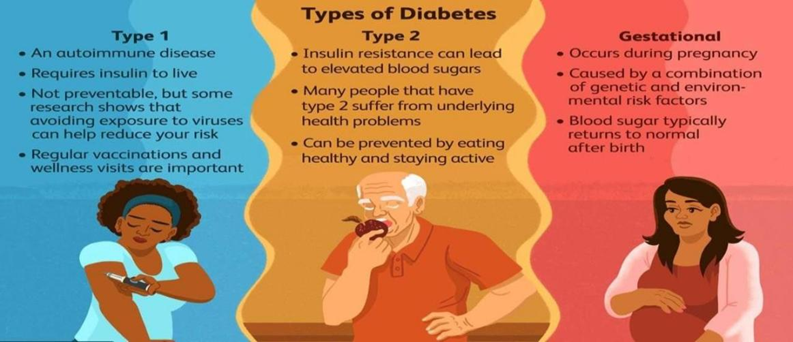
Fig No-2 Types of Diabetes
PATHOGENESIS OF DIABETES-
The pathogenesis of diabetes involves complex interactions between genetic, environmental, and lifestyle factors. Here's a simplified overview:
Type 1 Diabetes:
Genetic predisposition: Individuals with certain genetic markers are more susceptible to Type 1 diabetes.
Autoimmune destruction: The immune system mistakenly attacks and destroys the insulin-producing beta cells in the pancreas. Insulin deficiency: As beta cells are destroyed, the pancreas produces little to no insulin, leading to high blood sugar levels.
Type 2 Diabetes:
Insulin resistance: Cells become resistant to the effects of insulin, resulting in the pancreas producing more insulin to compensate. Beta cell dysfunction: Over time, the pancreas may not be able to produce enough insulin to overcome insulin resistance, leading to insulin deficiency. Genetic and environmental factors: Genetic predisposition, obesity, physical inactivity, poor diet, and aging contribute to the development of Type 2 diabetes.
Gestational Diabetes Hormonal changes: During pregnancy, the placenta produces hormones that can interfere with insulin function, leading to insulin resistance. Insufficient insulin production: In some cases, the pancreas may not be able to produce enough insulin to overcome insulin resistance during pregnancy, resulting in gestational diabetes.
Risk factors: Being overweight, having a family history of diabetes, and certain ethnic backgrounds increase the risk of developing gestational diabetes.Overall, the pathogenesis of diabetes involves a combination of insulin resistance, beta cell dysfunction, and genetic and environmental factors, leading to elevated blood sugar levels and the characteristic symptoms of the disease.
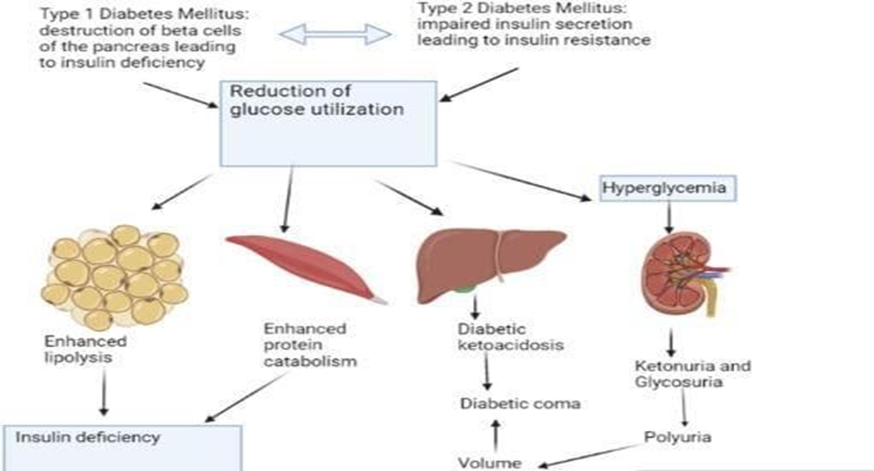
Fig No-3(Pathogenesis of diabetes)
GENERAL MACHANISM OF DIABETES-

Fig no-4( General Machanism of Diabetes)
PLANT PROFILE-
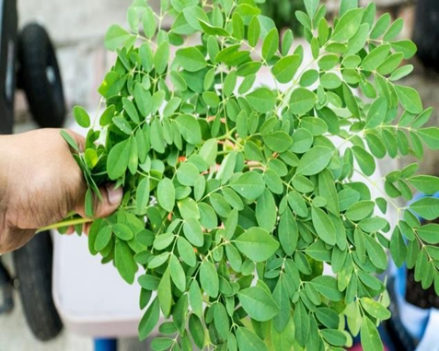
Fig No-5 (Moringa oleifera)
Uses-
2. Jujube-

Fig no-6 (Jujube)
Uses-
3. Okra-
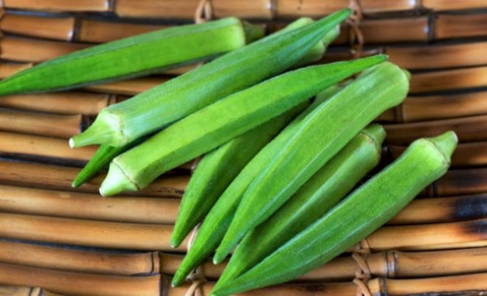
Fig no-7(Okra)
Uses-
4. Soyabean-
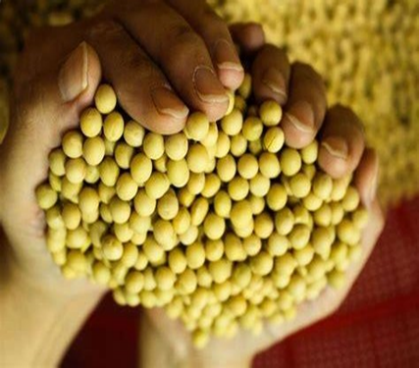
Fig no-7(Soyabean)
Uses-
5. Banana
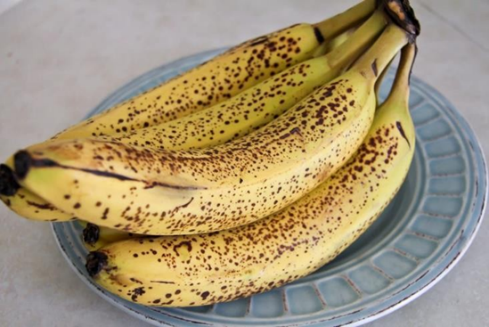
Fig no- 8 (Banana)
Uses-
COLLECTION OF SAMPLE-
Moringa Oleifera, Banana, Okra, Soyabean, Chocolate powder, Stevia all ingredients are collected. The raw materials were stored at room temperature for use in experiments.
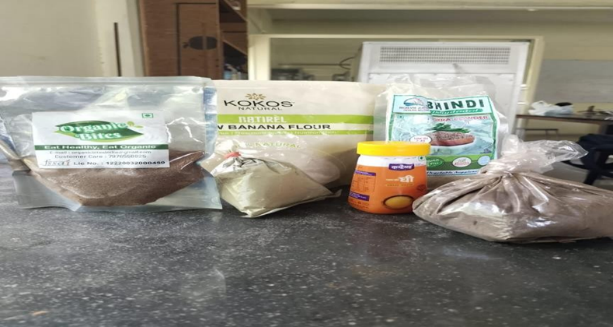
Fig no-9 (Collection of material)
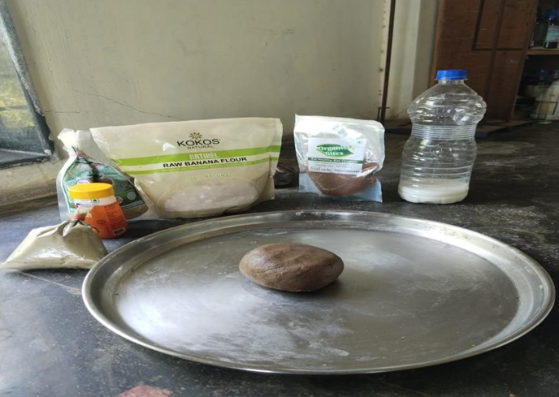
Fig No-10

Fig no-11 (preaparation of dough)
PROCEDURE-
Sampling of raw materials, Flours processing and Characterization
Unripe banana (Musa acuminata), fresh okra (Abelmoschus esculentus), stevia leaves (Stevia rebaudiana) and jujube fruits (Ziziphus mauritiana) were purchased from a local market of Ngaoundere in Adamawa region of Cameroon. Unripe banana, okra, stevia and jujube fruit flours were produced as describe in and stored at 4°C for further utilization. Moisture, ashes, total sugars, simple sugars and crude fibers contents of flours of unripe banana, mature okra fruit, stevia leaves and dry jujube fruit were determined as reported by Tedom et
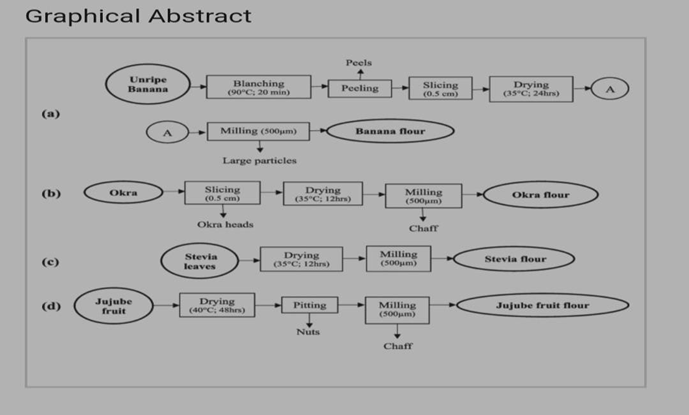
Fig no-11 (Graphical Abstract)
BISCUITS FORMULATION
Weigh of all ingredients
Weigh all ingredient like banana flour , soyabean flour, wheat flour, stevia flour, okra flour, jujubi flour, chocklet powder, cummin seeds powder, fenugreek powder, moringa oleifera, baking soda, salt, cow ghee, vegetable oil,milk,flavouring agent
Preparation of dough
In a large dish All flour whisk together , All ingredients mixed it well, make a well in the center of the flour mixture and poured into the cold milk using a fork or a wooden spoon gently stirred the mixture until it comes together into a shaggy dough banana flour and wheat flour which makes a perfect base of bisckit. Then remaining all ingredients are mixed it , keep dough at room temperature for 25 min,then at last addition of salt(preservative) and flavouring agent.Add the cold ghee to the flour mixture turn the dough out into a lightly floured surface and gently knead it a few times until it forms a cohesive ball
Preparation of biscuit
Pat the dough out into a circle that’s about ½ to ¾ inch thick . Used a knief for cutting a perfect shape of biscuit and cut out biscuit from the dough without twisting to ensure a biscuit rise evenly .
Baking of Biscuit
Place the biscuit on to the prepared baking sheet and leaving a little space between each one gather the scrab of dough ,gently pressed together repeat the process of pating out the dough and cutting out more biscuit until we have used it all , bake the biscuit in the pre heated hot air oven 1 hr.Set into 80c until they are golden brown on top and cooked through .
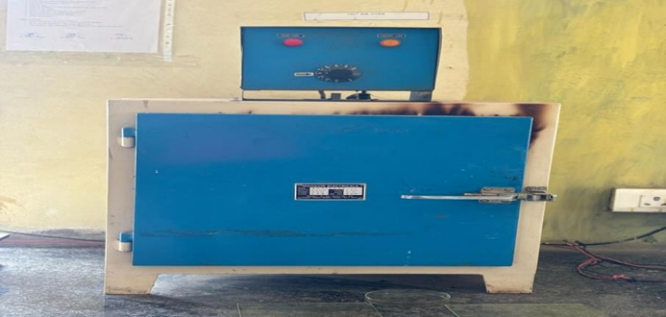
Fig no-12(Hot air oven)
Formulation table-
Table no 1 (Formulation table) Evaluation parameter
|
Sr. No. |
Ingredient |
Quantity taken for 25 Biscuit |
Role of ingredient |
|
1) |
Banana flour |
60gm |
Nutrition |
|
2) |
Stevia flour |
10gm |
Anti-diabetic |
|
3) |
Soybean flour |
5gm |
Reduce the risk of diabetes |
|
4) |
Okra flour |
7gm |
Anti-diabetics |
|
5) |
Jujube flour |
2gm |
Sweetener |
|
6) |
Moringa Oleifera |
2.5gm |
Source of Protein |
|
7) |
Cummin seeds flour |
1gm |
Taste |
|
8) |
Baking soda |
2gm |
Crunchy |
|
9) |
Salt |
1gm |
Preservative |
|
!0) |
Vegetable oil |
2ml |
Vehicle |
|
11) |
Fenugreek |
2.5gm |
Proteins |
|
12) |
Chocolate |
1gm |
Sweetener |
|
13) |
Caw ghee |
Qs |
Vehicle |
|
14) |
Wheat flour |
5gm |
Carbohydrates containing |
|
15) |
Flavouring Agent (chocolate) |
Qs |
Flavouring agent |
|
16) |
Milk |
Qs |
Vehicle |
EVALUATION PARAMETER
Ash value:
Total ash content of the prepared cookies was estimated by following procedure] According to the procedure 1gm of sample was taken in a tarred crucible and it was burnt on Bunsen burner until all the carbon burnt. Then Sample was cooled, weighed and procedure was repeated until weight become constant. After that total Ash value were calculated based on the equation given below:
Total Ash value: 100(Z-X)
Where, X=Weigh of empty dish;
Y=Weigh of sample taken;
Z=Weigh of crucible with sample after complete burn.
Moisture content:
Moisture content was estimated by the method prescribed in the chemical Analysis of food As mentioned in procedure, cookies samples were weighed accurately in a moisture dish and were kept in hot air oven for 2 hours at 105°C and then it was cooled in desiccators and weighed. Process of heating was repeated for 30 min. and again cooled and weighed. This procedure was done until the difference between two successive weighing became less than 0.001 gm. Moisture content in test sample was calculated based on the equation given below:
Moisture%=(W1-W2)×100/W1-W
Where,
W1 = Weight of moisture dish with sample before drying;
W2 = Weight of moisture dish with sample after drying;
W = Weight of moisture dish
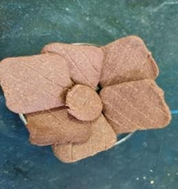
Constant
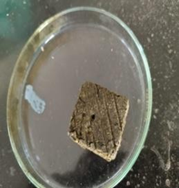
Batch-(A)
Batch-(B)
Batch-(C)
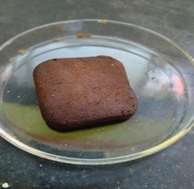
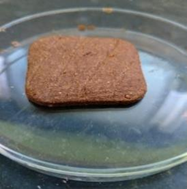
Fig no 14(Formulation of Biscuit Batch)
GLYCEMIC INDEX OF INGREDIENTS
Here are the approximate glycemic index (GI) values for the individual ingredients:
By using these low GI ingredients in our biscuits, we can create a diabetic-friendly treat that helps manage blood sugar levels effectively.
RESULT
The formulation for low glycemic index biscuits using unripe banana, okra, and stevia leaves yields a healthy and diabetic-friendly treat. These biscuits are rich in fiber, vitamins, and minerals, making them suitable for those managing their blood sugar levels. The combination of ingredients provides sweetness from the banana and stevia while incorporating the nutritional benefits of okra. Enjoy these biscuits as a guilt-free option.Various marketed products were compared on the basis of colour, odour ,Ash value ,taste and total energy with normal energetic wheat flour biscuits and marketed preparation of digestive biscuits with the sample prepared in this study. Chemical and physical parameter mentioned in following table
|
Sr No |
Parameter |
Results |
|
1 |
Colour |
Dark Brown |
|
2 |
Taste |
Sugar Free |
|
3 |
Odour |
Aromatic |
|
4 |
Ash value |
7.10% |
|
5 |
Moisture content |
6.91% |
The above properties of nutritional value of product were in acceptable range.
CONCLUSION
In conclusion, incorporating okra, banana flour, and stevia into anti-diabetic biscuits offers a nutritious and low glycemic index option for individuals managing blood sugar levels. Okra provides fiber and essential nutrients with a very low glycemic index, while banana flour serves as a gluten-free alternative with a moderate glycemic index. Stevia, a natural sweetener with a glycemic index of zero, adds sweetness without affecting blood sugar levels. utilizing soybean flour in anti-diabetic biscuits provides a valuable source of protein, fiber, and essential nutrients while contributing to a balanced blood sugar response. Together, these ingredients create a delicious and diabetes-friendly treat that supports overall health and well-being.
REFERENCES



Ashvini Nangare, Devidas Kharad, Kanchan Vanve, Formulation of Low Glycemic Index Biscuit for Suitable for Diabetics, Int. J. of Pharm. Sci., 2025, Vol 3, Issue 7, 3441-3452. https://doi.org/10.5281/zenodo.16420810
 10.5281/zenodo.16420810