

We use cookies to ensure our website works properly and to personalise your experience. Cookies policy
Chemists College of Pharmaceutical Sciences and Research, Varikoli, Ernakulam, Kerala, India
Periorbital skin concerns, including dark circles, puffiness, and fine lines, are prevalent cosmetic and dermatological issues that significantly affect facial aesthetics and perceived age. Their multifactorial etiology involves oxidative stress, chronic inflammation, and dysregulated melanin synthesis, often aggravated by lifestyle and environmental factors. Traditional pharmacological methods, although successful, can have unfavourable side effects, which emphasises the need for safer, multi-targeted substitutes. Natural plant extracts, abundant in bioactive compounds such as polyphenols, flavonoids, vitamins, and essential oils, exhibit antioxidant, anti-inflammatory, anti-ageing, moisturising, and skin-lightening properties, making them attractive candidates for under-eye rejuvenation. Despite their therapeutic potential, limitations such as low bioavailability, rapid degradation, and poor skin penetration constrain their clinical utility. Recent advances in controlled release strategies—including hydrogels, nanoparticles, microspheres, and phytosomes—enable sustained, targeted delivery of herbal bioactives, enhancing efficacy and patient compliance. This review consolidates current evidence on the phytochemistry, pharmacological mechanisms, and novel delivery platforms of natural extracts in ophthalmic dermatology. By integrating multi-functional herbal agents with advanced drug delivery technologies, emerging approaches offer a non-invasive, safe, and efficacious strategy for under-eye therapy, paving the way for translational applications in cosmeceutical and dermatological practice.
Recent years have seen a dramatic change in cosmetics, with antioxidants becoming essential ingredients because of their ability to fend against oxidative stress. Antioxidants are chemical substances that neutralise free radicals, preventing damage to vital biomolecules such as proteins, lipids, and DNA. Synthetic antioxidants currently dominate the cosmetics market, but demand for natural antioxidants has grown dramatically and is expected to do so.1 Consumer knowledge of safety, sustainability, and efficacy is driving the preference for natural alternatives, which is why cosmeceuticals made with bioactive plant-derived ingredients are becoming more and more popular.2
Cosmetics that contain physiologically active chemicals with drug-like qualities are referred to as cosmeceuticals. These compositions prevent degenerative skin problems by having both local therapeutic effects and aesthetic benefits. 3 The two primary uses of bioactive extracts in cosmeceuticals, phytochemicals derived from botanicals, are used to care for the body and regulate the biological processes of the skin, where they offer essential nutrients and pathogen defence. Vitamins, antioxidants, proteins, terpenoids, hydrocolloids, essential oils, and other bioactive substances are abundant in these plant sources and can support skin health, renewal, and repair.
Among the most common cosmetic concerns, periorbital hyperpigmentation (POH)—commonly referred to as “dark circles”—is highly prevalent and represents a major reason for dermatology consultations. POH manifests as discolouration of the skin around the eyes, including the eyelids, under-eye region, and lateral corners. While often associated with fatigue, sleep deprivation, and stress, several additional intrinsic and extrinsic factors contribute to its development. These include genetic predisposition, dermal melanocytosis, post-inflammatory hyperpigmentation, periorbital oedema, hormonal fluctuations, chronic irritation, atopy, allergies, eye strain, poor nutrition, dehydration, smoking, alcohol consumption, and certain medications (e.g., NSAIDs and chemotherapy drugs). Environmental factors, particularly ultraviolet (UV) exposure, further exacerbate the condition by inducing oxidative stress.4
The classification of under-eye dark circles highlights four main types:
The prevalence of POH has increased in the modern period due to factors such as increased stress, exposure to environmental toxins, and growing use of digital technologies. Because the periorbital skin is thinner and more sensitive than other parts of the face, it is more susceptible to pigmentary changes and oxidative damage.
Growing consumer demand for natural cosmetic ingredients has fuelled a major shift in the cosmetics industry toward environmentally friendly, sustainable, and safe formulations. Increased knowledge of how environmental pollution and UV rays affect skin health is another factor driving this. The use of phytoconstituents in cosmeceutical formulations is increasing, particularly those with antimicrobial, anti-inflammatory, antioxidant, and film-forming properties. These plant-derived compounds can protect the skin against both endogenous and exogenous harmful agents, mitigate oxidative damage, and delay photoaging. Herbal extracts are known to provide healing, softening, rejuvenating, and sunscreen effects, making them highly desirable in anti-ageing and under-eye care products.
As a result, creating natural, antioxidant-rich cosmeceuticals to treat periorbital hyperpigmentation is a promising therapeutic strategy. It is crucial to review the phytochemistry of botanicals and investigate novel delivery methods for improved skin penetration and regulated release to develop efficacious formulations for under-eye rejuvenation.6
Pathophysiology of Under-Eye Concerns
Under-eye issues have a complex and multifaceted pathophysiology that involves a combination of genetic, anatomical, environmental, and lifestyle factors. The thinness and underlying structures, including bone, fat, and blood arteries, make the sensitive skin surrounding the eyes more vulnerable to obvious changes. The main causes of these issues are pigmentation changes, fluid dynamics, inflammation, and aging.
Dark circles, or periorbital hyperpigmentation, are caused by increased melanin, visible blood vessels, or shadowing from underlying structures. The specific cause determines the discolouration, which can appear brown, black, blue, or purple.
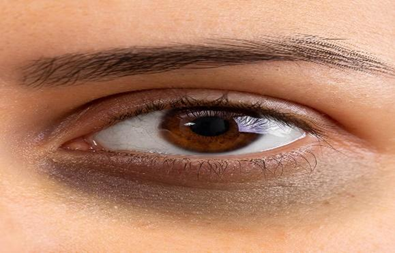
Fig 1: Dark circle
Pigmentary: Genetics, sun exposure, or post-inflammatory hyperpigmentation can all contribute to an excess of melanin, the pigment that gives skin its colour.
Weakened structural support and fluid retention lead to bags and puffiness. An accumulation of fluid or bulging fat pads give the area the appearance of swelling.
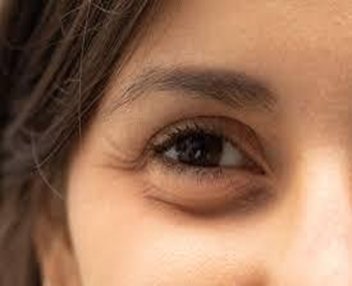
Fig 1: Under-eye puffiness
Hollows are depressions that form under the eye, casting shadows and making the area look tired or sunken.
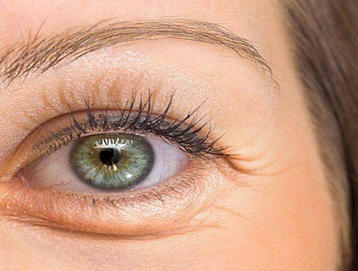
Fig 2: Under-eye Hollow
The skin around the eyes is thin and fragile, making it one of the first areas to show signs of ageing.
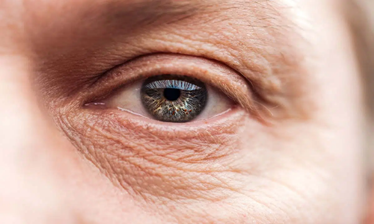
Fig 3: Fine lines and wrinkles
TABLE : PHYTOCHEMISTRY OF NATURAL EXTRACTS FOR UNDER-EYE REJUVENATION
|
PLANTS |
PHYTOCHEMICALS |
UNDER-EYE BENEFITS |
|
Crepe Jasmine (Tabernaemontana divaricata) 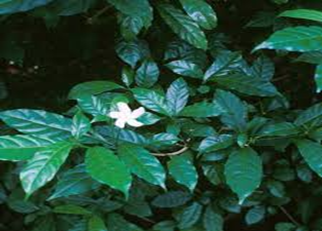
|
Indole alkaloids, flavonoids, iridoids |
Antioxidant, reduces hyperpigmentation & inflammation |
|
Liquorice (Glycyrrhiza glabra) 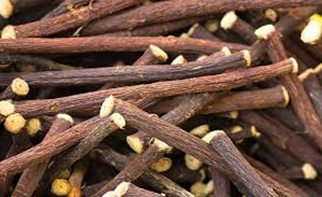
|
Glabridin ,liquiritin, flavonoids |
Skin whitening reduces dark circles, and antioxidant |
|
Green Tea (Camellia sinensis) 
|
Catechins, caffeine, tannins |
Reduces pigmentation, antioxidant, and decreases puffiness |
|
Aloe vera 
|
Aloin, polysaccharides, vitamins |
Depigmenting, hydrating, soothing |
|
Turmeric (Curcuma longa) 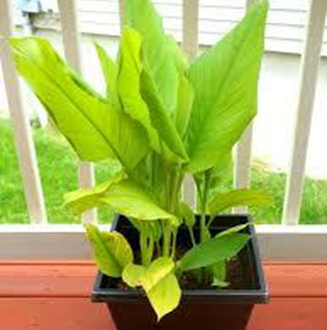
|
Curcumin |
Antioxidant, reduces hyperpigmentation & inflammation
|
|
Moringa (Moringa oleifera) 
|
Vitamin C, Flavonoids, Phenolic acids |
Anti-wrinkle, collagen synthesis, antioxidant |
|
Gotu Kola (Centella asiatica) 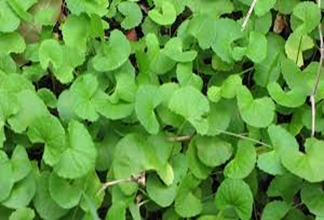
|
Asiaticoside, Madecassoside |
Collagen boosting, wrinkle repair, and improved skin elasticity |
|
Pomegranate (Punica granatum) 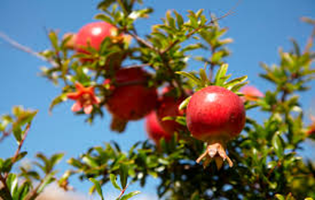
|
Ellagic acid, punicalagin |
Anti-wrinkle, antioxidant, skin rejuvenation |
|
Grapeseed (Vitis vinifera) 
|
Proanthocyanidins, resveratrol |
Anti-ageing, prevents collagen breakdown |
|
Rosemary (Rosmarinus officinalis) 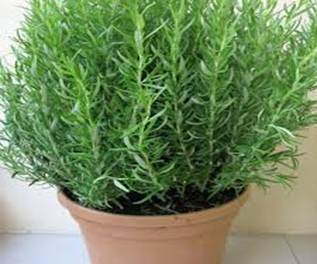
|
Carnosic acid, rosmarinic acid |
Antioxidant improves skin firmness |
|
Ginkgo biloba 
|
Flavonoids, terpenoids |
Anti-aging, improves microcirculation, antioxidant |
|
Coffee (Coffea arabica) 
|
Caffeine,chlorogenic acids |
Reduces puffiness, vasoconstrictor, antioxidant |
|
Chamomile (Matricaria chamomilla) 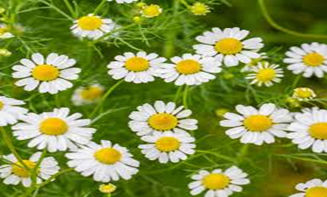
|
Apigenin, bisabolol |
Calming, reduces swelling, anti-inflammatory |
|
Witch Hazel (Hamamelis virginiana) 
|
Tannins, flavonoids |
Reduces puffiness |
|
Lemon peel (Citrus limon) 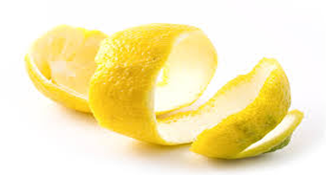
|
Vitamin C, flavonoids |
Skin brightening, collagen support |
Mechanistic Insights of Phytochemicals
Phytochemicals exert their under-eye rejuvenating effects through multiple synergistic mechanisms, primarily targeting oxidative stress, inflammation, pigmentation, and extracellular matrix remodelling. These bioactive compounds, present in natural extracts such as flavonoids, alkaloids, terpenoids, and phenolic acids, interact with cellular and molecular pathways that are closely associated with common under-eye concerns such as dark circles, puffiness, wrinkles, and dullness. The following key mechanistic pathways have been established:
1. Antioxidant Activity: Scavenging ROS and Protecting Collagen/Elastin
The sensitive periorbital skin is particularly vulnerable to oxidative stress from both internal (ageing, sleep deprivation) and external (pollution, UV radiation) assaults. Reactive oxygen species (ROS) accelerate skin ageing and hyperpigmentation by causing lipid peroxidation, DNA damage, and protein degradation. Phytochemicals like flavonoids, vitamin C, polyphenols, and carotenoids neutralise ROS by either donating electrons or by activating endogenous antioxidant enzymes (superoxide dismutase, catalase, and glutathione peroxidase). This keeps skin tight and lessens the visibility of fine wrinkles under the eyes by preventing oxidative damage to dermal proteins like collagen and elastin. For instance, Moringa oleifera's vitamin C stabilises collagen fibres and scavenges free radicals, delaying the onset of wrinkles.8
2. Anti-Inflammatory Activity: Inhibition of Cytokines and Reduction of Puffiness
Periorbital puffiness is frequently caused by inflammation, vascular congestion, and fluid retention. Pro-inflammatory mediators such as TNF-α, IL-6, and COX-2 exacerbate vascular permeability and tissue oedema. Phytochemicals, including flavonoids (quercetin, kaempferol), saponins, and alkaloids, modulate inflammatory pathways by inhibiting NF-κB signalling and downregulating pro-inflammatory cytokines. This results in reduced vascular leakage, alleviation of swelling, and soothing of the delicate under-eye region. 9 For example, indole alkaloids from crepe jasmine (Tabernaemontana divaricata) exhibit potent anti-inflammatory activity, making them promising for reducing puffiness and irritation. 10
3. Anti-Pigmentation Activity: Tyrosinase Inhibition and Reduction of Dark Circles
Periorbital hyperpigmentation, commonly referred to as dark circles, is often brought on by excessive melanin deposition that is made worse by UV exposure, post-inflammatory reactions, or heredity. Tyrosine is converted to precursors of melanin by the enzyme tyrosinase, which is the rate-limiting enzyme in melanogenesis. Arbutin, flavonoids, and glabridin from Glycyrrhiza glabra are examples of phytochemicals that function as natural tyrosinase inhibitors, inhibiting the production of melanin. Furthermore, by reducing ROS-induced activation of melanogenic pathways, antioxidants indirectly diminish melanogenesis. According to clinical data, the glabridin in liquorice root extract has anti-inflammatory and tyrosinase-inhibiting properties, which improve the look of dark circles and brighten the complexion.11
4. Collagen Stimulation: Anti-Ageing and Wrinkle Reduction
One of the main signs of aging skin is the loss of dermal collagen and extracellular matrix components, which is especially noticeable in the thin area under the eyes. By activating the TGF-β/Smad pathway, phytochemicals like vitamin C, triterpenes, and phytoestrogens increase collagen synthesis and encourage fibroblast proliferation. This increases the remodelling of the extracellular matrix, increases the flexibility of the skin, and decreases the depth of wrinkles. For example, phenolic components in pomegranate or green tea reinforce dermal structure, avoiding drooping and fine wrinkles, while moringa polyphenols and vitamin C work together to boost procollagen formation.
Challenges in Conventional Topical Delivery of Herbal Extracts
Despite their therapeutic promise, herbal extracts face significant challenges when incorporated into conventional topical formulations:
Novel Drug Delivery Systems for Herbal Extracts in Cosmetics
Herbal extracts contain a wide range of bioactive substances, including phenolic acids, alkaloids, terpenes, and flavonoids, which have anti-inflammatory and anti-ageing properties. Their antioxidant and skin-lightening qualities have made them a staple in modern cosmeceutical formulas. These extracts' poor water solubility, chemical instability against light and oxygen, limited penetration through the stratum corneum, and quick removal from skin layers, which results in decreased bioavailability and a shorter duration of action, are significant drawbacks to their direct use in cosmetics. Researchers have created clever and innovative drug delivery systems (NDDS) to overcome these obstacles. The purpose of these systems is to improve the solubility of delicate phytoconstituents, permit deeper skin penetration, control or extend release, and preserve.
Herbal actives are encapsulated in nanosized vesicles by nanocarrier-based systems such as liposomes, nano emulsions, nanogels, and solid lipid nanoparticles, which increase their stability and facilitate their capacity to pass through skin barriers. Long-lasting effects can be achieved with fewer applications by encapsulating herbal compounds in microspheres composed of natural or biodegradable polymers, such as chitosan, alginate, or PLGA, and releasing them gradually by diffusion or decomposition. Hydrogels, which are networks of water-rich polymers, are great vehicles for herbal extracts because they provide hydration and a calming effect while adhering to the skin and allowing for controlled administration, which makes them ideal for facial masks and under-eye patches. By forming painless microchannels that enable the direct delivery of herbal extracts into deeper skin layers, more sophisticated techniques—like microneedle arrays—get past the stratum corneum barrier. This is particularly promising for treatments aimed at reducing wrinkles and rejuvenating the area under the eyes. Additionally, nanofibers and bioactive films prepared by electrospinning can deliver herbal antioxidants in the form of facial patches or sheet masks with sustained release and high loading efficiency. Emerging smart responsive systems further enhance the potential of herbal cosmetics by releasing their payload in response to stimuli such as changes in pH, temperature, enzymes, or even UV light, thereby providing on-demand delivery and precision targeting. Collectively, these smart and novel delivery strategies transform the use of herbal extracts in cosmetics by overcoming their physicochemical drawbacks, preserving their therapeutic potency, enhancing efficacy, and improving consumer compliance through innovative, efficient, and long-lasting skincare solutions.
Advantages of the novel drug delivery system
Recent developments in novel drug delivery systems of herbals
Phytosomes
Phytosomes are lipid-compatible molecular complexes made up of the words "some", which means cell-like, and "phyto", which means plant. A novel herbal medication delivery method called "Phytosome" is created by complexing the polyphenolic phytoconstituents in a molar ratio with phosphatidylcholine. Advanced herbal products called phytosomes are more effectively absorbed and used to achieve superior outcomes compared to traditional herbal extracts. Compared to traditional herbal extracts, phytosomes exhibit superior pharmacokinetic and therapeutic characteristics. 12
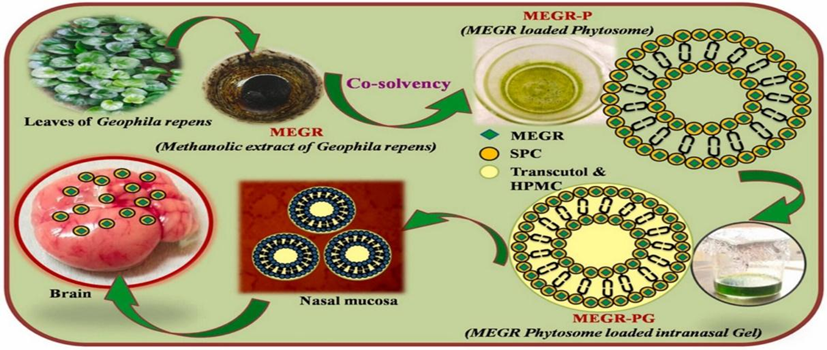
Fig 4:Incorporation of herbal extracts of Geophila repens into the controlled delivery phytosome
Advantages of phytosome
Liposomes
A membranous lipid bilayer, primarily made up of natural or manufactured phospholipids, completely encloses the aqueous volume of liposomes, which are concentric bi-layered vesicles. Lipids, or fat molecules around a water core, are tiny pouches that are frequently employed in therapeutic cancer treatment. Numerous liposome types are used extensively to combat infectious diseases and are capable of delivering specific vaccinations.14 The spherical particles known as liposomes encapsulate the solvents that are freely floating within them.
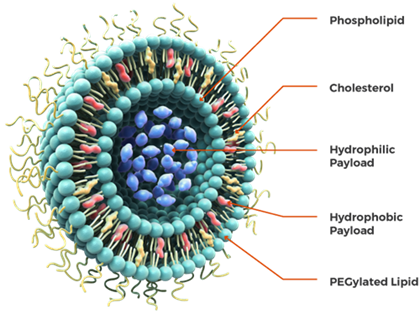
Fig 5: Structure of liposome
Liposomes are spherical lipid vesicles with one or more phospholipid bilayers that can encapsulate both hydrophilic and lipophilic drugs. They protect drugs from degradation and improve solubility, bioavailability, cellular uptake, and targeted delivery, while reducing side effects of cancer treatments (e.g., nausea, hair loss) and protecting organs like the liver and kidneys. By modifying pharmacokinetics, liposomes are applied in cancer therapy, vaccines, cosmetics, and nutraceuticals. PEG and PLGA are often used to improve their stability and half-life, while antibodies/ligands can be conjugated for targeted delivery. For instance, curcumin-loaded liposomes coated with PSMA antibodies offered a 10-fold dose advantage over free curcumin, achieving 70–80% inhibition of prostate cancer cell proliferation.
Use of Liposomes
Advantages of liposomes
Nanoparticles
The solid state contains either amorphous or crystalline nanoparticles, such as nanospheres and nanocapsules, with sizes ranging from 10 to 200 nm. Their ability to adsorb and/or encapsulate a drug-shields it from enzymatic and chemical degradation. Since they can be used to target specific organs or tissues, deliver proteins, peptides, and genes through the peroral route, and carry DNA in gene therapy, biodegradable polymeric nanoparticles have garnered a lot of interest as possible drug delivery vehicles in recent years. The study of matter and materials that deals with particle sizes measured in nanometres is known as nanotechnology. The word “nano” is derived from the Latin word which means dwarf (1 nm = 10-9 m). Particulate dispersions, or solid particles with a size between 10 and 1000 nm, are referred to as nanoparticles. The medication is encapsulated, dissolved, trapped, or bonded to a matrix of nanoparticles. Some particular benefits of nanoparticles include their beneficial controlled release characteristics and capacity to improve the stability of medications and proteins. It can be adjusted to accomplish both active and passive targeting; it has a very high drug loading and can be delivered orally, parenterally, nasally, or intraocularly.
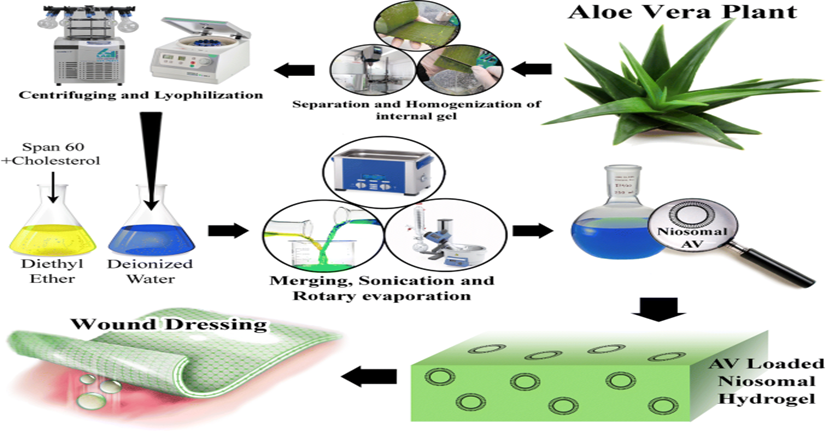
Fig 6: The incorporation of aloe vera extract into novel niosomal stratagie for enhanced effectiveness of wound dressing
Advantages of the herbal nanoparticle delivery system
Emulsion
Emulsion is a biphasic system in which one phase is intimately dispersed in the other phase in the form of minute droplets ranging in diameter from 0.1 μm to 100 μm. In an emulsion, one phase is always water or an aqueous phase, and the other phase is an oily liquid, i.e., non-aqueous. Among them, the microemulsion is also called nanoemulsion, and the sub-micro-emulsion is called liquid emulsion. Microemulsion is clear, thermodynamically stable, and frequently used in combination with a co-surfactant.
Advantages of emulsion-based formulations
Microspheres
A microsphere comprises small spherical particles, with diameters in the micrometre range, typically 1 μm to 1000 μm (1 mm). Microspheres are sometimes referred to as microparticles. Microspheres can be manufactured from various natural and synthetic materials. Commercially available microspheres come in three varieties: glass, polymer, and ceramic. Microspheres are classified as biodegradable or non-biodegradable. Biodegradable microspheres include albumin microspheres, modified starch microspheres, polypropylene dextran microspheres, polylactic acid microspheres, etc. According to the current literature reports on non-biodegradable microspheres, polylactic acid is the only polymer approved to be used by people, and it is used as a controlled-release agent. Solid and hollow microspheres vary widely in density and, therefore, are used for different applications.
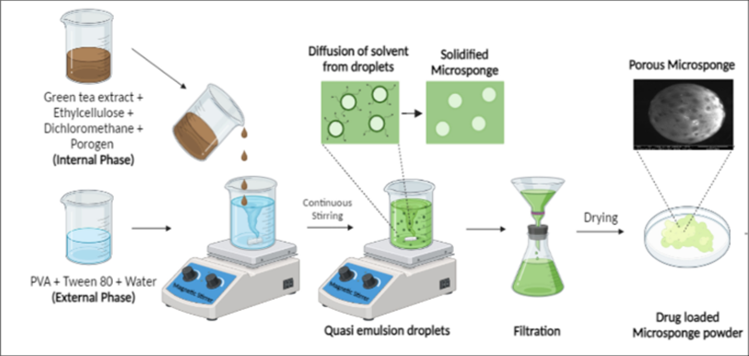
Fig 7: The green tea extract loaded into microspheres
Advantages of microsphere formulation
Ethosomes
Ethosomes are developed by a mixture of phospholipids and a high concentration of ethanol. This carrier can penetrate through the skin deeply to improve drug delivery into deeper layers of skin and enhance blood circulation. These formulations are useful for the topical delivery of alkaloids in the form of gel and cream for patients' comfort. They exhibit increased permeability through the skin by causing the skin's lipid domain to become more fluid. Ethosome topical delivery has limitations due to its unstable nature and poor skin penetration. The ability of the ethosomes to topically absorb tetrandrine through dermal delivery was developed and evaluated. Furthermore, the pharmacological activity of the tetrandrine loaded in the formulation was investigated in relation to the relationship between formulations. Tetrandrine-loaded ethosomes were applied topically to rats, but the drug level was too low to be detected in rat plasma, according to the results of the drug levels. Topical administration may provide favourable efficacy with fewer side effects by delivering tetrandrine into the bloodstream in smaller doses, which would increase patient compliance. In conclusion, ethosomes were demonstrated to be promising carriers for improving the topical delivery of tetrandrine via skin. An ethosome is composed of water, certain phospholipids (phosphatidylcholine, phosphatidylserine, phosphatidylglycerol, phosphatidylethanolamine, and phosphatidylglycerol), and a relatively high concentration of alcohol (30–45%) (ethanol and isopropyl alcohol). This composition provides higher deformability and entrapment efficiency to ethosomes, which enhances topical drug delivery of highly concentrated active ingredients and transdermal transport efficiency and prolongs the physical stability of ethosomes via the flexibility of the lecithin bilayer when compared to liposomes.
Advantages of ethosomal drug delivery
Solid Lipid Nanoparticle
A colloidal drug carrier with particle sizes ranging from 50 to 1000 nm, SLN, was created in the early 1990s. In order to stabilise the dispersion made of melted solid lipid(s) in water, SLN is treated using an emulsifier or emulsifiers. High-pressure homogenisation (HPH) and micro-emulsification are the two most widely used methods for creating SLN. The main advantages of SLN include providing a highly lipophilic lipid matrix for the distribution of medications, allowing a wide range of molecules (such as drugs, proteins, antigens, and nucleotides) to be encapsulated and embedded, and making it easier to deliver therapeutic loading into specific tissues and cells.
Advantages of SLN herbal formulation
Nanostructured Lipid Carrier (NLC)
It is considered a second-generation lipid nanoparticle that contains a mixture of solid and liquid lipids and was originally developed from SLN, but with more lipid matrix imperfections. While the most widely used liquid lipids are olive oil, mustard oil, castor oil, and cod liver oil, a wide range of solid lipids have been used, including hydrogenated palm oil (HPO), glyceryl monostearate, stearic acid, and cetyl alcohol. For this system, thimerosal is the preferred stabiliser. Because of its improved stability, increased drug-loading capacity, reduced drug ejection during depository, and better control over drug release, NLC is typically chosen over SLN. As a result, a number of active ingredients have been added to NLC in research aimed at altering water solubility, improving oral and gastrointestinal absorption, regulating release, extending circulation time by decreasing reticuloendothelial system (RES) identification, and codelivery. Consequently, it is acknowledged that NLC is a superior oral delivery system for several naturally occurring and chemically synthesised compounds.21
Niosomes
Niosomes are multilamellar vesicles composed of non-ionic surfactants from the alkyl or dialkylpolyglycerol ether class, along with cholesterol. Previous research, conducted in collaboration with L’Oréal, has indicated that niosomes generally possess drug carrier properties comparable to liposomes. They are different from liposomes in that they offer certain advantages over liposomes.22
Proniosomes
The proniosomes gel system is a step forward from niosomes, which can be utilised for various applications in the delivery of activities at desired sites. Proniosomal gels are formulations that transform into niosomes when hydrated in situ with skin water.
Advantages of Proniosomes
Transdermal Drug Delivery System
The transdermal drug delivery technique has sparked a surge in interest in medication administration through the skin for both systemic drug delivery and local therapeutic effects on sick skin (topical delivery). However, transdermal medications have great promise as smart drug delivery systems of the future. These are the devices that allow the medications in the formulation to diffuse into the stratum corneum and then reach the damaged organ, where they enter the systemic circulation. These devices make use of permeability enhancers, sticky bandages, and polymer matrices.
Advantages of the Transdermal Drug Delivery System
Dendrimers
Dendrimers are nanometre-sized, highly branched and monodisperse macromolecules with symmetrical architecture, while their stability and protection from the Mononuclear Phagocyte System (MPS) are achieved by functionalisation of the dendrimers with polyethylene glycol chains (PEG). 25
Liquid Crystals
Both liquid and solid state characteristics are combined in liquid crystals. Aqueous medication solutions can be incorporated into various polar and non-polar layers (also known as a lamellar phase) that are formed from a wide range of geometries.26
Hydrogels
Hydrogels are three-dimensional, hydrophilic networks of polymers that can absorb large amounts of water or biological fluids. They are used to control the release of medications in reservoir-based controlled release systems or as carriers in swellable and swelling-controlled release devices.27
CONCLUSION:
The complex issues of dark circles, puffiness, fine wrinkles, and hollows under the eyes are influenced by ageing, lifestyle decisions, genetics, and environmental stressors. The antioxidant, anti-inflammatory, anti-pigmentation, and collagen-stimulating properties of natural plant extracts, which are abundant in polyphenols, flavonoids, vitamins, and other bioactive substances, provide a multi-targeted, safer method of under-eye rejuvenation. However, minimal skin penetration, rapid disintegration, poor solubility, and chemical instability frequently restrict their therapeutic usefulness.
Advancements in smart and novel drug delivery systems—including phytosomes, liposomes, nanoparticles, microspheres, ethosomes, solid lipid nanoparticles, niosomes, hydrogels, and transdermal systems—have addressed these limitations by improving stability, enhancing bioavailability, enabling controlled or sustained release, and facilitating deeper penetration into periorbital skin. These delivery platforms not only protect delicate herbal bioactives but also enhance therapeutic outcomes while limiting systemic exposure and side effects.
In cosmeceutical science, combining phytochemistry with cutting-edge delivery methods is a promising tactic. These methods have a great deal of promise for creating non-invasive, successful, and user-friendly under-eye formulations since they allow for targeted, effective, and long-lasting action. In order to transform these developments into safe and effective under-eye treatments, future studies should focus on standardising herbal extracts, enhancing formulation elements, and conducting comprehensive clinical trials.
ACKNOWLEDGMENT:
The author gratefully acknowledges the support and encouragement provided by the management and faculty of Chemists College of Pharmaceutical Sciences & Research, Kerala, India. This review article was undertaken as part of the B. Pharm curriculum, and guidance was provided for the successful completion of this work.
REFERENCES





Neeba Babu, Diya Farha, Elsa M Roy, Emil Saji, Muhammed Bilal P. A, Natural Extracts for Under-eye Rejuvenation: Insights into Phytochemistry and Novel Delivery Strategies, Int. J. of Pharm. Sci., 2025, Vol 3, Issue 10, 1678-1695. https://doi.org/10.5281/zenodo.17369600
 10.5281/zenodo.17369600