View Article

Abstract

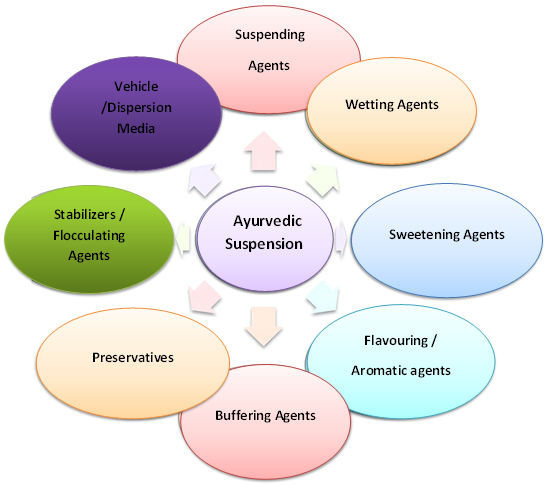
In Biphasic liquid dosage forms, the Ayurvedic suspensions, offer minimal adverse effects and have therapeutic action with the aid of natural ingredients in order to provide superiority to synthetic materials. Excipients play vital roles that may affect quality and administration characteristics by bringing in stability, efficacy, drug acceptability and compliance. Increasing uses of natural products in an Ayurvedic formulation are due to their nontoxicity, biocompatibility, biodegradability, economic status, and availability. Natural polymers, such as gums and mucilages, include Acacia, tragacanth, and starch, which perform multi productive tasks in the suspension as suspending agents, thickening agents, stabilizers, and emulsifying agents in order to prevent aggregation of the drug particles and ensure dispersion of particulate matter. Additional excipients, including honey and fruit extracts, enhance sweetness and flavor and thereby increase palatability and acceptability in patients, particularly for pediatric and geriatric applications. Traditional Ayurvedic formulations involve these natural excipients that might act as bioenhancers or "Yogavahi" and thereby improve the bioavailability and absorption of active ingredients. Even though natural excipients provide stability and effectiveness to the formulation, they may also introduce certain problems such as microbial contamination and variability due to environmental factors were tend to be seen often. This demands very careful processing and preservation methods for such excipients. Their therapeutic potential and multifunctional task significantly contributes to the effectiveness of Ayurvedic suspensions.

Keywords

Ayurvedic Suspension, Biphasic liquid dosage forms, Suspending agents, Flocculating agents, dispersion media.

Introduction

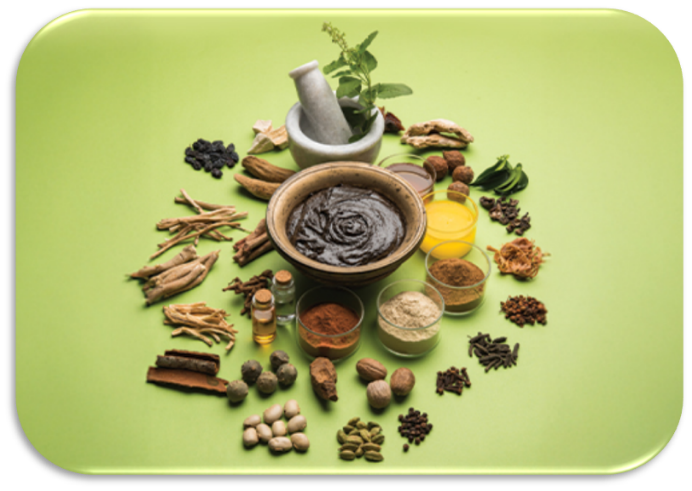
Ayurveda, the traditional Indian system of medicine, advocates a holistic approach toward health with natural remedies obtained from plant, animal, and mineral sources. Through the centuries, Ayurvedic pharmaceutics (Bhaishajya Kalpana) has laid down an array of dosage forms to ensure the stability, palatability, and therapeutic efficacy of medicinal formulations. Of these, suspensions-like preparations such as Avaleha, Asava–Arishta, and Kashaya assume great importance because of their capability to provide both soluble and insoluble phytoconstituents in bioavailable form.1 The excipients in any suspension play a critically important role in the physical stability, appearance, taste, and release profile of the active ingredients. Modern pharmaceutics may use various synthetic excipients, but Ayurveda traditionally uses natural ingredients as multifunctional excipients with added therapeutic value. Honey, ghee, jaggery, cardamom, cinnamon, turmeric, hibiscus and plant mucilage, starches, gums, and resins are some of the common natural suspending agents, stabilizers, sweeteners, or preservatives used in Ayurveda. And lemon juice, tamarind pulp were used as buffering agents in order to balance the Ph changes overtime. These ingredients contribute not only to the pharmaceutical properties of the formulation but also to its therapeutic potential with their antioxidant, immunomodulatory, and nutritive effects.2

There is a growing scientific interest in the investigation of natural excipients as biocompatible, safer, and environmentally friendly alternatives to synthetic additives. This trend reflects the increasing focus on green pharmacy and the use of raw materials from natural and renewable sources for the development of dosage forms. Knowledge of the functional and therapeutic roles of these natural excipients in Ayurvedic suspensions bridges traditional knowledge with modern pharmaceutics, thus supporting the development of standardized, stable, and patient-friendly herbal dosage forms.3 Therefore, this review outlines the diverse natural excipients applied in Ayurvedic suspensions, drawing on their pharmaceutical functions, physicochemical properties, antioxidant potential, and compatibility with active scientific validation of these traditional excipients toward their inclusion in modern herbal drug formulations.4

Advantages

  • Natural excipients are biodegradable and have no negative effects on people.
  • Compared to synthetic materials, they are more affordable and have lower production costs.
  • They are non-toxic and biocompatible.5
  • Since the majority of these plants' constituents are carbohydrates, which are naturally occurring repeating monosaccharide units, they are not poisonous.
  • They are risk-free and have no unfavorable effects because they originate from a natural source.
  • They are produced in numerous countries because of their use by humans.6
  • Greater public acceptance and tolerance for patients they have positive psychological impact and aesthetically perishing Medication with an unpleasant and bitter taste can be administered via sweetened, coloured, and flavor carriers.7
  • Particularly for kids and others who have trouble swallowing, suspension may be simpler to take than tablets or capsules.
  • Natural excipients are more readily accessible from a variety of natural resources.
  • The excipients are necessary to guarantee the formulation's correct delivery, stability, and safety.8

Disadvantages

  • Microbial contamination: Because they are exposed to the outside world during manufacture, there is a possibility of microbial contamination.9
  • Variation: While the formation of natural polymers depends on the environment and a number of physical parameters, synthetic manufacturing is a controlled process with defined quantities of materials.
  • The unchecked pace of hydration—Because variations in the assortment of natural materials at various periods, in addition to variations in climate, species, and geography10
  • When the proportion of chemical components found in a particular substance may
    differ.
  • Slow Process: The production rate is unchangeable because it depends on the environment and numerous other factors. Therefore, the manufacturing of natural polymers is slow.11
  • Heavy metal contamination: Herbal excipients are frequently linked to the possibility of heavy metal contamination.
  • The production of natural excipients proceeds very slowly.
  • Environmental, geographical, and climatic factors influence the generation of natural excipients.12

Ideal Properties

Across all types of excipients, the following properties are considered ideal for natural sources:
  • Pharmacologically inert: They should not have any therapeutic effect on the patient.
  • Non-toxic and safe: They should not cause any adverse effects or side effects in humans, a primary advantage over some synthetic options.
  • Biocompatible and biodegradable: Being of natural origin, they are generally well-tolerated by the body and the environment.
  • Stable: They must be chemically and physically stable under normal conditions of use and storage (e.g., unaffected by light, temperature, or hydrolysis).
  • Compatible: They should not interact with the API or other excipients in the formulation.
  • Easily available and cost-effective: Natural sources often provide a more economical alternative to synthetic materials.
  • Acceptable organoleptic properties: They should ideally be free from objectionable colour, odour, or taste, or be able to effectively mask the unpleasant properties of the API.
  • Microbial quality: Natural materials must be processed to ensure minimal microbial and heavy metal contamination, which can be a potential challenge with natural sources. 
  • Functions: As Like modern excipients, they are used to:
    • Create the final dosage form.
    • Enhance dissolution and bioavailability.
    • Improve bulkiness and disintegration.
    • Stabilize the active ingredient.
    • Influence the drug's pharmacokinetic and pharmacodynamic properties.

Examples of Ayurvedic Suspensions

1. Ashwagandha Suspension

  • Contains: Ashwagandha churna (Withania somnifera)
  • Use: Adaptogen, stress relief, strength promoter.

2. Trikatu Suspension

  • Contains: Black pepper, long pepper & ginger powder
  • Use: Enhances digestion, improves bioavailability.

3. Guduchi Suspension

  • Contains: Tinospora cordifolia powder
  • Use: Immunity booster, antipyretic.

4. Triphala Suspension

  • Contains: Haritaki, Bibhitaki, Amalaki powder
  • Use: Digestive health, detoxification.

5. Shankhpushpi Suspension

  • Contains: Convolvulus pluricaulis powder
  • Use: Memory booster, reduces anxiety.

6. Neem Suspension

  • Contains: Azadirachta indica leaf or bark powder
  • Use: Blood purifier, antibacterial.

7. Yashtimadhu Suspension

  • Contains: Glycyrrhiza glabra powder
  • Use: Ulcers, sore throat.

8. Gokshura Suspension

  • Contains: Tribulus terrestris powder
  • Use: Kidney health, aphrodisiac.

9. Arjuna Suspension

  • Contains: Terminalia arjuna bark powder
  • Use: Cardioprotective.

10. Turmeric Suspension

  • Contains: Curcuma longa powder
  • Use: Anti-inflammatory, antioxidant.

Classification of Excipients :

  1. Suspending agents :

The suspending agents in Ayurvedic suspensions are natural additives mixed into the liquid formulations to prevent settling of active ingredients. They raise the viscosity of the liquid medium and form a film around the solid particles that prevents aggregation and caking of suspension, thus allowing uniform distribution and easy redispersion by shaking.13

Acacia gum : It was a dried gummy exudate obtained from the stems and branches of  Senegalia senegal & Vachellia seyal, Belongs to Leguminosae family.

Tragacanth gum : It was obtained from the air-dried, gummy exudate of several species of Astragalus trees, primarily from the genus astragalus gummifier, etc.14

Agar: It was a gelatinous polysaccharide obtained from the cell walls of these seaweeds of Agarophytes as species, belongs to Rhodophyceae family.15
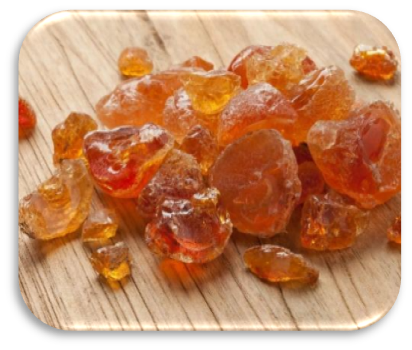
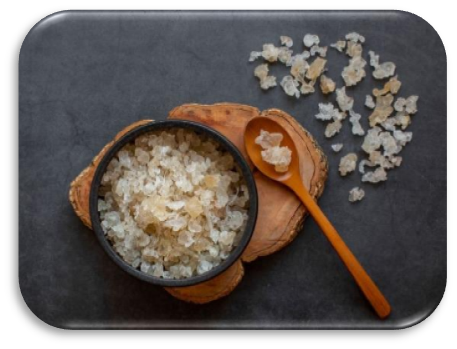
Acacia                                                             Tragacanth

  1. Wetting agents :

The wetting agents in Ayurvedic suspensions are substances used to enhance the dispersion of solid herbal particles in a liquid medium by reducing surface tension, ensuring uniform dispersion, accurate dosing, and proper absorption.16

Lecithin :  It functions as a natural emulsifier and stabilizing agent and provides wetting properties to the suspensions, helping to prevent the separation of the composition and ensuring a uniform product. It was obtained from soya beans, sunflower seeds and egg yolks.

Aloevera mucilage : It was a clear, jelly textured substance obtained from inner leaf of Aloe barbadensis miller of Asphodelaceae family.17
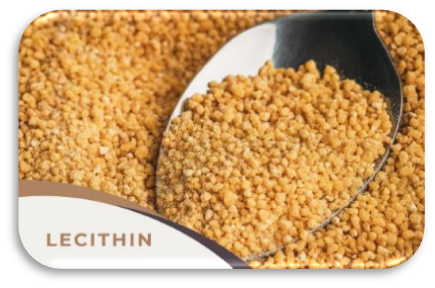
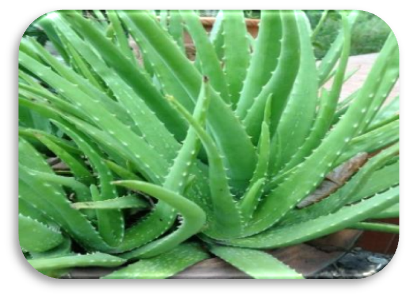
Lecithin                                                                      Aloe vera

  1. Sweetening Agents :

The primary pharmaceutical role is to mask the inherently bitter, acrid, or nauseous taste of some herbal ingredients and active pharmaceutical ingredients (APIs), making the medicine more acceptable, especially for pediatric and geriatric patients.18

Honey : Honey is produced by various species of honey bees, including Apis Melifera, Apis dorsata Apis florea and Apis indica, which belong to the Apidae family.

Stevia : It was a natural sweetener obtained from the plant Stevia rebaudiana , and it belongs to Asteraceae family.19
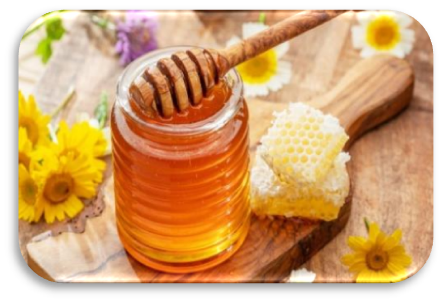
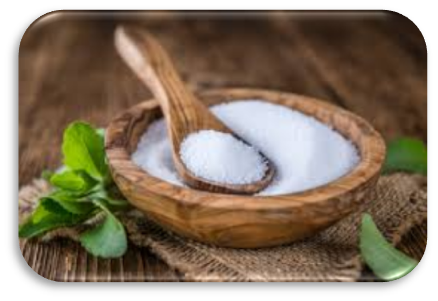
Honey                                                                 Stevia

  1. Flavouring / Aromatic Agents :           

These are extensively used to mask the unpleasant taste and odor of medicinal ingredients, thus improving patient compliance and acceptability. These agents are vital for organoleptic (sensory) appeal, especially in liquid dosage forms that remain in contact with the taste buds for a longer time. 20

Cinnamon : the dried inner bark of the shoots from trees of the genus Cinnamomum primarily Cinnamomum zeylanicum, belongs to the Lauraceae Family. 

Mint : it was the leaf and stems obtained from the plant genus Mentha, belongs to Lamiaceae family.

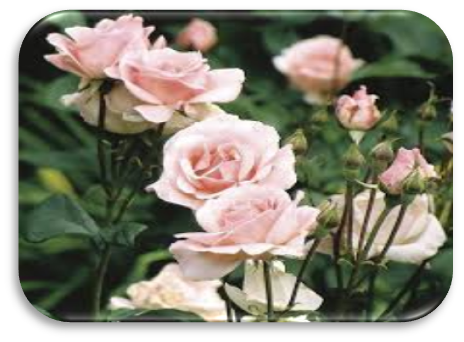
Rose : It was obtained from the plant Genus Rosa belongs to Rosaceae family.21         
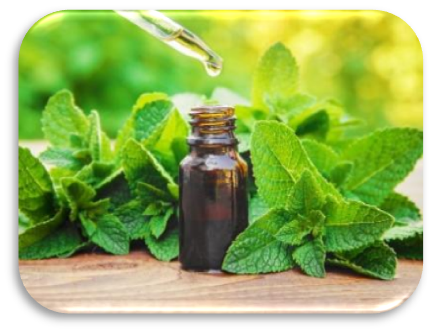
Mint                                                                           Rose

5 . Preservatives :

Preservatives in Ayurvedic suspensions are primarily used to prevent microbial contamination, inhibit degradation, and significantly extend the product's shelf life. This ensures the medicine retains its intended potency, quality, and safety for the consumer throughout its period of time.22

Tulsi : Tulsi contains bioactive compounds like eugenol, carvacrol, and caryophyllene, which exhibit strong antibacterial, antiviral, and antifungal activity.(Ocimum Sanctum Linn).23

Neem : Neem contains numerous bioactive compounds, such as nimbin, nimbidin, azadirachtin, and nimbolide, which were used to produce antifungal and antibacterial activity.(Azadirachta Indica).24
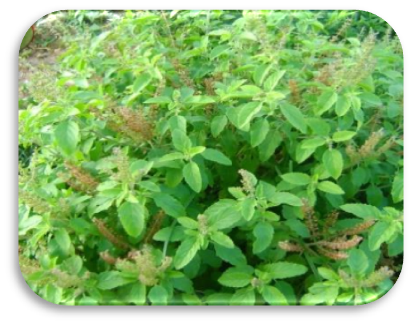
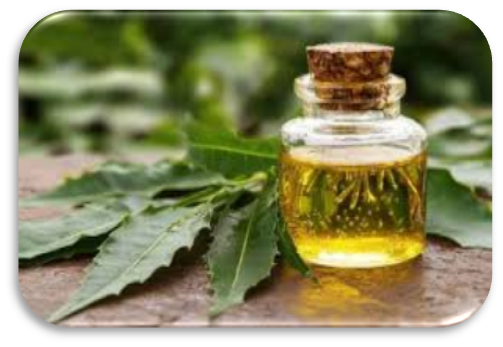
Tulsi                                                                   Neem

6. Stabilizers / Flocculating Agents :

Stabilizers and flocculating agents are used to ensure the physical stability and consistent dosing of Ayurvedic suspensions by controlling particle behavior. They prevent the active herbal ingredients from settling into a compact, non-redispersible mass (caking). 25

Methi : It was primarily serves as a demulcent, thickening, and stabilizing agent obtained from dried seeds of the plant Trigonella foenum-graecum  belongs to Fabeaceae family.

Gelatin : it was obtained from animal collagen, primarily from the skin, bones, and connective tissues of pigs and cattle after the treatment to remove the unwanted & toxic materials.26

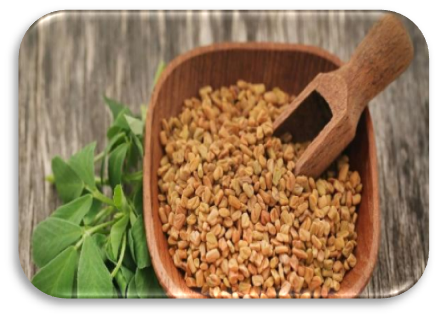
Gelatin                                                                  Methi (Fenugreek)

7. Buffering Agents :

Buffering agents play a crucial role in stabilizing the pH of the formulation, which in turn ensures the chemical stability of the active ingredients, maintains their solubility, and enhances patient comfort by minimizing irritation. 

It includes Aloe vera gel juice, triphala etc.27

Lemon Juice : It was the acidic juice obtained from the fruit of the tree Citrus limon , which belongs to the Rutaceae family.

Tamarind Pulp : It was the pulp extract of tamarind from Tamarindus indica L., a leguminous tree belonging to the Fabiaceae family.28
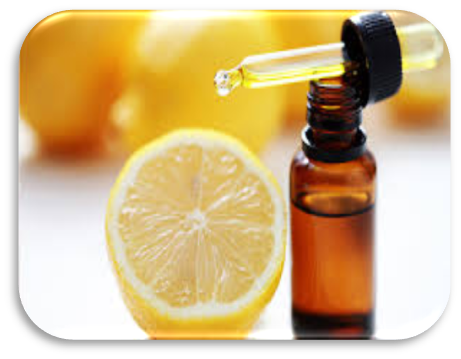
                                         Lemon extract                                                 Tamarind pulp

8. Anti-Oxidants :

Antioxidants inhibit unstable molecules (free radicals) produced in the body, which can damage cells and lead to chronic diseases, aging, and inflammation. It also prevents the oxidation of pharmaceutical ayurvedic suspensions which leads to a longer shelf life.29

Amla : It was the fresh (or) dried fruit of the plant Phyllanthus emblica Linn /Emblica officinalis Gaertn, belongs to the Euphorbiaceae family.

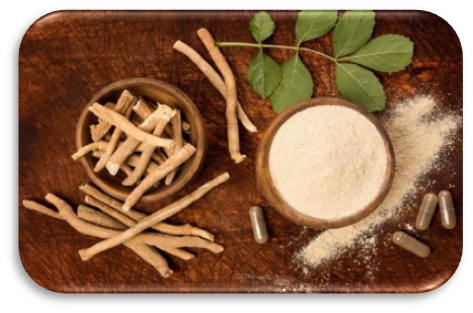
Aswagandha : It is the dried root and stem bases of the plant Withania Somnifera (L.) Dunal, which belongs to the Solanaceae family.

Haritaki : It was The medicinal part of mature, dried fruit of the species of flowering evergreen tree Terminalia chebula Retz, belonging to the Combretaceae family.30
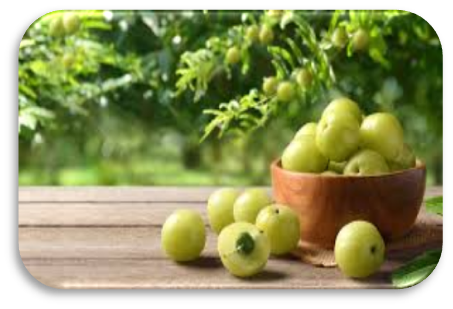
Amla                                                          Ashwagandha

Haritaki

CONCLUSION :

The use of natural excipients in Ayurvedic suspensions is not only consistent with the concept of complete health but also improves the efficacy, safety, and acceptability of the pharmaceutical formulation. The dependence on non-toxic and biodegradable materials from nature itself underlines a careful transition toward sustainable practices in the development of pharmaceuticals. While the benefits of such natural excipients are impressive, there is also a need to be realistic regarding their challenges, including susceptibility to microbial contamination and assurance of quality variation. Ongoing research and improvement in processing techniques will be part of dealing with these drawbacks and ensuring that the rich heritage of Ayurvedic medicine is preserved into the stringent demand of modern-day pharmaceutical standards. By linking the wisdom of traditional medicine with current scientific validation, we move into the future of herbal medicine, ensuring more accessibility and efficacy for a wide range of patients. Further research into the interplay between ancient wisdom and modern technology means that the potential for Ayurvedic suspensions containing natural excipients is unlimited.

REFERENCES

  1. Gupta N, Gupta A. A review on herbal excipients. International Journal of Indigenous Herbs and Drugs. 2021 Feb 15:05-8.
  2. Mittal S, Pawar S. Herbal excipients: An overview.
  3. Pal RS, Pal Y, Wal A, Wal P. Current review on plant based pharmaceutical excipients. The Open Medicine Journal. 2019 Feb 19;6(1).
  4. Arora K, Vats V, Verma PK. A review on pharmaceutical suspension and its advancement. Ann Clin Case Rep. 2022; 7. 2022;2321.
  5. Kewade SL, Hatwar PR, Dr Bakal RL, Kubde JA, Atram RM. A review: Pharmaceutical suspension and its advancement. World Journal of Pharmaceutical Research. 2023 Sep 6;12(19):239-50.
  6. Kumar T, Gupta SK, Prajapati MK, Tripathi D. Natural excipients: A review. Asian J Pharm Life Sci. 2012;2231:4423.
  7. Gupta N, Gupta A. A review on herbal excipients. International Journal of Indigenous Herbs and Drugs. 2021 Feb 15:05-8.
  8. Jain A, Radiya P, Wadekar R, Limaye S, Pawar C. Natural excipients-an alternative to synthetic excipients: a comprehensive review. International Journal of Pharmaceutical and Medicinal Research. 2014 Aug 25;2(4):123-7.
  9. Chaudhari SP, Patil PS. Pharmaceutical excipients: a review. Int J Adv Pharm Biol Chem. 2012 Jan;1(1):21-34.
  10. Pal RS, Pal Y, Wal A, Wal P. Current review on plant based pharmaceutical excipients. The Open Medicine Journal. 2019 Feb 19;6(1).
  11. Ara T, Deva AS, Deva AB, Bhatia N. Natural Pharmaceutical Excipients, An Overview. World Journal of Pharmaceutical Research. 2012 Jul 17;1(4):1047-53.
  12. Mam NM, Bias S, Manasi M. Review on herbal excipients. Research Journal of Pharmacognosy and Phytochemistry. 2023 Apr 1;15(2):118-24.
  13. Singh P, Mahmood T, Shameem A, Bagga P, Ahmad N. A review on Herbal Excipients and their pharmaceutical applications. Scholars Academic Journal of Pharmacy. 2016;5(3):53-7.
  14. Pal RS, Pal Y, Wal A, Wal P. Current review on plant based pharmaceutical excipients. The Open Medicine Journal. 2019 Feb 19;6(1).
  15. Chaudhari SP, Patil PS. Pharmaceutical excipients: a review. Int J Adv Pharm Biol Chem. 2012 Jan;1(1):21-34.
  16. Singh P, Mishra G, Dinda SC. Natural excipients in pharmaceutical formulations. InEvidence based validation of traditional medicines: a comprehensive approach 2021 Jan 19 (pp. 829-869). Singapore: Springer Singapore.
  17. Darji MA, Lalge RM, Marathe SP, Mulay TD, Fatima T, Alshammari A, Lee HK, Repka MA, Narasimha Murthy S. Excipient stability in oral solid dosage forms: a review. Aaps Pharmscitech. 2018 Jan;19(1):12-26.
  18. Dave VS, Saoji SD, Raut NA, Haware RV. Excipient variability and its impact on dosage form functionality. Journal of pharmaceutical sciences. 2015 Mar 1;104(3):906-15.
  19. Patel H, Shah V, Upadhyay U. New pharmaceutical excipients in solid dosage forms-A review. International Journal of Pharmacy & Life Sciences. 2011 Aug 1;2(8).
  20. Jain A, Radiya P, Wadekar R, Limaye S, Pawar C. Natural excipients-an alternative to synthetic excipients: a comprehensive review. International Journal of Pharmaceutical and Medicinal Research. 2014 Aug 25;2(4):123-7.
  21. Arora K, Vats V, Verma PK. A review on pharmaceutical suspension and its advancement. Ann Clin Case Rep. 2022; 7. 2022;2321.
  22. Kulshreshtha AK, Wall ON. Pharmaceutical suspensions. 2010.
  23. Kewade SL, Hatwar PR, Dr Bakal RL, Kubde JA, Atram RM. A review: Pharmaceutical suspension and its advancement. World Journal of Pharmaceutical Research. 2023 Sep 6;12(19):239-50.
  24. Gupta A, Badola A. Pharmaceutical Suspension: A review. World Journal of Pharmaceutical Research. 2022 Jan 4;11(3):1011-25.
  25. Tank S, Madhyastha H, Patel S. Development and Characterization of Ayurvedic Polyherbal Formulation for Diabetic Wound Healing: A Comprehensive Study on Decoction, Phytochemical Analysis, and Topical Application.
  26. Singh P, Mahmood T, Shameem A, Bagga P, Ahmad N. A review on Herbal Excipients and their pharmaceutical applications. Scholars Academic Journal of Pharmacy. 2016;5(3):53-7.
  27. Tiwari N, Rai V, Singh S. A Review on Herbal Excipients in Pharmaceutical Formulations. IASR Journal of Medical and Pharmaceutical Science. 2024;4:18-23.
  28. Pal RS, Pal Y, Wal A, Wal P. Current review on plant based pharmaceutical excipients. The Open Medicine Journal. 2019 Feb 19;6(1).
  29. Gupta N, Gupta A. A review on herbal excipients. International Journal of Indigenous Herbs and Drugs. 2021 Feb 15:05-8.
  30. Pockle RD, Masareddy RS, Patil AS, Patil PD. A comprehensive review on pharmaceutical excipients. Therapeutic delivery. 2023 Jul 1;14(7):443-58.

Reference

  1. Gupta N, Gupta A. A review on herbal excipients. International Journal of Indigenous Herbs and Drugs. 2021 Feb 15:05-8.
  2. Mittal S, Pawar S. Herbal excipients: An overview.
  3. Pal RS, Pal Y, Wal A, Wal P. Current review on plant based pharmaceutical excipients. The Open Medicine Journal. 2019 Feb 19;6(1).
  4. Arora K, Vats V, Verma PK. A review on pharmaceutical suspension and its advancement. Ann Clin Case Rep. 2022; 7. 2022;2321.
  5. Kewade SL, Hatwar PR, Dr Bakal RL, Kubde JA, Atram RM. A review: Pharmaceutical suspension and its advancement. World Journal of Pharmaceutical Research. 2023 Sep 6;12(19):239-50.
  6. Kumar T, Gupta SK, Prajapati MK, Tripathi D. Natural excipients: A review. Asian J Pharm Life Sci. 2012;2231:4423.
  7. Gupta N, Gupta A. A review on herbal excipients. International Journal of Indigenous Herbs and Drugs. 2021 Feb 15:05-8.
  8. Jain A, Radiya P, Wadekar R, Limaye S, Pawar C. Natural excipients-an alternative to synthetic excipients: a comprehensive review. International Journal of Pharmaceutical and Medicinal Research. 2014 Aug 25;2(4):123-7.
  9. Chaudhari SP, Patil PS. Pharmaceutical excipients: a review. Int J Adv Pharm Biol Chem. 2012 Jan;1(1):21-34.
  10. Pal RS, Pal Y, Wal A, Wal P. Current review on plant based pharmaceutical excipients. The Open Medicine Journal. 2019 Feb 19;6(1).
  11. Ara T, Deva AS, Deva AB, Bhatia N. Natural Pharmaceutical Excipients, An Overview. World Journal of Pharmaceutical Research. 2012 Jul 17;1(4):1047-53.
  12. Mam NM, Bias S, Manasi M. Review on herbal excipients. Research Journal of Pharmacognosy and Phytochemistry. 2023 Apr 1;15(2):118-24.
  13. Singh P, Mahmood T, Shameem A, Bagga P, Ahmad N. A review on Herbal Excipients and their pharmaceutical applications. Scholars Academic Journal of Pharmacy. 2016;5(3):53-7.
  14. Pal RS, Pal Y, Wal A, Wal P. Current review on plant based pharmaceutical excipients. The Open Medicine Journal. 2019 Feb 19;6(1).
  15. Chaudhari SP, Patil PS. Pharmaceutical excipients: a review. Int J Adv Pharm Biol Chem. 2012 Jan;1(1):21-34.
  16. Singh P, Mishra G, Dinda SC. Natural excipients in pharmaceutical formulations. InEvidence based validation of traditional medicines: a comprehensive approach 2021 Jan 19 (pp. 829-869). Singapore: Springer Singapore.
  17. Darji MA, Lalge RM, Marathe SP, Mulay TD, Fatima T, Alshammari A, Lee HK, Repka MA, Narasimha Murthy S. Excipient stability in oral solid dosage forms: a review. Aaps Pharmscitech. 2018 Jan;19(1):12-26.
  18. Dave VS, Saoji SD, Raut NA, Haware RV. Excipient variability and its impact on dosage form functionality. Journal of pharmaceutical sciences. 2015 Mar 1;104(3):906-15.
  19. Patel H, Shah V, Upadhyay U. New pharmaceutical excipients in solid dosage forms-A review. International Journal of Pharmacy & Life Sciences. 2011 Aug 1;2(8).
  20. Jain A, Radiya P, Wadekar R, Limaye S, Pawar C. Natural excipients-an alternative to synthetic excipients: a comprehensive review. International Journal of Pharmaceutical and Medicinal Research. 2014 Aug 25;2(4):123-7.
  21. Arora K, Vats V, Verma PK. A review on pharmaceutical suspension and its advancement. Ann Clin Case Rep. 2022; 7. 2022;2321.
  22. Kulshreshtha AK, Wall ON. Pharmaceutical suspensions. 2010.
  23. Kewade SL, Hatwar PR, Dr Bakal RL, Kubde JA, Atram RM. A review: Pharmaceutical suspension and its advancement. World Journal of Pharmaceutical Research. 2023 Sep 6;12(19):239-50.
  24. Gupta A, Badola A. Pharmaceutical Suspension: A review. World Journal of Pharmaceutical Research. 2022 Jan 4;11(3):1011-25.
  25. Tank S, Madhyastha H, Patel S. Development and Characterization of Ayurvedic Polyherbal Formulation for Diabetic Wound Healing: A Comprehensive Study on Decoction, Phytochemical Analysis, and Topical Application.
  26. Singh P, Mahmood T, Shameem A, Bagga P, Ahmad N. A review on Herbal Excipients and their pharmaceutical applications. Scholars Academic Journal of Pharmacy. 2016;5(3):53-7.
  27. Tiwari N, Rai V, Singh S. A Review on Herbal Excipients in Pharmaceutical Formulations. IASR Journal of Medical and Pharmaceutical Science. 2024;4:18-23.
  28. Pal RS, Pal Y, Wal A, Wal P. Current review on plant based pharmaceutical excipients. The Open Medicine Journal. 2019 Feb 19;6(1).
  29. Gupta N, Gupta A. A review on herbal excipients. International Journal of Indigenous Herbs and Drugs. 2021 Feb 15:05-8.
  30. Pockle RD, Masareddy RS, Patil AS, Patil PD. A comprehensive review on pharmaceutical excipients. Therapeutic delivery. 2023 Jul 1;14(7):443-58.

Photo
I. Devendar
Corresponding author

Mother Teresa Pharmacy College, Sathupally, Khammam, Telangana, India.

Photo
P. Yugandhar
Co-author

Mother Teresa Pharmacy College, Sathupally, Khammam, Telangana, India.

Photo
M. Sowjanya
Co-author

Mother Teresa Pharmacy College, Sathupally, Khammam, Telangana, India.

Photo
Sk. Fathima
Co-author

Mother Teresa Pharmacy College, Sathupally, Khammam, Telangana, India.

Photo
M. Sai Durga
Co-author

Mother Teresa Pharmacy College, Sathupally, Khammam, Telangana, India.

Photo
Devani Rama Chakradhar
Co-author

Mother Teresa Pharmacy College, Sathupally, Khammam, Telangana, India.

I. Devendar, P. Yugandhar, M. Sowjanya, Sk. Fathima, M. Sai Durga, Devani Rama Chakradhar, Natural Ingredients as Excipients in Ayurvedic Suspensions: A Comprehensive Review, Int. J. of Pharm. Sci., 2025, Vol 3, Issue 12, 2789-2798. https://doi.org/10.5281/zenodo.17967009

More related articles
Comprehensive Review on Natural Blood-Purifying Pl...
Dr. Kshitija Deshmukh, Vishal Rathod, Vishal Giri, Supriya Sawant...
Development and Characterization of A Natural Soli...
Seema Paragannavar, Shreya Umarane, Anjali Chougule, Laxmi sarwad...
Natural Allies in Kidney Protection: A Comprehensi...
Harshada Kusane, Dr. Vishnu Kangralkar, ...
Herbal and Natural Medicine ...
Vishal Kulkarni , Prashant Naiknavare, Akshay Pawar, Prashant Misal, ...
Related Articles
A Review on Anti-Inflammatory Agents obtained from Natural Sources...
Falguni Kulthi, Sneha Kanase, Suruchi Bedmutha, Archana Garudkar, Gayatri Gadve, Shambhuraje Raut, ...
Formulation and Characterization of Risperidone Sustained Release Buccal Tablets...
Shivani Yadav, Avinash Kondalkar, Shankar, Narottam Singh, Muraree Lal, ...
Guava Leaf Extract as a Natural Antimicrobial Agent: Mechanisms of Action Agains...
Tushar Mahajan, Aarti Deore, Shruti Kharote, Yogesh More, Viabhav Dhanwate, Priyanka Ahire, Vivekana...
Comprehensive Review on Natural Blood-Purifying Plants: Parijaat, Tulsi, Neem, a...
Dr. Kshitija Deshmukh, Vishal Rathod, Vishal Giri, Supriya Sawant, Shital Bhosale, ...
More related articles
Comprehensive Review on Natural Blood-Purifying Plants: Parijaat, Tulsi, Neem, a...
Dr. Kshitija Deshmukh, Vishal Rathod, Vishal Giri, Supriya Sawant, Shital Bhosale, ...
Development and Characterization of A Natural Solid Perfume Containing Essential...
Seema Paragannavar, Shreya Umarane, Anjali Chougule, Laxmi sarwad, Abhishek Malawade, Kumar Talwar, ...
Comprehensive Review on Natural Blood-Purifying Plants: Parijaat, Tulsi, Neem, a...
Dr. Kshitija Deshmukh, Vishal Rathod, Vishal Giri, Supriya Sawant, Shital Bhosale, ...
Development and Characterization of A Natural Solid Perfume Containing Essential...
Seema Paragannavar, Shreya Umarane, Anjali Chougule, Laxmi sarwad, Abhishek Malawade, Kumar Talwar, ...