
1 Department of Pharmaceutical Quality Assurance, DSTS Mandals College of Pharmacy, Solapur, Maharashtra
2 Department of Pharmaceutical Quality Assurance, Amepurva Forums Nirant Institute of Pharmacy Boramani,
Solapur, Maharashtra
3 Department of Pharmaceutical Quality Assurance, Amepurva Forums Nirant Institute of Pharmacy, Solapur,
Maharashtra
4 Department of Pharmaceutical Medicinal Chemistry, Gandhinatha Rangji College of D. Pharmacy, Solapur,
Maharashtra
Natural products have played a pivotal role in drug discovery and human health for centuries and continue to serve as a rich source of bioactive compounds. Derived from plants, animals, marine organisms, and microorganisms, natural products exhibit diverse chemical structures and wide-ranging pharmacological activities. Historically, many clinically important drugs, including morphine, paclitaxel, artemisinin, and vancomycin, have originated from natural sources, highlighting their significance in modern pharmacotherapy. Despite challenges such as complex isolation procedures, structural diversity, and variability in bioavailability, advancements in extraction techniques, analytical tools, molecular modeling, and high-throughput screening have revitalized interest in natural product–based drug discovery. Notably, many natural compounds exhibit biological activity beyond Lipinski’s rule of five, offering unique therapeutic advantages over synthetic molecules. Additionally, natural products form the foundation of traditional medicine systems such as Ayurveda, Unani, and Siddha, which continue to influence contemporary research. This review highlights the sources, classification, extraction, characterization, and biological screening of natural products, emphasizing their role in discovering novel lead compounds. With growing global interest in plant-based therapeutics and phytopharmaceuticals, natural products remain an indispensable and promising resource for future drug development and human health applications.
1. Drug Discovery & Development:
The classical drug discovery & development are playing an important role in history of medicine. Natural products and their structural relationship activity have historically played a major contribution to pharmacotherapy, especially in study of oncology and infection disease, and also, in therapeutic area of cardiovascular disease & multiple sclerosis. Normally natural products are also present in drugs which are very challenging to drug discovery, such as isolation, screening, optimization and characterization. Natural products and derived compounds play an important role in drug discovery. In recent years, several technologies are developed like Genome mining and engineering strategies and microbial culturing advances are convey such challenges and rising new opportunities in drug discovery. One of the most challenging efforts the directly benefits to the mankind by providing new medicines. Natural products have a special space for their conventional activity than synthetic compounds. Natural drugs are generally in oral form, “beyond Lipinski’s rule of five “.
Lipinski’s rule of five :- This guideline for the likelihood of a compound having oral bioavailability is based on several characteristics including number 5. It provides that molecule has poor absorption, if it has more than one of the following characteristics: >5-H bond donors and > 10- H bond acceptors: the molecular weight is >500 or the partition coefficient log P is > 5. Notably, natural products were identified as common exceptions at the time of publication in 1997.
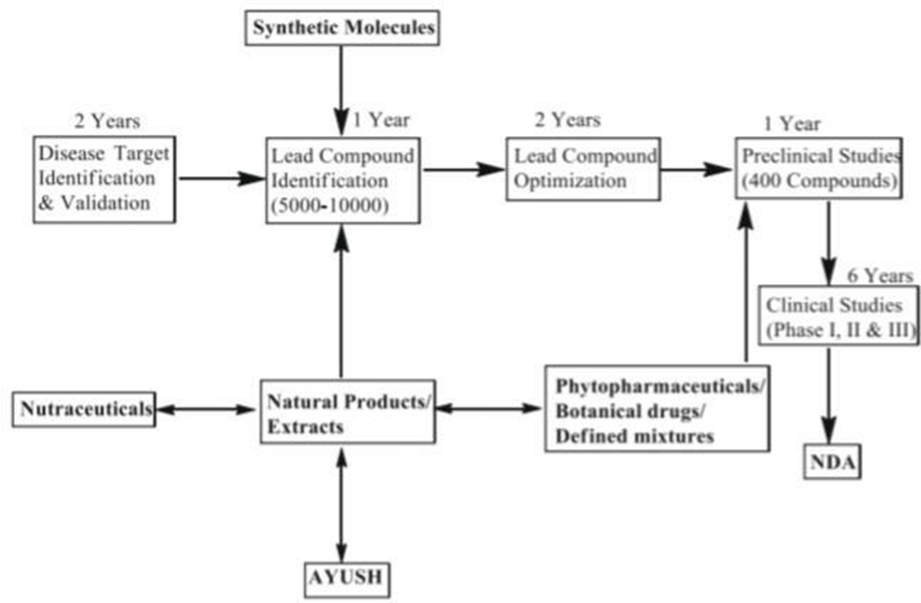
Fig:1.1 Drug discovery & Development process stages
These computation models predict target molecules based on desirable pharmacokinetic of drug. Some of the most important natural products like taxol, amphotericin B, vancomycin and some of others do not follow Lipinski’s rule of five.
1.1 Natural Products for Human Health: -
Plant produces their own food, are known as plant metabolites followed by metabolization of food. The plant metabolites are of two types such as a primary & secondary plant metabolite. Primary metabolites are of protein, fat, carbohydrates, etc. Secondary plant metabolites are made up of primary metabolites. Secondary metabolites of not only the plants but also animals, marine plants are also form in terrestrial & marine origin. Several drugs are successful but some of them not. The use of natural products as traditional medicines is well documented in history by ancient civilizations.
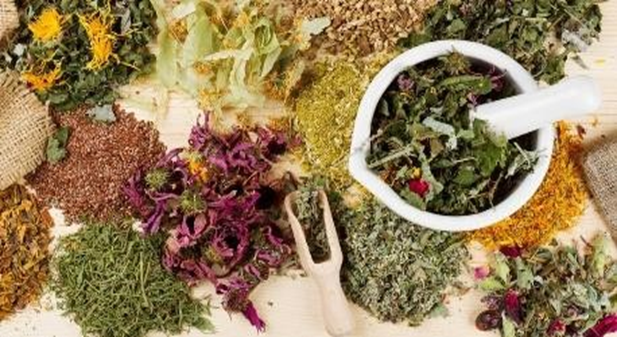
Fig:1.2 Traditional method of natural drug synthesis
Although the enormous contribution of natural products in drug discovery. The late 1980 to 1990 there was a diminished interested in natural products in pharmaceutical industries still the industries facing lot of problems with various challenges & new paradigms. They require expert & clinicians to face these challenges for new drug. On the way of being a successful drug, natural products also form the basis of several traditional medicine system like Ayurveda, Siddha, Unani etc.
In order to demonstrate the therapeutic potential of plant natural products, this Special Issue on “Natural Products in Drug Discovery & Human Health” has assembled a number of scientific reports, including in vitro and in vivo activities, clinical effects, mechanisms of action, structure- activity relationships, and pharmacokinetic properties. It is hoped that this Special Issue will act as a timely resource for researchers and scholars who are interested in the discovery of potentially useful molecules from plant sources for health-related applications, given the rising global trend for botanical dietary supplements and phytopharmaceuticals.
Humanity has relied heavily on plants as a source of food and healing. While the majority of the world’s population uses botanical treatments to address their health needs, either as their own “traditional medicine” or as “complementary and alternative medicine,” we all consume plants and their products for nutritional support [1,2]. The interest in and usage of botanical medicines and plant-based therapies are currently seeing a global comeback. For instance, sales of herbal supplements climbed 8.5% in the United States in 2017 compared to the prior year, reaching an estimated 8 billion USD [3]. The general public’s growing interest in herbal remedies and products has boosted scholarly interest in examining and comprehending the pharmacologically active components of medicinal plants
From a pharmaceutical perspective, it is well known that many compounds derived from plant sources have bio/pharmacological activities, and historically, plants have produced a number of significant medicines for human use, including morphine, which was discovered in the early nineteenth century, and more recent drugs like paclitaxel and artemisinin. Natural products continue to be a significant and feasible source of lead compounds in many drug discovery programmes, despite the fact that the majority of large pharmaceutical companies are not currently focused on producing natural medications. After all, research into natural remedies for disease prevention and treatment continues to garner attention on a global scale.
This Special Issue on “Natural Products In Drug Discovery & Human Health” is meant to be a collection of research papers that discuss various facets of biologically active plant natural products, including chemical characterization, in vitro and in vivo activities, clinical effects, mechanism of action, structure-activity relationship, and pharmacokinetic/pharmacodynamic properties. It is our hope that this Special Issue will act as a resource for researchers and academics who are interested in the discovery of potentially useful molecules from plant sources for health-related applications, given the rising global trend for botanical dietary supplements and plant-based medications.
We were ecstatic to get so many excellent manuscripts from around the world. This Special Issue has a total of 26 articles that address a variety of disease objectives, including diabetes, inflammation, cancer, neurological disorders, cardiovascular disease, liver damage, bacterial and fungal infections, and malaria. In the following areas of plant natural products, they offer crucial insights into the state of research on medication discovery and novel methodologies. According to Kang et al research on diabetes, Amadori rearrangement molecules made from heat-processed onion extract were able to block intestinal sucrose absorption, which in turn prevented the postprandial rise in blood sugar. Nagappan et al., on the other hand, reported the in vitro protective activity of gomisin N (obtained from Schisandra chinensis) against cannabinoid type-1 receptor-induced impairment of insulin signalling as well as the in vivo effect of the substance on gluconeogenesis in high-fat diet–induced–obese mice. Three reports show how natural products affect the nervous system. Due to their ability to obstruct the Nrf2 binding site in the Keap1 protein in the adrenal phaeochromocytoma PC12 cells, phenylethanoid glycosides such salidroside, acteoside, isoacteoside, and echinacoside have been shown to have neuroprotective properties [6]. Cannabigerol (obtained from Cannabis sativa) was reported to have anti-inflammatory and antioxidant effects on NSC-34 motor neurons by Gugliandolo et al. [7]. This was shown by a decrease in the levels of IL-1, TNF-, IFN-, and PPAR protein. Additionally, Tang et al. showed that catechin and procyanidin A2 (found in lychee seeds) could reduce neuroinflammation in microglial BV-2 cells that had been exposed to amyloid [8].
In lipopolysaccharide-treated RAW 264.7 macrophages, asperuloside and asperulosidic acid were found to have anti-inflammatory effect by He et al. [9] through regulation of the NF-B and MAPK signalling pathways. Additionally, Vetvicka et al. demonstrated that a glucan fraction made from the Pleurotus eryngii mushroom stalk could reduce inflammation in a mouse model of inflammatory bowel disease produced by dextran sulphate sodium. IFN- and MIP-2 levels were downregulated by the glucan fraction [10].
In cancer research, Jayakumar et al. described the potential of hinokitiol in lung cancer chemoprevention. Through a number of mechanisms, including the activation of capases-3 and - 9, stimulation of p53/Bax and the antioxidant enzymes CAT and SOD, as well as a decrease in MMP-2 and -9 activities, it has been demonstrated that the chemical prevents lung cancer A549 cells from migrating [11]. In a different study, Zheng et al. showed that the flavonoids extracted from Glycyrrhiza uralensis (Chinese liquorice) might either promote apoptosis or induce differentiation in melanoma B16-F10 cells [12].
Cardio protection has been discussed in four studies. In a study by Czompa et al., a rat model of post-ischemic heart recovery was used to examine the effects of raw and aged black garlic. According to an improvement in post-ischemic cardiac function and a decrease in cardiac infarct size, both varieties of garlic were discovered to have cardioprotective effect [13]. In a different investigation, Hsia et al. discovered that morin hydrate might prevent platelet activation by blocking the PLC2-PCK cascade and preventing the following activation of Akt and MAPK [14]. On the other hand, Guo et al. found that dihyromyricetin could reduce myocardial hypertrophy in a mouse model of transverse aortic constriction. The authors hypothesized that the compound’s activity was correlated with the suppression of oxidative stress and an upregulation of the SIRT3 pathway [15]. Additionally, Astragalus membranaceus root, which is frequently used as a tonic herbal medication, was found to have protective effects on cardiomyocytes subjected to oxidative stress through an increase in respiratory capacity and mitochondrial ATP generation, according to Hung et al. [16].
Three publications focused on the topic of liver protection. Guo et al. described the preventive activity of pinocembrin and its glucosides against hepatic steatosis using a hepatic steatosis model of HepG2 cells treated with free fatty acids [15]. This activity may be due to the regulation of the SIRT1/AMPK pathway. In a different study, Wang et al. discovered that fucoidan, a sulphated polysaccharide present in seaweeds, might guard against hepatotoxicity brought on by acetaminophen in a mouse model, with a possible mechanism connected to Nrf2-mediated oxidative stress [17]. Additionally, Li et al. reported on the pharmacokinetics of the hepatoprotective triterpenic acids obtained from Ziziphus jujube fruits using an UHPLC-MS method to analyse the plasma samples in both normal and CCl4-treated rats [18].
Scoulerine and bergapten were discovered to be immunomodulators in a screening of phytochemicals isolated from Himalayan medicinal plants by Wangchuk et al. [19]. Pospisilova et al. reported that a number of cinnamamide derivatives had notable antibacterial, antitubercular, and antifungal activities [20].
Subramanya et al. looked on the herb-drug interaction between the saponins of Panax notoginseng and aspirin. In HepaRG cells, it was discovered that the saponins prevented aspirin from being hydrolyzed. This effect was attributed to the inhibition of the carboxylesterase-2 enzyme [21]. This Special Issue contains a total of seven review pieces. They include anti-arthritic[23], anti-malarial,[22], hair growth stimulating [24], and anti-hepatotoxic[21] properties. They also cover a variety of biomedical areas. Dosoky and Setzer [26] and da Trindade et al.[25] are two more reviews that specifically addressed Copaifera and Citrus species medicinal plants, respectively. The potential of using cutting-edge technologies, such as automation technology, analytical, and computational tools, to the next generation of plant-based drug development was also highlighted in a review by Thomford et al. [27]
2. Sources of Natural products:-
There are many different sources of natural products with pharmacotherapeutic potential, including plants, animals, marine organisms, bacteria, yeast, moulds, and fungi.
Most natural product discoveries in the past have resulted from serendipity, which indicates little understanding of the underlying molecular causes of disease. Phenotypic screening or target- based screening is used to select natural compounds in order to find novel drugs. Both on land and in the sea, natural products are generated.
2.1. Plant C:-
A large and varied range of natural products are produced by plants. These substances serve crucial ecological purposes by protecting against pests, disease, UVB ray damage, and other environmental stresses. Natural products are secondary metabolites with modest molecular weights that plants utilize for survival, including terpenoids, flavonoids, and alkaloids.
Morphine, which was isolated from the Papaver somniferum L. (Opium poppy) plant, is the first and best-known example of a natural product from a plant. Merck first used the term “morphine” in 1826.
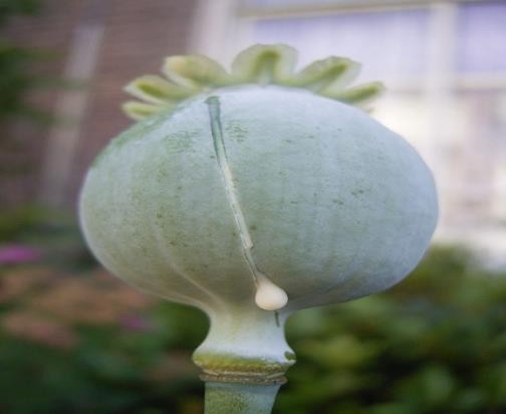
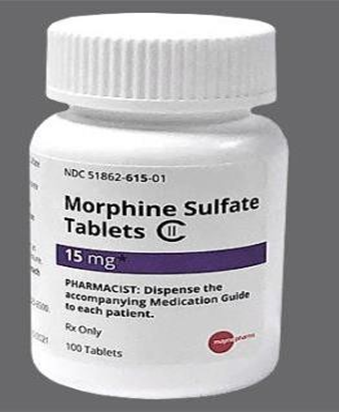
Fig 2.1.1 (Morphine) Opium Capsule & Morphine medication
Aspirin was the first natural product based semi-synthetic pure drug, and it was used to make heroin (diacetylmorphine), which was created by heating morphine in its crude form with acetic anhydride. It was made from a natural substance called salicin that Bayer extracted from willow tree bark in 1899.
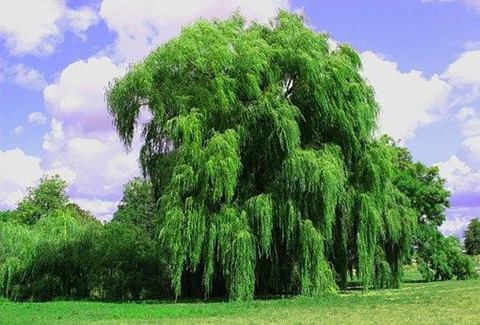
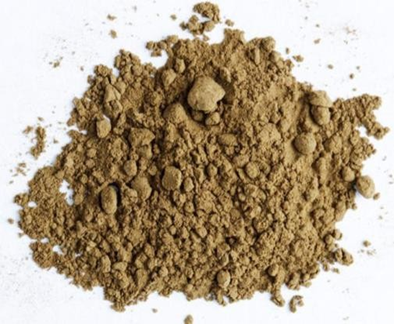
Fig 2.1.2 Willow Tree & Heroine powdered drug
2.2. Animal: -
Animals have been a significant source of the intriguing substances utilized in medications. Epibatidine is derived from the poisonous ecuadorian frog’s skin. Compared to morphine, it is ten times as effective. Animal toxins and venoms were used extensively in the treatment of several ailments. Take the Brazilian viper-derived drug terprotide as an example ‘It is using as a main tool against coronaviruses. It prompted the creation of the anti-hypertension medications.


Fig 2.2.1 Ecuadorian frog. & Brazilian Viper
A Jararacussu snake, whose venom is used in a study against the coronavirus disease is seen a butantan Institute in Sao Paulo, Brazil August 27, 2021
Brazilian researchers have found that a molecule in the venom of a type of snake inhibited coronavirus reproduction in monkey cells, a possible first step toward a drug to combat the virus causing COVID-19.
2.3. Marine : -
A very rich source of bioactive secondary metabolites with unique skeletons not found in terrestrial environments has been found in the marine environment. Oceans span more than 70% of the earth’s surface, have a biodiversity that surpasses that of rainforests, and offer more opportunities for the discovery of novel therapeutic compounds.
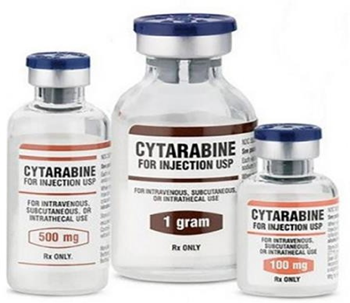
Fig 2.3.1 Cytarabine injection
Cytarabine (Ara-C, cytosine arabinoside), isolated from Cryptotheca crypta, is currently used for the treatment of leukaemia and lymphoma. It was the first marine natural product to become a successful drug
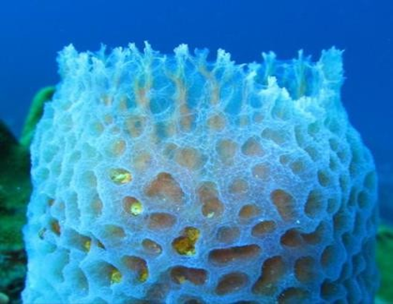
Fig 2.3.2 Cryptotheca crypta
Aplidium albicans, a Mediterranean tunicate, was used to isolate the depsipeptide plitidepsin. It works well against a variety of malignancies. Soft tissue sarcomas and ovarian cancer are treated with ecteinascidin 743 (terbactedin, yondelis), which was extracted from the ascidian Ecteinascidia turbinata. Halichondrin B, an anticancer agent derived from the sponge Halichondria okadai, was discovered.
3. Stages of discovery of new drugs from plant / animal/ marine:
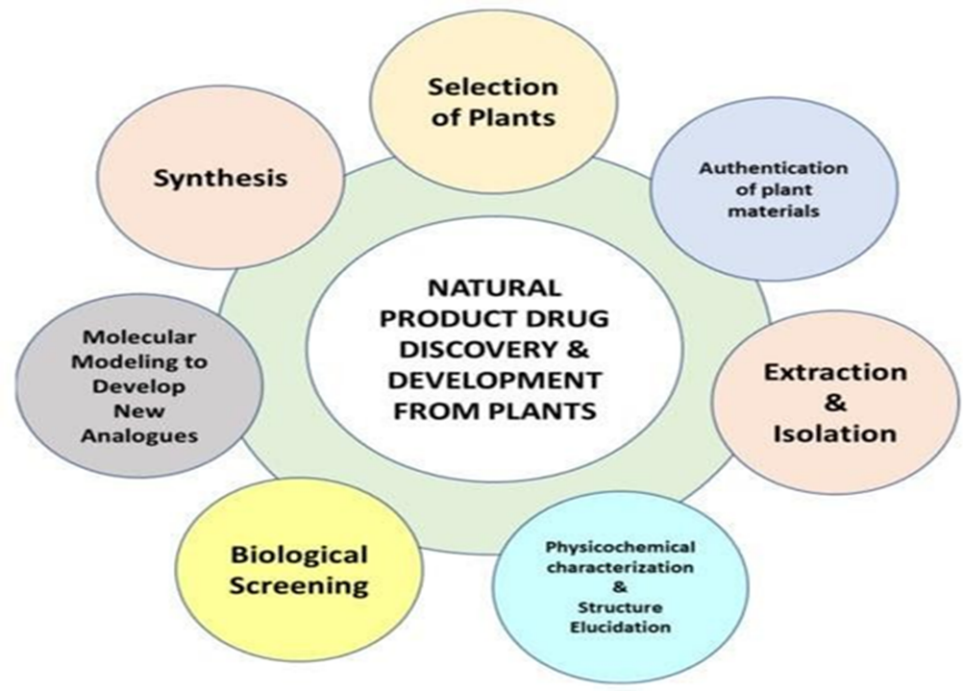
3.1 Selection of plants:
Selection of plant material for in drug discovery programs are performed by different approaches:
Plant selection should generally involve a literature survey of floristic diversity of the area of interest & should include the plant medicinal uses in the region where collection will take place. When selecting a plant for medicinal purposes following points or precautions should be taken:
3.2 Authentication of Plant material:
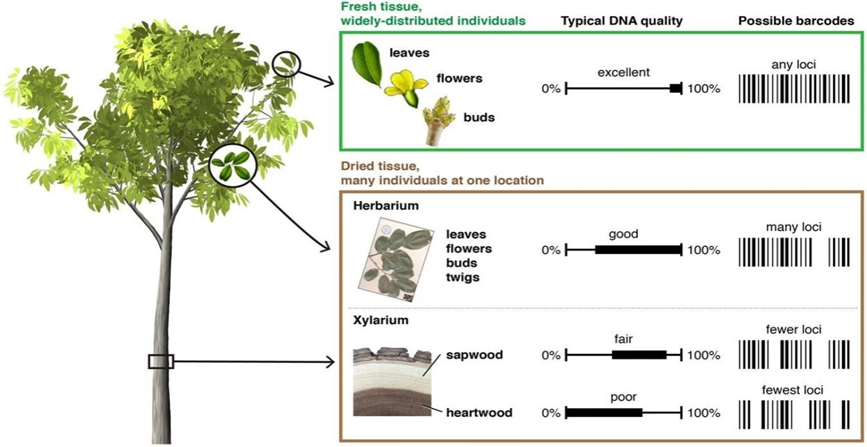
Plant authentication is the process of identifying the plant.The various methods involved in authentication of plants. The most common one is DNA Barcoding and others are Morphological Analysis, Chemical Analysis.
DNA Barcoding
DNA testing is the very accurate method of identifying the plant at species level.
DNA barcoding has been proposed as a useful tool for forensic wood identification and development of a reliable DNA reference library is an essential first step. Xylaria (wood collections) are potentially enormous data repositories if DNA information could be extracted from wood specimens. In this study, 31 xylarium wood specimens and 8 leaf specimens of six important commercial species of Pterocarpus were selected to investigate the reliability of DNA barcodes for authentication at the species level and to determine the feasibility of building wood DNA barcode reference libraries from xylarium specimens. Four DNA barcodes (ITS2, matK, ndhF- rpl32 and rbcL) and their combination were tested to evaluate their discrimination ability for Pterocarpus species with both TaxonDNA and tree-based analytical methods. The results indicated that the combination barcode of matK + ndhF-rpl32 + ITS2 yielded the best discrimination for the Pterocarpus species studied. The mini-barcode ndhF-rpl32 (167–173 bps) performed well distinguishing P. santalinus from its wood anatomically inseparable species P. tinctorius. Results from this study verified not only the feasibility of building DNA barcode libraries using xylarium wood specimens, but the importance of using wood rather than leaves as the source tissue, when wood is the botanical material to be identified.[27]
3.3 Extraction & Isolation:
Extraction -Extraction is the first step to separate the desired natural products from the raw materials. Extraction methods include solvent extraction, distillation method, pressing and sublimation according to the extraction principle.
Solvent extraction is the most widely used method. The extraction of natural products progresses through the following stages:[28]
There are various methods of extraction like, Maceration, percolation, Microwave Assisted Extraction, Super Critical Fluid Extraction, Ultra Sonication.
Maceration:
In this process, the whole or coarsely powdered crude drug is placed in a stoppered container with the solvent and allowed to stand at room temperature for a period of at least 3 days with frequent agitation until the soluble matter has dissolved. The mixture then is strained, the marc (the damp solid material) is pressed, and the combined liquids are clarified by filtration
Ultrasound Extraction (Sonication):
The procedure involves the use of ultrasound with frequencies ranging from 20 kHz to 2000 kHz; this increases the permeability of cell walls and produces cavitation. Although the process is useful in some cases, like extraction of rauwolfia root, its large-scale application is limited due to the higher costs. One disadvantage of the procedure is the occasional but known deleterious effect of ultrasound energy (more than 20 kHz) on the active constituents of medicinal plants through formation of free radicals and consequently undesirable changes in the drug molecule.
Isolation
The separation of phytochemicals is a process of isolating the constituents of plant extracts or effective parts one by one and purifying them into monomer compounds by physical and chemical methods.
Methods of isolation; Different chromatography, distillation, crystallization, etc.
TLC (Thin Layer Chromatography):
TLC, such as silica gel and paper chromatography, is the most commonly used method to determine the purity of compounds. Generally, a specific sample, showing an only spot (Rf value at 0.2~0.8) in three different developing agents, could be considered as a pure compound. In some cases, both normal and reverse phase chromatographic methods are needed. [29]
Fractional Distillation Method
Fractional distillation is a method of separating components in liquid mixtures based on their different boiling points. It is usually categorized into atmospheric, vacuum, molecular distillation, and so on. It is mainly used for the separation of volatile oils and some liquid alkaloids in plants. For example, the boiling points of the two alkaloids in total alkaloids of Cicuta virosa, coniine, and conhydrine are 166–167°C for the former and 226°C for the latter, which are quite different from each other, and then they can be separated by the fractional distillation method. Generally, if the boiling point difference of compounds in liquid mixtures is above 100°C, the separation can be achieved by repeated distillation of the solution. If the boiling point difference of compounds is below 25°C, the fractionation column is needed. The smaller the boiling point difference is, the finer the fractionation device is needed [29].
3.4. Phytochemical Characterization & Structural Elucidations
Natural Products are formed by all classes of organisms like animals, plants , micro-organisms, natural products known as secondary metabolites. In the microbial world, secondary metabolites represent a niche with utmost biological importance. These compounds, which range from few tens to more than 2000 Da in molecular weight, possess diverse localizations, functions, and biological activities [30]. Upto 2013 FDA approved 547 natural products and their derivatives. From 2010 to 2012 FDA approved 83 entities of natural Products.
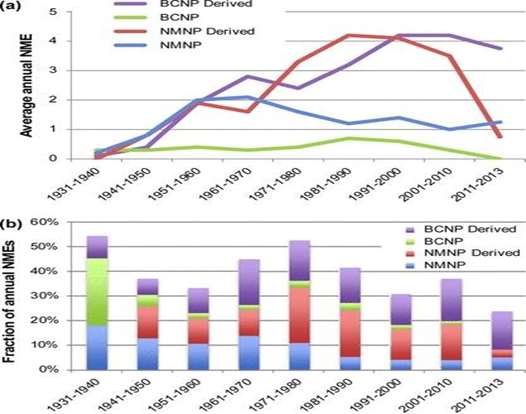
Figure 3.4.1. Natural product new molecular entity (NME) derivatives. (a) Average number of FDA- approved NMEs is shown on an annual basis. (b) Fraction of annually approved NMEs is separated into nonmammalian natural products (NMNPs) and biochemical natural products (BCNPs), as well as their semisynthetic or synthetic derivatives (adapted from Patridge et al. (1) with permission. Copyright 2016 Elsevier) [30]
The analytical tools which are contributed to analyze the natural products followed by the researchers are as following; Mass spectrometry, Nuclear Magnetic Resonance spectroscopy, and X-ray Diffraction Technique.
Mass Spectrophotometer:
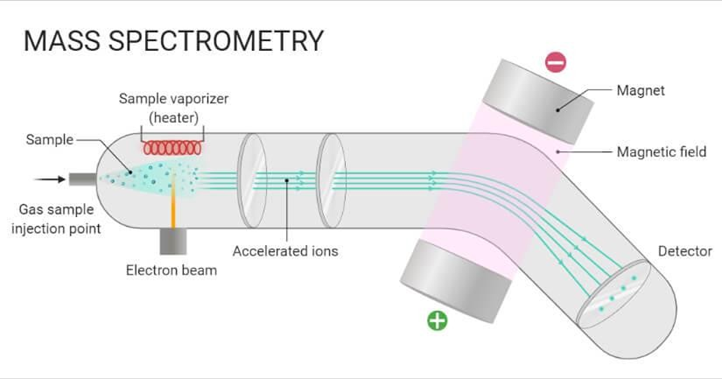
Principle of mass spectrometry:
Working of Mass spectrometry:
X- ray Diffraction:
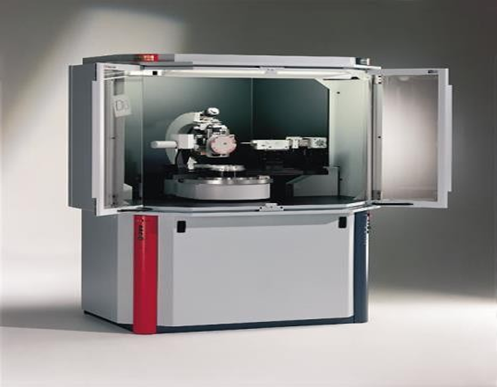
Fig: X- ray Diffraction Apparatus:
An X-ray diffractometer, or XRD machine, is a device for analyzing and measuring the structure of materials. X-rays have high energy and short wavelength when compared to visible light making them ideal for probing the interplanar distances in crystalline materials
X-Ray Diffraction (XRD) allows one to ascertain the molecular structure of a crystalline material by diffracting x-rays through the sample. An XRD analyzer obtains interference patterns reflecting lattice structures by varying the angle of incidence of the X-Ray beam. Thus, the precision,speed of rotation, and beam size of the x-rays become important parameters by which to judge products. Benchtop XRD can be targeted for single crystal diffraction for imaging lattices; powder diffraction for phase determination; identifying unfamiliar substances for use in inspection, crystallography, and pharmaceutical research correlating crystal structures with drug efficacy. X- Ray generators can reach 18 KW in power and detectors typically come as compound silicon arrays, Peltier-Cooled, Silicon Drift or Scintillation Counter variants. Software targeted for specific XRD applications are available for upgrade in some analyzer models.
Some of the molecules which were analyzed by these methods are as following:
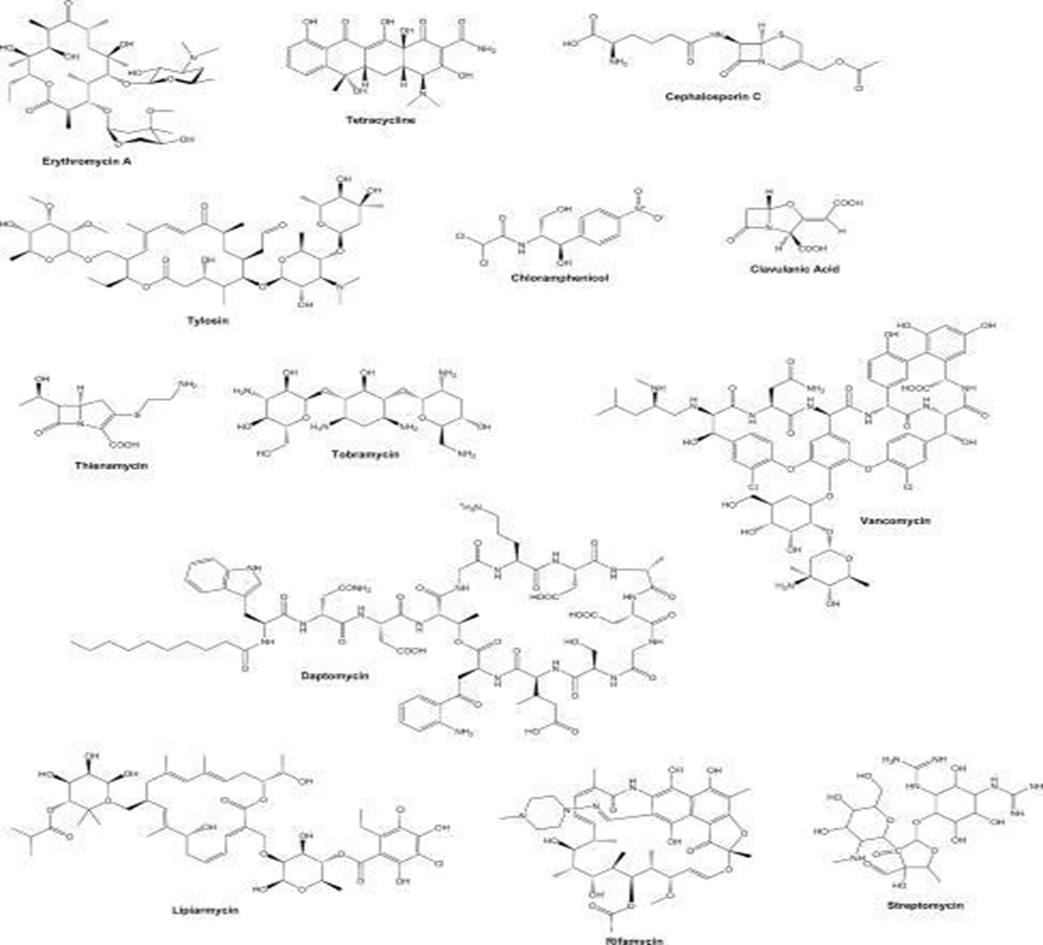
Fig: Structures of some Antibacterial products
3.5. Biological Screening
The tremendous progress made in life sciences has resulted in the definition of many pathological processes and Mechanisms of drug action. This advancement has led to the establishment of various molecular and cellular bioassays in conjunction with High throughput screening (HTS) methods. HTS decreases the amount of testing compound required such that only microgram quantities are needed. This is advantageous for certain natural products that are difficult to isolate and purify, and permits compounds that are difficult to synthesize to be readily assayed. Thus, due to resource limitation, it is always better to begin screening of extracts and fractions with in vitro assays to establish activity. There are high through in vitro screening methodologies that involve the use of cell and/or tissue culture, enzyme-binding ability etc., to determine antimicrobial, cytotoxicity, and other pharmacological activities. In vivo studies involve the use of whole animal and/or whole organ. In vivo study usually consumes more resources and is recommended after the in vitro assay or where there is no facility for the in vitro assay. This is because result of in vitro study could serve as guide for the in vivo study. The use of animals must be approved by the animal ethics review committee of the research organization to ensure ethical handling of animals. In vivo toxicity studies usually extend from acute to chronic toxicity studies. Results obtained from both studies are used in drug formulation and subsequent studies. Microscopic examination and determination: Though this not be activity related it is relevant for material identification and authentication. This usually applies to starting raw material before extraction is done, and helps to determine phenotypic characteristics such as appearance and physical description of the parts used, presence of adulterants such as insects and microbial contaminants e.g., pollens, molds, as well as stones and sand, etc., thus enhancing quality.[31]
3.6 Molecular Molding to Develop New Analogues:
Modeling is a tool for doing chemistry. Models are central for understanding of chemistry. Molecular modeling allows us to do and teach chemistry better by providing better tools for investigating, interpreting, explaining and discovering new phenomenon like experimental chemistry, it is a skill-demanding science and must be learnt by doing and not just reading. Molecular Modeling is easy to perform with currently available software, but the difficulty lies in getting the right model and proper interpretation.
Molecular structures may be generated by a variety of software. The 3D structures of molecules may be created by several common building functions like make-bond, break-bond, fuserings, delete-atom, add-atom-hydrogens, invest chiral center, Etc. Computer modeling allows chemists to build dynamic models of compounds which in turn allows them to visualize molecular geometry and demonstrate chemical principles.
Molecular Modeling, is one of the fastest growing fields in science. It may vary from building and visualizing molecules to performing complex calculations on molecular systems. Molecular models fall into four basic categories: skeletal or line; stick, ball-and-stick, and space-filled or CPK.
Wire Frame Model:
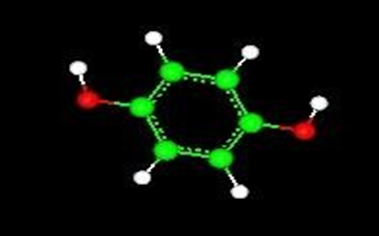
This model clearly shows the type of atoms in the molecule, the distances between bonds, and angles associated with the atoms. Because the lines drawn are very thin, molecules can very easily be manipulated when viewed on a computer screen
Stick Model:

This model clearly simply shows the whole molecule as a stick as opposed to a wireframe. It is not usually used but can be viewed using Jsmol.
Ball and Stick Model:
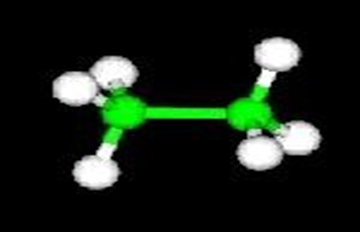
Atoms are represented by balls and bonds are represented as sticks.
Space Filled Model (CPK):
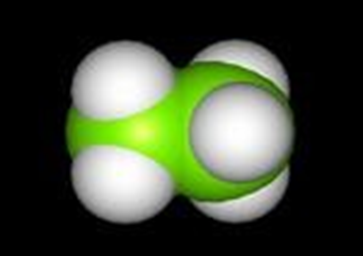
This model shows the space that the molecule will take up. Because of all the points required to draw this molecule on a computer screen you should expect these molecules to be very difficult to manipulate.
Molecular dynamics:
Molecular dynamics (MD) is an important computational tool for understanding the physical basis of the structure, the dynamic evolution of the system, and the function of biological macromolecules. Below, molecular dynamics simulations are performed on a lipid-protein complex. Shown are the backbone structure of the protein, a bound fatty acid molecule within the protein, and a small shell of water surrounding the protein. The time for the simulation was 100 picoseconds. The graphs give information about the motion of the lipid inside the protein.
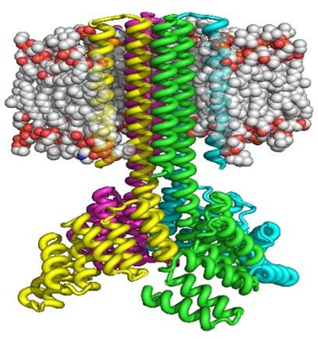
Fig: Molecular model of Lipid-protein complex
Docking:
Molecular docking is one of the most frequently used methods in structure-based drug design, due to its ability to predict the binding-conformation of small molecule ligands to the appropriate target binding site.
CONCLUSION
It is clear from these studies that many plants natural products display interesting bio/ pharmacological activities. To better understand their medicinal properties and to establish stronger evidence of potentials for further development, preclinical and clinical investigations regarding their mechanisms of action, safety and efficacy are warranted
ACKNOWLEDGMENT
The authors would like to express their sincere gratitude to their respective institutions for providing the necessary academic support and facilities. No external funding was received for this work.
REFERENCES



Aarti Giram, Samadhan Gaikwad, Rajashri Kulkarni, Laxmi Kanna, Natural Product in Drug Discovery and Human Health, Int. J. of Pharm. Sci., 2026, Vol 4, Issue 3, 3069-3085. https://doi.org/10.5281/zenodo.19216290
 10.5281/zenodo.19216290
