
MVN University, Palwal
Depression remains a leading cause of disability worldwide, with conventional antidepressants often exhibiting limited efficacy and significant side effects. Epimedium sagittatum (Family Berberidaceae), a traditional Chinese medicinal herb, has demonstrated promising antidepressant-like effects in preclinical studies. This comprehensive review synthesizes recent literature on the pharmacological actions of E. sagittatum and its bioactive compounds, particularly icariin, icaritin, and their metabolites, with emphasis on novel antidepressant mechanisms and behavioral outcomes. Multiple signaling pathways contribute to the antidepressant effects, including modulation of monoamine neurotransmitter systems, inhibition of neuroinflammation via HMGB1-RAGE signaling, enhancement of neuroplasticity through BDNF-TrkB pathways, regulation of oxidative stress, and mitigation of corticosterone-induced apoptosis through MAPK inhibition. Behavioral studies utilizing chronic unpredictable mild stress (CUMS), forced swim test (FST), and tail suspension test (TST) models have consistently demonstrated the efficacy of E. sagittatum extracts and isolated compounds. This review critically examines the chemical composition, extraction methodologies, pharmacokinetic properties, molecular mechanisms, and future perspectives for clinical development of E. sagittatum-based antidepressant therapeutics.
Major Depressive Disorder (MDD) represents one of the most significant psychiatric disorders globally, affecting approximately 280 million people and contributing substantially to the global disease burden. While conventional monoamine oxidase inhibitors (MAOIs), selective serotonin reuptake inhibitors (SSRIs), and serotonin-norepinephrine reuptake inhibitors (SNRIs) remain first-line pharmacological treatments, approximately 30-40% of patients demonstrate treatment-resistant depression, characterized by inadequate response to multiple antidepressant course. (Kajumba et al., 2024)Furthermore, adverse effects including sexual dysfunction, weight gain, hyponatremia, and withdrawal syndromes limit long-term therapeutic adherence and quality of life. These limitations have prompted intensive investigation into natural products and botanical medicines with potential antidepressant properties.(Y.-H. Yang et al., 2024)
The clinical treatment of depression is still far from ideal despite decades of research and the availability of several pharmacological classes. Monoaminergic neurotransmission is the main target of modern antidepressant medication, which includes tricyclic antidepressants, monoamine oxidase inhibitors (MAOIs), selective serotonin reuptake inhibitors (SSRIs), and serotonin–norepinephrine reuptake inhibitors (SNRIs). Despite the fact that these drugs have shown effective in controlled trials, real-world clinical results show significant limits. Treatment-resistant depression (TRD) occurs when about one-third of patients do not experience remission despite several attempts at treatment. Furthermore, a significant clinical disadvantage is the delayed commencement of therapeutic activity, which frequently takes several weeks, especially for patients with severe symptoms or suicidal risk (Al-harbi, 2012). Long-term treatment is made more difficult by the tolerability profile of traditional antidepressants. Poor adherence and early treatment termination are often caused by adverse symptoms such sexual dysfunction, weight gain, emotional blunting, sleep difficulties, gastrointestinal discomfort, cardiovascular risks, and discontinuation syndromes. These drawbacks demonstrate the insufficiency of single-target medications and emphasize the need for alternative antidepressant approaches that are better tolerated and have a wider molecular scope (Niarchou et al., 2024). Concurrent with these clinical difficulties, the conceptual understanding of depression has changed due to breakthroughs in neuroscience. Depression is now understood to be a complex systems-level disease involving dysregulated interactions among neurotransmitter networks, neuroendocrine signaling, immune responses, oxidative balance, neuroplasticity, mitochondrial function, and the gut–brain axis, rather than a disorder resulting exclusively from monoamine deficiency. The hypothalamic-pituitary-adrenal (HPA) axis, excessive glucocorticoid release, immunological activation, and neuroinflammatory signaling are all triggered by chronic stress exposure, which is a key component of this pathogenic cascade. In the end, these mechanisms affect neuronal survival, synaptic connection, and cognitive-emotional modulation (Kouba et al., 2024). Growing interest in multi-target therapeutic drugs that can simultaneously modulate many interconnected pathways has been spurred by this developing approach. Natural products and therapeutic plants have become especially promising options in this regard. Pleiotropic pharmacological properties, such as antioxidant, anti-inflammatory, neuroprotective, and neurotrophic effects, are frequently displayed by phytochemicals and are extremely relevant to the multifactorial pathophysiology of depression. Furthermore, plant medicines are appealing scaffolds for the development of new antidepressant drugs because to their long history of human usage and acceptable safety profiles (Figueiredo Godoy et al., 2025). With its all-encompassing and systems-based methodology, traditional Chinese medicine has long placed a strong emphasis on treating emotional and mental illnesses by reestablishing internal equilibrium as opposed to treating specific symptoms. Epimedium sagittatum Maxim is one of the many medicinal plants used in Traditional Chinese Medicine. Horny Goat Weed holds a prominent place. E. sagittatum has long been utilized as a kidney yang tonic to treat fatigue, age-related weakness, emotional instability, cognitive decline, and sexual dysfunction—symptom clusters that closely resemble contemporary clinical signs of depression (Cui et al., 2024). According to botany, Epimedium sagittatum is a perennial herb that grows widely throughout East Asia's temperate and subtropical climates, especially China, Korea, and Japan. The plant's aerial portions have been widely utilized for therapeutic purposes. Phytochemical analyses reveal a rich composition dominated by prenylated flavonoids, including icariin, epimedin A–C, icaritin, icariside I and II, along with other flavonoids such as quercetin, kaempferol, and luteolin. These compounds display diverse biological activities, many of which directly intersect with key molecular mechanisms implicated in depressive disorders. E. sagittatum extracts and isolated constituents have shown strong antidepressant-like effects in validated behavioral paradigms, such as the forced swim test, tail suspension test, and chronic unpredictable mild stress models, according to mounting preclinical data over the past ten years. Crucially, these benefits extend beyond the increase of monoamines. Rather, mechanistic research shows that E. sagittatum inhibits HMGB1–RAGE, NF-κB, and MAPK signaling pathways to modulate neuroinflammation; increases neuroplasticity by activating TrkB, PI3K/AKT, and mTOR cascades and upregulating brain-derived neurotrophic factor (BDNF); controls oxidative stress by bolstering endogenous antioxidant defenses; and shields neurons from corticosterone-induced apoptosis linked to prolonged stress (Di et al., 2024).
1.1 Pathophysiology of Depression
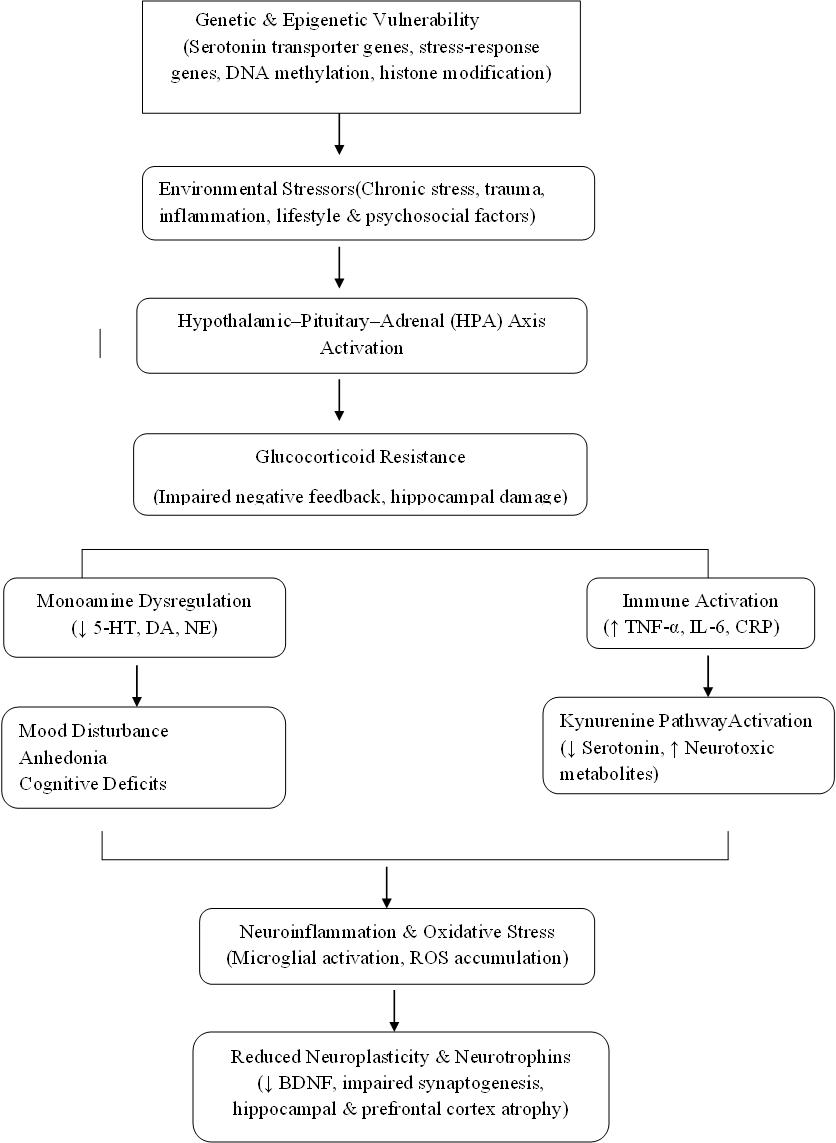
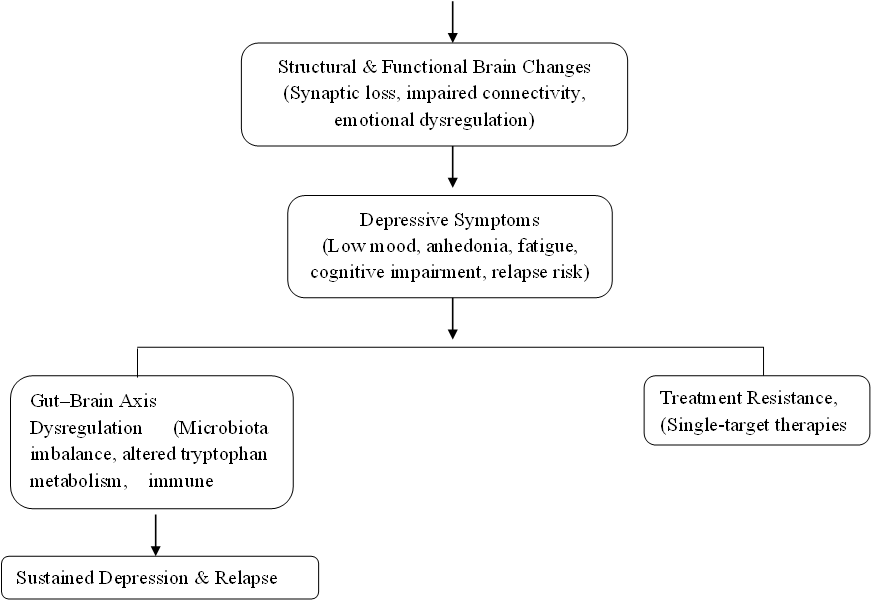
Depression is now widely recognized as a multifactorial disorder influenced by neurochemical, neuroendocrine, immunological, and genetic factors . Classical hypotheses emphasize reduced monoamine availability in key limbic regions, yet monoamine disruption alone cannot fully explain disease heterogeneity or therapeutic delays(Bottaccioli et al., 2025). Contemporary paradigms instead conceptualize depression as a complex network disorder in which dysregulated neurotransmission interacts with neuroplasticity failure, inflammation, oxidative stress, glucocorticoid toxicity, and structural brain alterations(Fries et al., 2023). This broader mechanistic framework underscores the importance of multimodal therapeutic agents capable of modulating multiple signaling systems rather than targeting a single pathway (Ahmadnia et al., 2025).
1.2 Monoamine Dysregulation
The monoamine deficiency hypothesis remains fundamental to understanding depressive symptomatology. Reduced serotonergic, dopaminergic, and noradrenergic signaling is associated with anhedonia, impaired reward sensitivity, cognitive deficits, and dysphoria(Oatu et al., 2025) . Clinical evidence reveals decreased cerebrospinal levels of monoamine metabolites as well as therapeutic benefits from SSRIs, SNRIs, and MAOIs, supporting the relevance of monoamine systems in mood regulation. However, monoamine depletion alone is insufficient to induce depression in healthy individuals, highlighting that neurotransmitter imbalance interacts with stress, immune activation, and neuroplasticity dysfunction to maintain depressive vulnerability (Kajumba et al., 2024; Y.-H. Yang et al., 2024).
1.3 HPA Axis Dysfunction
Hyperactivation of the hypothalamic–pituitary–adrenal (HPA) axis is one of the most consistent neuroendocrine alterations in MDD. Chronic psychological stress triggers sustained production of corticotropin-releasing hormone (CRH) and adrenocorticotropic hormone (ACTH), resulting in prolonged exposure to glucocorticoids such as cortisol(Lei et al., 2025). Long-term glucocorticoid toxicity disrupts hippocampal neurogenesis, reduces dendritic complexity, and impairs cognitive function, ultimately contributing to emotional dysregulation and relapse susceptibility(Eachus& Ryu, 2024; G. Wang et al., 2024) . Elevated cortisol levels and abnormal dexamethasone suppression responses observed in depressed patients highlight glucocorticoid resistance as a central physiological abnormality in the disorder(Menke, 2024).
1.4 Inflammation and Immune Dysregulation
The inflammatory hypothesis posits that persistent elevation of immune markers plays a central role in depression pathophysiology. Increased concentrations of pro-inflammatory cytokines, including IL-6, TNF-α, and CRP, promote oxidative stress, reduce monoamine synthesis, impair BDNF expression, and accelerate synaptic atrophy(Paganin & Signorini, 2024) . Immune-driven disturbances in the kynurenine pathway further reduce serotonin availability and generate neurotoxic metabolites that contribute to cognitive and emotional dysfunction . Immune dysregulation is especially prominent in treatment-resistant depression, emphasizing the relevance of anti-inflammatory therapeutic strategies (Bertollo et al., 2025).
1.5 Neuroplasticity and Neurotrophins
Reduced neuroplasticity and impaired neurotrophin signaling are now viewed as defining biological characteristics of depression. Decreases in brain-derived neurotrophic factor (BDNF) limit synaptic remodeling and neuronal survival in the hippocampus and prefrontal cortex—regions crucial for mood regulation (Qiu et al., 2025; T. Yang et al., 2020). Emerging rapid-acting antidepressants such as ketamine demonstrate therapeutic efficacy by restoring synaptogenesis and enhancing glutamatergic signaling through AMPA and mTOR pathways. These findings indicate that restoration of neuroplasticity may be more critical to long-term remission than monoamine enhancement alone(Antos et al., 2024; Freudenberg et al., 2025).
1.6 Gut–Brain Axis
The gut microbiota exerts a major influence on emotional and cognitive function through vagal communication, endocrine signaling, short-chain fatty acid production, and modulation of neuroimmune pathways . Dysbiosis promotes inflammation, affects tryptophan metabolism, and contributes to anxiety and depressive symptoms(Zhou et al., 2025). Fecal microbiota studies demonstrate that microbiome composition differs significantly in depressed individuals, while probiotic and prebiotic therapies have shown mood-improving effects in preclinical and early clinical investigations(Cussotto et al., 2025).
1.7 Genetic and Epigenetic Factors
Heritability estimates suggest that nearly 40% of depression risk is genetically mediated, yet susceptibility is strongly modulated by environmental factors . Candidate genes involved in serotonin transport, circadian rhythm regulation, and stress reactivity contribute to vulnerability(Kendall et al., 2021; Nguyen et al., 2023). Epigenetic abnormalities—including DNA methylation, histone modification, and altered non-coding RNA activity—alter stress sensitivity across the lifespan without altering DNA sequence. These findings support a gene–environment interaction model rather than a purely biological or psychosocial explanation(Cheng et al., 2022; Yuan et al., 2023).
Epimedium sagittatum Maxim., belonging to the Berberidaceae family, has a long history of use in TCM primarily for kidney tonic and aphrodisiac effects. Epimedium sagittatum is a perennial herbaceous plant distributed primarily in the temperate and subtropical regions of Asia, notably China, Korea, and Japan. It grows in shaded forest understories and along limestone-rich rocky slopes at elevations of 300-1500 meters. Morphologically, E. sagittatum reaches heights of 20-50 cm with basal leaves that are distinctly sagittate (arrowhead-shaped)(Tian et al., 2024a). Its inflorescences are racemose clusters of small, spurred flowers ranging in color from pale yellow to purplish hues. The aerial parts, including leaves and stems, are harvested for their medicinal properties. The genus Epimedium includes over 50 species with high genetic variability; however, E. sagittatum is notable for its high content of flavonoid glycosides, especially icariin and epimedins A-C, distinguishing it phytochemically from other species (Tian et al., 2024b, 2024c). The pharmacological activities of Epimedium sagittatum largely stem from its diverse chemical constituents. The principal active compounds belong to the flavonoid class, dominant among which is icariin — a prenylated flavonol glycoside that can comprise up to 6.5% of dry weight in ethanolic extracts . Other flavonoids include epimedin A, B, C, icaritin (the aglycone of icariin), icariside I and II, kaempferol, quercetin, and luteolin. These compounds share a core flavonol structure with various sugar moieties and prenyl groups influencing bioactivity and bioavailability (X. Zhang et al., 2023; Zhuang et al., 2023a). In addition to flavonoids, Epimedium contains polysaccharides, lignans, ionones, phenol glycosides, volatile oils, and trace elements such as vitamin C and minerals, which contribute synergistically to its pharmacological effects . Modern pharmacology has revealed its rich phytochemical profile, highlighting bioactive flavonoids with versatile pharmacological activities such as antioxidant, anti-inflammatory, and neuroprotective properties (X. Chen et al., 2024a). Particularly, icariin and related flavonoids have shown promise as natural antidepressant agents through mechanisms that modulate neuroinflammation, neurotransmitter pathways, and neurotrophic factors. This comprehensive review collates up-to-date scientific evidence on Epimedium sagittatum, detailing its botanical characteristics, chemical constituents, traditional and therapeutic uses, mechanistic insights across diseases with a focus on novel antidepressant and behavioral effects. The goal is to provide an evidence-based resource to guide future research and clinical translation(Jin et al., 2019; Sharma et al., 2025).
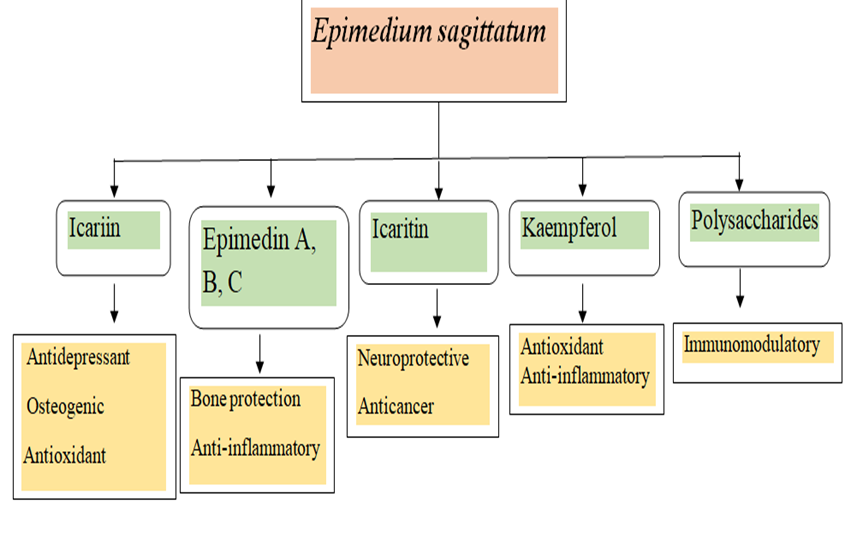
Figure 1 :- Chemical Constituents of Epimedium sagittatum
2. Therapeutic Uses of Epimedium sagittatum
Table 1 :- Herbal Drugs Used in Depression
|
Sr. No |
Plant Name |
Botanical Name & Family |
Plant Part Used |
Chemical Constituents |
Medicinal Uses |
|
1. |
Ashwagandha |
Withaniasomnifera (Solanaceae) |
Roots |
Withanolides, alkaloids, sitoindosides |
Adaptogenic, reduces stress, improves mood & sleep |
|
2. |
Brahmi |
Bacopa monnieri (Plantaginaceae |
Whole plant |
Bacosides A & B, alkaloids |
Enhances memory, reduces anxiety & depressive symptoms |
|
3. |
Shankhpushpi |
Convolvulus pluricaulis (Convolvulaceae) |
Whole plant |
Convoline, convolamine |
Nootropic, anxiolytic, reduces stress-induced depression |
|
4. |
Valerian |
Valeriana officinalis (Caprifoliaceae) |
Roots & rhizomes |
Valerenic acid, valepotriates |
Sedative, anxiolytic, improves mood & sleep |
|
5. |
Lavender |
Lavandula angustifolia (Lamiaceae) |
Flowers |
Linalool, linalyl acetate |
Calmative, reduces anxiety & mild depression |
|
6. |
Ginkgo |
Ginkgo biloba (Ginkgoaceae) |
Leaves |
Flavonoids, ginkgolides |
Improves cognition, reduces depressive symptoms in elderly |
|
7. |
Turmeric |
Curcuma longa (Zingiberaceae) |
Rhizomes |
Curcumin, demethoxycurcumin |
Anti-inflammatory, improves serotonin & dopamine levels |
|
8. |
Holy Basil (Tulsi) |
Ocimum sanctum (Lamiaceae) |
Leaves |
Eugenol, ursolic acid |
Adaptogenic, anti-stress, reduces cortisol |
|
9. |
Chamomile |
Matricaria chamomilla (Asteraceae) |
Flowers |
Apigenin, bisabolol |
Anxiolytic, mild antidepressant & sleep aid |
|
10. |
Passion Flower |
Passiflora incarnata (Passifloraceae) |
Aerial parts |
Flavonoids, harman alkaloids |
Sedative, anxiolytic, reduces stress-induced depression |
|
11. |
Rhodiola |
Rhodiola rosea (Crassulaceae) |
Roots |
Rosavins, salidroside |
Anti-fatigue, improves mood, balances neurotransmitters |
|
12. |
Lemon Balm |
Melissa officinalis (Lamiaceae) |
Leaves |
Rosmarinicacid, flavonoids |
Calming, reduces anxiety & depressive symptoms |
|
13. |
Saffron |
Crocus sativus (Iridaceae) |
Stigmas |
Crocin, safranal |
Clinical evidence for antidepressant effects |
|
14. |
Ginseng |
Panax ginseng (Araliaceae) |
Roots |
Ginsenosides |
Adaptogenic, anti-stress, improves mental energy |
|
15. |
Epimedium sagittatum |
horny goat weed (Berberidaceae) |
Aerial parts |
Icariin Flavonoid derivatives Polysaccharides |
Sexual Dysfunction Bone Health Neuroprotection |
In Traditional Chinese Medicine, Epimedium sagittatum (Yinyanghuo) is widely used as a "kidney yang tonic," prescribed to invigorate the kidney and enhance "jing" (essence), which is believed to support overall vitality and mental health. It has been traditionally employed to treat conditions characterized by fatigue, low libido, poor concentration, and emotional disturbances that align with depression symptoms in modern terms(X. Chen et al., 2024b). It is often included in formulas to alleviate symptoms of mental fatigue and mood disorders by restoring balance in the body's vital energies (Qi and Yang) and strengthening the nervous system.?
2.1 Antidepressant and Mood-Regulating Effect
Epimedium modulates dopamine, norepinephrine, and serotonin levels in the brain. These neurotransmitter effects reduce symptoms of depression, anxiety, and stress.Contemporary research reveals that the antidepressant properties of Epimedium sagittatum primarily result from its rich flavonoid content (notably icariin, quercetin, luteolin, and kaempferol), which act on multiple molecular targets and pathways(Y. Dong et al., 2021).
i. Neuroinflammation Suppression:
The bioactive flavonoids inhibit pro-inflammatory cytokines such as interleukin-6 (IL-6) and tumor necrosis factor-alpha (TNF-α), thereby reducing neuroinflammation implicated in depression pathophysiology. This is achieved largely through suppression of key signaling pathways such as NF-κB and MAPK(Y. Chen et al., 2022).?
ii. Neurotrophic Enhancement:
Icariin and related compounds upregulate brain-derived neurotrophic factor (BDNF) and its receptor TrkB, promoting hippocampal neurogenesis and synaptic plasticity, crucial processes impaired in depressive disorders. Activation of PI3K/AKT and EGF pathways further supports neuronal survival and growth(Verma et al., 2022).
?iii. Neurotransmitter Regulation:
Epimedium flavonoids boost levels of monoamine neurotransmitters including serotonin (5-HT), dopamine (DA), and norepinephrine (NE), helping restore neurotransmission balance disturbed in depression. This may partly underlie observed improvements in mood and anxiety in preclinical studies(Naoi et al., 2025; Y.-H. Yang et al., 2024).
?iv. Anti-apoptotic Effects:
By activating survival pathways such as AKT and ERK and inhibiting pro-apoptotic signaling like p38/MAPK, Epimedium sagittatum protects hippocampal and hypothalamic neurons from corticosterone-induced apoptosis, which models stress-related neuronal damage in depression(L. R. Li et al., 2022).
?v. Multi-target Network Modulation:
Network pharmacology and molecular docking highlight crucial targets—IL6, VEGFA, AKT1, and EGF—through which Epimedium exerts systemic antidepressant effects, potentially overcoming limitations of single-target antidepressants and reducing treatment resistance(Y. Dong et al., 2021).
2.2 Osteoporosis and Bone Disorders
The traditional use of Epimedium sagittatum has long emphasized its ability to “strengthen bones and tendons,” and modern pharmacological research supports this historical claim. Osteoporosis, especially post-menopausal and age-related forms, is characterized by decreased bone mineral density (BMD), impaired biomechanical strength, and an imbalance between bone resorption and bone formation. Among the bioactive constituents of E. sagittatum, icariin and epimedin C have been the most extensively studied for their effects on bone tissue(X.-Q. Zhang et al., 2025). Icariin stimulates osteoblast proliferation and differentiation by activating hypoxia-inducible factor-1 alpha (HIF-1α) signaling, which enhances the expression of genes necessary for bone-forming activity and mineralization. In addition, icariin helps regulate the receptor activator of nuclear factor-κB ligand (RANKL) and osteoprotegerin (OPG) system—a central mechanism controlling osteoclast formation and resorptive function. By increasing the OPG/RANKL ratio, icariin suppresses excessive osteoclastogenesis, effectively slowing bone degradation(D. Zhang et al., 2016).
Epimedin C has been reported to enhance bone formation through transforming growth factor-β (TGF-β) and Smads signaling pathways, which are crucial for matrix production and osteoblast maturation. Both icariin and epimedin C promote the deposition of calcium and phosphorus in bone tissue, contributing to improved density and structural integrity(H. Dong et al., 2024). Animal studies have shown that chronic administration of Epimedium extracts increases BMD in osteoporotic models, particularly those induced by estrogen deficiency. Importantly, these extracts not only reduce bone loss but also improve trabecular microarchitecture, which correlates strongly with mechanical resistance to fractures. Reductions in serum markers of bone turnover—especially β-C-terminal telopeptide of type I collagen (β-CTX), a biomarker of bone resorption—further support the anti-osteoporotic activity of these compounds(L. Chen et al., 2022; H. Dong et al., 2024).
Topical or external applications of Epimedium, such as its use in moxibustion cakes in traditional Chinese medicine, have also been reported to alleviate joint weakness and chronic musculoskeletal discomfort in elderly individuals. Although the precise mechanism of external application is less understood, its long-standing clinical use suggests potential benefits for circulation and local tissue repair. Taken together, the available evidence indicates that E. sagittatum possesses dual regulatory effects on the skeletal system by promoting bone formation while preventing excessive bone degradation. This dual mode of action makes it a promising natural candidate for long-term management of osteoporosis, especially in aging populations and individuals with hormonal imbalance–related bone loss(Shi et al., 2022).
2.3 Erectile Dysfunction (ED) and Sexual Dysfunction
The aphrodisiac property of Epimedium sagittatum represents one of its most historically recognized applications, and several modern scientific studies support this traditional claim. Sexual dysfunction, especially erectile dysfunction (ED), premature ejaculation, fertility problems, and reduced libido, is closely linked to both psychological and physiological disturbances. Stress, anxiety, hormonal imbalance, poor vascular function, and low nitric oxide (NO) signaling are among the key biological factors that impair sexual performance(X. Yang et al., 2021). A major reason behind the use of E. sagittatum in male sexual dysfunction is its ability to enhance penile blood flow by activating the nitric oxide (NO) and cyclic guanosine monophosphate (cGMP) pathway. Icariin—the lead flavonoid in the plant—has been identified as a natural phosphodiesterase type-5 (PDE5) inhibitor. This mechanism is similar to that of sildenafil (Viagra), although the herbal compound is milder and associated with fewer side effects. By blocking PDE5 activity, icariin helps maintain higher cGMP levels in penile tissues, improving smooth muscle relaxation and promoting vasodilation, which leads to firmer and longer-lasting erections. Several preclinical studies also suggest that icariin may reduce oxidative stress in penile tissues, which is beneficial for individuals with vascular-related erectile dysfunction(Niu et al., 2022).
Overall, the role of E. sagittatum in sexual and reproductive health appears multifaceted—enhancing vascular mechanisms for penile erection, balancing reproductive hormones, improving libido, and indirectly supporting sexual performance through reduction of psychological stress(Liu et al., 2017).
2.4 Cardioprotective and Circulatory Enhancement
Cardiovascular protection represents another important pharmacological domain of Epimedium sagittatum, complementing its neuroprotective and antidepressant properties. Experimental and traditional evidence consistently suggests that extracts of the herb improve circulatory health, enhance vascular function, and protect cardiac tissues from diverse pathological stressors. The cardioprotective effects appear to arise from a combination of antioxidant, anti-inflammatory, lipid-regulating, and endothelial-stabilizing mechanisms, which collectively support long-term cardiovascular resilience(Zeng et al., 2022).
One of the most frequently discussed actions of E. sagittatum in cardiovascular therapy is its ability to improve blood circulation. Bioactive flavonoids such as icariin and epimedin compounds promote vasodilation by increasing nitric oxide (NO) production in endothelial cells, which in turn relaxes vascular smooth muscle and increases blood flow. This mechanism not only supports the delivery of oxygen and nutrients to tissues but also reduces vascular resistance and contributes to the regulation of blood pressure. In traditional Chinese medicine, this circulatory effect is recognized clinically and forms the basis of using Herba Epimedii in formulas for “heart weakness,” fatigue, and age-related decline, where sluggish circulation is believed to contribute to systemic deterioration(X. Chen et al., 2024c).
A second major contribution to cardioprotection involves defense against oxidative damage. Cardiac tissue is particularly susceptible to oxidative stress due to high oxygen consumption and limited endogenous antioxidant reserves. Flavonoids from E. sagittatum have been shown to enhance the activity of endogenous antioxidant enzymes, especially superoxide dismutase (SOD), while simultaneously reducing lipid peroxidation markers such as malondialdehyde (MDA). Increased SOD activity protects myocardial cells from reactive oxygen species, while reduced MDA levels indicate lower membrane lipid damage. Together, these actions help maintain the structural integrity and functional capacity of heart muscle under both normal and stress conditions(Zhuang et al., 2023b).
2.5. Cancer (Antineoplastic Effects)
The anticancer potential of Epimedium sagittatum has attracted increasing attention in recent years, particularly due to the biological actions of its flavonoids and polysaccharides. Traditionally, Epimedium has been used in herbal tonics for conditions such as cancer, infertility, and chronic fatigue, earning the historical nickname “Immortal Spirit Grass” in Chinese medicine because of its long-standing association with vitality and resilience. Modern research has begun to substantiate these traditional claims by demonstrating that bioactive compounds like icariin, icaritin, baohuoside, and epimedin derivatives exert direct antitumor effects across several cancer cell types. These molecules have been shown to trigger programmed cell death (apoptosis), suppress uncontrolled proliferation, and inhibit the migration and invasion of malignant cells(Ding et al., 2024). A key mechanism is their ability to regulate oxidative balance inside cells: icariin and related compounds enhance the activity of antioxidant enzymes such as superoxide dismutase (SOD), increase high-density lipoprotein cholesterol (HDL-C) levels, and reduce malondialdehyde (MDA), a marker of lipid peroxidation. By controlling oxidative stress, these compounds protect cellular integrity and create unfavorable conditions for cancer cell survival(S. Wang et al., 2025).
Although most findings come from in-vitro and animal studies rather than clinical trials, the current evidence indicates that E. sagittatum may support anticancer therapy rather than function as a standalone cure. Importantly, its ability to selectively induce stress in cancer cells while preserving normal cell viability makes it an appealing candidate for future drug development(Liu et al., 2023).
2.6 Neuroprotective Effect Against Neurodegenerative Disorders
A major pathway through which icariin protects neurons is its strong antioxidant activity. In neurodegenerative diseases, the excessive production of reactive oxygen species leads to lipid peroxidation, protein misfolding, and eventual neuronal cell death. Icariin supports the antioxidant defense system by increasing the activity of enzymes such as superoxide dismutase, catalase, and glutathione peroxidase. By restoring this antioxidant balance, the compound helps maintain the structural integrity of neurons and reduces oxidative injury in brain tissues(Kendall et al., 2021).
Inflammation is another key factor that accelerates neurodegeneration. Activated microglia and astrocytes release inflammatory cytokines that damage neurons over time. Icariin reduces this inflammatory response by downregulating pro-inflammatory mediators and preventing overactivation of immune cells in the brain. As a result, brain cells are protected from long-term inflammatory damage that has been documented in diseases like Alzheimer’s and Parkinson’s(Khezri & Ghasemnejad-Berenji, 2022).
There is also growing evidence that icariin may influence memory and learning processes by improving synaptic plasticity. In Alzheimer’s disease, reduced levels of brain-derived neurotrophic factor (BDNF) and accumulation of amyloid-beta plaques are strongly linked to cognitive decline. Icariin has been shown to increase BDNF expression and support neuronal signaling pathways related to memory formation(Zheng et al., 2023). Some research also suggests that icariin may help decrease amyloid-beta deposition and inhibit the aggregation of toxic proteins, which further contributes to preserving cognitive functions(W.-X. Li et al., 2015).
CONCLUSION
The current study focuses on the pathophysiology, complex pharmacological mechanisms, and therapeutic applications of bioactive chemicals produced from Epimedium sagittatum, highlighting its substantial antidepressant potential. Key flavonoids like icariin, icariside II, and related glycosides have strong antidepressant-like effects in validated animal models, including chronic unpredictable mild stress, according to mounting preclinical evidence.
These substances function mechanistically through unique and convergent routes that are different from those of traditional monoaminergic antidepressants. The hypothalamic-pituitary-adrenal (HPA) axis is regulated, neuroinflammation and oxidative stress are suppressed, brain-derived neurotrophic factor (BDNF)–TrkB pathways are enhanced, and monoamine neurotransmitters (serotonin, dopamine, and norepinephrine) are modulated. Crucially, Epimedium bioactives also affect mitochondrial function, neurogenesis, and synaptic plasticity, providing a more comprehensive neuroprotective profile pertinent to the intricate pathophysiology of depression. According to the reviewed pharmacological data, Epimedium sagittatum is a promising source of new antidepressant drugs that work via multi-target mechanisms.
REFERENCES

Saraswati, Rajkiran, Prashant Kumar, Ashutosh Upadhayay, Amit Kumar, Neha, Pharmacological Activity of Bioactive Compounds of Epimedium Sagittatum: Novel Antidepressant Mechanisms and Behavioral Perspectives, Int. J. of Pharm. Sci., 2026, Vol 4, Issue 3, 284-300. https://doi.org/10.5281/zenodo.18866731
 10.5281/zenodo.18866731
