
1,2,3,4,5,7 Vidyaniketan Collage of Pharmacy, Takarkheda More Road, Anjangaon Surji.
6 Shankarlal Khandelwal Arts, Science and Commerce Collage, Akola
Cayratia trifolia (L.) Domin is an Indian and South East Asian climbing vine that has been traditionally used in medicine. Its uses include headache treatment, wound healing, neuralgia treatment, gastrointestinal problems and metabolic diseases. Phytochemically diverse this vine is now receiving scientific interest for its many natural remedies for oxidative stress related conditions such as hypertension. Its leaves, stems, roots, fruit and whole plant extracts are rich in flavonoids, stilbenes, phenolics, terpenoids and cyanogenetic glycosides. These phytochemicals have well-documented antioxidant, anti-inflammatory, and vascular protective properties. In vitro experiments have shown C. trifolia extracts to be highly effective scavengers of free radicals using methods such as DPPH, FRAP, ABTS, HPTLC profiling and measuring total phenolic content. The in vivo data also supports the antioxidant properties of C. trifolia with reductions in lipid peroxide (MDA) and restoration of endogenous antioxidants such as superoxide dismutase (SOD), catalase and glutathione. Further support was provided through the protection of liver and kidney tissue subjected to oxidative damage. Mechanistically, it is believed that the flavonoids and stilbenes present in C. trifolia reduce reactive oxygen species (ROS), improve the availability of endothelial nitric oxide (NO) and inhibit angiotensin converting enzyme (ACE) activity – three mechanisms that contribute to blood pressure regulation. Therefore, based on traditional use, phytochemical richness and recent biological activity studies, C. trifolia represents a very promising natural resource for future antihypertensive research. As such, it will provide a viable option for future in vitro, in vivo and pharmacological studies aimed at developing plant-based therapeutics for vascular health through its solid antioxidant background and molecular plausibility.
Nature has provided us with therapeutic agents for tens of thousands of years. Today, a vast number of pharmaceuticals are derived from natural sources (principally from plants), and much of this comes from traditional forms of medical treatment. There is a growing focus today from scientists on testing various types of pharmacologic activity in plants. The rise of global demand for herbal products is increasing dramatically, but despite this increase, there is still a desire to separate physiologically active compounds from plants for use in therapy. Chemicals exhibiting biological activity are being isolated, and identified for possible use in medicine, worldwide. The botanical name for Causonis trifolia is Causonis trifolia (L.) Domin. This species has several synonyms including; Cayratia carnosa and is described as the basionym Vitis trifolia L.[2,3] Members of the Vitaceae family that belong to the genus Cayratia include C. trifolia which are notable for possessing a variety of bioactive compounds that include terpenoids, flavonoids and polyphenols, and these have antioxidant properties.This species is native to Australia, Asia, and India [4]. C. trifolia has been employed for centuries in Indonesian folk medicine to treat ailments such as dandruff, headache, boil, wound healing, and muscle soreness.[5] Folk medicine employs a variety of parts of the plant. In addition to employing the whole plant to treat neuralgia and as a diuretic, the leaf decoction of the plant is used to treat scurvy. Traditionally the tubers of the plant are employed to assist in regulating blood sugar levels and to enhance the healing process of broken bones, while the root of the plant is employed as an astringent and as an antidote to snake venom.[1]C. trifolia is a climbing plant that has a history of employment for its medicinal properties and has been used historically to treat a variety of gastrointestinal disorders. Historical data support the use of C. trifolia through documented science and research. Specifically, a methanolic extract from the leaves of the plant exhibits significant anti-ulcer effects.[3] The C. trifolia leaf ethanol (50%) extract exhibited a significant inhibition of the enzyme α-glucosidase which is an enzyme involved in carbohydrate digestion; in fact, it inhibited the enzyme significantly more than the commonly prescribed diabetic drug, Acarbose. Therefore, the plant has shown great potential as an anti-diabetes agent. The high content of phenolics and flavonoids present in C. trifolia are likely responsible for the plant's anti-diabetes properties, as well as its excellent antioxidant properties as evidenced by its results in the DPPH, ABTS, and FRAP assays.[3,6] Causonis trifolia fruits contain numerous - antioxidants, making them an effective tool to combat oxidative stress. Its primary compounds are flavonoids such as quercetin, myricetin, and kaempferol. These flavonoids function by providing a hydrogen atom to neutralize harmful free radicals, thereby preventing a cell-damaging chain reaction. In addition, these flavonoids act as metal chelators by binding to pro-oxidant ions such as Fe and Cu, thereby preventing their ability to produce additional radicals.[7] Causonis trifolia is a very good natural remedy for combating oxidative stress. [8,9,5]
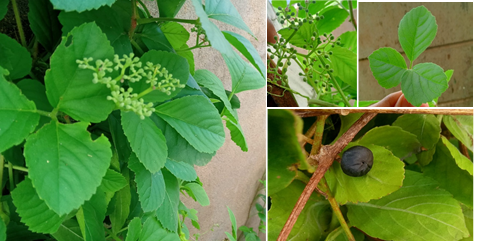
Figure1. Causonis trifolia Leaves,Flower buds And Fruit
COMMON NAMES :
Table 1.Common name of plant[14]
|
Language |
Vernacular Names |
|
Assamese |
Ghepeta-lat, Chepeta lota |
|
Bengali |
Amla-lata |
|
English |
Fox-grape |
|
Gujarati |
Khat-khatumbo |
|
Hindi |
Amal-bel, Ramchana, Teen panya kand, Amar chatioo, Khhata-limba, Tamnaya, Gidardrak |
|
Kannada |
Heggoli |
|
Malayalam |
Sorivalli |
|
Marathi |
Ambat-vel |
|
Punjabi |
Armal-bel |
|
Sanskrit |
Amlavetash, Atyamlaparni, Gandiran |
TAXONOMIC PROFILE :
Table 2. The Taxonomic Profile of Causonis Trifolia [15]
|
Taxonomic Rank |
Classification |
|
Kingdom |
Plantae |
|
Sub-Kingdom |
Tracheobionta (Vascular Plants) |
|
Superdivision |
Spermatophyta (Seed Plants) |
|
Division |
Magnoliophyta (Angiosperms) |
|
Class |
Magnoliopsida (Dicotyledons) |
|
Order |
Vitales |
|
Family |
Vitaceae |
|
Genus |
Cayratia |
|
Species |
Causonis Trifolia (L.) Domin |
BOTANICAL DISTRIBUTION :
Causonis trifolia is a weak herbaceous climbing plant with a woody base, and a stem that is tightly packed and nearly succulent. The leaves are trifoliolate and each leaflet is connected to the petiole by a 2–3 cm long petiole. Each leaflet has a pointed end, is elliptic to oblong-ovate, and measures 2–8 cm in length and 1.5–5 cm in width. [14][3] ,Flowers grow singly in the axil of the leaves, are small, brown, and greenish-white, and approximately 2.5 mm. [3,6] Fruits of the C. trifolia are approximately 1 cm in diameter, are fleshy, juicy, dark purple to black and are roughly round in shape [Figure 1]. Seeds of the plant are triangular in shape with a rounded apex, and have a ventral aperture, and the edges have obtuse ribs, and have a small elevation. [14,16]
GEOGRAPHICAL DISTRIBUTION :
It is native to Malaysia, the Moluccas, the Caroline Islands, southern China, and India. It is also found abundantly in the mountainous regions of India. [14] Causonis trifolia has primarily been documented on warmer plains and foothill regions that extend from the northern parts of Jammu and Rajasthan to the eastern states of Assam, Tripura and West Bengal. Additionally, this plant is widespread throughout the Indian peninsula and generally found at an elevation of approximately 600 meters.[15] This same type of warm climate allows Causonis trifolia to grow in Sri Lanka, Bangladesh, Myanmar, Thailand, Malaysia, Indonesia and many other Southeast Asian countries. The plant has also been reported to be present in the northern regions of Australia and southern China, specifically in the region of Queensland.[14] The plant prefers a variety of habitats; for example, near river banks, or along forest margins and or rural areas that receive plenty of sunlight and offer suitable climbing structures. Moist but well drained soils are preferred by this plant.[14,15]
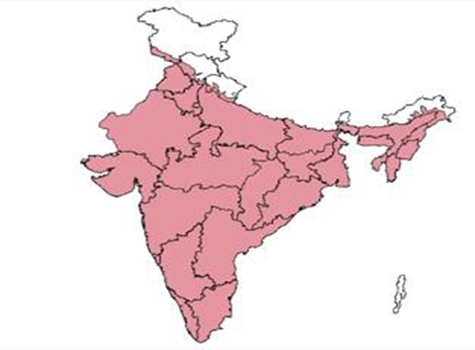
Figure 2.Geographical Distribution of Causonis Trifolia in India.[14]
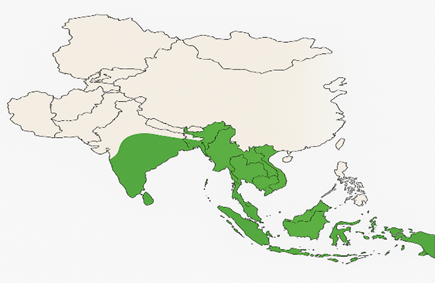
Figure 3. Distribution of Causonis Trifolia Globally [14]
CHEMICAL CONSTITUENTS :
Alkaloids, flavonoids, tannins, steroids/ terpenoids, and yellow waxy oils are among the primary constituents present in all parts of the plant. Piceid, resveratrol, viniferin and ampelopsin are examples of stilbenes stored in the leaves of this plant.[15] Hydrocyanic acid and delphinidin have been identified in the stems, leaves, and roots of this plant. A number of flavonoids such as cyanidin have been identified in the leaves of Causonis trifolia. Cyanogenic compounds have also been identified in the fruit and seed of this plant.[14,15]
Table 3. Chemical Constituent in Each Part of Cayaratia Trifolia[14,15]
|
Plant Part |
Major Chemical Constituents |
|
Whole Plant |
Yellow Waxy Oil, Steroids/ Terpenoids, Flavonoids, Tannins |
|
Leaves |
Stilbenes (Piceid, Resveratrol, Viniferin, Ampelopsin), Flavonoids (Cyanidin), Delphinidin |
|
Stem |
Hydrocyanic Acid, Delphinidin |
|
Roots |
Hydrocyanic Acid, Delphinidin |
|
Seeds |
Cyanogenic Compounds |
|
Fruits |
Cyanogenic Compounds, Calcium Oxalate (Causes Mouth Irritation) |
PHARMACOLOGICAL USES :
The 50% ethanol extract of this plant, excluding the root, showed significant behavioral responses in preliminary bioassays and lowered body temperature. The bark extract inhibited growth of the potato virus by 40% to 59%. Bacteria, fungi, protozoa, lowering blood sugar, antitumor activity, and increased urinary output are among some of the therapeutic properties attributed to this plant.[14]
RELATION OF HYPERTENTION AND OXIDATIVE STRESS :
High blood pressure is a common cardiovascular disorder characterized by persistently elevated arterial pressure. All of these regulatory systems interact closely to cause the condition: the heart, blood vessels, kidneys, brain, and immune system. High peripheral resistance and high blood volume can occur as consequence of this imbalance, thereby increasing the difficulty with which the heart pumps blood to all parts of the body. If left unchecked, hypertension significantly increases the likelihood of developing serious health issues such as heart attacks, strokes, and kidney diseases. [10] Oxidative stress occurs when the body's antioxidant mechanisms cannot counteract the generation of Reactive Oxygen Species (ROS). ROS are unstable chemical entities that have the potential to damage lipids, proteins, and DNA. [10,11] Oxidative stress creates a self-sustaining cycle of vascular dysfunction and is one of the primary pathways involved in the development of hypertension. In addition to there is evidence emerging in human studies that supports what has been demonstrated in animal models. [11] The main mechanism through which ROS exert their deleterious effects on blood vessels is through the inactivation of nitric oxide (NO). The inactivation of NO is achieved via the reaction between superoxide and NO. Loss of NO, a critical vasodilator, results in unopposed vasoconstriction, elevated peripheral resistance and elevated blood pressure. Elevated peripheral resistance and elevated blood pressure are two of the defining characteristics of hypertension and is referred to as endothelial dysfunction. The generation of excess amounts of ROS are generated from multiple enzymatic sources. Superoxide and hydrogen peroxide are primarily produced from the NADPH oxidase (NOX) family of enzymes in the vascular system. Another significant source of ROS is "uncoupled" endothelial nitric oxide synthase (eNOS) where superoxide instead of NO is produced when the enzyme lacks its necessary co-factor. In addition, endoplasmic reticulum stress and mitochondrial dysfunction; both processes that are often influenced by and in turn affect NOX derived ROS; also contribute to the total oxidative burden.[10,11] Therefore, this pathophysiological link is highly significant. Research conducted to compare hypertensive and normotensive individuals indicates that individuals with high blood pressure show a unique type of oxidative stress. Hypertensive patients exhibit a weakened body antioxidant capability. As a result of research, a variety of important findings exist. For example, lower activities of essential antioxidant enzymes in red blood cells, including glutathione peroxides, catalases, and superoxide dismutases were identified. Similarly, the overall plasma antioxidant power and the levels of non-enzymatic antioxidants, such as vitamin C, continue to be reduced. At the same time, hypertensive patients show elevated levels of markers of oxidative damage. Specifically, higher levels of by-products of lipid peroxidation, i.e., malondialdehyde in erythrocytes and 8-isoprostane in plasma and urine, were observed in hypertensive patients. Statistical tests indicate a negative association between blood pressure levels and antioxidant parameters, and a positive association between oxidative damage markers. Consequently, there is an indication that blood pressure increases in direct proportion to the level of oxidative stress present. [12] Understanding the above mentioned association provides the potential opportunity for therapeutic interventions. While large scale studies that utilized basic antioxidant vitamins have shown mostly poor results; however, it has stimulated interest in more advanced strategies to utilize antioxidant therapies. Advanced strategies include the use of agents that enhance the body's own antioxidant mechanisms, the development of specific inhibitors of enzymes that produce ROS such as NAD(P)H oxidases, and the use of targeted antioxidants such as those that target mitochondria. The goal of these strategies is to break the vicious cycle of oxidative stress and hypertension by improving vascular function and blood pressure regulation. [10,11,12]
CAUSONIS TRIFOLIA'S ANTIOXIDANT POTENTIAL USE AS ANTIHYPERTENSIVE:
Causonis trifolia has very high levels of phenols and flavones and therefore exhibits strong in vitro antioxidant properties.The n-hexane extract of C. trifolia shows a strong ability to scavenge free radicals as demonstrated through DPPH and similar tests, which indicate the presence of bioactive compounds capable of neutralizing reactive oxygen species (ROS).[21] Likewise, the strong antioxidant properties of the ethanol stem extracts of C. trifolia, as well as the quantities of phenols and flavones responsible for its ability to neutralize free radicals, were confirmed using DPPH, FRAP, and HPTLC quantification.[21] Further, more detailed biochemical information has been collected using a combination of methods, i.e., phytochemical profiling, anti-inflammatory and antioxidant bioassays, and antioxidant assays employing multiple solvents.[1] Administration of Causonis trifolia to rats was found to decrease malondialdehyde (MDA), a biomarker of lipid peroxidation, and increase the activities of the endogenous antioxidant enzymes superoxide dismutase (SOD) and catalase; this finding was made based on a study that examined both the leaves and stems of the plant and confirmed antioxidant capacity across all of the plant’s various parts. [4] Biochemical and organ-protective effects were also demonstrated, which suggested that the plant had the ability to protect tissues against damage due to free radicals and oxidative stress. [23] In addition, a nitrobenzene-induced hepatotoxicity study provided further evidence of the protective effect of the leaf extracts of C. trifolia as they increased the levels of SOD, catalase, and glutathione, while reducing serum markers of liver injury; the histopathological results also revealed that the liver and kidney architectures were intact suggesting that the cell protecting effects of the extracts were related to their direct protection of cells against chemically-induced oxidative stress. [19] Collectively, these studies provide a solid scientific basis for considering C. trifolia as a therapeutic agent for conditions such as hypertension, metabolic disorders, liver damage, and inflammation, each of which have oxidative stress as an underlying pathogenetic process. The mechanisms underlying the antihypertensive activity of Causonis trifolia are well-supported by phytochemical research. According to comprehensive profiling and fractionation studies, the plant contains flavonoids, stilbenes, and phenolic compounds with high anti-inflammatory and antioxidant activities. [1] Through the action of scavenging reactive oxygen species (ROS) and replenishing nitric oxide (NO) availability, two of the most important pathways disrupted in hypertension, these compounds have been shown in vascular biology to enhance endothelial function. [21] Fractionation-based studies demonstrated that the bioactive fractions of C. trifolia possess significant ROS-scavenging activity and contain compounds capable of modulating vascular tone.[20] Linolenyl alcohol, a lipophilic compound derived from fatty acids which increases the availability of endothelial NO, has also been isolated from C. trifolia and demonstrated to be active as an antihypertensive.[4] A particular phytochemical present in this plant, which promotes NO signaling and causes vasodilation — a significant compound for regulating blood pressure. Research on the flavonoid and stilbene compounds found in Causonis trifolia as well as other plants demonstrate that they will inhibit Angiotensin-Converting Enzyme (ACE) activity, decrease oxidative stress, and increase vascular integrity.[24] Thus, the findings of this paper suggest that Causonis trifolia may exhibit beneficial effects for lowering blood pressure via known antioxidant, ACE inhibiting, and NO enhancing mechanisms.
FUTURE RESEARCH DIRECTION :
Although numerous studies have documented the anti-inflammatory, cytoprotective and antioxidant activities associated with Causonis trifolia, several critical areas of investigation remain prior to confirming the full antihypertensive potential of the species. Most past research focused on disease models outside of hypertension, phytochemical identification, antioxidant potency, and in-silico screening. Therefore, it would be essential to conduct mechanistic, vascular and in vivo cardiovascular research that utilize modern pharmacologic standards of evidence. A major approach includes the purification and standardization of bioactive compounds. Flavonoids, stilbenes and linolenyl alcohol have been demonstrated in previous investigations to possess strong antioxidant and vascular relevant activities.[4,24] However, none of these compounds have been tested against antihypertensive bioassays. For example, high resolution HPLC/HPTLC analysis, metabolomics, and fractionation methods could be used to isolate active principles and provide a reproducible phytochemical fingerprint. Prior to initiating pharmacodynamic and pharmacokinetic investigations, such standardization is essential. Another significant area of investigation involves mechanism of action validation in cellular and molecular assays. Although in-silico studies indicate possible interaction with ACE, eNOS, and oxidative stress related pathways, there is an insufficient empirical basis for in vitro testing. [4,2]Future research should therefore include measurement of ACE inhibition, eNOS activation, NO release, ROS suppression, and regulation of inflammatory cytokines in endothelial and vascular smooth muscle cells. Causonis trifolia offers several advantages as a potential alternative antihypertensive treatment based on both historical application and scientific evidence of antioxidant action.The plant contains many phytochemicals including flavonoids, stilbenes, phenolics, and linolenyl alcohol; each compound has demonstrated the ability to promote the release of endothelial nitric oxide (NO), reduce oxidative stress, and exhibit weak angiotensin-converting enzyme (ACE)-inhibiting activity. Antioxidants such as SOD, catalase and others contribute to reducing blood pressure through vasodilation; all of which are directly related to the effects mentioned above. C. trifolia has demonstrated an ability to protect against lipid peroxidation and increase the expression of antioxidant enzymes in the liver and kidneys in animal studies, while in vitro studies demonstrate strong scavenging activity against reactive oxygen species (ROS). Therefore, due to the high levels of phytochemicals contained in C. trifolia, its extensive traditional history of use, and its plausible mechanisms of action, C. trifolia is considered a candidate for future research and development into antihypertensive drugs.[14]
CONCLUSION
This study demonstrates the medicinal importance of C. trifolia and supports the view that it has a beneficial effect on antioxidant status that could be relevant to its potential antihypertensive activity. Most of the plant extracts tested (methanolic and ethanolic extracts) exhibited high antioxidant activity in the DPPH, ABTS, and FRAP assays. In vitro experiments have shown C. trifolia extracts to be highly effective scavengers of free radicals using methods such as DPPH, FRAP, ABTS, HPTLC profiling and measuring total phenolic content. The in vivo data also supports the antioxidant properties of C. trifolia with reductions in lipid peroxide (MDA) and restoration of endogenous antioxidants such as superoxide dismutase (SOD), catalase and glutathione. Further support was provided through the protection of liver and kidney tissue subjected to oxidative damage.
REFERENCES



Om Iche, Dipti Kavatkar, Bhavna Shinde, Om Take, Arpit Shinganjude, Anjali Iche, Dr. Anand Khode, Pharmacological Evaluation of Antioxidant Properties of Causonis trifolia against Hypertension, Int. J. of Pharm. Sci., 2026, Vol 4, Issue 2, 1125-1134. https://doi.org/10.5281/zenodo.18519512
 10.5281/zenodo.18519512
