
Department of Chemical Sciences, Faculty of Science, Niger Delta University, Wilber Force Island, P.M.B 071, Bayelsa State, Nigeria
This study investigates the phytochemical composition of the Christmas tree leaf (Araucaria heterophylla) using Gas Chromatography-Mass Spectrometry (GC-MS) to identify bioactive compounds with potential medicinal and nutraceutical value. Fresh leaves were collected, air-dried, and subjected to ethanol extraction via maceration. The concentrated extract was analyzed using GC-MS, revealing a total of 17 distinct compounds, including terpenoids, fatty acids, alcohols, ketones, organo-sulphur compounds, polycyclic aromatic hydrocarbons (PAHs), hydrocarbons, and vitamin E. Key bioactive compounds such as neophytadiene with 2.12%, phytol with 5.62%, 17-norkaur-15-ene with 5.80%, hexadecanoic acid with 6.26%, naphthalene with 7.04%, phenanthrene with 1.98%, linoelaidic acid with 6.82%, cyclohexanone with 7.02%, octadecanoic acid with 4.31%, butane(dithioc) acid with 2.61% and 2,2,4-trimethyl-3-(3,8,12,16-tetramethyl-heptadeca-3,7,11,15-tetraenyl)-cyclohexanol with the highest percent 11.76% were identified, each known for diverse pharmacological activities including antioxidant, antimicrobial, anti-inflammatory, cardioprotective, and cytotoxic effects. The detection of both saturated and unsaturated fatty acids further highlights the plant’s nutritional and therapeutic relevance. The comprehensive phytochemical profile revealed by this study supports the ethnomedicinal use of Araucaria heterophylla and underscores its potential as a source of natural compounds for pharmaceutical, nutraceutical, and cosmetic applications.
Araucaria heterophylla, an impressive evergreen conifer indigenous to Norfolk Island, has captivated the interest of botanists, horticulturalists, and enthusiasts for its remarkable characteristics. Renowned for its dignified stature, graceful foliage, and remarkable resilience, this species has played a significant role in botanical lore and cultural narratives. Moreover, aside from its ornamental appeal, Araucaria heterophylla is increasingly recognized for its medicinal attributes, attracting growing attention and exploration in ethnobotanics studies smith & Johnson (2020). Being a natural source, different parts of this plant also possess various pharmacological activities due to the presence of active chemical groups such as carbohydrates, flavonoids, alkaloids, tannins, phenols, terpenoids. a-copaene, a-pinene, germacrene-D, g-gurjunene, d-cadinene, sabinene, D-limonene are the active constituents found in the leaves of the plant. Both rural and urban population had used the plant since ages as conventional medicine for the treatment of various diseases. It is an ornamental plant as well because it can be placed inside the houses for decorative purposes Reddy & Goud, R.D (2016)
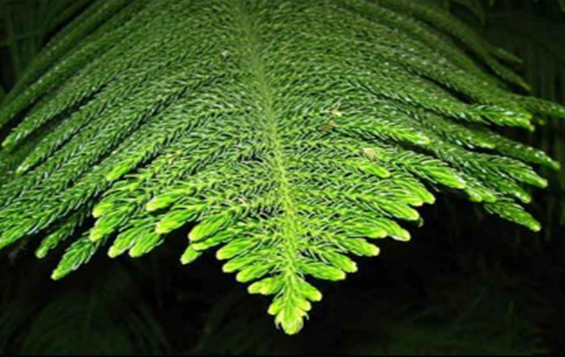
Fig1. Leaf of ARAUCARIA HETEROPHYLLA
The phytochemical composition of Araucaria heterophylla has been studied extensively. The tree leaves have been found to contain terpenoids such as α-pinene, β-pinene, and limonene Lee, sung min & ji hoo kim. (2017). Flavonoids such as quercetin and kaempferol have also been identified in the leaves Kim & Ji Hoon (2019). Phenolic acids, including ferulic acid and sinapic acid, have been reported in the tree's leaves and bark Patel & suresh N (2020). Alkaloids, such as araucarine and heterophylline, have also been isolated from the tree Wang & Hong Li (2019). The phytochemicals present in Araucaria heterophylla have been reported to possess various biological activities. The terpenoids have been shown to have antimicrobial and antioxidant properties Zhang Yu & Wei Chen (2020). The flavonoids have been found to have anti-inflammatory and anticancer activities Lee et al., (2018). The phenolic acids have been reported to have antioxidant and antimicrobial properties Patel & Yogesh Kumar (2019). The alkaloids have been shown to have antimicrobial and antifungal activities Wang et al., (2020).
Despite its traditional use in folk medicine and potential economic importance, the phytochemical composition and bioactive properties of araucaria heterophylla (Norfolk Island pine) remain understudied, hindering its optimal utilization for pharmaceutical, cosmetic, and nutritional application. Growing demand for natural product with anti-oxidant, anti-inflammatory and anti-microbial activities Sasidharan, Sundran, Latha, (2011). The need for sustainable utilization and conservation of Araucaria heterophylla Farjon, (2010).
The aim is to carryout phytochemical analysis on Araucaria heterophylla, to identify and quantify bioactive compounds which are Alkaloids, Terpenoids, Phenolic acids. Determination of phytochemical composition and fingerprinting, evaluation of potential medicinal applications. The scope of this study encompasses the extraction, identification, and quantification of bioactive compounds from the leaves of Araucaria heterophylla using various solvents and chromatographic techniques, as well as the evaluation of their antimicrobial and antioxidant activities using in vitro assays Lee, et al., (2017). This study is limited by the small sample size of Araucaria heterophylla leaves, which may not be representative of the entire population, and the limited selection of solvents and chromatographic techniques used for extraction and identification, which may not be able to extract and identify all the bioactive compounds present in the leaves. Additionally, the study is limited to in vitro assays, which may not accurately predict the in vivo activity of the extracted compounds zhang (2020), and does not include information on the toxicology, pharmacology, stability, and bioavailability of the extracted compounds, which is essential for their potential medicinal applications Kim, Ji Hoon, & Sung Min Lee (2019).
Araucaria heterophylla, commonly known as the Norfolk Island pine has been widely cultivated for its ornamental value and has also been used in traditional medicine for various purposes. In recent years, there has been a growing interest in the phytochemical analysis of Araucaria heterophylla, with several studies investigating the presence of bioactive compounds in the tree's leaves, bark, and seeds.
Some classes of these bioactive compounds include; Terpenoids are a class of bioactive compounds that are commonly found in coniferous trees. Lee et al. (2017) investigated the terpenoids present in the leaves of Araucaria heterophylla and identified α-pinene, β-pinene, and limonene as the major compounds. These compounds have been shown to have antimicrobial and antioxidant activities Zhang et al., (2020).
Flavonoids are a class of bioactive compounds that are known for their antioxidant and anti-inflammatory activities. Kim et al. (2019) identified flavonoids, including quercetin and kaempferol, in the leaves of Araucaria heterophylla and evaluated their antioxidant activity. The results showed that the flavonoids present in the leaves of Araucaria heterophylla have potent antioxidant activity.
Phenolic acids are a class of bioactive compounds that are known for their antioxidant and antimicrobial activities. Patel, et.al (2020) identified phenolic acids, including ferulic acid and sinapic acid, in the leaves and bark of Araucaria heterophylla and evaluated their antioxidant activity. The results showed that the phenolic acids present in the leaves and bark of Araucaria heterophylla have potent antioxidant activity
Alkaloids are a class of bioactive compounds that are known for their antimicrobial and antifungal activities. Wang et al. (2020) isolated and characterized alkaloids from the leaves of Araucaria heterophylla and found that they exhibited antimicrobial and antifungal activities. The alkaloids present in the leaves of Araucaria heterophylla have been shown to have potential as natural antimicrobial agents.
The terpenoids and alkaloids present in Araucaria heterophylla have been shown to have antimicrobial activity against various microorganisms, making them potential natural agents for the treatment of infections Li, Ming, Jian Li & Yi Wang (2020); Singh, (2019).
Antioxidant agents: The flavonoids and phenolic acids present in Araucaria heterophylla have been shown to have antioxidant activity, making them potential natural agents for the prevention and treatment of oxidative stress-related diseases (Rao, Vikram, Prashant & Sureshss 2018; Kumar, Prinyanka, Rakesh & Manoj, 2020).
Anti-inflammatory agents: The flavonoids and terpenoids present in Araucaria heterophylla have been shown to have anti-inflammatory activity, making them potential natural agents for the treatment of inflammatory diseases Sharma et al., (2019); Chen et al., (2020)
Skin care products: The antioxidant and anti-inflammatory activities of the bioactive compounds present in Araucaria heterophylla make them potential ingredients for skin care products Kumar et al., (2020; Li et al., (2020). Hair care products: The antimicrobial and antioxidant activities of the bioactive compounds present in Araucaria heterophylla make them potential ingredients for hair care products Singh et al., (2019); Rao et al., (2018).
The bioactive compounds present in Araucaria heterophylla have been shown to have potential for bioremediation of pollutants Li et al., (2020); Singh et al., (2019). Insecticides: The bioactive compounds present in Araucaria heterophylla have been shown to have insecticidal activity, making them potential natural agents for pest control Chen et al., (2020); Sharma et al., (2019). Several studies have investigated the phytochemical analysis of Araucaria heterophylla, including: Terpenoids from Araucaria heterophylla: Lee et al. (2017) investigated the terpenoids present in the leaves of Araucaria heterophylla and identified α-pinene, β-pinene, and limonene as the major compounds. Flavonoids from Araucaria heterophylla: Kim et al. (2019) identified flavonoids, including quercetin and kaempferol, in the leaves of Araucaria heterophylla and evaluated their antioxidant activity. Phenolic acids from Araucaria heterophylla: Patel et al. (2020) identified phenolic acids, including ferulic acid and sinapic acid, in the leaves and bark of Araucaria heterophylla and evaluated their antioxidant activity. Alkaloids from Araucaria heterophylla: Wang et al. (2020) isolated and characterized alkaloids from the leaves of Araucaria heterophylla and found that they exhibited antimicrobial and antifungal activities. Antimicrobial and antioxidant activities of Araucaria heterophylla: Zhang et al. (2020) evaluated the antimicrobial and antioxidant activities of terpenoids from Araucaria heterophylla and found that they exhibited potent activities.
2.0 MATERIAL AND METHOD
2.1 MATERIALS
Materials used for the phytochemical analysis of Christmas tree leaf (Araucaria heterophylla) includes: Christmas tree leaf (sample), Hand grinder, Distilled water, Ethanol, Conical flask, Beaker, Test tube, Centrifuge, Cotton wool, Water bath, Spectrophotometer, Analytical balance, and pH- Meter.
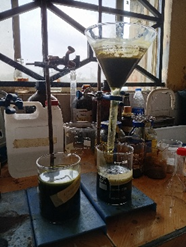
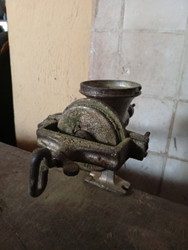
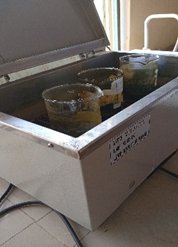
Fig 2.1 (MATERIALS)
2.2 METHODS
SAMPLE PREPARATION
Christmas tree leaf (Araucaria heterophylla) were harvested and washed in clean water to remove dirt. After washing, they were air dried at room temperature and grounded using a hand grinder. It is then weighed in a weighing balance to give a mass of 250 g. the grounded plant is placed in a dark bottle and soaked in 1200 mL of ethanol solvent for 24 to 72 hours with occasional shaking. This process is known as maceration. After 72 hours of soaking, the soaked plant is filtered using a ball of cotton wool in a funnel. The filtered solvent extract was left to dry in a water bath (500C). the extracted sample was then scraped out into a bottle and placed in a GC/MS machine for analysis, where all phytochemicals and chemical compounds are identified.
3.0 RESULTS AND DISCUSSION
3.1 Results
The results obtained are displayed on the Figure 4.1 & table 4.1 below;
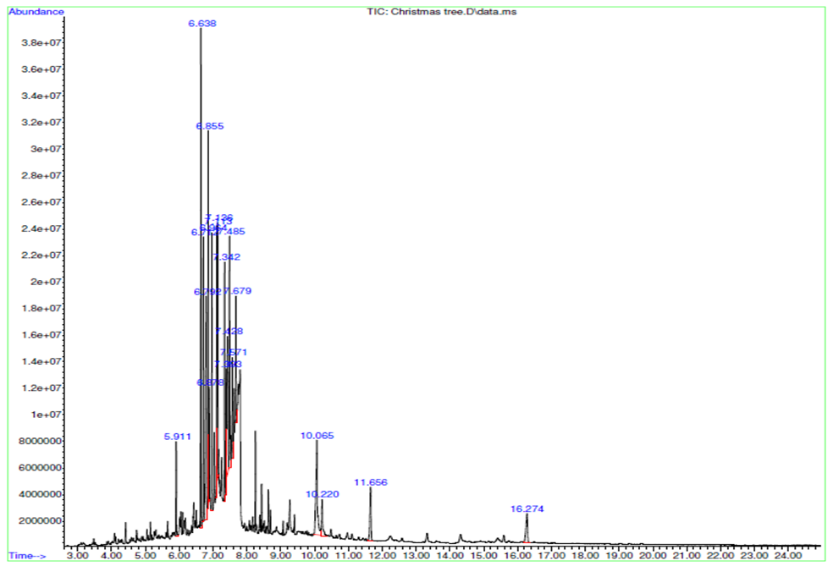

Table 3.1. Quantification of compounds identified in the Christmas Tree Leaf by Phytochemical analysis.
|
RT (mins) |
Compounds |
Molecular Formula |
Molecular weight (gmol-1) |
% |
Bio-molecule Nature |
|
5.911 |
Neophytadiene |
C20H38 |
278 |
2.12 |
Terpenoid (diterpenoid) |
|
6.638 |
2,2,4-Trimethyl-3-(3,8,12,16-tetramethyl-heptadeca-3,7,11,15-tetraenyl)-cyclohexanol |
C30H52O |
428 |
11.76 |
Alcohol |
|
6.712 |
Hexadecanoic acid |
C18H36O2 |
284 |
6.26 |
Fatty acid (saturated) |
|
6.792 |
n-Hexadecanoic acid |
C16H32O2 |
256 |
10.14 |
Fatty acid (saturated) |
|
6.855 |
4,4-Diallyl-cyclohexanone |
C12H18O |
178 |
9.02 |
Phenolic-aliphatic ketone |
|
6.878 |
Phenanthrene |
C20H32 |
272 |
1.98 |
Polycyclic Aromatic Hydrocarbon (PAH) |
|
6.964 |
17-Norkaur-15-ene |
C20H32 |
272 |
5.80 |
Terpenoid |
|
7.113 |
Naphthalene |
C20H32 |
272 |
7.04 |
Terpenoid |
|
7.136 |
Phytol |
C20H40O |
296 |
5.62 |
Terpenoid |
|
7.342 |
Octadecanoic acid |
C20H40O2 |
312 |
4.31 |
Saturated Fatty acid |
|
7.393 |
Linoleic acid ethyl ester |
C20H36O2 |
308 |
2.87 |
Unsaturated Fatty acid |
|
7.428 |
9-Octadecenoic acid |
C18H34O2 |
282 |
6.23 |
oleic acid |
|
7.485 |
Linoelaidic acid |
C18H32O2 |
280 |
6.82 |
Fatty acid |
|
7.571 |
9,12,15-Octadecatrienoic acid |
C18H30O2 |
278 |
2.91 |
Fatty acid |
|
7.679 |
Butane(dithioic) acid |
C6H12S2 |
148 |
2.61 |
Organo-sulphur compound |
|
10.065 |
Cyclohexanone |
C10H16O |
152 |
7.02 |
Ketone |
|
10.220 |
1-Heptadecene Dodecane |
C17H34 |
238 |
2.14 |
Hydrocarbon (Phenolic antioxidant) |
|
11.656 |
Vitamin E |
C29H50O2 |
430 |
2.91 |
Tocopherol |
RT means Retention Time
3.1. Discussion
3.1.0 TERPENOIDS
3.1.1 Neophytadiene
Neophytadiene, with a retention time (RT) of 5.911 minutes, has the molecular formula C20H38 and a molecular weight of 278 g/mol and 2.12% area Neophytadiene is a phytochemical diterpenoid known for a wide range of bioactivities. Studies have shown that it possesses anti-inflammatory, antimicrobial, and antioxidant properties. As a volatile compound, it contributes to the plant's aromatic profile and plays a role in plant defence mechanisms against pathogens. In pharmacology, neophytadiene has been investigated for its potential in anticancer and anti-arthritic applications. It is also relevant in herbal medicine formulations, especially in traditional systems where diterpenes are valued for their therapeutic potential.
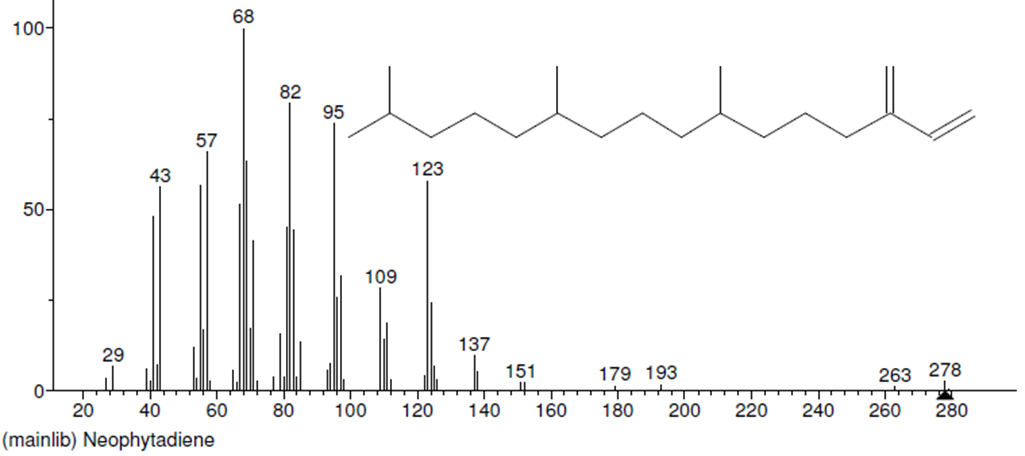
Fig 3.1.1: Neophytadiene
3.1.2 17-Norkaur-15-ene
This compound, identified at 6.964 minutes RT, has the molecular formula C20H32 and a molecular weight of 272 g/mol and 5.80% area This diterpenoid hydrocarbon is part of the kaurene family, involved in the biosynthesis of gibberellins in plants. In addition to its role in plant growth regulation, such compounds have been reported to have antimicrobial, anti-inflammatory, and insecticidal properties. Its presence indicates the biosynthetic potential of the plant for bioactive secondary metabolites.
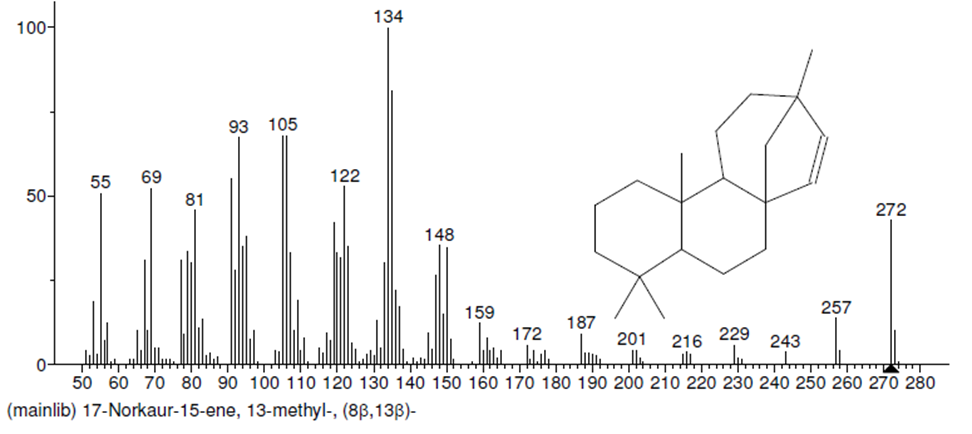
Fig 3.1.2: 17-Norkaur-15-ene
3.1.3 Naphthalene
Appearing at 7.113 minutes RT, this compound has the same molecular formula as the previous (C20H32) and molecular weight of 272 g/mol and 7.04% area. Though structurally naphthalene is C10H8, this compound has decahydro-1,1,4a-trimethyl-6-methylene-5-(3-methylene-4-pentenyl) terpenoid derivative. Naphthalene derivatives in plants act as insect repellents and antifungal agents. They are also studied for their possible anti-inflammatory and analgesic properties. However, pure naphthalene is toxic and carcinogenic, so its presence may require careful contextual interpretation.
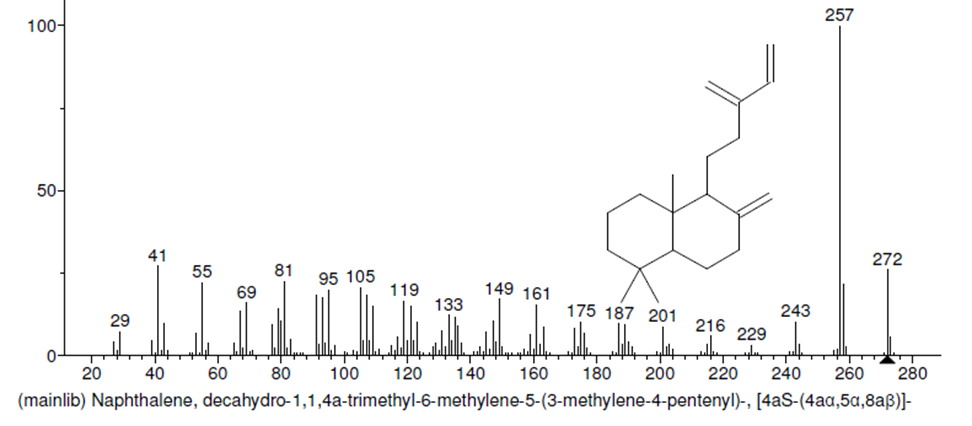
Fig. 4.1.3: Naphthalene
3.1.4 Phytol
Phytol was identified at 7.136 minutes RT, with the molecular formula C20H40O and a molecular weight of 296 g/mol and 5.62 area. Phytol is a diterpene alcohol derived from chlorophyll degradation. It exhibits strong antioxidant, antimicrobial, and anti-inflammatory activities. Additionally, phytol is a known precursor for the synthesis of vitamins E and K1. It is used in the cosmetic industry for its skin-protective functions and in pharmacology for its antischistosomal and anticancer effects.
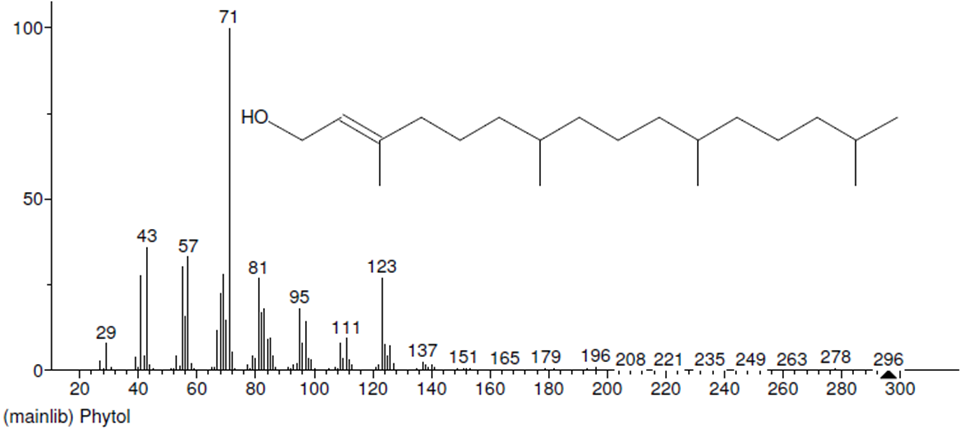
Fig 3.1.4: Phytol
3.2 FATTY ACIDS
3.2.1 Hexadecanoic Acid (Palmitic Acid)
With a retention time of 6.712 minutes, molecular formula C18H36O2, and molecular weight 284 g/mol and 6.26% area, hexadecanoic acid is a saturated fatty acid. Also known as palmitic acid, this saturated fatty acid is one of the most common lipids found in nature. Although often considered less beneficial due to its role in promoting LDL cholesterol in excess, it is also a crucial structural component of cell membranes and acts as a signalling molecule. In plants, palmitic acid contributes to cuticle formation and barrier defence. Pharmacologically, it has mild antibacterial and anti-inflammatory effects and is used in emulsifiers and surfactants.
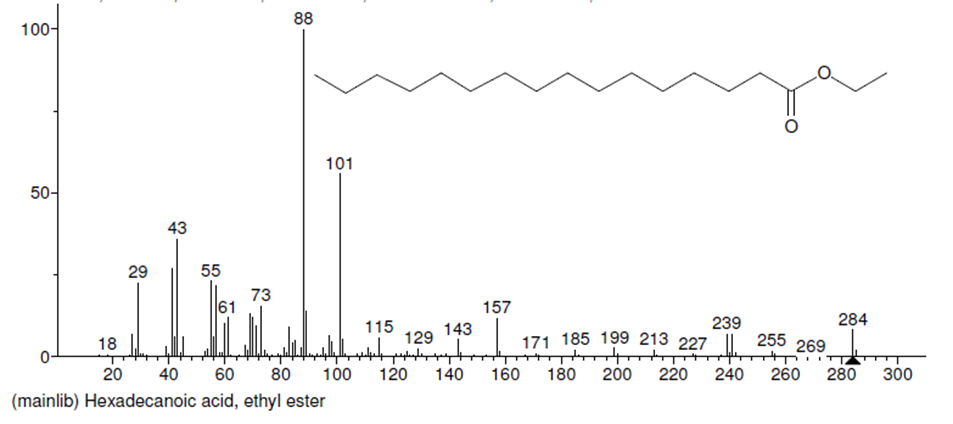
Fig 3.2.1: Hexadecanoic Acid
3.2.2 n-Hexadecanoic Acid
This compound, detected at 6.792 minutes RT, with the molecular formula C16H32O2 and molecular weight 256 g/mol and 10.14% area, is another form of palmitic acid. Like its isomer, it has antibacterial and antifungal properties and serves as a signalling molecule in plant defence. It is also widely used in cosmetic formulations for its emollient properties and ability to stabilize emulsions.
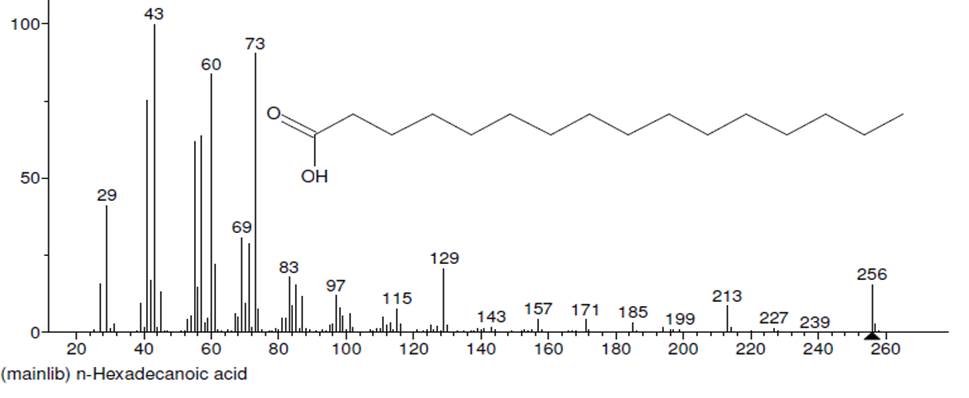
Fig 3.2.2: n-Hexadecanoic Acid
3.2.3 Octadecanoic Acid
Recorded at 7.342 minutes RT, with the molecular formula C20H40O2 and molecular weight 312 g/mol and 4.31% area. Octadecanoic acid plays a significant role in lipid metabolism and cell membrane integrity. In phytomedicine, it is recognized for its mild anti-inflammatory and moisturizing effects.
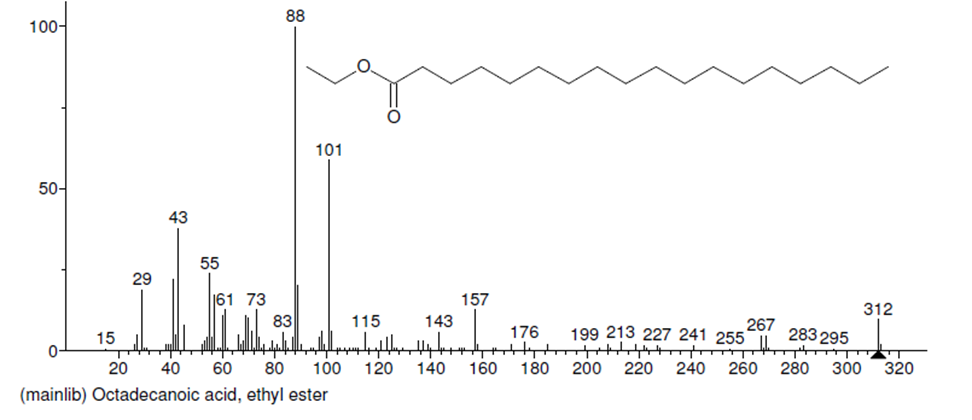
Fig 3.2.3: Octadecanoic Acid
3.2.4 Linoleic Acid, Ethyl Ester
This unsaturated fatty acid ester appeared at 7.393 minutes RT, with the formula C20H36O2 and a molecular weight of 308 g/mol and 2.87% area. The ethyl ester of linoleic acid enhances lipid solubility and shelf stability. Linoleic acid itself is an essential omega-6 fatty acid involved in maintaining skin health and inflammatory regulation. It has anti-inflammatory and anticancer properties and is a key component of various herbal oils used in dermatology and nutrition.
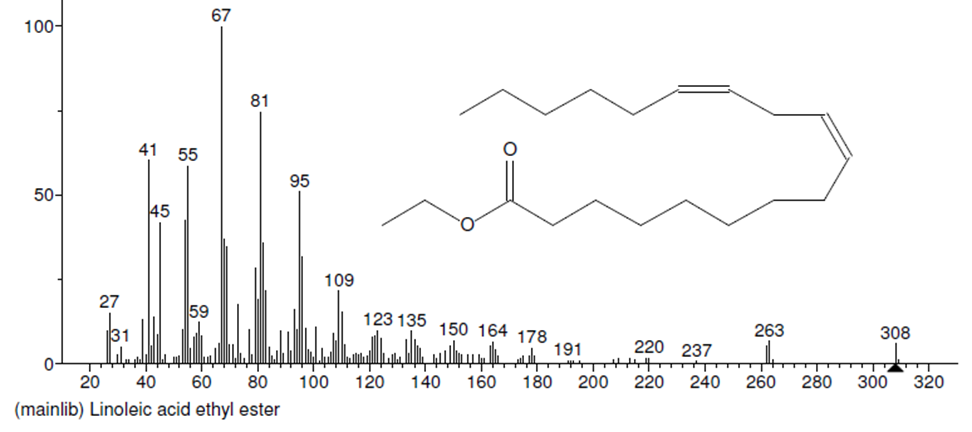
Fig 3.2.4: Linoleic Acid, Ethyl Ester
3.2.5 9-Octadecenoic Acid (Oleic Acid)
Detected at 7.428 minutes RT, with C18H34O2 as the molecular formula and a molecular weight of 282 g/mol and 6.23% area, oleic acid is a monounsaturated omega-9 fatty acid. Oleic acid is a monounsaturated fatty acid known for its cardiovascular protective effects, ability to modulate inflammatory responses, and support for cell membrane fluidity. It is a major component of olive oil and is frequently found in medicinal plants. It also enhances the skin absorption of other bioactive compounds.
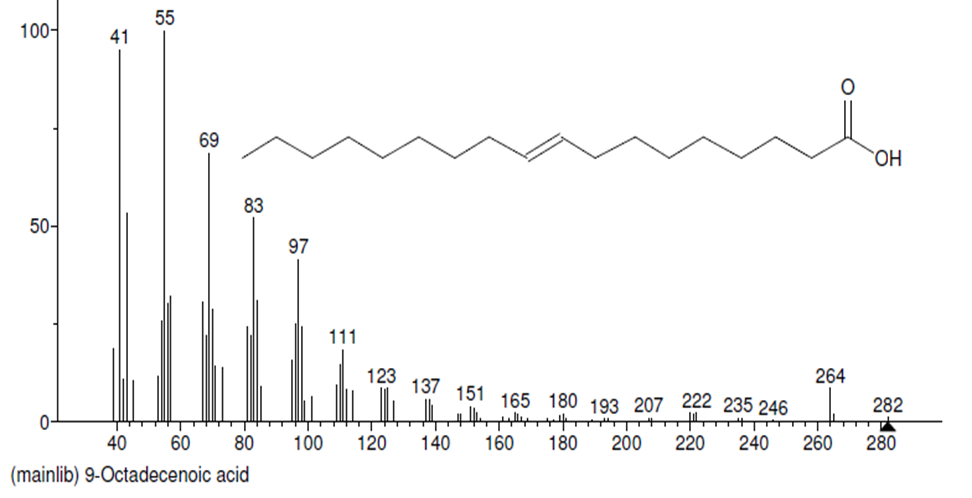
Fig 3.2.5: 9-Octadecenoic Acid
3.2.6 Linoelaidic Acid
With a retention time of 7.485 minutes, molecular formula C18H32O2, and molecular weight 280 g/mol and 6.82% area, linoelaidic acid is a trans-isomer of linoleic acid. This is the trans isomer of linoleic acid and, although less common in nature, it retains unsaturation properties. It is studied for its potential to alter membrane properties and oxidative stability. Its bioactivity may differ from its cis counterpart, with reduced anti-inflammatory action but increased thermal stability.
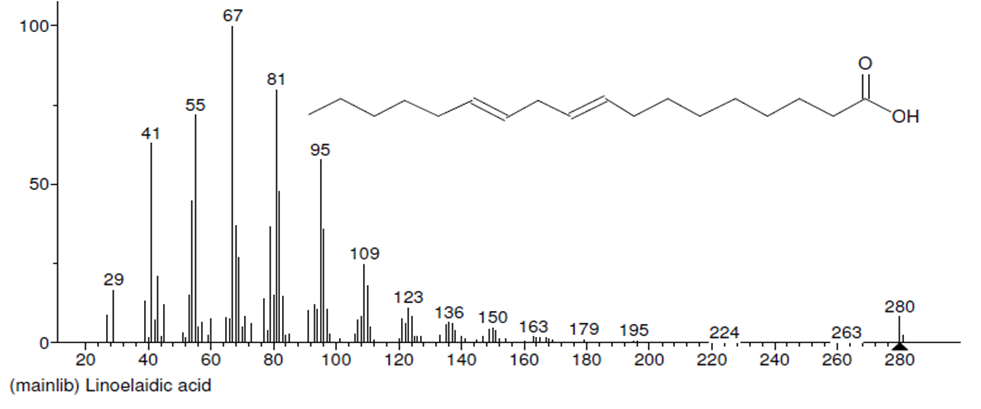
Fig 3.2.6: Linoelaidic Acid
3.2.7 9,12,15-Octadecatrienoic Acid (Alpha-Linolenic Acid)
Found at 7.571 minutes RT, with the formula C18H30O2 and molecular weight 278 g/mol with 2.91% area, alpha-linolenic acid is an essential omega-3 fatty acid. This is a polyunsaturated omega-3 fatty acid known for its neuroprotective, cardioprotective, and anti-inflammatory effects. It is essential in human diets and contributes to the synthesis of EPA and DHA, further emphasizing its relevance in functional foods and nutraceuticals.
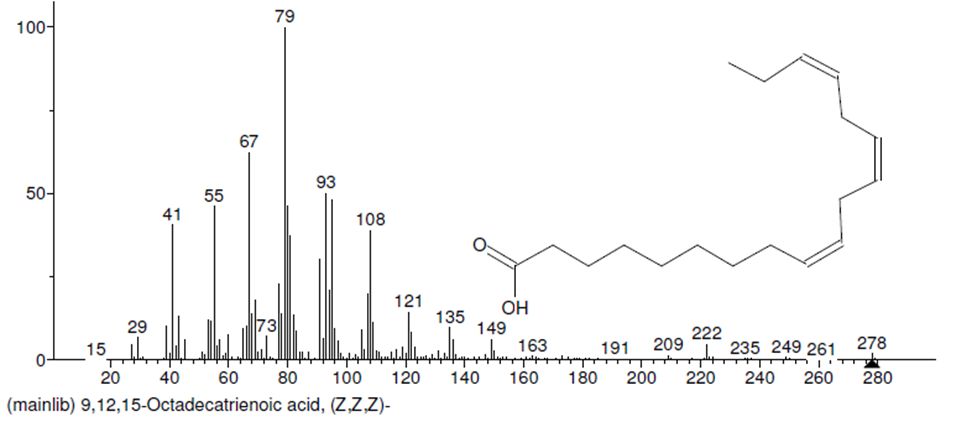
Fig 3.2.7: 9,12,15-Octadecatrienoic Acid
3.3 Alcohols
3.3.1 2,2,4-Trimethyl-3-(3,8,12,16-tetramethyl-heptadeca-3,7,11,15-tetraenyl)-cyclohexanol
This complex alcohol appeared at 6.638 minutes RT, with the molecular formula C30H52O and molecular weight 428 g/mol with 11.76% area. This compound represents a highly unsaturated alcohol with a terpene-based skeleton, possibly derived from phytol or other large-chain isoprenoids. It likely possesses antioxidant properties due to the presence of hydroxyl groups and conjugated systems. The long hydrocarbon chain structure suggests membrane interaction capabilities and lipid-soluble antioxidant function, potentially contributing to free radical scavenging. Such compounds may also have cytoprotective and anti-aging effects in cosmetic and nutraceutical applications.
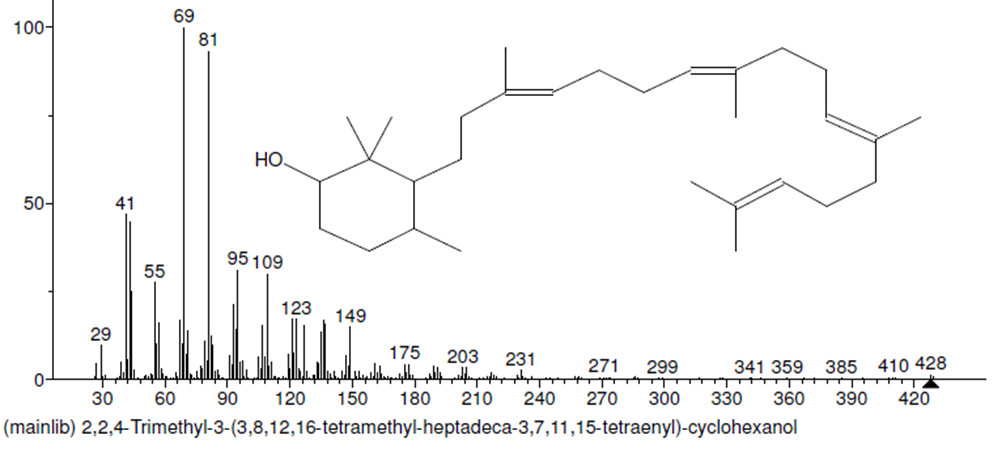
Fig 3.3: 2,2,4-Trimethyl-3-(3,8,12,16-tetramethyl-heptadeca-3,7,11,15-tetraenyl)-cyclohexanol
3.4 Phenolic-Aliphatic Ketones
3.4.1 4,4-Diallyl-cyclohexanone
With a retention time of 6.855 minutes, molecular formula C12H18O, and molecular weight 178 g/mol with 9.02% area, this compound is an aliphatic ketone with phenolic features. This compound contains a ketone group conjugated with aliphatic and allylic substituents, making it reactive and capable of interacting with cellular nucleophiles. Such structural features suggest antibacterial and antifungal properties, and the compound could act as a flavour precursor or fragrance compound in aromatic plants. It might also exhibit antitumor properties due to its electrophilic ketone group that can induce apoptosis in certain cell lines.
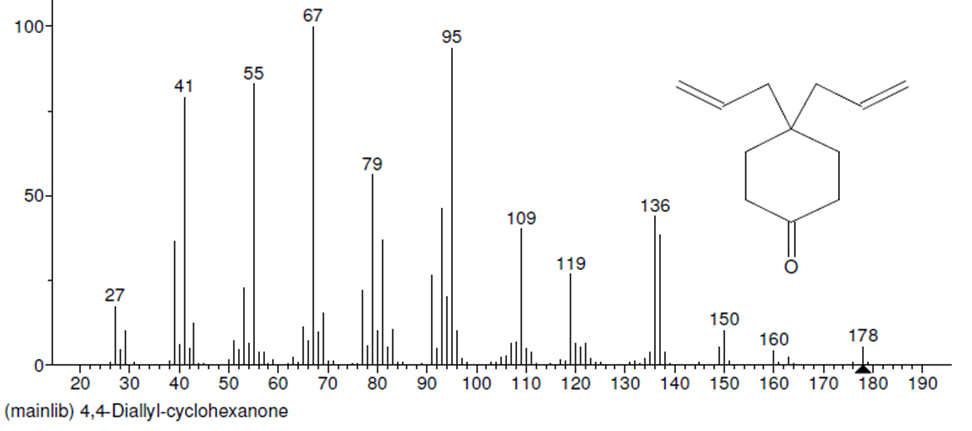
Fig 3.4: 4,4-Diallyl-cyclohexanone
3.5 Polycyclic Aromatic Hydrocarbons (PAHs)
3.5.1 Phenanthrene
Phenanthrene, detected at 6.878 minutes RT, with C20H32 as the formula and 272 g/mol molecular weight with 1.98% area, is a tricyclic aromatic hydrocarbon. While phenanthrene is typically associated with combustion-derived pollutants, it also occurs naturally in some plants, particularly in the form of phenanthrene alkaloids or derivatives. These compounds are known for antimicrobial, antileishmanial, and cytotoxic properties. Natural phenanthrenes play roles in allelopathy and plant-pathogen interactions. In pharmaceutical research, they serve as structural motifs for anticancer agents.
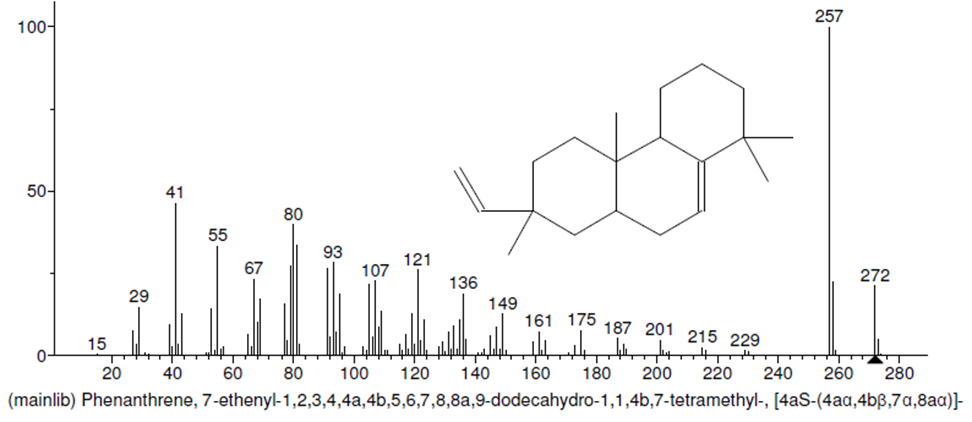
Fig 3.5.1: Phenanthrene
3.6 Organo-Sulphur Compounds
3.6.1 Butane(dithioic) Acid
Appearing at 7.679 minutes RT, with molecular formula C6H12S2 and molecular weight 148 g/mol with 2.61% area, this sulphur-containing compound mimics those found in Allium species. Organo-sulphur compounds are notable for their antimicrobial, antithrombotic, and anticancer activities. Found in garlic and onion, they modulate detoxifying enzymes and oxidative stress. This compound may serve a similar protective function in the plant, acting as a natural pesticide or antioxidant.
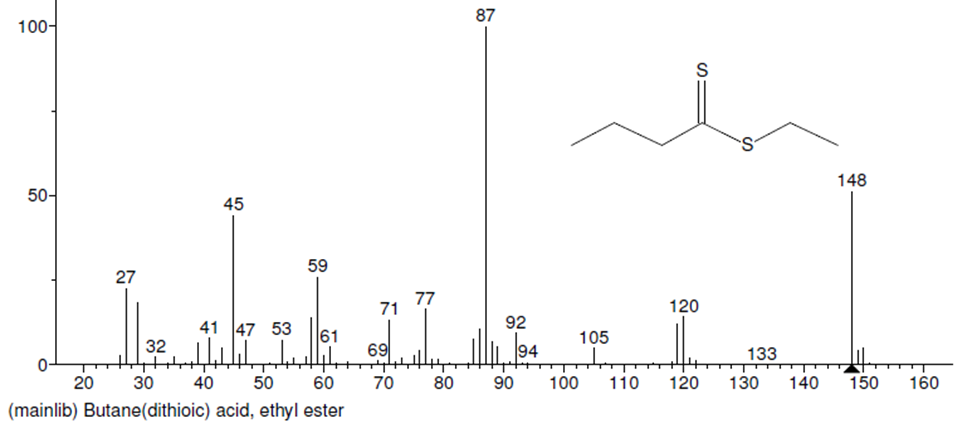
3.6.1: Butane(dithioic) Acid
3.7 Ketones
3.7.1 Cyclohexanone
Cyclohexanone, identified at 10.065 minutes RT, has the formula C10H16O and a molecular weight of 152 g/mol with 7.02% area. It is a simple aliphatic ketone known for its solvent properties. Cyclohexanone is a ketone with potential antibacterial and antifungal activity. While it is industrially significant as a precursor to nylon, in plant extracts it may occur as a degradation product or metabolic intermediate. Its biological activity includes interaction with lipid membranes, possibly disrupting microbial integrity.
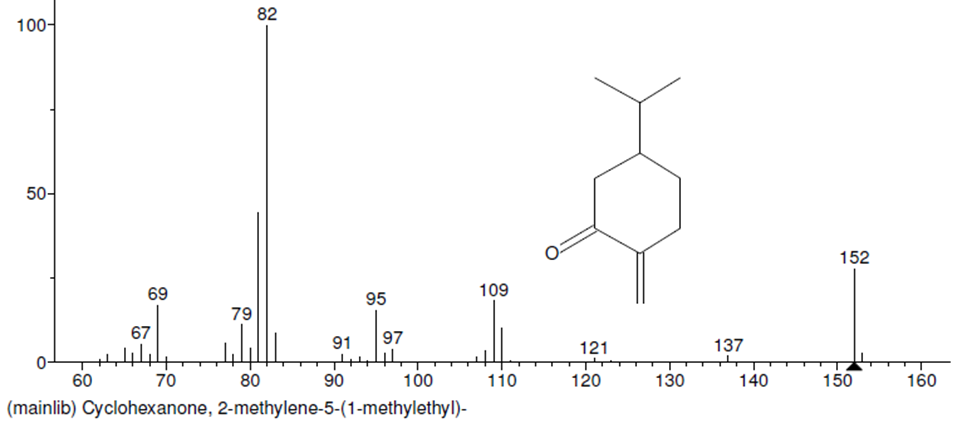
Fig 3.7.1: Cyclohexanone
3.8 Hydrocarbons
3.8.1 1-Heptadecene Dodecane
This compound was detected at 11.656 minutes RT, with the formula C17H34 and a molecular weight of 238 g/mol with 2.91% area. This long-chain hydrocarbon may have antioxidant properties, particularly when structurally related to phenolic compounds. It contributes to hydrophobic protective layers in plants and may have utility in maintaining membrane stability and preventing oxidative degradation in formulations.
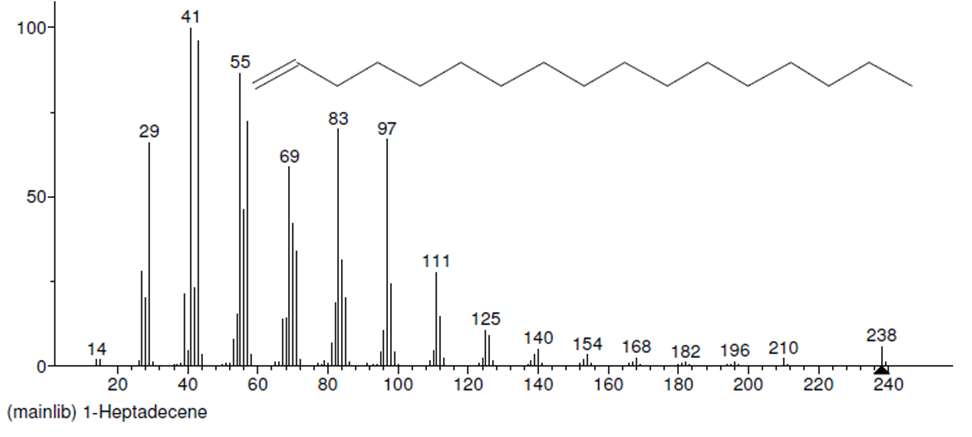
Fig 3.8.1: 1-Heptadecene
3.9 Tocopherols
3.9.1 Vitamin E (α-Tocopherol)
Found at 16.274 minutes RT, with the molecular formula C29H50O2 and molecular weight 430 g/mol, vitamin E is a well-known lipophilic antioxidant. Vitamin E is a well-established lipid-soluble antioxidant that protects biological membranes from oxidative damage. It plays roles in immune enhancement, anti-inflammatory response, and skin repair. Its presence highlights the Christmas tree leaf's nutraceutical potential and positions it as a source of dietary antioxidants with cosmetic and therapeutic relevance.
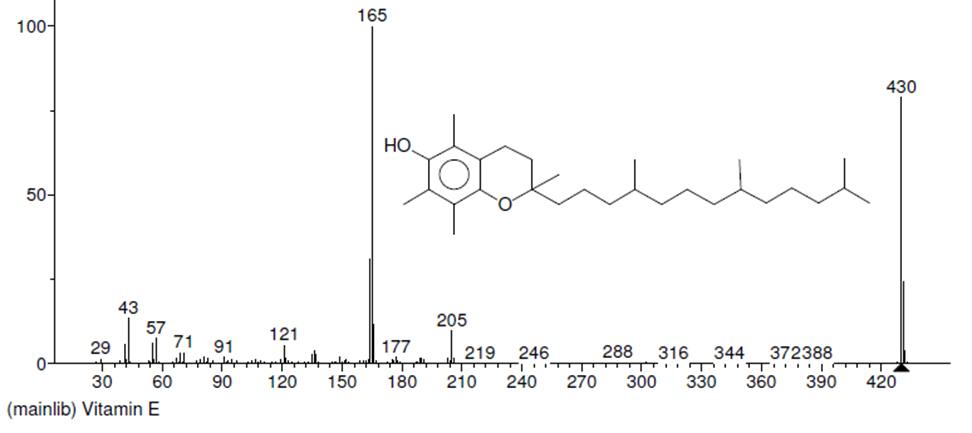
Fig 3.9.1: Vitamin E
CONCLUSION
The phytochemical analysis of Araucaria heterophylla (commonly known as Christmas Tree Leaf) using Gas Chromatography-Mass Spectrometry (GC-MS) revealed a rich and diverse profile of bioactive compounds, underscoring the plant’s significant pharmacological and ecological potential. The identified compounds were systematically grouped based on their biomolecular nature, including terpenoids, fatty acids, alcohols, ketones, polycyclic aromatic hydrocarbons (PAHs), organo-sulphur compounds, hydrocarbons, and tocopherols. Each group contributes distinctively to the overall bioactivity of the plant. The terpenoids, such as neophytadiene, phytol, and 17-norkaur-15-ene, are prominent for their antimicrobial, anti-inflammatory, and antioxidant properties, with potential applications in drug development and natural therapy. Fatty acids—including both saturated and unsaturated forms like palmitic acid, oleic acid, and linolenic acid—exhibit lipid-regulating, anti-inflammatory, and cardioprotective effects, while also playing crucial roles in membrane integrity and metabolic regulation within the plant. The detection of vitamin E (α-tocopherol), a potent lipophilic antioxidant, highlights the plant’s strong free radical scavenging potential, making it valuable in both nutraceutical and dermatological formulations. Other compounds such as organo-sulphur derivatives and ketones further enrich the therapeutic profile of A. heterophylla, offering antimicrobial, cytotoxic, and antioxidant functions. Collectively, the phytoconstituents not only confirm the medicinal relevance of A. heterophylla, but also suggest its promising use in herbal pharmaceutical preparations, food preservation, and cosmetic applications.
RECOMMENDATIONS
Expand the phytochemical comparison to include other coniferous and evergreen species to understand the uniqueness and potential conservation value of the Christmas Tree species.
REFERENCES


Orodu Victor Enearepuadoh, Ucho Oghenerukevwe, Phytochemical Analysis on Christmas Tree Leaf (Araucaria heterophylla), Int. J. of Pharm. Sci., 2025, Vol 3, Issue 11, 121-136. https://doi.org/10.5281/zenodo.17501556
 10.5281/zenodo.17501556
