
Rungta Institute of Pharmaceutical Sciences & Research
Cough is one of the most prevalent symptoms associated with respiratory disorders, ranging from mild infections to chronic pulmonary diseases. Although conventional antitussive agents such as opioids and non-opioids are widely used, their clinical utility is often limited by adverse effects, including sedation, dependency, and reduced patient compliance. This has led to an increasing interest in herbal-based alternatives that offer efficacy with improved safety profiles.Solanum virginianum, a medicinal plant widely used in traditional systems of medicine, has demonstrated significant therapeutic potential due to its diverse phytochemical composition, including alkaloids, flavonoids, and saponins. These bioactive compounds contribute to its reported antitussive, anti-inflammatory, and antimicrobial properties, making it a promising candidate for managing respiratory conditions.Vitamin C, a potent antioxidant, plays a crucial role in enhancing immune response and reducing oxidative stress associated with respiratory infections. Its inclusion in therapeutic formulations may improve overall efficacy by supporting immune function and reducing the severity of symptoms.Lozenges represent an effective drug delivery system for cough management due to their ability to provide prolonged local action in the throat, improved patient compliance, and ease of administration. The combination of Solanum virginianum extract with Vitamin C in a lozenge formulation (Vitacough) offers a novel approach that integrates herbal and nutritional therapy.This review aims to evaluate the phytopharmacological properties of Solanum virginianum, assess the role of Vitamin C in respiratory health, and explore the potential of developing Vitacough lozenges as a safe and effective alternative for cough management.
Cough is a protective reflex mechanism essential for clearing the respiratory tract of irritants, mucus, and pathogens. While it serves a physiological function, persistent coughing can become pathological, significantly affecting quality of life. It may lead to complications such as throat irritation, chest pain, sleep disturbances, and fatigue. The increasing prevalence of respiratory disorders, coupled with environmental pollution and lifestyle factors, has made cough a major clinical concern. Conventional pharmacotherapy primarily involves antitussive agents such as codeine, dextromethorphan, and antihistamines. However, these drugs are associated with several limitations, including side effects, potential for abuse, and contraindications in certain populations. As a result, there is a growing demand for safer and more effective alternatives. Herbal medicine has emerged as a promising approach in this context due to its long history of use, lower incidence of adverse effects, and holistic therapeutic potential. Among various medicinal plants, Solanum virginianum has gained attention for its effectiveness in treating respiratory disorders. The incorporation of Vitamin C further enhances the therapeutic potential by providing antioxidant and immune-supporting benefits. Lozenges, as a dosage form, offer targeted delivery and prolonged action, making them particularly suitable for cough management. This review focuses on evaluating the potential of combining Solanum virginianum and Vitamin C in a lozenge formulation (Vitacough) for effective cough management.
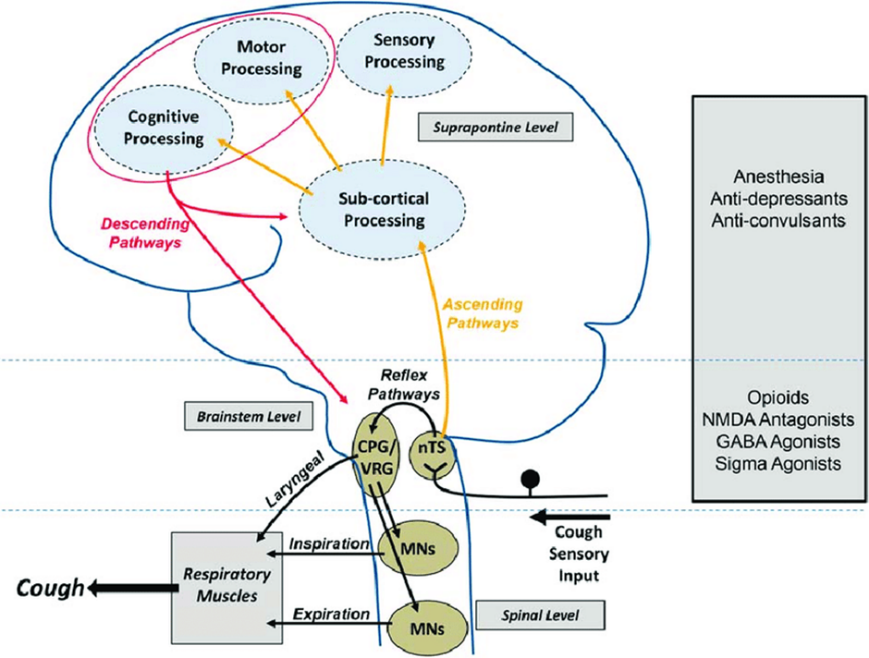
Key Points of Introduction
1.1 Overview of Cough and Its Types
Cough is classified based on duration and underlying cause. Acute cough lasts less than three weeks and is commonly associated with viral infections. Subacute cough persists for three to eight weeks, while chronic cough extends beyond eight weeks and may indicate underlying conditions such as asthma, chronic bronchitis, or gastroesophageal reflux disease.
Cough can also be categorized as productive (with mucus) or non-productive (dry cough). Productive cough helps in clearing secretions, whereas dry cough is often irritating and unproductive. The pathophysiology involves stimulation of cough receptors in the respiratory tract, which transmit signals to the cough center in the brainstem.
1.2 Limitations of Current Antitussive Therapies
Despite their widespread use, conventional antitussive drugs have several drawbacks. Opioid-based drugs like codeine can cause sedation, respiratory depression, and dependency. Non-opioid agents such as dextromethorphan may lead to dizziness and gastrointestinal disturbances.
Additionally, many synthetic drugs provide only symptomatic relief without addressing the underlying cause. Their long-term use is often discouraged due to safety concerns. These limitations highlight the need for alternative therapies that are both effective and safe.
1.3 Role of Herbal Medicine in Respiratory Disorders
Herbal medicine has been used for centuries in the treatment of respiratory ailments. Medicinal plants contain a variety of bioactive compounds that exhibit multiple pharmacological effects, including anti-inflammatory, antimicrobial, and antioxidant activities.Unlike synthetic drugs, herbal remedies often act on multiple targets, providing more holistic approach to treatment. They are generally considered safer, with fewer side effects, making them suitable for long-term use.
1.4 Introduction to Solanum virginianum
Solanum virginianum, commonly known as Kantakari, belongs to the family Solanaceae. It is widely distributed in tropical and subtropical regions and is an important component of traditional medicinal systems.
The plant is known for its therapeutic properties, particularly in the treatment of respiratory disorders. Various parts of the plant, including fruits, roots, and leaves, are used for medicinal purposes. Its bioactive constituents contribute to its pharmacological activities, making it a valuable candidate for drug development.

1.5 Rationale for Developing Vitacough Lozenges
The development of Vitacough lozenges is based on the need for a safe, effective, and patient-friendly treatment for cough. The combination of Solanum virginianum and Vitamin C offers synergistic benefits, targeting both symptoms and underlying causes.
Lozenges provide prolonged contact with the throat, enhancing local therapeutic effects. This formulation approach improves patient compliance and ensures sustained release of active ingredients.
2. AIM AND OBJECTIVES
2.1 Aim
The primary aim of this study is to evaluate the phytopharmacological properties of Solanum virginianum and to develop an effective herbal antitussive lozenge formulation enriched with Vitamin C (VitaCough) for the management of cough and enhancement of respiratory health.
2.2 Objectives
3. Literature Review
3.1 Traditional Uses of Solanum virginianum
Solanum virginianum (Kantakari) has been extensively used in traditional medicinal systems, particularly Ayurveda, for the management of respiratory disorders. It is a key component of classical formulations such as Dashamoola and is commonly prescribed for conditions including cough (Kasa), asthma (Shwasa), bronchitis, and throat infections.
Different parts of the plant—roots, fruits, and leaves—are utilized for therapeutic purposes. The fruits are especially valued for their expectorant and bronchodilatory properties, aiding in the clearance of mucus from the respiratory tract. The roots are traditionally used for their anti-inflammatory and analgesic effects.
Beyond respiratory conditions, the plant has also been used in the treatment of fever, digestive disorders, and skin diseases. The widespread and long-standing use of Solanum virginianum in traditional medicine suggests its therapeutic relevance; however, traditional claims alone are not sufficient without scientific validation, which remains partially limited.
3.2 Phytochemical Constituents
The pharmacological potential of Solanum virginianum is attributed to its diverse range of phytochemical constituents. These include:
Alkaloids such as solasodine are considered major bioactive components and are known for their anti-inflammatory and antimicrobial properties. Flavonoids contribute to antioxidant activity, which plays a role in reducing oxidative stress in respiratory tissues.
Saponins are particularly relevant in cough management due to their expectorant properties, helping to loosen mucus and facilitate its removal. The synergistic interaction of these phytochemicals is believed to enhance the overall therapeutic efficacy of the plant.
That said, here’s the problem: most studies identify compounds but don’t quantify them properly or standardize extracts, which makes reproducibility weak. That’s a real limitation in current literature.
3.3 Pharmacological Activities
3.3.1 Antitussive Activity
Studies suggest that Solanum virginianum exhibits antitussive effects by modulating the cough reflex pathway. The mechanism is thought to involve soothing of irritated mucosal linings and reduction of cough receptor sensitivity.
Some experimental models indicate a reduction in cough frequency comparable to mild synthetic antitussives. However, most of this evidence is preclinical (animal studies), not strong clinical trials. So claiming it as a “proven antitussive” would be an exaggeration.
3.3.2 Anti-inflammatory Activity
Inflammation of the respiratory tract is a major contributor to persistent cough. Solanum virginianum has demonstrated anti-inflammatory activity by inhibiting inflammatory mediators such as prostaglandins and cytokines.
Flavonoids and alkaloids present in the plant are believed to play a key role in this activity. By reducing airway inflammation, the plant indirectly contributes to cough suppression.
Again, limitation: most studies show biochemical markers, but few connect that directly to clinical symptom improvement.
3.3.3 Antimicrobial Activity
The plant has shown antimicrobial activity against various bacterial and fungal pathogens associated with respiratory infections. This includes activity against common respiratory microbes, which may help in reducing infection-induced cough.The antimicrobial effect is mainly attributed to alkaloids and phenolic compounds. However, the spectrum of activity and effective dosage levels are not well standardized, which limits its direct clinical application.
3.4 Role of Vitamin C in Respiratory Health
Vitamin C (ascorbic acid) is a well-established antioxidant that plays a crucial role in immune function. It enhances the activity of immune cells such as neutrophils and lymphocytes, thereby improving the body’s defense against infections.
In the context of respiratory health, Vitamin C helps in:
Some studies suggest that adequate Vitamin C intake may reduce the severity of symptoms associated with the common cold, including cough. However—and this is important—it is not a direct antitussive. It supports recovery, it doesn’t suppress cough reflex directly.
So if you position Vitamin C as a “cough suppressant,” that’s scientifically weak. It’s better framed as a supportive adjunct.
3.5 Existing Lozenges and Their Limitations
Commercially available lozenges are widely used for symptomatic relief of cough and sore throat. These formulations typically contain ingredients such as menthol, dextromethorphan, benzocaine, and various flavoring agents.
While effective in providing temporary relief, these lozenges have several limitations:
Additionally, many existing products do not utilize herbal actives with proven pharmacological benefits, representing a gap in the current market.
4. PLANT PROFILE: Solanum virginianum
4.1 Taxonomical Classification
4.2 Common Names
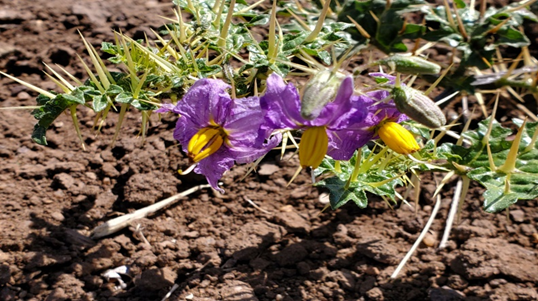
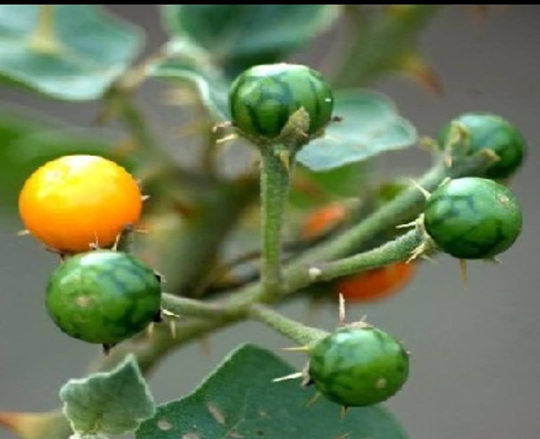
4.3 Morphological Description
4.4 Traditional Uses
4.5 Parts Used
4.6 Chemical Constituents (Overview)
5. PHYTOCHEMICAL PROFILE
Solanum virginianum contains a wide range of bioactive compounds responsible for its pharmacological activities. These phytochemicals contribute to its antitussive, anti-inflammatory, bronchodilator, and antimicrobial properties.
5.1 Major Phytoconstituents
The plant is rich in the following classes of compounds:
5.2 Important Active Compounds
|
Phytochemical Class |
Active Compounds |
Pharmacological Activity |
|
Alkaloids |
Solasodine, Solanine |
Antitussive, bronchodilator |
|
Flavonoids |
Quercetin, Kaempferol |
Antioxidant,antiinflammatory |
|
Saponins |
Steroidal saponins |
Expectorant activity |
|
Steroids |
β-sitosterol |
Anti-inflammatory |
|
Glycosides |
Various glycosides |
Therapeutic activity |
|
Tannins |
Polyphenolic compounds |
Antimicrobial, astringent |
5.3 Role of Phytochemicals in Antitussive Activity
5.4 Preliminary Phytochemical Screening Tests
|
Test |
Phytochemical Detected |
Observation |
|
Dragendorff’s Test |
Alkaloids |
Orange precipitate |
|
Shinoda Test |
Flavonoids |
Pink/red color |
|
Foam Test |
Saponins |
Persistent foam |
|
Liebermann-Burchard Test |
Steroids |
Green coloration |
|
Ferric Chloride Test |
Tannins |
Blue/black color |
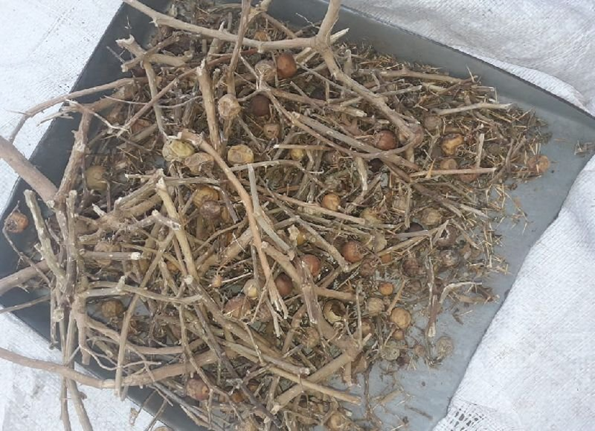
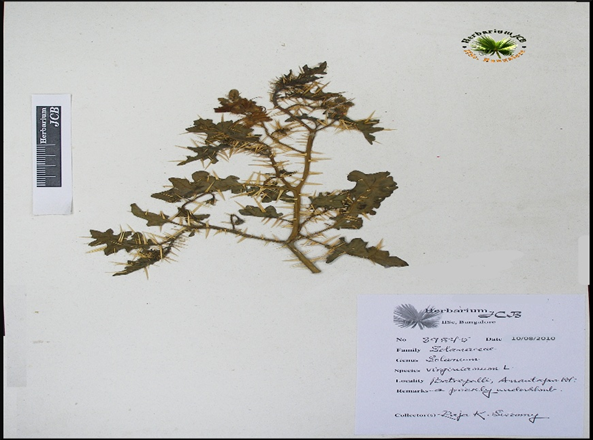
6.1 Collection and Authentication of Plant
6.2 Preparation of Extract
6.3 Phytochemical Screening
The extract was tested for:
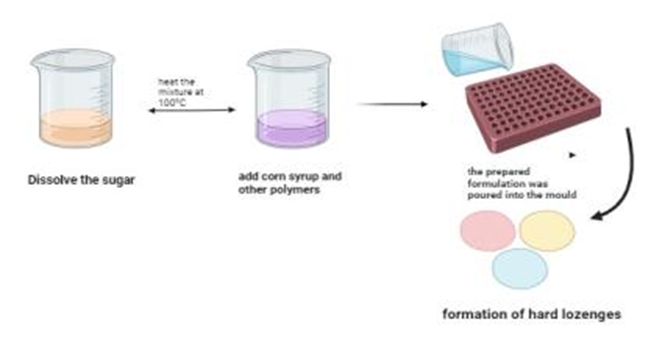
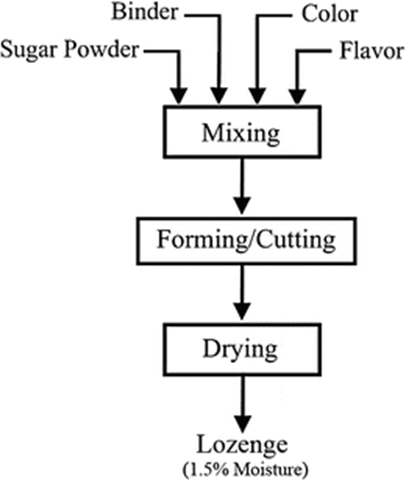
6.4 Formulation of VitaCough Lozenges
6.5 Ingredients Used
6.6 Method of Preparation (Compression Method)
6.6.1 Evaluation of Lozenges Physical Evaluation
6.6.2 Chemical Evaluation
6.7 Stability Studies
6.8 Stability Studies
7. RESULTS
7.1 Phytochemical Screening Results
|
Phytochemical Test |
Observation |
Result |
|
Alkaloids (Dragendorff’s test) |
Orange precipitate |
Present (+) |
|
Flavonoids (Shinoda test) |
Pink color |
Present (+) |
|
Saponins (Foam test) |
Stable foam formation |
Present (+) |
|
Tannins (Ferric chloride test) |
Blue-black color |
Present (+) |
|
Glycosides |
Color change observed |
Present (+) |
|
Steroids |
Green coloration |
Present (+) |
7.2 Evaluation of Lozenges
7.2.1 Physical Parameters
|
Parameter |
Result (Average) |
Standard Limit |
|
Weight variation |
500 ± 5 mg |
Within limit |
|
Hardness |
4–6 kg/cm² |
Acceptable |
|
Thickness |
3–5 mm |
Uniform |
|
Friability |
< 1% |
Pass |
7.2.2 Chemical Evaluation
|
Parameter |
Result |
|
Drug content |
95–99% |
|
pH |
6.5 – 7.0 |
7.2.3 Performance Evaluation
|
Parameter |
Result |
|
Disintegration time |
5–10 minutes |
|
Dissolution |
Gradual release |
7.3 Stability Study Results
|
Condition |
Observation |
|
Room temperature |
No significant change |
|
Accelerated condition |
Slight change but stable |
7.4 Pharmacological Evaluation (Antitussive Activity)
|
Group |
Cough Frequency |
Result |
|
Control |
High |
No effect |
|
Standard drug |
Reduced significantly |
Effective |
|
VitaCough lozenges |
Reduced significantly |
Effective |
8. Future Scope
The development of Vitacough lozenges presents a promising approach for cough management; however, several critical areas require further investigation to establish its scientific and clinical validity.
8.1 Standardization of Solanum virginianum Extract
Future research must focus on the identification and quantification of key bioactive markers (e.g., alkaloids such as solasodine) to ensure consistency, reproducibility, and quality control of the herbal extract. Without proper standardization, large-scale application is not feasible.
8.2 Optimization of Formulation Parameters
Detailed studies are required to optimize formulation variables such as:
This step is essential to ensure both therapeutic efficacy and patient acceptability.
8.3 Stability Studies
Comprehensive stability studies should be conducted to evaluate:
Stability is a major bottleneck—ignore it, and the product fails before it reaches the market.
8.4 Preclinical Studies
In vivo studies using suitable animal models are necessary to:
Right now, most claims are indirect—this step is required to validate them properly.
8.5 Clinical Trials
Well-designed human clinical trials are essential to establish:
Without clinical data, the formulation remains theoretical—no exceptions.
8.6 Mechanistic Studies
Further research should investigate the exact mechanism of action of Solanum virginianum in cough suppression, including its interaction with cough receptors and inflammatory pathways.
8.7 Comparative Studies
Future work should include direct comparison with conventional antitussive agents such as:
This is important to position the formulation realistically in the market and not just academically.
8.8 Development of Advanced Delivery Systems
Exploration of improved dosage forms such as:
This expands applicability and commercial potential.
8.9 Regulatory and Commercial Evaluation
Future studies should also address:
9. DISCUSSION
9.1 Integration of Herbal and Nutritional Therapy
The combination of herbal medicine with nutritional supplementation represents a rational and increasingly relevant approach in managing respiratory disorders. Solanum virginianum provides pharmacological actions such as antitussive, anti-inflammatory, and antimicrobial effect, while Vitamin C contributes primarily through antioxidant and immunomodulatory mechanisms.
This integration allows for a multi-targeted therapeutic strategy:
Unlike conventional monotherapy, which typically addresses only symptoms, this combined approach has the potential to influence both symptom relief and underlying pathophysiology.
However, don’t overstate the synergy. There is no strong clinical evidence proving that combining these two produces superior outcomes. At this stage, the “integration” is theoretically logical, not experimentally confirmed.
9.2 Potential Effectiveness of Vitacough Lozenges
Vitacough lozenges are expected to provide therapeutic benefits through both formulation design and active ingredient selection.
From a delivery perspective:
From a pharmacological perspective:
This combination suggests potential effectiveness in:
But here’s the reality check:
The present study focused on the phytopharmacological evaluation of Solanum virginianum, a medicinal plant widely used in traditional systems of medicine for the treatment of respiratory disorders such as cough, asthma, and bronchitis. The results of the phytochemical screening revealed the presence of several bioactive constituents including alkaloids, flavonoids, saponins, tannins, and glycosides, which are known to contribute to antitussive and anti-inflammatory activities. These phytoconstituents may play a significant role in suppressing cough reflex and soothing irritated respiratory mucosa.
CONCLUSION
The present review highlights the therapeutic potential of Solanum virginianum as a promising herbal candidate for the management of cough, supported by its diverse phytochemical composition and reported pharmacological activities, including antitussive, anti-inflammatory, and antimicrobial effects. Its long-standing use in traditional medicine further reinforces its relevance in respiratory care.The incorporation of Vitamin C into the formulation adds a complementary dimension by enhancing antioxidant defense and supporting immune function, which are critical factors in respiratory health. Although Vitamin C does not directly suppress the cough reflex, its role in reducing the severity and duration of respiratory conditions strengthens the overall therapeutic rationale.The concept of developing Vitacough lozenges offers a practical and patient-friendly approach by combining targeted local delivery with sustained release of active components. This formulation strategy is particularly suitable for managing upper respiratory symptoms, where prolonged contact with the throat can enhance therapeutic effectiveness. However, despite the strong theoretical foundation, the proposed formulation remains largely conceptual. The absence of standardized extract profiles, limited clinical evidence, and formulation challenges—particularly regarding stability and dosage optimization—represent significant gaps that must be addressed before clinical applicability can be established.
REFERENCES

Bijendra Verma, Neeraj Sahu, Annu Choudhary, Rooplal, Manish Sahu, Shweta Ram, Suchita Wamankar, Dr. Gyanesh Kumar Sahu, Dr. Chanchal Deep Kaur, Phytophramacological Evaluation of Solanum viginianum for the Development of Antitussive Vitamin C Lozenges (Vitacough), Int. J. of Pharm. Sci., 2026, Vol 4, Issue 4, 2628-2641. https://doi.org/10.5281/zenodo.19609287
 10.5281/zenodo.19609287
