

We use cookies to ensure our website works properly and to personalise your experience. Cookies policy
Swami Vivekanand College of Pharmacy, Udgir
Nowadays, the cosmetic industry is increasingly shifting toward “cosmeceuticals,” which represent the fastest-growing segment within the natural personal care sector. Cosmeceuticals serve as a bridge between traditional cosmetics and pharmaceuticals, offering products that are designed not only to enhance beauty but also to improve and maintain overall skin health. These formulations are considered the next generation of skincare products, providing targeted benefits for conditions such as photoaging, hyperpigmentation, acne, dullness, and wrinkles. With continuous scientific and technological advancements, cosmeceuticals have become a cornerstone of modern dermatological innovation, forming the new backbone of the skincare industry. All cosmeceutical products claim to contain bioactive or functional ingredients—such as antioxidants, peptides, botanical extracts, vitamins, and skin-repairing molecules—that exhibit therapeutic, healing, or disease preventing actions. Common skincare cosmeceuticals, including face washes, moisturizers, masks, sunscreens, and exfoliants, are specifically formulated to modify, beautify, and treat various skin imperfections. By delivering essential nutrients and active compounds deep into the skin, cosmeceuticals aim to restore function, enhance appearance, and support long-term skin wellness. This review paper seeks to provide updated and comprehensive insights into the emerging trends, innovations, and scientific developments surrounding cosmeceuticals in today’s cosmetic industry.
Cosmeceuticals represent a bridge between cosmetics and pharmaceuticals, offering enhanced skincare benefits beyond traditional cosmetic products. Scientifically, cosmeceuticals are defined as topical formulations containing biologically active ingredients that exert therapeutic or restorative effects on the skin. These products are designed to penetrate beyond the superficial layers of the epidermis, allowing active components to interact with cellular pathways involved in skin repair, renewal, and protection. Unlike conventional cosmetics, cosmeceuticals undergo more rigorous scientific research, stability testing, and clinical evaluations to demonstrate their efficacy, bioavailability, and safety.
The efficacy of cosmeceuticals primarily depends on their active ingredients, which may include antioxidants, peptides, retinoids, vitamins, botanical extracts, niacinamide, hyaluronic acid, and salicylic acid. These agents work synergistically to address a wide spectrum of skin concerns such as photoaging, oxidative stress, hyperpigmentation, acne, dehydration, and inflammation. Many cosmeceuticals also incorporate advanced delivery systems—such as liposomes, microemulsions, nanoparticles, and encapsulation technologies—to enhance penetration through the stratum corneum, ensuring targeted and sustained release of active compounds. This scientific approach not only increases product performance but also minimizes irritation or degradation of sensitive ingredients.
In modern skincare, cosmeceuticals play a vital role by offering consumers evidence-based solutions that contribute to measurable improvements in skin texture, tone, and overall health. However, it is important to note that despite their therapeutic potential, cosmeceuticals are not regulated as strictly as pharmaceuticals, and their clinical claims may vary. Therefore, understanding ingredient functionality, formulation science, and product quality is essential for ensuring safe and effective use.[2]
2. ACTIVE INGREDIENT IN COSMECEUTICALS
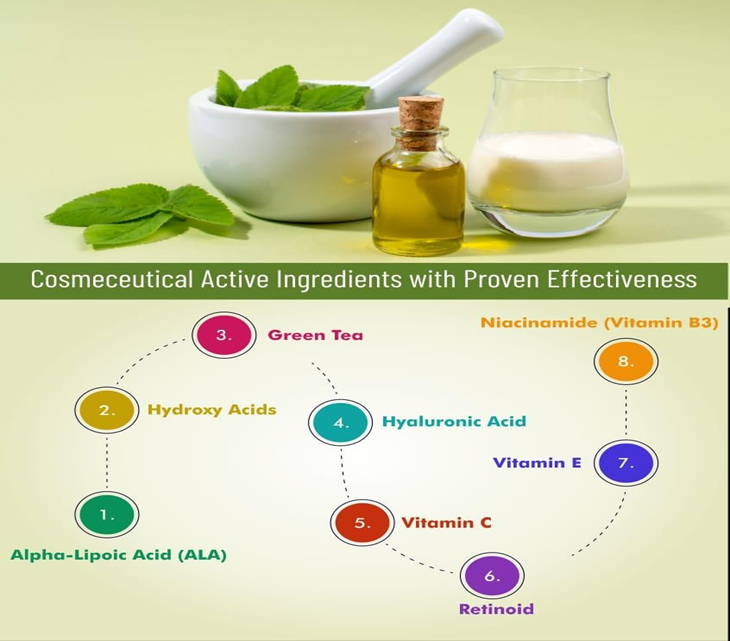
Fig.2.1 Activate ingredient in cosmeceuticals
2.1 Antioxidants
Oxidative stressors create inflammatory molecules that lead to the formation of free radicals’ species. These free radicals are highly reactive molecules with unpaired electrons, and they can cause cellular damage to cell membranes, lipids, proteins, and DNA. Damage to DNA eventually results in collagen breakdown. Free radicals also play a role in 3 additional detrimental processes: inflammation, photodamage, and carcinogenesis. Antioxidants neutralize damaging free radicals by quenching reactive molecules and, thus, protecting cells from both endogenous stress (byproducts of cellular energy) and exogenous stressors (ultraviolet [UV] light, pollution, cigarette smoke).
Antioxidants comprised a group of diverse molecules including, but not limited to, vitamins (A, B, C, E), alpha lipoic acid (ALA), CoenzymeQ-10(CoQ-10), ide be none, polyphenols, and kinetin. They vary in their abilities to protect against inflammation, photodamage, and carcinogen [3]
2.2 Hyaluronic acid
It is one of the most efficient and safe ingredients used frequently in cosmetics. HA properties can be improved by other bioactive ingredients (e.g., plant extracts, vitamins, amino acids, peptides, proteins, minerals, saccharides, probiotics, etc.). Nowadays, there are a multitude of cosmetics containing HA, marketed by different manufacturers.
HA has been utilized in various forms such as hydrogel, dermal filler, intradermal injection, scaffolds, creams, films, foams, and gels for treatment of different types of diseases. HA has shown wide range of pharmacological activities including anti-inflammatory wound healing and tissue regenerating, immunomodulatory, anticancer, and anti-proliferative anti-diabetic, anti-aging, skin repairing, and cosmetic properties. HA plays multifaceted role in regulating various the biological processes and maintaining homeostasis in the body.[4]
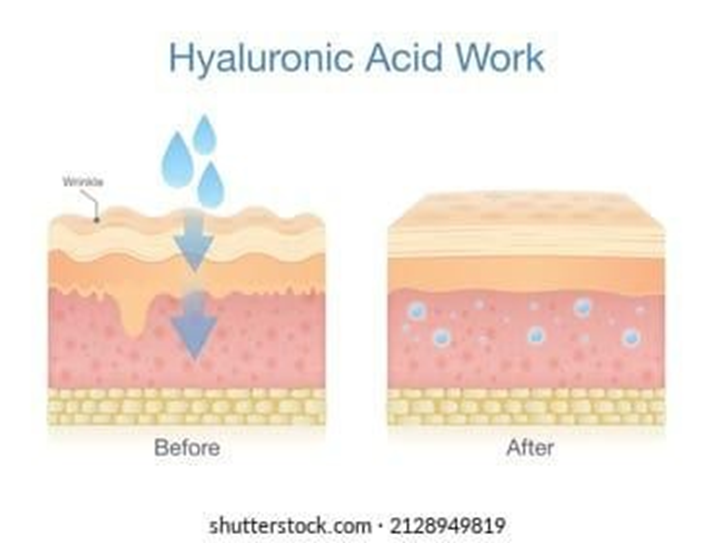
Fig.2.2 Hyaluronic Acid Work
2.3 Vitamin C
It is a naturally occurring antioxidant incorporated into cosmeceuticals for the purpose of preventing and treating sun-damaged skin. Most plants and animals have the capacity to synthesize vitamin C. it is known to have anti-inflammatory activity and has been used by dermatologists to treat a variety of inflammatory conditions such as acne.
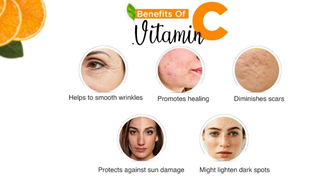
Fig.2.3 Vitamin C
2.4 Niacinamide
Niacinamide has been verified in treating almost every skin disorder, viz. aging, hyperpigmentation, acne, psoriasis, pruritus, dermatitis, fungal infections, epidermal melasma, non-melanoma skin cancer, etc. It has been reported to possess numerous properties, for instance, anti-inflammatory, antimicrobial, antioxidant, antipruritic, and anticancer, which makes it an ideal ingredient for varied dermal therapies. Long term use of niacinamide, regardless of the skin type, paves the way for new skin cells, making skin healthier, brighter, and hydrated. [5]
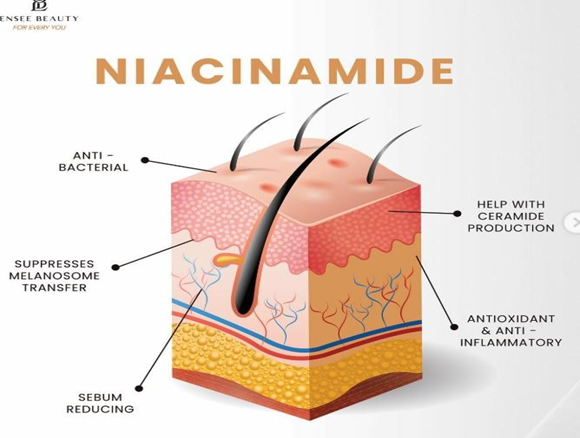
Fig.2.4 Niacinamide
2.5 Green tea
Green tea polyphenols have gained high popularity in cosmetic arena for their skin improving property. This review is an attempt to collect the scientific data of green tea polyphenols on major cosmetic problems like aging, wrinkle, photo- damage, skin darkness, acne, dandruff and hair loss. green tea also comprises of amino acids such as Theanine along with alkaloids such as adenine, dimethylxanthine, theobromine, theophylline, and xanthine. Some vitamins, like vitamin A, vitamin B1, vitamin B2, vitamin B3, vitamin C and vitamin E are also found in green tea.[6][7]
2.6 Peptides
Peptides are short amino acid sequences that are components of larger proteins, such as collagen. The theoretical benefits of applying peptides to the skin were discovered during wound healing research. Copper is a metal that enhances wound healing and angiogenesis. It is an essential cofactor for collagen and elastin formation, downregulates MMPs, and reduces the activity of collagenase. Copper is a required cofactor for the enzyme superoxide dismutase, a powerful antioxidant. Peptides may be used to stabilize and deliver copper into cells. For example, the tripeptide glycyl-L-histidyl-L-lysine copper complex is used as a copper vehicle. As a cosmeceutical, copper pep tide is thought to improve skin firmness and texture, fine lines, and hyperpigmentation.[8]
3. CLASSIFICATION OF COSMECUTICALS
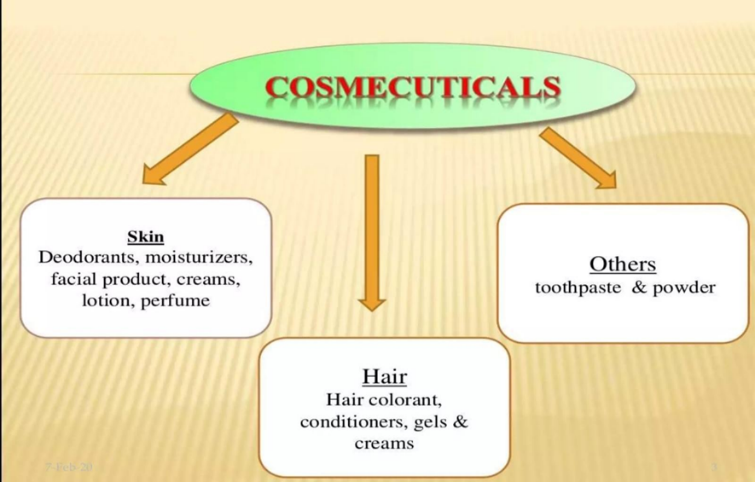
Fig.3.1 Cosmeceuticals
3.1 SKIN COSMETICS
1. MOISTURIZERS
A moisturizer, or emollient, is a cosmetic preparation used for protecting, moisturizing, and lubricating the skin. These functions are normally performed by sebum produced by healthy skin. The word "emollient" is derived from the Latin verb millirem, to soften.
Types of Moisturizers
There are many different types of moisturizers. Petrolatum is one of the most effective moisturizers, although it can be unpopular due to its oily consistency.
Other popular moisturizers are acetyl alcohol, cete aryl alcohol, cocoa butter, isopropyl myristate, isopropyl palmitate, lanolin, liquid paraffin, polyethylene glycols, shea butter, silicone oils, stearic acid, stearyl alcohol and castor oil, and other oils.
Moisturizers may also be available as lotions, creams, ointments, bath oils, or soap substitutes.
Mineral oils and waxes are not prone to oxidation or rancidity. For this reason, they have essentially replaced vegetable oils in emollients and topical medication.
Moisturizer cosmetics may additionally contain antioxidants, ceramides, emulsifiers, fragrances, penetration enhancers, preservatives, and solvents. Some products are marketed as having anti-wrinkle and skin enhancement effects. Many plant and animal extracts have been claimed to impart skin benefits, but such claims are presented with little scientific evidence.[9][10][11]
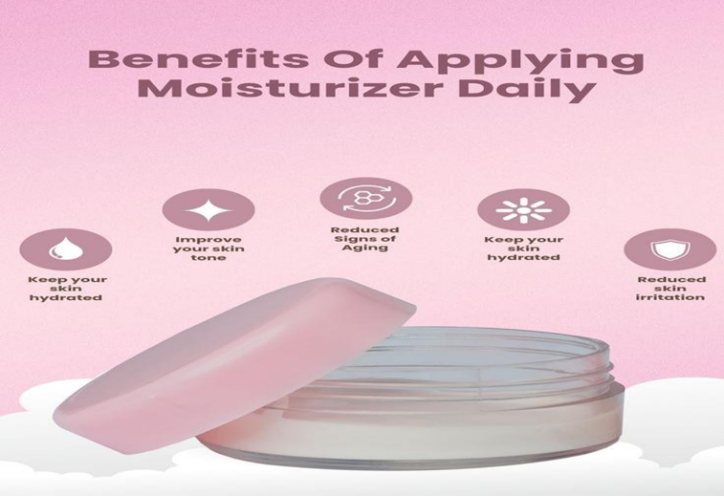
Fig 3.2. Benefits of Moisturizer
2. FACE SERUM
Study of human skin represents an important area of research and development in dermatology, toxicology, pharmacology, and cosmetology, in order to assess the effects of exogenous agents, their interaction, their absorption mechanism, and/or their toxicity towards the different cutaneous structures.
The importance of beautification to the mankind has been known since the prehistoric time and the desire to look beautiful and healthy has been developing in the society.
Cosmetic is a Greek word which means to adorn (addition of something decorative to a person or a thing). Cosmetology is the study and application of beauty treatment. It’s an art or science of beautifying and improving the skin, nails and hair and the study of cosmetics and their application.
A skin care formulation must be able to deliver the powerful agent into the skin to fulfil the intended objective.
Face serum is the answer to deliver the precious active ingredient into the skin thus eliminating the use of hazardous chemicals in giving instant results.
Serum is a concentrated product which is widely used in Cosmetology. The name comes from itself in professional cosmetology. The cosmetic serum is as concentrated in water or oil as any other cream. Serums are defined as concentrated product that contains ten times more organic matter than cream. Therefore, deals with the cosmetic problem quickly and effectively.
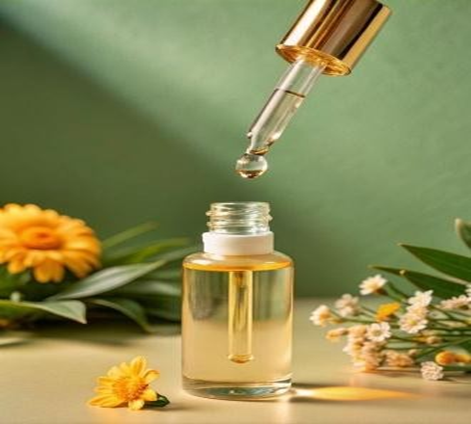
Fig.3.3 Serum
Types of face serum.
1. The oil serum
The oil serum is the simplest to make of all the face serums. It often starts with a base of just premium, fast-absorbing carrier oils, also referred to as "dry" oils. In addition to having moisturising and barrier-repairing characteristics, the premium oils used in the serum also include polyphenols, essential fatty acids, and other substances that may be broken down by the skin.
2. The gel serum
Gel serums provide the skin a "tightening" sensation, giving your consumer the impression that their skin is momentarily lifted or tightened in particular regions of the face.
The gel serum provides you the chance to include some fantastic water-based (hydrophilic) plant extracts because this formulation is water-based,
3. The Water based serum
Water-based serums are comparable to gel serums, although they may contain none or very little gums and thickeners. To administer high-performance hydrophilic plant extracts that are trapped against the skin beneath a cream or lotion, you would utilise a water-based face serum.
Layering an anti-ageing face mist under an emulsion and then under an oil is the ideal technique to promote higher penetration of water-based compounds into the skin, delivering their high-performance elements slightly deeper into the layers of the skin. The oils will form an occlusive barrier that will promote higher component penetration.
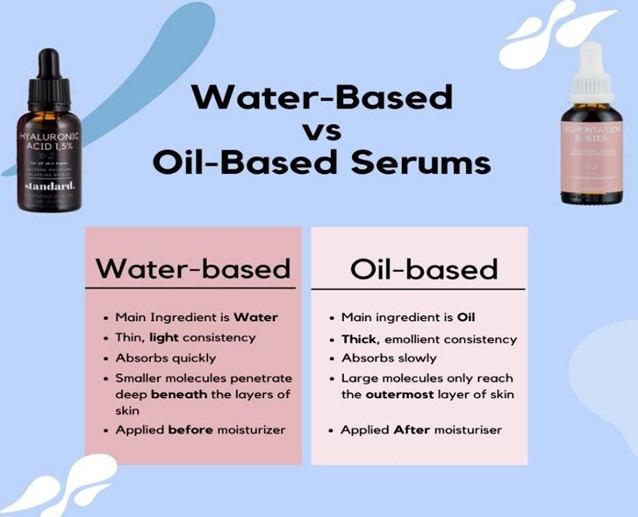
Fig.3.4 Water Based or Oil based serums
Ideal Qualities of Face Serum
1. Soothes irritated skin:
It is well known that aloe vera possesses antiviral and cell-regenerating capabilities.
The advantages of aloe gel are comparable to how applying it to a sunburn feels.
2. Deep hydration:
possess a special capacity to raise and decrease skin moisture.
3. Fight Acne and fades blemishes:
Bael fruit stops the bacterial overgrowth that is the primary cause of acne and pimples.
4. Remove dark circle and puffiness:
Vitamin E and antioxidants in abundance aid with eyelid discolouration, and the cooling impact reduces puffiness.
It makes under-eye circles look less prominent.
It removes dead skin cells, which encourages the synthesis of collagen.
5. It contains antioxidant qualities that encourage healthy-looking skin.
Advantages
Hair Care Cosmeceuticals Products:
3.2 HAIR COSMETICS
The appearance of the hair is a feature of the body over which humans, unlike all other land mammals, has direct control. Hair care, colour, and style play an important role in people’s physical appearance and self-perception.
Among the earliest forms of hair cosmetic procedures in ancient Egypt were hair setting by the use of mud and hair colouring with henna. In ancient Greece and Rome, countless ointments and tonics were recommended for the beautification of the hair, as well as remedies for the treatment of scalp diseases.
Cosmetics for the treatment of hair are applied topically to the scalp and hair. While they can never be used for therapeutic purposes, they must be harmless to the skin and scalp, to the hair, and to the mucous membranes and should not have any toxic effect, general or local, in normal conditions of their use.
A hair cosmeceutical product contains – special care ingredients, conditioning agents, and hair growth stimulants. Several ingredients are, fatty ingredients, quaternized cationic derivatives, hydrolysed proteins, cationic polymers, and silicon’s. Therefore, current antidandruff ingredients are antifungal agents that are octopi ox, zinc parathion, and ketoconazole. A minoxidil-related compound (2, 4-diamino-pyrimidine-3-oxide) is a cosmetic agent acting as a topical hair growth stimulant used to prevent inflammation and perifollicular fibrosis.[16]
1. Shampoo
Shampoo is a hair care product, typically in the form of a viscous liquid, that is formulated to be used for cleaning (scalp) hair.
Less commonly, it is available in solid bar format. ("Dry shampoo" is a separate product.) Shampoo is used by applying it to wet hair, massaging the product in the hair, roots and scalp, and then rinsing it out. Some users may follow a shampooing with the use of hair conditioner.
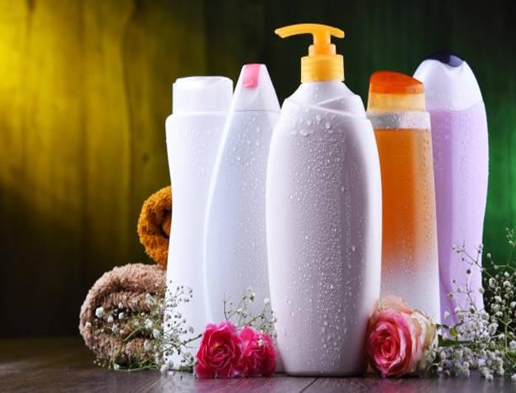
Fig.3.5 Shampoos
Types of shampoo:
Shampoos can be classified into four main categories.
Other essential ingredients include salt (sodium chloride), which is used to adjust the viscosity, a preservative, and fragrances. Other ingredients are generally included in shampoo formulations to maximize the following qualities [17][18]
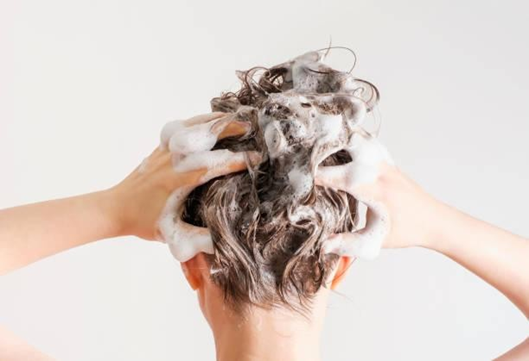
Fig.3.6 Person Washing Hair with Shampoo Lather
Composition
3.3 OTHER COSMETICS
1. Powder
Defining the Core: 'Powder'
A powder is a dry, bulk solid composed of a large number of very fine particles that may flow freely when shaken or tilted.
Examples include: Flour, ground coffee, powdered milk, cosmetic powders, gunpowder, powdered sugar, volcanic ash, and pharmaceuticals.
A Pharmaceutical View
Pharmaceutical Industries are focused on following area when it comes to Powder Formulation. [19]
1. FACE POWDER
Introduction to the topic: 'Face Powder'
Face powder is a cosmetic product applied to the face to serve different functions, typically to beautify the face. Originating from ancient Egypt, [citation needed] face powder has had different social uses across cultures; in modern times, it is typically used to set makeup, brighten the skin and contour the face.[20]
Face powder is an indispensable article of a lady's cosmetic range.
A face powder is basically a cosmetic product which has as its prime function the ability to complement skin colour by imparting a velvet finish to it.
Feminine Possession
A survey on FMCG Industries in India has reflected Talcum Powder as most popular cosmetic product in India worth 3.5 billion INR.
The market is yet growing at 10-12% per annum.
Awareness is very high at 80% with penetration of 45.4% in Urban area and 25.2% in Rural area.
Ponds dominates talcum market with 70% shares followed by Johri son & Johnson, which has 15% market share.
Ideal Properties
Ideal Characteristics (when applied)
Ideal Functions
There are different reasons for including face powders in one's makeup routine The type and brand of powder will depend on the desired cosmetic effect.
Some face powders are formulated to address different conditions.
Types of face powder:
Depends on Texture
1. Loose
Powder particles are finer and tend to set makeup better pressed powder. Finely milled texture means the powder is basic to layer.
Loose powder is applied with a brush or a puff. This makes it less portable and more difficult to apply on the go.
2. Pressed
Pressed powder comes in cake form, providing better and longer-lasting coverage.
Pressed powder is applied with a dense puff or makeup sponge, simplifying application whenever needed.
3. Translucent
Translucent powder is unpigmented, sheer powder used mainly to control o zones.
Translucent powder can be pressed or loose powder.
4. Tinted
Tinted powder is pigmented and is usually worn without foundation.
Tinted powder can be pressed or loose powder.[21]
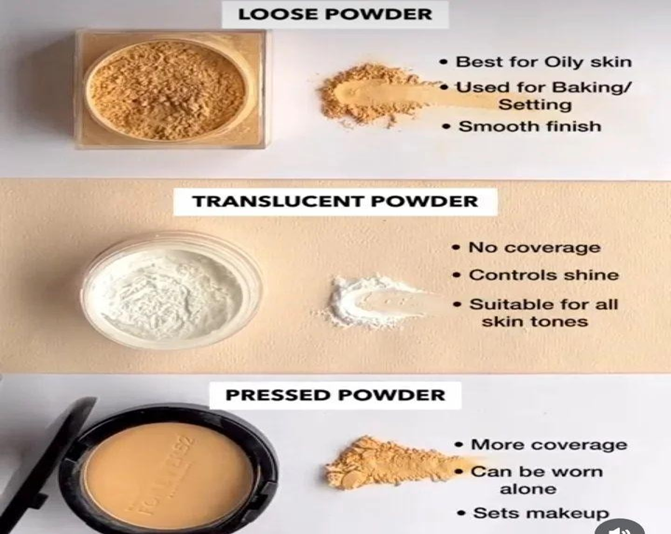
Fig.3.7 Face Powder Comparison
4. HISTORY
The Egyptians are credited with being the first civilization to recognize the health and cosmetic benefits of beauty products. Around 4000 B.C., Egyptians began using cosmetics for both aesthetic and therapeutic purposes. They applied kohl (a mixture of soot and other ingredients) around their eyes to enhance their appearance and protect against the harsh desert sun, which was also believed to have protective properties against infections. Egyptians also used natural oils, ointments, and perfumes for skin care, as well as henna for hair and nail decoration. These early practices laid the foundation for the development of cosmetics throughout history.[22] The distinction between cosmetics and pharmaceuticals became clearer only in the early 19th century when the first modern pharmaceutical industry began to take shape. Prior to this, the line between products for beauty and products for health was often blurred.
The rapid growth of the cosmeceuticals industry in the 1980s was largely due to the increasing popularity of hydroxy acids, which are naturally occurring fruit acids. These acids were recognized for their ability to exfoliate the skin and prevent wrinkles, a key focus in the burgeoning market for products that offered more than just cosmetic benefits.
In 1961, Raymond Reed, a founding member of the United States Society of Cosmetic Chemists, coined the term "cosmeceuticals" to describe products that blend both cosmetic and pharmaceutical qualities. This concept gained significant attention in 1971 when Albert Kligman, a prominent dermatologist, developed a mixture using retinoic acid. This formulation was found to be effective in improving the appearance of wrinkled and UV-damaged skin, further fuelling interest in cosmeceuticals as products that could offer both aesthetic and therapeutic benefits.[23] Dr. Albert Kligman, a renowned dermatologist, made a groundbreaking contribution to the skincare industry by discovering that topical retinoic acid (commonly known as tretinoin) could effectively treat both wrinkles and acne. His work in the 1960s and 1970s transformed the way skin aging and acne were understood and treated.
Kligman's research demonstrated that tretinoin, derived from vitamin A, could stimulate collagen production and accelerate cell turnover, helping to reduce the appearance of fine lines and wrinkles while also unclogging pores to treat acne. This discovery not only changed the treatment landscape but also laid the foundation for what would become a multi-billion-dollar industry focused on cosmeceuticals.
By popularizing the term cosmeceuticals to describe products that combine both cosmetic and pharmaceutical properties, Dr. Kligman is often regarded as the father of the cosmeceutical industry. His work bridged the gap between skincare and medicine, leading to the development of many products that offer therapeutic benefits beyond simple beautification. but cosmeceuticals first appeared in the world market in 1996. [24-25]
In ancient Egypt, cosmetics were not only used for beautification but were also believed to have medicinal properties. Archaeologists have uncovered several cosmetic jars inscribed with messages like "good for sight" and "stops bleeding," reflecting the early understanding of the therapeutic effects of certain substances. These early cosmeceuticals were developed from natural ingredients and used to address both aesthetic and health-related issues.
The Ebers Papyrus, one of the most famous ancient Egyptian medical texts, written around 1600 BC, contains numerous references to cosmetic formulations with medicinal claims. Among the products mentioned in this papyrus, some were said to "expel wrinkles from the face" and were made from combinations of ingredients like frankincense, Ballantine oil, rush oil, and wax. These mixtures were believed to have anti-aging effects on the skin.
One of the most beloved preparations, known for its healing properties, was a honey and milk-based remedy. This concoction was said to treat skin disorders and was popular for its moisturizing and therapeutic benefits. These early uses of cosmeceuticals in ancient Egypt laid the groundwork for modern skincare, combining beauty and health benefits in a way that resonates with today's cosmeceutical products.[26]
In ancient civilizations, the use of cosmetics was deeply integrated into daily life, serving both aesthetic and sometimes spiritual or medicinal purposes. Kohl, a dark powder, was one of the earliest forms of eye makeup, commonly used in ancient Egypt. It was applied around the eyes, often in the shape of an almond, and was made from various materials, including copper ore, lead, ochre, ash, burnt almonds, and oxidized copper. The practice of using kohl not only enhanced beauty but also had protective properties against the harsh sun and was believed to ward off evil spirits.
For lips and cheeks, ancient Egyptians used a mixture of red clay and water, creating a natural tint. Henna was used for decorating fingernails, turning them orange or yellow—a custom that was also prevalent in other parts of the world.
In ancient China, nail colour was crafted from a mixture of egg whites, Arabic gum, beeswax, and gelatine, creating vibrant hues. This practice spread to other parts of Asia and became a symbol of status and beauty.
As cultures blended and traded, especially in the Mediterranean region, the Greeks began adopting Egyptian cosmetic practices. They used makeup not for spiritual reasons, as the Egyptians did, but for beautification and social status. They refined the cosmetic traditions and started to use cosmetics more for personal enhancement.
When the Romans emerged, they continued to use cosmetics but took them a step further by creating more complex formulations. They were known to mix sheep fat with blood for nail paint and indulged in unconventional beauty rituals, such as bathing in dirt and crocodile faces, which they believed could have aphrodisiac or therapeutic effects. These ancient cosmetic practices laid the foundation for modern cosmetics, evolving through the centuries and becoming a significant aspect of both beauty and health in societies around the world.[27]
5. REGULATORY ASPECTS:
The claims made about drugs are subject to high scrutiny by the Food and Drug Administration (FDA) review and approval process, but cosmetics are not subject to mandatory FDA review. Much confusion exists regarding the status of ‘cosmeceuticals.’ Although there is no legal class called cosmeceuticals. this term has found application and recognition to designate the products at the borderline between cosmetics and pharmaceuticals.
Cosmeceuticals are not subject to FDA review and the Federal Food, Drug and Cosmetic Act do not recognize the term itself. It is also often difficult for consumers to determine whether ‘claims’ about the actions or efficacies of cosmeceuticals are in fact valid unless the product has been approved by the FDA or equivalent agency. Some experts are calling for increased regulation of cosmeceuticals that would require only proof of safety, which is not mandatory for cosmetics.
Some countries have the classes of products that fall between the two categories of cosmetics and drugs: for example, Japan has ‘Quasi-drugs;’ Thailand has ‘controlled cosmetics and Hong Kong have ‘cosmetic-type drugs. The regulations of cosmeceuticals have not been harmonized between the USA, European, Asian and other countries.[28]
6. FUTURE PROSPECTS
6.1 Enhanced Integration of Active Ingredients: Adding small amounts of effective cosmeceutical agents into cosmetic formulations—without requiring strict medical regulations—will continue to expand product diversity and accessibility. This approach can support improvements in skin texture, hair strength, nail health, and overall body tissue regeneration.
6.2 Advancement in Ingredient Technology: Future cosmeceuticals will incorporate more bioengineered molecules, peptides, growth factors, and plant-derived actives, enabling targeted action at the cellular and molecular levels.
6.3 Personalized Skincare Development: With the rise of artificial intelligence and skin diagnostics, cosmeceuticals are likely to become highly personalized, offering formulations based on individual skin type, genetics, microbiome, and lifestyle.
6.4 Innovation in Delivery Systems: Emerging technologies such as nanocarriers, liposomal systems, microencapsulation, and controlled release mechanisms will help enhance ingredient stability, absorption, and therapeutic performance.
6.5 Expansion of Natural and Sustainable Actives: There will be a growing focus on eco-friendly, plant-based, and biodegradable bioactive, supporting sustainability trends in the cosmetic industry while maintaining clinical efficacy. [28]
CONCLUSION:
The usage of cosmeceuticals has drastically increased in early years, which enhance the range of products to increase the beauty of the patients associated with dermal problems. But, at times, where generations are intensely concerned for their beauty, various manufacturing companies are challenging and working hard to deliver conclusive results to meet requirements of the patients.
Cosmeceuticals as like vitamins, sunscreens, hydroxyl acids & many more have proved their worth in treating skin diseases, which helps to enhancing the skin texture. Clinical trials of cosmeceuticals are important factor to know about the relations between skin and cosmeceuticals.
The universal trend in the cosmetic industry towards emerging medicinally active cosmetics and in the pharmaceutical industry towards cosmetically concerned with medicinal products increases apart from the current ‘life-style’ ideology. The most influential angle over the coming 5 years will be the links between internal health, beauty, and anti-aging.
The next big beauty trend will include skin gentiles that will promote beauty from the inside out, borrowing of pharmaceutical terms for cosmetic applications, amino peptides to make the skin more elastic, neuro mediators which are chemicals to tell the brain to be happy and the blurring of boundaries between surgery and cosmetics. The trend towards therapeutic cosmetics is sure to result in the need to obtain a better understanding of modern ingredients and assessment techniques.
In conclusion, cosmeceuticals are not only the external beautification but also it improves the internal beauty through the health-related function. The health group professionals will show the importance to cosmeceutical products and develop the awareness about these products.
REFERENCES



Shweta Namange, Holkunde R. C., Dr. Ganesh Tolsarwad, A Review on Cosmeceuticals: A Growing Skin Care, Int. J. of Pharm. Sci., 2026, Vol 4, Issue 2, 342-356. https://doi.org/10.5281/zenodo.18469862
 10.5281/zenodo.18469862