
Womens College Of Pharmacy, Peth-Vadgoan, Kolhapur, Maharashtra, India
Adolescents and young adults are the most common demographics affected by acne vulgaris, a chronic inflammatory skin condition. Comedones, papules, pustules, and, in more severe instances, cysts and nodules are the clinical hallmarks of this condition. Inflammation of the pilosebaceous unit, aberrant keratinization, overproduction of sebum, and colonization by Cutibacterium acnes are all components of the complex pathophysiology of acne. While numerous topical and systemic therapies such as benzoyl peroxide, retinoids, and antibiotics are commonly prescribed, their use is often associated with side effects including skin irritation, dryness, and increased microbial resistance. These limitations have catalyzed the search for safer and more natural alternatives, particularly herbal formulations rooted in traditional medicine. Among the various botanicals studied, Murrayakoenigii (curry leaves) has emerged as a potential candidate due to its established antimicrobial, anti-inflammatory, and antioxidant properties. Rich in phytochemicals like carbazole alkaloids, flavonoids, and essential oils, curry leaves offer therapeutic benefits that align with the pathological mechanisms of acne. This review provides a detailed analysis of the phytoconstituents of Murrayakoenigii and their relevance to acne management. Additionally, it discusses the formulation and evaluation of anti-acne herbal creams incorporating curry leaf extracts, with emphasis on pharmacological validation and in vitro efficacy testing. By integrating traditional botanical knowledge with modern dermatological research, this article aims to highlight the potential of curry leaves as a safe, natural, and effective component in growth of herbal anti-acne skincare products.
Adolescents and young adults are the most common demographics affected by acne vulgaris, a chronic inflammatory condition of the pilosebaceous unit. Comedones, papules, pustules, and, in more severe instances, cysts and nodules, are the hallmarks of this condition. Inflammation, an overabundance of Cutibacterium acnes, aberrant follicular keratinization, and excessive sebum production are all contributors in the disorder. Conventional treatments, including benzoyl peroxide, retinoids, and antibiotics, are commonly prescribed to manage acne. While these therapies are effective in controlling acne symptoms, they are frequently associated with adverse side effects, including skin dryness, irritation, and the development of antibiotic resistance. These drawbacks highlight the need for alternative treatments that are both safe and sustainable for long-term use. [1,2]
In response to the increasing concerns about the side effects of synthetic acne treatments, herbal remedies have emerged as promising alternatives. Herbal formulations, which harness the therapeutic potential of plant-based compounds, offer a more natural approach to managing acne with fewer adverse reactions. Among these natural agents, Curry leaves (Murraya koenigii) stand out due to their impressive array of bioactive compounds. Native to India and widely used in traditional Ayurvedic and Unani medicine, curry leaves. These properties make them well-suited for acne management, as they can address the core factors contributing to the condition—namely, infection, inflammation, and oxidative stress. [3]
The incorporation of curry leaves into topical creams offers a safe, natural, and effective solution for acne, providing significant therapeutic benefits with minimal risk of side effects. By utilizing extracts from the leaves of Murraya koenigii, skincare products can be formulated to target the root causes of acne, offering a holistic and gentle treatment option. Moreover, the antioxidant and anti-inflammatory properties of curry leaves may also support skin healing and reduce scarring, further enhancing their appeal as an acne treatment. The development of curry leaf-based anti-acne formulations holds significant promise, offering a potential shift toward more sustainable and gentle dermatological therapies. [4]
2. Phytochemistry of Curry Leaves (Murraya koenigii):
These are a rich source of a variety of bioactive agents, which add significantly to their medicinal & therapeutic assets. These phytochemicals have been shown to possess various pharmacological activities, making curry leaves a promising ingredient in the development of natural skincare products, especially for acne management. The key phytochemicals found in curry leaves include:
1) Carbazole Alkaloids:
Curry leaves are particularly known for containing carbazole alkaloids, such as mahanimbine and murrayacine, which are regarded as the major active compounds responsible for many of their therapeutic effects. These alkaloids are highly effective in combating acne. By inhibiting the growth of Cutibacterium acnes—the bacteria implicated in acne inflammation—and reducing skin inflammation, carbazole alkaloids play a pivotal role in managing the symptoms of acne vulgaris. Moreover, they may also aid in reducing the overall redness and swelling associated with acne lesions.
2) Essential Oils:
β-caryophyllene, in particular, is noted for its ability to interact with cannabinoid receptors, providing anti-inflammatory benefits. These essential oils contribute to the antimicrobial efficacy of curry leaves, making them valuable for acne treatments where infection and bacterial growth are major contributors to the condition. Additionally, the soothing nature of these compounds can help alleviate irritation and redness caused by acne.
3) Flavonoids and Phenolic Compounds:
Curry leaves are also rich in flavonoids and phenolic compounds, such as quercetin, rutin, and kaempferol. These compounds are potent antioxidants that effectively scavenge free radicals, reducing oxidative stress that can damage skin cells and exacerbate acne. The presence of flavonoids helps neutralize inflammatory processes in acne. This antioxidant activity not only protects the skin from oxidative damage but also promotes healthier skin regeneration and faster healing of acne lesions.
4) Vitamins and Minerals:
Iron is essential for oxygen transport within cells, promoting better skin oxygenation and healing. Additionally, calcium plays a crucial role in maintaining the skin's structure and barrier function, ensuring the skin remains healthy and resilient. These micronutrients work synergistically to maintain skin integrity, enhance its defense mechanisms, and facilitate the healing of acne-prone skin. [5,6]
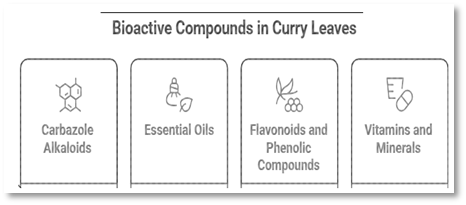
Figure 1: Phytochemistry of Curry Leaves
3. Anti-Acne Mechanism of Curry Leaves:
The therapeutic effects of curry leaves (Murraya koenigii) in acne management can be attributed to their multifaceted actions, which target various key factors involved in the development and progression of acne vulgaris. The bioactive compounds present in curry leaves work synergistically to address the root causes of acne, including bacterial growth, inflammation, oxidative stress, and skin damage. The following actions contribute significantly to their efficacy in acne treatment:
1) Antibacterial Activity:
P. acnes resides in the sebaceous glands and contributes to the inflammation and formation of acne lesions. Curry leaves have also shown effectiveness against other acne-related skin pathogens, including Staphylococcus aureus and Streptococcus epidermidis. The antibacterial compounds, such as carbazole alkaloids and essential oils, inhibit the growth and colonization of these bacteria, reducing the bacterial load on the skin and thus preventing the formation of inflammatory acne lesions. This antibacterial action helps prevent infection and secondary outbreaks, ensuring clearer skin with reduced breakouts.
2) Anti-inflammatory Effects:
Acne is characterized by an inflammatory response that leads to redness, swelling, and the formation of painful cysts and pustules. Inflammation is mediated by pro-inflammatory cytokines, which are elevated in acne lesions. Curry leaves possess potent anti-inflammatory properties, primarily due to the presence of flavonoids, carbazole alkaloids, and terpenoids, which can modulate the immune response. These compounds reducing the inflammatory response at acne sites. By decreasing inflammation, curry leaves help to alleviate the pain, redness, and swelling commonly seen in active acne lesions. This results in smoother, less inflamed skin with reduced risk of scarring and post-inflammatory hyperpigmentation.
3) Antioxidant Protection:
This antioxidant activity also aids in maintaining the integrity of skin cells, promoting a healthier and more resilient skin barrier. Furthermore, antioxidants contribute to the overall healing process by preventing additional oxidative stress that may worsen existing acne or cause new outbreaks.
4) Wound Healing and Scar Minimization:
Acne, particularly when left untreated or when aggressively squeezed, can lead to scarring and hyperpigmentation. The healing properties of curry leaves can be attributed to their ability to promote skin regeneration and tissue repair. Vitamin C, present in curry leaves, is essential for collagen synthesis, which is crucial for skin healing. Additionally, curry leaves contain compounds that enhance cellular proliferation and tissue regeneration, helping to repair damaged skin and reduce the appearance of acne scars. By accelerating wound healing and tissue repair, curry leaves contribute to minimizing the long-term effects of acne, such as scars and discoloration. Their ability to promote healing is especially beneficial in the post-inflammatory stage, where acne lesions leave behind marks that take a long time to fade. Regular use of curry leaf-based treatments may not only reduce the frequency and severity of breakouts but also aid in faster healing and reduced scar formation. [7-8]
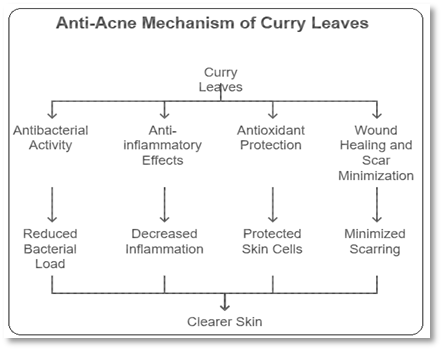
Figure 2: Anti-Acne mechanism of Curry Leaves
4. Herbal Cream Formulation:
The extraction process of curry leaves ( Murraya koenigii) aims to isolate the active bioactive compounds responsible for their therapeutic effects. The extraction method is a critical step in ensuring that medicinal properties of the plant are effectively retained in the final extract. Below are the key steps involved in the extraction of curry leaves:
1) Solvent Extraction:
Solvent extraction is a commonly used method to isolate the bioactive components from the curry leaves. The choice of solvent plays a significant role in determining which specific compounds are extracted. The most commonly used solvents for curry leaf extraction include:
Ethanol: Ethanol is a polar solvent, which efficiently extracts both water-soluble and some lipophilic bioactive compounds, including flavonoids, alkaloids, and essential oils. It is also safe for use in formulations intended for topical applications.
Methanol: Methanol is another popular solvent, known for its ability to extract a wide range of phytochemicals, particularly phenolic compounds and alkaloids.
Aqueous Extraction: Water is sometimes used as a solvent, particularly when a natural or less toxic extract is desired. Water is effective for extracting water-soluble compounds like vitamins (such as Vitamin C) and minerals from the curry leaves.
The solvent is typically chosen based on the specific class of compounds desired for extraction, such as phenolic compounds, alkaloids, or essential oils.
2) Drying and Grinding:
To obtain a concentrated and potent extract, the first step is the preparation of the curry leaves:
Shade-drying: Fresh curry leaves are carefully shade-dried at room temperature to prevent the degradation of sensitive compounds due to direct sunlight or excessive heat. The leaves are spread out on a clean surface and left to dry for a period of 3 to 5 days or until they lose their moisture content.
Grinding: Once dried, the curry leaves are ground into a fine powder using a mechanical grinder or mortar and pestle. This powder increases the surface area for extraction, ensuring better penetration of the solvent and more efficient extraction of the active compounds.
3) Extraction Methods:
Two commonly used extraction techniques for curry leaves are maceration and Soxhlet extraction. Both methods effectively extract the active phytochemicals, though they differ in their approach:
Maceration: In this method, the ground curry leaf powder is soaked in the chosen solvent (ethanol, methanol, or water) at room temperature for several hours to days. The mixture is stirred periodically to allow the solvent to dissolve the bioactive compounds. After the maceration period, the extract is filtered to remove the solid plant material. The resulting liquid extract can then be concentrated by evaporating the solvent if necessary. This method is simpler and often used when a less volatile solvent like ethanol is used.
Soxhlet Extraction: This is a more advanced method used for extracting compounds from plant material. The ground curry leaves are placed in a thimble and fitted into a Soxhlet apparatus. The chosen solvent is heated to its boiling point, and its vapors are condensed, allowing the solvent to repeatedly pass through material. The advantage of Soxhlet extraction is that it ensures continuous extraction, leading to a higher yield of active compounds.
4) Concentration and Storage:
After extraction, the solvent is typically evaporated under reduced pressure using a rotary evaporator to concentrate the extract. This process removes the solvent while preserving the bioactive compounds. The concentrated extract is then stored in airtight containers, to maintain its stability and potency. The extract can be further used for the formulation of creams, lotions, or other topical products.
5) Quality Control of Extracts:
The quality of the extracted curry leaf extract is evaluated through various methods:
Phytochemical Screening: Qualitative tests are carried out to confirm the presence of key active constituents.
6) Spectroscopic Analysis:
Microbial Testing: Given the therapeutic use of curry leaf extracts for acne, antibacterial and antifungal activity tests, such as the agar well diffusion method, are essential to confirm the extract's efficacy in combating acne-related pathogens. [9-10]
4.2 Cream Base Preparation
The formulation of a stable and effective anti-acne cream using curry leaf extract requires the preparation of a well-balanced cream base. The cream base acts as a medium that helps in the efficient delivery of active ingredients to the skin while ensuring that the product maintains a smooth texture and appropriate consistency. The cream base consists of two primary phases: the oil phase and the aqueous phase. These two phases are emulsified together to form a stable cream.
Oil Phase:
The oil phase contains lipid-soluble ingredients that provide emollient, moisturizing, and stabilizing properties to the cream. The key components of the oil phase in this formulation are:
1) Stearic Acid: A fatty acid that functions as a surfactant and thickening agent. It helps to stabilize the cream and forms a smooth texture. Stearic acid is also an emulsifying agent, ensuring that the oil and water phases combine effectively during emulsification.
2) Cetyl Alcohol: A fatty alcohol that acts as a co-emulsifier and provides creamy consistency to the formulation. Cetyl alcohol also has emollient properties, moisturizing the skin without making it greasy.
3) Liquid Paraffin (Mineral Oil):An occlusive agent. It is also used to increase the spreadability of the cream and enhance the smooth texture.
These ingredients are carefully measured and heated together to form the oil phase of the cream.
Aqueous Phase:
Itprovide hydration and stability to the formulation. The key components of the aqueous phase include:
1) Distilled Water: The main solvent for dissolving other water-soluble ingredients in the cream. Distilled water ensures that there are no impurities in the base and that the final formulation remains stable.
2) Glycerin: A well-known humectant that draws moisture from the air into the skin, keeping it hydrated. Glycerin also helps improve the spreadability and skin feel of the cream, making it smooth and easy to apply.
3) Triethanolamine (TEA): A pH adjuster that is used to neutralize the fatty acids and form a stable, water-in-oil emulsion. It also acts as an emulsifier, helping the oil and water phases mix properly and form a smooth emulsion.
Emulsification Process:
The emulsification process is a critical step in ensuring the stability and texture of the final cream formulation. The following steps outline the emulsification procedure:
1) Heating: Both the oil phase (containing stearic acid, cetyl alcohol, and liquid paraffin) and the aqueous phase (containing distilled water, glycerin, and triethanolamine) are heated separately to a temperature of 70–75°C. It is important that both phases are at the same temperature to prevent any separation once combined.
2) Combining the Phases: Once both phases are heated to the desired temperature, the aqueous phase is slowly added to the oil phase with continuous stirring. The stirring ensures that the oil and water components blend together uniformly and form an emulsion. This process also helps reduce the size of the dispersed droplets, resulting in a smooth and homogenous cream.
3) Emulsification: The mixture is stirred vigorously to facilitate the emulsification process. As the two phases combine, they form a stable, smooth emulsion. The shear force during stirring helps break the oil phase into fine droplets, which are evenly dispersed in the aqueous phase, creating a smooth texture and stable cream.
Cooling and Final Mixing:
Once the emulsification is complete, the cream is slowly cooled to room temperature while continuing to stir gently. Cooling is essential to maintain the consistency of the cream and prevent any phase separation that might occur if cooling is done too rapidly.
During cooling, the cream thickens as it solidifies, and its texture becomes more stable.
After reaching room temperature, the final product is checked for consistency, smoothness, and uniformity.
Incorporation of Active Ingredients:
After the cream base has been emulsified and cooled, curry leaf extract (which was previously prepared via the extraction process) can be incorporated into the cream. The extract is typically added when the temperature of the cream is below 40°C to prevent the degradation of the active compounds.
The curry leaf extract is added slowly while stirring gently to ensure that it is evenly distributed throughout the cream. This ensures that the therapeutic properties of the curry leaves, such as their antibacterial, anti-inflammatory, and antioxidant effects, are retained in the final formulation.
Quality Control and Packaging:
After the cream is fully blended and the active ingredients are incorporated, the final product undergoes quality control tests to ensure its effectiveness, stability, and safety. These tests may include:
pH Testing: Ensuring that the pH of the cream is within a range suitable for skin application (typically 4.5–6.5).
Once quality control is complete, the cream is transferred into suitable containers, such as airless pumps or jars, to prevent contamination and preserve its efficacy. [11-13]
4.3 Incorporation of Extract:
The incorporation of curry leaf extract into the cream formulation is a crucial step to ensure that the active bioactive compounds, such as carbazole alkaloids, flavonoids, phenolic compounds, and essential oils, retain their therapeutic efficacy. Proper timing and method of addition are critical to preserve the integrity of these compounds, especially since some bioactive components may be sensitive to heat, light, and oxidation.
The incorporation process ensures that the active ingredients from the curry leaf extract are evenly distributed throughout the cream, allowing for their therapeutic effects to be effectively delivered to the skin. The following procedure outlines the steps involved:
1) Cooling Phase Preparation:
After the emulsification of the oil and aqueous phases (described in Section 4.2), the cream mixture is allowed to cool gradually. During this stage, the emulsified cream thickens, and the texture stabilizes. It is essential to control the cooling process to avoid overheating, which could compromise the stability and efficacy of the bioactive components of the curry leaf extract.
Cooling temperature should ideally be around 40°C or below before the curry leaf extract is added. This is because high temperatures can degrade sensitive compounds, particularly flavonoids, carbazole alkaloids, and essential oils, which are heat-sensitive.
2) Addition of Curry Leaf Extract:
Once the cream reaches the appropriate temperature (typically below 40°C), the curry leaf extract is slowly incorporated into the base cream. The following method is employed:
Extraction Form: The curry leaf extract used can either be in the form of a liquid (e.g., ethanol extract, aqueous extract, or oil infusion) or as a standardized powder. If using a powder form, it may be dissolved in a small amount of solvent (e.g., water or a non-volatile oil) to form a homogenous solution before adding it to the cream base.
Slow Addition: The extract is gradually added to the cream base while continuously stirring to ensure even distribution. The stirring should be gentle and consistent to prevent air incorporation, which could lead to air bubbles and affect the smooth texture of the final cream. The goal is to integrate the curry leaf extract into the cream matrix without causing any phase separation.
Maintaining Homogeneity: The cream should be stirred thoroughly to ensure that the curry leaf extract is uniformly distributed throughout the entire batch. This can be achieved using a high-shear mixer or a magnetic stirrer, depending on the formulation scale. The homogeneity of the extract in the cream is essential to ensure that each application delivers the desired therapeutic benefits.
3) Ensuring Stability of Active Compounds:
To preserve the integrity of the bioactive compounds in the curry leaf extract, it is essential to ensure that the incorporation process does not cause any degradation. This is accomplished by:
Temperature Control: The cream must not exceed 40°C when the curry leaf extract is incorporated. Temperatures higher than this may lead to thermal degradation of flavonoids and alkaloids, which could reduce the effectiveness of the cream.
Protection from Light: Curry leaf extract, like many plant-based extracts, can be sensitive to light and oxidation. To prevent this, the cream should be prepared in a dimly lit environment or in containers that prevent exposure to light. Additionally, antioxidants, such as vitamin E, may be included in the formulation to protect the active ingredients from oxidative damage.
4) Final Homogenization:
After the curry leaf extract has been thoroughly mixed into the cream, a final round of homogenization is performed to ensure that the extract is evenly dispersed and that the cream has a smooth, uniform texture. This step may be done using a high-shear homogenizer or an appropriate stirring apparatus, ensuring that the consistency of the cream is ideal for application to the skin.
5) pH Adjustment:
The pH of the cream formulation may need to be adjusted after the addition of the curry leaf extract to ensure it is within the optimal range for skin application (typically pH 4.5–6.5). Triethanolamine (TEA) or citric acid can be used to adjust the pH if needed.
6. Storage and Quality Control:
After the curry leaf extract has been incorporated and the cream is fully blended, the formulation should be transferred into suitable containers (e.g., airless pumps, tubes, or jars) to prevent contamination and preserve its shelf life.
Quality Control Tests such as viscosity measurements, microbial contamination testing, and stability tests can be performed on the final product to ensure that the active ingredients from the curry leaf extract remain potent and that the cream is safe for use. [12-14]
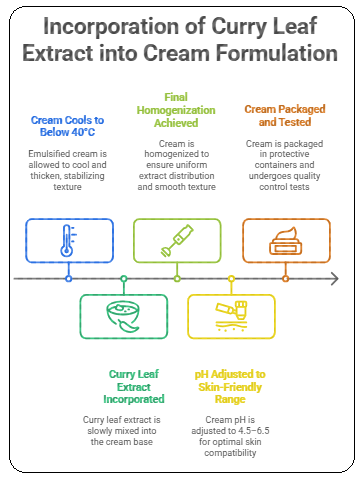
Figure 3: Incorporation of extract
5. Evaluation of Herbal Cream:
Formulated anti-acne herbal cream containing curry leaf (Murrayakoenigii) extract was subjected to comprehensive evaluation to assess its physicochemical properties, antibacterial activity, stability, and safety for topical application.
The physicochemical evaluation included assessment of appearance, pH, spreadability, and viscosity. The cream exhibited a smooth, homogenous consistency with a pleasant herbal fragrance and no signs of phase separation. Its color ranged from light green to pale brown, which is typical for formulations containing plant extracts. The pH was found to be within the skin-compatible range of 4.5 to 6.5, ensuring suitability for regular dermal application without risk of irritation. Spreadability was measured using the glass slide method, and the results indicated easy and uniform application over the skin surface. Viscosity was determined using a Brookfield viscometer and confirmed that the cream possessed optimal consistency—neither too fluid nor too thick—providing a non-greasy and aesthetically acceptable texture.
Curry leaf extract cream showed measurable zones of inhibition against all tested strains, indicating significant antibacterial potential. The results were compared with standard topical agents such as clindamycin and benzoyl peroxide. The herbal formulation demonstrated comparable activity, particularly against P. acnes, highlighting its potential as a natural anti-acne agent.
Stability studies were conducted as per ICH guidelines under different environmental conditions—room temperature, refrigerated conditions, and accelerated settings. (Parameters such as physical appearance, pH, viscosity, and microbial contamination were monitored at regular intervals. No significant changes were observed in any of these parameters, indicating that the formulation remained stable and microbiologically safe throughout the study duration.
For safety evaluation, a patch test was performed either on healthy human volunteers or animal models to assess any dermal irritation or allergic responses. A small amount of the cream was applied to a defined area of skin and observed over 72 hours. The formulation did not produce any signs of erythema, edema, or other allergic manifestations, confirming its dermatological safety.
In summary, the herbal cream formulated with curry leaf extract demonstrated excellent physicochemical stability, strong antibacterial activity against acne-related pathogens, and no adverse dermal reactions, thereby validating its potential as a safe & effective natural alternative for management of acne vulgaris. [15,16]
6. Advantages of Herbal Anti-Acne Cream:
Herbal anti-acne creams offer several distinct advantages over conventional synthetic treatments, making them an increasingly popular choice among consumers and dermatologists alike. One of the primary benefits is their natural and non-toxic composition, which significantly reduces the risk of systemic toxicity and long-term health concerns often associated with prolonged use of chemical-based products. These creams are typically derived from plant-based ingredients such as curry leaves ( Murraya koenigii), which contain bioactive compounds known for their skin-friendly and therapeutic properties.
Another notable advantage is that herbal formulations are associated with minimal side effects. Unlike synthetic agents such as benzoyl peroxide or retinoids—which can cause dryness, peeling, redness, or photosensitivity—herbal creams are generally well-tolerated, even on sensitive skin. Their gentle action makes them suitable for prolonged use without causing damage to the skin barrier.
From an environmental perspective, herbal creams are sustainable and biodegradable. They are produced using naturally occurring ingredients that are renewable and have a lower environmental footprint compared to synthetic drug manufacturing processes. Additionally, they break down more easily in the environment, reducing the risk of bioaccumulation and ecological toxicity.
Importantly, herbal anti-acne creams offer multi-targeted therapeutic action. This multi-modal mechanism addresses several pathogenic factors involved in acne—such as bacterial proliferation (Propionibacterium acnes), inflammation of the pilosebaceous unit, and oxidative stress—thereby offering a more holistic approach to acne management.
Overall, herbal anti-acne creams combine efficacy with safety, sustainability, and broader skin health benefits, positioning them as a promising alternative to conventional acne therapies. [16-17]
CONCLUSION
The varied and abundant phytochemical profile of curry leaves ( Murraya koenigii) suggests that they may be useful as a natural remedy for acne. To tackle the complex causes of acne vulgaris, it is vital to use compounds that have strong antibacterial, anti-inflammatory, and antioxidant properties. These compounds include essential oils, carbazole alkaloids, flavonoids, phenolics, and others. Herbal cream formulations that include curry leaf extracts not only meet the rising demand for plant-based skincare products but also provide a safer alternative to traditional synthetic medicines.
Synthetic agents often cause skin irritation, dryness, and antibiotic resistance; however, standardized herbal lotions containing Murraya koenigii can alleviate these side effects. In addition to being culturally and ecologically acceptable, these formulations are ideal for areas where curry leaves have a long history of traditional medicinal use.
Further research into curry leaves should aim to standardize extracts, identify active components, and assess their synergistic effects with other herbal drugs so that their therapeutic benefits can be completely utilized. It might be wise to look into more sophisticated formulation methods to improve the active chemicals' stability, bioavailability, and skin penetration.
To confirm that anti-acne creams containing curry leaves are safe and effective, well-designed clinical and preclinical trials are required. Integrating curry leaf extracts into mainstream dermatological practice as a natural therapy for the management and prevention of acne vulgaris could be achieved with extensive scientific backing and formulation improvement.
REFERENCES

Patil Sanika, Bhise Sarika, Mendke Manisha, Kamble Ravina*, Dr. Jadge Dhanraj, Phytotherapeutic Formulation Of An Anti-Acne Cream Using Curry Leaves: A Natural Approach To Acne Treatment, Int. J. of Pharm. Sci., 2025, Vol 3, Issue 6, 2485-2496. https://doi.org/10.5281/zenodo.15650656
 10.5281/zenodo.15650656
