
Shree dev bhoomi institute of education science and technology, poundha, dehradun.
The majority of commercial soaps contain chemicals that might harm skin. Natural herbal soaps might be an effective option. Herbal products have achieved global relevance in medicine and trade, and their use has increased as a result of their effectiveness and safety. Bacteria cause the majority of skin infections in humans, needing careful treatment, enhanced skin preservation, and the maintenance of healthy, youthful-looking skin. Polyherbal soap was made using extracts of Azadirachta indica, aloe barbadensis , curcuma longa, Sapindus mukorossi, Prunus Amygdalus, Lamiaceae , citrus limon, and other herbs. Considering polyherbal soap has been found to be useful in treating a variety of skin disorders, its use continues to rise in popularity. When compared to traditional soap, polyherbal soap is a safer, more effective option. Due to its many therapeutic uses, neem, Tulsi, and lemon papaya trees have gained global acceptance. Neem leaves and their constituents have been shown to have anti-inflammatory, antiulcer, antimalarial, antifungal, antibacterial, and anticarcinogenic properties. The purpose of this study was to assess the effects of ethanolic, ethyl acetate, and aqueous plant leaf extract. Neem, Tulsi, and Reetha were used as ingredients in herbal soap . neem leaf and seed were shown to be beneficial against certain dermatophytes. Tulsi exhibits antiviral properties and Reetha functions as a detergent with cleaning and foaming properties
These days One of the most prevalent dermatological conditions in the globe is fungal skin infection . According to research, 40 million people have fungal infections. Fungal infections that appear superficially on the nails, hair, and skin are widespread and typically challenging to treat. Dermatophytes are among the most frequent causes of tinea (capitis, manuum, pedis, cruris, corporis, barbae, and onychomycosis). (1) Knowing the fundamentals of human skin structure and function is crucial for all medical practitioners. (2) Ayurvedic literature mention plant-based medicines, which are becoming more and more popular in India as a result of their validation in comparison to their contemporary counter parts. Soap is one of the contemporary cosmetics used to preserve and improve skin health.(3) Therefore, Ayurvedic herbs listed under varnya are selected for formulation. Professor Galen was the one who brought up the use of soap for cleaning and maintaining the body. However, the current chemical soap commonly results in skin irritation and dryness. Interestingly, the effectiveness of herbal-based soaps for topical conditions is making them more and more popular.(4)
In Ayurveda, the plants giloy, neem, Tulsi, and besharam are listed under varnya herbs. Human skin, the body's outermost layer, serves as the body's first line of defence, protecting it from a variety of diseases.(5) The skin is constantly exposed to many environmental stimuli because it is the interface with the environment. This increases the risk of skin injury. In an attempt to recover, severely damaged skin frequently forms scar tissue, which is frequently depigmented and decolorized.(6) Plants have long been used to cure illnesses and infections in humans. The plant's active ingredient can be made into lotion, cream, gel, ointment, soap, or crud/solvent extract.(7) Plant extracts and the phytoconstituents they contain are expected to be used in the future to manage hyperpigmentation.
Skin Infections
An infection of the skin that can be caused by bacteria, fungus, viruses or parasites. Skin disease may cause:
Fungal Infection
The two primary categories of fungus are yeasts and molds. Yeasts are typically single, small, oval cells, whereas mold colonies are composed of fibrous strands called hyphae. Despite their increasing prevalence, invasive fungal infections remain difficult to diagnose, prevent, and treat because of their high rates of morbidity and mortality.(9) A fungal infection, also known as mycosis, is a skin ailment caused by a fungus. There are millions of different species of fungi. They can be found on surfaces in your house, on plants, in the soil, and on your skin. On rare occasions, they may cause skin problems like rashes or acne.
Symptoms of fungal infection
Irritation
Scratchy skin
Roughness
Itches
Elevation
Usually, bacterial skin infections begin as little red pimples that ultimately enlarge. Moderate bacterial infections can be treated with topical antibiotics; more serious illnesses require oral medicines. Bacterial skin infections include impetigo, boils, and leprosy.
Viral skin disorders are caused by viruses. These infections vary in severity. Among the several viral diseases are warts, chickenpox, and hand, foot, and mouth disease.(10)
HERBAL SOAP
Herbal soap has antibacterial, anti-aging, antioxidant, and antiseptic properties(11). Unlike commercial soap, herbal soap does not contain artificial color, flavor, fluorides, etc(12) . Due to their high medical value, affordability, accessibility, and compatibility, herbs are the natural products most frequently used to treat almost all illnesses and skin issues(13).
Neem, Tulsi, Vitamin E, Aloe Vera, Lemon Ipomea Carnea, Giloy, water, coconut, oil, stearic acid, sorbitol, hydroxide, glycerine, and color soap base are the primary ingredients in this soap recipe. Azadirachta indica, one of the greatest trees in India, is well-known for its therapeutic qualities, which include antifungal and antibacterial effects on a variety of skin conditions. Fruits and seeds contain neem oil. Most common problems that people encounter are treated with it(14).
For thousands of years, people have known and used aloe vera's health, cosmetic, medicinal, and skin care advantages. Nowadays, the realm of cosmetology is where aloe vera is most frequently used. Aloe vera has 75 potentially active compounds(14).
Curcuma longa possesses anti-aging, anti-wrinkle, moisturizing, anti-oxidant, astringent, anti-microbial, and anti-inflammatory properties. Recent studies have shown that curcumin is excellent for wrinkles and can lower inflammation and the generation of free radicals (15).
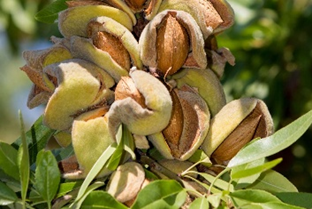
Almond oil has been used for hundreds of years to treat dry skin conditions including psoriasis and eczema. In recent years, oxidative stress has drawn more attention in biology and medicine due to its involvement in several diseases, such as cancer, aging, and arteriosclerosis. The oil may decrease the appearance of acne, promote cell development, and reverse UV damage(16).
Tulsi is also used in the soap-making process. Deep cleaning, acne treatment, and skin lightening are just a few of its many advantages. Tulsi also made use of certain acute respiratory conditions. Cough, bronchitis, fever, and colds are all relieved by tulsi leaf juice . Tulsi is also used to reduce blood glucose levels in diabetics. The main component of this herbal soap is tulsi, which also has other advantages including lowering stress and boosting endurance(17).
When making soap for moisturized skin, rose water is utilized. The main benefits of this soap are its antibacterial, antifungal, lightening, acne-removing, and moisturizing properties. the rose water is rich in antioxidants , volatile oil and mild astringent compound(18) .
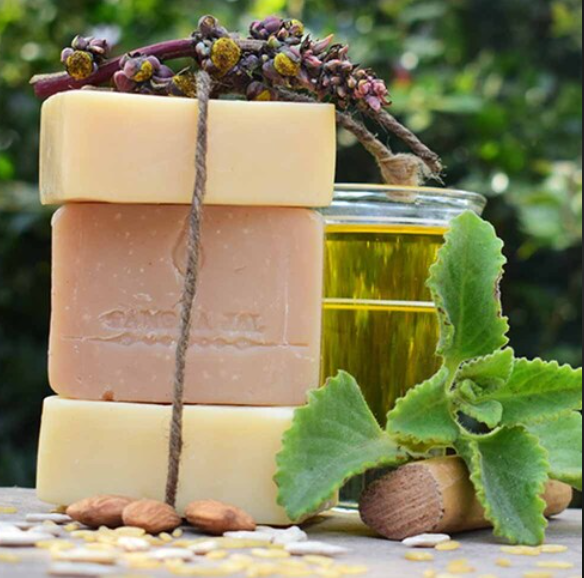
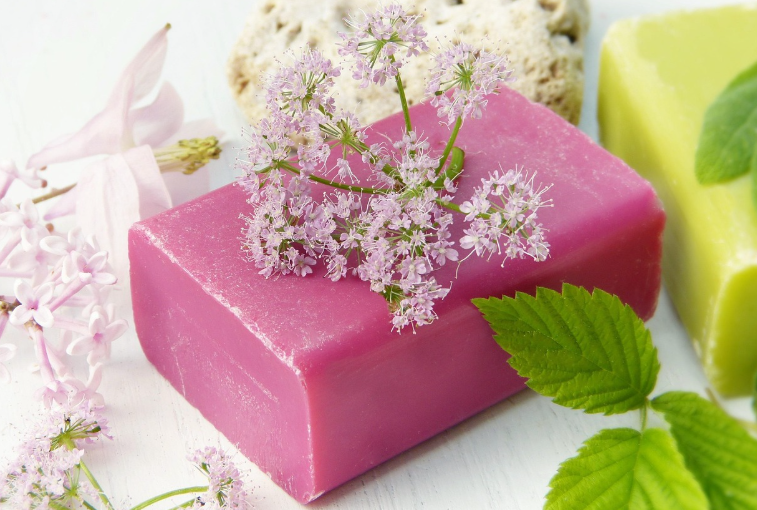
Fig. 1 Polyherbal soap fig.2 polyherbal soap
Content of soap
Aloe vera (19)
Family: Liliaceae
Botanical name: Aloe barbadensis [miller]
Parts: Pulp
Chemical constituents: Aloe vera contains a rich mixture of phytochemicals, barbaloin, aloesin, vitamins, minerals, enzymes, amino acids, and sugars c-glucosides, anthraquinones.
Aloe vera gel: It is obtained from the leaves of aloe vera
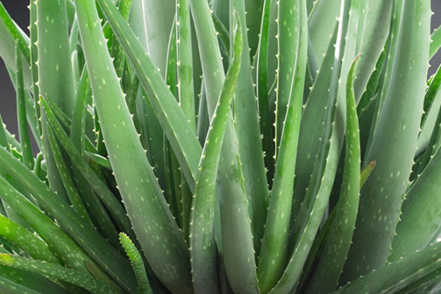
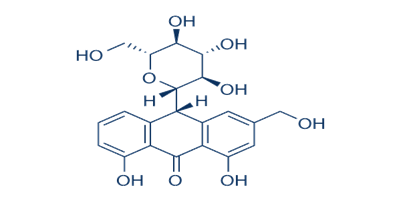
Fig. 3 ALOE VERA barbaloin
MEDICINAL USES OF ALOE VERA
|
s. no |
Medicinal uses |
An explanation |
|
1 |
Wound healing |
accelerates healing by encouraging tissue repair and collagen formation. |
|
2 |
Burns treatment |
Effective for small burns and sunburns, it has a cooling and calming effect. |
|
3 |
Anti-inflammatory action |
lessens skin or mucous membrane swelling, redness, and inflammation |
|
4 |
Antibacterial & antifungal |
aids in preventing the formation of dangerous bacteria and fungus on skin or wounds. |
|
5 |
Moisturizer |
Used in creams and gels, it hydrates dry skin without blocking pores. |
|
6 |
Anti-oxidant |
Packed with polyphenols that shield tissues from harm and vitamins C and E. |
|
7 |
Hair & scalp care |
conditions hair, improves scalp health, and lessens dandruff. |
|
8 |
Anti-itching |
reduces irritation and itching caused by bug bites, psoriasis, and eczema. |
NEEM (20)
Family: Meliaceae.
Botanical name: Azadirachta indica.
Chemical constituents: Azadirachtin, Glycerides, polyphenols, flavonoids , alkaloid, nimbin, nimbidin, terpenoid, steroids.
Neem oil: It is known as ‘’margosa oil’’. Pressed from fruits and seeds of neem.
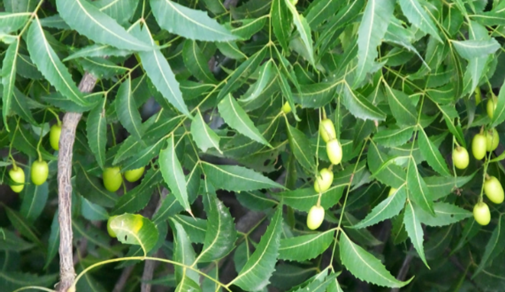
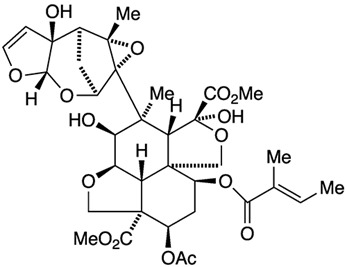
fig.4 neem Azadirachtin
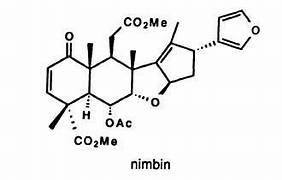
MEDICINAL USES OF NEEM
|
S. no |
Medicinal use |
An explanation |
|
1 |
Aantibacterial |
helps eliminate dangerous bacteria; used to wounds, acne, and skin problems. |
|
2 |
antifungal |
effective against fungal illnesses such as dandruff, ringworm, and athlete's foot. |
|
3 |
Antiviral |
demonstrates effectiveness against specific viruses and strengthens immunity. |
|
4 |
Anti-inflammatory |
reduces inflammation and edema in the skin and joints. |
|
5 |
Antiseptic |
used to prevent infection and clean wounds. |
|
6 |
Blood Purifier |
enhances skin health and aids in blood detoxification. |
|
7 |
Skin Care |
used to treat skin allergies, psoriasis, eczema, and acne. |
TULSI (21)
Synonyms- Ocimum tenuiflorum.
Biological source:-Fresh and dried leaves of ocimum species like ocimum sanctum l.
Family:- Lamiaceae .
Part use:- Leaf .
Chemical constituents- Eugenol germacrceterpens
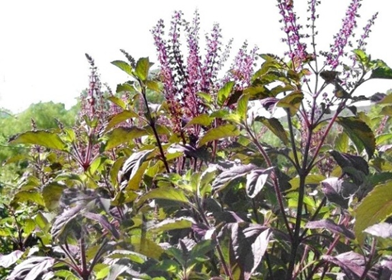
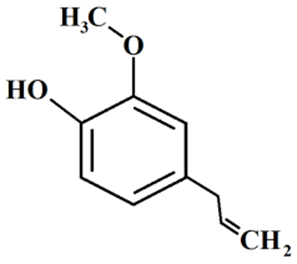
Fig. 6 tulsi Eugenol germacrceterpens
MEDICAL USE OF TULSI
|
s.no. |
Skin Benefit
|
Explanation |
|
1 |
Anti-inflammatory |
These substances are beneficial for acne, rashes, eczema, and insect bites because they lessen redness, swelling, and irritation. |
|
2 |
Skin detoxification |
Tulsi tightens pores, prevents blackheads, regulates oil secretion, and purifies the skin. |
|
3 |
Antifungal effect |
Athlete's foot, ringworm, and other fungal skin infections can be treated with tulsi. |
|
4 |
Anti-psoriasis |
minimizes scaling and irritation and helps soothe psoriasis spots. |
|
5 |
Anti-acne |
Tulsi leaves minimize pimples, stop fresh outbreaks, eliminate bacteria that cause acne, and aid in thorough pore cleaning. |
|
6 |
Anti-scar action |
Tulsi paste or mild extract can gradually reduce acne scars and flaws. |
TURMERIC (22)
Family: Zingiberaceae.
Botanical name: Curcuma longa.
Parts: Rhizome
Chemical constituents: Curcumin, Zingiberene, Demethoxycurcumin, Bisdemethoxycurcumin Volatile ,Turmerone, Atlantone, Zingiberene ,Proteins, Resins, Sugars, Starches.
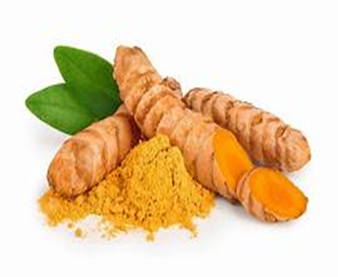
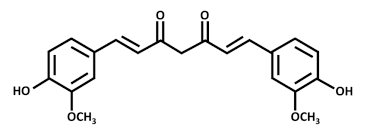
MEDICINAL USE OF TURMARIC FOR SKIN
|
S.no. |
Medicinal uses |
Explanation |
|
1 |
Anti-inflammatory |
reduces redness, swelling, irritation |
|
1 |
Antibacterial |
avoids new pimples and aids in the treatment of acne. |
|
2 |
Antioxidant |
minimizes wrinkles and fine lines while delaying the aging of the skin. |
|
3 |
Anti-pigmentation |
reduces hyperpigmentation, tan, and dark patches. |
|
4 |
Antifungal |
beneficial for ringworm and other fungal infections |
|
5 |
Wound Healing |
accelerates the healing of minor wounds, burns, and cuts |
CITRUS LIMON (23)
Common name:- Lemon.
Biological name:-citrus limon.
Biological sources:-Citrus limon consists of the fresh fruit obtained from the plant citrus limon (L.)Burm. F.,
Family:- Rutaceae .
Chemical constituents- niacin, riboflavin, thiamine, choline, pantothenic acid, foliate, vitamin c, vitamin B6, and minerals (calcium, copper, iron, manganese, magnesium, phosphorus, potassium, zinc).
Part use:- fruits .
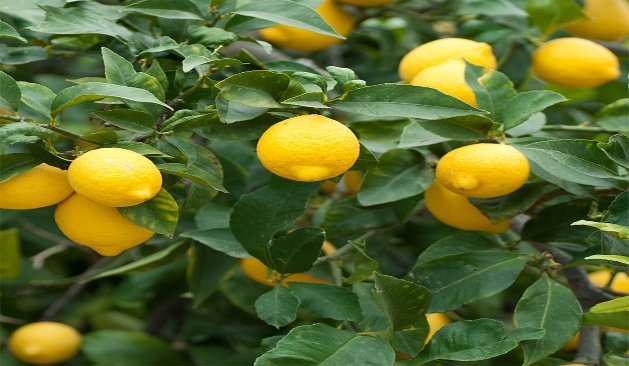
Fig. 7 CITRUS LIMON.
Medicinal Uses of Citrus limon
|
s.no. |
Medicinal use |
Explanation |
|
1 |
Antioxidant activity |
Packed with vitamin C and flavonoids that protect cells from oxidative damage and boost immunity. |
|
2 |
Boosts immunity |
Increased vitamin C strengthens immunity and protects against colds and infections. |
|
3 |
Antimicrobial effect |
The natural antiviral and antibacterial properties of lemons help fight harmful microbes. |
|
4 |
Skin health |
Collagen formation is stimulated, dark spots are lightened, and skin suppleness is increased by vitamin C. |
Almond (24)
Family: Rosaceae.
Botanical name: Prunus Amygdalus ,
Parts: Nuts ,
Chemical constituents: Proteins, lipids, tannins, amino acids, leic acid, stearic acid , linoleic acid, palmitoleic acid and palmitic acid.
Almond oil: It is obtained from by pressing nuts or fruits. In order to acquire the oil.
Uses: assist in balancing moisture absorption and water loss. enhances skin tone and complexion, addresses dry skin, reduces puffiness and under-eye bags, and heals acne. helps cure sun damage and lessens the visibility of scars and stretch marks.
CARICA PAPAYA (25)
Biological name: Caricapapaya L.
Comman name: papaya.
Chemical constituent: tannin, alkaloid, glycosides, saponin, papin etc.
Part tyupically used: fruits.
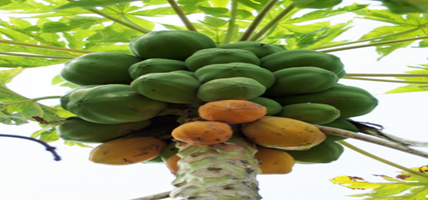
Fig. 9 Caric papaya
Medicinal use of Caric papaya
|
S.no. |
Medicinal uses |
Explanation |
|
1 |
Skin cleansing |
keeps pores clean by eliminating pollutants, oil, and grime from the skin. |
|
2 |
Sun damage repair |
Papaya's antioxidants aid in repairing UV-induced damage. |
|
3 |
Anti-inflammatory |
minimizes redness and swelling and calms sensitive skin. |
|
4 |
Wound healing |
Because of its enzymatic effect, it expedites the healing of small cuts, burns, and skin irritation. |
Reetha (26,27)
Synonyms:- Sapindus mukorossi
Biological source:- Scientifically known as sapindus mukorossi.
Family;-Sapindaceae
Part typically used- The seeds
chemical constituent-Saponins, sugars and mucilage
Medicinal Uses Of Reetha
|
S.no. |
Medicinal uses |
Explanation |
|
1 |
Anti-acne activity |
Its antimicrobial qualities aid in preventing acne by lowering the microorganisms that cause it. |
|
2 |
Oil control |
is beneficial for oily and acne-prone skin since it aids in the removal of extra sebum from the skin. |
|
3 |
Skin soothing |
possesses modest anti-inflammatory qualities that soothe sensitive and inflamed skin. |
|
4 |
Antimicrobial action |
prevents skin diseases by preventing dangerous bacteria from growing.
|
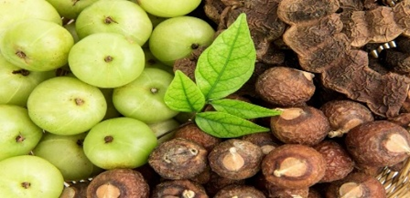
Fig. 10 Reetha
REFERENCES


Vishal kumar, Ajay kumar, Dr. Shivanand Patil, Preparation And Evaluation of Polyherbal Soap, Int. J. of Pharm. Sci., 2026, Vol 4, Issue 4, 987-996 https://doi.org/10.5281/zenodo.19450027
 10.5281/zenodo.19450027
