
Department of Pharmacy, Chhatrapati Shivaji College of Pharmacy, Deori, Gondia, Maharashtra, India 441901
The present study focuses on the formulation and evaluation of a natural polyherbal face wash containing Ajwain (Trachyspermum ammi), Bael (Aegle marmelos), Aloe vera (Aloe barbadensis), and Turmeric (Curcuma longa). The increasing demand for herbal cosmetics has encouraged the development of safe and effective skincare products free from harsh synthetic chemicals. Each selected ingredient possesses significant dermatological benefits: Ajwain exhibits strong antimicrobial activity, Bael provides anti-inflammatory and skin-protective properties, Aloe vera offers soothing and moisturizing effects, and Turmeric acts as a potent antioxidant and antibacterial agent. The formulation was prepared using natural extracts incorporated into a suitable gel base to ensure smooth texture and ease of application. The prepared face wash was evaluated for various physicochemical parameters including pH, viscosity, foamability, spreadability, homogeneity, and stability. The pH was found to be compatible with skin, while viscosity and spreadability ensured good application properties. Stability studies indicated no phase separation or degradation under different storage conditions. The results demonstrated effective cleansing, oil control, hydration, and minimal skin irritation, suggesting that the developed polyherbal face wash can serve as a safe, economical, and eco-friendly alternative to conventional synthetic formulations.
The biggest organ in the body, the skin makes up around 15% of an adult's total body weight. It carries out numerous essential tasks, including as preventing excessive water loss from the body, protecting against external physical, chemical, and biological threats, and aiding in thermoregulation. The mucous membranes that line the body's surface are part of the continuous skin. [1]
At some point in their lives, almost everyone will suffer from acne, a follicular unit skin condition.
Many men and women between the ages of 20 and 30 suffer with acne, despite the fact that its prevalence rises during adolescence. Acne comes in five varieties: nodular, cystic, pustular, and comedogenic. Blackheads and whiteheads are two types of non-inflammatory comedonal acne. Whiteheads appear as cool or white lumps, but blackheads are open pores with dark skin roughness composed of melanin, sebum, and hair follicle cells. Papules appear as red, solid, raised lesions and are frequently less than 5 mm in diameter. Pustules are localized skin elevations that contain purulent material.[2]
Theories that aim to improve pathogenesis include differences in target cell sensitivity, biomarkers, neuroendocrine, genetic, and environmental factors. Vulgaris, which includes both synthetic and herbal ingredients, has a remarkable ability to heal a range of pimples.[3]
SKIN ANATOMY [4,5]
The skin is the largest organ in the body in terms of weight and surface area. It has a surface area of about 16,000 cm^2. Eight percent of an adult's weight is made up of skin. It is the outermost layer or tissue of the living body.
The skin serves as a barrier against the external environment. Skin can produce vitamin D, a useful chemical substance, when exposed to sunlight. In addition to being a sensory organ, the skin helps regulate body temperature. The biological components of skin include erythrocytes, melanocytes, and keratinocytes. It displays multilayered formations because to its numerous constituents, including cells and fibers. The skin is made up of layers.
The outermost layer of the skin is called the epidermis, and it is around 0.2 mm thick. There are no capillaries or veins in this layer. The thickness of the epidermis depends on the body's posture. The majority of the cells in the epidermis are dendritic and keratinocytes. There are also Langerhans cells, melanocytes, and other cell types. The metabolically active tissue is another name for the layer of the epidermis.
1) The stratum corneum is the first of five sublayers that make up the outermost layer.
2) Lucidium stratum
3) Granulosum stratum
4) The stratum spinosum
5) The basal stratum
1) Stratum Corneum: This is the outermost sublayer of the epidermis. It is also known as the "horny cell layer," and its thickness ranges from 8 to 15 micrometers. The layer helps shield skin from extreme dryness and has a hexagonal shape. "Ceramide," its main component, plays a big part in water retention.
2) Stratum Lucidum: This thin, transparent layer of dead skin cells makes up the stratum lucidum. Only thick skin patches on the palms of the hands and soles of the feet contain it.
3) Stratum Granulosum: Also referred to as a granular cell layer, this layer is 3 meters thick. Granular cells are found in two to four layers. The cells take on a flatter structure when more keratin strands are incorporated into them.
4) Stratum Spinosum: Also known as the prickle cell layer, it is between 50 and 150 µm thick. It is made up of many cells that might vary in structure and form.
5) Stratum Basal: The deepest and sublayer of the epidermis, stratum basal is made up of a single layer. Keratinocytes are formed in the stratum basal and travel upward to the surface. The term "turnover" refers to the mobility of keratinocytes. It takes days for this process to complete one cycle, and keratinocytes also undergo structural and functional modifications. This layer, also known as the basal cell layer, contains 8% of the water in the epidermis.
B. The Dermis
Collagen, elastin, and fibroblasts make up the majority of the dermis.
This layer serves a number of purposes.
1) Blood and lymphatic vessels, which remove waste materials and poisons from the skin, are found in the dermis.
2) The dermis contains sweat glands. Through your pores, they produce perspiration, which cools your body and eliminates contaminants.
3) The dermis also contains the hair follicles, which are where your hair attaches, and the sebaceous glands, which provide the oils that give your skin its softness and smoothness—sometimes too much, leading to rashes and oily skin.
C. The Subcutaneous Layer [4,5,6]
1) The layer of fat connecting your bones to your muscles and bones is the deepest layer of skin. It penetrates deeply, beyond the reach of your skincare products' active ingredients.
2) The layer beneath the skin functions similarly to a thermostat. In an emergency, it can be used as a source of energy in addition to protecting the body.
3) Additionally, fat serves as a filter, preventing harm to your organs, muscles, and bones.
4) Lastly, the deepest oil-producing sebaceous glands, hair follicular roots, nerve endings, and extra blood arteries are found in the subcutaneous layer.[4,5]
Acne vulgaris is characterized by noninflammatory comedowns and nodules, as well as inflammatory pustules and papules. Acne vulgaris typically affects the skin on the face, upper chest, and back—areas with the highest number of sebaceous follicles. In the affected area, acne vulgaris may result in erythema, discomfort, or tenderness. Usually, acne vulgaris appears without any systemic signs.[6]
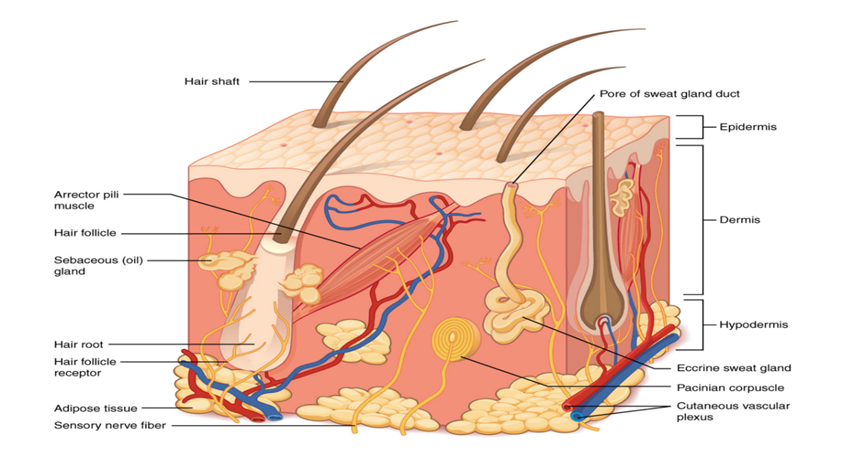
Figure 1: Skin Anatomy
FACE WASH
Definition: A face wash is a type of skincare product used to remove pollutants, oil, and debris from the face. It comes in a variety of forms, such as gels, foams, or creams, and frequently contains substances to target certain skin issues.
Benefits Of Facial Wash 7:
Properties Of Face Wash [8,9]
Cleaning
Efficiently gets rid of pollutants, oil, makeup, and grime.
Drinking water
Preserves or improves the natural moisture balance of the skin.
Scrubbing
Includes components that, in some formulations, aid in the removal of dead skin cells.
Balanced pH
Made to ensure that it doesn't damage the skin barrier by matching the pH of the skin naturally.
Antimicrobial
Antibacterial ingredients are included in some formulations to assist in fighting bacteria that cause acne.
Fit for Different Skin Types
Formulations for several skin types (oily, dry, sensitive, and combination) are available. [9]
Uses:
Agents Used In Face Wash [10]
Gelling Agent: Ingredients known as gelling agents will change your water or oil phase into a thicker but not rigid gel. Gelling agents increase the mobility and fluidity of emulsions compared to rigid ones. Certain gels are thixotropic, meaning they thin when force is applied and regain their viscosity when the force is released. For simpler bottling or spraying, these gels enable the creation of thick goods that may be shaken or swirled under high shear. For instance, carbopol 940 and carbopol 934. [10]
Surfactants: For efficient cleaning, use cocamidopropyl betaine, sodium lauryl sulphate (SLS), and sodium laureth sulphate (SLES).
Antioxidants: Take vitamin C, vitamin E, and green tea extract to protect against free radicals. Natural or artificial compounds known as antioxidants have the ability to stop or postpone certain forms of cell damage. Fruits and vegetables are among the many foods that contain antioxidants. They can be purchased as dietary supplements as well. Lycopene, vitamin A, vitamin C, and vitamin E are a few examples.[11]
Antimicrobial Agents: Antimicrobial In its broadest definition, an anti-toxin is a chemical that prevents the growth and reproduction of microorganisms. Anti-infection agents and antimicrobials are both objective micro-organisms, however, the names have come to connote two unmistakable things over the long run. Antimicrobials are presently most frequently characterized as substances that are utilized to sanitize surfaces and kill microbes that may be perilous.[12,13]
Preservatives: Preservatives are substances Used to prevent the growth of Microorganisms in various products, such as food, cosmetics, and pharmaceuticals. Methyl Paraben and propyl paraben are among the Preservatives that can be associated with This potential
Gelling Agents: Ingredients known as gelling agents will change your water or oil phase into a thicker but not rigid gel. Instead of being stiff, emulsions thickened with gelling agents will be more fluid and mobile. When force is applied, some of these gels will thin (thixotropic) and regain their viscosity when the force is removed.
For easier bottling or spraying, these gels enable the creation of thick products that may be shaken or swirled under high shear. For instance, carbopol940 and carbopol934.[14]
Humectants: The antithesis of a desiccant, humectants are hygroscopic substances used to keep things moist. It is frequently a molecule containing many hydrophilic groups, most commonly hydroxyl groups, although it can also contain amines, carboxyl groups, and occasionally esterified groups (its ability to make hydrogen bonds with water molecules is the key characteristic). They are found in a wide range of goods, including as food, cosmetics, medications, and insecticides. Through absorption, a humectant draws water vapour into and/or beneath the surface of an organism or item, attracting and holding onto the moisture in the surroundingair.
Butylene, hexylene, and propylene glycol are a few examples.[15]
Anti-inflametry: Oedema or irritation can be reduced with a drug or therapy. Typically, 50% of analgesics are calming drugs that reduce irritation instead of narcotics, which act on the focused sensory system to prevent mental symptoms of pain.[16]
HERBS USED IN FACE WASH
1] AJWAIN
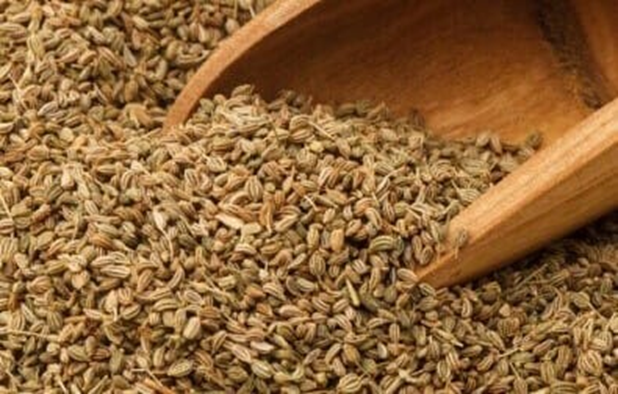
Figure no 2 : Ajwain
Synonym :- carom seeds, ajowan [19]
Biological source :- Trachyspernum ammi
Family :- Apiaceae
Chemical constituents :- thymol, alpha and beta pinene
Uses :- anti-fungal [20], anti-inflammetry [21],anti-hypertensive, anti-oxidant [22]
2] Bel Patra[23]
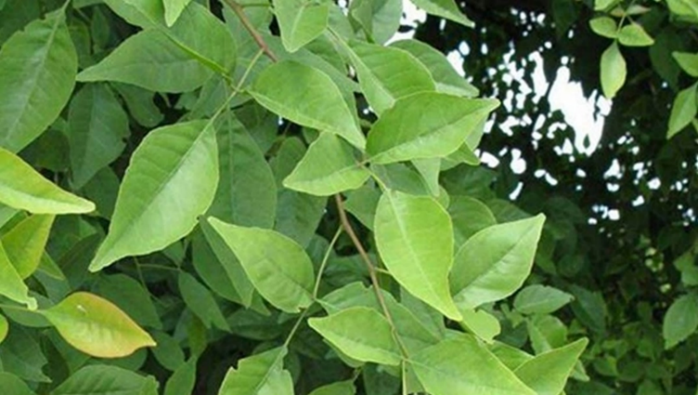
Figure no: 3 bel patra
Synonym :- Native Indian tree, Bel
Biological sources :- Aegle marmelos
Family :- Rutaceae
Uses :-
Characteristics
Appearance :- Each bel patra is made up of three pointed leaflets, which are glossy, green, and have a slightly leathery texture.
Aroma :- The leaves have a mild, pleasant aroma.
Tree :- The Bel tree itself is a medium-sized, deciduous tree with thorny branches and a hard, woody trunk. It can grow up to 15-20 meters tall.
3) Aloevera[24,25]
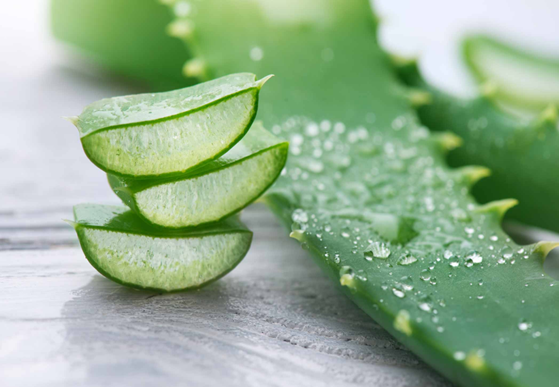
Figure no:4 Aloevera
Synonym: Aloe , musabbar
Biological source: Aloe barbadensis miller (or Curacao Aloe)
Family: Liliaceae
Chemical constituent: Aloe-emodin, Aloin, barbaloin, Beta barboloin
Chemical nature: the principal active composition of aloe is aloin, it having various chemical barbaloin chrysophanic acid choline the major source
USES :-
1) Scientific name: Aloe vera.
2) Order: Asparagus.
3) Family: Asphodelaceae
4) Subfamily: Asphodeloideae.
5) Kingdom: Plantae
6) Family: Vincaceae
7) Botanical name: Aloe barbadensis miller
The use of aloe vera on the face is beneficial because of its:
4) TURMERIC[26]
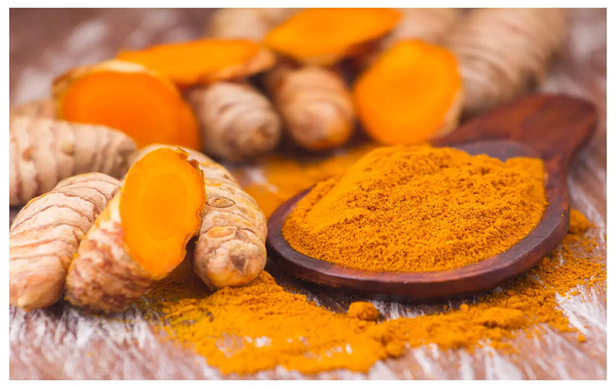
Figure no:5 Turmeric
Synonym: Haldi, Indian saffron
Biological Source: Curcuma longa Linn.
Family: Zingiberaceae
Chemical Constituent: Curcumin Zingiberene Borneol Caprylic acid Curcumanoids
Use:
Condition:
1. Reduces acne
2. Natural glow
3. Reduces dark circles
4. Moisturizes dry skin.
Physical properties:
EVALUATION TESTS
Characterization of Gel/Face Wash formulations: [27,28]
While foaming is a crucial component of face wash formulas, the gel base was optimized for viscosity and spreadability. In order to achieve good foaming, the surfactant concentration was optimized. In accordance with the documented protocols, the face wash formulations, gel base, and gel base containing natural surfactants were characterized for the various parameters.
1) Physical Appearance : The polyherbal gels' (PHG) physical attributes were examined for color, homogeneity (the absence of lumps), and smell.
2) Measurement of PH : After dissolving the PHG formulations (0.1g) in 10mL of water, they were left to stand for two hours. A digital pH meter was then used to record the pH of these solutions.
3) Viscosity:
Using spindle number 64, the viscosity of PHG, GB, and SGB was determined at 20 rpm using a Brookfield viscometer. The viscosity of the formulation was determined by recording the measurement on the display following two minutes of shear.
4) Spreadability:
The Arvouet-Grand Method was used to assess the spreadability of PHG, GB, and SGB. A weight of 125g was placed on the upper plate of two 20 x 20 cm glass plates, and 1g of the formulation was sandwiched between them. The diameter of the formulation was measured as a measure of spreadability.
5) Foamability:
A tiny quantity of gel (0.5g) was placed in a measuring cylinder with ImL of water, and the gel's initial volume was noted. To get foaming, the cylinder was shook ten times, and the volume was once more noted.
6) Washing Off Ability:
In the absence of soap, a tiny quantity of PHG was applied to the skin and then removed with warm water.
7) Grittiness:
The PHG formulations were applied to a glass slide, and any uneven particles were examined under a light microscope.
8) Spreadability, Foamability, Ph, And Viscosity:
As was discovered with GB and SGB, all of the PHGs had optimal viscosity. Every formulation's pH fell between 4.5 and 5.5, which is the range of the skin's pH (table 5). Every PHG had a significant capacity for foaming and was semi-fluid.
CONCLUSION [28]
Herbal face washes are used to improve blood flow, remove stubborn dirt, maintain skin suppleness, and revitalize muscles. One benefit of cosmetics made from herbs is that they are harmless. It nourishes the face's skin. The face wash provides the skin with the nourishment it needs. It helps get rid of pimples, blemishes, and scars. Face washes have cooling, calming, and relaxing effects on the skin in addition to exfoliating it. They complete this task as quickly as feasible. help restore the skin's inherent glow. Using natural face wash on a regular basis improves the skin's texture and look. Regular use of face wash can lessen the negative effects of pollution and harsh environments on the skin."
They help maintain the elasticity of skin cells and slow down the rate of skin aging. It is possible to effectively manage wrinkles, fine lines, and skin loosening with a natural face.
In our study, we found some exceptional properties in the face wash, but further investigation is needed to fully understand its potential as a cosmetic.
Since natural medications are safer and less likely to cause side effects than goods with a chemical base, they are now widely accepted. The growing worldwide market requires a wide variety of herbal formulations to satisfy its expectations. This attempt to make a herbal face wash using a range of plants with therapeutic benefits has been successful.
ACKNOLEDGEMENT:
We are privileged to express our sincere gratitude to our Principal Sir for providing us the opportunity to write this review under the guidance and support of Mr. pravinkumar M. Shahare sir and also my institute Chhatrapati Shivaji College of pharmacy, Deori for kind support and encouragement.
REFERENCES


Janavi Vitthale, Shreya Patil, Madhuri Bahekar, Pravinkumar Shahare, Upadesh Lade, Review on: Formulation and Evaluation of Herbal Facewash by Ajwain, Int. J. of Pharm. Sci., 2026, Vol 4, Issue 4, 299-309. https://doi.org/10.5281/zenodo.19387582
 10.5281/zenodo.19387582
