Umbilical cord stem cells (UCSCs) have garnered significant attention in regenerative medicine due to their unique biological properties, including high proliferative capacity, low immunogenicity, and multipotency. Derived from cord blood and Wharton’s jelly, these cells— primarily mesenchymal and hematopoietic stem cells—have demonstrated therapeutic potential across a wide range of diseases.[1].This review explores the clinical and experimental applications of UCSCs in treating hematological disorders, neurodegenerative diseases, cardiovascular conditions, autoimmune diseases, and liver and lung injuries.[2][3][4] Numerous clinical trials have shown encouraging outcomes, highlighting the regenerative and Immunomodulatory roles of UCSCs. Despite certain limitations such as scalability and long-term safety concerns, UCSCs remain a promising and ethically favorable option in the evolving landscape of stem cell-based therapies. Umbilical cord stem cells (UCSCs) represent a dynamic and increasingly utilized cell source in regenerative medicine, offering promising therapeutic outcomes for a variety of chronic, degenerative, and immune-mediated diseases.[2].
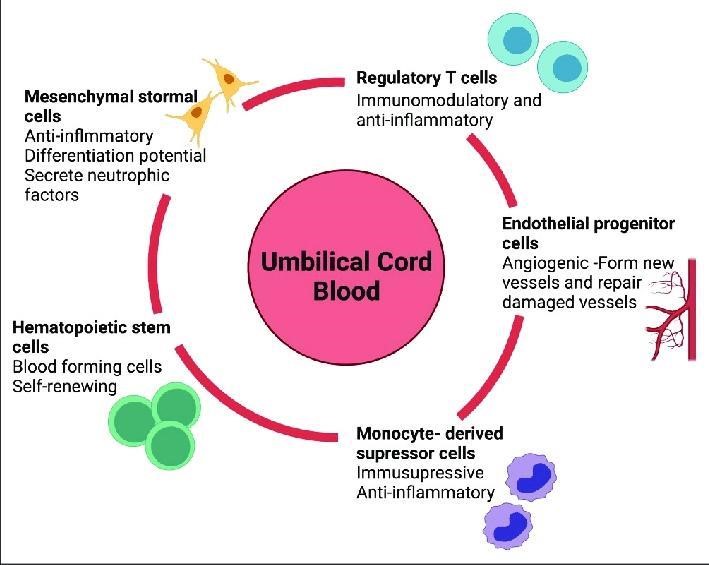
Stem cell therapy is revolutionizing modern medicine, offering potential cures for diseases previously considered untreatable. Among the different types, umbilical cord stem cells, including mesenchymal stem cells (MSCs) and hematopoietic stem cells (HSCs), are gaining interest due to their accessibility, non-invasive collection, and multi-lineage differentiation ability. Stem cell therapy has emerged as a transformative approach in the field of regenerative medicine, offering new possibilities for the treatment of a wide range of diseases once considered incurable or poorly managed by conventional therapies. Among the various types of stem cells, umbilical cord-derived stem cells (UCSCs) have attracted growing interest due to their accessibility, versatility, and ethical advantages.[1][3] The umbilical cord, a byproduct of childbirth, is a rich source of two primary types of stem cells: hematopoietic stem cells (HSCs) derived from cord blood, and mesenchymal stem cells (MSCs) found in Wharton’s jelly and the cord lining. HSCs are traditionally used in the treatment of hematological disorders such as leukemia, lymphoma, and anemia.
Fig 1: Umbilical cord blood
In contrast, MSCs exhibit a broader therapeutic potential due to their ability to differentiate into multiple cell lineages—including osteoblasts, chondrocytes, adipocytes, and even neural-like cells—as well as their strong immunomodulatory and anti-inflammatory properties.In recent years, UCSCs have been studied extensively in preclinical models and clinical trials for a variety of applications. These include not only hematological and immunological conditions but also neurodegenerative diseases (e.g., cerebral palsy, spinal cord injury).[8][14] cardiovascular diseases (e.g., myocardial infarction, ischemic stroke), metabolic disorders (e.g., type 1 diabetes), and organ damage (e.g., liver cirrhosis, lung injury due to COVID-19). Importantly, UCSCs are associated with lower risks of graft-versus-host disease (GVHD) compared to bone marrow-derived cells and are more ethically acceptable than embryonic stem cells.Additionally, innovations in gene editing, cell reprogramming, and 3D bioprinting are rapidly enhancing the functional capabilities of UCSCs, allowing for customized and targeted therapeutic interventions. Despite these advances, several challenges remain, including standardization of isolation and expansion protocols, long-term safety evaluation, and regulatory approval processes. This review aims to provide a comprehensive overview of the diseases that can be treated using UCSCs, the biological mechanisms underlying their therapeutic effects, and the current state of clinical translation. By synthesizing recent findings, we hope to highlight the promise and limitations of UCSCs in the context of evolving cell-based therapies.[5] In recent decades, stem cell therapy has revolutionized the landscape of medical science by offering unprecedented potential for tissue regeneration, immune modulation, and personalized medicine. Among the various stem cell sources, umbilical cord stem cells (UCSCs) have gained increasing attention for their ethical acceptability, abundance, and high therapeutic potential. Unlike embryonic stem cells, which pose ethical controversies, or adult stem cells, which may involve invasive collection procedures and limited potency, UCSCs are collected non-invasively from postnatal tissues such as cord blood and Wharton’s jelly—making them a practical and ethically sound option for clinical use. Umbilical cord-derived stem cells include two major types: hematopoietic stem cells (HSCs), primarily used in hematopoietic reconstitution and bone marrow transplantation, and mesenchymal stem cells (MSCs), which exhibit multilineage differentiation and strong immunosuppressive and anti-inflammatory properties. These stem cells are immunologically naïve, offering a lower risk of graft rejection and reducing the incidence of graftversus-host disease (GVHD), even in partially matched allogeneic transplants.[6] Global interest in UCSC-based therapies is reflected in the increasing number of clinical trials. As of 2024, more than 1,200 registered clinical studies have explored UCSCs in conditions ranging from blood cancers and inherited metabolic disorders to inflammatory diseases, tissue injuries, and degenerative neurological conditions. With the emergence of personalized and precision medicine, UCSCs are now being combined with bioengineering tools, such as nanotechnology, CRISPR/Cas9 gene editing, and 3D bioprinting, to enhance therapeutic specificity, homing ability, and functional outcomes. Furthermore, UCSCs play a pivotal role in the treatment of emerging public health challenges. During the COVID-19 pandemic, they were investigated for their potential to attenuate cytokine storms and repair lung injury through anti-inflammatory signaling and extracellular vesicle release. Promising results have also been reported in autism spectrum disorder (ASD), cerebral palsy, myocardial infarction, and type 1 diabetes, indicating the versatility and adaptability of these cells in diverse pathological environments.[5][6][1] However, despite these advancements, the translation of UCSC therapies into widespread clinical practice is hindered by several challenges. These include variability in isolation and storage protocols, limited cell expansion potential, regulatory barriers, and the need for long-term safety and efficacy data. Additionally, ethical considerations around ownership, commercialization, and biobanking remain active topics of debate.[1] In this review, we delve into the biological characteristics of UCSCs, their mechanisms of action, and their current and potential applications in the treatment of various diseases. We also discuss ongoing clinical trials, technological innovations, and future directions, aiming to present a comprehensive and up-to-date perspective on the evolving role of umbilical cord stem cells in modern medicine.[1] [2]
Neurological Diseases Treated with Umbilical Cord Stem Cells (UCSCs)
Umbilical cord stem cells, particularly mesenchymal stem cells (MSCs), have shown significant promise in treating various neurological disorders due to their ability to promote neuroprotection, neurogenesis, immune modulation, and tissue repair. MSCs secrete a range of bioactive molecules, including neurotrophic factors, cytokines, and extracellular vesicles, which help to reduce inflammation, promote healing, and repair damaged neural tissues. Below are the key neurological disorders and how UCSCs help in their treatment[2]
1) Cerebral Palsy (CP) :
Cerebral palsy is a group of disorders that affect movement, muscle tone, and posture. It is often caused by brain injury or abnormal brain development before, during, or shortly after birth. It leads to difficulties with motor skills, coordination, and can result in intellectual impairments.
UCSCs help: Mesenchymal stem cells (MSCs) derived from the umbilical cord can reduce brain inflammation and oxidative stress, which are significant contributors to neural injury in CP. These cells also promote neurogenesis (formation of new neurons) and remyelination (repair of damaged nerve fibers), helping restore brain function. Clinical trials have demonstrated improvements in motor skills and cognitive function in children with CP after MSC transplantation.
Mechanism:MSCs release neurotrophic factors (e.g., brain-derived neurotrophic factor, BDNF) that support neuronal survival, angiogenesis (formation of new blood vessels), and neuroplasticity (the ability of the brain to form new neural connections). These factors help repair the damaged areas of the brain, particularly those responsible for motor control.[14][2]
2) Spinal Cord Injury (SCI)
A spinal cord injury involves damage to the spinal cord, leading to loss of function below the site of injury. This can result in paralysis, loss of sensation, and impaired motor control. SCI often causes permanent damage to the spinal cord due to the lack of regenerative capacity of the nervous system.
UCSCs help: UCSCs, particularly MSCs, can reduce inflammation at the injury site, protect neurons, and promote tissue repair by secreting factors that help regenerate spinal cord tissue. They can also assist in remyelinating nerve fibers, which are crucial for restoring electrical communication between neurons.
Mechanism: MSCs release cytokines and growth factors such as nerve growth factor (NGF) and vascular endothelial growth factor (VEGF), which stimulate neuronal survival and angiogenesis. Additionally, MSCs may modulate the immune response to reduce the secondary damage that occurs after SCI, such as further inflammation and cell death.[7][2]
3) Stroke (Ischemic)
A stroke occurs when the blood supply to the brain is interrupted, leading to the death of brain cells due to lack of oxygen and nutrients. Ischemic strokes are the most common type and can result in paralysis, speech impairment, and cognitive deficits.
UCSCs help: After a stroke, MSCs derived from the umbilical cord are thought to reduce brain inflammation, protect damaged brain cells, and promote tissue regeneration. They can assist in neurogenesis and synaptic plasticity, which are crucial for restoring lost brain functions.
Mechanism:UCSCs release neuroprotective factors, including BDNF, insulin-like growth factor (IGF), and vascular endothelial growth factor (VEGF). These factors help protect the brain from further damage, stimulate the growth of new neurons, and encourage the formation of new blood vessels (angiogenesis) in the affected brain areas.[8]
4) Multiple Sclerosis (MS):
Multiple sclerosis is an autoimmune disease where the immune system mistakenly attacks the protective covering (myelin) of nerve fibers in the central nervous system, leading to inflammation and tissue damage. This results in symptoms such as muscle weakness, vision problems, and impaired coordination.[17]
UCSCs help:Umbilical cord-derived MSCs have immune-modulatory properties, which can help reduce the autoimmune attack on myelin. Additionally, MSCs promote remyelination of nerve fibers, thereby restoring nerve function. This helps reduce the severity of MS symptoms and slows disease progression.
Mechanism: MSCs can modulate the immune system by reducing pro-
inflammatory cytokines and increasing the activity of regulatory T-cells, which suppress the autoimmune response. Additionally, MSCs support remyelination by releasing oligodendrocyte precursor cells (cells that form myelin) and stimulating the growth of new myelin sheaths around nerve fibers.[11]
5) Parkinson’s Disease :
Parkinson’s disease is a neurodegenerative disorder that affects movement control due to the progressive loss of dopamine-producing neurons in the brain. Symptoms include tremors, rigidity, bradykinesia (slowness of movement), and postural instability.
UCSCs help: UCSCs can potentially replace damaged dopamine-producing neurons or promote the regeneration of existing neurons. MSCs can also protect existing neurons from degeneration and help restore motor function.
Mechanism: The neurotrophic factors secreted by UCSCs, such as glial-derived neurotrophic factor (GDNF) and BDNF, can enhance the survival of dopamineproducing neurons and stimulate their regeneration. MSCs also have antiinflammatory properties, which may reduce the neuroinflammation that contributes to neuronal damage in Parkinson’s disease.[10][2]
6) Alzheimer’s Disease
Alzheimer’s disease is a neurodegenerative disorder characterized by progressive memory loss, cognitive decline, and personality changes. It is caused by the accumulation of amyloid plaques and tau tangles in the brain.
UCSCs help: UCSCs, particularly MSCs, may help regenerate brain cells, reduce inflammation, and improve cognitive function in Alzheimer’s patients. They can help clear amyloid plaques and promote neurogenesis.
Mechanism: UCSCs secrete neuroprotective factors, including insulin-like growth factor (IGF) and brain-derived neurotrophic factor (BDNF), which help protect neurons from degeneration and stimulate new brain cell growth. MSCs also help reduce neuroinflammation, which is a key feature of Alzheimer’s pathology.[9]
Hematological Diseases Treated with Umbilical Cord Stem Cells (UCSCs)
Hematological diseases involve disorders of the blood and bone marrow, which affect the production of blood cells or the function of the immune system. Hematopoietic stem cells (HSCs) from umbilical cord blood are widely used in the treatment of these diseases due to their ability to regenerate the blood and immune system. Below are the major hematological diseases treated with UCSCs, along with the mechanisms by which UCSCs help [3]
1) Leukemia:
Leukemia is a cancer of the blood or bone marrow that results in the overproduction of abnormal white blood cells. These cells crowd out healthy blood cells, leading to symptoms such as anemia, bleeding, and infections.
UCSCs help: Hematopoietic stem cells (HSCs) from umbilical cord blood are used in hematopoietic stem cell transplantation (HSCT). The transplanted HSCs can replace the damaged or cancerous bone marrow cells and restore normal blood cell production. This helps restore the immune system and blood function.
Mechanism: UCSCs from cord blood reconstitute the hematopoietic system by differentiating into red blood cells, white blood cells, and platelets. These cells also have an immunomodulatory effect, reducing the chances of graft-versus-host disease (GVHD) when compared to bone marrow transplants.[12]
2) Lymphoma:
Lymphoma is a type of cancer that affects the lymphatic system, particularly the lymph nodes. It involves abnormal growth of lymphocytes (a type of white blood cell). There are two main types: Hodgkin lymphoma and non-Hodgkin lymphoma.
UCSCs help: Similar to leukemia, HSCs from umbilical cord blood can be transplanted to replace damaged or diseased lymphatic cells. These stem cells help regenerate a healthy immune system and restore normal blood cell production.
Mechanism: Cord blood-derived HSCs provide a new source of functional lymphocytes (T-cells and B-cells), which are essential for immune responses. These cells help restore immune function and fight off infections that may arise after lymphoma treatment.[16]
3) Sickle Cell Disease
Sickle cell disease is an inherited blood disorder where the red blood cells are abnormally shaped (sickle-shaped), leading to blockages in blood flow and reduced oxygen delivery. This causes severe pain, organ damage, and increased risk of infections.
UCSCs help: Stem cell transplants from umbilical cord blood have been shown to help treat sickle cell disease by replacing the defective sickle-shaped red blood cells with normal ones. The transplanted hematopoietic stem cells (HSCs) generate healthy red blood cells that do not sickle, thus preventing the associated complications.
Mechanism: The transplanted HSCs produce normal red blood cells, which do not sickle and provide better oxygenation to tissues. In addition, the new stem cells help restore the overall function of the blood system, including white blood cells and platelets, which are crucial for immune defense and clotting. [15]
Liver Diseases Treated with Umbilical Cord Stem Cells (UCSCs)
The liver has a remarkable ability to regenerate, but in chronic or severe liver damage, this regenerative capacity can be overwhelmed. Umbilical cord-derived mesenchymal stem cells (UCMSCs), particularly from Wharton’s jelly, have shown promise in regenerating liver tissue, reducing fibrosis, and modulating immune responses in liver diseases.[4]
1) Liver Cirrhosis
Liver cirrhosis is the end-stage of chronic liver disease marked by extensive fibrosis (scarring) and the loss of liver function. It can result from hepatitis B/C, alcohol abuse, or nonalcoholic fatty liver disease (NAFLD).
UCSCs help: UC-MSCs can reduce liver fibrosis, stimulate hepatocyte regeneration, and improve liver function. Clinical studies have shown improved albumin levels, reduced bilirubin, and better Model for End-stage Liver Disease (MELD) scores after stem cell therapy.
Mechanism: Secretion of anti-fibrotic cytokines (e.g., IL-10, HGF) that inhibit hepatic stellate cells (HSCs), which are key mediators of fibrosis. Stimulation of liver progenitor cells and differentiation into hepatocyte-like cells.Reduction of inflammation and immune-mediated liver injury.[13]
2) Acute Liver Failure (ALF)
ALF is a rapid loss of liver function due to viral infection, drug toxicity (e.g., paracetamol overdose), or autoimmune disease. It leads to jaundice, coagulopathy, and encephalopathy.
UCSCs help: Stem cell therapy offers a bridge to liver transplantation or a potential alternative. UC-MSCs can support rapid liver tissue regeneration, control oxidative stress, and suppress inflammatory cytokines.
Mechanism: MSCs home to damaged liver tissue and secrete paracrine factors that prevent further hepatocyte death. They modulate immune response, reducing cytokine storms and oxidative stress. They promote angiogenesis and microcirculatory repair, which are critical in tissue survival.[18][13]
3) Hepatitis (B or C Virus-Induced)
Chronic viral hepatitis leads to chronic inflammation, liver damage, and eventual cirrhosis or liver cancer.
UCSCs help: UC-MSCs help modulate immune responses, reducing chronic inflammation and promoting regeneration of hepatocytes. They may enhance antiviral effects and delay fibrosis progression.
Cardiovascular Diseases Treated with Umbilical Cord Stem Cells (UCSCs)
Cardiovascular diseases (CVDs), including heart attacks, heart failure, and ischemic damage, remain a leading cause of death globally. Unlike traditional treatments that manage symptoms, umbilical cord-derived stem cell therapy aims to repair and regenerate damaged heart tissue, restore blood supply, and improve cardiac function. UCSCs, particularly mesenchymal stem cells (UC-MSCs) from Wharton’s jelly and endothelial progenitor cells (EPCs) from cord blood, show great promise due to their immunomodulatory, angiogenic, and regenerative capabilities.[5]
1) Myocardial Infarction (Heart Attack)
A myocardial infarction (MI) occurs when blood flow to the heart muscle is blocked, causing tissue damage due to lack of oxygen.
UCSCs help: UC-MSCs and EPCs can promote neovascularization (formation of new blood vessels), reduce inflammation, and support cardiomyocyte (heart muscle cell) regeneration.
Mechanism:
Paracrine signaling: Release of growth factors like VEGF, IGF-1, and HGF to stimulate tissue repair.
Angiogenesis: Formation of new capillaries in the ischemic heart tissue. o Anti-apoptotic effects: Prevent further death of cardiomyocytes.
Modulation of immune response: Reduces the extent of post-infarction inflammation and fibrosis.[22][17]
2) Heart Failure (HF)
A condition where the heart can’t pump blood efficiently, often due to damage from previous heart attacks or chronic hypertension.
UCSCs help: Stem cell therapy aims to restore myocardial structure, enhance contractility, and improve vascularization, thereby improving heart function.
Mechanism: UC-MSCs enhance left ventricular ejection fraction (LVEF).Stimulate resident cardiac stem cells and improve cardiac remodeling.Reduce scar tissue and promote myocardial regeneration.[17]
3) Ischemic Cardiomyopathy
A type of heart disease caused by narrowed or blocked coronary arteries leading to reduced blood flow and heart muscle dysfunction.
UCSCs help: UC-MSCs reduce ischemic damage by restoring microvascular density and supporting myocardial healing.
Mechanism:
Angiogenesis: Improved blood vessel formation in the ischemic myocardium.
Improved perfusion: Restored oxygen and nutrient delivery to tissues.
Cardioprotection: Reduced oxidative stress and cell death.[19][22]
Lung Diseases Treated with Umbilical Cord Stem Cells (UCSCs) :
Lung diseases often involve chronic inflammation, fibrosis, and irreversible damage to alveolar structures. Umbilical cord-derived mesenchymal stem cells (UC-MSCs) show significant potential in regenerating lung tissue, modulating immune responses, and reducing fibrosis and inflammation.[23][24]
1) Chronic Obstructive Pulmonary Disease (COPD)
A progressive lung disease characterized by airflow limitation, chronic bronchitis, and emphysema.
UCSCs help: UC-MSCs can reduce chronic inflammation, protect lung cells, and stimulate alveolar repair.
Mechanism: Secretion of anti-inflammatory cytokines (e.g., IL-10, TGF-β) to suppress immune-mediated tissue damage. Promotion of angiogenesis and tissue remodeling. Reduction of oxidative stress in lung tissues.[24][21]
2) Idiopathic Pulmonary Fibrosis (IPF)
A rare and serious lung disease causing progressive scarring (fibrosis) of lung tissue, leading to reduced oxygen exchange.
UCSCs help: UC-MSCs can slow the progression of fibrosis and promote repair of alveolar epithelium.
Mechanism: Inhibit activation of fibroblasts and production of collagen.
Increase expression of matrix metalloproteinases (MMPs) to remodel fibrotic tissue.
Reduce pro-fibrotic signals like TGF-β1.[26]
3) Acute Respiratory Distress Syndrome (ARDS)
A life-threatening condition often triggered by trauma, sepsis, or viral infections (e.g., COVID-19), causing severe inflammation and fluid buildup in the lungs.
UCSCs help: Stem cells provide anti-inflammatory, anti-apoptotic, and barrierrestoring effects.
Mechanism: Restore alveolar-capillary integrity by repairing endothelial and epithelial cells.
Decrease cytokine storms via immunomodulation.
Reduce lung edema and support oxygen exchange.[27]
4) COVID-19 (Coronavirus Disease 2019)
Definition:COVID-19 is an infectious disease caused by the SARS-CoV-2 virus, first identified in December 2019 in Wuhan, China. It primarily affects the respiratory system but can impact multiple organs.
Causative Agent: SARS-CoV-2 (Severe Acute Respiratory Syndrome Coronavirus a novel coronavirus belonging to the Coronaviridae family.
Mode of Transmission:
o Droplet transmission (coughing, sneezing) o Airborne transmission in enclosed spaces
o Contact with contaminated surface
o Close personal contact
Mesenchymal stem cells can serve as a therapeutic option for COVID-19. Their immunomodulatory and anti-inflammatory properties can regulate the exaggerated inflammatory response and promote recovery of lung damage. Due to its immunomodulatory properties, mesenchymal stem cells (MSC) have the potential to combat COVID-19 infection. In the past, MSC treatment was found to be safe and effective in various conditions such as pulmonary, orthopedic, neurologic, cardiac conditions, etc.. Patients with mild COVID-19 usually recover at home, with supportive care and isolation. cytokine storm is known to be one of the major reasons associated with mortality in COVID-19, immunoregulatory agents may result in a positive outcome. Therefore evaluate whether MSCs can help preventing the progression in moderate stage patients, help in faster recovery or reduce mortality.This study was conducted to evaluate the safety and efficacy of mesenchymal stem cells derived from umbilical cord and placenta in moderate COVID19.[25]
Advantages, DisAdvantages, and limitations of using umbilical cord stem cells (UCSCs):
1) Advantages :
Non-invasive and ethical collection process
Abundant availability (cord is usually discarded at birth)
Lower risk of immune rejection (low immunogenicity)
Multipotent differentiation capability
Strong immunomodulatory properties
Minimal risk of tumor formation
Effective in both autologous and allogeneic transplants
High proliferative and expansion potential
2) Disadvantages :
Limited volume of cells collected per cord
Lower stem cell counts compared to bone marrow in some cases
Not suitable for large adult patients in autologous transplants
May require cell expansion before clinical use
HLA matching may still be needed for some allogeneic uses
Cryopreservation and banking costs may be high
3)Limitations :
Lack of standardized protocols for isolation and administration
Long-term safety and efficacy still under investigation
Limited differentiation compared to pluripotent stem cells
Regulatory and ethical challenges in some regions
Risk of contamination or infection during collection/storage
May not be effective for all disease types
Technical challenges in targeted delivery and homing to injured tissue[28]
CONCLUSION
Umbilical cord stem cells (UCSCs), particularly mesenchymal and hematopoietic stem cells, have emerged as a promising and versatile tool in regenerative medicine due to their potent immunomodulatory, anti-inflammatory, and differentiation capabilities. Their therapeutic applications span a wide range of diseases, including neurological, cardiovascular, hematological, hepatic, pulmonary, and autoimmune disorders. With increasing success in preclinical and clinical studies, UCSCs offer a minimally invasive, ethically acceptable, and effective alternative to traditional treatments. However, despite their immense potential, challenges such as standardization, long-term safety validation, and regulatory hurdles remain. Continued research, technological advancements, and robust clinical trials will be crucial in unlocking the full potential of UCSCs and integrating them into routine medical practice.
REFERENCES
K. Batsali A, Kastrinaki MC, A. Papadaki H, Pontikoglou C. Mesenchymal stem cells derived from Wharton's Jelly of the umbilical cord: biological properties and emerging clinical applications.
Current stem cell research & therapy. 2013 Mar 1;8(2):144-55.Reyhani S, Abbaspanah B, Mousavi SH. Umbilical cord-derived mesenchymal stem cells in neurodegenerative disorders: from literature to clinical practice. Regenerative medicine. 2020 Apr 1;15(4):1561-78.
Pelosi E, Castelli G, Testa U. Human umbilical cord is a unique and safe source of various types of stem cells suitable for treatment of hematological diseases and for regenerative medicine. Blood Cells, Molecules, and Diseases. 2012 Jun 15;49(1):20-8.
Mahmood A, Seetharaman R, Kshatriya P, Patel D, Srivastava AS. Stem cell transplant for advanced stage liver disorders: current scenario and future prospects. Current Medicinal Chemistry. 2020 Nov 1;27(37):6276-93.
Goldberg JL, Laughlin MJ, Pompili VJ. Umbilical cord blood stem cells: implications for cardiovascular regenerative medicine. Journal of molecular and cellular cardiology. 2007 May 1;42(5):912-20.
Swami AA, Bhide AR, Anuhya K, Tharuni J, Vyawahare VM. Stem Cell Therapy-Current Scenario, Challenges and Future in India: A Review. VIMS Health Science Journal. 2023 Jun 30;10(2):61-7.
Srivastava RN, Agrahari AK, Singh A, Chandra T, Raj S. Effectiveness of bone marrowderived mononuclear stem cells for neurological recovery in participants with spinal cord injury: a randomized controlled trial. Asian Journal of Transfusion Science. 2019 Jul 1;13(2):120-8.
Chaudhuri A, Hollands P, Bhattacharya N. Placental umbilical cord blood transfusion in acute ischaemic stroke. Medical hypotheses. 2007 Jan 1;69(6):1267-71.
Bhatt A, Bhardwaj H, Shrivastava P. Mesenchymal stem cell therapy for Alzheimer’s disease: A novel therapeutic approach for neurodegenerative diseases. Neuroscience. 2024 Jul 19.
Shetty P, Thakur AM, Viswanathan C. Dopaminergic cells, derived from a high efficiency differentiation protocol from umbilical cord derived mesenchymal stem cells, alleviate symptoms in a Parkinson’s disease rodent model. Cell biology international. 2013 Feb;37(2):167-80.
Dayama AP, Kurmi SR, Singh N, Ansari F, Dua V, Bhargava R. Autologous Stem Cell Transplant in Adult Multiple Sclerosis Patients: A Pilot Study From North India. Biology of Blood and Marrow Transplantation. 2018 Mar 1;24(3):S120-1.
Mukhopadhyay A, Gupta P, Basak J, Chakraborty A, Bhattacharyya D, Mukhopadhyay S, Roy U. Stem cell transplant: An experience from eastern India. Indian Journal of Medical and Paediatric Oncology. 2012 Oct;33(04):203-9.
Anand L, Bihari C, Kedarisetty CK, Rooge SB, Kumar D, Shubham S, Kumar G, Sahney A, Sharma MK, Maiwall R, Kumar A. Early cirrhosis and a preserved bone marrow niche favour regenerative response to growth factors in decompensated cirrhosis. Liver International. 2019 Jan;39(1):115-26.
Jawale S, Bhaskar V, Nandikolmath V, Patil S. Autologous stem cell therapy for cerebral palsy. Open Journal of Pediatrics. 2020 Jan 20;10(01):36.
Malhotra M, Shenoy S. Umbilical cord blood as a hematopoietic stem cell source in transplantation for pediatric sickle cell disease: current challenges and strategies. Transfusion and Apheresis Science. 2022 Oct 1;61(5):103554.
Kumar S, Sharma A, Pramanik R, Pathak N, Gogia A, Kumar A, Kayal S, Sharma V, Sahoo RK, Thulkar S, Sharma MC. Long-term outcomes and safety trends of autologous stemcell transplantation in non-Hodgkin lymphoma: a report from a tertiary care center in India. JCO Global Oncology. 2022 May;8(1):e2100383.
Bilgimol JC, Ragupathi S, Vengadassalapathy L, Senthil NS, Selvakumar K, Ganesan M, Manjunath SR. Stem cells: An eventual treatment option for heart diseases. World journal of stem cells. 2015 Sep 26;7(8):1118.
Khan AA, Shaik MV, Parveen N, Rajendraprasad A, Aleem MA, Habeeb MA, Srinivas G, Raj TA, Tiwari SK, Kumaresan K, Venkateswarlu J. Human fetal liver-derived stem cell transplantation as supportive modality in the management of end-stage decompensated liver cirrhosis. Cell
Seth S, Bhargava B, Narang R, Ray R, Mohanty S, Gulati G, Kumar L, Airan B, Venugopal P, AIIMS Stem Cell Study Group. The ABCD (Autologous Bone Marrow Cells in Dilated Cardiomyopathy) trial: a long-term follow-up study. Journal of the American College of Cardiology. 2010 Apr 13;55(15):1643-4.
Fang X, Liu L, Dong J, Zhang J, Song H, Song Y, Huang Y, Cui X, Lin J, Chen C, Liu B. A study about immunomodulatory effect and efficacy and prognosis of human umbilical
cord mesenchymal stem cells in patients with chronic hepatitis B?induced decompensated liver cirrhosis. Journal of gastroenterology and hepatology. 2018 Apr;33(4):774-80.
Le Thi Bich P, Nguyen Thi H, Dang Ngo Chau H, Phan Van T, Do Q, Dong Khac H, Le Van D, Nguyen Huy L, Mai Cong K, Ta Ba T, Do Minh T. Allogeneic umbilical cordderived mesenchymal stem cell transplantation for treating chronic obstructive pulmonary disease: a pilot clinical study. Stem cell research & therapy. 2020 Dec;11:1-4.
Poomani MS, Mariappan I, Perumal R, Regurajan R, Muthan K, Subramanian V. Mesenchymal stem cell (MSCs) therapy for ischemic heart disease: a promising frontier. Global Heart. 2022 Mar 3;17(1):19.
Meng M, Zhang WW, Chen SF, Wang DR, Zhou CH. Therapeutic utility of human umbilical cordderived mesenchymal stem cells-based approaches in pulmonary diseases: Recent advancements and prospects. World Journal of Stem Cells. 2024 Feb 26;16(2):70.
Sharma A, Kulkarni R, Sane H, Awad N, Bopardikar A, Joshi A, Baweja S, Joshi M, Vishwanathan C, Gokulchandran N, Badhe P. Phase 1 clinical trial for intravenous administration of mesenchymal stem cells derived from umbilical cord and placenta in patients with moderate COVID-19 virus pneumonia: results of stage 1 of the study. American journal of stem cells. 2022 Jun 15;11(3):37. 24) Sharma A, Kulkarni R, Sane H, Awad N, Bopardikar A, Joshi A, Baweja S, Joshi M, Vishwanathan C, Gokulchandran N, Badhe P. Phase 1 clinical trial for intravenous administration of mesenchymal stem cells derived from umbilical cord and placenta in patients with moderate COVID-19 virus pneumonia: results of stage 1 of the study. American journal of stem cells. 2022 Jun 15;11(3):37.
Ghufran H, Azam M, Mehmood A, Umair M, Baig MT, Tasneem S, Butt H, Riazuddin S. Adipose tissue and umbilical cord tissue: potential sources of mesenchymal stem cells for liver fibrosis treatment. Journal of Clinical and Experimental Hepatology. 2024 Jul 1;14(4):101364.
Regmi S, Ganguly A, Pathak S, Primavera R, Chetty S, Wang J, Patel S, Thakor AS. Evaluating the therapeutic potential of different sources of mesenchymal stem cells in acute respiratory distress syndrome. Stem Cell Research & Therapy. 2024 Oct 29;15(1):385.
Kim HJ, Park JS. Usage of human mesenchymal stem cells in cell-based therapy: advantages and disadvantages. Development & reproduction. 2017 Mar 31;21(1):1.
Reference
K. Batsali A, Kastrinaki MC, A. Papadaki H, Pontikoglou C. Mesenchymal stem cells derived from Wharton's Jelly of the umbilical cord: biological properties and emerging clinical applications.
Current stem cell research & therapy. 2013 Mar 1;8(2):144-55.Reyhani S, Abbaspanah B, Mousavi SH. Umbilical cord-derived mesenchymal stem cells in neurodegenerative disorders: from literature to clinical practice. Regenerative medicine. 2020 Apr 1;15(4):1561-78.
Pelosi E, Castelli G, Testa U. Human umbilical cord is a unique and safe source of various types of stem cells suitable for treatment of hematological diseases and for regenerative medicine. Blood Cells, Molecules, and Diseases. 2012 Jun 15;49(1):20-8.
Mahmood A, Seetharaman R, Kshatriya P, Patel D, Srivastava AS. Stem cell transplant for advanced stage liver disorders: current scenario and future prospects. Current Medicinal Chemistry. 2020 Nov 1;27(37):6276-93.
Goldberg JL, Laughlin MJ, Pompili VJ. Umbilical cord blood stem cells: implications for cardiovascular regenerative medicine. Journal of molecular and cellular cardiology. 2007 May 1;42(5):912-20.
Swami AA, Bhide AR, Anuhya K, Tharuni J, Vyawahare VM. Stem Cell Therapy-Current Scenario, Challenges and Future in India: A Review. VIMS Health Science Journal. 2023 Jun 30;10(2):61-7.
Srivastava RN, Agrahari AK, Singh A, Chandra T, Raj S. Effectiveness of bone marrowderived mononuclear stem cells for neurological recovery in participants with spinal cord injury: a randomized controlled trial. Asian Journal of Transfusion Science. 2019 Jul 1;13(2):120-8.
Chaudhuri A, Hollands P, Bhattacharya N. Placental umbilical cord blood transfusion in acute ischaemic stroke. Medical hypotheses. 2007 Jan 1;69(6):1267-71.
Bhatt A, Bhardwaj H, Shrivastava P. Mesenchymal stem cell therapy for Alzheimer’s disease: A novel therapeutic approach for neurodegenerative diseases. Neuroscience. 2024 Jul 19.
Shetty P, Thakur AM, Viswanathan C. Dopaminergic cells, derived from a high efficiency differentiation protocol from umbilical cord derived mesenchymal stem cells, alleviate symptoms in a Parkinson’s disease rodent model. Cell biology international. 2013 Feb;37(2):167-80.
Dayama AP, Kurmi SR, Singh N, Ansari F, Dua V, Bhargava R. Autologous Stem Cell Transplant in Adult Multiple Sclerosis Patients: A Pilot Study From North India. Biology of Blood and Marrow Transplantation. 2018 Mar 1;24(3):S120-1.
Mukhopadhyay A, Gupta P, Basak J, Chakraborty A, Bhattacharyya D, Mukhopadhyay S, Roy U. Stem cell transplant: An experience from eastern India. Indian Journal of Medical and Paediatric Oncology. 2012 Oct;33(04):203-9.
Anand L, Bihari C, Kedarisetty CK, Rooge SB, Kumar D, Shubham S, Kumar G, Sahney A, Sharma MK, Maiwall R, Kumar A. Early cirrhosis and a preserved bone marrow niche favour regenerative response to growth factors in decompensated cirrhosis. Liver International. 2019 Jan;39(1):115-26.
Jawale S, Bhaskar V, Nandikolmath V, Patil S. Autologous stem cell therapy for cerebral palsy. Open Journal of Pediatrics. 2020 Jan 20;10(01):36.
Malhotra M, Shenoy S. Umbilical cord blood as a hematopoietic stem cell source in transplantation for pediatric sickle cell disease: current challenges and strategies. Transfusion and Apheresis Science. 2022 Oct 1;61(5):103554.
Kumar S, Sharma A, Pramanik R, Pathak N, Gogia A, Kumar A, Kayal S, Sharma V, Sahoo RK, Thulkar S, Sharma MC. Long-term outcomes and safety trends of autologous stemcell transplantation in non-Hodgkin lymphoma: a report from a tertiary care center in India. JCO Global Oncology. 2022 May;8(1):e2100383.
Bilgimol JC, Ragupathi S, Vengadassalapathy L, Senthil NS, Selvakumar K, Ganesan M, Manjunath SR. Stem cells: An eventual treatment option for heart diseases. World journal of stem cells. 2015 Sep 26;7(8):1118.
Khan AA, Shaik MV, Parveen N, Rajendraprasad A, Aleem MA, Habeeb MA, Srinivas G, Raj TA, Tiwari SK, Kumaresan K, Venkateswarlu J. Human fetal liver-derived stem cell transplantation as supportive modality in the management of end-stage decompensated liver cirrhosis. Cell
Seth S, Bhargava B, Narang R, Ray R, Mohanty S, Gulati G, Kumar L, Airan B, Venugopal P, AIIMS Stem Cell Study Group. The ABCD (Autologous Bone Marrow Cells in Dilated Cardiomyopathy) trial: a long-term follow-up study. Journal of the American College of Cardiology. 2010 Apr 13;55(15):1643-4.
Fang X, Liu L, Dong J, Zhang J, Song H, Song Y, Huang Y, Cui X, Lin J, Chen C, Liu B. A study about immunomodulatory effect and efficacy and prognosis of human umbilical
cord mesenchymal stem cells in patients with chronic hepatitis B?induced decompensated liver cirrhosis. Journal of gastroenterology and hepatology. 2018 Apr;33(4):774-80.
Le Thi Bich P, Nguyen Thi H, Dang Ngo Chau H, Phan Van T, Do Q, Dong Khac H, Le Van D, Nguyen Huy L, Mai Cong K, Ta Ba T, Do Minh T. Allogeneic umbilical cordderived mesenchymal stem cell transplantation for treating chronic obstructive pulmonary disease: a pilot clinical study. Stem cell research & therapy. 2020 Dec;11:1-4.
Poomani MS, Mariappan I, Perumal R, Regurajan R, Muthan K, Subramanian V. Mesenchymal stem cell (MSCs) therapy for ischemic heart disease: a promising frontier. Global Heart. 2022 Mar 3;17(1):19.
Meng M, Zhang WW, Chen SF, Wang DR, Zhou CH. Therapeutic utility of human umbilical cordderived mesenchymal stem cells-based approaches in pulmonary diseases: Recent advancements and prospects. World Journal of Stem Cells. 2024 Feb 26;16(2):70.
Sharma A, Kulkarni R, Sane H, Awad N, Bopardikar A, Joshi A, Baweja S, Joshi M, Vishwanathan C, Gokulchandran N, Badhe P. Phase 1 clinical trial for intravenous administration of mesenchymal stem cells derived from umbilical cord and placenta in patients with moderate COVID-19 virus pneumonia: results of stage 1 of the study. American journal of stem cells. 2022 Jun 15;11(3):37. 24) Sharma A, Kulkarni R, Sane H, Awad N, Bopardikar A, Joshi A, Baweja S, Joshi M, Vishwanathan C, Gokulchandran N, Badhe P. Phase 1 clinical trial for intravenous administration of mesenchymal stem cells derived from umbilical cord and placenta in patients with moderate COVID-19 virus pneumonia: results of stage 1 of the study. American journal of stem cells. 2022 Jun 15;11(3):37.
Ghufran H, Azam M, Mehmood A, Umair M, Baig MT, Tasneem S, Butt H, Riazuddin S. Adipose tissue and umbilical cord tissue: potential sources of mesenchymal stem cells for liver fibrosis treatment. Journal of Clinical and Experimental Hepatology. 2024 Jul 1;14(4):101364.
Regmi S, Ganguly A, Pathak S, Primavera R, Chetty S, Wang J, Patel S, Thakor AS. Evaluating the therapeutic potential of different sources of mesenchymal stem cells in acute respiratory distress syndrome. Stem Cell Research & Therapy. 2024 Oct 29;15(1):385.
Kim HJ, Park JS. Usage of human mesenchymal stem cells in cell-based therapy: advantages and disadvantages. Development & reproduction. 2017 Mar 31;21(1):1.
Priyankab Mohite
Corresponding author
Womens college of pharmacy,peth vadgaon, kolhapur, maharashtra,india
Shrutika Bhandare
Co-author
Womens college of pharmacy,peth vadgaon, kolhapur, maharashtra,india
Vaishnavi Kamble
Co-author
Womens college of pharmacy,peth vadgaon, kolhapur, maharashtra,india
Sanika patil
Co-author
Womens college of pharmacy,peth vadgaon, kolhapur, maharashtra,india
Yogda Rawool
Co-author
Womens college of pharmacy,peth vadgaon, kolhapur, maharashtra,india
Dr. Dharnraj Jadage
Co-author
Womens college of pharmacy,peth vadgaon, kolhapur, maharashtra,india
Priyankab Mohite*, Shrutika Bhandare, Vaishnavi Kamble, Sanika patil, Yogda Rawool, Dr. Dharnraj Jadage, Therapeutic Applications of Umbilical Cord Stem Cells in the Treatment of Human Diseases, Int. J. of Pharm. Sci., 2025, Vol 3, Issue 5, 293-304. https://doi.org/10.5281/zenodo.15332776



 10.5281/zenodo.15332776