
View Article

Abstract

Wound healing is a critical physiological process that restores the integrity of damaged skin tissue. Synthetic wound healing agents may cause side effects such as irritation, delayed healing, or microbial resistance. To overcome these challenges, herbal alternatives with traditional therapeutic value have gained interest. The present study aims to formulate and evaluate a herbal wound healing ointment using medicinal plant extracts such as guava (Psidium guajava) leaves, neem (Azadirachta indica), and aloe vera (Aloe barbadensis), known for their antimicrobial, anti-inflammatory, antioxidant, and astringent properties. The selected herbal materials were collected, shade-dried, and powdered. Extracts were prepared using appropriate solvents and incorporated into an ointment base made from beeswax and petroleum jelly. The formulation was evaluated for various physicochemical parameters, including color, odour, pH, spreadability, homogeneity, and stability under different storage conditions. Preliminary wound healing activity was assessed using an animal model (if applicable) or observational parameters like wound contraction and epithelialization time on a simulated wound. The herbal ointment showed favorable results, including reduced inflammation, faster wound closure, and minimal skin irritation when compared to a standard market formulation. This study concludes that the developed herbal ointment is effective for topical wound management and can serve as a safe, affordable, and eco-friendly alternative to synthetic wound healing agents. The formulation holds promise for further development and clinical.

Keywords

Herbal wound healing, Medicinal plant extracts, Topical ointment formulation, Physicochemical evaluation, Skin tissue regeneration

Introduction

Wound healing is a complex biological process that involves tissue repair and regeneration. It is crucial for restoring the skin's integrity and preventing infections. Traditional medicine has long used herbal remedies to enhance wound healing due to their antimicrobial, anti-inflammatory, and regenerative properties. Herbal extracts like Aloe Vera, Turmeric, and Neem have been scientifically proven to aid in faster healing by reducing inflammation, promoting cell growth, and preventing microbial infections. Unlike synthetic formulations, herbal creams provide natural, chemical-free, and skin-friendly solutions for wound care. This project focuses on developing an effective herbal wound healing cream using natural ingredients. The formulation combines herbal extracts with a suitable base to ensure proper absorption, moisture retention, and antimicrobial protection for wounds.

BASEDONDEPTH

  1. Superficial Wounds
  • Involve only the epidermis (outer skin layer).
  • Heal quickly with minimal care.
  1. Partial-Thickness Wounds
  • Extend into the dermis layer.
  • Require moist healing environment; herbal ointments are effective here.
  1. Full-Thickness Wounds
  • Penetrate through the dermis into subcutaneous tissues.
  • Healing is slow and may need surgical intervention.

BASED ON CLEANLINESS

  1. Clean Wound
  • Created under sterile conditions (e.g., surgical incision).
  • Least chance of infection.
  1. Contaminated Wound
  • Contains dirt, bacteria, or foreign material.
  • Needs cleaning and antimicrobial treatment.
  1. Infected Wound
  • Shows signs of infection-like pus, redness, warmth, swelling, and foul odor.
  • Needs antibiotic or antiseptic treatment along with wound dressing.

BASED ON HEALING TIME

  1. Acute Wound
  • Heals in expected time (generally within 4 weeks).
  • Example: surgical incisions, minor cuts.
  1. Chronic Wound
  • Takes longer to heal, may result from underlying conditions (e.g., diabetes, pressure sores).
  • Requires continuous care and sometimes herbal formulations for skin regeneration.

BASED ON CAUSE IN CLINICAL PRACTICE

  1. Pressure Ulcers (Bedsores)
  • Caused by prolonged pressure on skin.
  • Common in bedridden patients.
  1. Diabetic Foot Ulcers
  • Result from poor circulation and nerve damage in diabetics.
  • Very slow to heal.
  1. Venous or Arterial Ulcers
  • Caused by poor blood circulation in legs.
  • Often chronic and need specialized care.

WOUND HEALING AND ITS IMPORTANCE:

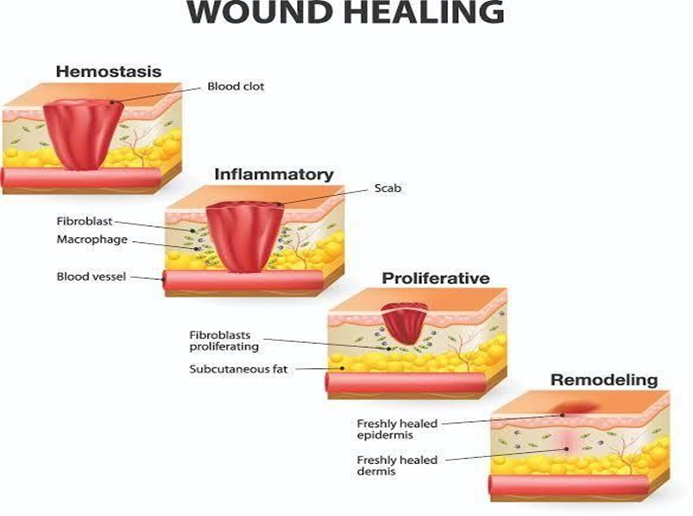
Wound healing is a biological process through which the skin and other tissues repair themselves after an injury. It is essential for maintaining the body's protective barrier, preventing infections, and restoring normal skin function. The healing process involves four key phases:

1. Hemostasis Phase - When a wound occurs, blood clotting (coagulation) happens immediately to stop bleeding. Platelets in the blood release clotting factors to form a protective barrier.

2. Inflammatory Phase - White blood cells (mainly macrophages and neutrophils) arrive at the wound site to destroy bacteria and remove dead cells. This phase often involves swelling, redness, and pain.

3. Proliferation Phase - New tissue begins to form -as fibroblasts produce collagen and keratinocytes regenerate the skin. Blood vessels are restored to supply oxygen and nutrients to the wound.

4. Maturation Phase (Remodeling Phase) - The wound strengthens as new collagen fibers organize, and the tissue structure is restored. This process can take weeks to months If a wound does not heal properly, it can lead to chronic wounds, bacterial infections, delayed recovery, and scarring. To promote faster healing and prevent complications, herbal medicine has been widely used as a safe and effective alternative to synthetic treatments.widely used as has been widely used as a safe and effective alternative to synthetic treatments.
TRADITIONAL USE OF HERBAL MEDICINE IN WOUND HEALING

Herbal medicine has been used for centuries across various cultures to treat wounds, burns, and skin infections. Many plant-based extracts contain bioactive compounds with properties that accelerate healing, including:

  • Antimicrobial Action - Prevents bacterial, fungal, or viral infections.
  • Anti-inflammatory Effects - Reduces pain, redness, and swelling.

AIM

To formulate and evaluate a stable, effective, and natural herbal wound healing ointment using plant-based ingredients with proven antimicrobial, anti-inflammatory, antioxidant, and regenerative properties. The goal is to create a topical preparation suitable for the treatment of minor wounds, cuts, abrasions, and burns, using eco-friendly and cost-effective ingredients on a college laboratory scale.

This project also aims to:

  • Promote the use of traditional medicinal plants in modern pharmaceutical formulations.
  • Provide a safe, skin-friendly, and chemical-free alternative to synthetic wound healing products.
  • Enhance local awareness and application of herbal remedies, especially in rural and under-resourced areas.
  • Develop a student-level lab-based formulation model for further research and innovation in herbal drug technology.
  • Support the integration of Ayurvedic principles and modern formulation science for practical, real-world applications.

SCOPE:

This project is focused on the formulation, evaluation, and standardization of a herbal wound healing ointment using safe, effective, and naturally derived ingredients. The scope covers multiple aspects of pharmaceutical and herbal formulation science, including:

1. Selection of Herbal Ingredients

  • Choosing medicinal plants with well-established wound healing, antimicrobial, and anti-inflammatory properties.
  • Examples: Aloe vera, Turmeric, Neem, Honey, Coconut oil, and Beeswax.
  • Reviewing traditional uses and published scientific literature to support ingredient selection.

2. Herbal Extraction and Standardization

  • Extraction of active compounds using aqueous, hydro-alcoholic, or direct incorporation techniques.
  • Ensuring purity and potency of extracts for effective therapeutic action.
  • Exploring ethnopharmacological knowledge and modern phytochemistry.

3. Formulation Design

  • Development of a suitable ointment base that is skin-friendly, stable, and compatible with herbal extracts.
  • Optimization of ingredient ratios for best spreadability, absorption, and efficacy.
  • Using natural excipients (e.g., beeswax, oils) instead of synthetic ones to ensure biodegradability.

4. Laboratory Scale Manufacturing

  • Preparing the ointment under controlled conditions in a college lab setup using standard lab equipment.
  • Following Good Laboratory Practices (GLP) to ensure consistency and safety.
  • Applying formulation principles including heating, emulsification, and homogenization.

5. Evaluation of the Herbal Ointment

  • Physicochemical and functional testing, including:
  • Appearance, Color, and Odor
  • pH and Stability
  • Spreadability and Viscosity
  • Washability
  • Skin irritation test (patch test)
  • Microbial inhibition test (zone of inhibition)
  • Ensuring the product is non-irritant, stable, and effective for topical application.

6. Application and Utility

  • Designed for use in:
  • First-aid treatments for cuts, burns, and woundsMinor skin irritations, insect bites, and abrasion
  • Offers quick relief and promotes tissue regeneration.
  • Can be used in rural areas, clinics, and homes as an alternative to synthetic products.

7. Educational and Research Value

  • Enhances student learning in herbal drug formulation
  • Encourages research in traditional medicine and Ayurveda.
  • Demonstrates practical implementation of theoretical knowledge from pharmacognosy, pharmaceutics, and cosmetic science.

8. Economic and Environmental Impact

  • Promotes the use of economical, biodegradable, and renewable ingredients.
  • Supports eco-friendly pharmaceutical practices.
  • Encourages local cultivation of medicinal herbs, aiding rural development and sustainability.

OBJECTIVES:

The primary objective of this project is to develop and evaluate a safe, effective, and affordable herbal wound healing ointment using natural plant-based ingredients with proven therapeutic properties. The detailed objectives are as follows:

1. To Identify and Select Suitable Herbal Ingredients

  • Select herbs known for their wound healing, antimicrobial, anti-inflammatory, and antioxidant properties.
  • Use ethnobotanical references, Ayurvedic texts, and scientific literature to support ingredient selection.
  • Choose ingredients that are locally available, cost-effective, and eco-friendly.

2. To Prepare Herbal Extracts Using Standard Methods

  • Extract the active phytoconstituents using suitable techniques such as:
  • Aqueous extraction
  • Ethanolic or hydro-alcoholic extraction
  • Infusion or decoction
  • Concentrate and filter extracts to maximize efficacy and purity.

3. To Develop a Stable Ointment Formulation

  • Design and prepare a herbal ointment base using:
  • Beeswax, coconut oil, petroleum jelly or other natural excipients.
  • Ensure the base is non-irritant, easily spreadable, and absorbs well into the skin.
  • Incorporate the herbal extracts into the base using proper formulation techniques like emulsification.

4. To Evaluate the Formulated Ointment Using Standard Parameters

  • Assess the ointment for:
  • Organoleptic properties (color, odor, texture)
  • pH measurement to ensure skin compatibility
  • Spreadability and consistency
  • -Washability and stability over time
  • Skin irritation test (Patch test) to ensure safety
  • Antimicrobial activity using zone of inhibition method

5. To Compare the Herbal Ointment with Standard Market Products

  • Evaluate the performance and acceptability of the herbal ointment in comparison to synthetic or marketed wound healing creams.
  • Observe and compare healing time, infection prevention, and skin recovery.

6. To Promote the Use of Herbal Medicines and Eco-Friendly Formulations

  • Highlight the benefits of herbal over synthetic ointments in terms of:
  • Safety, sustainability, cost-effectiveness, and patient compliance.
  • Encourage the use of Ayurvedic and traditional medicine knowledge in modern pharmaceutical applications.

7. To Demonstrate Feasibility of Small-Scale Herbal Ointment Production

  • Prepare the formulation using basic lab equipment available in a college setup.
  • Show that affordable, natural topical medications can be created at student or smallenterprise levels.

8. To Ensure Patient Compliance and Ease of Use

  • Design the ointment to be pleasant in appearance, odor, and texture to encourage regular use.
  • Ensure the formulation is non-greasy, easy to apply, and quick to absorb.

9. To Explore Synergistic Effects of Herbal Ingredients

  • Study the combined effect of multiple herbs to enhance wound healing efficacy.
  • Investigate whether synergistic combinations lead to faster tissue regeneration and better antibacterial protection.

10. To Promote Local Herbal Knowledge and Biodiversity

  • Utilize herbs that are indigenous to the region (like Neem or Turmeric).
  • Raise awareness about conserving and cultivating medicinal plants for future herbal research and development.

11. To Lay the Groundwork for Further Research or Commercialization

  • Use this project as a base for:
  • Clinical studies or animal models in future research.
  • Patent filing or start-up idea in herbal cosmetics or medicines.

LITERATURE REVIEW:

  1. Aloe vera and its Role in Wound Healing

Heggers, J. P., Pelley, R. P., & Robson, M. C. (1993). Beneficial effects of Aloe vera in wound healing. Journal of Alternative and Complementary Medicine, 1(3), 271–277.

  1. Turmeric (Curcuma longa) and its Wound Healing

PotentialChainani-Wu, N. (2003). Safety and anti-inflammatory activity of curcumin: a component of turmeric (Curcuma longa). Journal of Alternative and Complementary Medicine, 9(1), 161–168.

  1. Honey and its Role in Wound Healing

Molan, P. C. (2006). The evidence supporting the use of honey as a wound dressing. International Journal of Lower Extremity Wounds, 5(1), 40–54.

  1. Neem (Azadirachta indica) and Its Role in Wound Healing

Biswas, K., Chattopadhyay, I., Banerjee, R. K., & Bandyopadhyay, U. (2002). Biological activities and medicinal properties of neem (Azadirachta indica). Current Science, 82(11), 1336–1345.

  1. Coconut Oil and Its Role in Wound Healing

Verallo-Rowell, V. M., Dillague, K. M., & Syah-Tjundawan, B. S. (2008). Novel antibacterial and emollient effects of coconut and virgin olive oils in adult atopic dermatitis. Dermatitis, 19(6), 308–315.

  1. Beeswax and Its Role in Wound Healing

Bonvehi, J. S., & Coll, F. V. (1992). Characterization of beeswax by gas chromatographic and spectrophotometric analysis. Journal of Agricultural and Food Chemistry, 40(7), 1341–1345.

  1. Vitamin E Oil and Its Role in Wound Healing

Evstatiev, R., et al. (2008). Vitamin E: An antioxidant essential for skin health and wound healing. Journal of Investigative Dermatology, 128(1), 194–202.

MATERIAL AND METHOD:

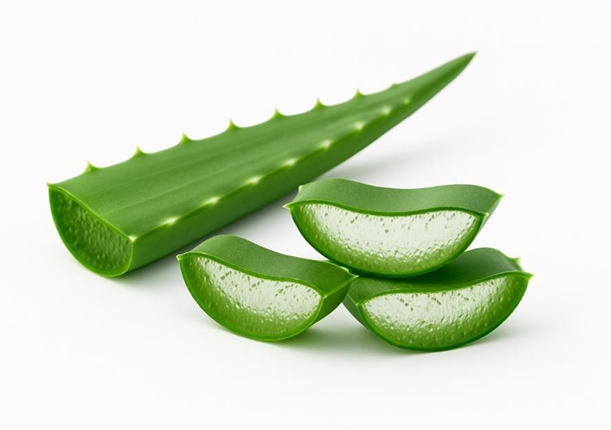
1. Aloe vera

Botanical Name: Aloe barbadensis Mill. Family: Asphodelaceae

Synonyms: Ghrita Kumari, Indian Aloe, Burn plant

Biological Source: Mucilaginous gel from parenchymatous tissue of leave

Major Chemical Constituents: Aloin, barbaloin, aloe-emodin, polysaccharides, gibberellins
Pharmacological Action:

Aloe vera contains glucomannan and gibberellins that bind to growth factor receptors and stimulate fibroblast proliferation. It also increases collagen cross-linking and promotes  angiogenesis, leading to better tensile strength of healed tissue. Aloe’s enzymes (like bradykinase) help reduce inflammation.

Role in Wound Healing:

Aloe vera not only enhances epithelial cell migration but also acts as a natural analgesic. Its ability to maintain skin moisture prevents cracking and scarring. Aloe accelerates wound contraction and shortens the inflammatory phase, which speeds up healing.

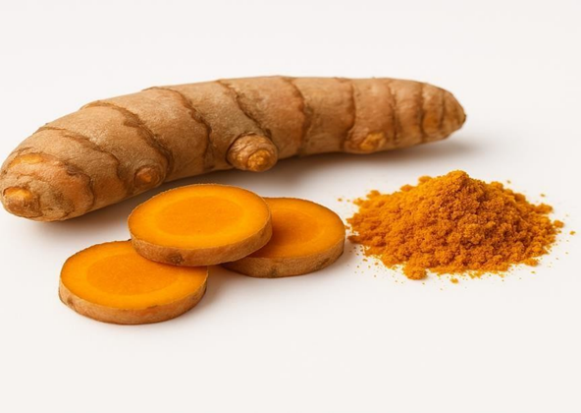
2. Turmeric

Botanical Name: Curcuma longa Linn. Family: Zingiberaceae

Synonyms: Haridra, Haldi, Indian Saffron Biological Source: Rhizomes

Major Chemical Constituents: Curcumin, turmerone, zingiberene, borneol
Pharmacological Action:

Curcumin modulates inflammatory enzymes such as COX-2 and LOX. It also suppresses TNF- α and IL-6, which are key inflammatory mediators. Curcumin increases the antioxidant enzyme superoxide dismutase (SOD), protecting tissues from oxidative stress.

Role in Wound Healing:

Turmeric accelerates fibroblast migration and stimulates collagen Type I deposition. It also improves tissue remodeling and reduces the risk of hypertrophic scar formation. Its natural antiseptic property supports infection control in open wounds.

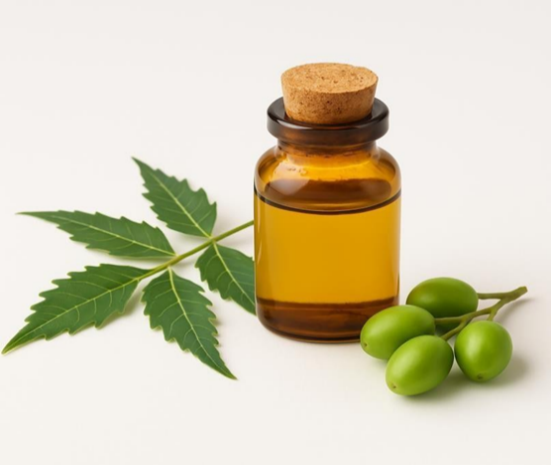
3. Neem Oil

Botanical Name: Azadirachta indica A. Juss. Family: Meliaceae

Synonyms: Nimba, Indian Lilac Biological Source: Seed oil

Major Chemical Constituents: Nimbin, nimbidin, azadirachtin, salannin
Pharmacological Action:

Neem contains azadirachtin, nimbidin, and salannin that exhibit antimicrobial, antipyretic, and immunomodulatory actions. Neem oil also has wound-cleansing properties due to its lipophilic nature, which helps dissolve necrotic tissue.

Role in Wound Healing:

It enhances leukocyte activity at the wound site, promoting debridement and tissue repair. Neem oil also provides itch relief and prevents secondary infection, especially in chronic and diabetic wounds.

4. Honey

Biological Source: Natural sweet substance from Apis mellifera Synonyms: Madhu

Major Chemical Constituents: Glucose, fructose, hydrogen peroxide, flavonoids
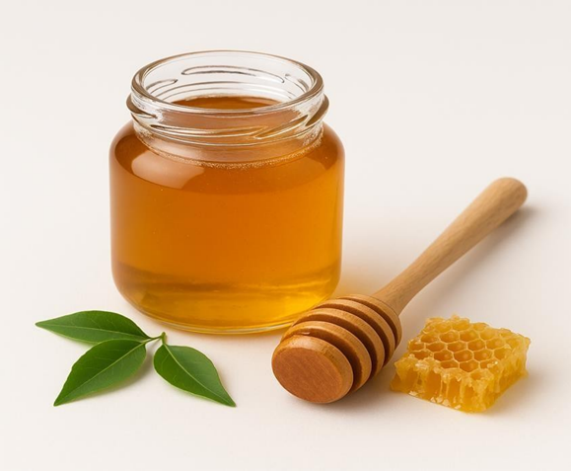
Pharmacological Action:

Honey’s peroxidase system produces low-level hydrogen peroxide, which kills bacteria without damaging tissues. It also stimulates cytokine production from monocytes, enhancing immune response. Honey is rich in phenolic acids and flavonoids, which provide antioxidant protection.

Role in Wound Healing:

Honey supports autolytic debridement and speeds up angiogenesis. It also stimulates fibroblasts and keratinocyte proliferation, aiding granulation tissue formation. Its viscosity creates a protective layer, reducing pain and exposure.

5. Coconut Oil

Botanical Name: Cocos nucifera Linn. Family: Arecaceae

Synonyms: Nariyal tel

Biological Source: Dried kernel (copra)

Major Constituents: Lauric acid, caprylic acid, myristic acid
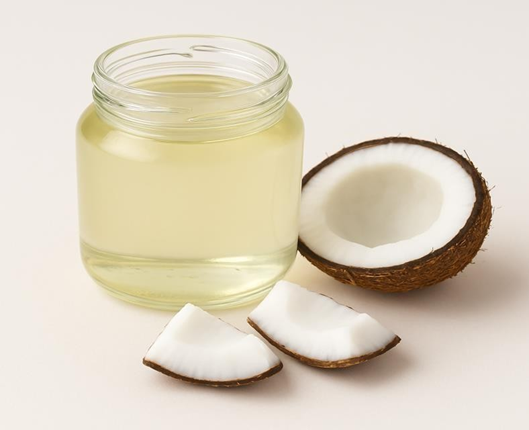
Pharmacological Action:

The medium-chain fatty acids, especially lauric and capric acids, disrupt microbial lipid membranes. Coconut oil also has anti-inflammatory properties by reducing prostaglandin synthesis.

Role in Wound Healing:

It provides a lipid-rich environment essential for epidermal regeneration. Coconut oil reduces wound odour, improves skin elasticity, and prevents dehydration, thereby supporting quicker healing and reduced scarring.

6. Beeswax

Source: Secreted by Apis mellifera

Synonyms: Cera alba

Major Constituents: Esters of fatty acids and alcohols, hydrocarbons
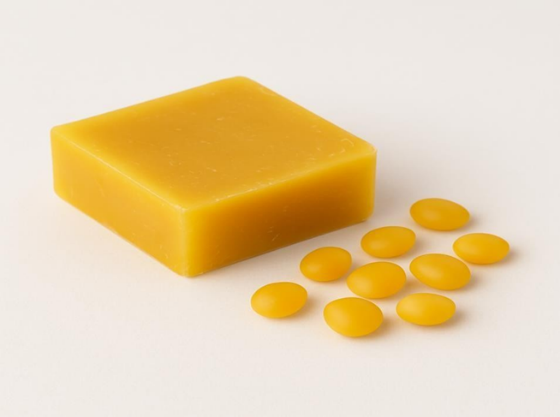
Pharmacological Action:

Beeswax contains esters and hydrocarbons that have mild antibacterial activity. It also exhibits anti-inflammatory action through its flavonoid content and acts as a skin protectant.

Role in Wound Healing:

Beeswax forms a semi-permeable film that retains skin moisture and protects against irritants. It supports the absorption and stability of active herbal ingredients in the ointment formulation.

7. Vitamin E Oil (Tocopherol)

Source: Found in wheat germ, sunflower, and olive oils

Major Chemical Constituents: Alpha-tocopherol
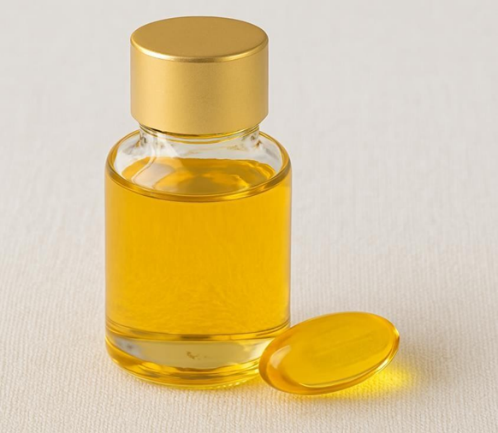
Pharmacological Action:

Vitamin E inhibits lipid peroxidation and scavenges reactive oxygen species. It stabilizes cell membranes and enhances mitotic division of keratinocytes and fibroblasts.

Role in Wound Healing:

It improves skin texture and elasticity post-healing and reduces inflammation during the wound-healing process. Vitamin E also minimizes discoloration and post-inflammatory hyperpigmentation.

8. Rose Water

Botanical Name: Rosa damascena

Family: Rosaceae

Source: Distilled from fresh rose petals

Major Constituents: Geraniol, citronellol, phenyl ethanol
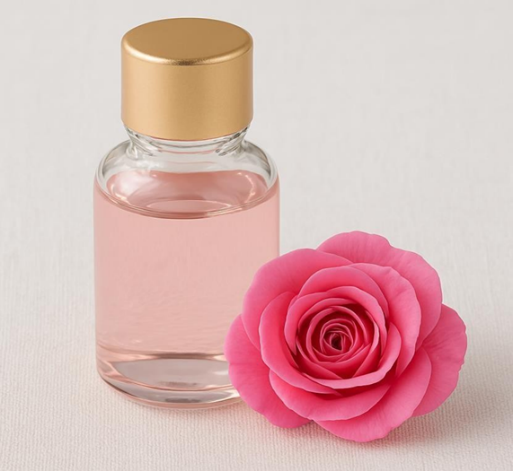
Pharmacological Action:

Rose water contains volatile oils and phenolics that provide antiseptic and anti-inflammatory actions. It also has vasodilatory effects, enhancing blood flow to the wound area.

Role in Wound Healing:

Rose water cools and soothes the wound area, reduces redness, and improves comfort. It is especially useful in sensitive or cosmetic wound areas due to its skin-toning properties and mild fragrance.

REFERENCES

  1. Brijesh, S., Daswani, P.G., Tetali, P., Antia, N.H., & Birdi, T.J. (2006). "Studies on the Wound Healing Activity of Turmeric and its Active Constituent Curcumin in Rats." Journal of Ethnopharmacology, 104(1-2), 28–34.
  2. Sahu, P.K., Giri, D.D., Singh, R., Pandey, P., Gupta, S., Shrivastava, A.K., & Kumar, A. (2013). "Therapeutic and Medicinal Uses of Aloe vera: A Review." Pharmacology & Pharmacy, 4, 599–610.
  3. Mahomoodally, M.F. (2013). "Traditional Medicines in Africa: An Appraisal of Ten Potent African Medicinal Plants." Evidence-Based Complementary and Alternative Medicine, 2013.
  4. Sultana, B., Anwar, F., & Ashraf, M. (2009). "Effect of Extraction Solvent/Technique on the Antioxidant Activity of Selected Medicinal Plant Extracts." Molecules, 14(6), 2167– 2180.
  5. Tambekar, D.H., & Dahikar, S.B. (2011). "Antibacterial Properties of Herbal Preparations Used in the Treatment of Wound Infections." International Journal of PharmTech Research, 3(3), 1730–1734.
  6. Kaur, S., & Arora, S.A. (2018). "A Review on Role of Medicinal Plants in Wound Healing." World Journal of Pharmaceutical Research, 7(6), 423–437.
  7. Indian Pharmacopoeia Commission. (2020). Indian Pharmacopoeia. Ghaziabad, India: Government of India.
  8. Herbal Medicine: Biomolecular and Clinical Aspects. 2nd edition. (2011). Edited by Benzie IFF, Wachtel-Galor S. Boca Raton (FL): CRC Press/Taylor & Francis.
  9. Kokate, C.K., Purohit, A.P., & Gokhale, S.B. (2019). Pharmacognosy (50th ed.). Nirali Prakashan.
  10. Khandelwal, K.R. (2018). Practical Pharmacognosy Techniques and Experiments (25th ed.). Nirali Prakashan.
  11. Trease, G.E., & Evans, W.C. (2009). Pharmacognosy (16th ed.). Elsevier Health Sciences.
  12. Mukherjee, P.K. (2002). Quality Control of Herbal Drugs: An Approach to Evaluation of Botanicals. Business Horizons.
  13. Jain, A., et al. (2020). "Formulation and Evaluation of Herbal Ointment for Wound Healing Activity." International Journal of Pharmacy and Pharmaceutical Sciences, 12(4), 45–49.
  14. World Health Organization (WHO). (2002). Traditional Medicine Strategy 2002–2005. Geneva: WHO Publications.
  15. PubMed Database – https://pubmed.ncbi.nlm.nih.gov/
  16. National Center for Biotechnology Information (NCBI) – https://www.ncbi.nlm.nih.gov/
  17. WebMD. (2024). "Medicinal Uses of Aloe Vera, Turmeric, Neem & Coconut Oil." Retrieved from https://www.webmd.com
  18. ResearchGate. (2023). Various research papers on herbal wound healing formulations. Retrieved from https://www.researchgate.net

Reference

  1. Brijesh, S., Daswani, P.G., Tetali, P., Antia, N.H., & Birdi, T.J. (2006). "Studies on the Wound Healing Activity of Turmeric and its Active Constituent Curcumin in Rats." Journal of Ethnopharmacology, 104(1-2), 28–34.
  2. Sahu, P.K., Giri, D.D., Singh, R., Pandey, P., Gupta, S., Shrivastava, A.K., & Kumar, A. (2013). "Therapeutic and Medicinal Uses of Aloe vera: A Review." Pharmacology & Pharmacy, 4, 599–610.
  3. Mahomoodally, M.F. (2013). "Traditional Medicines in Africa: An Appraisal of Ten Potent African Medicinal Plants." Evidence-Based Complementary and Alternative Medicine, 2013.
  4. Sultana, B., Anwar, F., & Ashraf, M. (2009). "Effect of Extraction Solvent/Technique on the Antioxidant Activity of Selected Medicinal Plant Extracts." Molecules, 14(6), 2167– 2180.
  5. Tambekar, D.H., & Dahikar, S.B. (2011). "Antibacterial Properties of Herbal Preparations Used in the Treatment of Wound Infections." International Journal of PharmTech Research, 3(3), 1730–1734.
  6. Kaur, S., & Arora, S.A. (2018). "A Review on Role of Medicinal Plants in Wound Healing." World Journal of Pharmaceutical Research, 7(6), 423–437.
  7. Indian Pharmacopoeia Commission. (2020). Indian Pharmacopoeia. Ghaziabad, India: Government of India.
  8. Herbal Medicine: Biomolecular and Clinical Aspects. 2nd edition. (2011). Edited by Benzie IFF, Wachtel-Galor S. Boca Raton (FL): CRC Press/Taylor & Francis.
  9. Kokate, C.K., Purohit, A.P., & Gokhale, S.B. (2019). Pharmacognosy (50th ed.). Nirali Prakashan.
  10. Khandelwal, K.R. (2018). Practical Pharmacognosy Techniques and Experiments (25th ed.). Nirali Prakashan.
  11. Trease, G.E., & Evans, W.C. (2009). Pharmacognosy (16th ed.). Elsevier Health Sciences.
  12. Mukherjee, P.K. (2002). Quality Control of Herbal Drugs: An Approach to Evaluation of Botanicals. Business Horizons.
  13. Jain, A., et al. (2020). "Formulation and Evaluation of Herbal Ointment for Wound Healing Activity." International Journal of Pharmacy and Pharmaceutical Sciences, 12(4), 45–49.
  14. World Health Organization (WHO). (2002). Traditional Medicine Strategy 2002–2005. Geneva: WHO Publications.
  15. PubMed Database – https://pubmed.ncbi.nlm.nih.gov/
  16. National Center for Biotechnology Information (NCBI) – https://www.ncbi.nlm.nih.gov/
  17. WebMD. (2024). "Medicinal Uses of Aloe Vera, Turmeric, Neem & Coconut Oil." Retrieved from https://www.webmd.com
  18. ResearchGate. (2023). Various research papers on herbal wound healing formulations. Retrieved from https://www.researchgate.net

Photo
Rahul Rathod
Corresponding author

Valmik Naik College of Pharmacy, Telwadi, Kannad - 431103

Photo
Sabafarin Hasin Shaikh
Co-author

Valmik Naik College of Pharmacy, Telwadi, Kannad - 431103

Photo
Samadhan Chavan
Co-author

Valmik Naik College of Pharmacy, Telwadi, Kannad - 431103

Photo
Neha Rathod
Co-author

Valmik Naik College of Pharmacy, Telwadi, Kannad - 431103

Photo
Mohammad Sufiyan
Co-author

Valmik Naik College of Pharmacy, Telwadi, Kannad - 431103

Photo
Sushmita Chavan
Co-author

Valmik Naik College of Pharmacy, Telwadi, Kannad - 431103

Rahul Rathod, Sabafarin Hasin Shaikh, Mohammad Sufiyan, Samadhan Chavan, Neha Rathod, Sushmita Chavan, Review on Herbal Wound Healing Ointment, Int. J. of Pharm. Sci., 2025, Vol 3, Issue 12, 3614-3624. https://doi.org/10.5281/zenodo.18054803

More related articles
Comparative Efficacy of Inositols and Quercetin in...
Yadunandan R., Dr. T. Haribabu, Dr. Manjunatha PM, Abhijeet Pande...
ACTIVE CONSTITUENTS FROM MEDICINAL PLANTS USED IN INFLAMMATION...
Lattupally Varalakshm, Gandhi Archana, Gali Havissu, Gandikota Tarun, Gogada Abhilash, Chinnawar Vai...
A Comprehensive Review on Melatonin's Biological Functions, Pathophysiology, Mec...
Limbachiya Harsh, Dalwadi Mitali, Patil Priyanka, Patel Sarthik, Bariya Siddhraj, ...
Related Articles
Evaluation of Phytochemicals in crude extracts derived from the Aerial parts of ...
Arnab Roy, Sajid Ansari, Subham Kumar Lohani , Ayush Kumar, Makhmur Hayat, ...
A Review on Transdermal Drug Delivery System...
Wasim Bagwan, Kumbhar Shivam, Kotsulwar Sohan, Nilewad Mahesh, ...
A Review on Polycoria Condition...
Amruta Patil, Sayali Patil, Iftesam Momin, Vaishnavi Khot, Aniket Thanekar, Dhanraj Jadge, ...
Comparative Efficacy of Inositols and Quercetin in the Management of Polycystic ...
Yadunandan R., Dr. T. Haribabu, Dr. Manjunatha PM, Abhijeet Pandey Jamuna Prasad, Dr. Uday Raj Sharm...
