

We use cookies to ensure our website works properly and to personalise your experience. Cookies policy
Dattakala College of Pharmacy Swami Chincholi Daund
As a member of the Myrtaceae family, Psidium guajava thrives in tropical and subtropical climates worldwide. In nations like Bangladesh, Pakistan, Syria, Indonesia, India, and South America, this significant tropical fruit is widely grown. The guava's diverse parts, such as its fruits, leaves, and bark, contain a wealth of bioactive chemicals that have long been used as herbal remedies in folklore and have a wide range of therapeutic uses. Guava has a wide range of phytochemical elements and chemicals with antioxidative qualities, such as polysaccharides, minerals, vitamins, enzymes, triterpenoids, alkaloids, steroids, glycosides, tannins, flavonoids, and saponins. Notably, a variety of therapeutic properties are attributed to the various parts of the plant, including the leaves and fruits. They include antibacterial strength and possible anti-cancer qualities. Using data from earlier research and reports, this study examines the phytochemical components and pharmacological activity of guavas to learn more about the plant. Many therapeutic domains are covered by its adaptable qualities. The fruit is potential has been demonstrated in areas such as hepatoprotective, anticancer, antioxidant, anti-inflammatory, antimicrobial, anti-allergy, anti-plasmodial, antidiabetic, and antidiarrheal properties. The leaves and fruits of the guava plant have long been used to treat a variety of ailments, such as pain, dental cavities, diabetes, hypertension, and gastroenteritis. Although guava's pharmacological qualities are widely known, every section of the fruit has a variety of phytochemical components. It is critical to stress the necessity for additional research, as this review study highlights the most significant phytochemical ingredients and pharmacological qualities. Further research is necessary to gain a better knowledge of the primary mechanisms of action and potential health benefits of guava.
Different countries and states have different names for guavas based on their local languages. These include Guava in English, Cambodia (Trabesksork), French (Araca), Maharashtra (Peru), Gujarat (Jamrud), Assam (Madnuriam), Deccan (Guava or Jam or Laljam), and Hindi (Amrud)1. A traditional plant used in many indigenous medical systems, P. guajava is a member of the Myrtaceaceae family. It is common to find guava all over India. It is a genus that has around 3,800 species and roughly 133 genera. In tropical regions like Bangladesh, Pakistan, South America, and Indonesia, guava is cultivated and used as a significant fruit. A mature guava can grow up to 7 meters tall and have a trunk diameter of 25 cm 2. In many nations, for decades, the entire guava plant—leaves, fruit, roots, bark, and stems have been used to treat a variety of illnesses, including diarrhoea, diabetes, and stomach aches. Guava leaves are round, elliptical, dark green, and distinguished by their obtuse-shaped apex. Guava leaves, pulp, and seed are used to treat gastrointestinal and respiratory conditions as well as to boost platelets in dengue fever patients 3. Many medical conditions, including cancer, blood pressure regulation, gastrointestinal issues, weight loss, cold and cough treatment, constipation, dysentery, and scurvy, are commonly treated using guava leaves. Additionally, chewing its leaves has been used therapeutically. The branches of the guava plants are widely dispersed 4. The majority of its branches are bent, showing opposing leaves with tiny petioles that range in size from 3 to 16 cm. The flower has fragrant, incurved petals. The flower's structure includes four to six petals, a yellow anther, and insect pollination. Guava fruit has a length of 3–6 cm and is modest to medium in size 5. It is pear- shaped and, when mature, yellow, with a strong yet agreeable flavour. These fruits are primarily utilised in food items, cool drinks, and preserves. Because of its high antioxidant vitamin content, low calories, and dietary fibre, this fruit can be incorporated into a diet plan. Guava seeds are tiny and easily chewed 6.
Biological/Botanical Sources:
The guava plant, Psidium, belongs to the Myrtaceae family. The tree is modest, reaching a height of around 10 meters, and its bark is thin, smooth, uneven, and flaking. Guava trees typically have branches that extend widely. It grows naturally or is grown in tropical and subtropical areas of the world 7. This perennial plant, which is tiny to medium in size, can yield a lot of food quickly. Round or oval in shape, the fruit has smooth skin, except for uncommon cultivars that may have rough skin 8. There are at least 133 genera and about 3,800 species in the Myrtaceae family. Includes the Central American- originated tropical fruit guava (Psidium guava L.). The fruit has a small, firm seed and white or pink flesh that tastes very different from other fruits 9. Major guava product producers include South Africa, India, Hawaii, Colombia, Puerto Rico, Jamaica, Brazil, and Israel. The ripe, budding, and ripe stages of the common guava tree's fruits, leaves, bark, branches, and shoots are all in season 10.
Description:
Synonyms: Psidium cujavillus burm.; Psidium pomiferum L.; Psidium pumilum Vahl; Psidium pyriferum Linn 11.
Common Names: Guava (Egypt, USA, Latin America, Asia, Africa), guayaba (Cuba), guayaba (Guatemala, Nicaragua, Paraguay), amrood (India) 12
Family: Myrtaceae
Table 1: Scientific Classification.
|
Kingdom |
Plantae |
|
Phylum |
Magnoliophyta |
|
Class |
Magnoliopsida |
|
Subclass |
Rosidae |
|
Order |
Myrtales |
|
Family |
Myrtaceae |
|
Genus |
Psidium |
|
Species |
Psidium guajava |
Table 2: Nutrient value of guava fruit
|
Nutrient |
Content |
|
Moisture |
2.8 – 5.5g |
|
Crude fibre |
0.9 – 1.0g |
|
Protein |
0.1 – 0.5mg |
|
Fat |
0.43 – 0.7mg |
|
Ash |
9.5 – 10mg |
|
Carbohydrate |
9.1 – 17mg |
|
Calcium |
17.8 – 30mg |
|
Phosphorous |
0.30 – 0.70mg |
|
Iron |
200 – 400 I.U. |
|
Niacin |
40 I.U. |
|
Vitamin A |
0.046mg |
|
Thiamine |
0.03 – 0.04mg |
|
Vitamin |
36 – 50mg |
Chemical Composition:
|
Name of parts |
Chemical composition |
Picture |
|
Fruit |
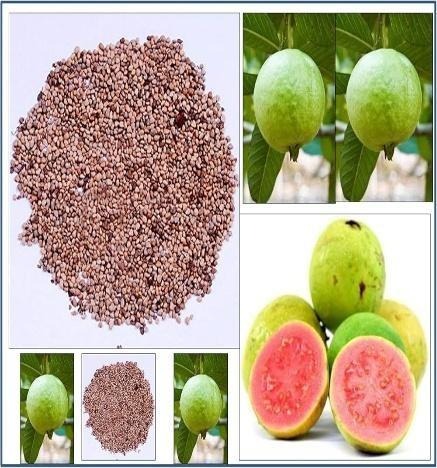
Vitamin C, vitamin A, iron, calcium, Manganese, phosphoric, oxalic, and malic acids, saponins combined with oleanolic acid. Morin-3-O-α-L- lyxopyranoside and morin-3-O-α-L- arabopyranoside 13, flavonoids, guaijaverin, and Quercetin. Essential oil contains hexanal, 2,4 hexadienal, 2- hexenal, 3-hexenyl acetate and phenol, while β-caryophyllene, nerolidol, 3- phenylpropyl acetate, caryophyllene oxide 14, pentane-2-thiol, 3-penten-2 ol and 2-butenyl acetate, 3-hydroxy-2- butano3-methyl-1 butanol, 2,3- 2,3- butanediol, 3-methylbutanoic acid, (Z)-3 hexen-1-ol, 6- methyl-5-hepten-2-one, limonene, octanol, ethyl octanoate (pink guava fruit) 15. |
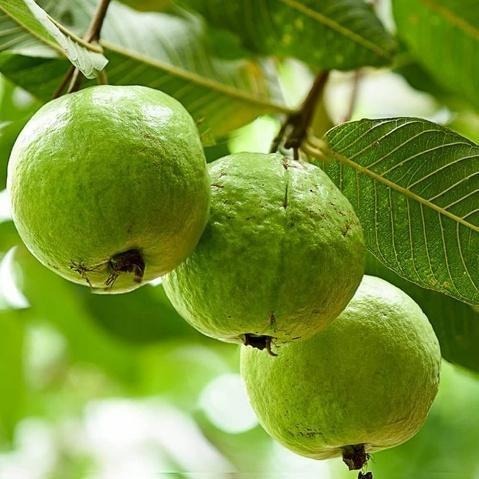
|
|
Bark |
Polyphenols, resin, and crystals of calcium oxalate 16. |
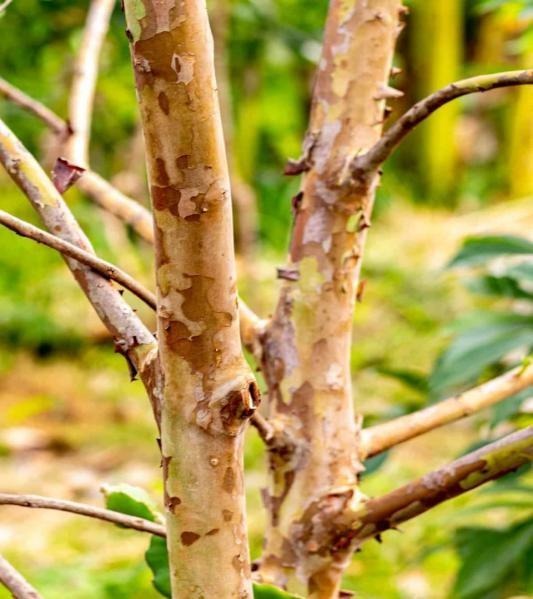
|
|
Leaves |
α-pinene, β-pinene, limonene, menthol, terpenyl acetate, isopropyl alcohol, longicyclene, caryophyllene, β bisabolene, caryophyllene oxide, β- copanene, farnesene, humulene, selinene, cardinene and curcumene, mallic acids 17, nerolidol, β-sitosterol, ursolic, crategolic, and guayavolic acids, cineol, quercetin, 3-L-4-4 arabinofuranoside (avicularin) and its 3-L-4-pyranoside (Essential oil), resin, tannin, eugenol, caryophyllene (1a α, 4a α-, 7 α-, 7a β-, 7b α-)]-decahydro- 1H-cycloprop[e] azulene 18, Guajavolide (2 α-,3 β-,6 β-,23 tetrahydroxyurs 12-en- 28,20 β-olide; 1) and guavenoic acid (2 α-,3 β-,6 β-, 23-tetrahydroxyurs- 12,20,30)-dien-28-oic acid, triterpenes oleanolic acid, triterpenoids, flavinone-2 2’ ene, prenol, dihydro benzophenanthridine and crypto nine 19. |
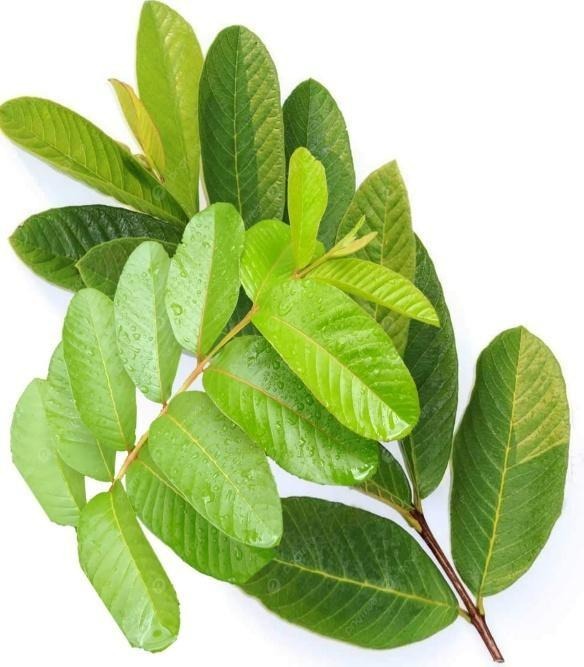
|
|
Root |
Tannin, leucocyanidin, sterols, gallic acid, carbohydrates, salts, and tannic acid 20. |
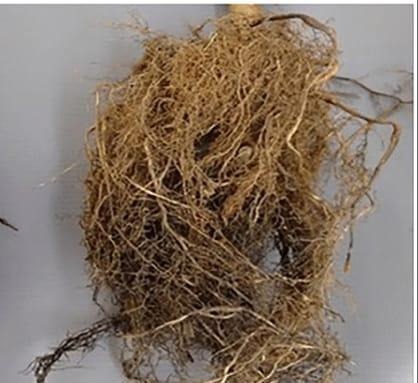
|
|
Seed |
Proteins, starch, oils, phenolic, flavonoid compounds, flavones glycoside, quercetin-3-O-β-D-(2" Ogalloyglucoside) - 4'-O-vinylpropionate21. |
|
Morphological features:
P. guajava, more commonly referred to as guava, is a compact tree or shrub with a potential height range of 2 to 7 meters. The leaves of the guava plant are characterized by their evergreen nature, leathery texture, and opposite arrangement along the branches 22. They are distinguished by their short petioles and exhibit a diverse range of irregular shapes, encompassing ovals and other non-uniform forms. The blossoms of the guava are sizable, supported by stems, visually striking, and emit a pleasant fragrance 23. Notably, guava features branchlets with four distinct angles, and its fruits display a variable assortment of shapes, including pyriform, oblate, rounded, ellipsoidal, oval, and cylindrical. The root system of the guava is relatively shallow, and its fruits possess a limited shelf life of approximately 3 to 5 days when stored at room temperature. This brief duration can be attributed to the fruit’s elevated respiration rate and vigorous metabolic processes 24.
Phytochemistry:
Among the many different substances found in guava leaves are fatty acids, essential oils, terpenoids, phenolic compounds, carbohydrates, glycosides, alkaloids, saponins, sterols, and other components. Guava leaves contain a significant number of essential oils, including alpha pinene, beta-myrcene, o- cymene, d-limonene, beta-ocimene, terpinene, linalool, Salpha-terpineol, alloaromadendrene, heptasiloxane, neointermedeol, alpha-calcarine, eicosanoid, 2-Carene, copaene, gamma-muurolene, aromandendrene, beta-bisabolene, cis-calamine, naphthalene, and epicubenol. GC-MS analysis, or gas chromatography-mass spectrometry, was used to identify these components 25. Numerous fatty acids were found in the hexane fraction of guava seed extract after analysis using GC-MS spectrometry. However, the search results did not provide precise information about the fatty acid profile of guava leaves. The research that was highlighted in the search results, however, has examined the fatty acid composition of guava seeds and guava seed oil extensively 26. Guava seeds and guava seed oil contain a variety of fatty acids, including oleic, palmitic, stearic, linoleic, and palmitoleic acids. The fatty acid composition of guava leaves may differ from that of guava seeds and guava seed oil, which is a significant consideration. More research must be done to fully comprehend the fatty acid profile. Using high-performance liquid chromatography in conjunction with electrospray ionization quadrupole– time-of-flight mass spectrometry (HPLC–TOF–ESI/MS), chemical compounds found in guava leaves, such as flavonoids and phenolic acids, have been examined 27. Quercetin, Guaijaverin, Avicularin, Myricetin, Hyperin, Kaempferol, Apigenin, Gallic, Rutin, Chlorogenic acid, Pyrogallol, Isoquercitrin, Caffeic acid, Chlorogenic acid, Luteolin, Morin, Prodelphinidin dimer isomer, Vanillic acid, Ellagic acid, Myrciaphenone B, Vescalagin, Delphinidin-3-O-glucoside, Gallocatechin, Catechin, Protocatechuic acid, Resveratrol, and Cyanidin-3-O-glucoside are some of these substances 28. An overview of the several types of phenolic chemicals present in guava leaves. In his paper, Xinfeng Zou detailed the identification of more than 75 meroterpenoids from guava leaves as well as the corresponding bioactivities of each. This study was conducted between 2007 and May 2022. Importantly, it is important to recognize that the presence and composition of terpenoids in guava leaves might vary depending on the specific guava variety and the growing environment. To fully comprehend and characterize the entire spectrum of terpenoids found in guava leaves, more research and analysis are necessary 29. Ten hitherto unidentified mero terpenoids were extracted from a 95% ethanol extract of guava in the earlier work. Liquid chromatography-tandem mass spectrometry (LC- MS/MS) techniques were used to accomplish this isolation. Compared to known guava mero terpenoids, these recently discovered mero terpenoids have different structural frameworks. Psidial A, Jejuguajavone B, Jejuguajavone C, Jejuguajavone D, Jejuguajavone E, Jejuguajavone F, Jejuguajavone G, Jejuguajavone H, and Jejuguajavone I, Psiguadial D, Guajamer A, and Psigumer C are among the particular chemicals that were found 30. Guava is an important source of vital vitamins, minerals, and electrolytes. It has been discovered that the leaves contain vitamins B and C as well as a number of minerals, such as calcium, potassium, sodium, iron, and magnesium. These minerals' significant concentration further confirms their appropriateness for inclusion in the human diet. In fact, proteins are essential macromolecules that are essential for a variety of biological functions 31. Approximately 10% of the dry weight of guava leaves includes protein. Carotenoids and polyphenols, two types of antioxidant pigments, are abundant in guava. Many of these carotenoids, including á- carotene, lycopene, â-carotene, zeaxanthin, diepoxy-â-carotene, and 5,8-epoxy-3',4'-trihydroxy-â- carotene, have been identified. In a different investigation, sixteen carotenoids were extracted from red guava flesh, with lycopene showing up as a key pigment 32. The concentration of this substance in fruit can vary from 0.04 to 4.04 mg/100 g, and it tends to decrease when pulp color changes from dark pink to white. Alkaloids are present in guava leaves and fruits, according to the knowledge that is currently accessible. Guava leaf extracts' phytochemical screenings have verified the presence of alkaloids. Additionally, a review paper confirms that guava contains alkaloids 33. Nevertheless, the search results have not provided specifics about the types of alkaloids present in guava and their possible health benefits. The precise kinds and amounts of alkaloids in guava, as well as their possible health advantages, require more research to fully determine. Guava leaves contain saponins, according to the findings of earlier studies 34. Phytochemical screenings of guava leaf extracts, which validate the presence of saponin glycosides, support this. Saponins have also been found in guava leaf organic and aqueous extracts by additional qualitative analysis. Interestingly, guava leaves' antibacterial properties seem to be connected to the presence of saponins. The search results, however, do not specify the precise categories of saponins found in guava or the possible health advantages connected to them. More research is necessary to fully understand the types and amounts of saponins in guava, as well as their possible bioactive qualities 35. Additionally, the findings of earlier studies indicate that the tannins found in guava are pseudo-tannins. A class of amorphous organic molecules having an acidic pH is known as pseudo-tannins. They can precipitate glycosides and alkaloids. These substances are known to have astringent, absorbent, neutralizing, and antibacterial qualities. Studies examining the tannin content of guava leaves have confirmed that the extract contains tannins. Another study examined how tannins are extracted from guava leaves and measured the tannin level using spectrophotometry 36.
Pharmacological actions of Psidium guajava L. leaf:
Antibacterial activity
P. guajava leaf aqueous and organic extracts showed antibacterial efficacy against Shigella spp., Proteus species, and Staphylococcus aureus. However, there was no evidence of any activity against Aspergillus species, Alcaligenes fecalis, or Citrobacter spp 37. Gram-positive Bacillus subtilis was effectively inhibited by the aqueous extracts of P. guajava leaves, roots, and stem bark, whereas gram- negative Escherichia coli and Pseudomonas aeruginosa were essentially rendered inactive 38. The leaves' aqueous, alcohol, and chloroform extracts demonstrated efficacy against Mycobacterium phlei, Aeromonas hydrophila, Shigella species, Vibrio species, Staphylococcus aureus, and Sarcina lutea. Psydiolic acid, guajaverine, and the flavonoid complex guaijaverin are thought to be responsible for P. guajava's antibacterial properties 39. Essential oils γ-terpinene and γ-pinene were shown to have antimicrobial activity against Propionibacterium acne 40.
Anti-inflammatory activity
The alcoholic, methanolic, ethyl acetate, aqueous, and essential oil extracts all have a strong anti- inflammatory effect. In the meantime, it is said that leaf-distilled flavonoids, benzophenone glycosides, and sesquiterpenes prevent allergies 41.
Anti-cough action
Guava leaf has long been used to treat diseases such as cough and lung diseases in Bolivia and Egypt. The aqueous extract decreased the frequency of capsaicin aerosol-induced cough within 10 minutes after the extract was administered intraperitoneally. More than 5 g/kg was the LD50 of guava leaf extract. These findings indicate that the extract of guava leaf is recommended as a cough remedy" In the meantime, a recent study on the Egyptian plant revealed that the contractile microlax response of isolated guinea pig trachea treated with histamine (2 μg/ml), acetylcholine (1 μg/ml), or serotonin (1 μg/ml) is significantly reduced by the alcoholic extract (at a dose starting from 4 μg/ml), the aqueous extract (from 8 μg/ml), the ethyl acetate extract (from 6 μg/ml), quercetin (30 μg/ml), and essential oil (16 μg/ml) 42. According to the study's findings on the extracts' effects on isolated trachea, relaxant smooth muscle, and anti-inflammatory properties, both the extracts and the essential oil are safe for use as cough medications. As tested on an isolated rabbit heart, large doses can inhibit ventricular contraction of the heart. In addition, the high percentage of basic oil (0.46 %) and essential oil (0.46 %) in cough treatment, its wide antimicrobial activity can be beneficial 43.
Anti-oxidant activity
The methanolic extract of leaves shows high antioxidant activity, and recent research has demonstrated that P. guajava is a great source of antioxidant phytochemicals. The active ingredients include quercetin, quercetin-3 O-glucopyranoside, Morin, ascorbic acid, carotenoids, and polyphenolics 44.
Anti-diabetic activity
While the ethanolic stem bark extract did not significantly lower blood sugar levels in normal or normal glucose-loaded animals (OGTT), it did show statistically significant hypoglycemic effects in rats with alloxan-induced hyperglycemia. In both acute and subacute trials, the aqueous extract showed statistically significant hypoglycemic action at an oral dosage of 250 mg/kg 45.
Anti-microbial activity
It was discovered that Psidium guajava's aqueous bark and methanolic and ethanolic extracts had antibacterial properties. From guava leaves, four antibacterial substances have been identified. Morin- 3-O-alpha-L-lyxopyranoside and morin-3-O-alpha-L-arabinopyranoside had minimum inhibitory values of 200 microg/ml for Salmonella enteritidis and 250 and 300 microg/ml for Bacillus cereus, respectively. Psidium guajava methanol extract and hot water extract demonstrated strong effectiveness against strains of Arthrinium sacchari and Chaetomium funicola 46.
Anti-diarrheal activity
The leaves of P. guajava L. contain Phytochemicals like flavonoids and tannins have been shown to have anti-diarrheal activity by denaturing protein, resulting in protein-tannate interactions that reduce the permeability of the intestinal mucosa. This activity is explained by spasmolytic, antibacterial, and anti-amoebic effects. Furthermore, the physiologically active drug quercetin's calcium-antagonist qualities explain the spasmolytic action of this well-liked herbal treatment 47.
Antiulcer activity
P. guajava possesses an acid secretion inhibitory effect of antiulcer activity in the aspirin-induced stomach ulcer model mediated by prostaglandins 48.
Spermatoprotective activity
leaf extracts from Psidium guajava Linn. They may improve the sperm parameters of infertile individuals with obstructive azoospermia and oligospermia because they have positive effects on the formation and quality of sperm 49.
Antihyperlipidemic activity
Psidium guajava exhibits strong antihyperlipidemic potential due to its rich content of flavonoids, tannins, and phenolic compounds. Extracts from its leaves and fruits help lower total cholesterol, triglycerides, LDL, and VLDL levels while increasing beneficial HDL cholesterol. These effects are mainly attributed to inhibition of lipid absorption and synthesis, improved lipid metabolism, and antioxidant protection against lipid peroxidation. Studies in both animals and humans have shown that guava leaf extract and fruit intake improve lipid profiles and support cardiovascular health. Additionally, the dietary fibre (pectin) in guava aids cholesterol reduction by promoting bile acid excretion. Overall, Psidium guajava serves as a natural and effective agent for managing hyperlipidaemia and related metabolic disorders 50.
Medicinal Uses:
|
Plant parts |
Compound |
Ethnomedicinal uses |
|
Seed |
Carotenoids, Glycoside |
Anti-microbial activity |
|
Pulp |
Ascorbic acid, carotenoids (lycopene, beta cryptoxanthin, beta carotene) |
Anti-neoplastic, Antioxidant, Anti-hyperglycaemic. |
|
Skin |
Phenolic Compound |
Improvement of food absorption |
|
Leaves |
Gallic acid, rutin, iso flavonoids, catechin, naringenin, kaempferol, Phenolic Compound |
Anti-inflammatory, Anticancer, Antioxidant, Antimicrobial, Hepatoprotection, Antispasmodic, Anti-hyperglycaemic, Analgesic activity. |
|
Bark |
Phenolic Compound |
Stomach ache, Strong antibacterial activity and anti-diarrhoeal activity |
FUTURE PROSPECTIVE:
Rising consumer awareness of health and nutrition: Guava is rich in vitamin C, dietary fibre, antioxidants, and a low glycaemic index, which supports demand in health-conscious markets. Expansion of processed forms: Beyond fresh fruit, there is a growing demand for purees, concentrates, juices, snacks, and functional-food ingredients. For instance, the guava puree market is forecast to grow at a CAGR of about 5.9% from 2025 to 2035. Export & globalisation: Tropical-fruit consumption is increasing in regions where guava was less common. For example, imports of guava into markets like China are rising 51%.
Innovation in cultivation and supply-chain: Improvements in variety breeding, pre-harvest, post- harvest handling, cold-chain, and processing technologies support better yields, quality, and lower losses. Emerging markets leadership: The Asia-Pacific region, including India, China, and Southeast Asia, dominates production and has potential for growth both domestically and for export 52.
Value-addition: Transforming raw guava into high-value products (purees, concentrates, dried snacks, juice blends) offers farmers/processors a way to capture more margin. Premium and exotic fruit markets: As consumers seek exotic flavours and novel fruits, pink-flesh guava varieties or specialty cultivars can command premium pricing 53.
Health & functional ingredients: Given the nutritional benefits, guava can be positioned in functional foods, nutraceuticals, or “super-fruit” categories. Export growth: Countries with good production capacity can target export markets that have a growing interest in tropical fruits. Improved agronomy/adoption of better varieties: Breeding for longer shelf-life, transport-resistance, and good pulp quality can reduce losses and enable new markets 54.
Post-harvest losses & supply-chain issues: Perishability, inadequate cold-chain and logistics infrastructure remain key constraints in many producing regions 55.
Market volatility and farm-level economics: Fruit prices can fluctuate, production costs may rise, and unless value addition is present, growers may face margin pressure 56.
Climatic and agronomic risks: Tropical fruit crops like guava are sensitive to weather extremes, pests/diseases, and changing climate patterns 55.
Competition & scale: While opportunities exist, many producers/regions must scale up and integrate processing/distribution to compete globally. Consumer preferences & branding: Though health trends favour guava, converting that into consistent high-volume demand in some markets still requires marketing, supply reliability, and product innovation 56.
One report estimates the global guava market value at USD 2.89 billion in 2025, projected to reach USD 5.59 billion by 2035 (CAGR ~7.5%). Another source estimates the global guava market to grow from about 11.92 million tons in 2024 to 17.9 million tons by 2033 (CAGR ~4.37%). The guava puree market alone is projected to reach USD 815.7 million by 2035 (from USD 459.8 million in 2025) 57.
For growers/farmers: Focus on good cultivars (higher yield, quality, transport/shelf life), adopt post- harvest handling, and explore linkages to processors/exporters rather than just fresh local markets 58.
For processors/exporters: Invest in value-added processing (purees, concentrates, frozen fruit), packaging, quality, and supply-chain reliability; target export and health-food segments 59.
For policymakers/industry bodies: Support infrastructure (cold-chain, logistics), assist breeding and varietal improvement (e.g., projects in India). Encourage export market development 60.
For retailers/brands: Leverage Guava’s health/nutritional story, offer differentiated products (exotic varieties, convenience frozen, snacks), build branding around flavour and wellness 60.
In short, the future looks favourable for Psidium/guava in many parts of the world, especially where:
Production is efficient and quality is high, processing and value addition are developed, export or premium markets are targeted, and Consumer demand for healthy, tropical, exotic fruits continues to grow 61.
CONCLUSION:
Guava is a tropical fruit-bearing plant that has attracted attention for its potential health benefits because of its rich content of phytochemicals and related pharmacological activities. Although several studies have shown these beneficial effects, more research is needed to fully understand how guava works and to confirm its therapeutic uses. The composition of bioactive compounds and their effects can vary depending on factors such as guava variety, ripeness, and how it is prepared. Therefore, for health purposes, guava should be considered as part of a balanced diet rather than a standalone treatment, and consulting a healthcare professional is recommended. In ethnomedicine, Psidium guajava L. has been widely used, and studies over the past decade have confirmed the effectiveness of its leaves against several illnesses, showing their potential in treating common diseases worldwide. Active compounds such as quercetin, catechin, gallic acid, peltatoside, hyperoside, isoquercitrin, and guaijaverin have been linked to these beneficial effects. The fruit, especially the skin, is rich in vitamins (A and C), minerals like iron, phosphorus, and calcium, and other important phytochemicals. Phenolic compounds in guava can help in combating cancer cells and delaying skin ageing. The leaves also contain bacteriostatic, fungistatic, and antioxidant agents, making guava effective in preventing and managing various diseases due to its diverse biological activities.

Rahul Kedar*, Srushti Kamble, Varsha Karande, Shital Pandhare, Aleesha Shaik, Review on Phytochemical and Pharmacological Activity of Psidium Guajava, Int. J. Med. Pharm. Sci., 2026, 2 (1), 180-190. https://doi.org/10.5281/zenodo.18276956
 10.5281/zenodo.18276956