
View Article

Abstract

This review highlights the significant therapeutic potential of Dalbergia sissoo, Curcuma longa, and Moringa oleifera, but also emphasizes the need for extensive future research to fully realize and validate their medicinal benefits. Although current laboratory, animal, and limited clinical studies provide promising evidence of their diverse pharmacological activities—including anti-inflammatory, antioxidant, antimicrobial, antidiabetic, neuroprotective, reproductive, osteogenic, and anticancer effects comprehensive mechanistic studies remain incomplete. Future research should focus on elucidating the precise molecular pathways and bioactive compounds responsible for these effects to better understand how these plants interact with human physiology. Moreover, there is a strong need to standardize extraction processes, phytochemical characterization, and dosage regimens, which are essential for reproducibility and safety assessment. Large-scale, well-designed clinical trials are urgently required to establish efficacy, optimal doses, pharmacokinetics, and long-term safety in diverse patient populations. Such studies will help overcome current gaps related to clinical validation and provide a scientific basis for integrating these plants into mainstream healthcare. Additionally, future investigations could explore synergistic effects when combining these plants or their extracts with conventional drugs, potentially enhancing therapeutic outcomes or reducing side effects. Research on formulation strategies to improve bioavailability, especially for compounds like curcumin that have poor absorption, will also be critical. While the existing literature strongly supports the therapeutic promise of Shisham, Turmeric, and Moringa oleifera, future work must prioritize rigorous experimental and clinical research to translate these findings into validated, safe, and standardized therapies that can be widely recommended and adopted in evidence-based medicine.

Keywords

Dalbergia sissoo, Curcuma longa, Moringa oleifera in Combination Study, Anti-Inflamatory Property, Anti-Oxidant Property. Pharmacological activity.

Introduction

Dalbergia sissoo:

Dalbergia sissoo, commonly referred to as shisham, has been scientifically established to possess robust anti-inflammatory capabilities, a conclusion supported by multiple research findings. Investigations using animal models have demonstrated that ethanolic extracts derived from both its leaves and its stem bark exhibit a significant capacity to diminish inflammatory responses, effectively inhibiting specific manifestations such as edema (swelling) and the development of granulomas. Importantly, these therapeutic effects were achieved without inducing any harmful damage to gastric tissues, indicating a favorable safety profile in this regard. [1,2] The mechanism behind this potent anti-inflammatory action is credited to the plant's abundant and diverse array of phytochemical constituents, which include flavonoids, tannins, saponins, glycosides, and terpenoids. Collectively, these bioactive compounds mediate their effects by stabilizing cellular membranes and exerting an inhibitory influence on critical inflammatory processes, including the denaturation of proteins and the increased permeability of blood vessels. This compelling pharmacological profile not only makes shisham a valuable agent for alleviating a wide spectrum of inflammatory conditions but also substantiates its long-standing traditional application for treating specific disorders such as arthritis, rheumatic pain, and various skin diseases [3].              
Fig.No.(1) Shisham leaves

Turmeric:

Turmeric the vivid yellow spice derived from the root of the Curcuma longa plant, is celebrated not only for its bright color but also for its extensive health benefits. This remarkable spice has been used for centuries both as a flavorful ingredient in cooking and as a natural remedy in traditional medicine. The primary bioactive substance in turmeric, curcumin, has garnered considerable attention in scientific research due to its promising health-promoting properties. Curcumin is especially recognized for its strong anti-inflammatory and antioxidant effects, which have spurred numerous studies investigating its potential as a treatment for various inflammation-related health conditions. [4] Inflammation is a natural defense mechanism of the immune system that responds to external threats such as pathogens. However, excessive or uncontrolled inflammation can cause immune cell death and immune system dysfunction, potentially leading to chronic degenerative diseases and cancer.[5]
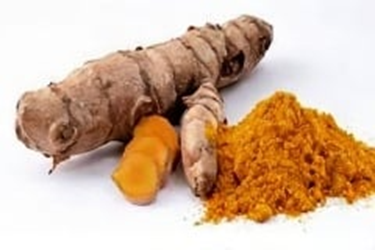
Fig.No. (2) Turmeric powder

Moringa:

While steroids and NSAIDs  such as azathioprine and aspirin—are traditionally used to manage acute and chronic inflammatory conditions, their long-term use is associated with a range of harmful side effects. As a result, there is growing scientific and public interest in developing natural anti-inflammatory agents that offer better safety and effectiveness. Alongside this, as standards of living rise, people increasingly prefer natural functional foods with anti-inflammatory benefits. Gamma-aminobutyric acid (GABA) is a non-protein amino acid naturally found in plants, bacteria, and animals. In mammals, it serves as a key inhibitory neurotransmitter in the central nervous system and contributes to several physiological processes, including playing an important role in the body’s anti-inflammatory responses.[6]
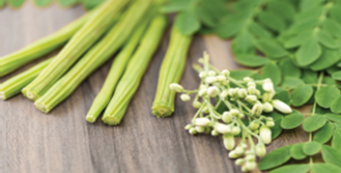
Fig.no.(3) Moringa leaves.

HISTORY: -

Dalbergia sissoo, commonly known as shisham or North Indian rosewood, is native to the Indian subcontinent and parts of southern Iran, especially flourishing in the sub-Himalayan region of India and Pakistan. It naturally grows along riverbeds, water channels, and alluvial flats prone to annual floods, with a native range extending from the Indus River in Pakistan through India to Assam, and possibly earlier introductions in areas from Oman to Burma and southern India. It thrives in tropical dry deciduous forests and typically colonizes newly formed lands like hillsides and roadsides with exposed mineral soil. Beyond its natural range, it has been widely planted across South Asia and other parts of the world for timber, shade, erosion control, and windbreaks since at least the early 20th century.?[7,8]

Historically, Dalbergia sissoo has held significant importance for its durable, strong, and decay-resistant timber, highly valued in South Asia for furniture, cabinetry, boat building, and construction. Its timber was praised in 12th-century Persian manuscripts associated with Mughal gardens, and colonial botanists in the 19th century cataloged it as Dalbergia sissoo, noting its resinous wood closely resembling Brazilian rosewood. The tree’s wood was also used traditionally for fuel and charcoal due to its high calorific value.?[,9,10]

Medicinally, the tree has deep roots in Ayurvedic and traditional South Asian systems. Ancient Ayurvedic texts such as the Sushruta Samhita and Charaka Samhita mention “Simsapa” (shisham) for arthritis relief and wound healing. Folk healers in rural Punjab and Sindh used bark pastes for sprains and fractures, referring to the tree’s golden sap as “Zarsund.” In Nepal and Southeast Asia, leaves and bark have been used to treat skin infections, dysentery, and other ailments. The tree’s heartwood, bark, leaves, and seed oil have diverse applications including anti-inflammatory, antipyretic, antimicrobial, hepatoprotective, and immunomodulatory effects. Modern phytochemical studies since the 1990s have revived and validated many traditional uses, and today’s Ayurvedic formulations often incorporate standardized extracts of shisham for joint health and rejuvenation.?[11,12]

In addition to timber and medicinal uses, slender twigs of Dalbergia sissoo have traditionally functioned as natural toothbrushes ("datun"), a practice enduring in rural South Asia. The tree also serves ecological functions like soil stabilization along riverbanks and soil fertility enhancement through nitrogen fixation in agroforestry systems. [?9]

In summary, Dalbergia sissoo's historical background encompasses its origin in the sub-Himalayan region, longstanding cultural and medicinal uses in South Asia, and extensive planting worldwide. It bridges ancient Ayurvedic wisdom and modern applications, with a legacy as a multipurpose tree valued for timber, traditional medicine, ecological services, and cultural practices. [9 ,12]  

Dalbergia sissoo (shisham) offers many benefits: its leaves serve as nutritious fodder for livestock, while its root, bark, and leaves have traditional medicinal uses for treating joint pain, skin diseases, infections, and inflammation. The seed oil is applied for skin conditions, and powdered wood is used to treat leprosy and skin ailments. It also has antibacterial and anti-inflammatory properties and shows potential in managing diseases like Alzheimer's and certain cancers. Ecologically, its deep roots help prevent soil erosion, and its nitrogen-fixing ability improves soil fertility. Overall, Dalbergia sissoo is valued for its medicinal, agricultural, and environmental contributions.[13] Dalbergia sissoo (shisham) was listed in CITES Appendix II in 2016 due to concerns over illegal trade threatening rosewood species globally. Although abundant and fast-growing in South Asia, it remains listed because it is difficult to distinguish from other Dalbergia species in trade. Efforts to delist the species have not succeeded, but trade rules were eased to allow export of small items under 10 kg without permits, helping artisans. The listing aims to balance conservation needs with supporting sustainable trade and livelihoods.[14]

Turmeric:-

Turmeric has been used for almost 4,000 years, with its earliest usage documented in Vedic India, where it held significance as both a culinary spice and a substance used in religious rituals. By around 700 AD, turmeric had spread to China, reaching East Africa by 800 AD, West Africa by 1200 AD, and Jamaica in the 18th century. The famed traveler Marco Polo, in 1280, wrote with fascination about a spice resembling saffron. Sanskrit medical treatises—as well as the Ayurvedic and Unani systems—mention turmeric’s longstanding medicinal use across South Asia. For instance, Susruta’s Ayurvedic Compendium from 250 BC recommends a turmeric-based ointment to counteract food poisoning.[15]

Turmeric’s beginnings are believed to stretch back centuries, with many experts tracing its origins primarily to India, though some ancient texts and research suggest possible roots in other regions as well. This distinctive spice quickly became integrated into traditional Indian medicinal systems like Ayurveda and Siddha, celebrated for its wide-ranging healing effects. It was considered an effective remedy for a variety of health issues, such as digestive problems and joint discomfort. Ancient medicinal treatises praised turmeric’s anti-inflammatory and antioxidant benefits long before these qualities were scientifically validated by modern studies.[16]

Today, turmeric is widely cultivated in tropical regions around the world and is known by various names. In North India, it is called “haldi,” a term derived from the Sanskrit “haridra,” while in southern India it is called “manjal,” a name seen frequently in ancient Tamil texts. The English name “turmeric” comes from the Latin “terra merita” (“meritorious earth”), referring to the yellow hue of its ground form; other languages use similar nomenclature, such as terre merite? in French or simply “yellow root.” Many names for turmeric across cultures are derived from its Latin botanical name, curcuma. Notably, Sanskrit literature recognizes at least 53 different terms for turmeric, reflecting its cultural importance.[17]

 India is the world’s leading producer, consumer, and exporter of turmeric, accounting for about 80% of global production and over 60% of exports. Indian turmeric is highly valued for its high curcumin content and is exported to countries like Bangladesh, UAE, USA, Malaysia, Morocco, and Iran. Major producing states include Maharashtra, Tamil Nadu, Telangana, Karnataka, Andhra Pradesh, Orissa, Assam, Kerala, and West Bengal. Turmeric is also grown in China, Myanmar, Nigeria, and Bangladesh, but India dominates global cultivation and trade. Indian turmeric is recognized for its quality and is used in food, medicine, cosmetics, and more, with proven anti-inflammatory, antioxidant, and other health benefits.[18]

In traditional Ayurvedic medicine, moringa is said to help treat as many as 300 different conditions. Moringa flower juice is believed to enhance lactation, while a tea made from its leaves is used to combat colds and infections. Fresh moringa leaves are traditionally used to treat anemia, gastric ulcers, and diarrhea. A paste made from the leaves is applied to insect bites, wounds, or fungal skin problems for its antibacterial and anti-inflammatory effects. Crushed moringa seeds are used to relieve cramps, rheumatism, arthritis, and as a natural antibiotic. Immature moringa seed pods, known as "drumsticks," are a popular ingredient in South Asian cuisine, often parboiled and cooked in curries. In the Philippines, moringa leaves are traditionally added to broth for soups. The plant is rich in essential nutrients, with its leaves and seeds containing 27 vitamins, 9 essential amino acids, 46 antioxidants, various minerals, and high protein levels, making it a powerhouse for health and well-being. Modern research confirms moringa’s traditional use as an anti-inflammatory and antioxidant agent. Studies show that moringa contains bioactive compounds such as quercetin and chlorogenic acid, which help reduce inflammation and oxidative stress, supporting its Ayurvedic use for treating inflammatory conditions and protecting against chronic diseases. [20,21]

MACHANISM OF ACTION :-

Shisham:-

The mechanism of action of the shisham plant (Dalbergia sissoo) involves several detailed anti-inflammatory processes. Shisham contains flavonoids and phenolic compounds that stabilize cell membranes, preventing the release of inflammatory mediators such as prostaglandins and cytokines by inhibiting enzymes like prostaglandin synthetase. Its extracts also reduce oxidative stress by scavenging free radicals and enhancing antioxidant enzyme activity.

Shisham’s anti-inflammatory effects are further demonstrated by its ability to inhibit protein denaturation, a process linked to inflammation and rheumatoid arthritis, through alteration of electrostatic, hydrogen, hydrophobic, and disulphide bonding. The plant’s extracts have shown dose-dependent inhibition of granuloma formation and reduction in pro-inflammatory cytokines, supporting its role in managing chronic inflammation. Additionally, shisham modulates immune responses and supports tissue repair, making it effective in treating inflammatory conditions and related tissue damage. [30,33]

Turmeric :-

Numerous in vitro and in vivo studies have demonstrated that curcumin, the active compound in turmeric, holds significant potential for treating various inflammatory diseases. Curcumin works by inhibiting key pro-inflammatory transcription factors such as NF-κB and AP-1,

Curcumin helps regulate immune cells and is beneficial for treating inflammatory diseases. It acts mainly on dendritic cells, T helper 17 (Th17) cells, and T regulatory (Treg) cells. Th17 cells promote inflammation by producing cytokines such as IL-17, IL-22, and IL-23, while Treg cells suppress inflammation. An imbalance between Th17 and Treg cells can lead to abnormal immune responses and inflammation. Curcumin inhibits differentiation of Th17 cells and helps restore balance between Treg and Th17 cells by blocking the IL-23/Th17 pathway.

Oxidative stress, caused by reactive oxygen species (ROS), worsens inflammation by activating inflammatory transcription factors. Curcumin reduces ROS by targeting NADPH oxidase and increasing antioxidant enzyme activity via the Nrf2-Keap1 pathway. This antioxidant action also contributes to curcumin’s anti-inflammatory effects.

In various inflammatory diseases such as inflammatory bowel disease, arthritis, psoriasis, depression, atherosclerosis, and COVID-19, curcumin reduces key inflammatory mediators by inhibiting transcription factors like NF-κB and AP-1, lowering cytokines (TNFα, IL-1β, IL-6, etc.), downregulating enzymes such as COX-2 and 5-lipoxygenase, and suppressing signaling pathways (MAPK, nitric oxide synthase). Curcumin’s modulation of these inflammatory and oxidative pathways underlies its wide-ranging therapeutic potential. [22,23]
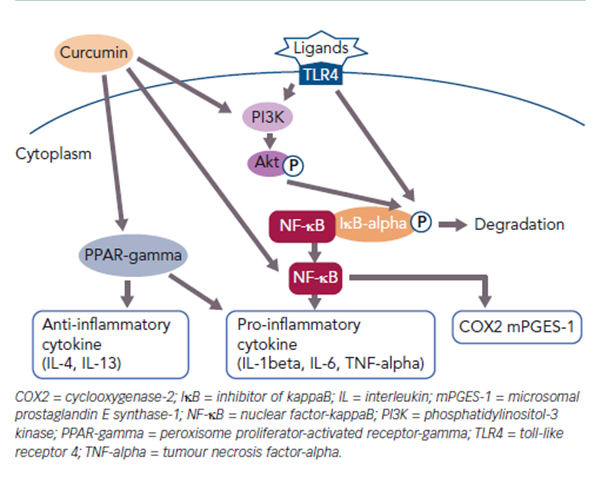
Fig.No (4): [34]

Moringa:-

Chronic inflammation is closely linked to metabolic disorders such as non-alcoholic steatohepatitis (NASH) and glucose intolerance caused by a high-fat diet. Studies have shown that moringa (Moringa oleifera) can reduce the expression of key pro-inflammatory cytokines like IL-1β, IL-10, and IFN-γ in animal models, with quercetin and chlorogenic acid believed to play a major role in these effects. In obese mice, a diet containing fermented moringa extract significantly lowered pro-inflammatory cytokines in the liver, adipose tissue, and muscle. Moringa not only inhibits the expression of pro-inflammatory factors but also helps regulate immune cells, making it a promising option for managing chronic inflammation.In laboratory studies, moringa leaf extract was found to inhibit COX-2 and reduce levels of pro-inflammatory cytokines (IL-1β, IL-6, PGE2, TNF-α) in immune cells. Using advanced techniques, researchers identified 15 phytochemicals in moringa that bind to COX-2, with quercetin and kaempferol flavonoid glycosides—especially those with acetylated glycosyl side chains—showing strong antioxidant and anti-inflammatory activity. Molecular docking confirmed these compounds bind competitively to COX-2, supporting moringa’s potential as a natural remedy for inflammation and its use in functional foods or healthcare products [24,25]

Dalbergin, an isoflavonoid found in Dalbergia sissoo, is known for its anti-inflammatory and antioxidant properties. Orientin, a flavonoid glycoside, helps neutralize free radicals and may support skin repair. Luteolin, commonly present in the heartwood, aids in modulating the release of cytokines. β-sitosterol, a plant sterol, has been linked to improved lipid profiles in animal studies.In Ayurvedic medicine, the tikta (bitter) and kashaya (astringent) rasa properties of shisham are considered key to its ability to pacify Vata and Pitta doshas, supporting deep tissue healing. Experimental studies in rats have shown that shisham extract can suppress COX-2 enzyme activity by up to 45% at certain concentrations. In vitro research suggests orientin may influence collagen synthesis, providing a plausible mechanism for wound healing. While human clinical trials are limited, the available data supports traditional claims regarding shisham’s anti-inflammatory and healing effects.[12]
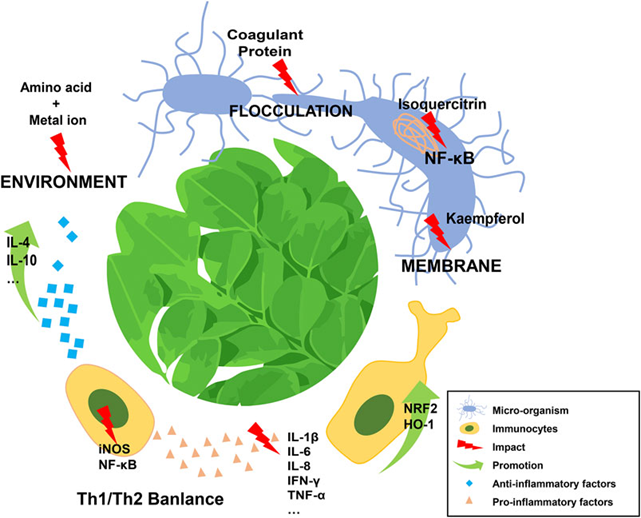
Fig.No.:- (5).[32]

Mechanism of Action of Turmeric, Moringa, Shisham in Combination:-

The combination of turmeric, moringa, and shisham (Dalbergia sissoo) in Anti-inflammatory formulations produces a synergistic effect, targeting multiple pathways involved in inflammation. Turmeric’s active compound, curcumin, inhibits key pro-inflammatory transcription factors such as NF-κB and AP-1, reduces the production of cytokines like TNFα, IL-1β, IL-6, and IL-8, and down-regulates. enzymes including COX-2 and 5-lipoxygenase. Curcumin also activates antioxidant pathways like Nrf2, which helps combat oxidative stress.

Moringa contributes additional anti-inflammatory and antioxidant effects through compounds such as quercetin and chlorogenic acid, which further suppress NF-κB and other inflammatory mediators. Shisham’s flavonoids and phenolic compounds inhibit pro-inflammatory enzymes and cytokines, complementing the actions of turmeric and moringa.

When these agents are combined, they enhance each other’s bioavailability and efficacy, resulting in a broader and more potent anti-inflammatory effect. This synergy allows for lower doses of each component, reducing the risk of side effects while maximizing therapeutic outcomes. The multi-target approach is particularly effective in managing chronic inflammatory conditions and diseases associated with oxidative stress.[26,27]

Chronic inflammation is a root cause of many health problems, including arthritis, diabetes, heart disease, and digestive disorders. Combining moringa and turmeric helps address this underlying inflammation effectively. Turmeric works by inhibiting inflammatory enzymes like COX-2, lowering levels of CRP (C-reactive protein), and soothing inflamed tissues. Moringa acts at the cellular level to slow inflammation and contains compounds such as isothiocyanates that help prevent tissue damage.  This combination is especially powerful for managing conditions like joint pain or arthritis, digestive inflammation (such as IBS or leaky gut), skin issues like eczema or acne, post-workout recovery, and general immune support. The synergistic effects of moringa and turmeric provide broad anti-inflammatory and antioxidant benefits, making them a valuable natural approach for supporting overall health and well-being. [26,29]

Shisham (Dalbergia sissoo) and moringa work together to combat inflammation through complementary mechanisms. Shisham contains flavonoids and phenolic compounds that stabilize cell membranes, inhibit the release of inflammatory mediators, and suppress pro-inflammatory enzymes and cytokines such as TNF-α and IL-6.[30] Moringa contributes anti-inflammatory and antioxidant effects via compounds like quercetin, chlorogenic acid, and isothiocyanates, which further suppress NF-κB and inflammatory mediators, and help reduce oxidative stress. [31] Together, these plants enhance each other’s bioavailability and efficacy, resulting in a broader and more potent anti-inflammatory effect, making them effective for managing chronic inflammatory conditions and oxidative stress-related diseases.[32]

Physicochemical properties of the turmeric and moringa relevant to inflammation management.
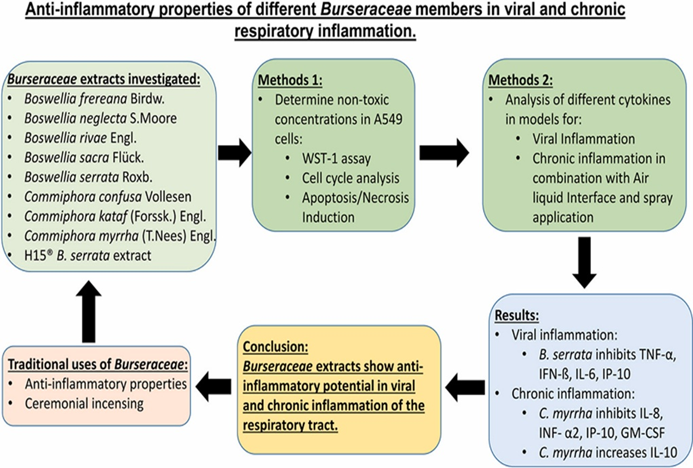
  • Bioactive Compounds: Shisham contains a variety of phytoconstituents such as flavonoids (including biochanin A), isoflavones, tannins, saponins, and phenolic compounds, which are chiefly responsible for its antioxidant and anti-inflammatory effects.[35,36]
  • Solubility and Extracts: The active ingredients in Shisham are typically extracted using solvents like ethanol, methanol, or water. These extracts demonstrate good solubility in organic solvents, enabling effective isolation of bioactive compounds for anti-inflammatory applications.[35,36]
  • Antioxidant Properties: The high content of phenolics and flavonoids allows Shisham to effectively neutralize free radicals, reduce oxidative stress, and thereby help control inflammation. [36,38]
  • Stability: Traditional preparations, such as decoctions or oils made from leaves, bark, and seeds, are stable and can be used topically or orally for consistent anti-inflammatory action. [30,37]
  • Essential Oils: Shisham oil, derived from its wood or seeds, is stable and exhibits anti-inflammatory and antimicrobial properties, making it suitable for external use in conditions like joint pain and skin disorders.[30,37]
  • Other Functional Properties: Shisham is rich in essential minerals (calcium, iron, potassium) and dietary fibers, which support tissue health and help modulate inflammatory pathways.[36,38]

Fig.No:(6)[42]

Turmeric: Key Physicochemical Properties:-
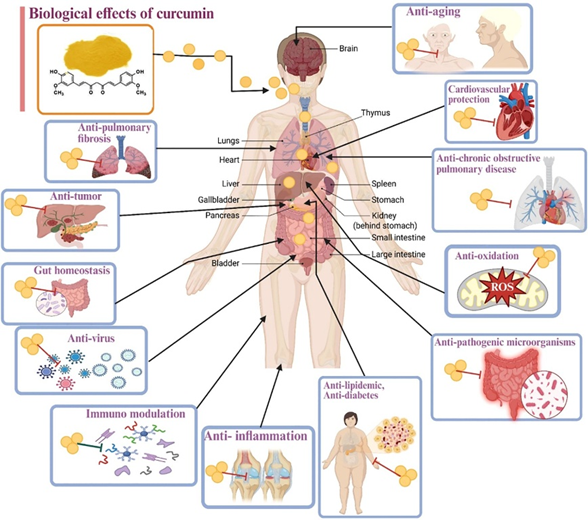
Fig.No:(7)[46]
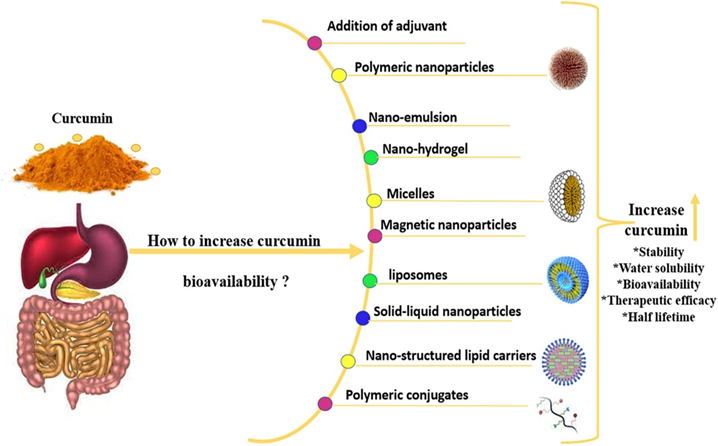
  • Curcuminoid Profile: Turmeric is characterized by its main active substances—curcumin, demethoxycurcumin, and bisdemethoxycurcumin—which are responsible for its distinctive yellow pigment and pronounced antioxidant effects. [39]
  • Solubility: Curcumin, turmeric’s principal bioactive, dissolves poorly in water but is readily soluble in organic solvents like methanol, ethanol, and acetone. This limited water solubility constrains its absorption in the body and has led to the development of specialized formulations, such as nanocurcumin, to enhance its delivery and efficacy.[40]
  • Stability: Curcumin tends to degrade in neutral to alkaline conditions, yet is more stable in acidic environments. [39]
  • Antioxidant Capacity: The polyphenolic nature of curcuminoids underlies turmeric’s ability to neutralize free radicals, as reflected by high DPPH and ABTS scavenging activities. [41]
  • Other Constituents: In addition to curcuminoids, turmeric contains essential oils (such as turmerone), dietary fiber, and minerals, all of which contribute to its varied functions and potential health benefits. [39,41]

Fig No:(8) [43]

Moringa: Physicochemical Properties Relevant to Inflammation :-
  • Major Components: Moringa is rich in polyphenols such as gallic acid and chlorogenic acid, as well as vitamins C and E, chlorophyll, and proteins. These constituents are crucial for its strong antioxidant and anti-inflammatory effects, helping to neutralize free radicals and reduce inflammation. [45, 46]
  • Solubility: Extracts from Moringa leaves and seeds are highly soluble in water, which enhances their absorption and allows for rapid delivery of bioactive compounds to sites of inflammation. [45,47]
  • Fatty Acid Profile: Moringa seed oil is rich in oleic acid and tocopherols, providing additional anti-inflammatory and cell membrane-stabilizing benefits. [45,48]
  • Stability and Functional Additives: Moringa powders and extracts remain stable across a wide pH range, making them suitable for use in various formulations designed to manage inflammation.[47]

Fig.No:(9) [50]

Pharmacological Activities :-

Shisam:-

Anti-inflamatory & Analgesic Activity of the Drug:-

Hexane and methanol extracts of Dalbergia sissoo leaves, along with the compound okanin, were assessed for anti-inflammatory activity using carrageenan-induced paw edema in rats, with the methanolic extract showing the greatest effect. A 90% ethanolic bark extract also demonstrated dose-dependent inhibition of paw edema in Wistar rats, with the 1000 mg/kg dose exhibiting the strongest anti-inflammatory activity over 120 minutes.

The methanolic leaf extract reduced pain behaviors in mice using acetic acid-induced writhing and hot plate tests, showing both peripheral and central analgesic effects. It achieved 68.2% inhibition of paw edema at 600 mg/kg, comparable to 73.4% inhibition by the standard drug diclofenac (5 mg/kg).

Alcoholic seed extracts exhibited peripheral analgesic effects in acetic acid writhing and Randall-Selitto tests, and central analgesic activity was confirmed in the hot plate, but not tail-clip, test in mice. These extracts also showed significant antipyretic effects in Brewer’s yeast-induced fever models.[50,51]

Ethanol extracts of bark displayed dose-dependent central analgesic effects in the tail-flick test in rats, with significant increases in pain latency at doses of 300-1000 mg/kg comparable to aspirin. Leaf ethanol extracts showed both peripheral and central analgesic activities in several tests, with antipyretic effects comparable to aspirin at higher doses and lasting up to 6 hours.

In summary, Dalbergia sissoo extracts from bark, leaves, and seeds exhibit strong and dose-dependent anti-inflammatory, analgesic (both central and peripheral), and antipyretic activities across a range of established animal models, often comparable to standard drugs like diclofenac and aspirin. These activities reinforce the potential of Dalbergia sissoo as a natural therapeutic agent for managing inflammation and pain. [50, 51]

Anti-Diabetic activity :-

Research with leaf extracts at 300 mg/kg, prepared with solvents like ethyl acetate, ethanol, n-butanol, and petroleum ether, found that the ethanolic extract provided stronger blood sugar-lowering effects than the standard drug glibenclamide (Sangram et al., 2009). Studies with ethanolic bark extracts at 250–500 mg/kg doses in diabetic rats also showed significant reductions in blood glucose (Shukla et al., 2000). Blood analyses revealed that treatment lowered triglycerides, total cholesterol, LDL, and VLDL, while increasing HDL levels; the effects were again compared to glibenclamide as a standard reference (Sayanti et al., 2014; Kiran V et al., 2012). [52, 53]

Both alcoholic and aqueous bark extracts produced pronounced anti-diabetic effects in type 2 diabetic rats induced by streptozotocin and nicotinamide, with marked reductions in blood glucose levels. These extracts were also rich in polyphenols and chlorogenic acid, which are considered responsible for their hypoglycemic action (Shivani Saini & Sunil Sharma, 2013). Animal studies further demonstrate improvement in antioxidant status (elevated GSH, SOD, CAT; reduced MDA) and restoration of healthy lipid profiles, along with increased body weight in diabetic models. [54,52]

In summary, Dalbergia sissoo extracts—particularly ethanolic forms from leaves and bark—effectively lower blood sugar and improve lipid balance, with key mechanisms attributed to their polyphenol and chlorogenic acid content, and often perform as well as or better than standard antidiabetic medications in research settings.[52,53,54]

 Antibacterial & Antiprotozoal activities:-

Antiprotozoal:-

Dalbergia sissoo has been investigated for its antiprotozoal effects against Lamblia trophozoites. In the study by Naveeda et al. (2012), different dilutions of aqueous extracts from Dalbergia sissoo heartwood were used. The heartwood contains phytochemicals such as lignin, benzene-ethanol soluble compounds, and alpha cellulose. The viability of the trophozoites was assessed using a hemocytometer and trypan blue dye to count live cells. This method enabled the evaluation of the aqueous extract’s effectiveness in reducing the number of viable protozoan cells.

In summary, the research shows that aqueous extracts of Dalbergia sissoo heartwood contain bioactive compounds that exhibit antiprotozoal activity by decreasing viable Lamblia trophozoites in a dose-dependent manner. [55]

Antibacterial:-

Dalbergia sissoo has been extensively studied for its antibacterial properties against various pathogenic bacteria including Micrococcus luteus, Escherichia coli, Staphylococcus aureus, Raoultella planticola, and Acinetobacter species. Research on the leaf and bark extracts using solvents such as chloroform, ethyl acetate, acetone, and methanol at a concentration of 100 mg/ml demonstrated effective antibacterial activity. Specifically, the methanolic extract exhibited the highest efficacy against Staphylococcus aureus. Moreover, studies investigating bacterial resistance to the hexane extract reported that Dalbergia sissoo showed superior antibacterial potential compared to some commercial antibiotics, indicating its promising role as a natural antimicrobial agent. [55,56]

Ostiogenic Activity :-

Dalbergiphenol (DGP), a neoflavonoid extracted from Dalbergia sissoo heartwood, was tested for its effects on bone loss using ovariectomized adult BALB/c mice. Over six weeks, mice received oral DGP (1 or 5 mg/kg/day) or 17β-estradiol (E2), with sham and vehicle-treated ovariectomized mice as controls. While OVX mice showed weight gain and bone loss, DGP-treated mice maintained bone volume and strength similar to E2-treated controls but without the uterine estrogenic effects seen with E2. DGP increased bone formation and osteoblast-associated gene expression (Runx2, osterix, collagen type I) while decreasing osteoclast activity markers, indicating it promotes bone formation and reduces resorption. [57,58]

Additionally, a butanol-soluble extract from Dalbergia sissoo leaves and pods (BSSF) improved bone microarchitecture and strength in ovariectomized rats, reduced bone turnover markers, inhibited osteoclastogenic gene expression, and enhanced osteogenic gene expression, effects comparable to 17β-estradiol.

Five isoflavonoid compounds from leaves, including a new glucoside caviunin 7-O-[β-D-apiofuranosyl-(1→6)-β-D-glucopyranoside] (CAFG), and known compounds genistein, biochanin A, and pratensein, demonstrated osteogenic potential in primary osteoblast cultures, increasing alkaline phosphatase activity and mineralization. CAFG showed the strongest effects and acted independently of estrogen receptor signaling. CAFG also stimulated bone formation in ovariectomized mice by enhancing BMP2 and Wnt/β-catenin signaling pathways, promoting osteoblast proliferation, survival, and differentiation, increasing osteoprotegerin expression, and inhibiting osteoclast activation. It improved bone biomechanical properties and reduced bone turnover more effectively than genistein, without causing uterine hyperplasia. CAFG also accelerated cartilage formation and bone repair post-injury. Overall, Dalbergia sissoo compounds and extracts demonstrate robust osteogenic and antiresorptive effects, making them promising candidates for treating osteoporosis and enhancing bone repair.[59]

Dermatological Actvity:-

The cytotoxicity and in vitro melanogenic effects of Dalbergia sissoo bark were assessed using the MTT assay on melanoma cells, showing that the ethyl acetate extract was non-toxic and significantly enhanced melanin production compared to hexane and ethanol extracts (Prof. Dr. Ali Esmail, 2017). Additionally, methanolic extracts of leaves, fruits, and bark were analyzed for their photoprotective and DNA-protective properties in vitro, alongside an investigation into their phytochemical composition, highlighting their potential dermatological benefits (Shagufta Yasmeen and Promila Gupta, 2016). Together, these studies suggest that Dalbergia sissoo extracts possess promising skin-protective and pigmentation-enhancing activities, supporting their therapeutic potential for dermatological applications. [55,59]

Other Pharmacological Activities:-

Gastroprotective Action:-

Dalbergia sissoo stem bark methanol extract (DSME) has demonstrated significant gastroprotective effects in rats with diclofenac sodium-induced ulcers. The protective action is likely due to its antioxidant and cytoprotective properties. DSME administration decreased ulcer severity, lipid peroxidation, and inflammatory markers in gastric tissues while simultaneously enhancing the activity of antioxidant enzymes and increasing gastric mucosal defense by boosting mucus content and balancing gastric acid secretion, including lowering acidity and increasing pH. Histological studies further confirmed these protective effects, showing reduced tissue damage. These results suggest that DSME can effectively mitigate gastric ulcer formation by scavenging free radicals, restoring enzymatic antioxidants, and providing cytoprotection against nonsteroidal anti-inflammatory drug (NSAID)-induced gastric irritation.[51]

Neuroprotective Action:-

In neuroprotection studies, the ethanolic extract of Dalbergia sissoo leaves was given orally to rats with neurotoxicity induced by 3-nitropropionic acid at doses of 300 and 600 mg/kg. The extract improved cognitive functions, memory, and learning in mice as observed in behavioral paradigms and ameliorated oxidative stress by enhancing antioxidant defenses and reducing acetylcholinesterase activity in brain tissue. It reversed cerebral ischemia-induced damage by normalizing brain weight and antioxidant levels, and histopathological examinations showed protection of brain tissues. The extract attenuated behavioral and biochemical alterations associated with neurotoxicity, highlighting its potential to manage neurological disorders through antioxidant, anti-inflammatory, and estrogen-like mechanisms.[51]

Reproductive Action:-

The ethanol extract of Dalbergia sissoo stem bark shows strong anti-spermatogenic effects both in vitro and in vivo. In studies with semen from healthy men, the extract caused a dose- and time-dependent reduction in sperm motility and viability, with complete immobilization at 20 mg/mL within 3 minutes. In mice, oral administration of 200 mg/kg significantly reduced testis and epididymis weight, sperm motility, and sperm count. Histological examination revealed degenerative changes in reproductive tissues. Similarly, aqueous leaf extracts given to male mice decreased sperm motility, viability, and count, along with lower testosterone levels, but these effects were reversible after stopping treatment, indicating potential as a male contraceptive without toxicity or libido effects.[59]

Antioxidant Activity:

Leaf extracts have potent antioxidant effects, reportedly nearly twice as powerful as common antioxidants like vitamin E and selenium. This contributes to the protective effects observed in various oxidative stress-related conditions. [51,59]

 Additional pharmacological activities include antipyretic (fever-reducing), anticoagulant, antidiarrheal, immunomodulatory, reproductive, and anti-spermatogenic properties.

Turmeric(Curcuma Longa):-

Anti- Inflammatory :-

Curcumin, the principal compound in turmeric, exerts its anti-inflammatory effects by modulating several critical signaling pathways. It inhibits the nuclear factor-kappa B (NF-κB) pathway by preventing degradation of its inhibitor (IκBα) and reducing phosphorylation of NF-κB subunits, which leads to decreased activation of inflammatory genes. Curcumin also blocks the mitogen-activated protein kinase (MAPK) pathway by inhibiting phosphorylation of key kinases such as ERK, JNK, and p38, reducing expression of pro-inflammatory cytokines like tumor necrosis factor-alpha (TNF-α), interleukin-6 (IL-6), and interleukin-8 (IL-8). Additionally, curcumin downregulates the JAK-STAT pathway and inhibits activation of inflammasomes such as NLRP3, thereby reducing chronic inflammation. This multifaceted suppression of inflammatory mediators and signaling cascades helps alleviate various inflammatory conditions and contributes to curcumin’s therapeutic potential. [60,61]

Antioxidant Activity:-

Curcumin’s antioxidant effects are largely linked to its unique chemical structure, which includes carbon-carbon double bonds, β-diketo groups, and phenyl rings substituted with hydroxyl and o-methoxy groups. These structural features enable curcumin to act as a free radical scavenger and hydrogen and electron donor, neutralizing reactive oxygen species (ROS) such as superoxide radicals, hydrogen peroxide, and nitric oxide. Studies using laser flash photolysis and pulse radiolysis have clarified these mechanisms.

Curcumin enhances the activity of various antioxidant enzymes like superoxide dismutase (SOD), catalase (CAT), glutathione peroxidase (GPx), and heme oxygenase-1 (OH-1). It also boosts glutathione levels by upregulating glutathione transferase and related mRNAs. Additionally, curcumin inhibits enzymes that generate ROS, including lipoxygenase (LOX), cyclooxygenase (COX), and xanthine oxidase, and chelates metal ions that catalyze oxidative reactions. Due to its lipophilic nature, curcumin functions as a chain-breaking antioxidant by scavenging peroxyl radicals and preventing lipid peroxidation, thereby protecting cell membranes from oxidative damage.

Furthermore, curcumin regulates antioxidant gene expression through signaling pathways like Keap1-Nrf2/ARE, helping maintain redox balance in cells. These combined chemical and biological actions contribute to curcumin’s potent antioxidant capacity effective against oxidative stress-related diseases. [62,63,64]

Anticancer Activity :-

Curcumin, the primary active compound in turmeric, exhibits anticancer effects through multiple intricate mechanisms involving the modulation of various cellular signaling pathways. It inhibits cancer cell proliferation and tumor growth by targeting pathways such as PI3K/Akt/mTOR, MAPK, Wnt/β-catenin, NF-κB, Hedgehog, Notch, and JAK/STAT3. By suppressing these pathways, curcumin effectively hampers the signaling vital for tumor survival and progression [65,66,67]

One key anticancer mechanism of curcumin is the induction of apoptosis. Curcumin upregulates pro-apoptotic proteins including Bax and caspases, while downregulating anti-apoptotic proteins such as Bcl-2 and Bcl-xL, promoting the programmed death of cancer cells. This enhances the removal of malignant cells. Moreover, curcumin causes cell cycle arrest by modulating cyclins and cyclin-dependent kinases, thereby preventing uncontrolled cell division. [68]

Curcumin also inhibits tumor invasion, metastasis, and angiogenesis, which are critical for cancer spreading. It downregulates vascular endothelial growth factor (VEGF), a key molecule promoting new blood vessel formation in tumors, and suppresses genes involved in metastasis, reducing cancer dissemination.[69]

Curcumin has also been shown to enhance the effectiveness of chemotherapy and radiotherapy by sensitizing cancer cells, overcoming drug resistance mechanisms, and improving treatment outcomes without significant toxicity. [65,68]

Anti-Microbial Activity:-

Turmeric’s active compound, curcumin, demonstrates strong antimicrobial activity against a wide range of bacteria, fungi, and viruses. It disrupts bacterial cell membranes, interferes with DNA replication, and modulates genes critical for microbial survival. Curcumin is effective against both Gram-positive bacteria like Staphylococcus aureus and Gram-negative bacteria such as Escherichia coli and Klebsiella pneumoniae. It inhibits biofilm formation and enhances antibiotic effectiveness by overcoming resistance. Curcumin also disrupts fungal membranes and metabolic processes and hinders viral replication and entry. In vivo, curcumin can eradicate Helicobacter pylori and reduce tissue damage from infections. These effects highlight turmeric’s potential as an alternative or complementary antimicrobial therapy. [70,71,72]

Anti-Lipidemic & Hypoglycaemic Activity:-

Preclinical and clinical studies show that turmeric extract or curcumin supplementation in hyperlipidemia animal models significantly reduces plasma total cholesterol, free fatty acids, and especially triglycerides, often returning them near normal levels. Curcumin also improves symptoms of excessive alcohol consumption and non-alcoholic fatty liver disease. In type 2 diabetes mellitus (T2DM), which accounts for about 90% of diabetes cases and is characterized by insulin resistance and pancreatic dysfunction, curcumin significantly lowers glycated hemoglobin (HbA1c) and fasting blood glucose levels. It also improves metabolic syndrome parameters by reducing LDL cholesterol, triglycerides, fasting blood sugar, insulin resistance (HOMA-IR), aminotransferase (AST) levels, and body weight. Curcumin inhibits carbohydrate-digesting enzymes and glucose transporters in the intestine, thereby suppressing glucose absorption and reducing blood sugar spikes after meals. Recent computational studies suggest curcuminoids bind multiple diabetes-related molecular targets, supporting their potential for anti-diabetic effects. Curcumin can be used alone or alongside other anti-diabetic and lipid-lowering drugs, though more clinical trials are needed for confirmation. [73]

Cardioprotective Activity:-

Clinical research shows that curcumin has antihypertensive effects by lowering blood pressure and improving heart blood flow. It reduces blood viscosity and prevents blood clot formation by inhibiting thromboxane A2 synthesis and regulating calcium signals to stop platelet activation and aggregation. Curcumin may increase menstrual bleeding due to its effect on platelet aggregation, so its use during menstruation should be cautious. Additionally, curcumin protects vascular endothelial cells by inhibiting NF-κB, AKT, and ERK pathways, helping prevent arterial sclerosis, thrombosis, and abnormal blood pressure. Clinical studies also found that curcumin reduces the recurrence of coronary artery obstruction and prevents complications in patients with vascular stents in coronary arteries.[74]

Immunomodulating  Activity :-

Curcumin enhances immune function by activating immune cells while reducing excessive inflammation and allergies. It suppresses key inflammatory pathways such as NF-κB, MAPKs, JAK/STAT, β-catenin, and Notch-1, thereby regulating pro-inflammatory cytokines like IL-1β, TNF-α, IL-2, IL-6, and IL-10. Clinically, curcumin has therapeutic potential in autoimmune diseases including lupus, rheumatoid arthritis, ankylosing spondylitis, and psoriasis. It helps restore T cell function, boosting the body's ability to fight cancer cells and pathogens. Both lab and animal studies confirm that curcumin inhibits cancer cell proliferation and induces apoptosis.[74]

Other Activities like antiviral, neuroprotective, hepatoprotective, properties, often mediated through its anti-inflammatory and antioxidant mechanisms, as well as modulation of various signaling pathways 

Moringa:-

Anti-inflamatory Activity:-

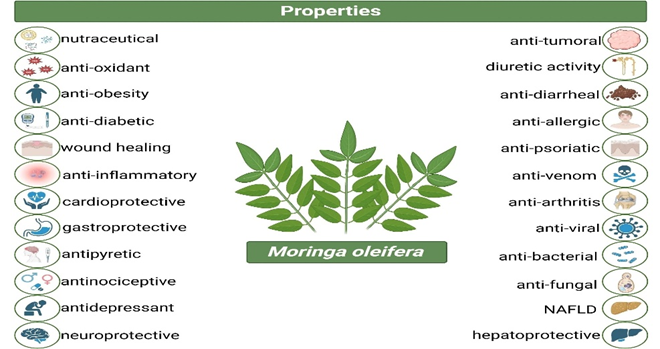
Moringa shows a variety of pharmacological effects such as antioxidant, anti-inflammatory, hepatoprotective, and antidiabetic activities. It helps lower blood glucose and cholesterol, protects the liver, supports heart and brain health, relieves pain, modulates the immune system, and fights microbes. Clinical evidence supports its benefits in improving metabolic health, anemia, and inflammatory conditions. These properties make moringa a promising natural remedy for multiple chronic diseases.[75]

Anti-Diabetic Activity:-

Aqueous extract of Moringa oleifera leaves demonstrates anti-diabetic effects by helping control diabetes and maintaining blood sugar levels. Studies on methanol extracts of Moringa oleifera pods in streptozotocin (STZ)-induced diabetic rats showed that treatment with the extract at doses of 150 or 300 mg/kg over 21 days significantly lowered serum glucose and nitric oxide levels, while increasing insulin and protein levels. Additionally, the antidiabetic effect of Moringa seed powder was investigated at doses of 50 and 100 mg/kg in STZ-induced diabetic male rats, where untreated diabetic rats exhibited elevated levels of IL-6 and lipid peroxides, coupled with decreased antioxidant enzymes in serum and kidney tissues. [75,76]

Wound Healing activity:-

Studies demonstrate that Moringa oleifera leaf extracts, particularly ethyl acetate and aqueous preparations at 300 mg/kg, significantly enhance wound healing by promoting wound closure, increasing the strength of granulomas, and reducing skin rupture in scar areas. In diabetic models, leaf extracts help downregulate inflammatory markers and boost vascular endothelial growth factor levels in damaged tissues. Aqueous extracts showed superior cell proliferation and migration, aiding tissue regeneration in wound healing assays.[77]

Antifertility & Fertility Activity:-

The various parts of Moringa oleifera exhibit notable effects on fertility and abortion. Studies have found that aqueous extracts at doses of 200 and 400 mg/kg show pronounced abortifacient and anti-fertility properties. Recent research on both hot and cold leaf extracts suggests that consuming Moringa before, during, or after pregnancy may cause strong uterine contractions, potentially leading to adverse effects on fetal development. [77,78]

Anticancer Activity:-

Moringa oleifera displays significant anticancer activity, especially through extracts from its leaves and bark. Studies show that these extracts reduce cell survival and proliferation, induce apoptosis, and block colony formation in breast (MDA-MB-231) and colorectal (HCT-8) cancer cell lines. Key bioactive compounds, including eugenol and isothiocyanates, contribute to these effects by targeting cancer-related proteins and pathways. Moringa root extracts also demonstrate selective cytotoxicity against various cancer cells while sparing normal cells. Additionally, methanolic leaf extracts have shown potent anti-prostate cancer effects by inhibiting the Notch signaling pathway and inducing apoptosis via regulation of Bax and Bcl-2 expression. Overall, moringa’s anticancer effects span multiple cancer types and involve inhibiting cell growth, inducing cell death, and modulating critical oncogenic pathways.[79,80,81]

Other Pharmacological Activities:-

  • Moringa oleifera exhibits strong antimicrobial activity across its leaves, roots, bark, and seeds against a range of bacteria and fungi. It shows significant in vitro inhibition of bacteria, yeast, dermatophytes, and helminths using methods like disc diffusion. Extracts from fresh leaves and seeds specifically inhibit growth of pathogens such as Pseudomonas aeruginosa and Staphylococcus aureus. The plant's antimicrobial compounds disrupt bacterial cell walls and membranes, inhibiting biofilm formation and showing efficacy even against multidrug-resistant strains. Moringa extracts also demonstrate antifungal effects against various fungal strains. The plant additionally shows anthelmintic properties by effectively inhibiting the eggs and larvae of parasites in dose-dependent manners.  In the central nervous system, Moringa leaf extracts help restore brain monoamine levels, showing potential benefits in neurodegenerative conditions like Alzheimer’s disease. In vitro studies also demonstrate anticonvulsant effects from root and leaf extracts, influencing locomotor behavior and neurotransmitter levels.[75]

Industrial & Commercial:-

Pharmaceutical and Nutraceutical Use

  • Formulations blending turmeric, shisham, and moringa are developed for anti-inflammatory, antioxidant, anticancer, and immune-boosting effects in capsules, tablets, and syrups. [82]
  • Polyherbal supplements from this combination address metabolic, liver, and cardiovascular health. [83]

Functional  Food & Beverages:-

  • Health drinks and herbal teas enriched with turmeric and moringa to boost antioxidant intake and nutrient content [84]
  • Fortified nutrition bars and powders incorporating these plants to promote overall health and wellness.[85]
  • Turmeric-moringa lattes and infusions marketed for anti-inflammatory, immune-boosting, and liver-protective benefits.[86]
  • These products are designed to improve digestion, reduce inflammation, enhance immunity, and support metabolic health.
  • The appealing natural colors and flavors of turmeric add to the sensory quality of these functional beverages.[87]

Cosmetics & Personal Care Product:-

  • Extracts from turmeric and moringa are widely used in cosmetic and personal care products such as creams, lotions, ointments, and serums because of their strong antioxidant and cell-regenerating properties that promote anti-aging, wound healing, and skin nourishment.
  • They are also incorporated into hair oils and shampoos to improve scalp health and reduce inflammation, enhancing hair quality and scalp condition. [88,89]

Traditional and Herbal Medicine:-

  • The combination of turmeric, shisham, and moringa has strong roots in Ayurvedic and traditional medicine, where it is effectively used to treat various ailments such as infections, wounds, pain, and chronic diseases. These plants are valued for their rich diversity of phytochemicals including flavonoids, alkaloids, terpenoids, and antioxidants that work together synergistically to enhance their healing effects.
  • Turmeric is widely known for its potent anti-inflammatory and antioxidant properties, which help reduce chronic inflammation and protect against oxidative stress common in many diseases. Moringa offers detoxification, immune support, and nutritional nourishment, penetrating deeply into body tissues to cleanse and revitalize energy levels and organ functions. Shisham contributes its antimicrobial, anti-inflammatory, and tissue-healing effects, helping to manage infections and promote wound recovery. [95,96]
  • Utilizing these plants together allows traditional therapies to address not only the symptoms but also underlying imbalances and physiological dysfunctions, promoting holistic healing. They are commonly formulated into decoctions, ointments, powders, and supplements, embodying both historical Ayurvedic wisdom and current pharmacological understanding to support health and vitality.
  • This integrative combination is deeply respected in herbal and ethnomedicinal practices for its broad-spectrum benefits and natural synergism.[93,94]

Commercial Crop Cultivation :-

  • Shisham (Dalbergia sissoo) holds commercial value primarily for its durable timber and secondary products. It plays a significant role in agroforestry systems contributing to soil conservation, ecosystem sustainability, and biodiversity enhancement. Crop rotation and intercropping practices involving these plants help improve farm biodiversity, increase overall yield, and aid in disease management, making the agricultural systems more resilient and sustainable.[97]
  • Turmeric is extensively farmed, requiring specific soil and climatic conditions such as well-drained sandy or clay loam soils, optimum temperatures of 20–35°C, and annual rainfall around 1500 mm. [98] Proper propagation, spacing, manuring, and mulching are critical for turmeric cultivation to ensure good yield and rhizome quality. Additionally, turmeric farming benefits from crop rotation with other crops like sugarcane, chillies, and pulses, which helps in managing soil fertility and pest control.[101]
  • Moringa and turmeric are important commercial crops widely cultivated for their high market demand, especially in the export sector. Moringa enjoys global popularity due to its versatile applications in health supplements, cosmetics, and food products. [99 100]

Toxicological Study Of The Combination Of  Shisham, Turmeric, Moringa Plant:-

  • The combination of turmeric, moringa, and shisham  may give synergestic action. Turmeric is safe for most people, but high doses can cause stomach issues and affect blood clotting due to its anticoagulant effects. [102] Shisham is safe when used properly, but its root and bark can be toxic and should be avoided during pregnancy because they might stimulate uterine contractions.[103] Moringa leaves and seeds are also safe in normal amounts but may cause liver enzyme changes or lower creatinine at very high doses. [104,105]
  • Together, moringa and turmeric can amplify blood-thinning effects, increasing bleeding risk; therefore, people on blood thinners or with bleeding problems should consult a doctor. Allergic reactions are uncommon but possible. Limited research exists on their combined toxicity, so careful dosage and professional advice are essential, especially for pregnant women or those with health conditions. [102,103,104,105]

FUTURE PROSPECTIVES :-

  • Turmeric, shisham, and moringa are important in Ayurvedic and traditional medicine for treating infections, wounds, pain, and chronic diseases, owing to their rich phytochemical content that acts together synergistically to promote healing.[106]
  • Turmeric provides strong antioxidant and anti-inflammatory benefits, helping to manage chronic inflammation and reduce oxidative damage.[107]
  • Moringa supports detoxification, strengthens immunity, nourishes tissues, and balances the body's doshas according to Ayurvedic principles.[108]
  • Shisham offers antimicrobial, anti-inflammatory, and tissue-healing properties, complementing the effects of turmeric and moringa by aiding infection control and wound repair.[106,104]
  • These plants are combined traditionally in decoctions, ointments, powders, and supplements, blending ancient Ayurvedic wisdom with modern research to achieve holistic health benefits and improved vitality. [93,105]

RESULT:

The result is based on the individual studies and review findings of Shisham, Turmeric, and Moringa, each showing significant anti-inflammatory potential. Each plant contributes unique bioactive compounds: Shisham offers flavonoids, tannins, and glycosides; Turmeric is rich in curcumin, which inhibits COX-2, TNF-α, and NF-κB; and Moringa contains flavonoids, phenolic acids, glucosinolates, and isothiocyanates, all known for their anti-inflammatory and antioxidant effects. Based on their proven bioactive compounds and mechanisms, these plants may provide a synergistic anti-inflammatory effect when combined, enhancing therapeutic activity compared to using them alone.

DISCUSSION:

The review of the anti-inflammatory activity of Shisam, turmeric, and moringa highlights the therapeutic potential of these traditionally used medicinal plants. Turmeric, rich in curcumin, has been extensively studied and consistently demonstrates strong anti-inflammatory effects through inhibition of COX-2, TNF-α, IL-6, and NF-κB pathways. Moringa oleifera also shows significant activity due to bioactive compounds such as quercetin, kaempferol, and isothiocyanates, which help reduce oxidative stress and inflammatory mediator release. Shisam, though comparatively less studied, contains flavonoids and phenolic compounds that contribute to moderate but meaningful anti-inflammatory effects, especially in models of edema and chronic inflammation. Collectively, the evidence suggests that these plants possess complementary mechanisms—antioxidant action, suppression of pro-inflammatory cytokines, and modulation of signaling pathways—making them promising candidates for developing safer, plant-based anti-inflammatory formulations. However, further standardized clinical studies are needed to confirm their efficacy, safety, and synergistic potential.                  

CONCLUSION:-

This review demonstrates that Dalbergia sissoo, Curcuma longa, and Moringa oleifera possess extensive pharmacological capabilities that hold significant potential for modern therapeutic use. Across numerous studies, these plants show strong anti-inflammatory, antioxidant, antidiabetic, antimicrobial, osteogenic, and anticancer effects, largely driven by their rich content of flavonoids, polyphenols, curcuminoids, and isothiocyanates. Their ability to interact with multiple biochemical pathways provides scientific support for their traditional medicinal applications. Despite these encouraging findings, much of the evidence remains preclinical. Advancing the medicinal use of these botanicals will require standardized extract formulations, clearer dosing guidelines, and comprehensive human trials. Nonetheless, the alignment of traditional knowledge with growing scientific evidence suggests that these plants are valuable candidates for developing safe, natural, and versatile therapeutics—particularly within the rising global interest in herbal and integrative medicine.

REFERENCES

  1. Anti-inflammatory activity of ethanolic leaf extract of dalbergia sissoo in vitro and in vivo Volume 2 Issue 3- 2017 Yogita Amrutkar, Hajare SW, Ingawale MV, Bhojane NM, Madhuri Hedau, Ingole RS Department of Pharmacology & Toxicology, Post Graduate Institute of Veterinary & Animal Science, India.
  2. Anti-inflammatory activity of Dalbergia sissoo leaves S W Hajare 1, S Chandra, J Sharma, S K Tandan, J Lal, A G Telang Affiliations Expand PMID: 11223222 DOI: 10.1016/s0367-326x (00)00272-0
  3. Chemical constituents and pharmacological effects of Dalbergia sissoo - A review    Prof Dr Ali Esmail Al-Snafi Department of Pharmacology, College of Medicine, Thi qar University, Iraq.
  4. Turmeric for Inflammation: Insights from Recent Research
  5. Antioxidant and anti-inflammatory effects of curcumin/turmeric supplementation in adults: A GRADE-assessed systematic review and dose–response meta-analysis of randomized controlled trials, Author links open overlay panelMohammad Jafar Dehzad a, Hamid Ghalandari b, Mehran Nouri b, Moein Askarpour a
  6. The anti-inflammatory activity of GABA-enriched Moringa oleifera leaves produced by fermentation with Lactobacillus plantarum LK-1
  7. Anti-inflammatory activity of Dalbergia sissoo leaves S.W. Hajare, S. Chandra, J. Sharma, S.K. Tandan, J. Lal, A.G. Telang Di ision of Pharmacology and Toxicology, Indian Veterinary Research Institute, Izatnagar-243 122 U.P., India
  8. DALBERGIA SISSOO IN INDIA M.K. Sharma, R.M. Singal and T.C. Pokhriyal Indian Council of Forestry Research & Education, New Forest, Dehra Dun-248006, India.
  9. Dalbergia sissoo (shisham) Author: Petra Bakewell-StoneAuthors Info & Affiliations Publication: CABI Compendium 17808 https://doi.org/10.1079/cabicompendium.17808
  10. Shisham Tree: Capturing the Graceful Essence of Tree Blossoms
  11. Journal of Medicinal Plants Studies Dalbergia sissoo - An Important Medical Plant. Mamta Bhattacharya 1*, Archana Singh 1, Chhaya Ramrakhyani 1 1. Sadhu Vaswani College, Bairagarh,Bhopal, India -462030 *[Email: mab_617@rediffmail.com]
  12. Dalbergia sissoo – (Simsapa) In Ayurveda.
  13. Sissoo – The Versatile Rosewood.
  14. Dalbergia-sissoo-indian-rosewood. https://byjus.com/free-ias-prep/dalbergia-sissoo-indian-rosewood/
  15. The History of Turmeric and Its Role in Medicine and Cooking: A Comprehensive Overview.y
  16. History of Turmeric : The Golden Spice of India.
  17. Chapter 13 Turmeric, the Golden Spice From Traditional Medicine to Modern Medicine Sahdeo Prasad and Bharat B. Aggarwal.
  18. Historical background of usage of turmeric: A review, Amanjot Kaur Assistant Professor, Department of Botany D.A.V. College, Amritsar, Punjab, India
  19. The History of Turmeric and Its Role in Medicine and Cooking: A Comprehensive Overview,y:
  20. 18 Nov,Written By International Tree Foundation. Moringa: the ‘Miracle Tree’
  21. The Health Benefits of Moringa- The Modern Superfood
  22. REVIEW article, Front. Pharmacol., 15 September 2020, Sec. Ethnopharmacology, Volume 11 - 2020 | HTTPS://DOI.ORG/10.3389/FPHAR.2020.01021 Turmeric and Its Major Compound Curcumin on Health: Bioactive Effects and Safety Profiles for Food, Pharmaceutical, Biotechnological and Medicinal Applications
  23. Anti-Inflammatory Effects of Curcumin in the Inflammatory Diseases: Status, Limitations and Countermeasures Ying Peng 1, Mingyue Ao 1, Baohua Dong 1, Yunxiu Jiang 1, Lingying Yu 1, Zhimin Chen 1,?, Changjiang Hu 1,2, Runchun Xu 1
  24. MINI REVIEW article, Front. Pharmacol., 17 December 2020, Sec. Ethnopharmacology, Volume 11 - 2020 | https://doi.org/10.3389/fphar.2020.566783 Moringa oleifera Lam and its Therapeutic Effects in Immune Disorders.
  25. Anti-Inflammatory Properties and Potential Bioactive Components from Moringa oleifera Leaves Revealed by Affinity Ultrafiltration LC–MS and Molecular Docking.
  26. Benefits Of Taking Moringa leafs With Turmeric, By Akanksha Kulkarni. https://prowisehealthcare.com/blogs/post/benefits-of-taking-moringa-leaf-with-turmeric.
  27. Herbal combination from Moringa oleifera Lam. and Curcuma longa L. as SARS-CoV-2 antiviral via dual inhibitor pathway: A viroinformatics approach [Combinación de hierbas de Moringa oleifera Lam. y Curcuma longa L. como antiviral SARS-CoV-2 a través de la vía del inhibidor dual: Un enfoque de viroinformática] Viol Dhea Kharisma1,2#, Aggy Agatha2,3, Arif Nur Muhammad Ansori4#, Muhammad Hermawan Widyananda2,5, Wahyu Choirur Rizky6, Tim Godefridus Antonius Dings7, Marina Derkho8, Irina Lykasova8, Yulanda Antonius9, Imam Rosadi10, Rahadian Zainul11.
  28. Biochemical characterization and anti-inflammatory properties of an isothiocyanate-enriched moringa (Moringa oleifera) seed extract,Asha Jaja-Chimedza 1,*,#, Brittany L Graf 1,#, Charlotte Simmler 2, Youjin Kim 1,3, Peter Kuhn 1, Guido F Pauli 2, Ilya Raskin 1
  29. Moringa Turmeric Benefits: A Natural Boost for Inflammation and Immunity.
  30. Dalbergia sisoo: A boon to mankind Dev Prakash Dahiya, Anchal Sharma, Anchal Sankhyan, Richa Kumari and Sachin Thakur.
  31. SYSTEMATIC REVIEW article,Front. Pharmacol., 19 May 2025,Sec. Ethnopharmacology,Volume 16 - 2025| https://doi.org/10.3389/fphar.2025.1572337 Effect of Moringa oleifera on inflammatory diseases: an umbrella review of 26 systematic reviews.
  32.  MINI REVIEW article ,Front. Pharmacol., 17 December 2020,Sec. Ethnopharmacology,Volume 11 – 2020 |  Moringa oleifera Lam and its Therapeutic Effects in Immune Disorders https://www.frontiersin.org/journals/pharmacology/articles/10.3389/fphar.2020.566783/full
  33. Sissoo,Dalbergia sissoo DC..iNDIAN ROSEWOOD, Yin du huang tan
  34. Anti-inflammatory Action of Curcumin and Its Use in the Treatment of Lifestyle-related Diseases, Kana Shimizu,Masafumi Funamoto, Yoichi Sunagawa,Satoshi Shimizu,Yasufumi Katanasaka, Yusuke Miyazaki,Hiromichi Wada,Koji Hasegawa,Tatsuya Morimoto
  35. Anti-inflammatory activity of ethanolic leaf extract of dalbergia sissoo in vitro and in vivo Volume 2 Issue 3- 2017 Yogita Amrutkar, Hajare SW, Ingawale MV, Bhojane NM, Madhuri Hedau, Ingole RS Department of Pharmacology &, Toxicology, Post Graduate Institute of Veterinary & Animal Science, India Correspondence: Hajare SW, Assistant Professor, Department of Pharmacology & Toxicology, Post Graduate Institute of Veterinary & Animal Science, Akola-444104, India, Email sunilwhajare@rediffmail.com Received: October 16, 2016 | Published: May 02, 2017
  36. A PHYTOCHEMICAL AND PHARMACOLOGICAL STUDY OF SHEESHAM Pratiksha Adsul*, Prof. Godavri K. Bramha, Prof. Shyam S. Awate, Sudarshan Chavan, Atharv Chor and Sakshi Darekar 1 IVMs Krishnarao Bhegade Institute of Pharmaceutical Education and Research, Talegaon Dabhade, Pune, Maharashtra-410507. ISSN: 2583-6579 SJIF Impact Factor: 5.111 Year - 2025 Volume: 4; Issue: 1 Page: 220-244
  37. Pharmacognosy Reviews, 2024; 18(36):137-150. Pharmacognosy Reviews, Vol 18, Issue 36, Jul-Dec, 2024 137 DOI: 10.5530/phrev.20242024 Copyright Author (s) 2024 Distributed under Creative Commons CC-BY 4.0 Publishing Partner, Dalbergia sissoo Roxb. ex-DC. - A Monograph Tangirala Sudhakar Johnson1,* , Sujit Nair1 , Anselm de’Souza1 , Lal Hingorani2,* 1 Phytoveda Pvt. Ltd., 1104, Universal Majestic, P. L. Lokhande Marg, Govandi, Mumbai, Maharashtra, INDIA. 2 31, Park West, West Premises Co-operative Society, Union Park, Pali Hill Road, Khar, Mumbai, Maharashtra, INDIA.
  38. Shisham Benefits,Discover the health benefits of Shisham (Dalbergia sissoo), a medicinal tree known in Ayurveda for supporting joint health, improving skin conditions, and promoting overall wellness through its anti-inflammatory and antioxidant properties.Written by Dr. Rohinipriyanka Pondugula,Reviewed by Dr. Siri Nallapu MBBS,Last updated on 20th Aug, 2025.
  39. Turmeric (Curcuma longa L.): Chemical Components and Their Effective Clinical Applications Thi Sinh Vo1* , Tran Thi Bich Chau Vo2 , Tran Thi Thu Ngoc Vo3,4 , and Thi Ngoc Huyen Lai5 1School of Mechanical Engineering, Sungkyunkwan University, Suwon 16419, Korea. 2Department of Industrial Management, Can Tho University, Can Tho, Vietnam. 3Department of Acupuncture, Tuina and Moxibustion, Anhui University of Traditional Chinese Medicine, China. 4Qui Nhon City Hospital, Binh Dinh, Vietnam. 5School of Advance Materials Science & Engineering, Sungkyunkwan University, Suwon 16419, Korea.
  40. Physico-chemical properties of curcumin nanoparticles and its efficacy against Ehrlich ascites carcinoma. Monira M. Rageh, Eman A. Abdelmoneam, Marwa Sharaky & Ebtesam A. Mohamad ,Scientific Reports volume 13, Article number: 20637 (2023)
  41. https://doi.org/10.15567/mljekarstvo.2024.0104,Physicochemical properties of turmeric (Curcuma longa L.) and black pepper (Piper nigrum) enriched icecream
  42. Anti-inflammatory properties of Boswellia frereana Birdw., Boswellia neglecta S.Moore, Boswellia rivae Engl., Boswellia sacra Flück., Boswellia serrata Roxb., Commiphora confusa Vollesen, Commiphora kataf (Forssk.) Engl. and Commiphora myrrha (T.Nees) Engl. extracts in viral and chronic respiratory inflammation.Author links open overlay panel Evelyn Stengler, Roman Huber, Stefanie Kowarschik, Volker M. Lüth https://www.sciencedirect.com/science/article/abs/pii/S0378874125011924
  43. REVIEW article,Front. Nutr., 10 January 2023,Sec. Nutrition and Metabolism, Volume 9 - 2022 | https://doi.org/10.3389/fnut.2022.1040259,Impacts of turmeric and its principal bioactive curcumin on human health: Pharmaceutical, medicinal, and food applications: A comprehensive review
  44. Sec. Nutritional Immunology,Volume 16 – 2025 |  Curcumin, an active component of turmeric: biological activities, nutritional aspects, immunological, bioavailability, and human health benefits - a comprehensive review https://www.frontiersin.org/journals/immunology/articles/10.3389/fimmu.2025.1603018/full
  45. Antibacterial, antioxidant, cytotoxicity, and phytochemical screening of Moringa oleifera leavesGamal M. El-Sherbiny, Amira J. Alluqmani, Islam A. Elsehemy &  Mohamed H. Kalaba ,Scientific Reports volume 14, Article number: 30485 (2024)
  46. Front. Nutr., 15 December 2022,Sec. Food Chemistry,Volume 9 - 2022 | Phytochemical and antioxidant screening of Moringa oleifera for its utilization in the management of hepatic injury
  47. Evaluation of phytochemical and medicinal properties of Moringa (Moringa oleifera) as a potential functional food panelZ.F. Ma a b c 1, J. Ahmad d 1, H. Zhang e, I. Khan d, S. Muhammad
  48. Pareek A, Pant M, Gupta MM, Kashania P, Ratan Y, Jain V, Pareek A, Chuturgoon AA. Moringa oleifera: An Updated Comprehensive Review of Its Pharmacological Activities, Ethnomedicinal, Phytopharmaceutical Formulation, Clinical, Phytochemical, and Toxicological Aspects. Int J Mol Sci. 2023 Jan 20;24(3):2098. doi: 10.3390/ijms24032098. PMID: 36768420; PMCID: PMC9916933.
  49. Why Moringa oleifera is Called the Miracle Tree: Health Benefits for Immunity, Inflammation, and Metabolism, https://www.news-medical.net/health/How-moringa-supports-immunity-inflammation-and-metabolic-health.aspx
  50. Chemical constituents and pharmacological effects of Dalbergia sissoo - A review Prof Dr Ali Esmail Al-Snafi Department of Pharmacology, College of Medicine, Thi qar University, Iraq. IOSR Journal Of Pharmacy www.iosrphr.org (e)-ISSN: 2250-3013, (p)-ISSN: 2319-4219 Volume 7, Issue 2 Version. 1 (Feb 2017), PP. 59-71.
  51. A PHYTOCHEMICAL AND PHARMACOLOGICAL STUDY OF SHEESHAM Pratiksha Adsul*, Prof. Godavri K. Bramha, Prof. Shyam S. Awate, Sudarshan Chavan, Atharv Chor and Sakshi Darekar 1 IVMs Krishnarao Bhegade Institute of Pharmaceutical Education and Research, Talegaon Dabhade, Pune, Maharashtra-410507.
  52. Antidiabetic Evaluation of Dalbergia Sissoo against alloxan induced diabetes mellitus in wistar albino rats Kiran V. Pund1 , Neeraj S. Vyawahare1*, Rajendra T. Gadakh2 , Vilas K. Murkute1 1Department of Pharmacology, AISSMS College of Pharmacy, Pune, India 2 Department of Pharmacology, MGV’s College of Pharmacy, Panchavati, Nashik, India ISSN : 2231 – 3184 CODEN (USA): JNPPB7
  53. PHARMACOLOGICAL EFFECTS AND MEDICINAL IMPORTANCE OF DALBERGIA SISSOO –A REVIEW SY. Sehra* and J. Sharma Department of Zoology, University of Rajasthan, Jaipur- 302 004, India. IJPCBS 2018, 8(2), 234-243 ISSN: 2249 -9504
  54. GC–MS analysis, molecular docking, and pharmacokinetic studies on Dalbergia sissoo barks extracts for compounds with anti-diabetic potential Deepanshi Vijh & Promila Gupta Scientific Reports volume 14 Article number: 24936 (2024).
  55. Pharmacological potentials of Dalbergia Sissoo-A mini review RanjushaVP 1 1PG Department of General Biotechnology, GEMS Arts and Science College, Malappuram, 679321,Kerala ,India 2023 IJRTI | Volume 8, Issue 3 | ISSN: 2456-3315
  56. IN VITRO ANTIBACTERIAL EFFICACY OF AQUEOUS AND METHANOLIC EXTRACTS OF DALBERGIA SISSOO (SHISHAM) LEAVES AGAINST E. COLI ISOLATES FROM DIARRHOEIC CALVES T.C. NAYAK*, A.P. SINGH, SAVITA, R. YADAV, A. CHAHAR, S.R. GUPTA and J.P. KACHHAWA Department of Clinical Veterinary Medicine, Ethics and Jurisprudence College of Veterinary and Animal Science Rajasthan University of Veterinary and Animal Sciences, Bikaner-334 001, India Received: 11.06.2020; Accepted: 01.07.2020 Haryana Vet. (April, 2021) 60(SI), 41-43
  57. Neoflavonoid dalbergiphenol from heartwood of Dalbergia sissoo acts as bone savior in an estrogen withdrawal model for osteoporosis, Jyoti Gautam 1, Padam Kumar, Priyanka Kushwaha, Vikram Khedgikar, Dharmendra Choudhary, Divya Singh, Rakesh Maurya, Ritu Trivedi
  58. Neoflavonoids as potential osteogenic agents from Dalbergia sissoo heartwood    panelPadam Kumar a, Priyanka Kushwaha b, Vikram Khedgikar b, Jyoti Gautam b, Dharmendra Choudhary b, Divya Singh b, Ritu Trivedi b, Rakesh Maurya Volume 24, Issue 12, 15 June 2014, Pages 2664-2668
  59. Chemical constituents and pharmacological effects of Dalbergia sissoo - A review Prof Dr Ali Esmail Al-Snafi Department of Pharmacology, College of Medicine, Thi qar University, Iraq. IOSR Journal Of Pharmacy(e)-ISSN: 2250-3013, (p)-ISSN: 2319-4219 Volume 7, Issue 2 Version. 1 (Feb 2017), PP. 59-71.
  60. Regulation mechanism of curcumin mediated inflammatory pathway and its clinical application: a review Front. Pharmacol., 20 August 2025,Sec. Ethnopharmacology Volume 16 - 2025
  61. Anti-Inflammatory Effects of Curcumin in the Inflammatory Diseases: Status, Limitations and Countermeasures2021 Nov 2;15:4503–4525. doi: 10.2147/DDDT.S327378 PMCID: PMC8572027  PMID: 34754179
  62. Antioxidant Potential of Curcumin, A Meta-Analysis of Randomized Clinical TrialsJakubczyk K, Dru?ga A, Katarzyna J, Skonieczna-?ydecka K. Antioxidant Potential of Curcumin-A Meta-Analysis of Randomized Clinical Trials. Antioxidants (Basel). 2020 Nov 6;9(11):1092. doi: 10.3390/antiox9111092. PMID: 33172016; PMCID: PMC7694612.
  63. Sharifi-Rad J, Rayess YE, Rizk AA, Sadaka C, Zgheib R, Zam W, Sestito S, Rapposelli S, Neffe-Skoci?ska K, Zieli?ska D, Salehi B, Setzer WN, Dosoky NS, Taheri Y, El Beyrouthy M, Martorell M, Ostrander EA, Suleria HAR, Cho WC, Maroyi A, Martins N. Turmeric and Its Major Compound Curcumin on Health: Bioactive Effects and Safety Profiles for Food, Pharmaceutical, Biotechnological and Medicinal Applications. Front Pharmacol. 2020 Sep 15;11:01021. doi: 10.3389/fphar.2020.01021. PMID: 33041781; PMCID: PMC7522354.
  64. Research progress on the mechanism of curcumin anti-oxidative stress based on signaling pathwayVolume 16 - 2025 | https://doi.org/10.3389/fphar.2025.1548073
  65. Curcumin as a novel therapeutic candidate for cancer: can this natural compound revolutionize cancer treatment? Front. Oncol., 23 October 2024,Sec. Pharmacology of Anti-Cancer Drugs, Volume 14 - 2024 | https://doi.org/10.3389/fonc.2024.1438040 Department of Biomedical Sciences, College of Health Sciences, QU Health, Qatar University, Doha, Qatar
  66. Wang M, Jiang S, Zhou L, Yu F, Ding H, Li P, Zhou M, Wang K. Potential Mechanisms of Action of Curcumin for Cancer Prevention: Focus on Cellular Signaling Pathways and miRNAs. Int J Biol Sci 2019; 15(6):1200-1214. doi:10.7150/ijbs.33710. https://www.ijbs.com/v15p1200.htm
  67. Zoi V, Galani V, Lianos GD, Voulgaris S, Kyritsis AP, Alexiou GA. The Role of Curcumin in Cancer Treatment. Biomedicines. 2021 Aug 26;9(9):1086. doi: 10.3390/biomedicines9091086. PMID: 34572272; PMCID: PMC8464730.
  68. Tomeh MA, Hadianamrei R, Zhao X. A Review of Curcumin and Its Derivatives as Anticancer Agents. Int J Mol Sci. 2019 Feb 27;20(5):1033. doi: 10.3390/ijms20051033. PMID: 30818786; PMCID: PMC6429287.
  69. Tuorkey MJ. Curcumin a potent cancer preventive agent: Mechanisms of cancer cell killing. Interv Med Appl Sci. 2014 Dec;6(4):139-46. doi: 10.1556/IMAS.6.2014.4.1. Epub 2014 Dec 22. PMID: 25598986; PMCID: PMC4274352.
  70. Adamczak A, O?arowski M, Karpi?ski TM. Curcumin, a Natural Antimicrobial Agent with Strain-Specific Activity. Pharmaceuticals (Basel). 2020 Jul 16;13(7):153. doi: 10.3390/ph13070153. PMID: 32708619; PMCID: PMC7408453.
  71. Hussain Y, Alam W, Ullah H, Dacrema M, Daglia M, Khan H, Arciola CR. Antimicrobial Potential of Curcumin: Therapeutic Potential and Challenges to Clinical Applications. Antibiotics (Basel). 2022 Feb 28;11(3):322. doi: 10.3390/antibiotics11030322. PMID: 35326785; PMCID: PMC8944843.
  72. Janesomboon, S., Sawaengwong, T., Muangsombut, V. et al. Synergistic antibacterial activity of curcumin and phage against multidrug-resistant Acinetobacter baumannii. Sci Rep 15, 8959 (2025). https://doi.org/10.1038/s41598-025-94040-y
  73. Biomedicine & Pharmacotherapy, Volume 141, September 2021, 111888 Pharmacological properties and underlying mechanisms of curcumin and prospects in medicinal potential, Author links open overlay panel Yaw Syan Fua TingHsu Chen, Lebin Weng , Liyue Huang , Dong Lai , Ching Feng Weng 1
  74. Yaw-Syan Fu, Ting-Hsu Chen, Lebin Weng, Liyue Huang, Dong Lai, Ching-Feng Weng,Pharmacological properties and underlying mechanisms of curcumin and prospects in medicinal potential,Biomedicine & Pharmacotherapy,Volume 141,2021,111888, ISSN 0753-3322,
  75. Paikra BK, Dhongade HKJ, Gidwani B. Phytochemistry and Pharmacology of Moringa oleifera Lam. J Pharmacopuncture. 2017 Sep;20(3):194-200. doi: 10.3831/KPI.2017.20.022. Epub 2017 Sep 30. PMID: 30087795; PMCID: PMC5633671.
  76. Volume 2 | Issue 3 | DOI: https://doi.org/10.33696/diabetes.1.023 Anti-diabetic Potential of Aqueous Extract of Moringa oleifera, Ocimum gratissimum and Vernonia amygdalina in Alloxan-Induced Diabetic Rats
  77. Pareek A, Pant M, Gupta MM, Kashania P, Ratan Y, Jain V, Pareek A, Chuturgoon AA. Moringa oleifera: An Updated Comprehensive Review of Its Pharmacological Activities, Ethnomedicinal, Phytopharmaceutical Formulation, Clinical, Phytochemical, and Toxicological Aspects. Int J Mol Sci. 2023 Jan 20;24(3):2098. doi: 10.3390/ijms24032098. PMID: 36768420; PMCID: PMC9916933
  78. Soliman, S.S., Suliman, A.A., Fathy, K. et al. Ovario- protective effect of Moringa oleifera leaf extract against cyclophosphamide-induced oxidative ovarian damage and reproductive dysfunction in female rats. Sci Rep 15, 1054 (2025). https://doi.org/10.1038/s41598-024-82921-7
  79.  Jung IL (2014) Soluble Extract from Moringa oleifera Leaves with a New Anticancer Activity. PLoS ONE 9(4): e95492. https://doi.org/10.1371/journal.pone.0095492
  80. Abd-Rabou AA, Abdalla AM, Ali NA, Zoheir KM. Moringa oleifera Root Induces Cancer Apoptosis more Effectively than Leave Nanocomposites and Its Free Counterpart. Asian Pac J Cancer Prev. 2017 Aug 27;18(8):2141-2149. doi: 10.22034/APJCP.2017.18.8.2141. PMID: 28843248; PMCID: PMC5697473.
  81. Al-Asmari AK, Albalawi SM, Athar MT, Khan AQ, Al-Shahrani H, Islam M. Moringa oleifera as an Anti-Cancer Agent against Breast and Colorectal Cancer Cell Lines. PLoS One. 2015 Aug 19;10(8):e0135814. doi: 10.1371/journal.pone.0135814. PMID: 26288313; PMCID: PMC4545797.
  82. An Intensive Study on Curcuma longa and Dalbergia sissoo as Possible Promising Combination for the Treatment of Various Ailments Vishnu Das1,2 , and Joohee Pradhan2* 1Department of Pharmaceutical Sciences, Mohanlal Sukhadia University, Udaipur, Rajasthan, India-313001. 2*JIET College of Pharmacy, JIET Group of Institutions, Jodhpur, Rajasthan, India-342008.
  83. Pareek A, Pant M, Gupta MM, Kashania P, Ratan Y, Jain V, Pareek A, Chuturgoon AA. Moringa oleifera: An Updated Comprehensive Review of Its Pharmacological Activities, Ethnomedicinal, Phytopharmaceutical Formulation, Clinical, Phytochemical, and Toxicological Aspects. Int J Mol Sci. 2023 Jan 20;24(3):2098. doi: 10.3390/ijms24032098. PMID: 36768420; PMCID: PMC9916933.
  84. Rahmatu RD, Noviyanty A, Fathurrahman F, Kadir S, Priyantono E, Ariany SP, Unda N. Physicochemical and organoleptic properties of moringa instant (Moringa oleifera Lam) drink enriched with ginger, turmeric, galangal, and lemongrass. Ital J Food Saf. 2025 Aug 6;14(3):13512. doi: 10.4081/ijfs.2025.13512. Epub 2025 Apr 23. PMID: 40265968; PMCID: PMC12569982.
  85. Islam Z, Islam SMR, Hossen F, Mahtab-Ul-Islam K, Hasan MR, Karim R. Moringa oleifera is a Prominent Source of Nutrients with Potential Health Benefits. Int J Food Sci. 2021 Aug 10;2021:6627265. doi: 10.1155/2021/6627265. PMID: 34423026; PMCID: PMC8373516.
  86. https://prowisehealthcare.com/blogs/post/benefits-of-taking-moringa-leaf-with-turmeric
  87. Turmeric In Functional Beverages: The Next Big Trend In Wellness Drinks https://www.wellgreenxa.com/info/turmeric-in-functional-beverages-the-next-big-103121282.html
  88. Kama Ayurveda, Vogue, 2025, Why you need to add moringa oil to your makeup, skincare and haircare routines, Move over coconut oil—moringa oil is lighter, easily absorbable and won’t clog your pores
  89. Garg P, Pundir S, Ali A, Panja S, Chellappan DK, Dua K, Kulshrestha S, Negi P. Exploring the potential of Moringa oleifera Lam in skin disorders and cosmetics: nutritional analysis, phytochemistry, geographical distribution, ethnomedicinal uses, dermatological studies and cosmetic formulations. Naunyn Schmiedebergs Arch Pharmacol. 2024 Jun;397(6):3635-3662. doi: 10.1007/s00210-023-02862-2. Epub 2023 Dec 6. PMID: 38055069.
  90. Yuniati N, Kusumiyati K, Mubarok S, Nurhadi B. The Role of Moringa Leaf Extract as a Plant Biostimulant in Improving the Quality of Agricultural Products. Plants (Basel). 2022 Aug 23;11(17):2186. doi: 10.3390/plants11172186. PMID: 36079567; PMCID: PMC9460049.
  91. Role of natural products in alleviation of Huntington's disease: An overview, Dalbergia Sissoo In subject area: Agricultural and Biological Sciences
  92. Yuniati N, Kusumiyati K, Mubarok S, Nurhadi B. The Role of Moringa Leaf Extract as a Plant Biostimulant in Improving the Quality of Agricultural Products. Plants (Basel). 2022 Aug 23;11(17):2186. doi: 10.3390/plants11172186. PMID: 36079567; PMCID: PMC9460049.
  93. Medicinal plants of DEI herbal garden, Dayalbagh: A survey Mrinalini Prasad, Jenendra Nath Srivastava, Prem Kumar Dantu and Rajiv RanjanE-ISSN: 2278-4136 P-ISSN: 2349-8234 JPP 2019; 8(5): 06-22
  94. ICFRE, 2020. Agroforestry Models Developed by Indian Council of Forestry Research and Education (A compilation) © 2020, Indian Council of Forestry Research and Education, Dehradun, Uttarakhand.
  95. Pareek A, Pant M, Gupta MM, Kashania P, Ratan Y, Jain V, Pareek A, Chuturgoon AA. Moringa oleifera: An Updated Comprehensive Review of Its Pharmacological Activities, Ethnomedicinal, Phytopharmaceutical Formulation, Clinical, Phytochemical, and Toxicological Aspects. Int J Mol Sci. 2023 Jan 20;24(3):2098. doi: 10.3390/ijms24032098. PMID: 36768420; PMCID: PMC9916933.
  96. An Intensive Study on Curcuma longa and Dalbergia sissoo as Possible Promising Combination for the Treatment of Various Ailments Vishnu Das1,2 , and Joohee Pradhan2* 1Department of Pharmaceutical Sciences, Mohanlal Sukhadia University, Udaipur, Rajasthan, India-313001. 2*JIET College of Pharmacy, JIET Group of Institutions, Jodhpur, Rajasthan, India-342008.
  97. ScienceDirect, Dalbergia sissoo overview sciencedirect
  98. Times of Agriculture, Turmeric farming practices timesofagricultur
  99. Abdoun K, Alsagan A, Altahir O, Suliman G, Al-Haidary A, Alsaiady M. Cultivation and Uses of Moringa oleifera as Non-Conventional Feed Stuff in Livestock Production: A Review. Life (Basel). 2022 Dec 25;13(1):63. doi: 10.3390/life13010063. PMID: 36676012; PMCID: PMC9865686.
  100. Kumar H, Guleria S, Dhalaria R, Nepovimova E, Bhardwaj N, Jha P, Dhanjal DS, Verma N, Malik T. Valorization of Moringa oleifera Lam.: Healthy green biomass for circular bioeconomy. Food Chem X. 2025 Mar 9;26:102358. doi: 10.1016/j.fochx.2025.102358. PMID: 40129732; PMCID: PMC11931315.
  101.  Indian spices PDF, Turmeric cultivation and crop management indianspices
  102. Safety concerns regarding turmeric, NCCIH 2025nccih.nih
  103. Dalbergia sissoo: Shisham Tree Uses, Research, Side Effect https://www.easyayurveda.com/2015/10/15/dalbergia-sissoo-sisham-shimshapa/#
  104. Moringa - Uses, Side Effects, and More.OTHER NAME(S): Arango, Árbol de las Perlas, Behen, Ben Ailé, Ben Nut Tree, Benzolive, Canéficier de l'Inde, Chinto Borrego, Clarifier Tree, Drumstick Tree, Horseradish Tree, Indian Horseradish, Jacinto, Kelor Tree, Malunggay, Marango, Miracle Tree, Mlonge, Moringe de Ceylan, Mulangay, Murungakai, Narango, Nebeday, Paraíso Blanco, Perla de la India, Pois Quénique, Sahjna, Saijan, Saijhan, Sajna, San Jacinto, Shagara al Rauwaq, Shigru, Terebinto,
  105.  Tree of Life, Moringa oleifera, Moringa pterygosperma Benefits of taking moringa leaf with turmeric, Prowise Healthcare https://prowisehealthcare.com/blogs/post/benefits-of-taking-moringa-leaf-with-turmeric
  106. Pareek A, Pant M, Gupta MM, Kashania P, Ratan Y, Jain V, Pareek A, Chuturgoon AA. Moringa oleifera: An Updated Comprehensive Review of Its Pharmacological Activities, Ethnomedicinal, Phytopharmaceutical Formulation, Clinical, Phytochemical, and Toxicological Aspects. Int J Mol Sci. 2023 Jan 20;24(3):2098. doi: 10.3390/ijms24032098. PMID: 36768420; PMCID: PMC99169
  107. Turmeric Benefits and Uses, Maharishi Ayurveda 2025maharishiayurvedaindia
  108. Ayurvedic Insight on Moringa, Ask Ayurveda 2025 ask-ayurveda

Reference

  1. Anti-inflammatory activity of ethanolic leaf extract of dalbergia sissoo in vitro and in vivo Volume 2 Issue 3- 2017 Yogita Amrutkar, Hajare SW, Ingawale MV, Bhojane NM, Madhuri Hedau, Ingole RS Department of Pharmacology & Toxicology, Post Graduate Institute of Veterinary & Animal Science, India.
  2. Anti-inflammatory activity of Dalbergia sissoo leaves S W Hajare 1, S Chandra, J Sharma, S K Tandan, J Lal, A G Telang Affiliations Expand PMID: 11223222 DOI: 10.1016/s0367-326x (00)00272-0
  3. Chemical constituents and pharmacological effects of Dalbergia sissoo - A review    Prof Dr Ali Esmail Al-Snafi Department of Pharmacology, College of Medicine, Thi qar University, Iraq.
  4. Turmeric for Inflammation: Insights from Recent Research
  5. Antioxidant and anti-inflammatory effects of curcumin/turmeric supplementation in adults: A GRADE-assessed systematic review and dose–response meta-analysis of randomized controlled trials, Author links open overlay panelMohammad Jafar Dehzad a, Hamid Ghalandari b, Mehran Nouri b, Moein Askarpour a
  6. The anti-inflammatory activity of GABA-enriched Moringa oleifera leaves produced by fermentation with Lactobacillus plantarum LK-1
  7. Anti-inflammatory activity of Dalbergia sissoo leaves S.W. Hajare, S. Chandra, J. Sharma, S.K. Tandan, J. Lal, A.G. Telang Di ision of Pharmacology and Toxicology, Indian Veterinary Research Institute, Izatnagar-243 122 U.P., India
  8. DALBERGIA SISSOO IN INDIA M.K. Sharma, R.M. Singal and T.C. Pokhriyal Indian Council of Forestry Research & Education, New Forest, Dehra Dun-248006, India.
  9. Dalbergia sissoo (shisham) Author: Petra Bakewell-StoneAuthors Info & Affiliations Publication: CABI Compendium 17808 https://doi.org/10.1079/cabicompendium.17808
  10. Shisham Tree: Capturing the Graceful Essence of Tree Blossoms
  11. Journal of Medicinal Plants Studies Dalbergia sissoo - An Important Medical Plant. Mamta Bhattacharya 1*, Archana Singh 1, Chhaya Ramrakhyani 1 1. Sadhu Vaswani College, Bairagarh,Bhopal, India -462030 *[Email: mab_617@rediffmail.com]
  12. Dalbergia sissoo – (Simsapa) In Ayurveda.
  13. Sissoo – The Versatile Rosewood.
  14. Dalbergia-sissoo-indian-rosewood. https://byjus.com/free-ias-prep/dalbergia-sissoo-indian-rosewood/
  15. The History of Turmeric and Its Role in Medicine and Cooking: A Comprehensive Overview.y
  16. History of Turmeric : The Golden Spice of India.
  17. Chapter 13 Turmeric, the Golden Spice From Traditional Medicine to Modern Medicine Sahdeo Prasad and Bharat B. Aggarwal.
  18. Historical background of usage of turmeric: A review, Amanjot Kaur Assistant Professor, Department of Botany D.A.V. College, Amritsar, Punjab, India
  19. The History of Turmeric and Its Role in Medicine and Cooking: A Comprehensive Overview,y:
  20. 18 Nov,Written By International Tree Foundation. Moringa: the ‘Miracle Tree’
  21. The Health Benefits of Moringa- The Modern Superfood
  22. REVIEW article, Front. Pharmacol., 15 September 2020, Sec. Ethnopharmacology, Volume 11 - 2020 | HTTPS://DOI.ORG/10.3389/FPHAR.2020.01021 Turmeric and Its Major Compound Curcumin on Health: Bioactive Effects and Safety Profiles for Food, Pharmaceutical, Biotechnological and Medicinal Applications
  23. Anti-Inflammatory Effects of Curcumin in the Inflammatory Diseases: Status, Limitations and Countermeasures Ying Peng 1, Mingyue Ao 1, Baohua Dong 1, Yunxiu Jiang 1, Lingying Yu 1, Zhimin Chen 1,?, Changjiang Hu 1,2, Runchun Xu 1
  24. MINI REVIEW article, Front. Pharmacol., 17 December 2020, Sec. Ethnopharmacology, Volume 11 - 2020 | https://doi.org/10.3389/fphar.2020.566783 Moringa oleifera Lam and its Therapeutic Effects in Immune Disorders.
  25. Anti-Inflammatory Properties and Potential Bioactive Components from Moringa oleifera Leaves Revealed by Affinity Ultrafiltration LC–MS and Molecular Docking.
  26. Benefits Of Taking Moringa leafs With Turmeric, By Akanksha Kulkarni. https://prowisehealthcare.com/blogs/post/benefits-of-taking-moringa-leaf-with-turmeric.
  27. Herbal combination from Moringa oleifera Lam. and Curcuma longa L. as SARS-CoV-2 antiviral via dual inhibitor pathway: A viroinformatics approach [Combinación de hierbas de Moringa oleifera Lam. y Curcuma longa L. como antiviral SARS-CoV-2 a través de la vía del inhibidor dual: Un enfoque de viroinformática] Viol Dhea Kharisma1,2#, Aggy Agatha2,3, Arif Nur Muhammad Ansori4#, Muhammad Hermawan Widyananda2,5, Wahyu Choirur Rizky6, Tim Godefridus Antonius Dings7, Marina Derkho8, Irina Lykasova8, Yulanda Antonius9, Imam Rosadi10, Rahadian Zainul11.
  28. Biochemical characterization and anti-inflammatory properties of an isothiocyanate-enriched moringa (Moringa oleifera) seed extract,Asha Jaja-Chimedza 1,*,#, Brittany L Graf 1,#, Charlotte Simmler 2, Youjin Kim 1,3, Peter Kuhn 1, Guido F Pauli 2, Ilya Raskin 1
  29. Moringa Turmeric Benefits: A Natural Boost for Inflammation and Immunity.
  30. Dalbergia sisoo: A boon to mankind Dev Prakash Dahiya, Anchal Sharma, Anchal Sankhyan, Richa Kumari and Sachin Thakur.
  31. SYSTEMATIC REVIEW article,Front. Pharmacol., 19 May 2025,Sec. Ethnopharmacology,Volume 16 - 2025| https://doi.org/10.3389/fphar.2025.1572337 Effect of Moringa oleifera on inflammatory diseases: an umbrella review of 26 systematic reviews.
  32.  MINI REVIEW article ,Front. Pharmacol., 17 December 2020,Sec. Ethnopharmacology,Volume 11 – 2020 |  Moringa oleifera Lam and its Therapeutic Effects in Immune Disorders https://www.frontiersin.org/journals/pharmacology/articles/10.3389/fphar.2020.566783/full
  33. Sissoo,Dalbergia sissoo DC..iNDIAN ROSEWOOD, Yin du huang tan
  34. Anti-inflammatory Action of Curcumin and Its Use in the Treatment of Lifestyle-related Diseases, Kana Shimizu,Masafumi Funamoto, Yoichi Sunagawa,Satoshi Shimizu,Yasufumi Katanasaka, Yusuke Miyazaki,Hiromichi Wada,Koji Hasegawa,Tatsuya Morimoto
  35. Anti-inflammatory activity of ethanolic leaf extract of dalbergia sissoo in vitro and in vivo Volume 2 Issue 3- 2017 Yogita Amrutkar, Hajare SW, Ingawale MV, Bhojane NM, Madhuri Hedau, Ingole RS Department of Pharmacology &, Toxicology, Post Graduate Institute of Veterinary & Animal Science, India Correspondence: Hajare SW, Assistant Professor, Department of Pharmacology & Toxicology, Post Graduate Institute of Veterinary & Animal Science, Akola-444104, India, Email sunilwhajare@rediffmail.com Received: October 16, 2016 | Published: May 02, 2017
  36. A PHYTOCHEMICAL AND PHARMACOLOGICAL STUDY OF SHEESHAM Pratiksha Adsul*, Prof. Godavri K. Bramha, Prof. Shyam S. Awate, Sudarshan Chavan, Atharv Chor and Sakshi Darekar 1 IVMs Krishnarao Bhegade Institute of Pharmaceutical Education and Research, Talegaon Dabhade, Pune, Maharashtra-410507. ISSN: 2583-6579 SJIF Impact Factor: 5.111 Year - 2025 Volume: 4; Issue: 1 Page: 220-244
  37. Pharmacognosy Reviews, 2024; 18(36):137-150. Pharmacognosy Reviews, Vol 18, Issue 36, Jul-Dec, 2024 137 DOI: 10.5530/phrev.20242024 Copyright Author (s) 2024 Distributed under Creative Commons CC-BY 4.0 Publishing Partner, Dalbergia sissoo Roxb. ex-DC. - A Monograph Tangirala Sudhakar Johnson1,* , Sujit Nair1 , Anselm de’Souza1 , Lal Hingorani2,* 1 Phytoveda Pvt. Ltd., 1104, Universal Majestic, P. L. Lokhande Marg, Govandi, Mumbai, Maharashtra, INDIA. 2 31, Park West, West Premises Co-operative Society, Union Park, Pali Hill Road, Khar, Mumbai, Maharashtra, INDIA.
  38. Shisham Benefits,Discover the health benefits of Shisham (Dalbergia sissoo), a medicinal tree known in Ayurveda for supporting joint health, improving skin conditions, and promoting overall wellness through its anti-inflammatory and antioxidant properties.Written by Dr. Rohinipriyanka Pondugula,Reviewed by Dr. Siri Nallapu MBBS,Last updated on 20th Aug, 2025.
  39. Turmeric (Curcuma longa L.): Chemical Components and Their Effective Clinical Applications Thi Sinh Vo1* , Tran Thi Bich Chau Vo2 , Tran Thi Thu Ngoc Vo3,4 , and Thi Ngoc Huyen Lai5 1School of Mechanical Engineering, Sungkyunkwan University, Suwon 16419, Korea. 2Department of Industrial Management, Can Tho University, Can Tho, Vietnam. 3Department of Acupuncture, Tuina and Moxibustion, Anhui University of Traditional Chinese Medicine, China. 4Qui Nhon City Hospital, Binh Dinh, Vietnam. 5School of Advance Materials Science & Engineering, Sungkyunkwan University, Suwon 16419, Korea.
  40. Physico-chemical properties of curcumin nanoparticles and its efficacy against Ehrlich ascites carcinoma. Monira M. Rageh, Eman A. Abdelmoneam, Marwa Sharaky & Ebtesam A. Mohamad ,Scientific Reports volume 13, Article number: 20637 (2023)
  41. https://doi.org/10.15567/mljekarstvo.2024.0104,Physicochemical properties of turmeric (Curcuma longa L.) and black pepper (Piper nigrum) enriched icecream
  42. Anti-inflammatory properties of Boswellia frereana Birdw., Boswellia neglecta S.Moore, Boswellia rivae Engl., Boswellia sacra Flück., Boswellia serrata Roxb., Commiphora confusa Vollesen, Commiphora kataf (Forssk.) Engl. and Commiphora myrrha (T.Nees) Engl. extracts in viral and chronic respiratory inflammation.Author links open overlay panel Evelyn Stengler, Roman Huber, Stefanie Kowarschik, Volker M. Lüth https://www.sciencedirect.com/science/article/abs/pii/S0378874125011924
  43. REVIEW article,Front. Nutr., 10 January 2023,Sec. Nutrition and Metabolism, Volume 9 - 2022 | https://doi.org/10.3389/fnut.2022.1040259,Impacts of turmeric and its principal bioactive curcumin on human health: Pharmaceutical, medicinal, and food applications: A comprehensive review
  44. Sec. Nutritional Immunology,Volume 16 – 2025 |  Curcumin, an active component of turmeric: biological activities, nutritional aspects, immunological, bioavailability, and human health benefits - a comprehensive review https://www.frontiersin.org/journals/immunology/articles/10.3389/fimmu.2025.1603018/full
  45. Antibacterial, antioxidant, cytotoxicity, and phytochemical screening of Moringa oleifera leavesGamal M. El-Sherbiny, Amira J. Alluqmani, Islam A. Elsehemy &  Mohamed H. Kalaba ,Scientific Reports volume 14, Article number: 30485 (2024)
  46. Front. Nutr., 15 December 2022,Sec. Food Chemistry,Volume 9 - 2022 | Phytochemical and antioxidant screening of Moringa oleifera for its utilization in the management of hepatic injury
  47. Evaluation of phytochemical and medicinal properties of Moringa (Moringa oleifera) as a potential functional food panelZ.F. Ma a b c 1, J. Ahmad d 1, H. Zhang e, I. Khan d, S. Muhammad
  48. Pareek A, Pant M, Gupta MM, Kashania P, Ratan Y, Jain V, Pareek A, Chuturgoon AA. Moringa oleifera: An Updated Comprehensive Review of Its Pharmacological Activities, Ethnomedicinal, Phytopharmaceutical Formulation, Clinical, Phytochemical, and Toxicological Aspects. Int J Mol Sci. 2023 Jan 20;24(3):2098. doi: 10.3390/ijms24032098. PMID: 36768420; PMCID: PMC9916933.
  49. Why Moringa oleifera is Called the Miracle Tree: Health Benefits for Immunity, Inflammation, and Metabolism, https://www.news-medical.net/health/How-moringa-supports-immunity-inflammation-and-metabolic-health.aspx
  50. Chemical constituents and pharmacological effects of Dalbergia sissoo - A review Prof Dr Ali Esmail Al-Snafi Department of Pharmacology, College of Medicine, Thi qar University, Iraq. IOSR Journal Of Pharmacy www.iosrphr.org (e)-ISSN: 2250-3013, (p)-ISSN: 2319-4219 Volume 7, Issue 2 Version. 1 (Feb 2017), PP. 59-71.
  51. A PHYTOCHEMICAL AND PHARMACOLOGICAL STUDY OF SHEESHAM Pratiksha Adsul*, Prof. Godavri K. Bramha, Prof. Shyam S. Awate, Sudarshan Chavan, Atharv Chor and Sakshi Darekar 1 IVMs Krishnarao Bhegade Institute of Pharmaceutical Education and Research, Talegaon Dabhade, Pune, Maharashtra-410507.
  52. Antidiabetic Evaluation of Dalbergia Sissoo against alloxan induced diabetes mellitus in wistar albino rats Kiran V. Pund1 , Neeraj S. Vyawahare1*, Rajendra T. Gadakh2 , Vilas K. Murkute1 1Department of Pharmacology, AISSMS College of Pharmacy, Pune, India 2 Department of Pharmacology, MGV’s College of Pharmacy, Panchavati, Nashik, India ISSN : 2231 – 3184 CODEN (USA): JNPPB7
  53. PHARMACOLOGICAL EFFECTS AND MEDICINAL IMPORTANCE OF DALBERGIA SISSOO –A REVIEW SY. Sehra* and J. Sharma Department of Zoology, University of Rajasthan, Jaipur- 302 004, India. IJPCBS 2018, 8(2), 234-243 ISSN: 2249 -9504
  54. GC–MS analysis, molecular docking, and pharmacokinetic studies on Dalbergia sissoo barks extracts for compounds with anti-diabetic potential Deepanshi Vijh & Promila Gupta Scientific Reports volume 14 Article number: 24936 (2024).
  55. Pharmacological potentials of Dalbergia Sissoo-A mini review RanjushaVP 1 1PG Department of General Biotechnology, GEMS Arts and Science College, Malappuram, 679321,Kerala ,India 2023 IJRTI | Volume 8, Issue 3 | ISSN: 2456-3315
  56. IN VITRO ANTIBACTERIAL EFFICACY OF AQUEOUS AND METHANOLIC EXTRACTS OF DALBERGIA SISSOO (SHISHAM) LEAVES AGAINST E. COLI ISOLATES FROM DIARRHOEIC CALVES T.C. NAYAK*, A.P. SINGH, SAVITA, R. YADAV, A. CHAHAR, S.R. GUPTA and J.P. KACHHAWA Department of Clinical Veterinary Medicine, Ethics and Jurisprudence College of Veterinary and Animal Science Rajasthan University of Veterinary and Animal Sciences, Bikaner-334 001, India Received: 11.06.2020; Accepted: 01.07.2020 Haryana Vet. (April, 2021) 60(SI), 41-43
  57. Neoflavonoid dalbergiphenol from heartwood of Dalbergia sissoo acts as bone savior in an estrogen withdrawal model for osteoporosis, Jyoti Gautam 1, Padam Kumar, Priyanka Kushwaha, Vikram Khedgikar, Dharmendra Choudhary, Divya Singh, Rakesh Maurya, Ritu Trivedi
  58. Neoflavonoids as potential osteogenic agents from Dalbergia sissoo heartwood    panelPadam Kumar a, Priyanka Kushwaha b, Vikram Khedgikar b, Jyoti Gautam b, Dharmendra Choudhary b, Divya Singh b, Ritu Trivedi b, Rakesh Maurya Volume 24, Issue 12, 15 June 2014, Pages 2664-2668
  59. Chemical constituents and pharmacological effects of Dalbergia sissoo - A review Prof Dr Ali Esmail Al-Snafi Department of Pharmacology, College of Medicine, Thi qar University, Iraq. IOSR Journal Of Pharmacy(e)-ISSN: 2250-3013, (p)-ISSN: 2319-4219 Volume 7, Issue 2 Version. 1 (Feb 2017), PP. 59-71.
  60. Regulation mechanism of curcumin mediated inflammatory pathway and its clinical application: a review Front. Pharmacol., 20 August 2025,Sec. Ethnopharmacology Volume 16 - 2025
  61. Anti-Inflammatory Effects of Curcumin in the Inflammatory Diseases: Status, Limitations and Countermeasures2021 Nov 2;15:4503–4525. doi: 10.2147/DDDT.S327378 PMCID: PMC8572027  PMID: 34754179
  62. Antioxidant Potential of Curcumin, A Meta-Analysis of Randomized Clinical TrialsJakubczyk K, Dru?ga A, Katarzyna J, Skonieczna-?ydecka K. Antioxidant Potential of Curcumin-A Meta-Analysis of Randomized Clinical Trials. Antioxidants (Basel). 2020 Nov 6;9(11):1092. doi: 10.3390/antiox9111092. PMID: 33172016; PMCID: PMC7694612.
  63. Sharifi-Rad J, Rayess YE, Rizk AA, Sadaka C, Zgheib R, Zam W, Sestito S, Rapposelli S, Neffe-Skoci?ska K, Zieli?ska D, Salehi B, Setzer WN, Dosoky NS, Taheri Y, El Beyrouthy M, Martorell M, Ostrander EA, Suleria HAR, Cho WC, Maroyi A, Martins N. Turmeric and Its Major Compound Curcumin on Health: Bioactive Effects and Safety Profiles for Food, Pharmaceutical, Biotechnological and Medicinal Applications. Front Pharmacol. 2020 Sep 15;11:01021. doi: 10.3389/fphar.2020.01021. PMID: 33041781; PMCID: PMC7522354.
  64. Research progress on the mechanism of curcumin anti-oxidative stress based on signaling pathwayVolume 16 - 2025 | https://doi.org/10.3389/fphar.2025.1548073
  65. Curcumin as a novel therapeutic candidate for cancer: can this natural compound revolutionize cancer treatment? Front. Oncol., 23 October 2024,Sec. Pharmacology of Anti-Cancer Drugs, Volume 14 - 2024 | https://doi.org/10.3389/fonc.2024.1438040 Department of Biomedical Sciences, College of Health Sciences, QU Health, Qatar University, Doha, Qatar
  66. Wang M, Jiang S, Zhou L, Yu F, Ding H, Li P, Zhou M, Wang K. Potential Mechanisms of Action of Curcumin for Cancer Prevention: Focus on Cellular Signaling Pathways and miRNAs. Int J Biol Sci 2019; 15(6):1200-1214. doi:10.7150/ijbs.33710. https://www.ijbs.com/v15p1200.htm
  67. Zoi V, Galani V, Lianos GD, Voulgaris S, Kyritsis AP, Alexiou GA. The Role of Curcumin in Cancer Treatment. Biomedicines. 2021 Aug 26;9(9):1086. doi: 10.3390/biomedicines9091086. PMID: 34572272; PMCID: PMC8464730.
  68. Tomeh MA, Hadianamrei R, Zhao X. A Review of Curcumin and Its Derivatives as Anticancer Agents. Int J Mol Sci. 2019 Feb 27;20(5):1033. doi: 10.3390/ijms20051033. PMID: 30818786; PMCID: PMC6429287.
  69. Tuorkey MJ. Curcumin a potent cancer preventive agent: Mechanisms of cancer cell killing. Interv Med Appl Sci. 2014 Dec;6(4):139-46. doi: 10.1556/IMAS.6.2014.4.1. Epub 2014 Dec 22. PMID: 25598986; PMCID: PMC4274352.
  70. Adamczak A, O?arowski M, Karpi?ski TM. Curcumin, a Natural Antimicrobial Agent with Strain-Specific Activity. Pharmaceuticals (Basel). 2020 Jul 16;13(7):153. doi: 10.3390/ph13070153. PMID: 32708619; PMCID: PMC7408453.
  71. Hussain Y, Alam W, Ullah H, Dacrema M, Daglia M, Khan H, Arciola CR. Antimicrobial Potential of Curcumin: Therapeutic Potential and Challenges to Clinical Applications. Antibiotics (Basel). 2022 Feb 28;11(3):322. doi: 10.3390/antibiotics11030322. PMID: 35326785; PMCID: PMC8944843.
  72. Janesomboon, S., Sawaengwong, T., Muangsombut, V. et al. Synergistic antibacterial activity of curcumin and phage against multidrug-resistant Acinetobacter baumannii. Sci Rep 15, 8959 (2025). https://doi.org/10.1038/s41598-025-94040-y
  73. Biomedicine & Pharmacotherapy, Volume 141, September 2021, 111888 Pharmacological properties and underlying mechanisms of curcumin and prospects in medicinal potential, Author links open overlay panel Yaw Syan Fua TingHsu Chen, Lebin Weng , Liyue Huang , Dong Lai , Ching Feng Weng 1
  74. Yaw-Syan Fu, Ting-Hsu Chen, Lebin Weng, Liyue Huang, Dong Lai, Ching-Feng Weng,Pharmacological properties and underlying mechanisms of curcumin and prospects in medicinal potential,Biomedicine & Pharmacotherapy,Volume 141,2021,111888, ISSN 0753-3322,
  75. Paikra BK, Dhongade HKJ, Gidwani B. Phytochemistry and Pharmacology of Moringa oleifera Lam. J Pharmacopuncture. 2017 Sep;20(3):194-200. doi: 10.3831/KPI.2017.20.022. Epub 2017 Sep 30. PMID: 30087795; PMCID: PMC5633671.
  76. Volume 2 | Issue 3 | DOI: https://doi.org/10.33696/diabetes.1.023 Anti-diabetic Potential of Aqueous Extract of Moringa oleifera, Ocimum gratissimum and Vernonia amygdalina in Alloxan-Induced Diabetic Rats
  77. Pareek A, Pant M, Gupta MM, Kashania P, Ratan Y, Jain V, Pareek A, Chuturgoon AA. Moringa oleifera: An Updated Comprehensive Review of Its Pharmacological Activities, Ethnomedicinal, Phytopharmaceutical Formulation, Clinical, Phytochemical, and Toxicological Aspects. Int J Mol Sci. 2023 Jan 20;24(3):2098. doi: 10.3390/ijms24032098. PMID: 36768420; PMCID: PMC9916933
  78. Soliman, S.S., Suliman, A.A., Fathy, K. et al. Ovario- protective effect of Moringa oleifera leaf extract against cyclophosphamide-induced oxidative ovarian damage and reproductive dysfunction in female rats. Sci Rep 15, 1054 (2025). https://doi.org/10.1038/s41598-024-82921-7
  79.  Jung IL (2014) Soluble Extract from Moringa oleifera Leaves with a New Anticancer Activity. PLoS ONE 9(4): e95492. https://doi.org/10.1371/journal.pone.0095492
  80. Abd-Rabou AA, Abdalla AM, Ali NA, Zoheir KM. Moringa oleifera Root Induces Cancer Apoptosis more Effectively than Leave Nanocomposites and Its Free Counterpart. Asian Pac J Cancer Prev. 2017 Aug 27;18(8):2141-2149. doi: 10.22034/APJCP.2017.18.8.2141. PMID: 28843248; PMCID: PMC5697473.
  81. Al-Asmari AK, Albalawi SM, Athar MT, Khan AQ, Al-Shahrani H, Islam M. Moringa oleifera as an Anti-Cancer Agent against Breast and Colorectal Cancer Cell Lines. PLoS One. 2015 Aug 19;10(8):e0135814. doi: 10.1371/journal.pone.0135814. PMID: 26288313; PMCID: PMC4545797.
  82. An Intensive Study on Curcuma longa and Dalbergia sissoo as Possible Promising Combination for the Treatment of Various Ailments Vishnu Das1,2 , and Joohee Pradhan2* 1Department of Pharmaceutical Sciences, Mohanlal Sukhadia University, Udaipur, Rajasthan, India-313001. 2*JIET College of Pharmacy, JIET Group of Institutions, Jodhpur, Rajasthan, India-342008.
  83. Pareek A, Pant M, Gupta MM, Kashania P, Ratan Y, Jain V, Pareek A, Chuturgoon AA. Moringa oleifera: An Updated Comprehensive Review of Its Pharmacological Activities, Ethnomedicinal, Phytopharmaceutical Formulation, Clinical, Phytochemical, and Toxicological Aspects. Int J Mol Sci. 2023 Jan 20;24(3):2098. doi: 10.3390/ijms24032098. PMID: 36768420; PMCID: PMC9916933.
  84. Rahmatu RD, Noviyanty A, Fathurrahman F, Kadir S, Priyantono E, Ariany SP, Unda N. Physicochemical and organoleptic properties of moringa instant (Moringa oleifera Lam) drink enriched with ginger, turmeric, galangal, and lemongrass. Ital J Food Saf. 2025 Aug 6;14(3):13512. doi: 10.4081/ijfs.2025.13512. Epub 2025 Apr 23. PMID: 40265968; PMCID: PMC12569982.
  85. Islam Z, Islam SMR, Hossen F, Mahtab-Ul-Islam K, Hasan MR, Karim R. Moringa oleifera is a Prominent Source of Nutrients with Potential Health Benefits. Int J Food Sci. 2021 Aug 10;2021:6627265. doi: 10.1155/2021/6627265. PMID: 34423026; PMCID: PMC8373516.
  86. https://prowisehealthcare.com/blogs/post/benefits-of-taking-moringa-leaf-with-turmeric
  87. Turmeric In Functional Beverages: The Next Big Trend In Wellness Drinks https://www.wellgreenxa.com/info/turmeric-in-functional-beverages-the-next-big-103121282.html
  88. Kama Ayurveda, Vogue, 2025, Why you need to add moringa oil to your makeup, skincare and haircare routines, Move over coconut oil—moringa oil is lighter, easily absorbable and won’t clog your pores
  89. Garg P, Pundir S, Ali A, Panja S, Chellappan DK, Dua K, Kulshrestha S, Negi P. Exploring the potential of Moringa oleifera Lam in skin disorders and cosmetics: nutritional analysis, phytochemistry, geographical distribution, ethnomedicinal uses, dermatological studies and cosmetic formulations. Naunyn Schmiedebergs Arch Pharmacol. 2024 Jun;397(6):3635-3662. doi: 10.1007/s00210-023-02862-2. Epub 2023 Dec 6. PMID: 38055069.
  90. Yuniati N, Kusumiyati K, Mubarok S, Nurhadi B. The Role of Moringa Leaf Extract as a Plant Biostimulant in Improving the Quality of Agricultural Products. Plants (Basel). 2022 Aug 23;11(17):2186. doi: 10.3390/plants11172186. PMID: 36079567; PMCID: PMC9460049.
  91. Role of natural products in alleviation of Huntington's disease: An overview, Dalbergia Sissoo In subject area: Agricultural and Biological Sciences
  92. Yuniati N, Kusumiyati K, Mubarok S, Nurhadi B. The Role of Moringa Leaf Extract as a Plant Biostimulant in Improving the Quality of Agricultural Products. Plants (Basel). 2022 Aug 23;11(17):2186. doi: 10.3390/plants11172186. PMID: 36079567; PMCID: PMC9460049.
  93. Medicinal plants of DEI herbal garden, Dayalbagh: A survey Mrinalini Prasad, Jenendra Nath Srivastava, Prem Kumar Dantu and Rajiv RanjanE-ISSN: 2278-4136 P-ISSN: 2349-8234 JPP 2019; 8(5): 06-22
  94. ICFRE, 2020. Agroforestry Models Developed by Indian Council of Forestry Research and Education (A compilation) © 2020, Indian Council of Forestry Research and Education, Dehradun, Uttarakhand.
  95. Pareek A, Pant M, Gupta MM, Kashania P, Ratan Y, Jain V, Pareek A, Chuturgoon AA. Moringa oleifera: An Updated Comprehensive Review of Its Pharmacological Activities, Ethnomedicinal, Phytopharmaceutical Formulation, Clinical, Phytochemical, and Toxicological Aspects. Int J Mol Sci. 2023 Jan 20;24(3):2098. doi: 10.3390/ijms24032098. PMID: 36768420; PMCID: PMC9916933.
  96. An Intensive Study on Curcuma longa and Dalbergia sissoo as Possible Promising Combination for the Treatment of Various Ailments Vishnu Das1,2 , and Joohee Pradhan2* 1Department of Pharmaceutical Sciences, Mohanlal Sukhadia University, Udaipur, Rajasthan, India-313001. 2*JIET College of Pharmacy, JIET Group of Institutions, Jodhpur, Rajasthan, India-342008.
  97. ScienceDirect, Dalbergia sissoo overview sciencedirect
  98. Times of Agriculture, Turmeric farming practices timesofagricultur
  99. Abdoun K, Alsagan A, Altahir O, Suliman G, Al-Haidary A, Alsaiady M. Cultivation and Uses of Moringa oleifera as Non-Conventional Feed Stuff in Livestock Production: A Review. Life (Basel). 2022 Dec 25;13(1):63. doi: 10.3390/life13010063. PMID: 36676012; PMCID: PMC9865686.
  100. Kumar H, Guleria S, Dhalaria R, Nepovimova E, Bhardwaj N, Jha P, Dhanjal DS, Verma N, Malik T. Valorization of Moringa oleifera Lam.: Healthy green biomass for circular bioeconomy. Food Chem X. 2025 Mar 9;26:102358. doi: 10.1016/j.fochx.2025.102358. PMID: 40129732; PMCID: PMC11931315.
  101.  Indian spices PDF, Turmeric cultivation and crop management indianspices
  102. Safety concerns regarding turmeric, NCCIH 2025nccih.nih
  103. Dalbergia sissoo: Shisham Tree Uses, Research, Side Effect https://www.easyayurveda.com/2015/10/15/dalbergia-sissoo-sisham-shimshapa/#
  104. Moringa - Uses, Side Effects, and More.OTHER NAME(S): Arango, Árbol de las Perlas, Behen, Ben Ailé, Ben Nut Tree, Benzolive, Canéficier de l'Inde, Chinto Borrego, Clarifier Tree, Drumstick Tree, Horseradish Tree, Indian Horseradish, Jacinto, Kelor Tree, Malunggay, Marango, Miracle Tree, Mlonge, Moringe de Ceylan, Mulangay, Murungakai, Narango, Nebeday, Paraíso Blanco, Perla de la India, Pois Quénique, Sahjna, Saijan, Saijhan, Sajna, San Jacinto, Shagara al Rauwaq, Shigru, Terebinto,
  105.  Tree of Life, Moringa oleifera, Moringa pterygosperma Benefits of taking moringa leaf with turmeric, Prowise Healthcare https://prowisehealthcare.com/blogs/post/benefits-of-taking-moringa-leaf-with-turmeric
  106. Pareek A, Pant M, Gupta MM, Kashania P, Ratan Y, Jain V, Pareek A, Chuturgoon AA. Moringa oleifera: An Updated Comprehensive Review of Its Pharmacological Activities, Ethnomedicinal, Phytopharmaceutical Formulation, Clinical, Phytochemical, and Toxicological Aspects. Int J Mol Sci. 2023 Jan 20;24(3):2098. doi: 10.3390/ijms24032098. PMID: 36768420; PMCID: PMC99169
  107. Turmeric Benefits and Uses, Maharishi Ayurveda 2025maharishiayurvedaindia
  108. Ayurvedic Insight on Moringa, Ask Ayurveda 2025 ask-ayurveda

Photo
Prajakta Vidhate
Corresponding author

Student At Krishnarao Bhegade Institute Of Pharmaceutical Education And Research, Talegaon Dabhde, Pune.

Photo
Godavary Brahma
Co-author

Assistant Prof. At Krishnarao Bhegade Institute Of Pharmaceutical Education And Research, Talegaon Dabhde, Pune.

Photo
Mugdha Joshi
Co-author

Associate Prof. At Krishnarao Bhegade Institute Of Pharmaceutical Education And Research, Talegaon Dabhde, Pune.

Photo
Aryan Satpute
Co-author

Student At Krishnarao Bhegade Institute Of Pharmaceutical Education And Research, Talegaon Dabhde, Pune.

Photo
Shalaka Katkar
Co-author

Student At Krishnarao Bhegade Institute Of Pharmaceutical Education And Research, Talegaon Dabhde, Pune.

Photo
Apurva Kamble
Co-author

Student At Krishnarao Bhegade Institute Of Pharmaceutical Education And Research, Talegaon Dabhde, Pune.

Photo
Vedika Andhale
Co-author

Student At Krishnarao Bhegade Institute Of Pharmaceutical Education And Research, Talegaon Dabhde, Pune.

Prajakta Vidhate, Godavary Brahma, Mugdha Joshi, Aryan Satpute, Shalaka Katkar, Apurva Kamble, Vedika Andhale, Review on Study of Anti-Inflammatory Activity using Moringa, Shisham, and Turmeric, Int. J. of Pharm. Sci., 2025, Vol 3, Issue 12, 2479-2507. https://doi.org/10.5281/zenodo.17942377

More related articles
A Review on Herbal Face Pack...
Neha Rathod, Sabafarin Hasin Shaikh, Rahul Rathod, Samadhan Chava...
Comprehensive Impurity Profiling and Degradation P...
Rasika Tilekar, Smita Waghmare, Neelam Bhagdewani, Bhagyashri Gan...
Microneedles: A Smart Approach for Advanced Drug D...
Sakshi Ghorpade, Aparna Sawant, Shruti Gosavi, Hrutuja Chavan, Am...
Rediscovering the Therapeutic Potential of Rhus Species - A Review...
U. Brundha, P. Jaganatha, K. Aparna, Arnab Maiti, T. Bhumika, ...
A Review on Herbal Hair Spa Gel...
Manish Patil, Punam Nikam, Ankush Rathod, Vinayak Gaikwad, ...
Related Articles
A Review on Anti-Inflammatory Agents obtained from Natural Sources...
Falguni Kulthi, Sneha Kanase, Suruchi Bedmutha, Archana Garudkar, Gayatri Gadve, Shambhuraje Raut, ...
Comprehensive Review: Bempedoic Acid and Ezetimibe Fixed-Dose Combination in Hyp...
Mahima Bijewar, Dinesh Kawade, Chetna Kapgate, Achal Gadhwale, Aditi Tayde, Neha Sharnagate, ...
Comparative Study of FTIR Spectroscopy of Basil Essential Oil in Kanpur...
Neelam Pal, Ankit Kanaujia, Nand Lal, Anuradha Tiwari, ...
Peptic Ulcer Disease and Screening Approaches: A Comprehensive Review...
Rynu Tom Thykkaden, Fatiima Mehrin, Avani Santhosh, Vrinda R, ...
A Review on Herbal Face Pack...
Neha Rathod, Sabafarin Hasin Shaikh, Rahul Rathod, Samadhan Chavan, Mohammad Sufiyan, Sushmita Chava...
More related articles
A Review on Herbal Face Pack...
Neha Rathod, Sabafarin Hasin Shaikh, Rahul Rathod, Samadhan Chavan, Mohammad Sufiyan, Sushmita Chava...
Comprehensive Impurity Profiling and Degradation Pathway Elucidation Study...
Rasika Tilekar, Smita Waghmare, Neelam Bhagdewani, Bhagyashri Gandhile, Vaibhav Ade, Pramod Ingale, ...
Microneedles: A Smart Approach for Advanced Drug Delivery – A Review...
Sakshi Ghorpade, Aparna Sawant, Shruti Gosavi, Hrutuja Chavan, Amrita Singh, ...
A Review on Herbal Face Pack...
Neha Rathod, Sabafarin Hasin Shaikh, Rahul Rathod, Samadhan Chavan, Mohammad Sufiyan, Sushmita Chava...
Comprehensive Impurity Profiling and Degradation Pathway Elucidation Study...
Rasika Tilekar, Smita Waghmare, Neelam Bhagdewani, Bhagyashri Gandhile, Vaibhav Ade, Pramod Ingale, ...
Microneedles: A Smart Approach for Advanced Drug Delivery – A Review...
Sakshi Ghorpade, Aparna Sawant, Shruti Gosavi, Hrutuja Chavan, Amrita Singh, ...