

We use cookies to ensure our website works properly and to personalise your experience. Cookies policy
IVM's Krishnarao Bhegade Institute of Pharmaceutical Education and Research., Talegaon Dabhade, Pune. Maharastra- 410507.
Hair loss (alopecia) results from oxidative stress, inflammation, scalp infections, poor circulation and nutritional deficiency, in addition to genetic and hormonal influences. Due to the limitations and side effects of conventional therapies, herbal phytochemicals are increasingly explored as safer complementary approaches. This review evaluates four commonly used botanicals, Ginger, Garlic, Onion and Clove for their potential in hair and scalp health. Key bioactive constituents such as gingerols, allicin, quercetin and eugenol exhibit antioxidant, anti-inflammatory, antimicrobial and circulation-enhancing actions that help improve the scalp environment and support follicular strength. Among these, onion juice shows the strongest clinical evidence for hair regrowth, especially in alopecia areata, while garlic demonstrates promising preclinical regenerative activity. Ginger and clove mainly provide supportive benefits by reducing dandruff, inflammation and scalp irritation. Overall, these botanicals cannot replace established medical treatments but can serve as effective, safe complementary ingredients for improving scalp condition and promoting healthier hair
Hair growth is a complex biological process regulated by the coordinated activity of hair follicles, hormonal balance, scalp microcirculation, immune response and nutritional status. Disruptions in these factors particularly oxidative stress, inflammation, microbial imbalance, reduced blood flow and micronutrient deficiency can interrupt the hair cycle and lead to progressive hair thinning or alopecia. Although genetic and hormonal influences remain the major causes of persistent hair loss, non-genetic factors are increasingly recognized as key contributors to compromised follicular health.
Conventional therapies such as minoxidil, finasteride and platelet-rich plasma (PRP) have shown therapeutic benefits but are often associated with limitations including long-term dependency, variable clinical outcomes and adverse effects.These concerns have fuelled growing interest alternative and complementary approaches that are safer, better tolerated and more suitable for long-term use. Among these, herbal products and phytochemicals have gained significant attention worldwide.
Phytochemicals are bioactive plant-derived compounds with antioxidant, anti-inflammatory, antimicrobial and circulation-enhancing properties, all of which are relevant for maintaining a healthy scalp environment. By neutralizing free radicals, soothing scalp inflammation, reducing microbial overgrowth and improving nutrient delivery to follicles, these compounds create biological conditions that support hair anchorage, integrity and growth.
Traditional botanicals widely used in hair-care practices include Ginger (Zingiber officinale), Garlic (Allium sativum), Onion (Allium cepa) and Clove (Syzygium aromaticum).Each possesses unique chemical constituents—such as gingerols, allicin, quercetin and eugenol that influence scalp and follicular physiology. Clinical and preclinical studies particularly highlight the promise of onion juice for regrowth in alopecia areata, while garlic exhibits regenerative potential through sulfur compounds and signaling pathways. Ginger and clove are primarily supportive, contributing to scalp protection and reduced irritation rather than direct stimulation of new hair growth.
Evaluating these botanicals through a scientific lens is essential to distinguish traditional claims from evidence-based benefits and to guide safe formulation practices. Therefore, this review aims to critically analyze the chemical composition, mechanisms of action, evidence of efficacy and safety considerations of ginger, garlic, onion and clove in the management of hair loss.
Taxonomical classification:
1. Ginger:
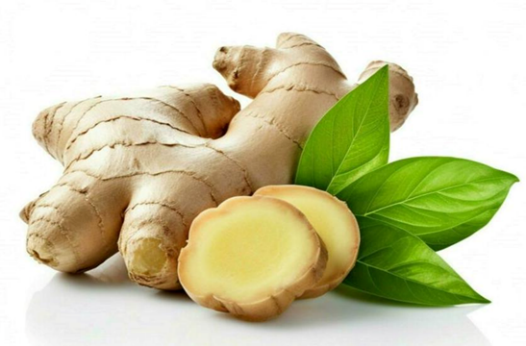
Botanical name: Zingiber officinale
Kingdom: Plantae
Sub-kingdom: Tracheobionta (Vascular plants)
Division: Magnoliophyta (Angiosperms)
Class: Liliopsida (Monocotyledons)
Order: Zingiberales
Family: Zingiberaceae
Genus: Zingiber
Species; Zingiber officinale
2. Garlic:
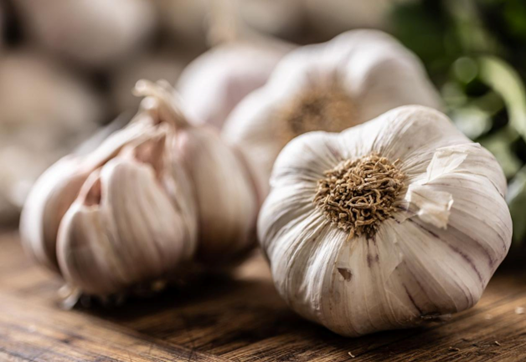
Botanical name: Allium sativum
Kingdom: Plantae
Sub-kingdom: Tracheobionta
Division: Magnoliophyta
Class: Liliopsida
Order: Asparagales
Family: Amaryllidaceae
Genus: Allium
Species: Allium sativum
3.Onion:
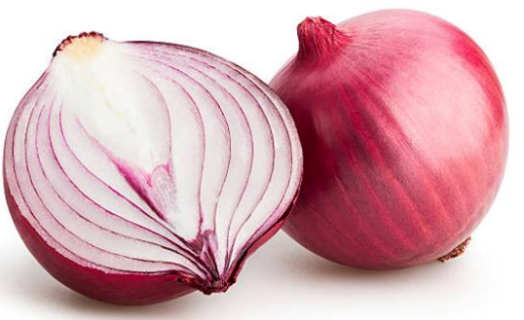
Botanical name: Allium cepa
Kingdom: Plantae
Sub-kingdom: Tracheobionta
Division: Magnoliophyta
Class: Liliopsida
Order: Asparagales
Family: Amaryllidaceae
Genus: Allium
Specie: Allium cepa
4. Clove:
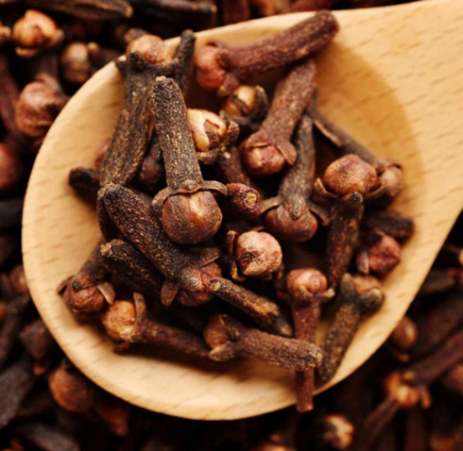
Botanical name: Syzygium aromaticum
Kingdom: Plantae
Sub-kingdom: Tracheobionta
Division: Magnoliophyta
Class: Magnoliopsida (Dicotyledons)
Order: Myrtales
Family: Myrtaceae
Genus: Syzygium
Species: Syzygium aromaticum
Alopecia:
Alopecia is a progressive condition characterized by partial or complete loss of hair from areas where it normally grows. Although genetics and hormones are well-known determinants of hair loss, recent scientific literature highlights a broader, multifactorial etiology that includes oxidative stress, chronic scalp inflammation, microbial imbalance, circulatory insufficiency and nutritional deficits. These non-genetic factors significantly alter the natural hair cycle, reducing the duration of the anagen (growth) phase and accelerating entry into the catagen and telogen phases. As a result, hair follicles become weak, miniaturized and unable to sustain healthy growth.
Management: Management of alopecia four botanicals are used they are as follows
Onion contains sulfur, quercetin and antimicrobial flavonoids, making it the most scientifically promising ingredient among the four.
Garlic is rich in allicin and sulfur compounds (DADS, DATS, ajoene) with strong antimicrobial, antioxidant and keratin-supporting properties.
Ginger contains gingerols and shogaols that regulate inflammatory pathways and defend follicles from oxidative stress.
Clove is highly rich in eugenol, which has antimicrobial, anti-inflammatory and antioxidant properties.
MATERIAL AND METHODS (Detailed)
This study was designed as a comprehensive review-based investigation to evaluate the scientific potential of four traditional botanicals Ginger (Zingiber officinale), Garlic (Allium sativum), Onion (Allium cepa) and Clove (Syzygium aromaticum) in hair-loss management and scalp health promotion. The work was carried out in five sequential phases, including literature extraction, chemical analysis, mechanism evaluation, safety assessment and data synthesis.
A structured literature search protocol was developed to obtain relevant information from:
Herbal pharmacology and cosmetology references
Search keywords included combinations of: hair growth, alopecia, phytochemicals, ginger, garlic, onion, clove, antioxidant, anti-inflammatory, antimicrobial, clinical study, herbal formulations, etc.
Inclusion criteria:
Studies reporting phytochemical composition
Studies evaluating biological/ pharmacological activity related to hair or scalp
Preclinical (in vitro / in vivo) or clinical evidence
Traditional/modern formulations used for topical application
Exclusion criteria:
Drugs unrelated to hair growth, Insufficient scientific reliability or unclear methodology
For each botanical, the following data were extracted and documented:
Plant part used
All gathered data were analysed to validate the proposed hair-growth mechanisms by examining:
Evaluation of efficacy considered:
The safety profile of each botanical was assessed based on:
Traditional and modern formulation approaches were summarized, including:
Outcome of Materials & Methods
This methodology enabled a thorough scientific assessment of ginger, garlic, onion and clove in relation to alopecia by:
Extraction Processes of Four Botanicals
Ginger is extracted mainly for gingerols, shogaols and essential oils.
Garlic extraction aims to preserve allicin and sulfur compounds.
Phytochemical Present in All Four Botanicals Useful For Hair Growth
The study evaluated four botanical ingredients Onion, Garlic, Ginger and Clove for their potential role in hair growth and scalp health. Results demonstrated that each herb contains distinct phytochemicals that act through different biological pathways to support hair health.
Onion
Garlic
Ginger
Not strongly proven for hair regrowth and 6-Gingerol inhibit hair shaft growth in some studies.
Clove
CONCLUSION
Onion, Garlic, Ginger, and Clove contain bioactive phytochemicals that help in managing hair loss by reducing oxidative stress, inflammation, scalp infections, and nutrient deficiency at the follicular level. Among them, Onion shows the strongest evidence for direct hair regrowth, while Garlic, Ginger, and Clove mainly improve scalp health and hair strength. Therefore, these botanicals are most effective when used as complementary natural therapies to support hair growth and maintain a healthy scalp.
REFERENCES


Prajwal Nimkarde, Mugdha Joshi, Vilasini Pandav, Manisha Kasar, Sukanya Kamane, Role of Botanicals in Alopecia Management, Mechanism of Ginger, Garlic, Clove and Onion, Int. J. of Pharm. Sci., 2025, Vol 3, Issue 12, 2577-2585. https://doi.org/10.5281/zenodo.17951160
 10.5281/zenodo.17951160