View Article

Abstract

Purpose: Obesity is a complex metabolic disorder characterized by excessive accumulation of body fat and is associated with several complications such as type 2 diabetes, cardiovascular diseases, and metabolic syndrome. Due to the limitations and adverse effects of conventional anti-obesity drugs, increasing attention has been directed toward natural bioactive compounds. This review aims to explore the therapeutic role of major phytochemicals including flavonoids, phenolics, and saponins in the prevention and management of obesity, with particular emphasis on their molecular mechanisms and metabolic pathways. Methodology: A narrative review was conducted by analyzing peer-reviewed research articles published in scientific databases such as PubMed, Scopus, and Google Scholar. Studies focusing on phytochemicals involved in obesity management were selected and evaluated. The review primarily focuses on molecular signaling pathways including AMPK, PPAR?, PI3K/Akt, NF-?B, and SREBP-1c that regulate adipogenesis, lipid metabolism, inflammation, and insulin sensitivity. Results: Flavonoids demonstrate anti-obesity effects by inhibiting adipocyte differentiation, stimulating fatty-acid oxidation, and improving insulin sensitivity through activation of AMPK signaling. Phenolic compounds exhibit strong antioxidant and anti-inflammatory properties, suppress lipogenesis, and improve metabolic regulation. Saponins contribute to obesity control mainly by inhibiting pancreatic lipase activity, reducing dietary fat absorption, and suppressing adipogenesis. Preclinical and clinical studies indicate that these phytochemicals significantly reduce body weight, adiposity, and metabolic abnormalities associated with obesity. Conclusion: Flavonoids, phenolics, and saponins possess significant potential as natural therapeutic agents in obesity management due to their multi-target mechanisms involving metabolic regulation, anti-inflammatory activity, and improved insulin signaling. Their combined

Keywords

Obesity, Flavonoids, Phenolics, Saponins, Phytochemicals, Anti-obesity activity, Metabolic pathways

Introduction

Obesity is termed a long-time metabolic condition. This condition arises if in the long run energy absorbed as in food intake exceeds energy broken down essentially. It is characterized by fat deposition to such an extent that it becomes a health risk.[1]

The issues of being overweight and obese have been crowned as the most significant and tough health issues of modern times to tackle with and the count of people suffering from it has reached millions all over the world. In 2021, the World Health Organization (WHO) startled everyone by predicting that the total number of obese people was more than a billion, consisting of roughly 650 million adults, 340 million adolescents, and 39 million infants.[2]

Overweight or obesity is to a large extent a very significant factor affecting health. The excess fat in the human body may result in quite heavy medical problems, among which the most common are heart attacks and strokes, diabetes type 2, and ussical disorders like osteoarthritis as well as certain types of cancers such as endometrial, breast, and colon cancer. The previously mentioned diseases are not only the main causes of disability, but also cause death in a short period, thus resulting in loss of the life years.[3]

The notion, that obesity is primarily due to individual defects like pleasure-seeking behavior, no self-control or simply being over lazy, is still quite prevalent.[4]

At present, the FDA has granted approval for long-term use of five medications against obesity in the United States. The decrease in weight caused by these five anti-obesity drugs is in the following order from largest to smallest- Phentermine/topiramate > Liraglutide > Naltrexone/bupropion > Lorcaserin > Orlistat.[5]

Besides the high price, these medications come with adverse effects and their application in curing obesity is also limited.[6]

Owing to the massive costs and probable side effects of already available anti-obesity drugs, natural products are becoming more and more of a focus area among researchers who regard them as potential substitutes. The unrefined plant extracts and isolated compounds have demonstrated a reduction in the amount of fat in the body, as well as a manifestation of their potential through the prevention of obesity caused by diet, thus making them fit for the development of the new, safer, and more potent anti-obesity treatments.[7]

 The renowned phytochemical constituents which include terpenoids, flavonoids, saponin, phenol, and alkaloids consist of key biological benefits.  The phytomolecules would mediate their effects via the inhibition of pancreatic lipases, the differentiation of adipocytes, or by the augmentation of thermogenesis and the reduction of appetite. This review presents the anti-obesity properties of phytomolecules as a whole, but particularly focuses on Flavonoids, Phenolics, and Saponins, while at the same time looking into the mechanisms and pathways, they employ to combat obesity.[8]

Currently, the methods used to prevent and treat overweight and obesity problems consist of changing lifestyle (dietary) habits, using anti-obesity medications, and performing surgical operations.[9]

Nevertheless, though dietary modifications bring about only short-term results, a significant portion of the weight loss that occurs at the beginning is due to the elimination of glycogen and water, and the slowing down of the weight loss process in the long run.[10]

Among various treatment modalities, pharmacological and surgical interventions have definitely made a mark, yet these are restricted due to various reasons like not being effective enough, safety concerns, and controversy about the benefits over a long period of time, just like the case of orlistat, which is a weight loss drug that you can buy without a prescription, but its adverse effects include digestive system irritation, liver and kidney damage, [11] reduced absorption of fat-soluble vitamins (A, D, E, and K).[12]

On the other hand, most of the scientific research has shown that the incorporation of natural polyphenols such as flavonoids in the diet or through nutritional supplementation can be a safe and even more effective alternative for the treatment of obesity.[13]

OVERVIEW OF PHYTOCHEMICALS IN OBESITY MANAGEMENT

Phytochemicals are natural compounds that come from plants and are still among the most effective strategies for battling obesity due to their capacity to control crucial metabolic pathways like those of fats, energy, and appetites, along with the inflammatory signaling. They are also considered a factor in making obesity difficult to bear as the consumption of largest amounts of these compounds during the day even has dramatic effects on lowering overall body weight and fat, and on improving insulin sensitivity and metabolic profiles. Phytochemicals have, thus, become a major research focus not only for weight loss but also for health-improving properties as they have been found to act through several overlapping mechanisms like AMP-activated protein kinase (AMPK) activation, lipogenic inhibition, adipogenic transcription factors suppression, fatty acid oxidation elevation, and inflammation reduction. Phytochemicals have multiple mechanisms of action and are through to be less potent and to have a lower risk of adverse side effects compared to conventional anti-obesity medications, thus making them the preferred choice in the management of drug-resistant patients with obesity as a complementary or even primary therapeutic option [15].

FLAVONOIDS;

INTRODUCTION

Flavonoids are made up of a collection of phytochemicals [16] recognized as the low molecular weight polyphenolic secondary metabolic compounds, which are present throughout the green plant kingdom and are kept in vacuoles [17].

There is a wide range of foods containing such compounds, including fruits, vegetables, seeds, flowers, and leaves, and therefore, they are non-removable components of the human diet.[16]

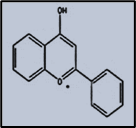
They generally consist of flavonoids, such as flavonols, dihydroflavonols, isoflavones, and dihydroisoflavonols; chalcones and aurones; flavonoids, such as flavonols, isoflavones, dihydroflavonols, and chalcones; and the colored anthocyanidins and biflavonoids. [18]

An exceedingly high number of the flavonoids are acknowledged to be therapeutically effective. [19]

Natural synthesis occurs through the phenylpropanoid route; the biological activity depends on an absorption mechanism and bioavailability. [20]

CHEMICAL STRUCTURE   
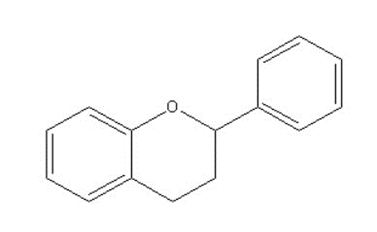
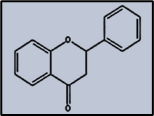
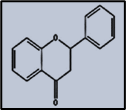
(Fig. 1), 2-phenyl-2,3-dihydro-1-benzopyran.

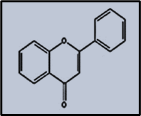
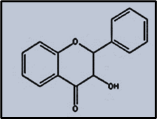
Flavonoids vary enormously in their chemical structures, but the basic framework is made up of 15 carbon atoms (C6-C3-C6) that form two aromatic rings (A and B) linked by a 3-carbon chain which leads to an oxygenated heterocycle (C).[21] (Figure 1).

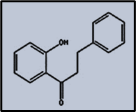
Flavonoids are derivatives of 1, 3-diphenylpropan-1-one, and the route of their synthesis is one p-coumaroyl-CoA molecule along with three malonyl-CoA molecules condensing to form the intermediate chalcone. [22]

Flavonoids, which are water-soluble pigments, are present all over the plant kingdom, [23] and more precisely, they are the cytosol and vacuole of plant cells where they are stored. [24]

Classification and sources of Flavonoids  

Flavonoids consist of many different subclasses, which are primarily identified by changes that occur in the C-ring. The most important subclasses are ;

Flavanone


Flavone


Flavanol


Flavonols


Isoflvonone


Chalcone


Anthocyanidin


Orange


Chili pepper


Apple


Onion


Grapes


Ginger


Blueberry


Lemon


Tea


Cherry


Apple


Nuts


Soybean


Soybean


Tomato

According to Shen et al. (2022), the basic skeletal structure of flavonoids, the classes of flavonoids, and their sources of food are the following: [25]

(a) The basic structure of flavonoids.

(b) The principal types of flavonoids.

(c) The natural sources of the different types of flavonoids in plants.

FLAVONOIDS ROLE IN ANTI OBESITY.

The reason is that these compounds reduce the pathogenic processes like stress caused by free radicals and resulting in fat deposition inside the cells, increase of white fat tissue, changing of gene expression, gut bacteria, and inflammation and among others, and thus they can be considered as the treatment of obesity and its health problems with low cost and fewer side effects. [26]

PHENOLICS

INTRODUCTION

Phenolic compounds are the most significant non-essential dietary components derived from plants' secondary metabolite production which appeared at a high group level in the food chain and throughout the various stages of production. Phenolic compounds are most often ether in nature though occasionally they are referred to as alkane. They have been identified to date over 8000 phenolics with a very diverse range of chemical structures [27].

At first, food coloring agents were natural phenolic compounds but, since the 1990s, their usage as part of a diet has been the core of scientific inquiry due to the fact of discovering that such diets reduce the risk of chronic diseases of the heart and cancer, among others. Phenolic compounds are generally categorized into two principal classes: the first one is the flavonoids, which are the polyphenol group having the C6–C3–C6 structure, and the second one is the non-flavonoids with the most important being the phenolic acids in the food supply. Among the various groups of phenolic compounds, which are represented by epigallocatechin gallate (EGCG), resveratrol, catechin, quercetin, procyanidins, and anthocyanins, and others, the most significant to the health area are the ones with anti-obesity activities which not only include adipogenesis inhibition but also the activation of AMPK and SIRT1 pathways. The research on this specific group of phenolic compounds is very extensive.[28]Chemical structure
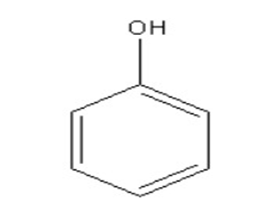
Fig 2; Phenol

The main characteristic of phenolic compounds is that they have at least one aromatic benzene ring, which is known as a phenyl ring, and one or more hydroxyl (–OH) groups are attached to it. The primary phenol unit is their mutual structural foundation, and it is the basis of all the phenolic subclasses, namely, phenolic acids, stilbenes, lignans, tannins, and polyphenol-related compounds. Their molecular structures can be as simple as that of gallic acid and caffeic acid or as complex as proanthocyanidins and ellagitannins that are formed through polymerization. This specific arrangement of aromatic and hydroxyl groups in phenols is responsible for the wide-ranging biological activities of phenols, including strong antioxidant potential, metal ion chelation, and free-radical scavenging (Figure 2).[29]

“The classification and sources of phenolics” [30]

Phenolic compounds form a very heterogeneous group of metabolites that are produced by plants and are classified according to the number of aromatic rings, the presence of hydroxyl groups, and the characteristics of the side chain. The main phenolic compounds in human diet are phenolic acids, stilbenes, lignans, tannins, and other complex polyphenols, which are all present in large amounts in various plant-based foods.

1. Phenolic Acids

These are the foremost phenolic compounds in human food.

  1. Hydroxybenzoic acids

All of the above-mentioned acids, namely gallic acid, vanillic acid, syringic acid, and protocatechuic acid, are some of the phenolic acids that are obtainable from a variety of natural products such as berries, pomegranate, nuts, tea and even certain spices.

  1.  The hydroxycinnamic acids

The two categories made up of these elements can be distinguished with the first one mainly consisting of the acids like caffeic, chlorogenic, ferulic, and p-coumaric, while the second group is largely formed of coffee, apples, and whole grains, although the latter sources do also include to some extent carrots, leafy vegetables, and tomatoes.

2. Stilbenes are represented by the likes of resveratrol and piceatannol which occur naturally in grapes, red wine, peanuts, and berries.

3. Lignans are another plant group containing secoisolariciresinol, matairesinol, and sesamin which are mainly found in flaxseed, sesame seed, whole grains, and legumes.

4. Tannins, also known as Polymer Phenolics, can be of two main types, i.e. Hydrolysable tannins which include gallotannins and ellagitannins that can be sourced from pomegranate, walnuts, and berries, and Condensed tannins (Proanthocyanidins) like procyanidins and catechin polymers that are found in cocoa, grape seeds, cranberries, and blackcurrants.

  1. The last category of other polyphenols is headed by curcumin (phenolic terpene), tyrosol, and hydroxytyrosol, with turmeric, olives, and spices or herbs being the primary sources, respectively.

Phenolics in Anti-Obesity

The ability to prevent obesity is one of the prime effects of phenolic compounds and this is achieved by their modulation of several key metabolic routes. These agents are seen to reduce the stress level of the organism, inhibit the storage of lipids in adipose tissues, and arrest the growth of fat cells via modulation of the genes including PPAR-γ, C/EBP-α, and AMPK. Following this, the phenolic compounds further uplift the functionality of mitochondria, lower the inflammation, and also the gut's microbial population is altered in a way that is beneficial to the production of SCFAs which in turn supports metabolism.

The overall impact of these phenolic compounds, among which are chlorogenic acid, caffeic acid, ferulic acid, resveratrol, catechins, quercetin, and proanthocyanidins, has been acknowledged as an anti-obesity measure that is not only effective but also natural and safe.[31]

SAPONINS;

INTRODUCTION

Saponins are glycosides existing in nature composed of a non-polar aglycone (sapogenin) linked to one or several sugar chains. They are categorized based on the type of sapogenin as either triterpenoid or steroidal and occur in great amounts in medicinal plants, pulses, cereals, and spices. Their use in the treatment of obesity has been a subject of research over the last few years, which is one of the reasons they have become popular for their metabolic benefits. Inhibition of pancreatic lipase, reduction of dietary fat absorption, suppression of adipocyte differentiation, and improvement of insulin sensitivity are some of the actions that saponins have. Additionally, modulation of inflammatory outbreaks can also occur.   Some saponins, in addition to the ones mentioned above, enhance glucose uptake and positively influence gut microbiota, which in combination leads to weight loss and improved metabolic health. The actions of combatting multiple targets make saponins the light of nature that is not only for the prevention but also for the treatment of obesity.[32]

Chemical structure
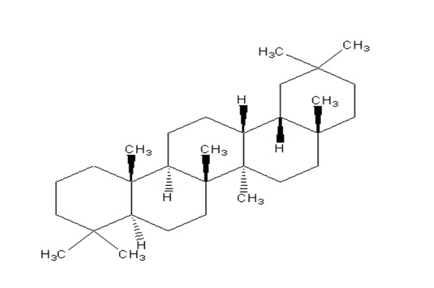
Fig 3; SAPONINS

Saponins, which are glycosides, exhibit both hydrophobic and hydrophilic characteristics and they are the ones that are distinguished by the existence of a hydrophobic aglycone (sapogenin) that is connected to either a single or multiple hydrophilic sugar chains. The aglycone could be a triterpenoid (C30) or a steroidal nucleus while the sugar part usually consists of glucose, galactose, rhamnose, xylose, arabinose or glucuronic acid. The surface-active characteristics of saponins as well as their capability of producing stable foams in water can be attributed to the unique glycone–aglycone structure. Regarding the structure, in dicot plants the predominant group are triterpenoid saponins, while in monocot species steroidal saponins are the main ones. The fact that they have amphipathic properties is what makes them involved in various biological activities such as enzyme inhibition, interaction with membranes, and metabolic regulation.[33]

Classification and sources of Saponins [34]

1. Triterpenoid Saponins

Triterpenoid saponins are the most typical ones among the higher plants and are made from a C30 triterpene skeleton. Examples

  • Ginsenosides (Panax ginseng)
  • Soyasaponins (soybean)
  • Quillajasaponins (Quillaja saponaria)
  • Oleanolic acid saponins
  • Hederacoside C, α-hederin (ivy)

Sources; Legumes (soybean, chickpeas, lentils), quinoa, oats, spinach, ginseng, licorice, ivy leaves.

2. Steroidal Saponins

These compounds occur primarily in certain plants with only one cotyledon, and they have been formed from a C27 corticosteroid nucleus

Examples

  • diosgenin
  • dioscin
  • yamogenin
  • tigogenin
  • gracillin

Herbicide-resistant crops are godsend as they contain fungicides that are safe even for human beings but harmful to insects and pests.

3. Marine Saponins

These saponins are mainly found in marine creatures, particularly in echinoderms.

Examples

  • Holothurins
  • Asterosaponins

Sources; Sea cucumbers, starfish.

4. Diet Saponins

The saponins are those found in food from the very beginning.

Illustrations

  • Soyasaponin A and B
  • Quinoa saponins
  • Tomato saponins
  • Lentil and chickpea saponins

Sources

Quinoa, legumes, spinach, oats, tomatoes, garlic

Saponins in Anti-Obesity [35]

Saponins are considered one of the main substances affecting obesity negatively. They act like blockers of pancreatic lipase and thus fat is absorbed less than it would normally be. Besides this, they also keep fat cells from maturing, they do that by modifying genes such as PPAR-γ and C/EBP-α. Saponins excite AMPK, and that accelerates the process of burning fat and upgrading the condition of the mitochondria. Furthermore, they are anti-inflammatory agents through blocking NF-κB and they are the modulators of the gut microbiota, thus enabling the body to have better glucose and lipid metabolism. These overlapping activities have resulted in the reports of the weight decrease, better lipid profiles, and increased metabolic health caused by the saponins of ginseng, soy, fenugreek, quinoa, and sea cucumbers.

PATHOPHYSIOLOGY OF OBESITY

Obesity is the result of a chronic energy imbalance situation, but the mechanism of its pathophysiology is through complex interactions between adipose tissue dysfunction, inflammation, hormonal imbalance, gut microbiota alterations, and metabolic dysregulation. Weight gain leads to an increase of fat cell size (hypertrophy) as well as number (hyperplasia), which results in the decline of their functional capability and the increase in their secretion of free fatty acids (FFAs) and cytokines like TNF-α and IL-6 that promote inflammation. One of the factors that trigger diabetes development is this low-grade inflammation since it reduces the effectiveness of insulin, disrupts the utilization of glucose, and causes abnormal deposits of fat.

Adipose tissue that is not functional also impacts the production of adipokines: the condition of leptin resistance occurs even though the leptin levels are high, while the amount of adiponectin decreases, thus the process of fatty-acid oxidation is hindered. The belly fat that is too much also takes part in the formation of the liver and muscle problems associated with the deposit of abnormal fat leading to the occurrence of non-alcoholic fatty liver disease and metabolic dysregulation. Moreover, the bacterial population in the gut that is less healthy can not only lead to more energy being harvested from food but also to the inflammatory process by turning into metabolic endotoxemia through lipopolysaccharide (LPS) that causes the translocation of bacteria in the system.

These factors combined create a vicious cycle of metabolic impairment, inflammation, and fat storage which is typical for obesity and its associated diseases.[36]

MOA OF FLAVANOIDS IN OBESITY MANAGEMENT

Flavonoids have a powerful impact on the body fat issue by intervention in processes like differentiation, metabolism of fat, insulin signaling, and inflammation. They obstruct the formation of fat cells by decreasing the activity of PPARγ and C/EBPα/β and preventing fat cell development by preventing SREBP-1c and downstream lipogenic enzymes (FAS, ACC, SCD-1). Flavonoids cause AMPK to be activated, which increases the rate of fatty acid burning and mitochondrial β-oxidation and thus metabolism is changed from storage of fat-to-fat usage. Besides this, they help to be more responsive to insulin by activating the IRS-1/PI3K/Akt pathway and directing more GLUT4 to the cell surface. Their anti-inflammatory and antioxidant activities that are achieved by the suppression of NF-κB and the decline of oxidative stress are other factors that support the metabolic balance and lower body fat. [37-44]

MOA OF PHENOLICS IN OBESITY MANAGEMENT

Phenolic compounds are able to reduce body fat and prevent its accumulation by changing the ways the body uses fats, decreasing free radicals, reducing inflammation and regulating glucose levels. They block the formation of new fat cells (adipogenesis) and the conversion of fat to cells (lipogenesis) by preventing the action of PPARγ and SREBP-1c, respectively, and consequently there will be less manufacturing of fatty acids and triglycerides. The ingestion of these substances activates the AMPK enzyme, which leads to the burning of fats (oxidation) in the mitochondria and hence the production of energy (ATP) is increased. Also, the phenolics increase the effectiveness of the insulin hormone by facilitating the signaling (IRS-1/Akt) and the movement (GLUT4 translocation) of the glucose transporter (GLUT4) located inside the cell. Their powerful capabilities as antioxidants and anti-inflammatories, which are attributed to their ability to activate Nrf2 and inhibit NF-κB, transfer adipose tissue from the harms of obesity-induced damage. Moreover, phenolic substances have a positive effect on the gut microbiota by raising the production of short-chain fatty acids which in turn leads to better metabolic balance and helps the body to discard the unusable fats and sugars more efficiently. [45-53]

MOA OF SAPONINS IN OBESITY MANAGEMENT

The anti-obesity impact of saponins is mainly through their action of hindering fat absorption from diet and storing less lipids in adipocytes. They act on pancreatic lipase and thus absorb less fat in the intestine and excrete more fat in stools. Additionally, saponins deplete lipids in a manner similar to that of downregulation of PPARγ and C/EBPα responsible for adipogenesis and they also conduct reduction of triglyceride accumulation in adipocytes. With the upregulation of AMPK signaling, there is a subsequent increase in the process of burning fatty acids and hence reduction in the generation of energy from fats. Moreover, saponins have the capacity to combat inflammation and also have an influence on the composition of gut microbes thus facilitating better lipid as well as glucose metabolism. All these processes together lead to a decrease in fat mass and an enhancement of metabolic health. [54-57]

PATHWAYS IN ANTI OBESITY

  1. AMPK PATHWAY

AMPK and the Link with Anti-Obesity

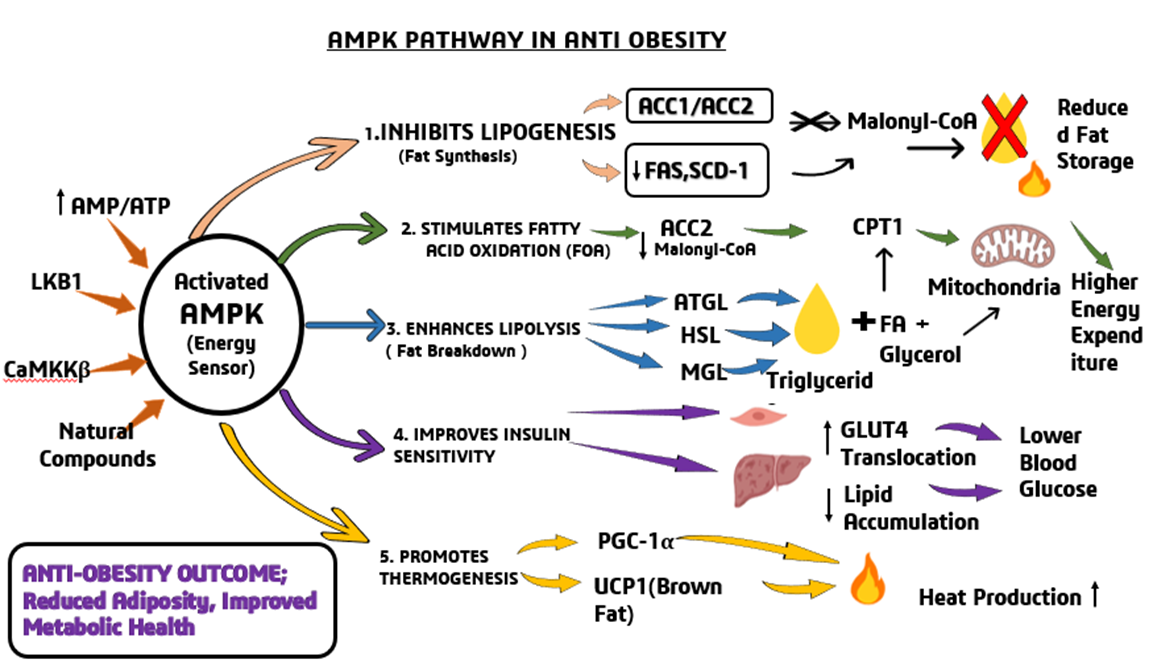
1. AMPK Inhibits Lipogenesis [58]

When AMPK is activated, it first of all phosphorylates and then inhibits ACC1/ACC2, thereby leading to the reduction of malonyl-CoA which is a key substrate for fatty-acid synthesis. At the same time, it also inhibits the expression of lipogenic enzymes such as FAS and SCD-1 further down the line, which contributes to lipid synthesis being reduced and fats being less stored.

Result: ↓ Fat synthesis, ↓ lipid accumulation.

2. AMPK also Stimulates Fatty Acid Oxidation (FAO) [59]

The increasing of malonyl-CoA by AMPK removes CPT-1 inhibition and thus makes it possible for fatty acids to come into the mitochondria. In the mitochondria, AMPK stimulates β-oxidation which is the process of breaking down fatty acids into acetyl-CoA and consequently raises energy expenditure.

Result: ↑ Fat burning during exercise, either due to up-regulation of β-oxidation in muscle and/or increased oxidative phosphorylation.

3. AMPK augments lipolysis [60]

The enzymes involved in lipolysis namely ATGL, HSL, and MGL which are also the main targets of AMPK activation, convert the triglycerides into free fatty acids and glycerol. The released fatty acids are oxidized in the mitochondria.

Effect: ↑ Fat depots reduction. 

4. AMPK Insulin Sensitivity [61]

AMPK increases the transport of GLUT4 to the plasma membrane, raises glucose uptake, and lessens the accumulation of fats in the tissues, thereby enhancing the insulin sensitivity in the entire body.

Outcome: low blood glucose and reduced lipotoxicity.

5. AMPK Supports Thermogenesis [62]

AMPK through PGC-1α activation promotes the formation of new mitochondria by increasing their number and also stimulates the expression of UCP1 in the brown and beige fat tissues, thus enhancing the production of heat and consumption of energy in the body.

Result, there are more heat and more calories consumed.
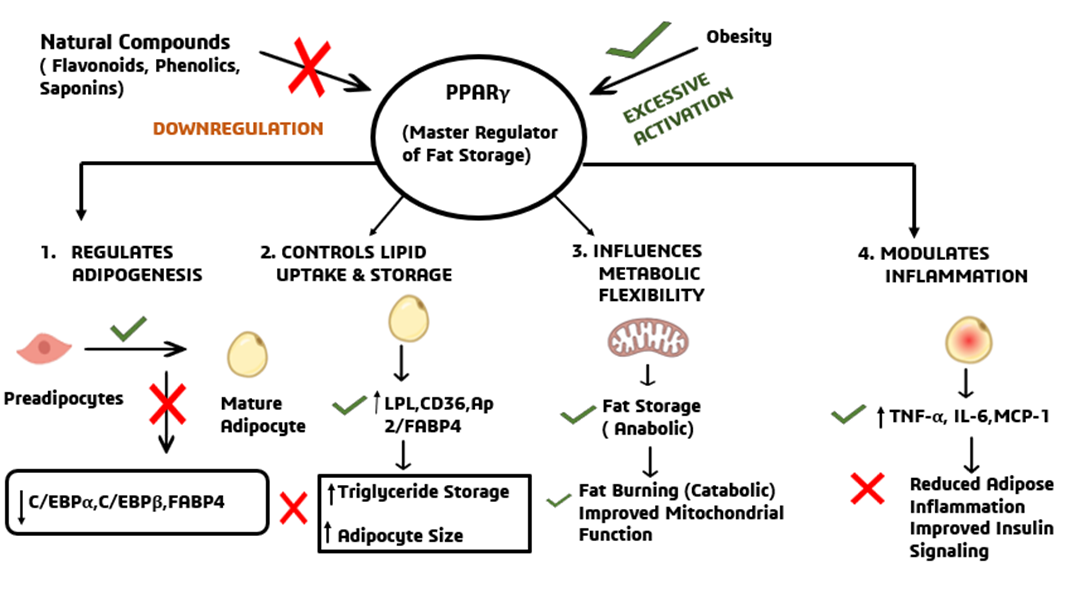
  1. PPARγ Pathway (Peroxisome Proliferator–Activated Receptor Gamma)

1, PPARγ Regulates Adipogenesis (Fat Cell Production) [63]

PPARγ is the leading transcription factor that transforms preadipocytes into fully developed adipocytes. The downregulation of PPARγ results in a decline in adipocyte differentiation because of the lowered expression of the adipogenic markers C/EBPα, C/EBPβ, and FABP4.

Result; ↓Decrease in development of new fat cells↓Decrease in fat tissue development.

2. “PPARγ regulates the expression of genes involved in lipid uptake and         triglyceride storage in adipocytes.” [64]

PPARγ up-regulates gene expressions associated with lipid uptake and storage like LPL, CD36, and aP2/FABP4. If the PPARγ pathway is interrupted, adipose tissue's lipid imports as well as triglyceride accumulation is down and the cells get smaller.

Result: Lipid accumulation is lowered, and triglyceride storage is also lowered.

3. PPARγ has an impact on metabolic flexibility [65]

PPARγ overstimulation brings about the storage of fats (anabolic).

Metabolic shift from fat storage to burning, enhancement of mitochondrial functionality, and less fat accumulation in adipocytes are the benefits of downscaling.

The outcome is greater burning of fat and improved metabolic efficiency.

4. PPARγ Modulates Inflammation [66]

PPARγ in a way controls the inflammatory around signaling adipose tissue.

The reduction of the receptor gives rise to a decrease in the inflammatory cytokines TNF-α, IL-6, and MCP-1, enhancing insulin signaling, and lowering metabolic disorders.

The reduced inflammatory reactions lead to the increase of insulin sensitivity.
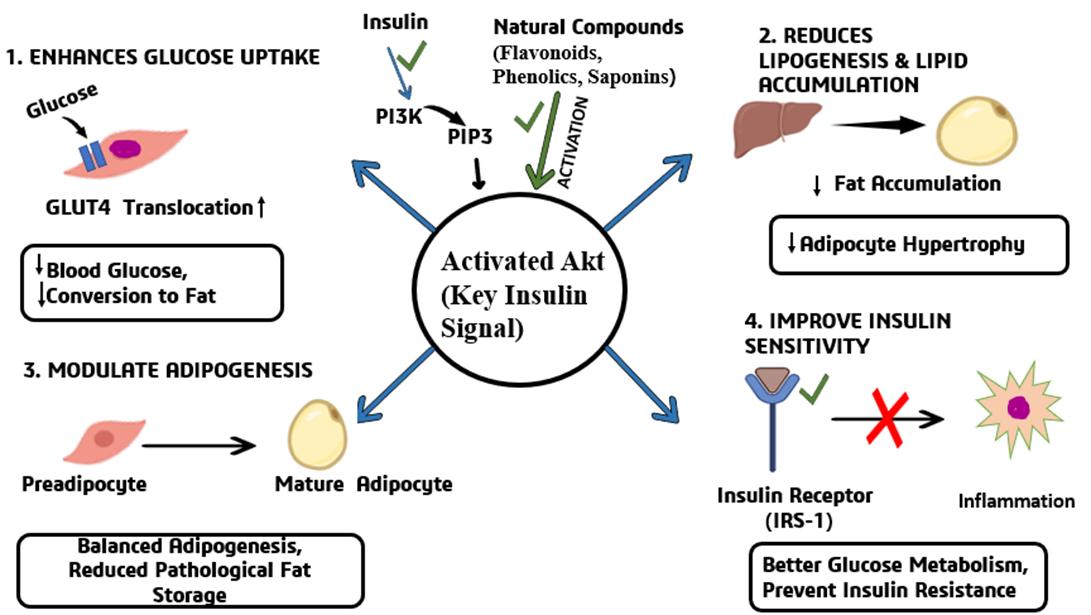
  1. PI3K/Akt Pathway

1. PI3K/Akt gets lead in the uptake of glucose [67]

Insulin induces the activity of PI3K, the result of which is the synthesis of PIP3 and the activation of Akt.

The final result of this process is that Akt causes the movement of GLUT4 from the cytosol to the cell membrane in muscle and fat tissues.

Outcomes:

  • Increase in glucose uptake
  • Decrease in blood glucose
  • Decrease in the conversion of glucose to fat

2. PI3K/Akt Decreases the Rate of Lipogenesis and Lipid Storage [68]

Akt lessens the build-up of internal lipids in the following ways:

  • enhancing the sensitivity to insulin
  • reducing the level of glucose in blood
  • lowering the nutrient supply for the formation of triglycerides

Result:

  • Less fat accumulation
  • Less enlargement of fat cells

3. PI3K/Akt Modulates Adipogenesis [69]

Activation of PI3K/Akt:

  • Supports normal activities of the fat cells
  • Stops the changes in the functioning of adipocytes that occur during obesity

Result:

  • Even adipogenesis
  • Less pathological fat deposits

4. PI3K/Akt Enhances Insulin Sensitivity [70]

Akt Activation:

  • Stops Inflammation Signaling
  • Stimulates Actions of Insulin Receptor (IRS-1)
  • Blocks Insulin Resistance

Result:

  • Improved glucose metabolism
  • This goes hand in hand with lower rates of obesity-related diabetes.
  1. NF-κB Pathway in Anti-Obesity

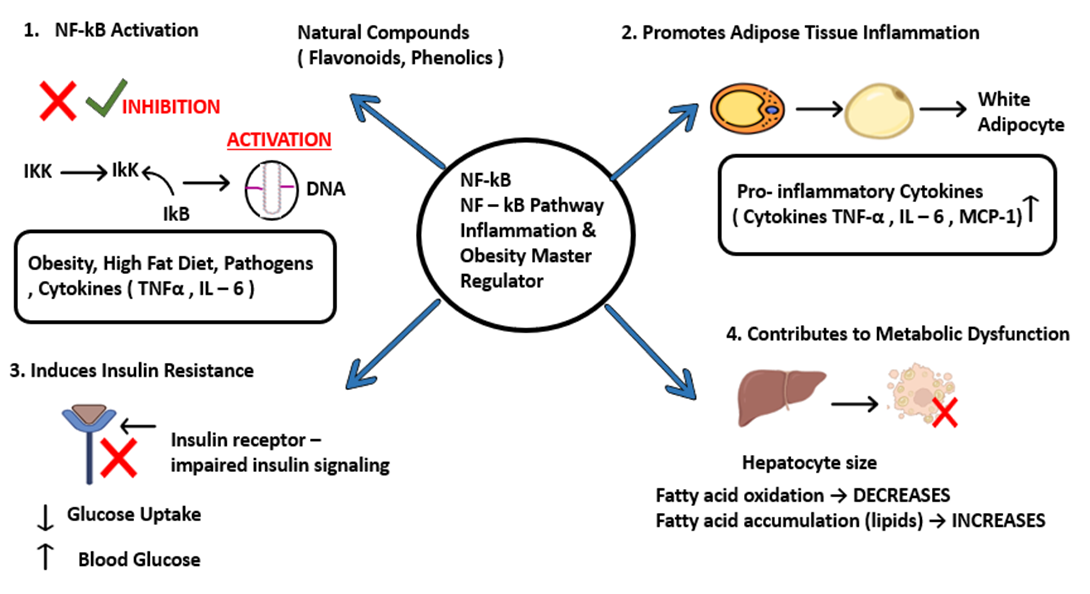
Pathogenic processes due to activation of the renin–angiotensin–aldosterone system (RAAS) are involved with the formation of atherosclerosis. When the body is in such states, NF-κB gets turned on and translocates to the nucleus where it stimulates the transcription of inflammatory genes.

The activated NF-κB:

- by inducing cytokines (TNF-α, IL-6, MCP-1) that are pro-inflammatory, brings about inflammation in adipose tissue

- through the disturbance of the insulin receptor signaling, reduced glucose uptake, and high blood glucose, causes resistance to insulin

- through the reduction of fatty acid oxidation and the increase in the accumulation of lipids, it also does this in the liver, thus contributing to the overall metabolic dysregulation

Flavonoids and phenolics among others found in nature are known to block NF-κB activation leading to a reduction of inflammation, enhancement of insulin sensitivity, decrease of liver fat accumulation, and protection against the development of metabolic disorders related to obesity.

Conclusion: The blockade of NF-κB leads to the improvement of metabolic health and the prevention of complications related to obesity.[71]
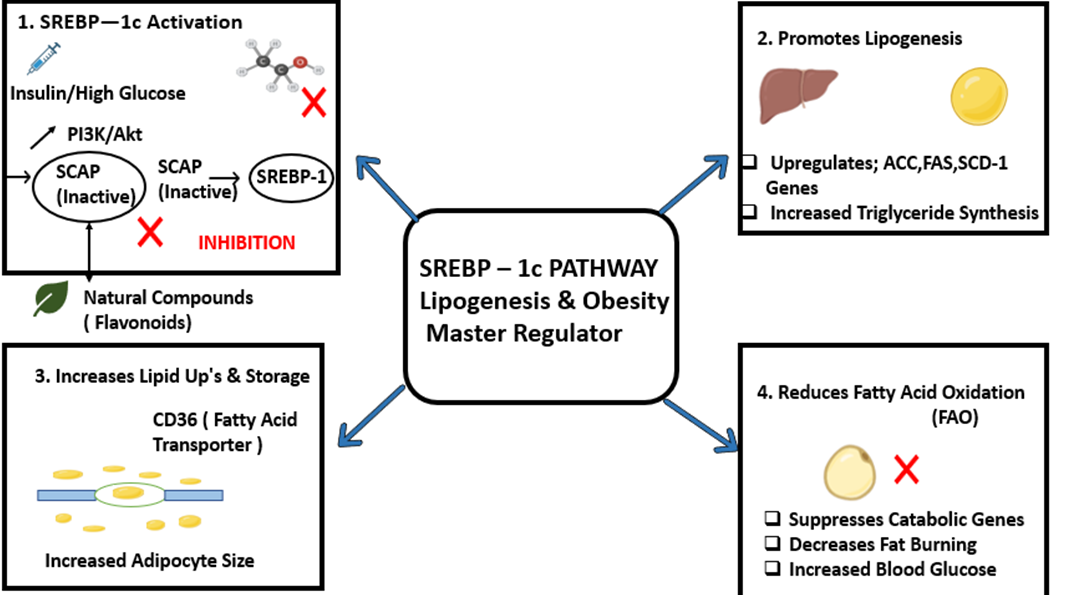
  1. SREBP-1 Pathway in Anti-Obesity

1. SREBP-1c Activation [72]

When there is a lot of glucose and insulin in the body, the PI3K/Akt pathway is activated, which in turn transforms SCAP into its active form. The active SCAP then carries SREBP-1c from the endoplasmic reticulum to the Golgi apparatus where it is cut. The resulting SREBP-1c goes to the nucleus where it turns on the genes responsible for the formation of fats. Besides, natural substances are able to prevent the activation of SCAP and SREBP-1c.

Outcome:

  • SREBP-1c activation was decreased
  • Lipogenic gene expression was reduced
  1. SREBP-1c activity increases lipogenesis through elevation of fatty acids and triglycerides synthesis.[73]

SREBP-1c, when activated, recruits a series of lipogenic enzymes including ACC, FAS, and SCD-1 to its side by virtue of their increased expression. The result is the fatty acid and triglyceride production being doubled and eventually leading to the fat being stored and the adipocytes being enlarged.

Outcome:

  • Fat and triglyceride production has been increased
  • Enlargement of adipocytes

3. SREBP-1c activates uptake proteins for lipids such as LPL and CD36 which enable fatty acids to flow into adipose tissue in larger amounts. Consequently, this process leads to the increase in the size of fat cells and it also plays a role in the rise of blood glucose levels due to the overload on metabolism. [73]

Outcome:

  • Lipid uptake increased
  • Adipocytes enlarged
  • Blood glucose elevated

4. SREBP-1c down-regulates the activity of fatty acid synthesis genes, consequently leading to a diminished mitochondrial fatty acid oxidation. This change results in less fat burning, glucose intolerance, and general metabolic dysfunction. [74]

Result:

  • SREBP-1c inhibition callbacks the fatty acid oxidation
  • Better glucose utilization

COMPARISON TABLE OF FLAVONOIDS, PHENOLICS, AND SAPONINS

TABLE 1

Feature

Flavonoids


Phenolics (non-flavonoids)

Saponins

Basic chemical structure

Polyphenolic C6–C3–C6 structure with two aromatic rings and a heterocyclic C-ring (Ref 21)

One or more aromatic rings with hydroxyl groups (phenolic unit) (Ref 29)

Glycosides consisting of triterpenoid or steroidal sapogenin linked to sugar chains (Ref 33)

Primary dietary sources

Fruits, vegetables, tea, citrus fruits, cocoa, onions (Ref 25)

Berries, coffee (chlorogenic acid), grapes (resveratrol), whole grains, spices (Ref 30)

Legumes (soy), quinoa, ginseng (ginsenosides), fenugreek, sea cucumber (Ref 34)

Main anti-obesity mechanisms

Inhibition of adipogenesis (↓PPARγ, ↓C/EBPα), enhanced lipolysis, reduced lipogenesis, increased fatty-acid oxidation, anti-inflammatory effects via AMPK activation (Refs 37–44)

Suppression of lipogenesis (↓SREBP-1c, ↓ACC, ↓FAS), reduced adipogenesis, enhanced lipolysis and FAO, antioxidant effects and gut-microbiota modulation (Refs 45–53)

Reduced fat absorption through pancreatic lipase inhibition, increased fecal fat excretion, disruption of lipid droplets, inhibition of adipogenesis, and AMPK activation (Refs 54–57)

Key molecular pathways

AMPK, PPARγ, PI3K/Akt, NF-κB, SREBP-1c (Refs 58–74)

AMPK, SIRT1, SREBP-1c, PI3K/Akt, Nrf2 antioxidant pathway (Refs 45–53)

AMPK (ginsenosides), NF-κB suppression, pancreatic lipase pathway (Refs 54–57)

Mechanistic focus

Strong regulation of adipocyte differentiation and lipid metabolism (increased lipolysis, reduced lipogenesis) (Refs 37–44)

Predominantly antioxidant and anti-inflammatory actions with control of lipogenesis (Refs 49–53)

Primary inhibition of fat absorption and reduction of lipid storage (Refs 54–56)

Gut microbiota effects

Modulation of gut microbiota composition (Ref 26)

Increased SCFA production and enrichment of Lactobacillus and Bifidobacteria, leading to reduced fat accumulation (Ref 52)

Alteration of gut-microbiota balance; quinoa saponins reduce systemic inflammation via microbiota modulation (Ref 35)

Strength of evidence

Strong in vitro and animal evidence; several human studies for EGCG and citrus flavonoids (Refs 25, 26, 37–44)

Strong mechanistic support; variable clinical evidence (resveratrol and catechins widely studied) (Refs 28, 29, 45–53)

Good in vitro and animal evidence; limited human trials (ginseng, quinoa) (Refs 32, 35, 54–57)

Bioavailability

Moderate to low; influenced by metabolism and gut microbiota (Ref 20)

Often low due to rapid metabolism (Ref 29)

Variable; many saponins show low absorption as intact glycosides (Ref 33)

Overall anti-obesity potential

Multi-target anti-obesity effects via AMPK activation, regulation of lipid metabolism, and reduced adipogenesis (Ref 26)

Strong metabolic protection through antioxidant, anti-inflammatory, and lipid-regulatory mechanisms (Ref 31)

Effective reduction of fat absorption and adipocyte lipid storage; promising but less clinically validated (Ref 35)

Interpretation: The mechanisms of anti-obesity actions of flavonoids, phenolics, and saponins are complimentary whereby the two latter ones mainly influencing the intracellular metabolic and inflammatory pathways and saponins being the ones that mainly reduce lipid absorption. The variations in clinical trials point out the flavonoids as the most clinically validated group.

TABLE 2. Expanded preclinical evidence of phytochemicals in obesity models

Class

Compound

Model

Dose

Duration

Major Outcomes

Ref

Flavonoid

Quercetin

Zucker obese rats

0.05–0.1% diet

8 wks

↓ weight gain, ↓ VAT inflammation, ↓ insulin

75

Flavonoid

Quercetin

3T3-L1 adipocytes

10–50 μM

8 days

↓ lipid accumulation, ↓ PPARγ, ↑ AMPK

76

Flavonoid

Quercetin

HFD mice

0.05–0.1% diet

9–12 wks

↓ hepatic steatosis, ↓ adiposity

77

Flavonoid

EGCG

Diet-induced obese mice

50 mg/kg/day

4–6 wks

↓ fat mass, ↑ BAT thermogenesis

78

Flavonoid

Naringenin

HFD mice

100 mg/kg/day

8–12 wks

↓ dyslipidemia, ↑ insulin sensitivity

80

Phenolic

Resveratrol

HFD mice

200–400 mg/kg/day

12 wks

↓ weight gain, ↑ AMPK, ↑ mitochondria

87

Phenolic

Chlorogenic acid

3T3-L1 cells

10–80 μM

8 days

↓ adipogenesis, ↓ PPARγ/C-EBPα

89

Phenolic

Curcumin

HFD mice

0.1–0.3% diet

12 wks

↓ adiposity, ↓ macrophage infiltration

90

Saponin

Teasaponin

HFD mice

100 mg/kg/day

4–8 wks

↓ weight gain, ↓ inflammation, microbiota shift

96

Saponin

Ginsenoside Rb1

HFD mice

10–40 mg/kg/day

6–12 wks

↓ adiposity, ↑ glucose tolerance

99

Saponin

Diosgenin

HFD rodents

20–200 mg/kg/day

6–12 wks

↓ hepatic steatosis, ↓ serum lipids

101

Interpretation

The results of preclinical researches indicate that the anti-obesity effects of flavonoids, phenolics and saponins are consistently anti-obesity through the mechanisms which include reduction of adipogenesis, increase of fatty-acid oxidation, bettering of insulin sensitivity, and controlling of inflammatory and mitochondrial pathways.

TABLE 3. Expanded clinical evidence of phytochemicals in obesity models

Class

Compound

Study Type

Dose

Duration

Main Outcomes

Ref

Flavonoid

Green-tea catechins (EGCG)

Meta-analysis of RCTs

300–800 mg/day

4–24 wks

Small but significant ↓ weight, BMI, fat %

82

Flavonoid

EGCG + exercise

Meta-analysis

300–600 mg/day

4–12 wks

Minimal additional weight loss

83

Flavonoid

Naringenin

Pilot RCT

450 mg/day

8 wks

↓ waist circumference, ↑ metabolic rate

84

Phenolic

Chlorogenic acid

Meta-analysis + RCTs

400–800 mg/day

4–12 wks

Modest ↓ weight & BMI

92, 93

Phenolic

Resveratrol

Meta-analyses of RCTs

150–2000 mg/day

4–12 wks

Inconsistent weight loss; metabolic benefit

94

Phenolic

Curcumin

Meta-analyses

80–1500+ mg/day

8–36 wks

↓ weight, BMI, inflammation

95

Saponin

Fenugreek extract

Double-blind RCT

~1000 mg/day

8–12 wks

Improved lipids; minor BMI change

102, 103

Saponin

Ginseng extracts

RCTs

1–3 g/day

8–12 wks

Metabolic improvement; mixed weight loss

104

Interpretation

Clinical evidence justifies the interpretation that different classes of phytochemicals contribute to little weight loss, however, the metabolic and inflammatory markers showed greater and more consistent improvements than the absolute weight loss.

Emerging Therapeutic Strategies

The potential of flavonoids, phenolics, and saponins as future therapeutic agents for obesity is huge and mainly due to their property to modulate multiple metabolic targets at once. These compounds act on the principal networks governing the processes of fat formation, fat breakdown, fat burning, inflammation, oxidation, and gut-microbiota interaction, hence being viable options to the one-target-exclusively drugs.

In the future, novel treatment approaches will need to be directed towards increasing the bioavailability of plant chemicals by ultra-modern delivery mechanisms like nanoformulations, phytosomes, and controlled-release technologies. The combination of such compounds with probiotics, prebiotics, or presently used anti-obesity medicines may additionally cause metabolic effects that are stronger due to the cooperation of their actions.

One more possibility to customize the reaction of individuals to the natural products is personalized nutrition and precision-medicine approaches, which consist of genetic, metabolic, and microbiome factors. Furthermore, it will be significant to have standardized and clinically approved botanical formulations so that the results of treatment will be the same and reliable.

The overall conclusion is that these phytochemicals can be developed into non-toxic, effective, and multi-targeted drugs that would be able to tackle the complex and multifactorial nature of obesity. They could, with more of the mechanistic research and well-planned clinical trials, become major players in the future obesity-management tactics.

CONCLUSION

The ability of flavonoids, phenolics, and saponins to act on various metabolic pathways related to the fat production process, dealing with fat, inflammation, and so forth, has cast them as natural anti-obesity agents with great promise. They have already been proven to be effective in animals, but the clinical results are still modest and need to be confirmed in the future by means of long-term human studies that are standardized. In general, these phytochemicals have the potential to be a lot safer, if not completely effective, alternatives to conventional obesity treatments, with the next steps being makers of such advancements as the enhanced bioavailability, personalized approaches and integrated therapeutic formulations.

REFERENCES

  1. World Health Organization. Obesity and overweight [Internet]. Geneva: World Health Organization; 2021 [cited 2025 Jun 23]. Available from: https://www.who.int/newsroom/factsheets/detail/obesity-and-overweight
  2. Hruby A, Hu FB. The epidemiology of obesity: a big picture. Pharmacoeconomics. 2015;33(7):673–689. doi:10.1007/s40273-014-0243-x.
  3. el Shebini SM, iA Moaty M, Ahmed NH. Understanding Obesity: History, Epidemiology, Causes, Consequences and Comprehensive Solutions.
  4. Panganiban J, Kehar M, Ibrahim SH, Hartmann P, Sood S, Hassan S, Ramirez CM, Kohli R, Censani M, Mauney E, Cuda S. Metabolic dysfunction-associated steatotic liver disease (MASLD) in children with obesity: An Obesity Medicine Association (OMA) and expert joint perspective 2025. Obesity Pillars. 2025 Jun 1; 14:100164.
  5. Singh AK, Singh R, Sharma P, Verma N, Gupta A, Kumar V, et al, Pharmacotherapy in obesity: a systematic review and meta-analysis of randomized controlled trials of anti-obesity drugs. Expert Rev Clin Pharmacol. 2020;13(1):53– 64
  6. Bahmani M, Eftekhari Z, Saki K, Fazeli-Moghadam E, Jelodari M, Rafieian-Kopaei M. Obesity phytotherapy: review of native herbs used in traditional medicine for obesity. Journal of evidence-based complementary & alternative medicine. 2016 Jul;21(3):228-34.
  7. Yun JW. Possible anti-obesity therapeutics from nature–A review. Phytochemistry.  2010;71(14-15):1625-41
  8. Hasani-Ranjbar S, Jouyandeh Z, Abdollahi M. A systematic review of anti-obesity medicinal plants – an update. J Diabetes Metab Disord. 2013; 12:28. doi:10.1186/2251-6581-12-28
  9. Ruban A, Stoenchev K, Ashrafian H, Teare J. Current treatments for obesity. Clin Med. 2019;19(3):205-12.
  10. Mark AL. Dietary therapy for obesity: An emperor with no clothes. Hypertension. 2008;51(6):1426-34.
  11. Buysschaert B, Aydin S, Morelle J, Hermans MP, Jadoul M, Demoulin N. Weight loss at a high cost: Orlistat-induced late-onset severe kidney disease. Diabetes Metab. 2016;42(1):62-4.
  12. Bansal AB, Patel P, Khalili YA. StatPearls. Treasure Island (FL): StatPearls Publishing; 2024. Available from: https://www.ncbi.nlm.nih.gov/books/NBK542202/ (accessed 2025 Aug 15)
  13. Huang Y, Xu B. Critical review on the intervention effects of flavonoids from cereal grains and food legumes on lipid metabolism. Food Chem. 2025; 464:141790.
  14. Tucci SA. Phytochemicals in the control of human appetite and body weight. Pharmaceuticals. 2010 Mar 22;3(3):748-63.
  15. Park J, Nurkolis F, Won H, Yang J, Oh D, Jo H, Choi J, Chung S, Kurniawan R, Kim B. Could natural products help in the control of obesity? current insights and future perspectives. Molecules. 2023 Sep 13;28(18):6604.
  16. Kim SA, Kim J, Jun S, Wie GA, Shin S, Joung H. Association between dietary flavonoid intake and obesity among adults in Korea. Appl Physiol Nutr Metab. 2020;45(2):203-212. doi:10.1139/apnm-2019-0211.
  17. Agati G, Brunetti C, Di Ferdinando M, Ferrini F, Pollastri S, Tattini M. Functional roles of flavonoids in photoprotection: new evidence, lessons from the past. Plant Physiol Biochem. 2013; 72:35–45. doi: 10.1016/j.plaphy.2013.03.014.
  18. Wang SH, Hu YL, Liu TX. Plant distribution and pharmacological activity of flavonoids. Traditional Medicine Research. 2019 Sep 5;4(5):269-87.
  19. Shkondrov, A.; Krasteva, I.; Pavlova, D.; Zdraveva, P. Determination of flavonoids in related Astragalus species (Sect. Incani) occurring in Bulgaria. Comptes rendus de l’Académie Bulg. des Sci. 2017, 70, 363–366. [Google Scholar]
  20. Ullah A, Munir S, Badshah SL, Khan N, Ghani L, Poulson BG, Emwas AH, Jaremko M. Important flavonoids and their role as a therapeutic agent. Molecules. 2020 Nov 11;25(22):5243.
  21. Zuiter, A.S.; Zarqa, J. Proanthocyanidin: Chemistry and biology: From phenolic compounds to proanthocyanidins. In Reference Module in Chemistry, Molecular Sciences and Chemical Engineering; Reedijk, J., Ed.; Elsevier: Amsterdam, The Netherlands, 2014; pp. 1–29.
  22. De Villiers, A.; Venter, P.; Pasch, H. Recent advances and trends in the liquid-chromatography-mass spectrometry analysis of flavonoids. J. Chromatogr. A 2016, 1430, 16–78. [CrossRef]
  23. Ra_a, D.; Maggio, B.; Raimondi, M.V.; Plescia, F.; Daidone, G. Recent discoveries of cancer flavonoids. EJMC 2017, 142, 213–228.
  24. Zhao J, Dixon RA. The ‘ins and outs’ of flavonoid transport. Trends Plant Sci. 2010;15(2):72–80. doi: 10.1016/j.tplants.2009.11.006.
  25. Shen X, Xue S, Tan Y, Zhong W, Liang X, Wang J. Binding of licochalcone A to whey protein enhances its antioxidant activity and maintains antibacterial activity. J Agric Food Chem. 2022;70(50):15917–15927. doi: 10.1021/acs.jafc.2c06125.
  26. Oliveira AK, de Oliveira e Silva AM, Pereira RO, Santos AS, Barbosa Junior EV, Bezerra MT, Barreto RS, Quintans-Junior LJ, Quintans JS. Anti-obesity properties and mechanism of action of flavonoids: A review. Critical Reviews in Food Science and Nutrition. 2022 Oct 3;62(28):7827-48.
  27. elderrain-Rodríguez G, Palafox-Carlos H, Wall-Medrano A, Ayala-Zavala JF, Chen CO, Robles-Sánchez M, et al. Phenolic compounds: their journey after intake. Food Funct. 2014;5(2):189–197. doi:10.1039/c3fo60361c.
  28. Rodríguez-Pérez C, Segura-Carretero A, del Mar Contreras M. Phenolic compounds as natural and multifunctional anti-obesity agents: A review. Critical reviews in food science and nutrition. 2019 Apr 28;59(8):1212-29.
  29. Manach C, Scalbert A, Morand C, Rémésy C, Jiménez L. Polyphenols: food sources and bioavailability. The American journal of clinical nutrition. 2004 May 1;79(5):727-47.
  30. del Rio D, Rodriguez-Mateos A, Spencer JPE, Tognolini M, Borges G, Crozier A. Dietary (poly)phenolics in human health: Structures, bioavailability, and protective effects. Int J Food Sci Nutr. 2020;71(7):728–740.
  31. Iñiguez-Luna MI, Suárez-Medellín JA, Vidal-Limon A. Phenols as an alternative, neuroprotective, and preventive strategy for Alzheimer’s disease:(mini-review and bibliometric analysis). Agro Productividad. 2023 Nov 13;16(9):113-32.
  32. Marrelli M, Conforti F, Araniti F, Statti GA. Effects of saponins on lipid metabolism: A review of potential health benefits in the treatment of obesity. Molecules. 2016 Oct 20;21(10):1404.
  33. Sparg S, Light ME, Van Staden J. Biological activities and distribution of plant saponins. Journal of ethnopharmacology. 2004 Oct 1;94(2-3):219-43.
  34. Güçlü-Üstünda? Ö, Mazza G. Saponins: Properties, applications and processing. Food Res Int. 2007;40(4):564–568.
  35. Li W, Song Y, Cao YN, Zhang LL, Zhao G, Wu DT, Zou L. Total saponins from quinoa bran alleviate high?fat diet?induced obesity and systemic inflammation via regulation of gut microbiota in rats. Food Science & Nutrition. 2022 Nov;10(11):3876-89.
  36. Jin X, Qiu T, Li L, Yu R, Chen X, Li C, Proud CG, Jiang T. Pathophysiology of obesity and its associated diseases. Acta Pharmaceutica Sinica B. 2023 Jun 1;13(6):2403-24.
  37. Khalilpourfarshbafi M, Gholami K, Murugan DD, Abdul Sattar MZ, Abdullah NA. Differential effects of dietary flavonoids on adipogenesis. European journal of nutrition. 2019 Feb 1;58(1):5-25.
  38. Yang MY, Chan KC, Lee YJ, Chang XZ, Wu CH, Wang CJ. Sechium edule shoot extracts and active components improve obesity and a fatty liver that involved reducing hepatic lipogenesis and adipogenesis in high-fat-diet-fed rats. Journal of agricultural and food chemistry. 2015 May 13;63(18):4587-96.
  39. Kim JH, Lee S, Cho EJ. Flavonoids from Acer okamotoanum inhibit adipocyte differentiation and promote lipolysis in the 3T3-L1 cells. Molecules. 2020 Apr 21;25(8):1920.
  40. Rayalam S, Yang JY, Ambati S, Della?Fera MA, Baile CA. Resveratrol induces apoptosis and inhibits adipogenesis in 3T3?L1 adipocytes. Phytotherapy Research: An International Journal Devoted to Pharmacological and Toxicological Evaluation of Natural Product Derivatives. 2008 Oct;22(10):1367-71.
  41. Sandoval V, Sanz-Lamora H, Arias G, Marrero PF, Haro D, Relat J. Metabolic impact of flavonoids consumption in obesity: from central to peripheral. Nutrients. 2020 Aug 10;12(8):2393.
  42. Domitrovic R. The molecular basis for the pharmacological activity of anthocyans. Current medicinal chemistry. 2011 Oct 1;18(29):4454-69.
  43. Galleano M, Calabro V, Prince PD, Litterio MC, Piotrkowski B, Vazquez?Prieto MA, Miatello RM, Oteiza PI, Fraga CG. Flavonoids and metabolic syndrome. Annals of the New York Academy of Sciences. 2012 Jul;1259(1):87-94.
  44. Zheng CD, Duan YQ, Gao JM, Ruan ZG. Screening for anti-lipase properties of 37 traditional Chinese medicinal herbs. Journal of the Chinese Medical Association. 2010 Jun 1;73(6):319-24.
  45. Kim MB, Lee J, Lee JY. Targeting mitochondrial dysfunction for the prevention and treatment of metabolic disease by bioactive food components. Journal of Lipid and Atherosclerosis. 2024 Jun 17;13(3):306.
  46. Cho AS, Jeon SM, Kim MJ, Yeo J, Seo KI, Choi MS, Lee MK. Chlorogenic acid exhibits anti-obesity property and improves lipid metabolism in high-fat diet-induced obese mice. Food Chem Toxicol. 2010;48(3):937–943. doi: 10.1016/j.fct.2010.01.003.
  47. Okuno Y, Fukuhara A, Hashimoto E, Kobayashi H, Kobayashi S, Otsuki M, Shimomura I. Oxidative stress inhibits healthy adipose expansion through suppression of SREBF1-mediated lipogenic pathway. Diabetes. 2018 Jun 1;67(6):1113-27.
  48. Lagouge M, Argmann C, Gerhart-Hines Z, Meziane H, Lerin C, Daussin F, Messadeq N, Milne J, Lambert P, Elliott P, Geny B. Resveratrol improves mitochondrial function and protects against metabolic disease by activating SIRT1 and PGC-1α. Cell. 2006 Dec 15;127(6):1109-22.
  49. Baur JA, Sinclair DA. Therapeutic potential of resveratrol: the in vivo evidence. Nature reviews Drug discovery. 2006 Jun 1;5(6):493-506.
  50. Kim S, Jin Y, Choi Y, Park T. Resveratrol exerts anti-obesity effects via mechanisms involving down-regulation of adipogenic and inflammatory processes in mice. Biochemical pharmacology. 2011 Jun 1;81(11):1343-51.
  51. Halford JC, Harrold JA. Satiety-enhancing products for appetite control: science and regulation of functional foods for weight management. Proceedings of the Nutrition Society. 2012 May;71(2):350-62.
  52. Etxeberria U, Fernández-Quintela A, Milagro FI, Aguirre L, Martínez JA, Portillo MP. Impact of polyphenols and polyphenol-rich dietary sources on gut microbiota composition. J Agric Food Chem. 2013;61(40):9517–9533. doi:10.1021/jf402506c.
  53. Dominguez LJ, Barbagallo M. Nutritional prevention of cognitive decline and dementia. Acta Bio Medica: Atenei Parmensis. 2018;89(2):276.
  54. Zhang Y, Hao R, Chen J, Li S, Huang K, Cao H, Farag MA, Battino M, Daglia M, Capanoglu E, Zhang F. Health benefits of saponins and its mechanisms: perspectives from absorption, metabolism, and interaction with gut. Critical Reviews in Food Science and Nutrition. 2024 Oct 2;64(25):9311-32.
  55. Malinow MR, Connor WE, McLaughlin P, Stafford C, Lin DS, Livingston AL, Kohler GO, McNulty WP. Cholesterol and bile acid balance in Macaca fascicularis. Effects of alfalfa saponins. The Journal of Clinical Investigation. 1981 Jan 1;67(1):156-62.
  56. Francis G, Kerem Z, Makkar HP, Becker K. The biological action of saponins in animal systems: a review. British journal of Nutrition. 2002 Dec;88(6):587-605.  
  57. Kim K, Nam KH, Yi SA, Park JW, Han JW, Lee J. Ginsenoside Rg3 induces browning of 3T3-L1 adipocytes by activating AMPK signaling. Nutrients. 2020 Feb 7;12(2):427.
  58. Hardie DG. AMPK: positive and negative regulation, and its role in whole-body energy homeostasis. Current opinion in cell biology. 2015 Apr 1; 33:1-7.
  59. Steinberg GR, Kemp BE. AMPK in health and disease. Physiological reviews. 2009 Jul;89(3):1025-78.
  60. Gaidhu MP, Anthony NM, Patel P, Hawke TJ, Ceddia RB. Dysregulation of lipolysis and lipid metabolism in visceral and subcutaneous adipocytes by high-fat diet: role of ATGL, HSL, and AMPK. American journal of physiology-cell physiology. 2010 Apr;298(4):C961-71.
  61. Ruderman NB, Carling D, Prentki M, Cacicedo JM. AMPK, insulin resistance, and the metabolic syndrome. The Journal of clinical investigation. 2013 Jul 1;123(7):2764-72.
  62. Cantó C, Jiang LQ, Deshmukh AS, Mataki C, Coste A, Lagouge M, Zierath JR, Auwerx J. Interdependence of AMPK and SIRT1 for metabolic adaptation to fasting and exercise in skeletal muscle. Cell metabolism. 2010 Mar 3;11(3):213-9.
  63. Ahmadian M, Suh JM, Hah N, Liddle C, Atkins AR, Downes M, Evans RM. PPARγ signaling and metabolism: the good, the bad and the future. Nature medicine. 2013 May;19(5):557-66.
  64. Rosen ED, Spiegelman BM. PPARγ: a nuclear regulator of metabolism, differentiation, and cell growth. J Biol Chem. 2001;276(41):37731–37734. doi:10.1074/jbc.R100034200.
  65. Tontonoz P, Spiegelman BM. Fat and beyond: the diverse biology of PPARγ. Annu. Rev. Biochem. 2008 Jul 7;77(1):289-312.
  66. Harmon GS, Lam MT, Glass CK. PPARs and lipid ligands in inflammation and metabolism. Chemical reviews. 2011 Oct 12;111(10):6321-40.
  67. Lee CC, Huang CC, Wu MY, Hsu KS. Insulin stimulates postsynaptic density-95 protein translation via the phosphoinositide 3-kinase-Akt-mammalian target of rapamycin signaling pathway. Journal of Biological Chemistry. 2005 May 6;280(18):18543-50.
  68. Saltiel AR, Kahn CR. Insulin signalling and the regulation of glucose and lipid metabolism. Nature. 2001 Dec 13;414(6865):799-806.
  69. Ferre P, Foufelle F. Hepatic steatosis: a role for de novo lipogenesis and the transcription factor SREBP?1c. Diabetes, obesity and metabolism. 2010 Oct; 12:83-92.
  70. Manning BD, Toker A. AKT/PKB signaling: navigating the network. Cell. 2017 Apr 20;169(3):381-405.
  71. Baker RG, Hayden MS, Ghosh S. NF-κB, inflammation, and metabolic disease. Cell metabolism. 2011 Jan 5;13(1):11-22.
  72. Hannah VC, Ou J, Luong A, Goldstein JL, Brown MS. Unsaturated fatty acids down-regulate srebp isoforms 1a and 1c by two mechanisms in HEK-293 cells. Journal of Biological Chemistry. 2001 Feb 9;276(6):4365-72.
  73. Horton JD, Goldstein JL, Brown MS. SREBPs: activators of the complete program of cholesterol and fatty acid synthesis in the liver. The Journal of clinical investigation. 2002 May 1;109(9):1125-31.
  74. Shimano H. Sterol regulatory element-binding proteins (SREBPs): transcriptional regulators of lipid synthetic genes. Progress in lipid research. 2001 Nov 1;40(6):439-52.
  75. Rivera L, Morón R, Sánchez M, Zarzuelo A, Galisteo M. Quercetin ameliorates metabolic syndrome and improves the inflammatory status in obese Zucker rats. Obesity. 2008 Sep;16(9):2081-7.
  76. Ahn J, Lee H, Kim S, Park J, Ha T. The anti-obesity effect of quercetin is mediated by the AMPK and MAPK signaling pathways. Biochemical and biophysical research communications. 2008 Sep 5;373(4):545-9.
  77. Jung CH, Cho I, Ahn J, Jeon TI, Ha TY. Quercetin reduces high?fat diet?induced fat accumulation in the liver by regulating lipid metabolism genes. Phytotherapy Research. 2013 Jan;27(1):139-43.
  78. Murase T, Nagasawa A, Suzuki J, Hase T, Tokimitsu I. Beneficial effects of tea catechins on diet-induced obesity: stimulation of lipid catabolism in the liver. International journal of obesity. 2002 Nov;26(11):1459-64.
  79.  Liu Q, Zhu L, Cheng C, Hu YY, Feng Q. Natural active compounds from plant food and Chinese herbal medicine for nonalcoholic fatty liver disease. Current Pharmaceutical Design. 2017 Sep 1;23(34):5136-62.
  80. Mulvihill EE, Allister EM, Sutherland BG, Telford DE, Sawyez CG, Edwards JY, Markle JM, Hegele RA, Huff MW. Naringenin prevents dyslipidemia, apolipoprotein B overproduction, and hyperinsulinemia in LDL receptor–null mice with diet-induced insulin resistance. Diabetes. 2009 Oct 1;58(10):2198-210.
  81. Toma L, Sanda GM, Niculescu LS, Deleanu M, Sima AV, Stancu CS. Phenolic compounds exerting lipid-regulatory, anti-inflammatory and epigenetic effects as complementary treatments in cardiovascular diseases. Biomolecules. 2020 Apr 21;10(4):641.
  82. Asbaghi O, Kelishadi MR, Larky DA, Bagheri R, Amirani N, Goudarzi K, Kargar F, Ghanavati M, Zamani M. The effects of green tea extract supplementation on body composition, obesity-related hormones and oxidative stress markers: a grade-assessed systematic review and dose–response meta-analysis of randomised controlled trials. British Journal of Nutrition. 2024 Apr;131(7):1125-57.
  83. Gholami F, Antonio J, Iranpour M, Curtis J, Pereira F. Does green tea catechin enhance weight-loss effect of exercise training in overweight and obese individuals? a systematic review and meta-analysis of randomized trials. Journal of the International Society of Sports Nutrition. 2024 Dec 31;21(1):2411029.
  84. Murugesan A, Mohanraj KG, Shimray KW, Khan MZ, Seppan P. Therapeutic potential of Mucuna pruriens (Linn.) on high-fat diet-induced testicular and sperm damage in rats. Avicenna Journal of Phytomedicine. 2022 Sep;12(5):489.
  85. Yao J, Kong Y, Wang C, Wei Y, Li H, Liu C. Endobiliary ablation combined with immune nutrition improves quality of life: a preliminary clinical study in patients with advanced malignant obstructive jaundice. Medical Science Monitor: International Medical Journal of Experimental and Clinical Research. 2022 Sep 15;28: e936863-1.
  86. Mousavi A, Shojaei S, Azarboo A, Bahri RA, Mohammadi S, Alilou S, Yousefifar S, Maleki S, Radkhah H. The role of glucagon-like peptide-1 receptor agonists in weight regain treatment or prevention after bariatric surgery: a systematic review and meta-analysis. Eating and Weight Disorders-Studies on Anorexia, Bulimia and Obesity. 2025 Dec;30(1):1-6.
  87. Barger JL, Kayo T, Vann JM, Arias EB, Wang J, Hacker TA, Wang Y, Raederstorff D, Morrow JD, Leeuwenburgh C, Allison DB. A low dose of dietary resveratrol partially mimics caloric restriction and retards aging parameters in mice. PloS one. 2008 Jun 4;3(6):e2264.
  88. Shu L, Hou G, Zhao H, Huang W, Song G, Ma H. Resveratrol improves high-fat diet-induced insulin resistance in mice by downregulating the lncRNA NONMMUT008655. Am J Transl Res. 2020;12(1):1–14.
  89. Okagu IU, Ndefo JC, Aham EC, Udenigwe CC. Zanthoxylum species: a comprehensive review of traditional uses, phytochemistry, pharmacological and nutraceutical applications. Molecules. 2021 Jun 30;26(13):4023.
  90. Shehzad A, Ha T, Subhan F, Lee YS. New mechanisms and the anti-inflammatory role of curcumin in obesity and obesity-related metabolic diseases. European journal of nutrition. 2011 Apr;50(3):151-61.
  91. Wang S, Du Q, Meng X, Zhang Y. Natural polyphenols: a potential prevention and treatment strategy for metabolic syndrome. Food & Function. 2022;13(19):9734-53.
  92. Kanchanasurakit S, Saokaew S, Phisalprapa P, Duangjai A. Chlorogenic acid in green bean coffee on body weight: A systematic review and meta-analysis of randomized controlled trials. Systematic reviews. 2023 Sep 14;12(1):163.
  93. Khalili-Moghadam S, Hedayati M, Golzarand M, Mirmiran P. Effects of green coffee aqueous extract supplementation on glycemic indices, lipid profile, CRP, and malondialdehyde in patients with type 2 diabetes: a randomized, double-blind, placebo-controlled trial. Frontiers in nutrition. 2023 Nov 16; 10:1241844.
  94. Delpino FM, Figueiredo LM, Caputo EL, Mintem GC, Gigante DP. What is the effect of resveratrol on obesity? A systematic review and meta-analysis. Clinical nutrition ESPEN. 2021 Feb 1; 41:59-67.
  95. Akbari M, Lankarani KB, Tabrizi R, Ghayour-Mobarhan M, Peymani P, Ferns G, Ghaderi A, Asemi Z. The effects of curcumin on weight loss among patients with metabolic syndrome and related disorders: a systematic review and meta-analysis of randomized controlled trials. Frontiers in pharmacology. 2019 Jun 12; 10:439144.
  96. Wang S, Huang XF, Zhang P, Newell KA, Wang H, Zheng K, Yu Y. Dietary teasaponin ameliorates alteration of gut microbiota and cognitive decline in diet-induced obese mice. Scientific Reports. 2017 Sep 22;7(1):12203.
  97. Cao W, Wang K, Liang C, Su Y, Liu S, Li J, Qing H, Zeng Z, Dai L, Song JL. Dietary tea seed saponin combined with aerobic exercise attenuated lipid metabolism and oxidative stress in mice fed a high?fat diet (HFD). Journal of Food Biochemistry. 2022 Dec;46(12):e14461.
  98. Chen Z, Lei YL, Wang WP, Lei YY, Liu YH, Hei J, Hu J, Sui H. Effects of saponin from trigonella foenum-graecum seeds on dyslipidemia. Iranian journal of medical sciences. 2017 Nov;42(6):577.
  99. Zou H, Zhang M, Zhu X, Zhu L, Chen S, Luo M, Xie Q, Chen Y, Zhang K, Bu Q, Wei Y. Ginsenoside Rb1 improves metabolic disorder in high-fat diet-induced obese mice associated with modulation of gut microbiota. Frontiers in Microbiology. 2022 Apr 19; 13:826487.
  100. Han LK, Kimura Y, Kawashima M, Takaku T, Taniyama T, Hayashi T, Zheng YN, Okuda H. Anti-obesity effects in rodents of dietary teasaponin, a lipase inhibitor. International Journal of Obesity. 2001 Oct;25(10):1459-64.
  101. Zhou Y, Li R, Zheng Y, Song M, Zhang S, Sun Y, Wei M, Fan X. Diosgenin ameliorates non-alcoholic fatty liver disease by modulating the gut microbiota and related lipid/amino acid metabolism in high fat diet-fed rats. Frontiers in Pharmacology. 2022 Apr 25; 13:854790.
  102. Verma N, Usman K, Patel N, Jain A, Dhakre S, Swaroop A, Bagchi M, Kumar P, Preuss HG, Bagchi D. A multicenter clinical study to determine the efficacy of a novel fenugreek seed (Trigonella foenum-graecum) extract (Fenfuro™) in patients with type 2 diabetes. Food & Nutrition Research. 2016 Jan 1;60(1):32382.
  103. Chehregosha F, Maghsoumi-Norouzabad L, Mobasseri M, Fakhr L, Tarighat-Esfanjani A. The effect of Fenugreek seed dry extract supplement on glycemic indices, lipid profile, and prooxidant-antioxidant balance in patients with type 2 diabetes: A double-blind randomized clinical trial. Journal of Cardiovascular and Thoracic Research. 2024 Sep 20;16(3):184.
  104. Hwang JH, Park SH, Choi EK, Jung SJ, Pyo MK, Chae SW. A randomized, double-blind, placebo-controlled pilot study to assess the effects of protopanaxadiol saponin–enriched ginseng extract and pectinase-processed ginseng extract on the prevention of acute respiratory illness in healthy people. Journal of Ginseng Research. 2020 Sep 1;44(5):697-703.

Reference

  1. World Health Organization. Obesity and overweight [Internet]. Geneva: World Health Organization; 2021 [cited 2025 Jun 23]. Available from: https://www.who.int/newsroom/factsheets/detail/obesity-and-overweight
  2. Hruby A, Hu FB. The epidemiology of obesity: a big picture. Pharmacoeconomics. 2015;33(7):673–689. doi:10.1007/s40273-014-0243-x.
  3. el Shebini SM, iA Moaty M, Ahmed NH. Understanding Obesity: History, Epidemiology, Causes, Consequences and Comprehensive Solutions.
  4. Panganiban J, Kehar M, Ibrahim SH, Hartmann P, Sood S, Hassan S, Ramirez CM, Kohli R, Censani M, Mauney E, Cuda S. Metabolic dysfunction-associated steatotic liver disease (MASLD) in children with obesity: An Obesity Medicine Association (OMA) and expert joint perspective 2025. Obesity Pillars. 2025 Jun 1; 14:100164.
  5. Singh AK, Singh R, Sharma P, Verma N, Gupta A, Kumar V, et al, Pharmacotherapy in obesity: a systematic review and meta-analysis of randomized controlled trials of anti-obesity drugs. Expert Rev Clin Pharmacol. 2020;13(1):53– 64
  6. Bahmani M, Eftekhari Z, Saki K, Fazeli-Moghadam E, Jelodari M, Rafieian-Kopaei M. Obesity phytotherapy: review of native herbs used in traditional medicine for obesity. Journal of evidence-based complementary & alternative medicine. 2016 Jul;21(3):228-34.
  7. Yun JW. Possible anti-obesity therapeutics from nature–A review. Phytochemistry.  2010;71(14-15):1625-41
  8. Hasani-Ranjbar S, Jouyandeh Z, Abdollahi M. A systematic review of anti-obesity medicinal plants – an update. J Diabetes Metab Disord. 2013; 12:28. doi:10.1186/2251-6581-12-28
  9. Ruban A, Stoenchev K, Ashrafian H, Teare J. Current treatments for obesity. Clin Med. 2019;19(3):205-12.
  10. Mark AL. Dietary therapy for obesity: An emperor with no clothes. Hypertension. 2008;51(6):1426-34.
  11. Buysschaert B, Aydin S, Morelle J, Hermans MP, Jadoul M, Demoulin N. Weight loss at a high cost: Orlistat-induced late-onset severe kidney disease. Diabetes Metab. 2016;42(1):62-4.
  12. Bansal AB, Patel P, Khalili YA. StatPearls. Treasure Island (FL): StatPearls Publishing; 2024. Available from: https://www.ncbi.nlm.nih.gov/books/NBK542202/ (accessed 2025 Aug 15)
  13. Huang Y, Xu B. Critical review on the intervention effects of flavonoids from cereal grains and food legumes on lipid metabolism. Food Chem. 2025; 464:141790.
  14. Tucci SA. Phytochemicals in the control of human appetite and body weight. Pharmaceuticals. 2010 Mar 22;3(3):748-63.
  15. Park J, Nurkolis F, Won H, Yang J, Oh D, Jo H, Choi J, Chung S, Kurniawan R, Kim B. Could natural products help in the control of obesity? current insights and future perspectives. Molecules. 2023 Sep 13;28(18):6604.
  16. Kim SA, Kim J, Jun S, Wie GA, Shin S, Joung H. Association between dietary flavonoid intake and obesity among adults in Korea. Appl Physiol Nutr Metab. 2020;45(2):203-212. doi:10.1139/apnm-2019-0211.
  17. Agati G, Brunetti C, Di Ferdinando M, Ferrini F, Pollastri S, Tattini M. Functional roles of flavonoids in photoprotection: new evidence, lessons from the past. Plant Physiol Biochem. 2013; 72:35–45. doi: 10.1016/j.plaphy.2013.03.014.
  18. Wang SH, Hu YL, Liu TX. Plant distribution and pharmacological activity of flavonoids. Traditional Medicine Research. 2019 Sep 5;4(5):269-87.
  19. Shkondrov, A.; Krasteva, I.; Pavlova, D.; Zdraveva, P. Determination of flavonoids in related Astragalus species (Sect. Incani) occurring in Bulgaria. Comptes rendus de l’Académie Bulg. des Sci. 2017, 70, 363–366. [Google Scholar]
  20. Ullah A, Munir S, Badshah SL, Khan N, Ghani L, Poulson BG, Emwas AH, Jaremko M. Important flavonoids and their role as a therapeutic agent. Molecules. 2020 Nov 11;25(22):5243.
  21. Zuiter, A.S.; Zarqa, J. Proanthocyanidin: Chemistry and biology: From phenolic compounds to proanthocyanidins. In Reference Module in Chemistry, Molecular Sciences and Chemical Engineering; Reedijk, J., Ed.; Elsevier: Amsterdam, The Netherlands, 2014; pp. 1–29.
  22. De Villiers, A.; Venter, P.; Pasch, H. Recent advances and trends in the liquid-chromatography-mass spectrometry analysis of flavonoids. J. Chromatogr. A 2016, 1430, 16–78. [CrossRef]
  23. Ra_a, D.; Maggio, B.; Raimondi, M.V.; Plescia, F.; Daidone, G. Recent discoveries of cancer flavonoids. EJMC 2017, 142, 213–228.
  24. Zhao J, Dixon RA. The ‘ins and outs’ of flavonoid transport. Trends Plant Sci. 2010;15(2):72–80. doi: 10.1016/j.tplants.2009.11.006.
  25. Shen X, Xue S, Tan Y, Zhong W, Liang X, Wang J. Binding of licochalcone A to whey protein enhances its antioxidant activity and maintains antibacterial activity. J Agric Food Chem. 2022;70(50):15917–15927. doi: 10.1021/acs.jafc.2c06125.
  26. Oliveira AK, de Oliveira e Silva AM, Pereira RO, Santos AS, Barbosa Junior EV, Bezerra MT, Barreto RS, Quintans-Junior LJ, Quintans JS. Anti-obesity properties and mechanism of action of flavonoids: A review. Critical Reviews in Food Science and Nutrition. 2022 Oct 3;62(28):7827-48.
  27. elderrain-Rodríguez G, Palafox-Carlos H, Wall-Medrano A, Ayala-Zavala JF, Chen CO, Robles-Sánchez M, et al. Phenolic compounds: their journey after intake. Food Funct. 2014;5(2):189–197. doi:10.1039/c3fo60361c.
  28. Rodríguez-Pérez C, Segura-Carretero A, del Mar Contreras M. Phenolic compounds as natural and multifunctional anti-obesity agents: A review. Critical reviews in food science and nutrition. 2019 Apr 28;59(8):1212-29.
  29. Manach C, Scalbert A, Morand C, Rémésy C, Jiménez L. Polyphenols: food sources and bioavailability. The American journal of clinical nutrition. 2004 May 1;79(5):727-47.
  30. del Rio D, Rodriguez-Mateos A, Spencer JPE, Tognolini M, Borges G, Crozier A. Dietary (poly)phenolics in human health: Structures, bioavailability, and protective effects. Int J Food Sci Nutr. 2020;71(7):728–740.
  31. Iñiguez-Luna MI, Suárez-Medellín JA, Vidal-Limon A. Phenols as an alternative, neuroprotective, and preventive strategy for Alzheimer’s disease:(mini-review and bibliometric analysis). Agro Productividad. 2023 Nov 13;16(9):113-32.
  32. Marrelli M, Conforti F, Araniti F, Statti GA. Effects of saponins on lipid metabolism: A review of potential health benefits in the treatment of obesity. Molecules. 2016 Oct 20;21(10):1404.
  33. Sparg S, Light ME, Van Staden J. Biological activities and distribution of plant saponins. Journal of ethnopharmacology. 2004 Oct 1;94(2-3):219-43.
  34. Güçlü-Üstünda? Ö, Mazza G. Saponins: Properties, applications and processing. Food Res Int. 2007;40(4):564–568.
  35. Li W, Song Y, Cao YN, Zhang LL, Zhao G, Wu DT, Zou L. Total saponins from quinoa bran alleviate high?fat diet?induced obesity and systemic inflammation via regulation of gut microbiota in rats. Food Science & Nutrition. 2022 Nov;10(11):3876-89.
  36. Jin X, Qiu T, Li L, Yu R, Chen X, Li C, Proud CG, Jiang T. Pathophysiology of obesity and its associated diseases. Acta Pharmaceutica Sinica B. 2023 Jun 1;13(6):2403-24.
  37. Khalilpourfarshbafi M, Gholami K, Murugan DD, Abdul Sattar MZ, Abdullah NA. Differential effects of dietary flavonoids on adipogenesis. European journal of nutrition. 2019 Feb 1;58(1):5-25.
  38. Yang MY, Chan KC, Lee YJ, Chang XZ, Wu CH, Wang CJ. Sechium edule shoot extracts and active components improve obesity and a fatty liver that involved reducing hepatic lipogenesis and adipogenesis in high-fat-diet-fed rats. Journal of agricultural and food chemistry. 2015 May 13;63(18):4587-96.
  39. Kim JH, Lee S, Cho EJ. Flavonoids from Acer okamotoanum inhibit adipocyte differentiation and promote lipolysis in the 3T3-L1 cells. Molecules. 2020 Apr 21;25(8):1920.
  40. Rayalam S, Yang JY, Ambati S, Della?Fera MA, Baile CA. Resveratrol induces apoptosis and inhibits adipogenesis in 3T3?L1 adipocytes. Phytotherapy Research: An International Journal Devoted to Pharmacological and Toxicological Evaluation of Natural Product Derivatives. 2008 Oct;22(10):1367-71.
  41. Sandoval V, Sanz-Lamora H, Arias G, Marrero PF, Haro D, Relat J. Metabolic impact of flavonoids consumption in obesity: from central to peripheral. Nutrients. 2020 Aug 10;12(8):2393.
  42. Domitrovic R. The molecular basis for the pharmacological activity of anthocyans. Current medicinal chemistry. 2011 Oct 1;18(29):4454-69.
  43. Galleano M, Calabro V, Prince PD, Litterio MC, Piotrkowski B, Vazquez?Prieto MA, Miatello RM, Oteiza PI, Fraga CG. Flavonoids and metabolic syndrome. Annals of the New York Academy of Sciences. 2012 Jul;1259(1):87-94.
  44. Zheng CD, Duan YQ, Gao JM, Ruan ZG. Screening for anti-lipase properties of 37 traditional Chinese medicinal herbs. Journal of the Chinese Medical Association. 2010 Jun 1;73(6):319-24.
  45. Kim MB, Lee J, Lee JY. Targeting mitochondrial dysfunction for the prevention and treatment of metabolic disease by bioactive food components. Journal of Lipid and Atherosclerosis. 2024 Jun 17;13(3):306.
  46. Cho AS, Jeon SM, Kim MJ, Yeo J, Seo KI, Choi MS, Lee MK. Chlorogenic acid exhibits anti-obesity property and improves lipid metabolism in high-fat diet-induced obese mice. Food Chem Toxicol. 2010;48(3):937–943. doi: 10.1016/j.fct.2010.01.003.
  47. Okuno Y, Fukuhara A, Hashimoto E, Kobayashi H, Kobayashi S, Otsuki M, Shimomura I. Oxidative stress inhibits healthy adipose expansion through suppression of SREBF1-mediated lipogenic pathway. Diabetes. 2018 Jun 1;67(6):1113-27.
  48. Lagouge M, Argmann C, Gerhart-Hines Z, Meziane H, Lerin C, Daussin F, Messadeq N, Milne J, Lambert P, Elliott P, Geny B. Resveratrol improves mitochondrial function and protects against metabolic disease by activating SIRT1 and PGC-1α. Cell. 2006 Dec 15;127(6):1109-22.
  49. Baur JA, Sinclair DA. Therapeutic potential of resveratrol: the in vivo evidence. Nature reviews Drug discovery. 2006 Jun 1;5(6):493-506.
  50. Kim S, Jin Y, Choi Y, Park T. Resveratrol exerts anti-obesity effects via mechanisms involving down-regulation of adipogenic and inflammatory processes in mice. Biochemical pharmacology. 2011 Jun 1;81(11):1343-51.
  51. Halford JC, Harrold JA. Satiety-enhancing products for appetite control: science and regulation of functional foods for weight management. Proceedings of the Nutrition Society. 2012 May;71(2):350-62.
  52. Etxeberria U, Fernández-Quintela A, Milagro FI, Aguirre L, Martínez JA, Portillo MP. Impact of polyphenols and polyphenol-rich dietary sources on gut microbiota composition. J Agric Food Chem. 2013;61(40):9517–9533. doi:10.1021/jf402506c.
  53. Dominguez LJ, Barbagallo M. Nutritional prevention of cognitive decline and dementia. Acta Bio Medica: Atenei Parmensis. 2018;89(2):276.
  54. Zhang Y, Hao R, Chen J, Li S, Huang K, Cao H, Farag MA, Battino M, Daglia M, Capanoglu E, Zhang F. Health benefits of saponins and its mechanisms: perspectives from absorption, metabolism, and interaction with gut. Critical Reviews in Food Science and Nutrition. 2024 Oct 2;64(25):9311-32.
  55. Malinow MR, Connor WE, McLaughlin P, Stafford C, Lin DS, Livingston AL, Kohler GO, McNulty WP. Cholesterol and bile acid balance in Macaca fascicularis. Effects of alfalfa saponins. The Journal of Clinical Investigation. 1981 Jan 1;67(1):156-62.
  56. Francis G, Kerem Z, Makkar HP, Becker K. The biological action of saponins in animal systems: a review. British journal of Nutrition. 2002 Dec;88(6):587-605.  
  57. Kim K, Nam KH, Yi SA, Park JW, Han JW, Lee J. Ginsenoside Rg3 induces browning of 3T3-L1 adipocytes by activating AMPK signaling. Nutrients. 2020 Feb 7;12(2):427.
  58. Hardie DG. AMPK: positive and negative regulation, and its role in whole-body energy homeostasis. Current opinion in cell biology. 2015 Apr 1; 33:1-7.
  59. Steinberg GR, Kemp BE. AMPK in health and disease. Physiological reviews. 2009 Jul;89(3):1025-78.
  60. Gaidhu MP, Anthony NM, Patel P, Hawke TJ, Ceddia RB. Dysregulation of lipolysis and lipid metabolism in visceral and subcutaneous adipocytes by high-fat diet: role of ATGL, HSL, and AMPK. American journal of physiology-cell physiology. 2010 Apr;298(4):C961-71.
  61. Ruderman NB, Carling D, Prentki M, Cacicedo JM. AMPK, insulin resistance, and the metabolic syndrome. The Journal of clinical investigation. 2013 Jul 1;123(7):2764-72.
  62. Cantó C, Jiang LQ, Deshmukh AS, Mataki C, Coste A, Lagouge M, Zierath JR, Auwerx J. Interdependence of AMPK and SIRT1 for metabolic adaptation to fasting and exercise in skeletal muscle. Cell metabolism. 2010 Mar 3;11(3):213-9.
  63. Ahmadian M, Suh JM, Hah N, Liddle C, Atkins AR, Downes M, Evans RM. PPARγ signaling and metabolism: the good, the bad and the future. Nature medicine. 2013 May;19(5):557-66.
  64. Rosen ED, Spiegelman BM. PPARγ: a nuclear regulator of metabolism, differentiation, and cell growth. J Biol Chem. 2001;276(41):37731–37734. doi:10.1074/jbc.R100034200.
  65. Tontonoz P, Spiegelman BM. Fat and beyond: the diverse biology of PPARγ. Annu. Rev. Biochem. 2008 Jul 7;77(1):289-312.
  66. Harmon GS, Lam MT, Glass CK. PPARs and lipid ligands in inflammation and metabolism. Chemical reviews. 2011 Oct 12;111(10):6321-40.
  67. Lee CC, Huang CC, Wu MY, Hsu KS. Insulin stimulates postsynaptic density-95 protein translation via the phosphoinositide 3-kinase-Akt-mammalian target of rapamycin signaling pathway. Journal of Biological Chemistry. 2005 May 6;280(18):18543-50.
  68. Saltiel AR, Kahn CR. Insulin signalling and the regulation of glucose and lipid metabolism. Nature. 2001 Dec 13;414(6865):799-806.
  69. Ferre P, Foufelle F. Hepatic steatosis: a role for de novo lipogenesis and the transcription factor SREBP?1c. Diabetes, obesity and metabolism. 2010 Oct; 12:83-92.
  70. Manning BD, Toker A. AKT/PKB signaling: navigating the network. Cell. 2017 Apr 20;169(3):381-405.
  71. Baker RG, Hayden MS, Ghosh S. NF-κB, inflammation, and metabolic disease. Cell metabolism. 2011 Jan 5;13(1):11-22.
  72. Hannah VC, Ou J, Luong A, Goldstein JL, Brown MS. Unsaturated fatty acids down-regulate srebp isoforms 1a and 1c by two mechanisms in HEK-293 cells. Journal of Biological Chemistry. 2001 Feb 9;276(6):4365-72.
  73. Horton JD, Goldstein JL, Brown MS. SREBPs: activators of the complete program of cholesterol and fatty acid synthesis in the liver. The Journal of clinical investigation. 2002 May 1;109(9):1125-31.
  74. Shimano H. Sterol regulatory element-binding proteins (SREBPs): transcriptional regulators of lipid synthetic genes. Progress in lipid research. 2001 Nov 1;40(6):439-52.
  75. Rivera L, Morón R, Sánchez M, Zarzuelo A, Galisteo M. Quercetin ameliorates metabolic syndrome and improves the inflammatory status in obese Zucker rats. Obesity. 2008 Sep;16(9):2081-7.
  76. Ahn J, Lee H, Kim S, Park J, Ha T. The anti-obesity effect of quercetin is mediated by the AMPK and MAPK signaling pathways. Biochemical and biophysical research communications. 2008 Sep 5;373(4):545-9.
  77. Jung CH, Cho I, Ahn J, Jeon TI, Ha TY. Quercetin reduces high?fat diet?induced fat accumulation in the liver by regulating lipid metabolism genes. Phytotherapy Research. 2013 Jan;27(1):139-43.
  78. Murase T, Nagasawa A, Suzuki J, Hase T, Tokimitsu I. Beneficial effects of tea catechins on diet-induced obesity: stimulation of lipid catabolism in the liver. International journal of obesity. 2002 Nov;26(11):1459-64.
  79.  Liu Q, Zhu L, Cheng C, Hu YY, Feng Q. Natural active compounds from plant food and Chinese herbal medicine for nonalcoholic fatty liver disease. Current Pharmaceutical Design. 2017 Sep 1;23(34):5136-62.
  80. Mulvihill EE, Allister EM, Sutherland BG, Telford DE, Sawyez CG, Edwards JY, Markle JM, Hegele RA, Huff MW. Naringenin prevents dyslipidemia, apolipoprotein B overproduction, and hyperinsulinemia in LDL receptor–null mice with diet-induced insulin resistance. Diabetes. 2009 Oct 1;58(10):2198-210.
  81. Toma L, Sanda GM, Niculescu LS, Deleanu M, Sima AV, Stancu CS. Phenolic compounds exerting lipid-regulatory, anti-inflammatory and epigenetic effects as complementary treatments in cardiovascular diseases. Biomolecules. 2020 Apr 21;10(4):641.
  82. Asbaghi O, Kelishadi MR, Larky DA, Bagheri R, Amirani N, Goudarzi K, Kargar F, Ghanavati M, Zamani M. The effects of green tea extract supplementation on body composition, obesity-related hormones and oxidative stress markers: a grade-assessed systematic review and dose–response meta-analysis of randomised controlled trials. British Journal of Nutrition. 2024 Apr;131(7):1125-57.
  83. Gholami F, Antonio J, Iranpour M, Curtis J, Pereira F. Does green tea catechin enhance weight-loss effect of exercise training in overweight and obese individuals? a systematic review and meta-analysis of randomized trials. Journal of the International Society of Sports Nutrition. 2024 Dec 31;21(1):2411029.
  84. Murugesan A, Mohanraj KG, Shimray KW, Khan MZ, Seppan P. Therapeutic potential of Mucuna pruriens (Linn.) on high-fat diet-induced testicular and sperm damage in rats. Avicenna Journal of Phytomedicine. 2022 Sep;12(5):489.
  85. Yao J, Kong Y, Wang C, Wei Y, Li H, Liu C. Endobiliary ablation combined with immune nutrition improves quality of life: a preliminary clinical study in patients with advanced malignant obstructive jaundice. Medical Science Monitor: International Medical Journal of Experimental and Clinical Research. 2022 Sep 15;28: e936863-1.
  86. Mousavi A, Shojaei S, Azarboo A, Bahri RA, Mohammadi S, Alilou S, Yousefifar S, Maleki S, Radkhah H. The role of glucagon-like peptide-1 receptor agonists in weight regain treatment or prevention after bariatric surgery: a systematic review and meta-analysis. Eating and Weight Disorders-Studies on Anorexia, Bulimia and Obesity. 2025 Dec;30(1):1-6.
  87. Barger JL, Kayo T, Vann JM, Arias EB, Wang J, Hacker TA, Wang Y, Raederstorff D, Morrow JD, Leeuwenburgh C, Allison DB. A low dose of dietary resveratrol partially mimics caloric restriction and retards aging parameters in mice. PloS one. 2008 Jun 4;3(6):e2264.
  88. Shu L, Hou G, Zhao H, Huang W, Song G, Ma H. Resveratrol improves high-fat diet-induced insulin resistance in mice by downregulating the lncRNA NONMMUT008655. Am J Transl Res. 2020;12(1):1–14.
  89. Okagu IU, Ndefo JC, Aham EC, Udenigwe CC. Zanthoxylum species: a comprehensive review of traditional uses, phytochemistry, pharmacological and nutraceutical applications. Molecules. 2021 Jun 30;26(13):4023.
  90. Shehzad A, Ha T, Subhan F, Lee YS. New mechanisms and the anti-inflammatory role of curcumin in obesity and obesity-related metabolic diseases. European journal of nutrition. 2011 Apr;50(3):151-61.
  91. Wang S, Du Q, Meng X, Zhang Y. Natural polyphenols: a potential prevention and treatment strategy for metabolic syndrome. Food & Function. 2022;13(19):9734-53.
  92. Kanchanasurakit S, Saokaew S, Phisalprapa P, Duangjai A. Chlorogenic acid in green bean coffee on body weight: A systematic review and meta-analysis of randomized controlled trials. Systematic reviews. 2023 Sep 14;12(1):163.
  93. Khalili-Moghadam S, Hedayati M, Golzarand M, Mirmiran P. Effects of green coffee aqueous extract supplementation on glycemic indices, lipid profile, CRP, and malondialdehyde in patients with type 2 diabetes: a randomized, double-blind, placebo-controlled trial. Frontiers in nutrition. 2023 Nov 16; 10:1241844.
  94. Delpino FM, Figueiredo LM, Caputo EL, Mintem GC, Gigante DP. What is the effect of resveratrol on obesity? A systematic review and meta-analysis. Clinical nutrition ESPEN. 2021 Feb 1; 41:59-67.
  95. Akbari M, Lankarani KB, Tabrizi R, Ghayour-Mobarhan M, Peymani P, Ferns G, Ghaderi A, Asemi Z. The effects of curcumin on weight loss among patients with metabolic syndrome and related disorders: a systematic review and meta-analysis of randomized controlled trials. Frontiers in pharmacology. 2019 Jun 12; 10:439144.
  96. Wang S, Huang XF, Zhang P, Newell KA, Wang H, Zheng K, Yu Y. Dietary teasaponin ameliorates alteration of gut microbiota and cognitive decline in diet-induced obese mice. Scientific Reports. 2017 Sep 22;7(1):12203.
  97. Cao W, Wang K, Liang C, Su Y, Liu S, Li J, Qing H, Zeng Z, Dai L, Song JL. Dietary tea seed saponin combined with aerobic exercise attenuated lipid metabolism and oxidative stress in mice fed a high?fat diet (HFD). Journal of Food Biochemistry. 2022 Dec;46(12):e14461.
  98. Chen Z, Lei YL, Wang WP, Lei YY, Liu YH, Hei J, Hu J, Sui H. Effects of saponin from trigonella foenum-graecum seeds on dyslipidemia. Iranian journal of medical sciences. 2017 Nov;42(6):577.
  99. Zou H, Zhang M, Zhu X, Zhu L, Chen S, Luo M, Xie Q, Chen Y, Zhang K, Bu Q, Wei Y. Ginsenoside Rb1 improves metabolic disorder in high-fat diet-induced obese mice associated with modulation of gut microbiota. Frontiers in Microbiology. 2022 Apr 19; 13:826487.
  100. Han LK, Kimura Y, Kawashima M, Takaku T, Taniyama T, Hayashi T, Zheng YN, Okuda H. Anti-obesity effects in rodents of dietary teasaponin, a lipase inhibitor. International Journal of Obesity. 2001 Oct;25(10):1459-64.
  101. Zhou Y, Li R, Zheng Y, Song M, Zhang S, Sun Y, Wei M, Fan X. Diosgenin ameliorates non-alcoholic fatty liver disease by modulating the gut microbiota and related lipid/amino acid metabolism in high fat diet-fed rats. Frontiers in Pharmacology. 2022 Apr 25; 13:854790.
  102. Verma N, Usman K, Patel N, Jain A, Dhakre S, Swaroop A, Bagchi M, Kumar P, Preuss HG, Bagchi D. A multicenter clinical study to determine the efficacy of a novel fenugreek seed (Trigonella foenum-graecum) extract (Fenfuro™) in patients with type 2 diabetes. Food & Nutrition Research. 2016 Jan 1;60(1):32382.
  103. Chehregosha F, Maghsoumi-Norouzabad L, Mobasseri M, Fakhr L, Tarighat-Esfanjani A. The effect of Fenugreek seed dry extract supplement on glycemic indices, lipid profile, and prooxidant-antioxidant balance in patients with type 2 diabetes: A double-blind randomized clinical trial. Journal of Cardiovascular and Thoracic Research. 2024 Sep 20;16(3):184.
  104. Hwang JH, Park SH, Choi EK, Jung SJ, Pyo MK, Chae SW. A randomized, double-blind, placebo-controlled pilot study to assess the effects of protopanaxadiol saponin–enriched ginseng extract and pectinase-processed ginseng extract on the prevention of acute respiratory illness in healthy people. Journal of Ginseng Research. 2020 Sep 1;44(5):697-703.

Photo
T Haribabu
Corresponding author

Department of Pharmacology, Acharya & BM Reddy College of Pharmacy, Soldevanahalli, Achit Nagar Post, Bengaluru, Karnataka, India

Photo
Ganashree T K
Co-author

Department of Pharmacology, Acharya & BM Reddy College of Pharmacy, Soldevanahalli, Achit Nagar Post, Bengaluru, Karnataka, India

Photo
Laina B G
Co-author

Department of Pharmacology, Acharya & BM Reddy College of Pharmacy, Soldevanahalli, Achit Nagar Post, Bengaluru, Karnataka, India

Photo
Dr. Manjunatha PM
Co-author

Acharya & BM Reddy College of Pharmacy, Soldevanahalli, Achit Nagar Post, Bengaluru, Karnataka, India

Photo
Dr. Uday Raj Sharma
Co-author

Acharya & BM Reddy College of Pharmacy, Soldevanahalli, Achit Nagar Post, Bengaluru, Karnataka, India

Photo
Dr. Surendra Vada
Co-author

Acharya & BM Reddy College of Pharmacy, Soldevanahalli, Achit Nagar Post, Bengaluru, Karnataka, India

T Haribabu, Ganashree T K, Dr. Manjunatha PM, Dr. Uday Raj Sharma, Dr. Surendra Vada, Laina B G, Role of Flavonoids, Phenolics, and Saponins in Obesity Management: Molecular Pathways, Mechanisms, and Future Therapeutic Opportunities, Int. J. of Pharm. Sci., 2026, Vol 4, Issue 3, 3652-3676. https://doi.org/10.5281/zenodo.19255972

Related Articles
Microneedle-Assisted Transdermal Delivery of Biologics and Vaccines: Emerging Te...
Sanskruti Abnave , Pooja Choudhari , Rushikesh Bhagat , Pranav Bhosle, Ankita Javalkar , ...
Urtica Dioica: In Used To Treat Benign Prostatic Hyperplasia...
Abhilash Kutlehria, Kapil Kumar Verma, Rohit Sharma, ...
A Brief Review on Polyherbal Extract Having Anti-Inflammatory Activity...
Rahmabi Kuttipuravan , Ansila K. V, Gayathri A, Muhammad Yaseen , Rasha Sherin K V, Shifna Nishin P,...
More related articles
Formulation And Evaluation Of Herbal Hair Dye Stick ...
Rahul G. Chaudhari , Virendra D. Sarkar, Abhay D. Lilhare, Vikram K. Sakure, Yash A. Agarwal , ...
Rosuvastatin and Clopidogrel: A Review on the Analytical Methods Development in ...
Madhuri Fating, Alpana Asnani, Nandani Sonwane, Vaibhavi Meshram, Vaishnavi Nikhade, Sakshi Vyawahar...
Formulation And Evaluation Of Herbal Hair Dye Stick ...
Rahul G. Chaudhari , Virendra D. Sarkar, Abhay D. Lilhare, Vikram K. Sakure, Yash A. Agarwal , ...
Rosuvastatin and Clopidogrel: A Review on the Analytical Methods Development in ...
Madhuri Fating, Alpana Asnani, Nandani Sonwane, Vaibhavi Meshram, Vaishnavi Nikhade, Sakshi Vyawahar...