

We use cookies to ensure our website works properly and to personalise your experience. Cookies policy
Department of Pharmaceutics, Sri K V College of Pharmacy, Chickballapur, Karnataka, India.
Stimuli Responsive Drug Delivery System (SRDDS) are advanced pharmaceutical Platforms designed to deliver drugs in controlled, site-specific and time-dependent manner in response to physiological stimuli such as PH, temperature, enzymes. These systems address the limitations and enzymes of conventional dosage forms. These system explores the development and application of smart nanocarriers engineered by enhancing therapeutic efficacy, minimizing systemic toxicity and improving patient compliance.This review focuses on PH, temperature and enzymes to release therapeutic payloads in response to specific physiological triggers: pH gradients,Tempertaure fluctuations and enzymatic activity. By leveraging and distinct biochemical environment of pathological sites – such as the localized hyperthermia of inflammed tissues,or the overexpressed enzymes in specific metabolic disorders –these systems ensure site specific release while minimizing target toxicity.The chemical architectures of these platforms ,including pH-sensitive polymers, thermo hydrogels and enzyme-cleavable linkers. The integration of these stimuli allows for a programmable, “lock-and-key” delivery mechanism
Stimuli-responsive drug delivery systems represents the next generation of nanomedicine,moving beyond passive diffusion to active, smart targeting,(1,2) conventional platforms these nanocarriers are engineered to remain stable in systemic circulation and undergo rapid structural transformations –such as swelling,dissociation,or degradation- only upon exposure to specific physiological triggers.(2,24) By synchronizing drug release with the unique biochemical signatures of the target site, such as extracellular acidity(PH),(9) localized hyperthermia (temperature)(26) or proteolytic overactivity (enzymes) these particles significantly improve therapeutic indices while reducing systemic side effects.(21) Modern pharmaceutical sciences continuously evolving toward the development of advanced drug delivery systems that can improve therapeutic efficacy while minimizing unwanted side effects.(3,4,7) Conventional dosage forms such as tablets, capsules, injections release drugs in an uncontrolled manner,leading to fluctuations in plasma drug concentration ,poor targeting and increased systemic toxicity.(10,11) These limitations have created a strong need for intelligent drug delivery systems that can release drugs at the right site,at the right time and in the right amount represents one of the most promising innovations in this field.(1) These systems are designed to respond to specific physiological or pathological triggers in the body.(6)such as PH,temperature,enzymes,redox potential or external signals.(24,25) Upon sensing these stimuli, the carrier undergoes a physical or chemical change, resulting in controlled and targeted drug release.(2) The concept of SRDDS originated in the late 1980s and gained strong scientific attention during the early 1990s with the development of smart polymers and environment- sensitive biomaterials. The pioneering work of Robert Langer and Joseph Kost laid the foundation for this field by proposing polymeric systems that could release drugs in response to physiological signals such pH,temperature and enzymatic activity.(1,2) In 1991, poly(N-isopropylacrylamide) was introduced as a temperature- responsive polymer. This polymer exhibited a lower critical solution temperature (LCST) around 32 degree Celsius meaning it changed from a hydrated to a dehydrated state near body temperature. This property allowed drug carriers to release drugs when exposed to heat, especially useful for hyperthermia based cancer treatments. (21) By 1993-1995, enzyme-responsive drug delivery systems were developed using biodegradable polymers that could be cleaved by disease specific enzymes. For example polymers sensitive to proteases or esterases were designed to release drugs specifically in inflamed or cancerous tissues where such enzymes are overexpressed.(30) In recent years SRDDS have emerged as one of the most advanced and promising approaches in pharmaceutical and biomedical researches.(5,20) Overall, current SRDDS widely fabricated using nanoparticles, nanogels, dendrimers, polymer- drug conjugates, lipid- based carriers, and hybrid nanomaterials.(5,17,20) These carriers not only respond to stimuli but also improve drug stability, solubility, circulation time, and bioavailability.(16,17,20) Some stimuli – responsive systems have already entered clinical trials, especially in cancer therapy, while many others are under advanced preclinical evaluation.(5) The major trend is the multi – stimuli- responsive systems. Instead of responding to only one triggers, modern carriers are developed to react to two or more stimuli such as pH and temperature or pH and enzymes.(24,25) This approach improves selectivity because drug release occurs only when multiple conditions exist simultaneously.(24) Researchers are also focusing on targeted drug delivery combined with stimuli response.(9,21) In these systems targeting ligands such as antibodies, peptides or sugars are attached to the carrier surface.(9,12) These ligands help the system recognize specific cells, while the stimulus ensures controlled drug release after reaching the target.(2) This dual strategy increases treatment effectiveness and reduces damage to healthy tissues.(13,21) Another area of progress is the development of externally triggered systems, where drug releases can be controlled using external stimuli such as ultrasound, magnetic field and light.(14) These methods allow clinicians to control the timing and location of the drug release with greater precision,(23) which is particulary useful in localized therapies. Despite these advances, several practical challenges remain. Large scale manufacturing, long term stability, high production costs, and regulatory approval are still barriers that slow the transition from laboratory research to commercial products. In many cases, systems that perform well in experimental studies may not show the same effectiveness in clinical settings due to the complexity of the human body.(11) Current research is moving toward personalized medicine, where drug delivery systems are tailored according to the patients disease condition, genetics, and biological environment.(24,25) Artificial intelligence and advanced biomaterials are also being explored to design smarter carriers capable of precise and predictable drug release.(24) The future of stimuli responsive drug delivery systems lies in improving clinical translation, safety and cost effectiveness, which will determine how widely these systems are used in routine medical practice.(11) In the present era, stimuli responsive drug delivery system have become an important area of research in pharmaceutics and biomedical science.(5,20) Improvements in nanotechnology, polymer engineering, and biotechnology have transformed these systems from simple responsive materials into advanced and multifunctional delivery platforms.(5,17,20) The future of stimuli responsive drug delivery systems is strongly connected with progress in nanotechnology and biomaterials.(24,25) Researchers are working on developing carriers that are more precise, stable and capable of delivering drugs only to diseased tissues.(9,21) Improving the sensitivity of these systems to very small biological changes will make drug more accurate and predictable.(24)
PRINCIPLES AND LIMITATIONS
pH- Responsive Drug Delivery systems
pH-responsive drug delivery systems operate by utilizing the differences in acidity that exist in various regions of the body and in pathological conditions. Drug carriers are commonly formulated using polymers that contain functional groups capable of accepting or donating ions. When these carriers encounter a particular pH, the material may expand, dissolve or undergo break down, leading to the release of the incorporated drug.(3,15) This strategy is especially useful for targeting sites such as tumor tissues, inflammed areas, and intracellular organelles where the pH is lower than that of normal physiological fluids.(9,21)
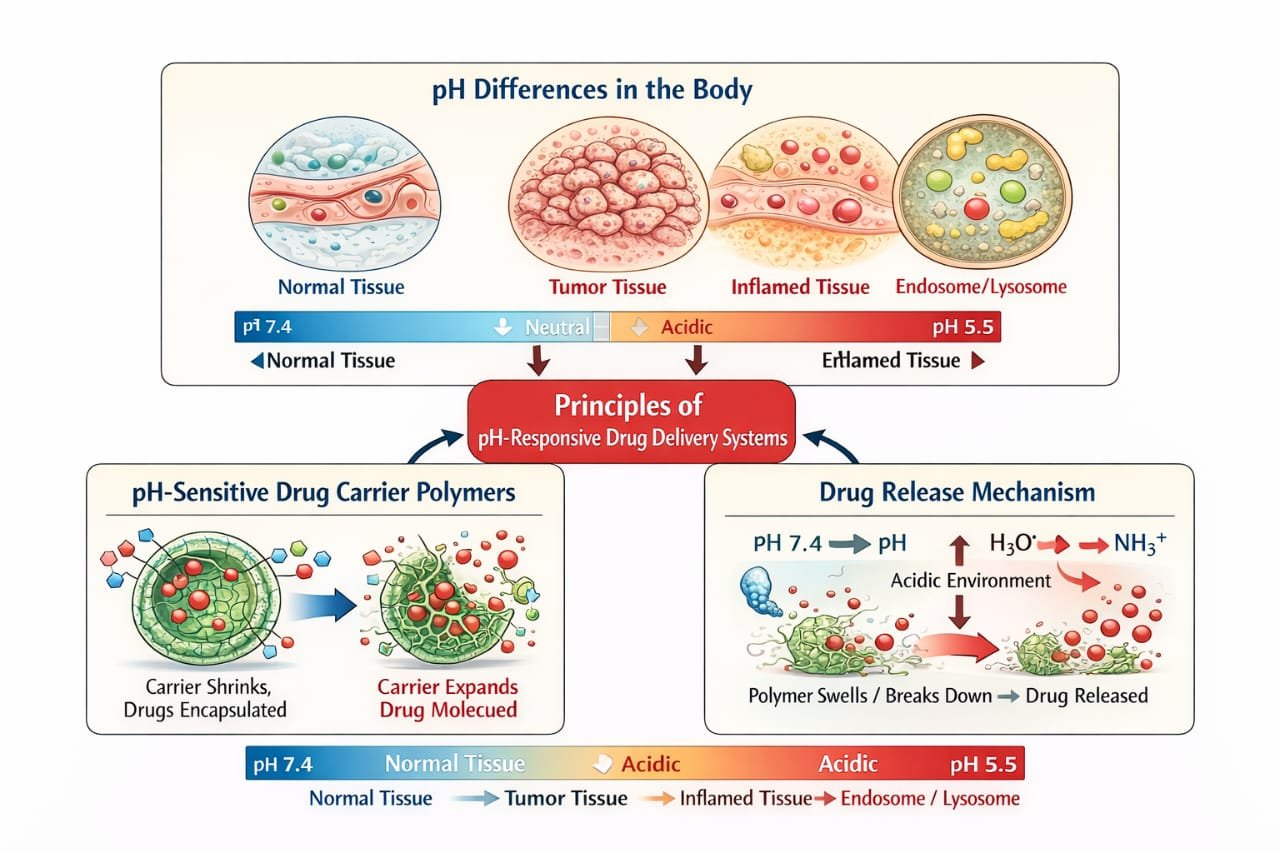
Fig1 pH- Responsive Drug Delivery Systems
Examples
1. Anticancer Drugs:
a.Doxorubicin
b.Cisplatin
c.5-Fluorouracil
d. Paclitaxel
e.Docetaxel
2. Gastrointestinal and colon-targeted drugs
a.Mesalamine
b.Sulfasalazine
3.Other commonly studied drugs
a.Diclofenac sodium
b.Metronidazole
4.Antibiotics
a.Amoxicillin
b.Ciprofloxacin
5.Natural and bioactive compounds
a.Resveratrol
b.Quercetin
6.Peptides and sensitive drugs
a.Exenatid
LIMITATIONS
A key draw back of these systems is that the pH variation between healthy and diseased tissues is sometimes limited, which may reduce the precision of drug release.(9) There is also a risk that the carrier may release part of the drug prematurely if it is exposed to unexpected pH conditions during circulation or storage.(8,18) In addition, differences in physiological conditions among individuals can influence the effectiveness of these systems.(11)
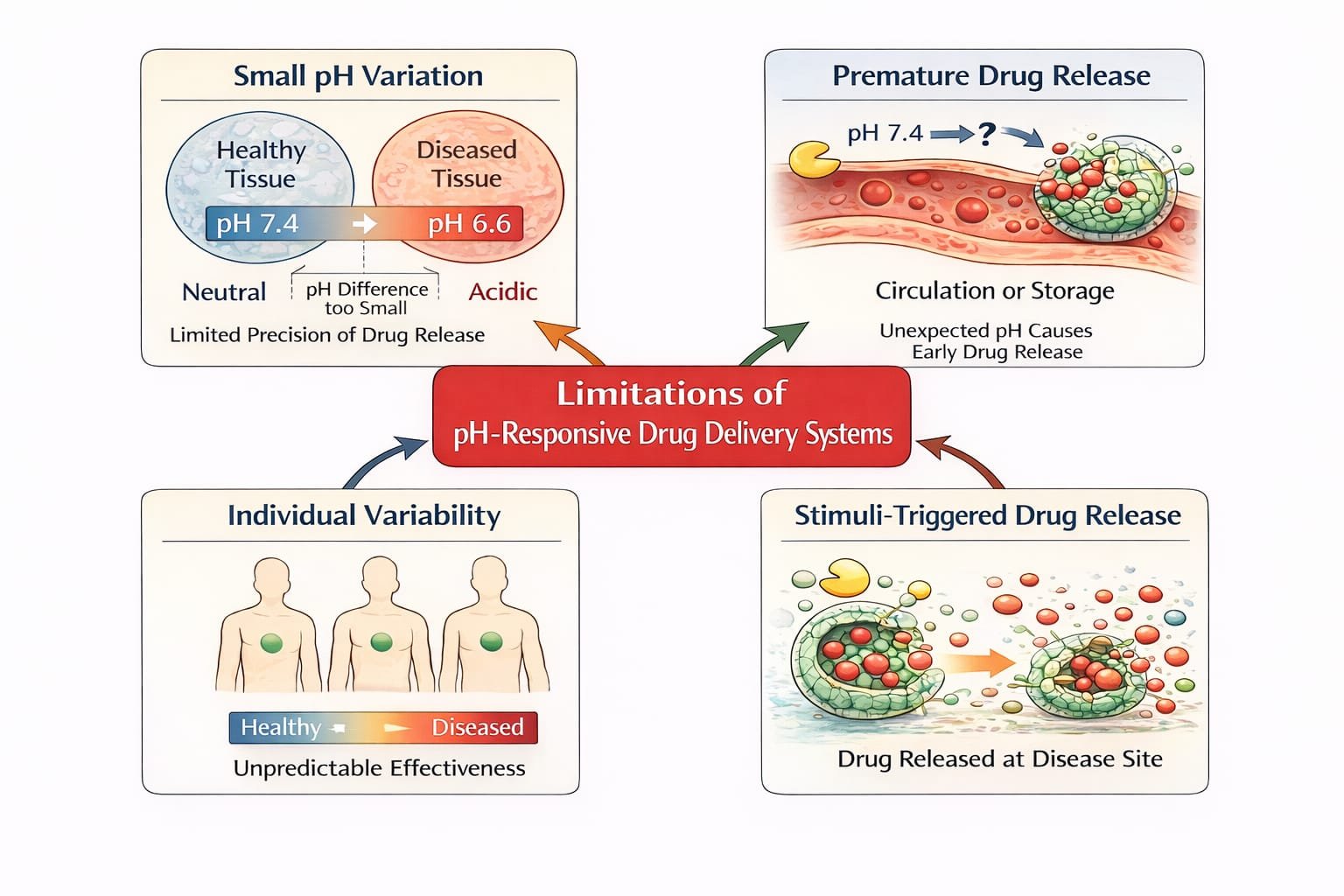
Fig 2 pH- Responsive Drug Delivery Systems (limitations)
2. Temperature- Responsive Drug Delivery Systems
Temperature – responsive systems are based on materials that change their physical properties when the temperature crosses a certain level. Some polymers remain stable at normal body temperature but change their structure, solubility or permeability when the temperature increases slightly.(26,27) This change allows the drug to be released, especially in areas where localized heating or inflammation raises the temperature.
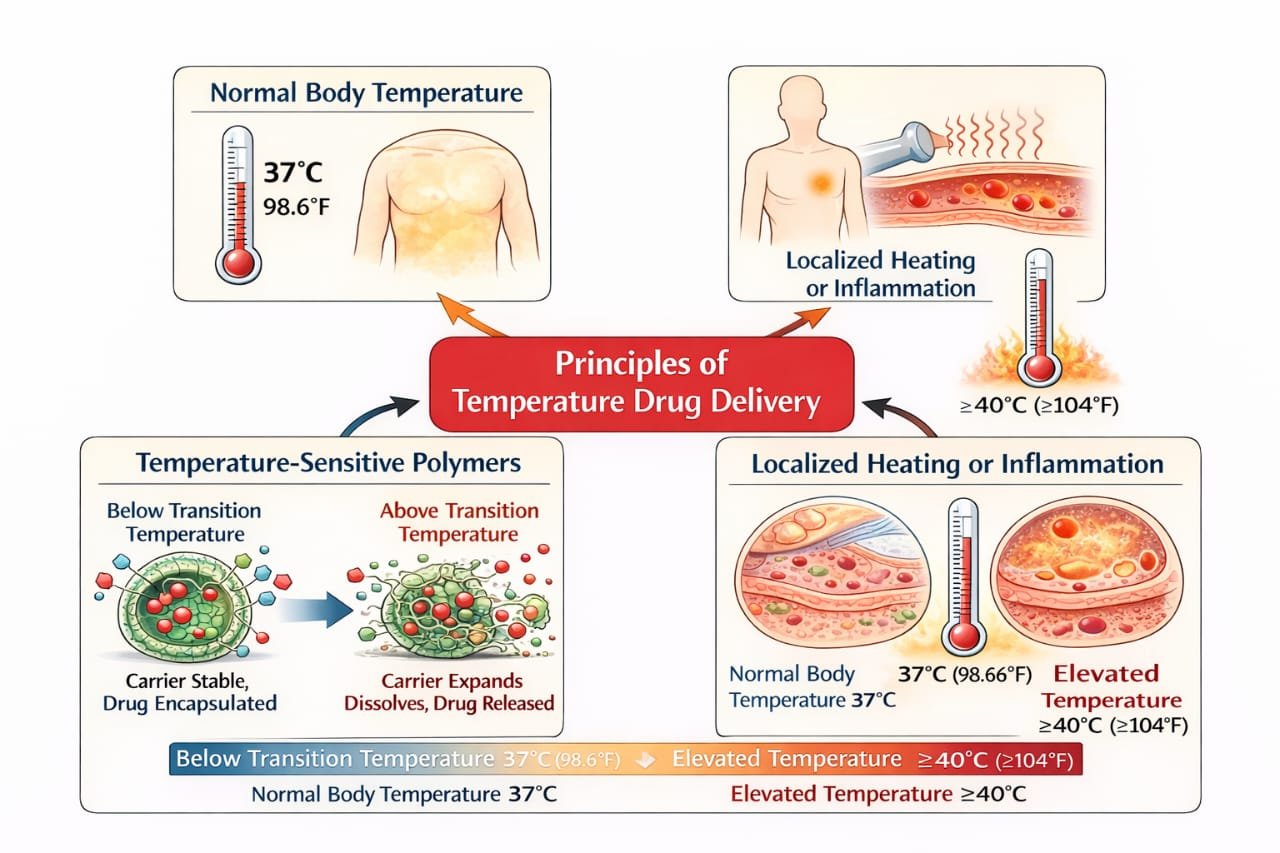
Fig 3 Temperature- Responsive Drug Delivery Systems
Examples
1.Antibiotics and Antimicrobial
a.Vancomycin
b.Gentamicin
c.Cefazolin
2.Anti-inflammatory and pain – Relief Drugs
a.Meloxicam
b.Piroxicam
c.Tramadol
3.Harmones and Peptide Drugs
a.Leuprolide acetate
b.Calcitonin
4.Opthalmic and local Delivery drugs
a.Timolol maleate
b.Pilocarpine
c.Ofloxacin
5.Anticancer Drugs
a.Oxaliplatin
b.Epirubicin
c.Irinotecan
LIMITATIONS
The temperature-responsive drug delivery systems is the difficulty of keeping the temperature at the target site within the exact range needed to trigger drug release, while avoiding damage to near by healthy tissues. In many cases, natural body temperature changes are too small activate the system efficiently, so additional heating methods may be required.(23) Another concern is that temperature-sensitive materials can lose their effectiveness if they are exposed to repeated temperature-sensitive materials can lose their effectiveness if they are exposed to repeated temperature fluctuations or stored under inappropriate conditions, which may reduce the stability of the formulation.(26)
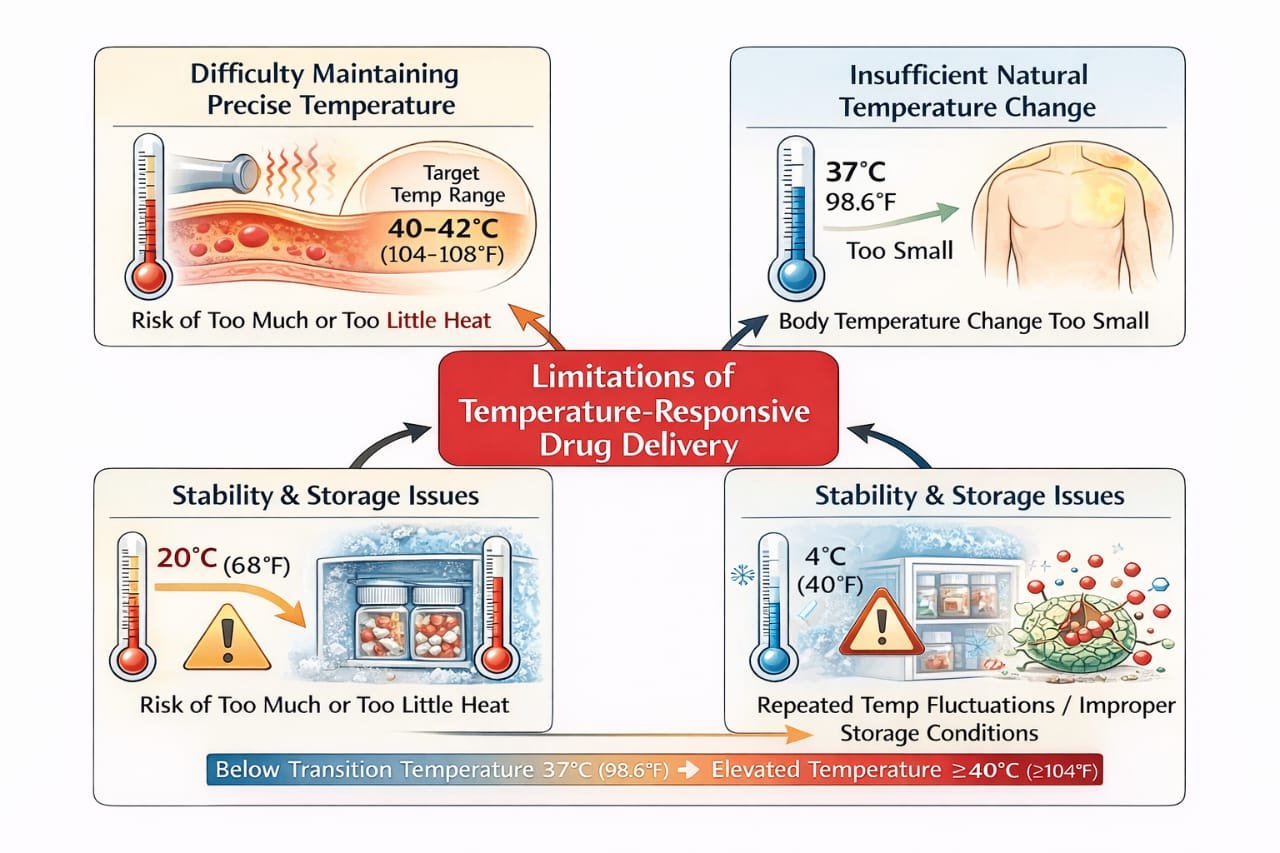
Fig 4 Temperature- Responsive Drug Delivery Systems (limitations)
3.Enzyme- Responsive Drug Delivery systems
Enzyme- responsive drug delivery sysytems are developed by taking advantage of enzymes that are produced in greater amounts in certain diseased tissues. In these systems, the drug is incorporated into carriers that contain enzyme-sensitive linkages or biodegradable materials. When the carrier reaches a location where the specific enzyme is present, the enzyme gradually breaks down the carrier structure or cleaves the bonds, resulting in the release of the drug.(30) Because this process occurs mainly at the disease site, it helps in achieving more selective drug delivery and improving therapeutic effectiveness.(9,21)
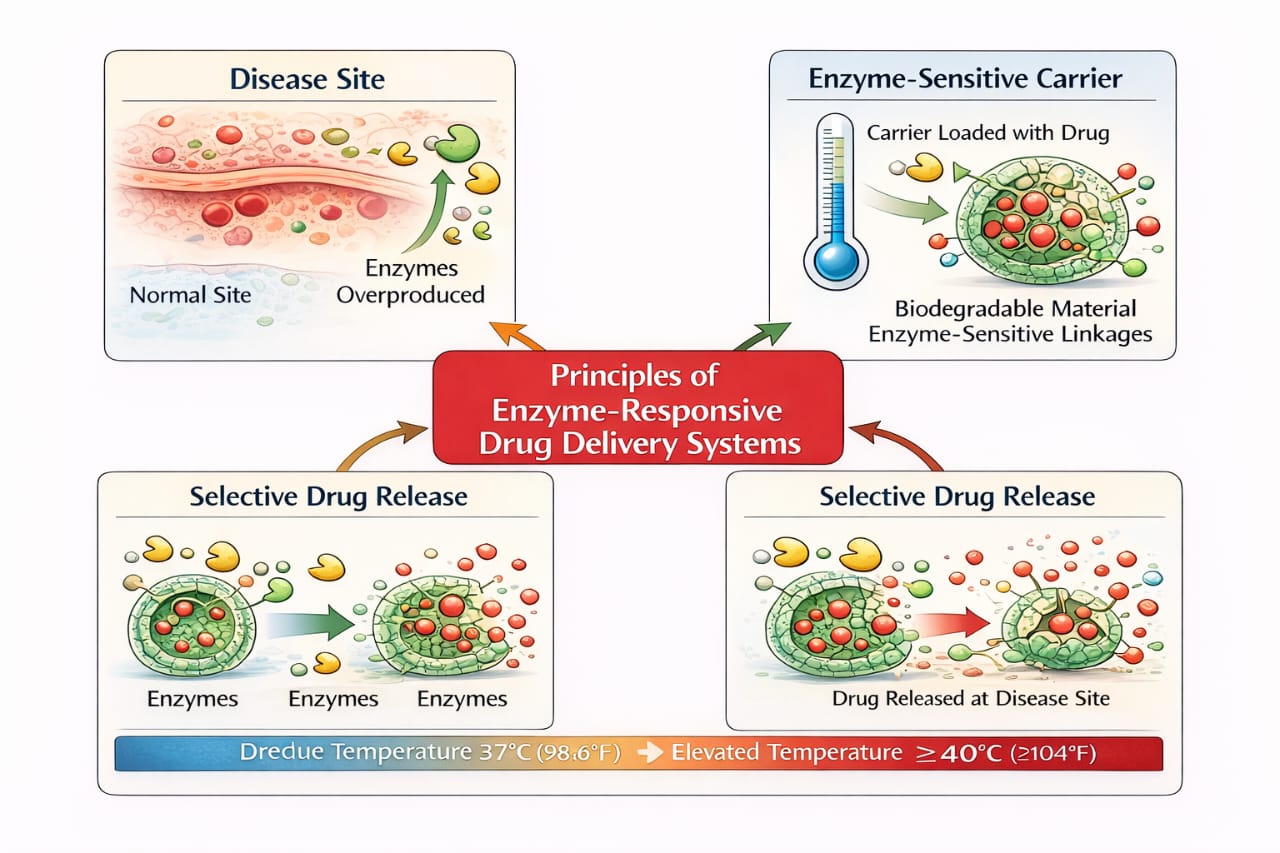
Fig 5Enzyme- Responsive Drug Delivery systems
Examples
1.Human immuno deficiency virus(HIV)
a.Zidovudin
b.Lamividine
c.Tenofovir
d.Ritonavir
2.Herpes simplex virus infections (HSV)
a.Acyclovir
b.Valacyclovir
3.Hepatitis(Hepatitis B and C)
a.Interferon –alpha
b.Sofosbuvir
C.Tenofovir
4.Influenza and other Respiratory viral infections
a.Oseltamivir
b.Favipiravir
5.Wound and skin infections
a.Gentamicin
b.Vancomycin
6.Bone infections (Osteomyelitis)
a.ciprofloxacin
b.Gentamicin
7.Gastrointestinal bacterial infections
a.Metronidazole
b.Rifaximin
8.Implant and Biofilm-Related infections
a.Amoxicillin
b.Ceftazidime
LIMITATIONS
Enzyme-responsive systems are that enzyme levels and activity can differ widely among patients and may even vary within different areas of the same tissue, which can cause uneven or unpredictable drug releases.(22) There is also a risk that enzymes found in healthy tissues may partially degrade the carrier before it reaches the target, leading to early drug release.(30) In addition, accurately controlling the speed of enzymatic degradation is difficult, as enzyme activity depends on several biological factors such as local conditions and disease progression.(11,29)
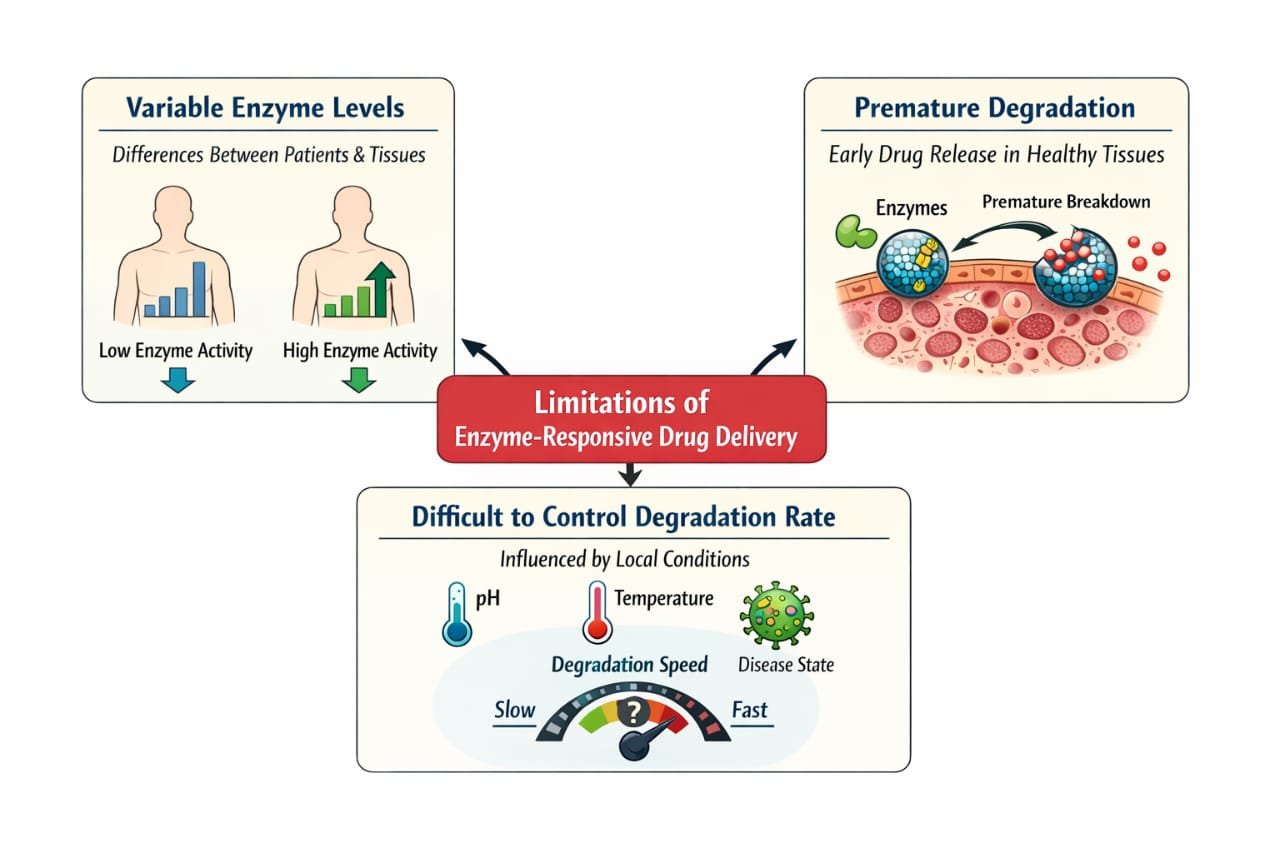
Fig 5 Enzyme- Responsive Drug Delivery systems(limitations)
ADVANTAGES OF STIMULI RESPONSIVE DRUG DELIVERY SYSTEM
1. Selective drug release at the target site
These systems are designed to release the drug only when they encounter particular triggers such as changes in pH, temperatureor enzyme levels. This makes it possible to concentrate the drug in diseased tissues loke tumors, inflamed areas, or infected regions, while limiting the effect on normal tissues.
2. Better therapeutic performance
Because the drug is delivered and released where it is needed most, effective drug concentrations can be maintained at the target site for longer period. This can enhance treatment effectiveness compared with conventional formulations that distribute the drug throught the body.
3. Lower risk of adverse effects
Targeted and controlled release reduces unnecessary exposure of healthy organs to the drug. This is especially beneficial for medicines that are highly potent or toxic when present in high systemic concentrations.
4. Sustained and controlled release
Stimuli-Responsive carriers can be designed to Release drugs slowly after activation. This controlled release helps maintain stable drug levels, reduces the frequency of dosing and may improve patient adherence to therapy.
5. Protection of unstable or sensitive drugs
Peptides encapsulation with in responsive carriers can shield delicate molecules, including peptides, proteins, and nucleic acids, from degradation before they reach the desired site of action.
6. Improved drug availability in the body
Many responsive delivery systems use nanocarriers or specialized polymers that enhance the stability of drugs, which can lead to better absorption and overall bioavailability.
7. Safe and biodegradable materials
A large number of these systems are prepared from polymers that are biocompatible and capable of breaking down into harmless products after drug release, reducing the risk of long term accumulation.
8. Useful in managing complex diseases
Stimuli responsive systems are particularly valuable in conditions where the local environment differs from naormal tissues, such as cancer, infections and inflammatory diseases. They also contribute to the growing field of personalized and precision medicine where treatments are tailored to specific patient needs.
APPLICATIONS
1.It is widely used in Cancer Therapy.(19)
2.It is used in Colon Targeted drug Delivery.
3.It is used in Delivery of Proteins and peptides.
4.Treatment of Bacterial Infections.
5.It used in Opthalmic Drug Delivery.
6.It is used in Tissue Engineering and Regenerative Medicine.(28)
7.It is used in Gene and vaccine Delivery.
CONCLUSION
SRDDS have advanced the field of pharmaceutics by allowing drugs to be released in controlled and site specific manner in response to factors such as pH, Temperature and enzymes. This targeted approach improves treatment outcomes and helps reduce unwanted adverse effects. The development of smart polymers and nanoscale carriers has broadened their use in areas like cancer treatment, infectious diseases and inflammatory conditions. Despite these advantages issues such as complicated formulation methods, high production costs and difficulties in large scale manufacturing remain important challenges. Ongoing research and technological improvements are expected to make these systems more practical and widely used in future personalized and targeted therapies.
REFERENCES




: Pavithra T. K., Shashikala T. V., Nandhu shree N., Mohammed Ashraf N., Stimuli Responsive Drug Delivery System In (PH, Temperature, Enzyme), Int. J. of Pharm. Sci., 2026, Vol 4, Issue 2, 4612--4620. https://doi.org/10.5281/zenodo.18812747
 10.5281/zenodo.18812747