

We use cookies to ensure our website works properly and to personalise your experience. Cookies policy
Shraddha Institute of Pharmacy, Washim.
Type 2 diabetes mellitus (T2DM) is becoming a bigger problem around the world, and it’s closely connected to the obesity epidemic. People who have T2DM are at greater risk for both small vessel issues, such as retinopathy, nephropathy, and neuropathy, and big vessel problems, like cardiovascular diseases. This happens because of high blood sugar levels and parts of the insulin resistance syndrome. Both environmental factors, like obesity, unhealthy eating habits, and not enough physical activity, and genetic factors play a role in the many health problems that lead to poor glucose control in T2DM. Insulin resistance and the body’s inability to release enough insulin are the main problems in T2DM, but there are at least six other health issues that also affect how the body handles glucose. Recently, people have been looking at herbal medicines as an alternative way to treat diabetes. Because of this, this study was done to check how well fenugreek seeds can help lower blood sugar and fat levels in people with type 2 diabetes. Wood apple, also known as “Limonia acidissima,” is a tropical fruit that comes from Southeast Asia. It has been important in traditional medicine for a long time and is known for many health benefits. A lot of scientific studies have shown that it has valuable medicinal qualities and contains various active compounds that can help lower blood sugar, treat diabetes, fight cancer, kill harmful bacteria, protect the liver, and offer other benefits. Combining traditional and modern knowledge can help find better sources of these active ingredients, which can be used to treat diseases with fewer side effects. This review focuses on the nutritional value, plant-based compounds, and both traditional and modern uses of wood apple and fenugreek in treating type 2 diabetes.
Diabetes mellitus (DM) is a long-term condition that affects millions of people around the world. The number of people with this disease is growing each year, and it’s predicted that by 2025, there will be more than 300 million people living with diabetes [1]. In Nigeria, 15% of all deaths from diabetes are linked to heart and blood vessel diseases [2]. There are two main types of diabetes: type 1 and type 2. Type 2 is the most common, making up around 90% of all cases. Type 2 diabetes is a condition where the body doesn’t produce enough insulin or can’t use it properly, leading to high blood sugar levels [3]. An oral hypoglycemic agent is the main treatment for Type 2 diabetes. These include drugs like sulfonylureas, biguanides, meglitinides, alpha-glucosidase inhibitors, and thiazolidinediones, which are currently used. There is evidence showing that more people around the world are using alternative medicines, such as plant-based remedies, to help manage diabetes. Two key ways to control the development of T2DM are making lifestyle changes and using traditional medicinal herbs, which are less toxic. Plants have been used for a long time in traditional medicine to treat diabetes.[4,5]. Fenugreek seeds contain several beneficial substances like trigonelline, flavonoids, Carotinoids, coumarins, saponins, galactomanan, 4-hydroxyisoleucine, proteins, and lipids.For a long time, fenugreek seed powder has been known and studied for its ability to lower blood sugar and reduce bad fats in both animal and human studies. Research suggests that the antidiabetic effects of fenugreek seeds and their components work by improving insulin sensitivity in people with type 2 diabetes [6]. Fenugreek seeds help control lipid metabolism, we thought that the methanolic extract of fenugreek seed powder (FSE) might work by changing how the genes for (Peroxisome Proliferator-Activated Receptor Gamma) PPARγ,(Peroxisome Proliferator-Activated Receptor Alpha) PPARα, and glucose transporter-4 (GLUT4) are expressed in tissues that respond to insulin, such as fat tissue, the liver, and skeletal muscle[7,8,9]. Wood apple pulp has a tangy and unique flavor that makes it tasty when paired with sugar in desserts or with warm spices in savory dishes.This fruit is also used as a natural remedy for various health issues including cancer, diabetes, diarrhea, ulcers, and high blood pressure. Eating wood apple regularly can help in preventing these conditions [10]. The study on wood apple pulp essential oil extract showed that microbes like Staphylococcus aureus and Bacillus cereus were very sensitive to it. This suggests that the oil extract from the wood apple pulp has natural antioxidant properties [11]. It also contains a high amount of polyphenols, such as bicyclo[2.2.1]heptane, 2-(1-buten-3-yl)-serverogenin acetate, 4H-pyran-4-one, 2,3-dihydro-3,5-dihydroxy-6-methyl-, L-(+)-ascorbic acid 2,6-dihexadecanoate, cis-vaccenic acid, thiopene, 2-propyl-phenol, 2,4-bis (1,1-dimethylethyl) and octanoic acid, which can help neutralize harmful free radicals [12]. When the pulp of the wood apple was analyzed using High-Performance Liquid Chromatography (HPLC) with sulphuric acid as a mobile phase, Gas Chromatography (GC), and Gas Chromatography-Mass Spectrometry with helium as a carrier gas, it was found to be rich in fructose, glucose, and organic acid [13]. The high sugar content, along with low levels of phenolics and mucilage, makes the wood apple fruit tasty and more pleasant to eat.
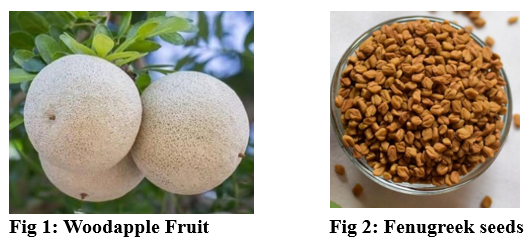
Nutraceutical in the diabetics management:
Nutraceuticals are foods that have health benefits, including helping to prevent and treat diseases. They can also be called natural functional or medical foods, or bioactive plant chemicals that help promote health, prevent illness, or have medicinal qualities. These foods usually contain the right amounts of vitamins, fats, proteins, carbohydrates, minerals, or other important nutrients, depending on what they are meant to do[14]. Traditional medicinal plants are used around the world for different diabetes-related conditions. Herbal medicines are often used because they are effective, have fewer side effects, and are less expensive[15]. Because of this, it’s becoming more important to study these kinds of treatments from traditional plants. This review focuses on some specific herbal medicinal plants that have been scientifically shown to lower blood sugar[16]. Based on what we currently know about how insulin resistance and type 2 diabetes work in the body, many treatments both through medicine and lifestyle changes have been created to help control blood sugar levels and prevent diabetes-related problems. Recently, there has been growing interest in using special foods and the active ingredients they contain as a new way to prevent and manage diabetes and its complications. A nutraceutical is a type of food that has health benefits, including helping to prevent or treat diseases. It can also refer to natural foods or plant-based compounds that have positive effects on health, help prevent diseases, or have medicinal qualities[17]. These nutraceuticals usually include the right amounts of vitamins, lipids, proteins, carbohydrates, minerals, or other needed nutrients, based on their main focus[18]. Traditional medicinal plants are used around the world for various diabetes-related conditions. Herbal medicines are commonly prescribed because they work well, have fewer side effects, and are more affordable[19]. Therefore, studying these substances from traditional plants has become increasingly important. This review focuses on certain herbal medicinal plants that have been scientifically proven to have blood sugar-lowering effects[20].
Mechanistic roles:
Insulin sensitization: Enhancing how insulin works in the body, such as by activating PPAR-γ, (AMP-activated protein kinase) AMPK, and increasing the production of (Glucose Transporter Type 4) GLUT4[21].
Glucose absorption and enzyme inhibition: Blocking enzymes like alpha-amylase and alpha-glucosidase, which slow down the breakdown and absorption of carbohydrates, helping to control blood sugar levels after meals.
Beta-cell protection and regeneration: Preventing the loss of beta cells due to oxidative stress and inflammation, and supporting their ability to secrete insulin properly.
Antioxidant and anti-inflammatory effects: Type 2 diabetes is closely connected with oxidative stress, chronic low-grade inflammation, and problems with blood vessel function; botanicals may help regulate these processes.
Gut microbiota modulation: New research suggests that the gut bacteria play a role in blood sugar control; prebiotic fibers and polyphenols may support a healthier balance and function of gut microbes.[22]
Pharmacognosy and Phytochemical
Woodapple
A number of active compounds such as phenols, flavonoids, alkaloids, terpenoids, tannins, saponins, fat steroids, glycosides, gum mucilage, and fixed oil have been found in different parts of the woodapple. These compounds are believed to be responsible for the various health benefits associated with the fruit[23]. Different parts of the plant, like roots, fruits, bark, and leaves, have been used for treating several health issues such as diarrhea and dysentery for a long time. The fruits are also important as a food source because they contain vitamins, minerals, carbohydrates, and protein. That is why they are often referred to as protective foods [24].The importance of the wood apple also lies in its curative properties, which make the tree one of the most useful medicinal plants in India. It has great demand in the native system of Ayurvedic medicine. This plant is prescribed as a traditional medicine for the treatment of various ailments [25]. It has a wide range of biological activities, such as adaptogenic activity and hepatoprotective properties, and is used against blood impurities, leucorrhoea, dyspepsia, and jaundice. In India, the fruit is used as a liver and cardiac tonic, in the treatment of diarrhea and dysentery, and is also effective for hiccup, sore throat, and gum diseases [26]. The woodapple fruits and leaves are used in herbal remedies. It is believed to have healing properties for various bone and joint problems, digestive issues, preventing small blood vessel bleeding, colds, flu, hemorrhoids, dysentery, chronic constipation, and scurvy. The unripe fruits, which are sour, fragrant, drying, constipating, and capable of counteracting poisons, are used in Ayurvedic medicine to treat diarrhea, throat pain, and skin itching [27]. It is often used by itself or combined with Aegle marmelose and other medicines to treat diarrhea and dysentery [28]. The pulp of the fruit mixed with cardamom, honey, and cumin seeds is used as a medicine to treat indigestion, diarrhea, hemorrhoids, and liver cirrhosis in children caused by poor nutrition. Ripe pulp is also used to relieve pain from venomous bites [29]. It has also been reported to be effective in treating asthma, tumors, and as a liver tonic in traditional medicinal systems[30].
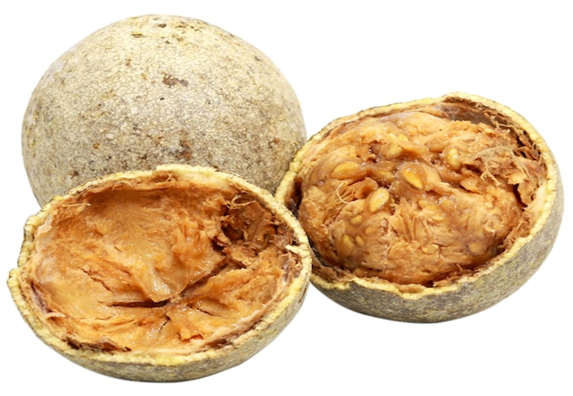
Fig 3: Woodapple Pulp
Pharmacological activities of Woodapple
A range of pharmacological effects including antitumour, antimicrobial, antidiabetic, anti-inflammatory, analgesic, antioxidant, hepatoprotective, antimutagenic, antimalarial, and other properties have been shown by extracts and pure compounds from wood apple[31]. Below is a summary of the results from these studies.
Anti-tumour activity
Cancer is characterized by the uncontrolled growth of abnormal cells, which can spread to other parts of the body found that an acidic heteropolysaccharide extracted from the tropical angiosperm Feronia limonia exhibited significant in vivo inhibition of carcinoma cell growth in a murine model[32]. In another study, the antitumor activity of ethanolic extracts from 12 medicinal plants in Bangladesh, including Catharanthus roseus, which produces vincristine and vinblastine, was assessed using the potato disk bioassay technique. In this study, Feronia limonia showed 16.1% inhibition of crown gall tumors but was deemed inactive due to the lack of significant tumor inhibition[33].
Antimicrobial activity
One of the main reasons for illness and death in people with weak immune systems is harmful microorganisms. These microorganisms, like bacteria, often become resistant to medicines, and some antibiotics also have harmful side effects. This makes it really important to control microbial infections with antimicrobials that are effective and don’t cause side effects. There is evidence that the ethanol extract from wood apple leaves has antibacterial properties against various bacteria, such as Shigella boydii, Shigella dysenteriae, and Shigella flexnerii, and it has been shown to reduce the severity and frequency of diarrhoea[34].Also tested the essential oil from wood apple leaves to find out its chemical makeup and antibacterial effects against different types of bacteria, both Gram positive and Gram negative, using methods like disc diffusion and minimum inhibitory concentration tests.[35]
Antidiabetic activity
Diabetes mellitus is a long-term condition that affects how the body processes blood sugar, leading to high levels of glucose in the blood, known as hyperglycaemia. It can also cause serious health problems later on, like retinopathy and nephropathy. Because of these dangerous complications, diabetes is now the seventh biggest cause of death worldwide[36]. Looked at how an ethanolic extract from wood apple fruit could help control blood sugar levels in both healthy and diabetic rats that had been made diabetic using streptozotocin. Their study found that the extract helped lower blood sugar levels in rats that were fasting, eating, and those with diabetes. It also improved their ability to handle glucose in the body. The research showed that the extract caused changes in the B-cells of the rats, which are responsible for making insulin, and this was linked to the drop in blood sugar. The researchers believed that the extract probably helped lower blood sugar by encouraging the release of insulin. In another study, the antidiabetic effects of wood apple fruits were tested in rats made diabetic with streptozotocin. When they first checked for plant chemicals, they found a high amount of flavonoids in the methanolic extract of the fruit. Rats with diabetes that were given the extract at doses of 200 and 400 mg per kg of body weight for 30 days showed a big drop in blood sugar levels, along with lower cholesterol levels and regained body weight [37]. Similar findings were reported by Putta and kilari [38], who found that the methanolic extract from the outer part of wood apple fruit had strong antihyperglycemic and antihyperlipidemic effects. They also saw that the extract helped protect the kidneys in diabetic rats. The researchers suggested that these benefits might be because of the antioxidant properties of the extract.
Antioxidant activity
Antioxidant activity and antimutagenic effects of phenolic compounds in the ripe pulp of wood apple were studied. The total phenolic content was measured using the Folin-ciocalteu method, and antioxidant activity was tested using the 2,2-Diphenyl-1-picrylhydrazyl (DPPH) assay. The phenolic glycoside extract had the highest total phenolic content at 229.0 mg/g Gallic Acid Equivalents(GAE), followed by phenolic esters at 37.5 mg/g and free phenolics at 11.0 mg/g. The antioxidant activity was 88.7%, 11.8%, and 3.8% respectively. The phenolic glycoside extract showed stronger antioxidant activity compared to commercial antioxidants like trolox (64.6%) and butylated hydroxytoluene (83.2%) [39].
Hepatoprotective activity
A study was conducted to check how well a methanolic extract and a compound called marmesin, found in the root bark of wood apple, can protect the liver. They tested how much of two enzymes, Aspartate Aminotransferase(AST) and Alanine Aminotransferase (ALT), were present in Human Hepatocellular Carcinoma Cell Line, Clone G2 (HepG2) cells, which are a type of human liver cancer cells. These cells were exposed to Carbon Tetrachloride (CCl4), a harmful chemical that damages the liver, either with or without the wood apple extract or marmesin. The results showed that using both the extract and marmesin together helped reduce changes in AST and ALT levels and made the cells healthier. When given by mouth, the extract or marmesin also helped prevent the harmful effects of CCl4 on the liver, as seen by lower levels of damage markers in the blood and better protection against harmful reactions in the liver. The liver's structure was also less damaged in live animals, showing that both the extract and marmesin have strong liver-protecting abilities[40].
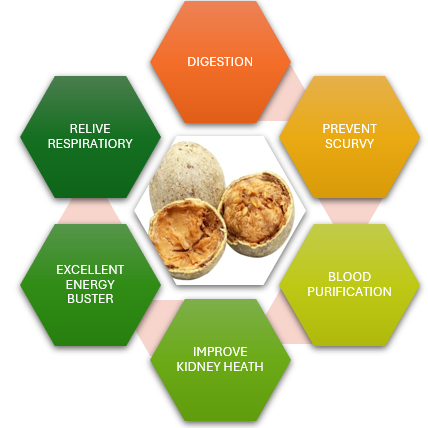
Fig 4: Health Benefits of Wood Apple
Table 1: Chemical composition of wood apple[41].
|
Characters |
Composition |
|
Moisture (%) |
72.00 ± 2.04 |
|
Protein (%) |
7.14 ± 0.24 |
|
Fat (%) |
1.45 ± 0.09 |
|
Carbohydrates (%) |
7.24 ± 0.12 |
|
Ash (%) |
4.98 ± 0.02 |
|
Calcium (%) |
0.12 ± 0.07 |
|
Phosphorus (%) |
0.07 ± 0.002 |
|
Iron (%) |
1.0 ± 0.03 |
Fenugreek
Type 2 diabetes mellitus occurs when the pancreas’s beta cells can’t produce enough insulin to keep blood sugar levels normal, especially when there’s also insulin resistance in the body’s tissues like muscle, fat, and liver[42]. When the liver becomes resistant to insulin, it can’t properly stop making glucose, which leads to high blood sugar levels [43]. While there are many reasons that can cause insulin resistance in the liver, two important factors are increased stress in the endoplasmic reticulum and the buildup of fats in the liver, known as hepatic steatosis [44].
Fenugreek (Trigonella foenum-gracium) is a plant from the Leguminosae family that grows annually and is widely cultivated in Mediterranean countries and Asia (Figure 2). The dried seeds have been traditionally used in India, China, Egypt, and some parts of Europe for their beneficial health effects such as galactogogue, antibacterial, anti-inflammatory, insulinotropic, and rejuvenating properties [45]. The seeds are pleasantly bitter and slightly sweet, and are available in whole and ground forms. They are used as a source of flavoring in foods such as curry powders, spice blends, and teas. The seeds have a horny and relatively large layer of white and semi-transparent endosperm encircling a central hard, yellow embryo [46]. The wonderful functional and medicinal benefits of fenugreek are because of its special chemical makeup. It contains about 20-25% protein, 45-50% dietary fiber, 20-25% soluble mucilaginous fiber, 6-8% fixed fatty acids and essential oils, and 2-5% steroidal saponins. In addition, there are some smaller parts like alkaloids such as trigonelline, choline, gentianine, and carpaine, as well as free unnatural amino acids like 4-hydroxyisoleucine, and individual spirostanols and furastanols such as diosgenin, gitogenin, and yamogenin. These are the main parts that give fenugreek its various health benefits[47].
Fig 5: Fenugreek Plant
Therapeutic Benefits of Fenugreek Seed
Diabetes management:
Many studies have been done to show how effective fiber, especially the soluble part of fenugreek fiber, is in managing blood and serum glucose levels and insulin production. One study found that giving 100 grams of fenugreek powder, which has 50% dietary fiber, to type 2 diabetes patients for 10 days lowered their blood glucose levels by 25% [48]. It was also shown that the soluble fiber fraction helped reduce the spike in blood glucose after meals in diabetic rats by slowing down the digestion of sucrose. When fenugreek soluble fiber was given twice daily at a dose of 0.5 grams per kilogram for 28 days, it helped lower serum fructosamine levels without significantly affecting insulin levels compared to the control group. The conclusion was that soluble fiber was beneficial for dyslipidemia and could inhibit platelet aggregation in diabetic rats [49]. Another study reported that the soluble fiber from fenugreek delays the digestion and absorption of carbohydrates, which helps improve glucose balance in the body[50]. This is because the fiber forms a gel inside the intestine that has low viscosity, which can slow down gastric emptying and reduce how quickly food moves through the intestines. By trapping glucose within the gel, it is released more slowly, preventing a sudden increase in blood glucose levels. The viscous and gel-forming properties of soluble dietary fiber also help reduce the absorption of macronutrients, lower the blood glucose response after meals, and have a positive effect on certain blood lipids [51].
Cholesterol lowering effect:
There are different important scientific information and clinical data done on the efficacy of dietary fiber, especially the soluble counterpart such as beta-glucans or galactomannans in the management of hypercholesterolemia. Fenugreek derived galactomannans, due to its unique structure of galactose to mannose 1:1 ratio, have shown to have the maximum efficacy in lowering the plasma cholesterol level [52]. Furthermore, soluble fiber fractions reduce only the dangerous low-density lipoproteins and triglycerides intake, whereas keeping the good high-density cholesterols intact[53]. In a study which was done on 60 individuals with diabetes and high cholesterol and triglycerides level, who regularly received 25 g of fenugreek fiber powder containing nearly 50 percent fiber content, a significant decrease in blood glucose, LDL cholesterol and triglycerides level up was shown whereas HDL level had no decrease [54]. The biochemical mechanism of soluble fiber as a hypolipidemic agent can be explained primarily by its capacity to bind bile acids, which are therefore excreted rather than recycled to the blood reduced blood cholesterol. Fermentation of soluble fiber may be done by bacteria in the clone which produce short-chain fatty acids can reduce cholesterol synthesis [55].
Effect on constipation and irregularity:
Fenugreek fiber may help with constipation and can also prevent the formation of diverticulosis and diverticulitis. This type of fiber works because it doesn’t ferment properly in the large intestine. It helps make stool bulkier, adds water to soften the bowel movement, and reduces how long it takes for waste to pass through the intestines. This makes the bowel movement more regular and consistent[56].
Effect on body weight and obesity:
It was noticed that foods high in dietary fiber and protein can boost the release of hormones like glucagon-like peptide-1 (GLP-1), which helps control appetite and improves how the body handles glucose, leading to better blood sugar control and less weight gain[57]. Some studies suggest that taking fenugreek seed extract can help reduce body fat and maintain a healthier weight. This might happen because fenugreek helps remove carbohydrates from the body before they enter the bloodstream, which can lead to weight loss. Additionally, the high amount of soluble fiber in fenugreek forms a gel-like substance in the intestines, which can slow down digestion and make you feel full longer [58].
Anticarcinogenic effect and antioxidant activity:
Cancer is a very serious and complex disease characterized by uncontrolled and abnormal cell growth. Its prevalence is steadily rising. Except for genetic defects, which contribute to 5 to 10% of cancer cases, the majority (90% to 95%) can be prevented by making lifestyle changes, increasing physical activity, avoiding smoking, and following a nutritionally balanced diet that includes foods free from contaminants [59]. Low fiber intake in the diet has been linked to colon cancer and irritable bowel syndrome. Anaerobic bacterial fermentation of dietary fiber produces short-chain fatty acids like butyrate, which is believed to protect against colon carcinogenesis [60]. The anticarcinogenic properties of fenugreek have been reported in numerous studies. Consuming fenugreek seeds modulates the activities of β-glucuronidase and mucinase and inhibits colon carcinogenesis. The activity of β-glucuronidase significantly reduces free carcinogens that are harmful to colon cells. Mucinase helps break down the protective mucin, and this is associated with the presence of fiber, flavonoids, and saponins [61]. Since the antioxidant activity of a plant is due to its active phytochemicals, it has been stated that fenugreek has strong antioxidant properties, which are beneficial for the liver and pancreas due to its phenolic and flavonoid compounds. It has been reported that fenugreek seed extract reduces lipid peroxidation and hemolysis in red blood cells [62]. Dixit et al., 2005, have shown that the aqueous fraction of fenugreek exhibits higher antioxidant activity compared to other fractions [63]. Fenugreek extract scavenges hydroxyl radicals and inhibits Hydrogen Peroxide(H2O2)-induced lipid peroxidation in rat liver mitochondria[64].
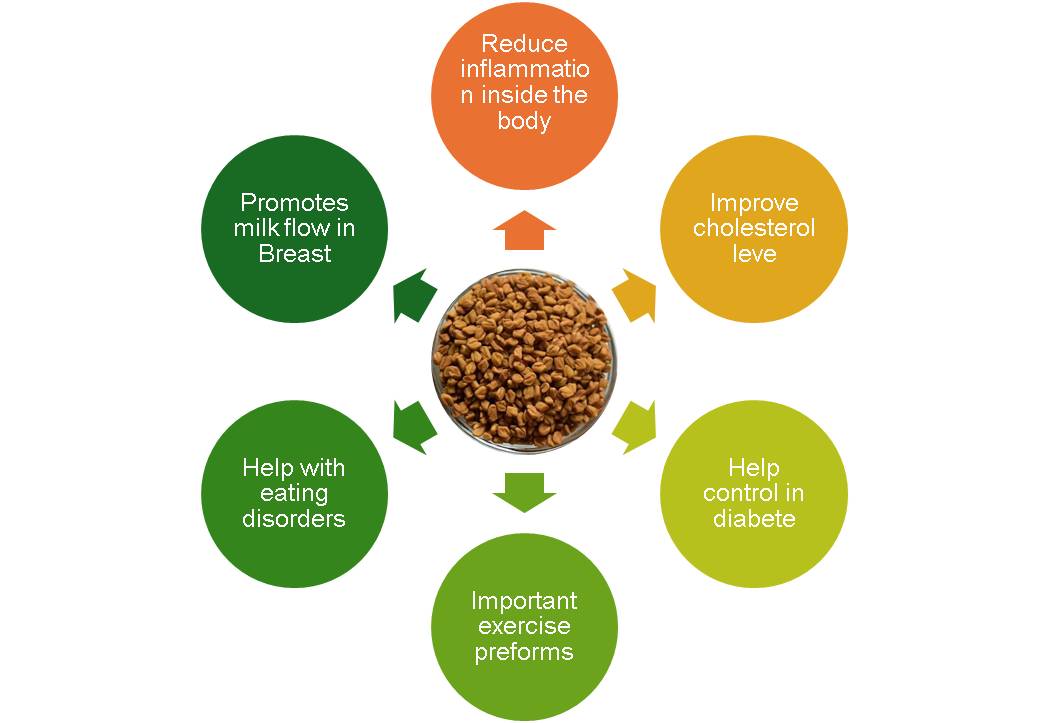
Fig 6: Health Benefits of Fenugreek
The table contains pharmacognosy and Phytochemical of woodapple and fenugreek.
Table 2: Pharmacognosy and Phytochemical of Woodapple and Fenugreek [65]
|
Parameters |
Woodapple (Limonia Acidissima) |
Fenugreek (Trigonella foenumgraecum) |
|
Family |
Rutaceae |
Fabaceae |
|
Part Used |
Fruit pulp, bark, leave |
Seeds, leaves |
|
Microscopic Features |
Fruit: hard woody rind; pulp brownish, aromatic; leaves pinnate, glossy |
Seeds: yellowish-brown, hard, cuboid; leaves trifoliate, aromatic |
|
Microscopic Features |
Fruit pulp shows abundant stone cells, lignified trichomes, calcium oxalate crystals |
Seed shows thick testa, mucilage cells, aleurone grains, oil globules |
|
Major Phytoconstituents |
Tannins, flavonoids, coumarins, alkaloids, saponins, polyphenols, limonin, β-sitosterol |
Diosgenin, trigonelline, 4-hydroxyisoleucine, galactomannan, flavonoids, saponins, alkaloids |
|
Key Bioactive Compounds |
Limonin, ferulic acid, rutin, umbelliferone, marmesin |
Diosgenin, trigonelline, 4-hydroxyisoleucine, choline |
|
Pharmacological Activities |
Antidiabetic, antioxidant, antimicrobial, hepatoprotective |
Antidiabetic, hypolipidemic, anti-inflammatory, galactagogue |
|
Mechanism of Action |
α-glucosidase and α-amylase inhibition, antioxidant defense, β-cell protection |
Insulin mimetic, glucose uptake enhancement, enzyme inhibition, insulin sensitization |
Research Gaps and Future Directions
Lack of combinational studies and clinical validation: There are very few published randomized controlled trials that look at using Fenugreek and Wood Apple together in people with type 2 diabetes or prediabetes[66]
Mechanistic exploration of synergy: Although we know a lot about how each of these plants works on its own, we don’t fully understand how they might work together. This includes things like how their active chemicals interact, how they affect the body over time, and how they influence gut bacteria. Studies using advanced techniques like metabolomics, proteomics, and microbiome analysis could help uncover these interactions.
Standardization and dosage-optimization: We need to figure out the best way to standardize these plant extracts, including which specific chemicals to measure. Also, we should determine the best mix of the two plants, how to make the formulations stable, and how well they are absorbed by the body.
Long-term safety and pharmacovigilance: Especially for Wood Apple, there’s not much information on how safe it is when taken over a long time. We need to monitor its effects on the kidneys and liver, as well as how it interacts with other medicines like those used for diabetes.[29].
AI and computational modelling for synergy prediction: Using computer models, such as in-silico docking, network pharmacology, and systems biology, could help predict the best ways to combine these plants, how much to use, and the likely pathways they affect. For instance, there’s already a study using computer models to look at how certain chemicals in Wood Apple target diabetes-related receptors.
Industrial scale-up and commercialization opportunities: Turning these plants into products like dietary supplements or functional foods requires scaling up the production of extracts, setting up supply chains, getting regulatory approvals, understanding what consumers want, and evaluating the cost and health benefits.
Population-specific studies: Since different groups have different diets, genes, and gut bacteria, it's important to study how these plants work in specific populations. For example, South Asians are at higher risk for type 2 diabetes, so tailored research for these groups would be helpful [67].
CONCLUSION:
Managing diabetes or prediabetes along with schizophrenia together is advised to stop diabetes from starting and meet treatment goals. This also helps in providing equal healthcare and reducing differences in health outcomes among different groups. Fenugreek seeds help improve how the body uses glucose, the levels of lipids in the blood, and a hormone called adiponectin, which may help in controlling risk factors for type 2 diabetes. Fenugreek is rich in fiber, protein, and due to its valuable bioactive components has promising therapeutic and application. Antidiabetic, antioxidant, anticarcinogenic, hypoglycemic activity, hypocholesterolemic activity are the major medicinal properties of the fenugreek demonstrated in various studies. Based on these several healthful benefits, fenugreek can be recommended and be a part of our daily diet and incorporated into foods in order to produce functional foods. Woodapple can lower blood sugar levels and boost insulin levels. The wood apple products discussed in this paper have a far greater nutritional value than the fresh ones because all nutrients get concentrated during processing. Due to presence of such a high value component the fruit is sometimes called as ‘Miracle fruit’. Convenience food processed from wood apple pulp will have wonderful assortment of therapeutic values, antioxidant and antimicrobial activities. The review focuses on the nutritional, food, and medicinal benefits of this underused fruit and suggests there is a lot of potential for more research and further studies on both woodapple and fenugreek.
REFERENCES

Vaishnavi Gandhi*, Manasi Choudhari, Swati Deshmukh, Synergistic Nutraceutical Strategies Against, Type 2 Diabetes: Exploring the Phytochemical, Harmony of Woodapple and Fenugreek, Int. J. of Pharm. Sci., 2025, Vol 3, Issue 11, 43-57 https://doi.org/10.5281/zenodo.17499766
 10.5281/zenodo.17499766