
View Article

Abstract

Personalized medicine (PM) has transformed oncology by tailoring chemotherapeutic interventions to the genetic, molecular, and clinical characteristics of individual patients. Within the European Union (EU), the regulatory framework for such innovative therapies is complex, involving coordination between the European Medicines Agency (EMA) and the In Vitro Diagnostic Regulation (IVDR) (EU 2017/746) for companion diagnostics (CDx). This review provides an in-depth overview of the approval pathway for personalized chemotherapy in the EU, covering regulatory mechanisms, clinical trial regulations, and adaptive approval schemes such as PRIME, conditional marketing authorization (CMA), and accelerated assessments. The EMA’s centralized authorization process, combined with the Clinical Trials Regulation (EU No 536/2014), ensures consistent evaluation and transparency across Member States. Ethical, scientific, and logistical challenges—such as data privacy under the General Data Protection R egulation (GDPR), evidence generation for small biomarker-defined populations, and disparities in patient access—remain major hurdles. Comparative insights between EU and US frameworks highlight the global trend toward harmonized, evidence-based regulatory science. Future developments, including the European Health Data Space (EHDS), DARWIN EU®, and artificial intelligence (AI)-driven pharmacovigilance, are expected to streamline the assessment of personalized chemotherapies. Overall, this review emphasizes that the EU’s evolving regulatory ecosystem continues to balance innovation, patient safety, and equitable access in the era of precision oncology.

Keywords

Personalized medicine; Precision oncology; Chemotherapy; EMA; IVDR; CTR; Companion diagnostics; PRIME; CMA; Adaptive pathways; Pharmacogenomics; Regulatory framework.

Introduction

1.1 Background

According to the World Health Organization (WHO), cancer still accounts for around 10 million deaths annually, making it a major worldwide health concern. Traditional cytotoxic chemotherapy has saved many lives, but significant inter-patient variation in toxicity and efficacy limits its practical usefulness. Inconsistent treatment results are frequently caused by variations in medication metabolism, tumor heterogeneity, and genetic makeup. Personalized (precision) medicine, which matches treatment to each patient's own genetic, genomic, and clinical profile, has been adopted by contemporary oncology to overcome these constraints. A significant shift from standardized treatment plans to evidence-based customization is represented by personalized medicine. Clinicians can choose the best dosage, anticipate therapeutic response, and prevent needless exposure to ineffective medicines by using genetic and biomarker data. Companion diagnostics (CDx), which are validated in vitro assays that can identify individuals most likely to benefit from a targeted medication or at risk of severe side responses, are often used in conjunction with this method in cancer.

A complicated yet unified regulatory framework supports precision oncology innovation  throughout the European Union (EU). While diagnostic devices are governed by the In Vitro Diagnostic Regulation (IVDR) (EU) 2017/746, therapeutic items are mainly assessed by the European Medicines Agency (EMA). In order to guarantee analytical and clinical validity, the EMA and authorized notified entities must coordinate the review of a medicinal product's co-development and its diagnostic test . By enabling quicker evaluation of treatments that meet unmet medical needs, recent policy measures like the PRIME (Priority Medicines) program and the Clinical Trials Regulation (EU) No 536/2014 have further modernized the approval environment.

1.2 Concept of personalized medicine

To improve diagnosis and direct treatment selection, personalized medicine combines clinical data with high-dimensional biological data, such as genomic, transcriptomic, proteomic, and metabolomic profiles. Numerous oncogenic mutations that underlie tumor behavior have been discovered by researchers since the Human Genome Project was completed. HER2 amplification in breast cancer and EGFR mutations in non-small-cell lung cancer are two examples. Targeted drugs with better selectivity and tolerability than traditional chemotherapy, like trastuzumab, vemurafenib, and imatinib, have been made possible by these molecular findings.

Three key biomarker categories are included in precision oncology in practice:

  1. Predictive biomarkers: markers of a treatment's expected response or resistance.
  2. Prognostic biomarkers: predictors of the anticipated course of a disease independent of treatment.
  3. Assays that find biomarker-defined subpopulations appropriate for particular pharmaceutical items are known as companion diagnostics (CDx).

Healthcare professionals can optimize efficacy, minimize adverse responses, and more effectively manage resources by integrating these indicators into treatment decision-making. As a result, the more general goal of "the right drug, at the right dose, for the right patient" is supported by customized medicine.

1.3 Personalized medicine in chemotherapy

Systemic toxicity and inconsistent patient benefit result from the indiscriminate cytotoxic effects of traditional chemotherapy on quickly proliferating cells. Clinicians can now choose anticancer medications based on tumor-specific changes rather than just histopathological characteristics thanks to molecular profiling. For example, the detection of BRAF V600E mutations in melanoma directs the use of selective kinase inhibitors like vemurafenib or dabrafenib, while the identification of KRAS mutations in colorectal cancer predicts the lack of effect from anti-EGFR monoclonal antibodies like cetuximab. In order to maximize clinical results, this paradigm—often referred to as customized chemotherapy—combines targeted treatments with molecular diagnostics. These correlations are confirmed by biomarker-driven clinical trials, which show increased response rates, decreased toxicity, and improved survival.

The body of research demonstrates that the therapeutic index of cancer chemotherapy can be greatly increased by customizing cytotoxic or targeted regimens to each patient's unique tumor biology.

2. Methodology:

2.1 Regulatory framework in the European Union

Three main legislative tools form the basis of the European regulatory framework for pharmaceuticals and diagnostics:

    • The EMA's centralized authorization process for high-tech items, such as anticancer   medications, is established by Regulation (EC) No 726/200
    • The Community Code for human medical products is outlined in Directive 2001/83/EC.
    • The legal foundation for in vitro diagnostic medical devices, including companion diagnostics, is provided by Regulation (EU) 2017/746 (IVDR).

2.2 European medicine Agency (EMA)

Through its Committee for Medicinal Products for Human Use (CHMP), the EMA oversees the evaluation of pharmaceuticals. All EU Member States are subject to the decision once a marketing authorization is approved under the centralized process. Comprehensive non-clinical and clinical data are used to assist the evaluation of applications based on quality, safety, and efficacy criteria.

2.3 In Vitro diagnostic regulation (IVDR)

Stricter criteria for analytical and clinical validation of diagnostic instruments are introduced by the IVDR, which replaces Directive 98/79/EC. When associated with a par ticular medication, companion diagnostics are classified as Class C (high-risk) and require both scientific consultation with the EMA and conformity assessment by a notified organization. The adequate demonstration of diagnostic performance for its intended clinical purpose is guaranteed by this dual-review mechanism.

2.4 Clinical Trial Regulation (CTR) (EU NO 536/2014)

Through the Clinical Trials Information System (CTIS), the CTR unifies trial authorization and supervision among Member States . The legislation makes it easier to evaluate biomarker-based oncology trials, which frequently involve tiny, genetically defined populations, by simplifying multi-country applications and increasing transparency.

2.5 Approved Pathway for Personalized Chemotherapy

The sequential pre-clinical, clinical, and post-authorization stages of the regulatory process for customized chemotherapeutic products are coordinated between pharmacological and diagnostic assessments.

2.5.1 pre-clinical phase

Establishing pharmacological rationale and finding biomarkers that correspond with treatment response are the main goals of early development. To verify repeatability, sensitivity, and specificity at this point, analytical validation of related diagnostic assays is essential.

2.5.2 Clinical development

Targeted agent clinical trials are often organized around cohorts specified by biomarkers. As demonstrated by programs like NCI-MATCH and Lung-MAP, novel designs like adaptive, umbrella, and basket trials allow for the concurrent evaluation of several targeted medicines across genetic subgroups. In uncommon molecular subgroups where traditional randomized trials are not feasible, these adaptable approaches facilitate the collection of evidence.

2.5.3 Marketing authorization

Sponsors submit a Marketing Authorization Application (MAA) with information on chemistry, production, non-clinical and clinical findings, and pharmacovigilance systems to the EMA after a successful clinical evaluation. A favorable CHMP review results in the European Commission's final authorization . Concurrently, a notified body independently evaluates the companion diagnostic's compliance. The precise alignment of diagnostic validation with the therapeutic indication listed on the drug's label is ensured by close coordination .

2.5.4 Post-marketing surveillance

Both drugs and diagnostics are subject to ongoing monitoring after approval. Implementing Risk Management Plans (RMPs), post-authorization safety studies (PASS), and continuous performance monitoring for diagnostics are among the responsibilities. Over the course of a product's life, this surveillance framework ensures its performance and safety.

2.6 Accelerated and Conditional Approval Pathway

The EMA has developed a number of regulatory tools that permit flexible evaluation schedules and adaptive evidence gathering in order to enhance patient access to cutting-edge cancer treatments. The PRIME (Priority Medicines) Scheme encourages researchers to produce reliable clinical data effectively by offering early and ongoing regulatory advice for medications that treat conditions with significant unmet needs . When the benefit-risk ratio is favorable but complete clinical data are not yet available, conditional marketing authorization (CMA) allows for temporary approval. After authorization, sponsors are required to provide supporting documentation . For items deemed to be of substantial public health concern, Accelerated Assessment shortens the typical evaluation period from 210 days to 150 days.

Adaptive pathways, which provide iterative evidence generation and tiered approval procedures, are especially helpful for uncommon or biomarker-defined groups when large-scale studies are not feasible . When taken as a whole, these systems offer a methodical way to accelerate the availability of customized cancer treatments, guaranteeing prompt patient access while maintaining regulatory and scientific integrity .

2.7 Ethical and Scientific Challenges

Precision medicine concerns a number of ethical, societal, and scientific issues even though it is a breakthrough in oncology:

  • Data Protection and Privacy: To protect individual privacy and data integrity, processing genetic and clinical data must adhere to the General Data Protection Regulation (GDPR) (EU 2016/679)
  • Equity of Access: Differences in patient access among EU Member States may result from the high prices of targeted treatments and diagnostics
  • Evidence Generation: Clinical studies with limited biomarker-defined populations frequently have small sample numbers and low statistical power .
  • Development Synchronization: Approvals and patient access may be delayed if medication and diagnostic development schedules are out of sync .

Health Technology Assessment (HTA): The rate and uniformity of clinical uptake are impacted by country differences in post-approval reimbursement regulations .

2.8 Case Examples

The following items serve as examples of how the EU approval process incorporates personalized medicine principles:

  1. Trastuzumab (Herceptin): approved in conjunction with the HER2 IHC/FISH diagnostic test that determines eligible patients, this medication was created for HER2-positive breast cancer .
  2. Vemurafenib (Zelboraf) is recommended for melanoma with the BRAF V600E mutation; the Cobas® 4800 BRAF V600 Mutation Test is used to verify the mutation status .
  3. A significant regulatory milestone for customized oncology was reached when pembrolizumab (Keytruda) received tissue-agnostic approval for microsatellite instability-high (MSI-H) or mismatch-repair-deficient (dMMR) tumors .

These illustrations show that a paradigm change toward biomarker-driven approvals is reflected in the growing reliance of regulatory decisions on confirmed molecular diagnostics to identify eligible patient populations

2.9 Future Perspective

Rapid advancements in data science, artificial intelligence, and genomics have led to ongoing changes in the EU regulatory framework. Promoting the use of real-world data (RWD) and real-world evidence (RWE) for clinical and regulatory decision-making is the goal of strategic initiatives like Horizon Europe and the European Health Data Space (EHDS) . Pharmacovigilance and post-authorization research activities are better integrated with RWD thanks to the EMA's DARWIN EU® initiative .  It is anticipated that future regulatory science will prioritize interdisciplinary collaboration between the EMA, notified bodies, and HTA agencies. To speed up evaluation, encourage ongoing learning, and cut down on duplication in regulatory procedures, improved digital infrastructure and open data exchange will be essential. In the end, standardizing scientific assessment and ethical supervision will guarantee that advancements in precision chemotherapy result in real advantages for patients across Europe

2.10 Rapid Growth of Personalized Medicine & Complex regulatory Landscape

Molecular biomarkers and companion diagnostics (CDx) are driving the rapid evolution of personalized chemotherapy. The particular difficulties of precision oncology might not be adequately addressed by conventional clinical and regulatory frameworks. Optimizing patient care and safety requires an understanding of how the EU approves such therapies. Personalized treatments are governed by the Clinical Trials Regulation (CTR), the In Vitro Diagnostic Regulation (IVDR), and the European Medicines Agency (EMA). These structures are intricate and often changing. A thorough analysis aids in finding loopholes, streamlining procedures, and enabling prompt approvals.

3. Growth in The Global Personalized market

The global PM market is experiencing remarkable growth, driven by rising demand for customized therapies and precision diagnostics. The market’s current trajectory suggests significant expansion in the next decade, with North America leading the way as of 2023. This growth is attributed to the adoption of advanced healthcare IT systems, artificial intelligence (AI) for drug development and interaction modeling, and next-generation sequencing (NGS) technologies for personalized data generation. However, balancing the high costs of infrastructure with the quality and efficacy of PMs remains a critical concern. Research institutions are playing an increasing role in addressing these challenges, particularly through the integration of pharmacogenomics, which is expected to further drive innovation in R&D for PM. Illustrated in fig. 1.
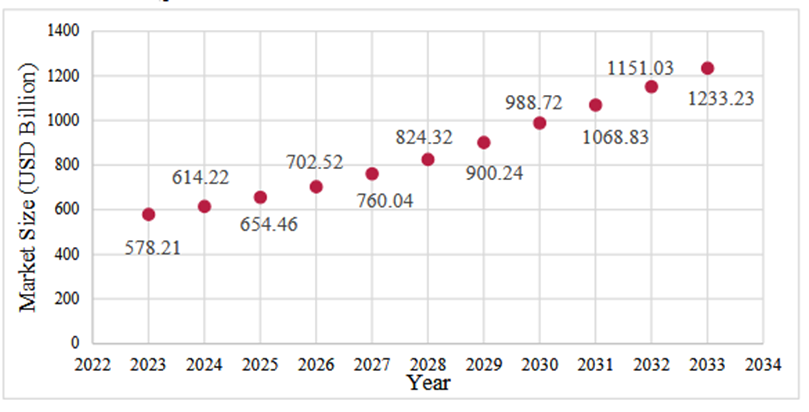
Fig.1: Global Market Size for Personalized Medicine (billion USD)

4. Legislative Policies in the USA & EU for Personalized Medicine

Initiatives like the Critical Path Initiative in the US promote business partnerships to tackle the issues in drug development and accelerate the pace of personalized medicine advancement. As a regulatory agency, the FDA could expedite the development process by endorsing conditional approvals and permitting more affordable and smaller clinical trials for customized medications. Clinical Outcomes of patients and compliance can be tracked via personal Digital Health Technologies (DHTs), ensuring the quality and safety of the treatment [48]. The European Union's governing body, the European Medicines Agency (EMA), is in charge of advancing public health and safety and overseeing and approving innovative treatments and diagnostics. The Centralized approval process of EMA expedites access to PMs across all Member States [49]. Providing patients access to safe and effective medications is one of the EMA's main goals. An "EMA/CHMP think-tank group on innovative drug development" was established to achieve this goal. This specialist group seeks to discover scientific roadblocks in the R&D of the pharmaceutical sector as well as in academic settings that impede the development of novel medications. A comparative analysis of regulations and guidance documents related to personalized medicine in the US and EU is shown in Table 1.

As a next step, cooperation between regulatory bodies, healthcare providers, patient advocacy organizations, and industry players is necessary to develop a legislative framework that promotes innovation, safeguards patient confidentiality, and guarantees the efficient and secure provision of customized medical care. Furthermore, to address the significant disparities in therapeutic accessibility, there is an urgent need for global harmonization across regulatory bodies. To improve accessibility and generalisability, novel therapies should be subjected to Global Clinical Trials (GCTs). Since it is not always practical to design Randomized Controlled Trials (RCTs) involving patients from different countries and ethnicities, it is important to adopt innovative trial designs and complex trials for PMs for rare diseases and other critical disorders.

Table 1: Regulatory Aspects of Personalized Medicines in the US and EU

Aspect

USA

Europe

Regulatory Body

US Food and Drug Administration (FDA)

European Medicines Agency (EMA)

Preferred Term

Precision Medicine

Personalized Medicine

Key Documents

-  Public Human Genetic Variant Databases

-  Design and Validation of NGS-Based IVDs for Germline Disease Diagnosis

- Regulation (EU) 2017/746 (IVDR)

- Regulation (EU) 2016/679 (GDPR)

- Regulation (EU) No 536/2014 (Clinical Trials)

Initial Milestone

Precision Medicine Initiative launched by the US President on December 18, 2015.

European Commission Conference held in 2011 to explore PM perspectives.

Policy Development

Critical Path Initiative

EMA/CHMP Think-Tank Initiative to foster innovative therapies.

Support Structures

Human Genome Project

ERA-PerMed (European Research Area Network for Personalized Medicine)

Table 2: Approved Personalized Medicines in Chemotherapy in 2023 in  EU

Sr.

No.

Region

Active Ingredient

Brand Name

Indication/ Treatment

1

EU

Nivolumab

Opdivo

Melanoma, non-small cell lung cancer

2

EU

Durvalumab

Imfinzi

Non-small cell lung cancer

3

EU

Elotuzumab

Empliciti

Multiple Myeloma

4

EU

“Pembrolizumab”

“Keytruda”

Melanoma: NSCLC: urothelial cancer: head neck cancer

5

EU

Necitumumab

Portrazza

Squamous non-small cell lung cancer

5. Transformational Impact of PM in Oncology

PM has revolutionized oncology, offering transformative advancements in treatment approaches that enhance patients' quality of life. With a deeper understanding of host-related factors, PM ensures long-term survival, reduced toxicity, and improved effectiveness in cancer treatments. For instance, the FDA and the National Comprehensive Cancer Network (NCCN) have established protocols combining chemotherapy with immunotherapies (e.g., ipilimumab and nivolumab) for treating non-small cell lung cancer (NSCLC), achieving high success rates. These innovations are supported by breakthroughs in identifying driver mutations, resistance mutations, and the interplay between cancer and the immune system. However, the implementation of such therapies is often hindered by high costs, requiring innovative solutions to make PM more accessible.

Table 3: FDA issued guidance documents on PM

Title

Year

“IND Submissions for Individualized Antisense Oligonucleotide Drug Products: Administrative and Procedural Recommendations Guidance for Sponsor-Investigators”

2021

“Enrichment Strategies for Clinical Trials to Support Determination of Effectiveness of Human Drugs and Biological Products”

2019

“Principles for Co-development of an In Vitro Companion Diagnostic Device with a Therapeutic Product”

2016

“Clinical Pharmacogenomics: Premarketing Evaluation in Early Phase Clinical Studies and Recommendations for Labelling”

2012

“E16 Guidance on Biomarkers Related to Drug or Biotechnology Products Development: Context, Structure, and Format of Qualification Submissions”

2011

“In vitro Companion Diagnostic Devices”

2011

“Qualification Process for Drug Development Tools Guidance for Industry and FDA Staff”

2010

“E15 Definitions for Genomic Biomarkers, Pharmacogenomics, Pharmacogenetics, Genomic Data and Sample Coding Categories”

2008

“Pharmacogenomic Tests and Genetic Tests for Heritable Markers”

2007

CONCLUSION

The approval process for personalized chemotherapy in the European Union represents a significant advancement in regulatory science, integrating molecular diagnostics with therapeutic evaluation to deliver individualized treatment. The collaboration between the EMA, notified bodies, and Member State authorities under frameworks such as the IVDR and CTR ensures a harmonized and science-driven approach to precision oncology. Future regulatory evolution will increasingly rely on digital infrastructure, real-world data (RWD), and cross-sector collaboration to support efficient evidence generation and post-marketing surveillance. By maintaining a balance between innovation, safety, and accessibility, the EU continues to set a global benchmark for the governance of personalized medicine in chemotherapy. While substantial progress has been made in streamlining approvals through adaptive and accelerated pathways, persistent challenges such as the synchronization of drug–diagnostic co-development, ethical management of genomic data, and equitable access to targeted therapies across Member States must still be addressed.

CONFLICT OF INTEREST

The authors declare no conflict of interest. This review is based on publicly available regulatory and scientific literature, and no financial or personal relationships have influenced its preparation or conclusions.

REFERENCES

  1. World Health Organization. Cancer Fact Sheet. WHO; 2022.
  2. Siegel RL, Miller KD, Jemal A. Cancer statistics, 2023. CA Cancer J Clin. 2023;73(1):17–48.
  3. Ginsburg GS, Phillips KA. Precision medicine: From science to value. Health Aff (Millwood). 2018;37(5):694–701.
  4. Collins FS, Varmus H. A new initiative on precision medicine. N Engl J Med. 2015;372(9):793–5.
  5. EMA. Reflection paper on co-development of medicinal products and companion diagnostics. EMA/CHMP/IVDR/2018.
  6. European Commission. Regulation (EU) 2017/746 on In Vitro Diagnostic Medical Devices. Off J Eur Union. 2017.
  7. EMA. Human medicines: Overview of centralised procedure. EMA; 2023.
  8. European Commission. Regulation (EU) No 536/2014 on Clinical Trials. Off J Eur Union. 2014.
  9. Stratton MR, Campbell PJ, Futreal PA. The cancer genome. Nature. 2009;458(7239):719–24.
  10. Baselga J. Targeting the PI3 kinase pathway in breast cancer. Oncologist. 2011;16(Suppl 1):12–9.
  11. FDA–NIH Biomarker Working Group. BEST (Biomarkers, Endpoints, and other Tools) Resource. 2016.
  12. Johnson JA, Cavallari LH. Pharmacogenetics and pharmacogenomics in personalized medicine. Annu Rev Pharmacol Toxicol. 2013;53:349–75.
  13. Andre F et al. Personalized medicine in oncology: New perspectives and challenges. Ann Oncol. 2018;29(3):606–12.
  14. Van Cutsem E et al. KRAS status and efficacy of cetuximab in colorectal cancer. N Engl J Med. 2009;360(14):1408–17.
  15. Chapman PB et al. Improved survival with vemurafenib in melanoma with BRAF V600E mutation. N Engl J Med. 2011;364(26):2507–16.
  16. Schilsky RL. Personalized medicine in oncology: The future is now. Nat Rev Drug Discov. 2010;9(5):363–6.
  17. European Parliament. Regulation (EC) No 726/2004. Off J Eur Union. 2004.
  18. European Commission. Directive 2001/83/EC. Off J Eur Union. 2001.
  19. EMA. CHMP procedural advice for oncology products. EMA/CHMP/2023.
  20. European Commission. IVDR Implementation Guidance. 2022.
  21. Notified Body Operations Group (NBOG). Best Practice Guidance for IVD Conformity Assessment. 2023.
  22. EMA. Clinical Trials Information System (CTIS): User Guidance. 2023.
  23. US FDA. Guidance on biomarker qualification. 2022.
  24. Redman MW, et al. Basket trials in oncology: An overview. Ann Oncol. 2017;28(1):34–43.
  25. EMA. Marketing authorisation procedures: Human medicines. 2023.
  26. EMA. EMA–Notified Body consultation procedure under IVDR. 2023.
  27. EMA. Guideline on good pharmacovigilance practices (GVP Module V). 2023.
  28. EMA. PRIME: Priority medicines. 2022.
  29. EMA. Conditional marketing authorisation. 2023.
  30. EMA. Accelerated assessment of medicines. 2022.
  31. EMA. Adaptive pathways: Pilot project report. 2016.
  32. Khoury MJ, et al. Current approaches for clinical implementation of precision oncology. CA Cancer J Clin. 2020;70(1):79–97.
  33. European Commission. General Data Protection Regulation (GDPR) (EU 2016/679). Official J Eur Union. 2016.
  34. Sullivan R, et al. Global access to cancer medicines. Lancet Oncol. 2017;18(1):39–42.
  35. Garraway LA, Verweij J, Ballman KV. Precision oncology: An overview. Nat Rev Clin Oncol. 2013;10(3):160–70.
  36. EMA. Co-development challenges of medicinal products and diagnostics. EMA/IVDR/2022.
  37. EUnetHTA. Joint HTA framework for companion diagnostics. 2023.
  38. EMA. Herceptin EPAR – Product Information. EMA; 2023.
  39. EMA. Zelboraf EPAR – Product Information. EMA; 2023.
  40. EMA. Keytruda EPAR – Product Information. EMA; 2023.
  41. European Commission. Horizon Europe Strategic Plan 2021–2027. 2021.
  42. EMA. DARWIN EU® Initiative for real-world evidence. EMA; 2023.
  43. Druker BJ, et al. Efficacy of imatinib in chronic myelogenous leukemia. N Engl J Med. 2001;344(14):1031–7.
  44. Garraway LA, Verweij J, Ballman KV. Precision oncology: An overview. Nat Rev Clin Oncol. 2013;10(3):160–70.
  45. Pepe MS, et al. Phases of biomarker development for early detection of cancer. JNCI. 2001;93(14):1054–61.
  46. Druker BJ, et al. Efficacy of imatinib in chronic myelogenous leukemia. N Engl J Med. 2001;344(14):1031–7.
  47. Stratton MR, Campbell PJ, Futreal PA. The cancer genome. Nature. 2009;458(7239):719–24.
  48. Schilsky RL. Personalized medicine in oncology: The future is now. Nat Rev Drug Discov. 2010;9(5):363–6.
  49. Garraway LA, Verweij J, Ballman KV. Precision oncology: An overview. Nat Rev Clin Oncol. 2013;10(3):160–70.
  50. Collins FS, Varmus H. A new initiative on precision medicine. N Engl J Med. 2015;372(9):793–5.
  51. Trusheim MR, et al. Adaptive licensing in Europe: What’s the evidence? Clin Pharmacol Ther. 2015;97(5):410–3.
  52. Ford I, Norrie J. Pragmatic trials. N Engl J Med. 2016;375(5):454–63.
  53. Redman MW, et al. Basket trials in oncology: An overview. Ann Oncol. 2017;28(1):34–43.
  54. EMA. Reflection paper on co-development of medicinal products and companion diagnostics. EMA/CHMP/IVDR/2018.
  55. Budin-Ljøsne I, et al. Dynamic consent in research: Opportunities and challenges. J Med Ethics. 2017;43:445–50.
  56. Chalkidou K, et al. HTA evidence requirements for personalised medicine. Health Policy. 2019;123:974–84.
  57. Topol EJ. High-performance medicine: the convergence of human and artificial intelligence. Nat Med. 2019;25:44–56.
  58. European Commission. Regulation (EU) 2017/746 (IVDR). 2021.
  59. Sherman RE, et al. Real-world evidence—what is it and what can it tell us? N Engl J Med. 2021;375:2293–7.
  60. MedTech Europe. Clinical evidence requirements under IVDR. 2023.
  61. EMA. PRIME: Priority medicines guidance. 2023.
  62. EMA. DARWIN EU initiative: Real-world evidence. 2023.
  63. European Parliament. Reform of the EU Pharmaceutical Legislation. 2024.
  64. IQVIA. Companion diagnostics insight brief. 2024.
  65. Eur J Cancer. Real-world evidence in oncology decision-making. 2024.
  66. European Commission. Implementation of regulatory reforms for medicinal products. 2025.
  67. Comparative study on EU–US–UK regulatory systems for precision medicine. J Neonatal Surg. 2025;14(3):1–8.
  68. J Clin Pharmacol. Real-world evidence and regulatory decision-making. 2025;65(4):512–20.
  69. EMA–MDCG. Guidance on IVDR operational implementation. 2025.
  70. Personalized Medicine Market Size, Share, and Trends 2024 to 2034. Available online: https://www.precedenceresearch.com/personalized-medicine-market (accessed on 26 July 2024).
  71. Hemburg MA. Paving the Way for Personalized Medicine. FDA’s Role in a New Era of Medical Product Development. October 2013.
  72. Directive 2005/36/EC of the European Parliament and of the Council of 7 September 2005 on the recognition of professional qualifications. Available online: https://eur-lex.europa.eu/legal-(accessed online).
  73. Nimmesgern E, Benediktsson I, Norstedt I. Personalized medicine in Europe. Clin Transl Sci. 2017;10(2):61–63. doi: 10.1111/cts.12446.
  74. Knowles L, Luth W, Bubela T. Paving the road to personalized medicine: recommendations on regulatory, intellectual property and reimbursement challenges. J Law Biosci. 2017;4(3):453–506. doi: 10.1093/jlb/lsx030.
  75. IND Submissions for Individualized Antisense Oligonucleotide Drug Products: Administrative and Procedural Recommendations Guidance for Sponsor-Investigators. Available online: https://www.fda.gov/media/144872/download (accessed on 2 August 2024).
  76. European Union. The EU Health Strategy. Available online: https://europa.eu/european-union/policies/health_en(accessed on 03 August 2024).
  77. Commission Implementing Decision (EU) 2020/1277 of 29 September 2020 on the adoption of a framework for the interoperability of electronic health records. Available online: https://eur-lex.europa.eu/legal-content/EN/TXT/?uri=CELEX%3A32020D1277(accessed on 03 August 2024).
  78. Guidance for Industry Pharmacogenomic Data Submissions. Available online: https://www.fda.gov/media/122944/download(accessed on 2 August 2024).
  79. Pharmacogenomic Tests and Genetic Tests for Heritable Markers. Available online: https://www.fda.gov/regulatory-information/search-fda-guidance-documents/pharmacogenetic-tests-and-genetic-tests-heritable-markers(accessed on 2 August 2024).
  80. E15 Definitions for Genomic Biomarkers, Pharmacogenomics, Pharmacogenetics, Genomic Data and Sample Coding Categories. Available online: https://www.fda.gov/media/71389/download(accessed on 2 August 2024).
  81. Qualification Process for Drug Development Tools Guidance for Industry and FDA Staff. Available online: https://www.fda.gov/regulatory-information/search-fda-guidance-documents/qualification-process-drug-development-tools-guidance-industry-and-fda-staff(accessed on 2 August 2024).
  82. E16 Guidance on Biomarkers Related to Drug or Biotechnology Products Development: Context, Structure, and Format of Qualification Submissions. Available online: https://www.fda.gov/regulatory-information/search-fda-guidance-documents/e16-biomarkers-related-drug-or-biotechnology-product-development-context-structure-and-format(accessed on 2 August 2024).
  83. In vitro Companion Diagnostic Devices. Available online: https://www.fda.gov/regulatory-information/search-fda-guidance-documents/in-vitro-companion-diagnostic-devices(accessed on 2 August 2024).
  84. Clinical Pharmacogenomics: Premarketing Evaluation in Early Phase Clinical Studies and Recommendations for Labelling. Available online: https://www.fda.gov/files/drugs/published/Clinical-Pharmacogenomics--Premarket-Evaluation-in-Early-Phase-Clinical-Studies-and-Recommendations-for-Labeling.pdf(accessed on 2 August 2024).
  85. Principles for Co-development of an In Vitro Companion Diagnostic Device with a Therapeutic Product. Available online: https://www.fda.gov/regulatory-information/search-fda-guidance-documents/principles-codevelopment-in-vitro-companion-diagnostic-device-therapeutic-product(accessed on 2 August 2024).
  86. Enrichment Strategies for Clinical Trials to Support Determination of Effectiveness of Human Drugs and Biological Products. Available online: https://www.fda.gov/regulatory-information/search-fda-guidance-

Reference

  1. World Health Organization. Cancer Fact Sheet. WHO; 2022.
  2. Siegel RL, Miller KD, Jemal A. Cancer statistics, 2023. CA Cancer J Clin. 2023;73(1):17–48.
  3. Ginsburg GS, Phillips KA. Precision medicine: From science to value. Health Aff (Millwood). 2018;37(5):694–701.
  4. Collins FS, Varmus H. A new initiative on precision medicine. N Engl J Med. 2015;372(9):793–5.
  5. EMA. Reflection paper on co-development of medicinal products and companion diagnostics. EMA/CHMP/IVDR/2018.
  6. European Commission. Regulation (EU) 2017/746 on In Vitro Diagnostic Medical Devices. Off J Eur Union. 2017.
  7. EMA. Human medicines: Overview of centralised procedure. EMA; 2023.
  8. European Commission. Regulation (EU) No 536/2014 on Clinical Trials. Off J Eur Union. 2014.
  9. Stratton MR, Campbell PJ, Futreal PA. The cancer genome. Nature. 2009;458(7239):719–24.
  10. Baselga J. Targeting the PI3 kinase pathway in breast cancer. Oncologist. 2011;16(Suppl 1):12–9.
  11. FDA–NIH Biomarker Working Group. BEST (Biomarkers, Endpoints, and other Tools) Resource. 2016.
  12. Johnson JA, Cavallari LH. Pharmacogenetics and pharmacogenomics in personalized medicine. Annu Rev Pharmacol Toxicol. 2013;53:349–75.
  13. Andre F et al. Personalized medicine in oncology: New perspectives and challenges. Ann Oncol. 2018;29(3):606–12.
  14. Van Cutsem E et al. KRAS status and efficacy of cetuximab in colorectal cancer. N Engl J Med. 2009;360(14):1408–17.
  15. Chapman PB et al. Improved survival with vemurafenib in melanoma with BRAF V600E mutation. N Engl J Med. 2011;364(26):2507–16.
  16. Schilsky RL. Personalized medicine in oncology: The future is now. Nat Rev Drug Discov. 2010;9(5):363–6.
  17. European Parliament. Regulation (EC) No 726/2004. Off J Eur Union. 2004.
  18. European Commission. Directive 2001/83/EC. Off J Eur Union. 2001.
  19. EMA. CHMP procedural advice for oncology products. EMA/CHMP/2023.
  20. European Commission. IVDR Implementation Guidance. 2022.
  21. Notified Body Operations Group (NBOG). Best Practice Guidance for IVD Conformity Assessment. 2023.
  22. EMA. Clinical Trials Information System (CTIS): User Guidance. 2023.
  23. US FDA. Guidance on biomarker qualification. 2022.
  24. Redman MW, et al. Basket trials in oncology: An overview. Ann Oncol. 2017;28(1):34–43.
  25. EMA. Marketing authorisation procedures: Human medicines. 2023.
  26. EMA. EMA–Notified Body consultation procedure under IVDR. 2023.
  27. EMA. Guideline on good pharmacovigilance practices (GVP Module V). 2023.
  28. EMA. PRIME: Priority medicines. 2022.
  29. EMA. Conditional marketing authorisation. 2023.
  30. EMA. Accelerated assessment of medicines. 2022.
  31. EMA. Adaptive pathways: Pilot project report. 2016.
  32. Khoury MJ, et al. Current approaches for clinical implementation of precision oncology. CA Cancer J Clin. 2020;70(1):79–97.
  33. European Commission. General Data Protection Regulation (GDPR) (EU 2016/679). Official J Eur Union. 2016.
  34. Sullivan R, et al. Global access to cancer medicines. Lancet Oncol. 2017;18(1):39–42.
  35. Garraway LA, Verweij J, Ballman KV. Precision oncology: An overview. Nat Rev Clin Oncol. 2013;10(3):160–70.
  36. EMA. Co-development challenges of medicinal products and diagnostics. EMA/IVDR/2022.
  37. EUnetHTA. Joint HTA framework for companion diagnostics. 2023.
  38. EMA. Herceptin EPAR – Product Information. EMA; 2023.
  39. EMA. Zelboraf EPAR – Product Information. EMA; 2023.
  40. EMA. Keytruda EPAR – Product Information. EMA; 2023.
  41. European Commission. Horizon Europe Strategic Plan 2021–2027. 2021.
  42. EMA. DARWIN EU® Initiative for real-world evidence. EMA; 2023.
  43. Druker BJ, et al. Efficacy of imatinib in chronic myelogenous leukemia. N Engl J Med. 2001;344(14):1031–7.
  44. Garraway LA, Verweij J, Ballman KV. Precision oncology: An overview. Nat Rev Clin Oncol. 2013;10(3):160–70.
  45. Pepe MS, et al. Phases of biomarker development for early detection of cancer. JNCI. 2001;93(14):1054–61.
  46. Druker BJ, et al. Efficacy of imatinib in chronic myelogenous leukemia. N Engl J Med. 2001;344(14):1031–7.
  47. Stratton MR, Campbell PJ, Futreal PA. The cancer genome. Nature. 2009;458(7239):719–24.
  48. Schilsky RL. Personalized medicine in oncology: The future is now. Nat Rev Drug Discov. 2010;9(5):363–6.
  49. Garraway LA, Verweij J, Ballman KV. Precision oncology: An overview. Nat Rev Clin Oncol. 2013;10(3):160–70.
  50. Collins FS, Varmus H. A new initiative on precision medicine. N Engl J Med. 2015;372(9):793–5.
  51. Trusheim MR, et al. Adaptive licensing in Europe: What’s the evidence? Clin Pharmacol Ther. 2015;97(5):410–3.
  52. Ford I, Norrie J. Pragmatic trials. N Engl J Med. 2016;375(5):454–63.
  53. Redman MW, et al. Basket trials in oncology: An overview. Ann Oncol. 2017;28(1):34–43.
  54. EMA. Reflection paper on co-development of medicinal products and companion diagnostics. EMA/CHMP/IVDR/2018.
  55. Budin-Ljøsne I, et al. Dynamic consent in research: Opportunities and challenges. J Med Ethics. 2017;43:445–50.
  56. Chalkidou K, et al. HTA evidence requirements for personalised medicine. Health Policy. 2019;123:974–84.
  57. Topol EJ. High-performance medicine: the convergence of human and artificial intelligence. Nat Med. 2019;25:44–56.
  58. European Commission. Regulation (EU) 2017/746 (IVDR). 2021.
  59. Sherman RE, et al. Real-world evidence—what is it and what can it tell us? N Engl J Med. 2021;375:2293–7.
  60. MedTech Europe. Clinical evidence requirements under IVDR. 2023.
  61. EMA. PRIME: Priority medicines guidance. 2023.
  62. EMA. DARWIN EU initiative: Real-world evidence. 2023.
  63. European Parliament. Reform of the EU Pharmaceutical Legislation. 2024.
  64. IQVIA. Companion diagnostics insight brief. 2024.
  65. Eur J Cancer. Real-world evidence in oncology decision-making. 2024.
  66. European Commission. Implementation of regulatory reforms for medicinal products. 2025.
  67. Comparative study on EU–US–UK regulatory systems for precision medicine. J Neonatal Surg. 2025;14(3):1–8.
  68. J Clin Pharmacol. Real-world evidence and regulatory decision-making. 2025;65(4):512–20.
  69. EMA–MDCG. Guidance on IVDR operational implementation. 2025.
  70. Personalized Medicine Market Size, Share, and Trends 2024 to 2034. Available online: https://www.precedenceresearch.com/personalized-medicine-market (accessed on 26 July 2024).
  71. Hemburg MA. Paving the Way for Personalized Medicine. FDA’s Role in a New Era of Medical Product Development. October 2013.
  72. Directive 2005/36/EC of the European Parliament and of the Council of 7 September 2005 on the recognition of professional qualifications. Available online: https://eur-lex.europa.eu/legal-(accessed online).
  73. Nimmesgern E, Benediktsson I, Norstedt I. Personalized medicine in Europe. Clin Transl Sci. 2017;10(2):61–63. doi: 10.1111/cts.12446.
  74. Knowles L, Luth W, Bubela T. Paving the road to personalized medicine: recommendations on regulatory, intellectual property and reimbursement challenges. J Law Biosci. 2017;4(3):453–506. doi: 10.1093/jlb/lsx030.
  75. IND Submissions for Individualized Antisense Oligonucleotide Drug Products: Administrative and Procedural Recommendations Guidance for Sponsor-Investigators. Available online: https://www.fda.gov/media/144872/download (accessed on 2 August 2024).
  76. European Union. The EU Health Strategy. Available online: https://europa.eu/european-union/policies/health_en(accessed on 03 August 2024).
  77. Commission Implementing Decision (EU) 2020/1277 of 29 September 2020 on the adoption of a framework for the interoperability of electronic health records. Available online: https://eur-lex.europa.eu/legal-content/EN/TXT/?uri=CELEX%3A32020D1277(accessed on 03 August 2024).
  78. Guidance for Industry Pharmacogenomic Data Submissions. Available online: https://www.fda.gov/media/122944/download(accessed on 2 August 2024).
  79. Pharmacogenomic Tests and Genetic Tests for Heritable Markers. Available online: https://www.fda.gov/regulatory-information/search-fda-guidance-documents/pharmacogenetic-tests-and-genetic-tests-heritable-markers(accessed on 2 August 2024).
  80. E15 Definitions for Genomic Biomarkers, Pharmacogenomics, Pharmacogenetics, Genomic Data and Sample Coding Categories. Available online: https://www.fda.gov/media/71389/download(accessed on 2 August 2024).
  81. Qualification Process for Drug Development Tools Guidance for Industry and FDA Staff. Available online: https://www.fda.gov/regulatory-information/search-fda-guidance-documents/qualification-process-drug-development-tools-guidance-industry-and-fda-staff(accessed on 2 August 2024).
  82. E16 Guidance on Biomarkers Related to Drug or Biotechnology Products Development: Context, Structure, and Format of Qualification Submissions. Available online: https://www.fda.gov/regulatory-information/search-fda-guidance-documents/e16-biomarkers-related-drug-or-biotechnology-product-development-context-structure-and-format(accessed on 2 August 2024).
  83. In vitro Companion Diagnostic Devices. Available online: https://www.fda.gov/regulatory-information/search-fda-guidance-documents/in-vitro-companion-diagnostic-devices(accessed on 2 August 2024).
  84. Clinical Pharmacogenomics: Premarketing Evaluation in Early Phase Clinical Studies and Recommendations for Labelling. Available online: https://www.fda.gov/files/drugs/published/Clinical-Pharmacogenomics--Premarket-Evaluation-in-Early-Phase-Clinical-Studies-and-Recommendations-for-Labeling.pdf(accessed on 2 August 2024).
  85. Principles for Co-development of an In Vitro Companion Diagnostic Device with a Therapeutic Product. Available online: https://www.fda.gov/regulatory-information/search-fda-guidance-documents/principles-codevelopment-in-vitro-companion-diagnostic-device-therapeutic-product(accessed on 2 August 2024).
  86. Enrichment Strategies for Clinical Trials to Support Determination of Effectiveness of Human Drugs and Biological Products. Available online: https://www.fda.gov/regulatory-information/search-fda-guidance-

Photo
Nikita Delmade
Corresponding author

Indira College of Pharmacy, Vishnupuri, Nanded, Maharashtra, India

Photo
Rohit Muneshwar
Co-author

Indira College of Pharmacy, Vishnupuri, Nanded, Maharashtra, India

Photo
Dr. Vijay Navghare
Co-author

Indira College of Pharmacy, Vishnupuri, Nanded, Maharashtra, India

Photo
Dr. Suryakant Jadhav
Co-author

Indira College of Pharmacy, Vishnupuri, Nanded, Maharashtra, India

Photo
Bhagwat Deshmukh
Co-author

Indira College of Pharmacy, Vishnupuri, Nanded, Maharashtra, India

Nikita Delmade, Rohit Muneshwar, Dr. Vijay Navghare, Dr. Suryakant Jadhav, Bhagwat Deshmukh, The Approval Process of Personalized Medicine for Chemotherapy in European Union, Int. J. of Pharm. Sci., 2026, Vol 4, Issue 2, 4183-4192. https://doi.org/10.5281/zenodo.18791705

More related articles
The Role of Antiplatelet Agents in Clinical Practi...
Stephy Ponnachan, J. S. Venkatesh, Shrikanth Godi, Sraddha R., ...
Formulation & Evaluation of Polyherbal Anti-Microbial Ointment of Blumea Lacera ...
Harshala Shirose, Harsh Suroshe, Girish Kokate, Rohit Aghane, Dr. Rajanikant Kokate, ...
The Integration of Traditional and Modern Medicine: Future Prospects for Pharmac...
Manojit Kundu, Shaheen Parveen, Meghna Chowdhury, Rishikesh Ishore, Atanu Bag, Souvik Bhattacharyya,...
Related Articles
Navigating the Depths: Understanding Postpartum Depression ...
Taufik Mulla, Nupur Shah, Vama Bhavsar, Tulsi Bhatiya, ...
A Review On Excipient Used In Preparation/ Formulation Of Solid Dosage Form ...
Nikita Nagnath bagal, Radhika S. Subhedar, Nilesh B. Chougale, ...
From Ethno-medicine to Pharmacology: Therapeutic Potential of Medicinal Plants o...
Dr. Zabiulla, Mohammed Shaik , Rayees Afzal Mir, Princy A. R., Hamsa K. R, Archana K. N, Vivek Krish...
