
View Article

Abstract

Cubosomes are self-assembled nanostructured liquid crystalline particles derived from lipid-based bicontinuous cubic phases and stabilized by polymeric surfactants. Their architecture, consisting of a continuous lipid bilayer with interwoven aqueous channels, provides a large internal surface area that enables the efficient encapsulation of hydrophilic, hydrophobic, and amphiphilic molecules. Compared to conventional liposomes, cubosomes offer higher drug-loading capacity, enhanced stability, biocompatibility, and controlled release properties. They can be fabricated by top-down or bottom-up approaches using amphiphilic lipids such as monoolein and phytantriol, while surface functionalization of the polymeric corona facilitates targeted and site-specific delivery. These features allow cubosomes to sustain drug release, protect labile molecules, and improve bioavailability, supporting their application across diverse administration routes including ocular, oral, intravenous, transdermal, and topical delivery. Recent studies highlight their promise in the delivery of anticancer agents, peptides, proteins, nucleic acids, and cosmeceuticals. Despite these advantages, challenges remain in large-scale manufacturing, viscosity-related processing, and long-term stability. However, ongoing advances in formulation optimization, functionalization, and characterization continue to enhance their translational potential. This review summarizes the composition, preparation techniques, drug-loading strategies, and therapeutic applications of cubosomes, while addressing their limitations and future prospects as multifunctional nanocarriers in next-generation drug delivery and biomedical systems.

Keywords

Cubosomes, lipid-based nanocarriers, drug delivery, sustained release, targeted therapy, nanomedicine.

Introduction

Lipid-based nanocarriers have emerged as a versatile class of drug-delivery systems due to their inherent biocompatibility, biodegradability, and ability to encapsulate a wide range of therapeutic agents. Among these, non-lamellar mesophasic nanostructured materials derived from lyotropic liquid crystals (LLCs) have gained increasing attention for biomedical applications. In particular, cubosomes, which are self-assembled bicontinuous cubic-phase nanostructures, represent a unique and highly promising platform. These nanoparticles are formed when amphiphilic lipids such as monoolein or phytantriol spontaneously organize into a three-dimensional cubic lattice in excess water, stabilized by a polymer-based outer corona. Their architecture is characterized by a continuous lipid bilayer separating two interpenetrating aqueous channels, resulting in a large internal surface area and high structural complexity.

This intricate geometry confers several advantages over conventional lamellar systems such as liposomes. The bicontinuous cubic phase provides significantly greater membrane surface area for the incorporation of membrane proteins, small molecules, and bioactive compounds, while the interconnected aqueous channels enable efficient entrapment of hydrophilic, hydrophobic, and amphiphilic agents. Furthermore, the polymer corona not only stabilizes the cubosomes under physiological conditions but can also be functionalized to impart targeting capabilities, thereby enhancing site-specific delivery and reducing off-target effects.

Recent years have witnessed rapid progress in the design, engineering, and biomedical application of cubosomes. Their ability to encapsulate and sustain the release of both small-molecule drugs and large biomolecules such as peptides, proteins, and nucleic acids has positioned them as attractive candidates for next-generation nanomedicine. Controlled drug release can be achieved through surface modification, ligand attachment, or tuning of the lipid composition to alter pore size and fluidity. Importantly, their self-assembling nature enables relatively simple and scalable production through top-down or bottom-up fabrication approaches, making them compatible with translational research and industrial-scale applications.

Beyond drug delivery, cubosomes have demonstrated potential in membrane bioreactors, artificial cells, and biosensors, owing to their resemblance to biological membranes and their ability to host functional proteins. Their highly ordered nanostructure can also be harnessed in imaging, diagnostics, and vaccine delivery. However, despite these advances, challenges remain in optimizing large-scale manufacturing, ensuring reproducibility, and addressing issues such as in vivo stability, biodistribution, and immune responses.

In this review, we present a comprehensive overview of the current state of cubosome research. We outline their composition, structural features, preparation methods, encapsulation strategies, and mechanisms of drug loading and release. Furthermore, we highlight recent advances in their biomedical applications, discuss ongoing challenges, and provide guidelines for the rational design of cubosome-based systems aimed at clinical translation.
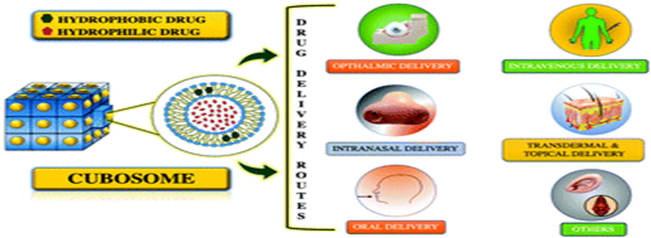
Figure 1 : Review of the state of the Drug Delivery

Reproduced from Abourehab et al. (2022), J. Mater. Chem. B : Cubosomes as an emerging platform for drug delivery: a review of the state of the art” journals of materials chemistry B issue 5 .

IDEAL PROPERTIES OF CUBOSOMES

  1. Enhanced Physicochemical Stability: Cubosomes demonstrate superior colloidal and structural stability compared to conventional nanoparticles, effectively protecting encapsulated drugs from chemical and enzymatic degradation, thereby preserving therapeutic potency during storage and in vivo delivery.
  2. Dual Drug Encapsulation Capability: The unique lipidic cubic phase allows simultaneous encapsulation of both hydrophilic and hydrophobic drugs, facilitating versatile drug delivery and improved solubilization, which enhances bioavailability and pharmacokinetic performance.
  3. Intrinsic Biocompatibility: Constructed primarily from physiologically compatible lipids, cubosomes exhibit minimal cytotoxicity and immunogenicity, ensuring safe administration and reduced risk of adverse reactions.
  4. High Drug Loading Efficiency: The extensive internal surface area and cubic nanostructure provide a high capacity for drug incorporation, enabling significant payload loading without compromising structural integrity.
  5. Biodegradability: Lipid components of cubosomes are enzymatically degradable in vivo, allowing controlled disassembly and safe elimination after therapeutic delivery.
  6. Scalable and Simple Fabrication: Cubosomes can be prepared through straightforward methods such as top-down or bottom-up approaches, allowing reproducible and scalable production for pharmaceutical applications.
  7. Targeted Delivery Potential: Functionalization with targeting ligands (e.g., antibodies, peptides) enables site-specific drug delivery, enhancing therapeutic efficacy while minimizing systemic exposure and off-target effects.

TYPES OF CUBOSOMES

Cubosomes can be classified based on several criteria, primarily internal structure (symmetry) and channel connectivity. Here’s a breakdown of the main types of cubosomes:

  1. Based on internal cubic phase symmetry:

These types correspond to the specific cubic phase group that define the internal architecture of the cubosomes.

  1. Gyroid
  • One of the most common types.
  • Features a triply periodic minimal surface with two non –intersecting, continuous water channels.
  • High surface area and complex internal geometry
  • Suitable for sustained drug release due to tortuous diffusion paths.
  1. Primitive
  • More open and less tortuous than the gyroid phase.
  • Allows faster diffusion, which can be useful for rapid drug delivery applications.
  1. Diamond
  • Intermediate between gyroid and primitive in terms of channel complexity.
  1. Based on the channel connectivity:

These defines how the internal aqueous channels interact with external environment.

  1. Open cubosomes
  • Both aqueous channels are connected to the exterior.
  • Can allow for enhanced material exchange, e.g.: faster release or uptake of solutes.
  1. Closed cubosomes
  • Only one channel connects to the exterior, the other is isolated.
  • Provides controlled release, with restricted exchange between internal and external environments.

ADVANTAGES OF CUBOSOMES

  1. Biocompatibility and Safety: Cubosomes are biocompatible, biodegradable, bioadhesive, non-toxic, non-irritant, and thermodynamically stable.
  2. Versatile Drug Encapsulation: They can encapsulate hydrophilic, hydrophobic, and amphiphilic molecules efficiently.
  3. Unique Nano-architecture: Their 3D nanostructure, with both hydrophilic and hydrophobic domains, enables controlled and sustained drug release.
  4. Enhanced Solubility: Cubosomes exhibit superior solubilizing capacity compared to conventional lipids and non-lipid carriers.
  5. High Drug Loading: Due to their large internal surface area, cubosomes can accommodate a high payload of drugs.
  6. Improved Bioavailability: They significantly enhance the bioavailability of water-soluble peptides (20–100 fold reported).
  7. Industrial Applications: Besides drug delivery, cubosomes are used as stabilizers in oil-in-water emulsions, pollutant absorbers, and cosmetic formulations.
  8. Economic Benefits: They require relatively low-cost raw materials and are economically feasible.
  9. Simple Preparation: Their formulation is comparatively simple, making them promising solubilizers among lipid-based carriers.
  10. Sustained Release: The large interfacial surface area provides complex diffusion pathways, allowing for continuous and controlled release of entrapped molecules.

DISADVANTAGES OF CUBOSOMES

  1. Low Entrapment of Hydrophilic Drugs: The high-water content reduces encapsulation efficiency for water-soluble molecules.
  2. Instability Issues: Cubosomes may leak their cargo during storage or in vivo circulation.
  3. Phase Transition Risk: Exposure to environmental factors can induce phase changes, affecting stability and performance.
  4. Particle Growth: Prolonged storage may lead to particle aggregation or growth.
  5. High Viscosity: Their viscous nature complicates large-scale manufacturing and handling.
  6. Scale-up Challenges: Industrial production can be difficult due to viscosity-related processing limitations.
  7. Polymer-based Formulations: When drugs are polymer-associated, cubosomes may fail to provide controlled or sustained release.

APPLICATIONS

  • Controlled or Sustained release action-

In Recent days, some anticancer drugs have been naturally packaged (encapsulated) in bulk& are characterized by physiochemical properties. The special structure of these promising Nano carriers indicates its application in this therapy.

Various techniques have been investigated to specifically Target Nano-drugs to tumour regions of the body with active and passive targeting of cancer cells in preclinical & clinical  studies to target nano-medicines to tumour regions in the body by active and passive targeting of cancer Deals with viral infections.

  • Optical (ocular) delivery system-

Oral Drug delivery system presents many challenges such as Large Molecules, Water solubility, less absorption. Cubosomes type of preparation can overcome all these challenges. They also have another advantage, which is to release the drug at different sites and this is necessary in cases where the drug has a narrow absorption E.g.; Dexamethasone:  Cubosomes improve the pre ocular retention time and ocular bioavailability of dexamethasone which is used in the   treatment of anterior ocular inflammation

  • Intravenous Drug delivery systems

Compared to liposomes cubosomes have promising   properties of high drug loading. It is also the most suitable carrier for injection. Some of the insoluble small molecules are supplied by cubosomes .it also act as a precursor for the delivery of viscous substances. Therefore, upon subcutaneous injection the lamellar phase is initially fluid but later absorbs water for the environment and Transforms into the cubic phase. It is involved in forming a depot in situ

  •  Topical Drug Delivery System-

Cubosomes are basically bio-Adhesive in Nature and High Permeability which help in increase liquid fluidity and enhance the skin permeability of the drug. So we are used them in mucosal as well as topical drug delivery systems.

Eg: Capsaicin -. Cubosomes provided sustained release of capsaicin, prolonged skin retention with no irritation to skin and render capsaicin stable under strong light and high temperature. Capsaicin Used in the treatment of psoriasis, pruritus, and contact allergy

  • Mucosal and topical depositions-

Cubic Phase is inherently more bio adhesive and convenient for topical & mucosal deposition and delivery of various drugs

  • In Malignant Melanoma Therapy and Transcutaneous Drug Delivery System-

Used to increase the therapeutic effect of drug example: Insulin patches and Scopolamine patches used to cure motion sickness [6

  • Oral Drug Delivery-

Dosage form challenges, low solubility low absorption, large molecular size. Cubosomes technology provides drug release at different absorption sites having narrow absorption window. This type of dosage form is important for dugs clopidogrel bisulphate myocardial infarction & stroke and increase release of drug.

  • Drug Delivery Vehicle-

Latest evolution by L” oreal  and Nivea in the field of cubosomes is they had prepared emulsion (oil in water type) for cosmetic purposes.

  • Deals with Viral Infections.

Deals with viral infection lipids used in cubosomes, formulations such as monoglycerides, have bactericidal activity. they are therefore suitable for the treatment of STD Caused by both virus (HIV) and bacteria (Genorrticae).
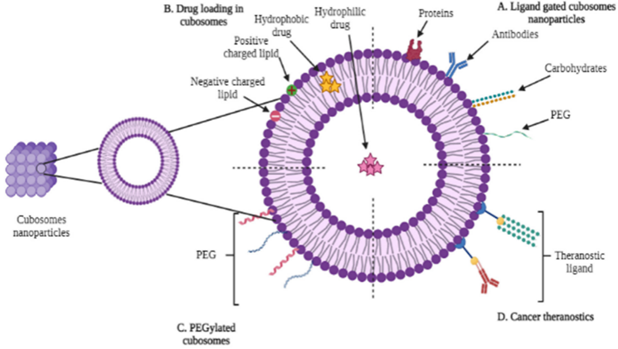
Figure 2 :  Cubosome; design, development & Targeted drug delivery application

Reproduced from Hassaan Umar, Habibah AWahab , Amirah Mohd Gazzali, Hafsa Tahir, Waqas Ahamad :Cubosomes ; Design ,development and tumour-targeted drug delivery applications in MDPI polymers (PubMed) , 2022 July 31 ;14(15) :3118

TRANSDERMAL DRUG DELIVERY OF CUBOSOMES

The stratum corneum, being the highly organized outermost skin layer, acts as a major barrier to transdermal drug delivery. Cubosomes, owing to their bioadhesive and structural properties, have emerged as promising carriers for topical and mucosal drug delivery. Their bioadhesion, largely attributed to glyceryl monooleate (GMO), enhances drug retention within skin layers, thereby improving therapeutic efficacy.

Recent studies highlight several dermatological applications of cubosomes, including:

  • Transcutaneous Immunization (TCI): Cubosomes have been employed as vaccine carriers for skin-based immunization. When combined with microneedles (MNs), the system significantly improves skin permeation of aqueous peptide mixtures, while cubosome encapsulation prolongs peptide retention within the skin. This synergistic MN–cubosome strategy has proven highly effective for targeted delivery of antigens to immune cells.
  • Topical Drug Delivery: Cubosomes have been investigated for localized delivery of peptides, proteins, and other therapeutic agents, showing enhanced permeation and sustained release compared to conventional formulations.
  • Dermatological Therapy: Applications extend to the treatment of skin infections, inflammatory conditions, and cosmetic formulations, where cubosomes improve solubility, stability, and skin penetration of active compounds.

FORMULATION TECHNIQUES OF CUBOSOMES

Cubosomes are generally prepared using two principal approaches: the top-down and bottom-up methods. In both cases, the use of a stabilizer such as poloxamer 407 (F127) is essential to prevent aggregation of the dispersed particles. The selection of the preparation strategy mainly depends on the desired stability, biocompatibility, and controlled drug release profile of the final formulation.

Top-Down Approach

The top-down method is the most widely employed strategy for cubosome production. It typically involves two stages:
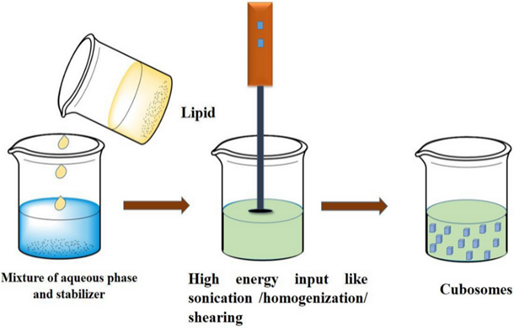
Figure 3 : Schematic representation of cubosome preparation using the top-down method.

Reproduced from Rutuja Suresh Jagtap ,Prajkta Sadanand Ingale, Khushbu Santosh Kahar, Dipali Dodtale B. D. Tiwari : A Review Article On Cubosomes AS A Novel "Drug Delivery Systems.International Journal Of Pharmaceutical Sciences.2010.Volume 02 ; Issue 06

  1. Bulk cubic phase formation:

A cubic phase–forming lipid (e.g., glyceryl monooleate) is mixed with a stabilizer to yield highly viscous cubic aggregates.

  1. Fragmentation and dispersion:

The bulk phase is dispersed in aqueous medium using high-energy input methods such as high-pressure homogenization or probe sonication, resulting in nanosized cubosomal particles. Cubosomes prepared by this method have demonstrated good stability against aggregation for extended periods (up to one year). However, the requirement of intense energy input during dispersion limits its application in large-scale production. Moreover, this technique is not ideal for formulations containing thermolabile or sensitive bioactive molecules, such as peptides and proteins, since high shear and temperature may cause degradation.

Bottom-Up Approach
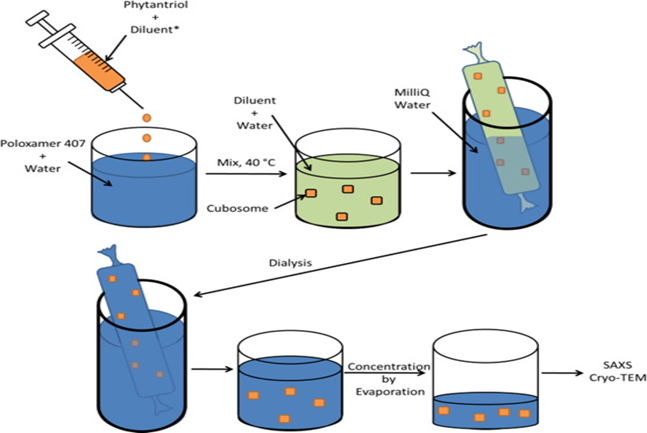
Fig 4 : Schematic representation of cubosome preparation using the bottom-up method

Reproduced from Saffron J. , Bryant , Edler : Bottom-up cubosome synthesis without organic solvents.Journal of Colloid and Interface Science.2021;volume 601;Pages 98-105.

The bottom-up strategy, also known as the solvent dilution method, relies on the spontaneous self-assembly of lipid nanostructures at low energy input. In this approach, a mixture of lipid, stabilizer, and a hydrotrope is diluted with an excess of water, leading to the controlled formation of cubosomes.

Hydrotropes play a critical role in this technique. They improve the aqueous solubility of hydrophobic lipids by forming transient complexes and, at the same time, prevent premature formation of bulk liquid crystals. Commonly used hydrotropes include urea, sodium alginate, and sodium benzoate. By modulating solubilization, they enable the preparation of cubosomes at relatively mild conditions.

Compared with the top-down method, the bottom-up approach requires considerably less energy, making it more suitable for encapsulating temperature-sensitive drugs such as peptides, proteins, or vaccines. Furthermore, the homogeneous distribution of stabilizers on the nanoparticle surface enhances the long-term stability of the resulting formulation.

MECHANISM OF PENETRATION IN CUBOSOME

The drug release mechanism from cubosomes is based on the principle of drug diffusion, where the concentration gradient of the drug across the cubosomes is the driving force of the diffusion. Therefore, the drug release rate from cubosomes is generally coincidental with the Higuchi or Fick diffusion equation. There are many factors influencing the drug release rate, such as drug solubility, diffusion coefficient, partition coefficient, cubic liquid-crystalline geometry, pore size and distribution, interface curvature, temperature, pH, and ionic strength of the release medium. The release mechanism of several hydrophilic model drugs from the cubic and reversed hexagonal liquid crystalline was investigated. These studies indicated that diffusion is the predominant mechanism of drug release, and the drug release rate from cubic ones is faster than the hexagonal liquid crystalline. Furthermore, the in vivo drug release profiles of 14C-glucose from cubosomes and hexagonal phase were consistent with the in vitro release profiles, which indicated the nanostructure of cubosomes and the nature of lipid could be utilised to control the release rate of hydrophilic drugs. But it is difficult for the hydrophobic drug to escape from the cubosomes in vitro due to the affinity of the drug with the hydrophobic domain in the cubic phase. Hence, the release profiles of hydrophobic drug-loading cubosomes in distilled water media (pH 6.5) and digestion media (0.1 M Hydrochloric acid) were investigated and found that the drug release rate in the digestion media was drastically improved. Also, it is reported that the plasma concentration of Silymarin in vivo showed an increased drug release rate from cubosome formulation as compared to Legalon®, a commercial capsule formulation. 

EVALUATION TECHNIQUES OF CUBOSOMES

  • Drug release- This step is used to check the Safety, Efficacy and Quality of preparation. In this cubosomes type of preparation can be done by pressure ultrafiltration method. Most commonly used an Amicon Pressure Ultrafiltration cell fitted with Millipore membrane at Temp. (22±2) °C.
  • Stability parameters- Stability of any preparation can be studied by physically or chemically. In Case of physical, Organoleptic and Morphological properties are important to study. Chemically we are assessed the different Time intervals to evaluate the drug content and Particle size Distribution. Evaluation of possible changes for time is studied.
  • Microscopic inspection- Microscopic evaluation can be done by Polarized light Microscopy with this we can easily determine and assessed. Cubosomes surface coatings, Anisotropic and Isotropic Differentiation and also provide information about the possible Co-Existence layered (Hexagonal cross Straight).
  • Viscous property- Cubosomes having low Viscosity than bulk Cubic phase as they shown better storing stability at Room Temperature and good Durability of heat treatment viscosity can easily accessed by use of viscometer Rotational Brookfield Viscometer with approx. speeds of 20rpm
  • Transmission Electron Microscopy- TEM is mostly used techniques now a days to identify the shapes of cubosmes as well as Soft Matter dispersions. It gives microphotographs with high resolution images, helpful to determine shapes of particular particle
  • X-RAY- Small angle X-ray Scattering could be applied to different group present in sample and also help to know about Pore Size, Shape of Particles, Structural information on molecules like Size i.e., 5 to25nm.Also applied to determine 3D arrangement of various groups present in formulation.
  • Efficiency for entrapment- The concentration of unentrapped drug is measured with the help of spectrophotometer. What we are doing is making a dilution first with water (deionised) then centrifuge after this go for the ultrafiltration process which consist of a certain amount of drug.

EE% of cubosomes= [(Ct-Cf)/Ct] ×100

Cf = not encapsulated in cubosomes

Ct = Total drug concentration

  • Particle Size Evaluation- Instrument used for the determination is Laser Light Scattering (Zeta Sizer). Sample diluted with a suitable solvent is adjusted to light scattering intensity about 300 Hz & further measures at 25 C in Triplicate. The data can be collected and generally shown by using Average Volume weight Size.
  • Zeta potential- It is a potential difference, Degree of Repulsion. Which Predicts interactions with surfaces & optimize the formulation of films & coatings also help to determine the stability of formula
  • Stability Testing
  • Physical testing : Physical testing of cubosomes involves characterizing their structure, size and stability. Techniques like electron microscopy (both SEM& TEM), dynamic light scattering (DLS), and small angle x-ray scattering (SAXS) are commonly to assess morphology, particle size and internal structure. Additionally, zeta potential measurements evaluate surface charge, while entrapment efficiency and drug release studies are crucial for assessing drug delivery capabilities.
  • Thermal testing ; Thermal stability testing of cubosomes, which are lipid-based nanoparticles, involves assessing their structural integrity and properties under varying temperature conditions. This is crucial for ensuring their effectiveness as drug delivery systems, as temperature changes can affect their structure and release characteristics. The testing often involves exposing cubosomes to high temperatures and strong light, and then analysing their physical characteristics like particle size, zeta potential, and polydispersity index (PDI)
  • Chemical testing : Chemical stability testing of cubosomes involves assessing the changes in their chemical composition and structure over time, under various conditions. This is crucial for ensuring the drug delivery system's efficacy and safety. Key aspects include identifying degradation products, quantifying changes in drug loading and release, and evaluating the stability of the cubosome structure itself. 
  • In Vitro Evaluation of Cubosomes
  • Skin penetration : Cubosomes possess a structural organization that closely resembles the lipid architecture of the stratum corneum. This similarity enables their lipid components to interact with and integrate into skin lipids, leading to partial fluidization of the stratum corneum and facilitating improved permeation of therapeutic agents into deeper skin layers. Consequently, cubosomes have been widely investigated as promising carriers for transdermal and dermal drug delivery.
  • Cell viability and cytotoxicity : The cytotoxic profile of cubosomes is highly dependent on their physicochemical characteristics, including lipid composition, concentration, particle size, and surface charge, as well as the type of cells under investigation. In general, cubosomes composed of biocompatible lipids such as monoolein and stabilized with Pluronic F127 have demonstrated low cytotoxicity and favorable cell viability. However, formulations modified for targeted delivery or loaded with certain active pharmaceutical ingredients may elicit higher cytotoxic responses. These variations underscore the importance of formulation optimization to ensure safety while maintaining therapeutic efficacy.
  • Skin irritation and sensitization : Although cubosomes are generally regarded as safe and biocompatible, the potential for skin irritation and sensitization cannot be excluded. Such effects are influenced by multiple factors, including the choice of stabilizers, the physicochemical properties of the encapsulated drug, exposure duration, and inter-individual variability in skin sensitivity. Most studies report minimal irritation with well-optimized cubosomal systems; nevertheless, comprehensive preclinical evaluation remains essential prior to clinical application.
  • Efficacy Testing
  • Controlled released studies : Evaluate how cubosomes control the release of active ingredients over time. This can be assessed using in vitro release studies or diffusion experiments.
  • Antioxidant and anti-aging effects  : Test the effectiveness of cubosome formulation in reducing oxidative stress or other science of skin aging through various bio chemical assays.
  • Saftey Testing
  • Dermal toxicity : Conduct patch test or skin irritation tests on volunteers to ensure that the cubosome containing product do not cause adverse reaction.
  • Allergenic potential  : Assess potential allergenicity through clinical trials or through in-vitro assays designed to predict allergenic response.
  • Performance Testing
  • Stability in formulations : Assess how cubosomes perform in different type of cosmetic formulation (creams, lotion, serums) and under various conditions (eg: different ph level, temp).
  • Consumer testing : Conduct clinical trials or consumer panel studies to evaluate the efficacy and the sensory attributes of the cubosome containing cosmetic product, such as texture, spread ability, & overall satisfaction.

REGULATORY COMPLIANCE

  • Ingredient safety

Ensure that cubosome meet regulatory requirement for cosmetic ingredients, including safety assessments & labelling regulation.

  • Documentation

Maintain through documentation of all testing procedures and results to comply with regulatory standard and for potential product approval.

TOXICITY OF CUBOSOME

Toxicity studies are scientific investigations that assess the harmful effects of chemical substances, drugs, or other agents on living organisms. These studies are crucial for understanding the potential adverse effects of a substance and for ensuring its safety before it can be used by humans or released into the environment. 

  • Acute toxicity studies: Evaluate the immediate effects of a single, high dose of a substance. 
  • Sub-acute toxicity studies: Examine the effects of repeated exposure to a substance over a shorter period, usually weeks. 
  • Chronic toxicity studies: Evaluate the long-term effects of repeated exposure, sometimes over the animal's entire lifespan. 

A cytotoxicity test is a biological assay used to assess the toxic effects of a substance on cells, determining its potential to damage or kill them. These tests are crucial for evaluating the safety of materials, especially in medical devices, pharmaceuticals, and other products that come into contact with living tissue. Cytotoxicity tests help determine if a substance can cause cell death, inhibit growth, or induce other adverse effects.

  • Direct Contact Test: The test material is placed directly on a cell monolayer, and any cell damage is observed. 
  • Indirect Contact (Agar Overlay) Test:A layer of agar is placed over cells, and the test material is placed on top. This method is used to detect cytotoxicity from leachable substances. 
  • MEM Elution Test: A material is extracted in Minimum Essential Medium (MEM), and the extract is then tested on cells to assess its toxicity

CONCLUSION

Cubosomes represent a unique class of lipid-based nanocarriers characterized by their internal liquid crystalline nanostructure. They are typically prepared from amphiphilic lipids that self-assemble in aqueous environments in the presence of suitable stabilizers. Owing to their distinctive architecture and biocompatibility, cubosomes have emerged as versatile platforms for drug delivery.

Recent studies have highlighted their potential in diverse routes of administration. In ocular delivery, cubosomes have demonstrated enhanced residence time, improved bioavailability, and minimal irritation. Oral administration has shown their ability to increase the absorption of poorly water-soluble drugs, protect labile compounds from enzymatic degradation, and facilitate targeted delivery. Furthermore, cubosomes provide an effective vehicle for transdermal applications, with improved skin permeation and low irritation potential. Their utility has also been reported in the delivery of chemotherapeutic agents, where they offer enhanced targeting and reduced systemic side effects.

Overall, cubosomes are gaining significant attention in preclinical investigations as promising carriers for a wide range of therapeutic agents. Their structural adaptability, capacity for high drug loading, and potential for targeted delivery make them strong candidates for translation into clinical drug delivery system.

REFERENCES

  1. Ranjit P. Thite , Nida N. Mulla, Sanjay K. Bais : A Review of Formulation and Evaluation of Cubosome in International Journal of Pharmacy and Herbal Technology, e-ISSN: 2583-8962 Vol. 3, Issue 1; 2025.
  2. Durgaramani sivadasan ,Muhammad H Sultan , Saad S Alqahtani, Shamama Jave : Cubosome in drug delivery – A comprehensive review on its structural components , preparation techniques and therapeutic applications , Biomedicines ( PubMed) ,2023 Apr 7 ; 11(4):1114
  3. .Deepak Prashar , Namrata, Shashi Kiran , Ashima Dhiman , Vivek Kumar , Sahil Kumar, Cubosomes: A Promising Vehicle for Drug Delivery in International journal of pharmacy & pharmaceutical research ; March 2023 Vol.:26, Issue:4
  4. Srishti Shetty , Saritha Shetty : Cubosome – based cosmeceuticals :A breakthrough in skincare in ScienceDirect; Drug Discovery Today ,volume 28 , issue 7 , july 2023, 103623 
  5. Abourehab et al. , J. Mater. Chem. B : Cubosomes as an emerging platform for drug delivery: a review of the state of the art” journals of materials chemistry B 2022 issue 5 .
  6. Hassaan Umar, Habibah AWahab , Amirah Mohd Gazzali, Hafsa Tahir, Waqas Ahamad :Cubosomes ; Design ,development and tumour-targeted drug delivery applications in MDPI polymers (PubMed) , 2022 July 31 ;14(15) :3118 .
  7. Kaur et al., J. Pharm. Res. Int.,: Cubosomes as Potential Nanocarrier for Drug Delivery: A Comprehensive Review” Journal of Pharmaceutical Research International.2021. issue 33.
  8. Saffron J. , Bryant , Edler : Bottom-up cubosome synthesis without organic solvents.Journal of Colloid and Interface Science.2021;volume 601;Pages 98-105.
  9. Aubine Molly, N. Prasanthi : Cubic Liquid Crystalline Nanoparticles(cubosomes) A Novel Carrier for Drug Delivery, International Journal Pharmaceutical Science Research,2019:10(3):973-984.
  10. Rarokar NR, Khedekar PB:  Cubosomes. A Vehicle for Delivery of Various Therapeutic Agents. MOJ Toxicol, 2018; 4: 19?21.
  11. Mo J, Mileret G, Nagaraj M.: Liquid Crystal Nano-Particles for Commercial Drug Delivery. Journal of Liquid Crystals Reviews, 2017; 5(2): 69-81.
  12. Rajan Rajabalaya, Muhammad Nuh Musa  ,Nurolaini Kifli ,Sheba Rani David : Oral and transdermal drug delivery systems: role of lipid-based lyotropic liquid crystals.Drug Design, Development and Therapy 2017. 11:393-406.
  13. Rarokar NR, Saoji SD, Raut NA, Taksande JB, Khedekar PB, Dave VS. : Nanostructured Cubosomes In A Thermoresponsive Depot System : An Alternative Approach for the Controlled Delivery of Docetaxel. AAPS Pharmscitech, 2016; 17(2): 436–445
  14. Angelov B, Angelova A, Drechsler M. : Identification of Large Channels In Cationic Pegylated Cubosome Nanoparticles By Synchrotron Radiation SAXS and Cryo- TEM Imaging. Soft Matter, 2015; 11(18): 3686–3692.
  15. Nasr M, Ghorab MK, Abdelazem A :. In Vitro And In Vivo Evaluation of Cubosomes Containing 5- Fl Uorouracil For Liver Targeting. Acta Pharm Sin B, 2015; 5(1): 79–88.
  16. Qin L, Peng X, Zhou Y, Han K, Dian L, Li G, Pan X, Wu C. : Characterization of Cubosomes as A Targeted and Sustained Transdermal Delivery System for Capsaicin. Drug Design, Devolpment And Therapy, 2015; 4209–4218.
  17. Zahra Karami, Mehrdad Hamidi : Cubosomes: remarkable drug delivery  potential in ScienceDirect; Drug Discovery  Today Volume 21, Issue 5, May 2016, Pages 789-801
  18. Komal Tilekar, Prashant Khade, Sujit Kakade, Sachin Kotwal, Ravindra Patil, :Cubosomes A Drug Delivery System, International Journal Pharmaceutical Chemical Biology Science,2014: 4(4):812-824.
  19. Thadanki M, Kumari PS, Prabha KS. : Overview of Cubosomes: A Nanoparticle. International Journal of Research In Pharmacy And Chemistry, 2011; 1(3): 535-541.
  20. Rutuja Suresh Jagtap, Prajkta Sadanand Ingale, Khushbu Santosh Kahar, Dipali Dodtale B. D. Tiwari : A Review Article On Cubosomes AS A Novel "Drug Delivery Systems.International Journal Of Pharmaceutical Sciences.2010.Volume 02 ; Issue 06
  21. Drummond CJ, Fong C: Surfactant Self Assembly Objects as Novel Drug Delivery Vehicles. Current Opinion Colloid Interface Science, 2000; 4: 449-456.
  22. Mariani P, Luzzati V, Delacroix H. : Cubic Phases of Lipid-Containing Systems: Structure Analysis and Biological Implications. J. Mol. Biol, 1988; 204: 165–189.
  23. Tardieu A, Luzzati V.:  Polymorphism of Lipids: A Novel Cubic Phase-A Cage-Like Network of Rods with Enclosed Spherical Micelles. Biochim. Biophys. Acta, 1970; 219; 11–17.

Reference

  1. Ranjit P. Thite , Nida N. Mulla, Sanjay K. Bais : A Review of Formulation and Evaluation of Cubosome in International Journal of Pharmacy and Herbal Technology, e-ISSN: 2583-8962 Vol. 3, Issue 1; 2025.
  2. Durgaramani sivadasan ,Muhammad H Sultan , Saad S Alqahtani, Shamama Jave : Cubosome in drug delivery – A comprehensive review on its structural components , preparation techniques and therapeutic applications , Biomedicines ( PubMed) ,2023 Apr 7 ; 11(4):1114
  3. .Deepak Prashar , Namrata, Shashi Kiran , Ashima Dhiman , Vivek Kumar , Sahil Kumar, Cubosomes: A Promising Vehicle for Drug Delivery in International journal of pharmacy & pharmaceutical research ; March 2023 Vol.:26, Issue:4
  4. Srishti Shetty , Saritha Shetty : Cubosome – based cosmeceuticals :A breakthrough in skincare in ScienceDirect; Drug Discovery Today ,volume 28 , issue 7 , july 2023, 103623 
  5. Abourehab et al. , J. Mater. Chem. B : Cubosomes as an emerging platform for drug delivery: a review of the state of the art” journals of materials chemistry B 2022 issue 5 .
  6. Hassaan Umar, Habibah AWahab , Amirah Mohd Gazzali, Hafsa Tahir, Waqas Ahamad :Cubosomes ; Design ,development and tumour-targeted drug delivery applications in MDPI polymers (PubMed) , 2022 July 31 ;14(15) :3118 .
  7. Kaur et al., J. Pharm. Res. Int.,: Cubosomes as Potential Nanocarrier for Drug Delivery: A Comprehensive Review” Journal of Pharmaceutical Research International.2021. issue 33.
  8. Saffron J. , Bryant , Edler : Bottom-up cubosome synthesis without organic solvents.Journal of Colloid and Interface Science.2021;volume 601;Pages 98-105.
  9. Aubine Molly, N. Prasanthi : Cubic Liquid Crystalline Nanoparticles(cubosomes) A Novel Carrier for Drug Delivery, International Journal Pharmaceutical Science Research,2019:10(3):973-984.
  10. Rarokar NR, Khedekar PB:  Cubosomes. A Vehicle for Delivery of Various Therapeutic Agents. MOJ Toxicol, 2018; 4: 19?21.
  11. Mo J, Mileret G, Nagaraj M.: Liquid Crystal Nano-Particles for Commercial Drug Delivery. Journal of Liquid Crystals Reviews, 2017; 5(2): 69-81.
  12. Rajan Rajabalaya, Muhammad Nuh Musa  ,Nurolaini Kifli ,Sheba Rani David : Oral and transdermal drug delivery systems: role of lipid-based lyotropic liquid crystals.Drug Design, Development and Therapy 2017. 11:393-406.
  13. Rarokar NR, Saoji SD, Raut NA, Taksande JB, Khedekar PB, Dave VS. : Nanostructured Cubosomes In A Thermoresponsive Depot System : An Alternative Approach for the Controlled Delivery of Docetaxel. AAPS Pharmscitech, 2016; 17(2): 436–445
  14. Angelov B, Angelova A, Drechsler M. : Identification of Large Channels In Cationic Pegylated Cubosome Nanoparticles By Synchrotron Radiation SAXS and Cryo- TEM Imaging. Soft Matter, 2015; 11(18): 3686–3692.
  15. Nasr M, Ghorab MK, Abdelazem A :. In Vitro And In Vivo Evaluation of Cubosomes Containing 5- Fl Uorouracil For Liver Targeting. Acta Pharm Sin B, 2015; 5(1): 79–88.
  16. Qin L, Peng X, Zhou Y, Han K, Dian L, Li G, Pan X, Wu C. : Characterization of Cubosomes as A Targeted and Sustained Transdermal Delivery System for Capsaicin. Drug Design, Devolpment And Therapy, 2015; 4209–4218.
  17. Zahra Karami, Mehrdad Hamidi : Cubosomes: remarkable drug delivery  potential in ScienceDirect; Drug Discovery  Today Volume 21, Issue 5, May 2016, Pages 789-801
  18. Komal Tilekar, Prashant Khade, Sujit Kakade, Sachin Kotwal, Ravindra Patil, :Cubosomes A Drug Delivery System, International Journal Pharmaceutical Chemical Biology Science,2014: 4(4):812-824.
  19. Thadanki M, Kumari PS, Prabha KS. : Overview of Cubosomes: A Nanoparticle. International Journal of Research In Pharmacy And Chemistry, 2011; 1(3): 535-541.
  20. Rutuja Suresh Jagtap, Prajkta Sadanand Ingale, Khushbu Santosh Kahar, Dipali Dodtale B. D. Tiwari : A Review Article On Cubosomes AS A Novel "Drug Delivery Systems.International Journal Of Pharmaceutical Sciences.2010.Volume 02 ; Issue 06
  21. Drummond CJ, Fong C: Surfactant Self Assembly Objects as Novel Drug Delivery Vehicles. Current Opinion Colloid Interface Science, 2000; 4: 449-456.
  22. Mariani P, Luzzati V, Delacroix H. : Cubic Phases of Lipid-Containing Systems: Structure Analysis and Biological Implications. J. Mol. Biol, 1988; 204: 165–189.
  23. Tardieu A, Luzzati V.:  Polymorphism of Lipids: A Novel Cubic Phase-A Cage-Like Network of Rods with Enclosed Spherical Micelles. Biochim. Biophys. Acta, 1970; 219; 11–17.

Photo
Raslamol K
Corresponding author

Holy Grace Academy of Pharmacy, Mala, Thrissur

Photo
Remya Bernard
Co-author

Nirmala College of Health Science, Chalakkudy, Thrissur

Photo
Abhirami
Co-author

Nirmala College of Health Science, Chalakkudy, Thrissur

Photo
Aleena Shabu
Co-author

Nirmala College of Health Science, Chalakkudy, Thrissur

Photo
Asika Sathian
Co-author

Nirmala College of Health Science, Chalakkudy, Thrissur

Photo
Aswathi T B
Co-author

Nirmala College of Health Science, Chalakkudy, Thrissur

Photo
Chinmaya A B
Co-author

Nirmala College of Health Science, Chalakkudy, Thrissur

Raslamol K, Remya Bernard, Abhirami, Aleena Shabu, Asika Sathian, Aswathi T B, Chinmaya A B, The Cubic Revolution: Cubosomes in Pharma and Cosmetics, Int. J. of Pharm. Sci., 2025, Vol 3, Issue 12, 3690-3703. https://doi.org/10.5281/zenodo.18062436

More related articles
Gene Therapy for Inherited Retinal Diseases...
Sneha Patel, Vaidehi Pathak, Vidhi Patel, ...
Evaluating the Effectiveness of AI- Powered Physic...
Dr. Mohammed Aslam, Dr. Tripti Pandey, Dr. Sonia Gupta, ...
Phytochemical Standardization and Pharmacological ...
Parth Jogmarge, Rinal Pangavhane, Swamini Kishan Pavankar, Karuna...
Exploring the Antifungal Activity of 1,4-Naphthoquinone Derivatives through Inhi...
Sumit Raut, Dr. Dinesh Chapale, Neha Mankar, Suraj Chilkawar, Ayush Umare, ...
Development and Evaluation of Multi-Functional Polymeric Herbal Ointment and Lot...
Laxman Wagh, Dr. Gajanan Sanap, Sakshi Kapde, Vaishnavi Kalbhile, Rohan Zirpe, Krishna Jadhav, Vanit...
Related Articles
Understanding the Impact of HIV-AIDS Awareness Classes on Secondary School Stude...
Ansu Sarah Koruthu, Christeena Mariam Thomas, V S Anjana, Anagha Sreekumar, S Aswathy, V V Visakh, ...
Evaluation of Combined Curcumin and Cassia fistula Therapy in the Management of ...
Deep Patel, Mahi Solanki, Krisha Prajapati, Nidhi Prajapati, Shreni Chaudhari, Sanket Kharwal, ...
Gene Therapy for Inherited Retinal Diseases...
Sneha Patel, Vaidehi Pathak, Vidhi Patel, ...
More related articles
Gene Therapy for Inherited Retinal Diseases...
Sneha Patel, Vaidehi Pathak, Vidhi Patel, ...
Evaluating the Effectiveness of AI- Powered Physical Therapy Intervention for Pa...
Dr. Mohammed Aslam, Dr. Tripti Pandey, Dr. Sonia Gupta, ...
Phytochemical Standardization and Pharmacological Mechanisms of Tinospora cordif...
Parth Jogmarge, Rinal Pangavhane, Swamini Kishan Pavankar, Karuna Manohar Pawar, Affan Ibrahim Memon...
Gene Therapy for Inherited Retinal Diseases...
Sneha Patel, Vaidehi Pathak, Vidhi Patel, ...
Evaluating the Effectiveness of AI- Powered Physical Therapy Intervention for Pa...
Dr. Mohammed Aslam, Dr. Tripti Pandey, Dr. Sonia Gupta, ...
Phytochemical Standardization and Pharmacological Mechanisms of Tinospora cordif...
Parth Jogmarge, Rinal Pangavhane, Swamini Kishan Pavankar, Karuna Manohar Pawar, Affan Ibrahim Memon...