

We use cookies to ensure our website works properly and to personalise your experience. Cookies policy
SND college of pharmacy Babhulgaon.
The World Health Organization (WHO) states that “health is a state of complete physical, mental and social well-being and not merely the absence of disease or infirmity”. The WHO further enunciates this to be a fundamental right without the distinction of race, religion, political beliefs, and economic or social condition. Undoubtedly, everyone wants to live long and be healthy. While modern medicine has been a key contributor to improving health and longevity, unfortunately, the quality of medicines, has become open to question because of the huge disparity worldwide. With respect to medicine quality, each country’s government plays a pivotal role in assuring and regulating health standards. As consumers, we expect the quality to be non-negotiable and a given; also, the consumer today is savvy and expects what he/she pays for as stated on the label. The reality, however, is not always on par with the above expectations. This review article hopes to serve as a spark to the reader to reflect on the above situation and hopefully call for action against this negative trend of—bad medicine, also known as spurious drugs or as counterfeit drugs. A counterfeit medication/drug is a medication or pharmaceutical item that is produced and sold with the intent of deceptively representing its origin, authenticity, or effectiveness. It may contain inappropriate quantities of active ingredients or none at all, it may be improperly processed within the body (e.g., absorption by the body), may contain ingredients, which may or may not be harmful, that are not mentioned on the label, or may be supplied with inaccurate or fake packaging and labelling. This also includes the drugs that are past their shelf-life but being sold with an altered date of expiry or manufacturing. There are several examples of counterfeit medications where there is no active ingredient and no harmful drug, excessive active ingredient, less active ingredient, and/or drug mixed with microbial or chemical pollutants. All can have varied impact on the consumer, ranging from no benefit at all from the drug to suboptimal effect or becoming resistant to the drugs (in case of anti-infectives), thereby leading to larger health issues later or even, at the worst, death.
Definition of counterfeit drugs:
The definition of counterfeit drugs varies greatly between different countries. There is an absence of uniformly accepted definition for counterfeit drugs. According to Black’s law dictionary counterfeit drugs are “drugs made by someone other than the genuine manufacturer, by copying or imitating an original product without authority or right, with ? view to deceive or defraud, and then marketing the copied or forged drug as the original”. [1]
The World Health Organization (WHO) defines counterfeit medicines as "? counterfeit medicine is one which is deliberately and fraudulently mislabeled with respect to identity and/or source. Counterfeiting can apply to both branded and generic products and counterfeit products may include products with the correct ingredients or with the wrong ingredients, without active ingredients, with insufficient active ingredients or with fake packaging. The United States definition by the Drug and Cosmetic Act is, "A drug which, or the containers or labeling of which, without authorization, bears the trademark, trade name, or other identifying mark, imprint, or device or any likeness thereof, of ? drug manufacturer, processor, packer, or distributor other than the person or persons who in fact manufactured, processed, packed, or distributed such drug and which thereby falsely purports or is represented to be the product of, or to have been packed or distributed by, such other drug manufacturer, processor, packer, or distributor.”
The WHO categorizes counterfeit drugs into 6 categories based on type and prevalence:
Counterfeit and substandard medicines are responsible for numerous deaths worldwide, largely because they fail to provide the required therapeutic effect. Many of these fake products are manufactured using poor-quality processes, which can also contribute to drug resistance. As a result, the circulation of such harmful pharmaceuticals poses a major threat to public health. In some low-income countries, the proportion of counterfeit or inferior-quality medicines ranges from below 1% to over 50%.[3]This problem is especially severe in developing nations such as India and several African countries, where regulatory reforms have mainly targeted counterfeit products while overlooking substandard drugs. Until governments and industry actors take decisive steps to curb the distribution of low-quality medicines, public health risks will continue. In contrast, wealthier nations are better protected due to strong institutional systems. These include strict manufacturing-practice requirements enforced by standards organizations, customs controls that prevent counterfeit imports, and robust legal frameworks that support enforcement agencies.
In India, “spurious drugs” are defined under Section 17-B of the Drugs and Cosmetics Act, 1940, and its associated Rules of 1945. A drug is considered spurious if it is manufactured under another product’s registered name, if it imitates or resembles another drug in a misleading manner, if the label falsely identifies a manufacturer that does not exist, or if it has been wholly or partially substituted with another ingredient.[4]According to the World Health Organization (WHO), counterfeit medicines are those that are intentionally and fraudulently mislabeled regarding their identity or source. Such products may contain correct ingredients but fake packaging, wrong or absent active ingredients, or inadequate quantities of the active substance. Both branded and generic medicines can be affected.[5] In some cases, products rejected by regulators or manufacturers may still enter markets and should also be treated as counterfeits.[6] Drugs that have expired but are repackaged with falsified expiry dates fall into the same category. However, the term “counterfeit drugs” itself is still not formally defined under Indian drug laws, despite the urgent need to do so.As India remains a major global producer and exporter of pharmaceuticals, the quality of its drug manufacturing and its regulatory mechanisms hold significant implications not only for the country but for global health. In many developing regions, fake versions of essential medicines—such as those for HIV/AIDS, malaria, and tuberculosis—are commonly encountered. In contrast, counterfeiters in high-income countries often target high-value or newly developed drugs, including anticancer medicines, hormones, steroids, and psychiatric drugs.[7]The purpose of this review is to highlight the growing threat of counterfeit medicines and the pharmaceutical networks responsible for producing them, as well as to propose strategies for effective monitoring and control.The WHO issued early warnings about the risks of fraudulent COVID-19 vaccines at the very start of global vaccine development efforts. Interpol’s Secretary-General Jürgen Stock famously referred to vaccines as “liquid gold” in 2021 and predicted that counterfeiters would inevitably target vaccine supply chains. This prediction quickly proved accurate: arrests related to the sale and distribution of fake COVID-19 vaccines were reported worldwide. Fake Pfizer vaccine doses were reportedly sold for up to $1000 in countries such as Poland and Mexico. Interpol operations in southern Africa seized $3.5 million worth of fraudulent COVID-19 test certificates, vaccines, masks, and medicines. Another report estimated that by the end of 2021, the illegal drug market had expanded by nearly 400%.[8]This surge provided counterfeiters with new opportunities to exploit the global demand for vaccines and other pandemicrelated products. Alongside vaccines, fake face masks, PPE kits, N95 masks, gloves, sanitizers, diagnostic kits, and medicines such as antivirals, chloroquine, paracetamol, and vitamin C flooded markets worldwide.[9] Even well-developed healthcare systems struggled during the COVID-19 crisis, with severe shortages of drugs like hydroxychloroquine (HCQ), which was initially believed to have potential against the virus.
Types of counterfeit medicines
Understanding Counterfeit Medicines in India
The pharmaceutical sector in India is a highly knowledge-based sector that is expanding rapidly and contributing significantly to the country's economy. In terms of output volumes, India's pharmaceutical industry ranks fourth in the world and more than half of its exports go to regions with strict regulations. Drug exports from India reached a total of $14.6 billion (about Rs. 82, 730 crore) in the fiscal year ending on March 31, 2012. India is a prime example of a developing nation with a robust pharmaceutical sector and an efficient drug regulatory framework. According to a survey, between 12 and 25% of all pharmaceuticals supplied in India are believed to be fake. India has a sizable market for spurious and counterfeit medications in addition to being one of the world's top producers of such products (IMPACT). According to estimates from the health ministry, 0.3% of medications in India are spurious and 5% are counterfeit. "Bhagirath palace" Chandni Chowk, New Delhi, is reputed to be the center of India's drug trade in spurious and counterfeit goods. In India, the 40,000 crore pharma sector is made up of 20% fake pharmaceuticals. What was a once limited to expensive and unusual medication like Viagra has now spread to cough syrups, pain relievers, and vitamin supplements.33 India, the world's biggest producer of generic pharmaceuticals, has emerged as a hub for the production of phony and counterfeit medications. In India, Bihar, West Bengal, Uttar Pradesh, and Gujarat have the highest rates of counterfeit and spurious drug cases in the local market.[11] The United Arab Emirates, China, and India are the main origin nations of counterfeit goods that European customs agencies seize.[12]With 10% of global production, the pharmaceutical sector in India is the third largest in the world by volume. India leads the globe in producing vaccinations and generic medications, exporting to more than 200 nations. When it comes to the export of these phony medications, India is also the country that produces the most of them. As per several reports, the majority of the counterfeit medications that are apprehended are traced back to their origin, with India being the primary source, followed by China. According to a 2017 WHO investigation, 20-30% of Indian pharmaceuticals were found to be counterfeit. This information was gathered through sample collection and examination from around the country. India lacks the necessary laws governing the production and distribution of pharmaceuticals, and the fact that those found guilty face minimal punishments relative to their profits and no significant legal action is taken against them which further contributes to the development of counterfeit medications. The medications and Cosmetics (Amendment) Act stipulates that samples of medications that are deemed fake or non-standard may result in 10 years in prison. As a result, guidelines have recently been devised for handling these samples. The number of individuals impacted by the usage of these medications is rising as well, and action must be made to stop the production of fake medications. Since most emerging markets lack effective means of detecting the amount of counterfeit drugs on the market, the number of deaths from these drugs is only estimated; an exact figure is unavailable. As a result, fake medicines inadvertently find their ways into the marketplace where these counterfeit drugs are sold, endangering the users of the drugs.[13] India first prohibited the export of HCQ due to a scarcity; however, this ban was eventually reversed after India shipped 50 million HCQ tablets to the United States.[14] Due to the severe shortage, people who regularly used HCQ for lupus and arthritis were having trouble finding a supplier.
Remdesivir was falsified and sold in multiple incidents in India, where empty vials of the medication were replaced with saline or even liquid paracetamol.It was also discovered that counterfeit batches of Remdesivir were selling in India. Another medication that Indian regulatory authorities discovered to be heavily counterfeited during COVID-19 was Dexamethasone. According to a report, the percentage of low-quality
Dexamethasone in LMICs varied from 3.14 to 32.2%.[15]Because COVID-19 interrupted the worldwide supply chain, it also contributed significantly to the rise in fake medications. The export restrictions and border closures of nations like China and India, which produce the majority of active pharmaceutical components and raw materials, were the primary causes of this disruption. Due to shortages in the nations reliant on these goods during the outbreak, counterfeiters were able to significantly increase their market share in that nations.[16]A number of factors, including the expanding pharmaceutical industry, lax pharmaceutical regulation, high drug costs, value-added tax, prescription drugs written without registration, low public awareness, lax enforcement of laws, and flexibility in the current legal system, have contributed to the drug counterfeiting industry's boom in India. In India, the drug counterfeiting industry is immensely profitable. Because of its reputation as a low-cost manufacturing hub, counterfeiters now have easier access to India. Despite not having to pay the enormous expenditures of research and development that legitimate businesses do, counterfeiters are nonetheless able to make large profits. Drug counterfeit detection is a difficult and expensive process. Customers are unable to distinguish between a genuine product and a fake one, and occasionally even prescribing physicians are in the same situation. For instance, there's no need to worry about a phony product if a patient eats the fake and heals on their own. Drug counterfeiters are becoming more and more skilled at their illicit trade by utilizing cutting-edge technological tools. Researchers recently looked at the frequency of inactive chemicals in fake Artesunate, an anti-malarial drug. What they found was that counterfeiters were much better at using sophisticated printing techniques like holograms between 2001 and 2005. When there is a gap between the supply and demand for pharmaceuticals, criminals often turn to producing and selling fake or spurious drugs as an alternative to real medications in order to benefit from their crimes. Additionally, people who misuse medications frequently create a demand for them, which may come from counterfeit sources. For instance, there is now a market for fake medications that include steroids because of weight supplementation. These medications are frequently sold in black markets or through unapproved channels at exorbitant costs. Many exporting nations do not regulate drugs produced for domestic use to the same quality as those made for export by the home country. Furthermore, drugs are occasionally exported through Free Trade Zones (FTZs), which make drug control difficult and lead to repackaging and relabeling. Even in highly controlled markets, counterfeiters have greater opportunity to get illegal medications into the supply chain through this kind of negligent trade system. The foundation of drug regulation is comprised of laws and regulations. It takes a capable national drug regulatory body with the resources it needs to regulate the production, import, distribution, and sale of pharmaceuticals in the nation. According to a WHO assessment, roughly 20% of the 191 member states have sophisticated drug laws and regulations. 30% either have very little or no drug control in place, or have very little that is practically functional, while 50% are enforcing drug regulation at various levels. The spread of counterfeit medications in legitimate distribution channels is caused by uncontrolled drug importation, manufacturing, and distribution, which is encouraged by insufficient, ineffective, or weak drug regulatory oversight.[17] India is quick becoming capital of counterfeit medications, representing 33% of the fake medications created around the world. it's assessed that 40% of the pharma market in our nation, as an example Rs 8000 crore is under the grasp of spurious and dark advertised drugs. The pharma business, including those manufacturing spurious drugs, is developing at the pace of 20% per annum, which suggests that consistently the chances purchasing a medicine which is ready to cause more damage than great is additionally rising proportionately. Notwithstanding the employment of a hologram by enormous drug store organizations to safeguard their items, fake medications business keeps on thriving in Punjab, Haryana, Himachal Pradesh , Delhi, Uttar Pradesh ,Gujarat, Maharashtra, and Karnataka. Manufacturers of spurious drugs are taking advantage of selling their spurious drugs in significant medication mandis like Patna, Agra, Kanpur, Satna, Coimbatore, Bangalore, Mumbai, Kolkata and Delhi. Almost 60% of absolutely the false medications and dark showcasing within the state are sold under the particular nose of the Central Government - at Bhagirathi Place in Delhi.[18]
3.Limitations of Traditional Surveillance Methods
Factors Facilitating Counterfeiting of Medicines.
Several factors enable the growth and circulation of counterfeit medicines. Properly identifying these issues is essential for governments to understand the scope of the problem and develop effective regulatory measures to curb drug counterfeiting. Key contributors to the spread of counterfeit pharmaceuticals include:
Challenges in Drug Safety
Addressing substandard and falsified medical products is challenging due to limited resources and infrastructure in many regions, especially in low- and middle-income countries. Falsifiers are using sophisticated methods that make detection difficult. The rise of online purchases and informal markets makes it hard to monitor and control the distribution of these products. Additionally, the vast number of medical products in circulation worldwide makes comprehensive regulation and monitoring a significant challenge.
Key drivers include:
Weak regulatory frameworks: Insufficient oversight, poor enforcement, minimal penalties for offenders, and inadequate inspection capabilities allow falsified products to enter the market unchecked.
Complex supply chains: Long, multilayered distribution networks with numerous intermediaries create opportunities for tampering, diversion, and substitution.
Poor access to affordable medicines: High prices and limited availability of legitimate products push consumers toward cheaper, unregulated sources—such as informal markets and online sellers—which increases exposure to SF medicines.
Low consumer awareness: Many individuals are unaware of the dangers posed by substandard and falsified products and lack the knowledge needed to identify suspicious medicines.
Corruption: Corrupt practices within regulatory agencies, enforcement bodies, and supplychain networks can facilitate the manufacturing, movement, and sale of SF products. (WHO Report 2021 on Substandard and Falsified Medical Products.)
AI as a Game-Changer in Drug Authentication
AI, combined with emerging digital tools, has the potential to revolutionize India’s fight against counterfeit drugs:
• Machine Learning (ML): AI models trained on chemical, spectroscopic, or packaging data can quickly identify counterfeit medicines.
Machine Learning has become one of the strongest emerging technologies for fighting counterfeit medicines in the pharma supply chain. Because counterfeit drugs often enter through weak links in distribution, ML models analyse huge amounts of data to spot patterns that humans easily miss.
Here’s how Machine Learning is beneficial:
?Detecting Fake Packaging (Image Recognition)
ML-based computer vision systems scan labels, holograms, barcodes, fonts, colours and micro-patterns.They instantly flag abnormalities that indicate tampering or fake packaging.
?Authenticity Check Using Serial Numbers –Machine Learning models compare each batch’s serial number, QR code, and track-and-trace data against a database.If a code is duplicated, missing, or appears in an unexpected location → the system alerts regulators.
?Analysing Supply-Chain Data for Suspicious Activity
-Machine learning detects unusual movements like:
-Same batch appearing in two cities
-Sudden spike in sales
-Missing logistical checkpoints
-Mismatched invoices
These “anomalies” often reveal counterfeit entry.
? Chemical Fingerprinting
Spectroscopy + Machine learning can identify chemical patterns in tablets.If the active ingredient profile doesn’t match the original drug → model marks it as fake.[20]
Blockchain Technology: Ensures secure, tamper-proof recording of drug production and supply chain transactions.The complexity of the global pharmaceutical supply chain makes it vulnerable for drug counterfeiters to take advantage of. Blockchain technology uses a decentralised peer-topeer architecture for transaction processing with little potential for record-tampering. This would make it possible to maintain a permanent record of all transactions that will be accessible to all the parties involved and include details such as location, data, quality, and pricing. Implementation of blockchain technology in the supply chain will help to make it safe, transparent and decentralised, thus enabling savings in expenditure while ensuring the ability to tracking down doubtful areas and close any gaps in the supply chain of genuine drugs [21].Blockchain has a vital role to play in several areas such as healthcare, logistics, public service, supply chain management, etc.
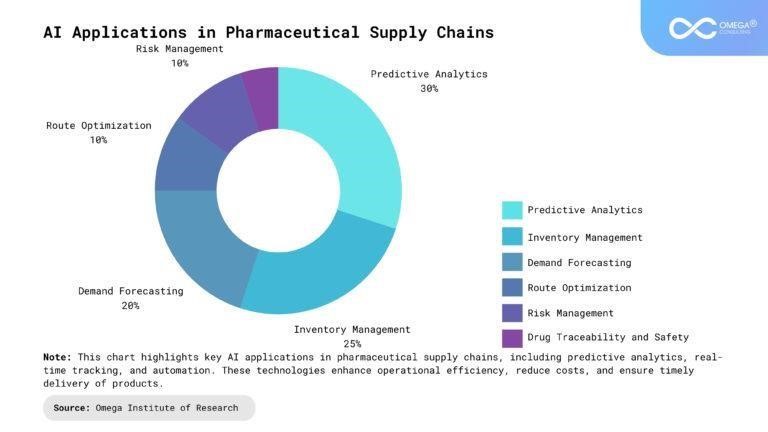
Fig.1.1.AI Applications in Pharmaceutical Supply Chains
Hence, such technology should be explored further from the viewpoint of fit for the purpose in the health care industry, as it could be useful in the management of medical records, clinical trials, medical supply management and control of access to health care data.
QR Codes and Barcodes: AI-enabled scanning applications empower consumers and pharmacists to verify drug authenticity.
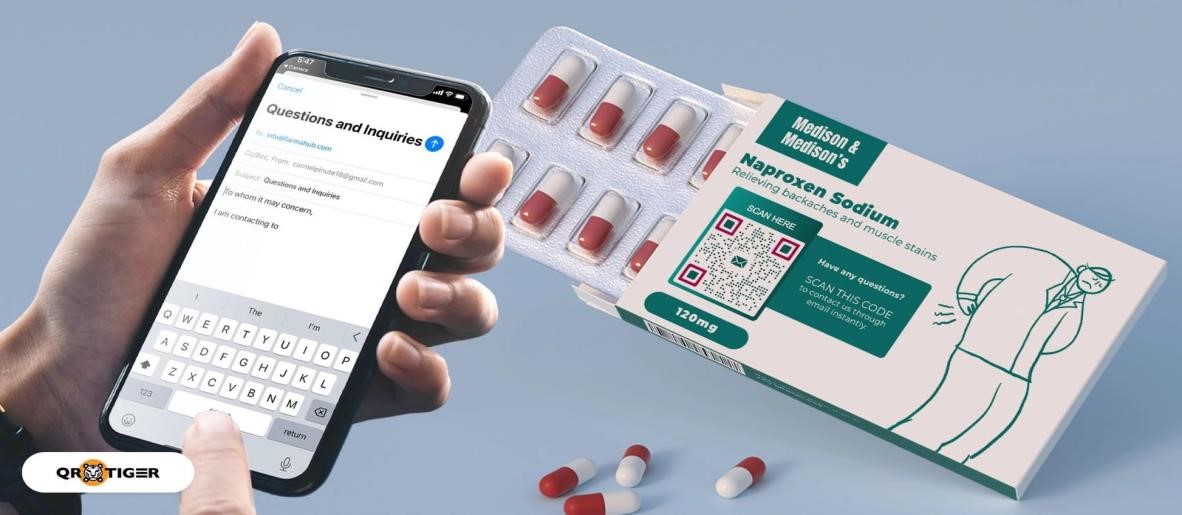
Fig.1.2 .The QR codes on medicinal packaging will be scanned with the help of smartphone devices to access its verification data online.
Image Recognition: AI-powered image analysis can detect packaging anomalies.
Internet of Things (IoT): Smart sensors and RFID tags provide real-time supply chain visibility.
Predictive Analytics: AI can analyze market patterns to predict and prevent counterfeit drug circulation.[22]
Public Health Implications: Beyond Just Fake Drugs(Case Studies)
1.Nagpur – Spurious Antibiotic Tablets Distributed in Hospitals
In Nagpur, a network supplied counterfeit antibiotic tablets termed “Recip-500” (alleged ciprofloxacin) to government hospitals in 2022–23. These tablets contained no active pharmaceutical ingredient (API), affecting numerous underprivileged patients who received ineffective treatment. [23]
2.Pan-India Network — Fake Life-Saving Drugs Under Top Brand Labels
A widespread counterfeit drugs racket was busted across multiple states including
Haryana, Himachal Pradesh, and Uttar Pradesh. Life-saving drugs like Ultracet (J&J) and Augmentin 625 (GSK) were found to be fake, totaling over 1.1 lakh counterfeit tablets/capsules recovered from illicit factories. Seized stock included 9,000 fake Ultracet tablets, 6,100 Augmentin 625 capsules, plus 150 kg of loose tablets and 20 kg loose capsules.[24]
3.Fake Cancer Medicines in Delhi/Gurugram
Seven individuals, including employees of a private cancer hospital, were arrested for manufacturing and selling fake cancer medicines. They refilled used vials or used counterfeit labels, and victims paid up to ?4 crores for these fake drugs—one patient died as a result. (Hindustan Times )
4.Telangana — Chalk/Substance Instead of Medicine
In Telangana, police busted a factory from Uttarakhand that was supplying fake antibiotics filled with chalk powder and labeled as popular drugs like Augmentin and Omnicef. Thousands of tablets were seized—clearly dangerous for innocent patients. (India Today )Also, a Reddit eyewitness described how patients received chalk instead of real medicines.(Reddit anecdote )[25]
5.Gujarat – Counterfeit Remdesivir Racket
Police in Surat unearthed a racket where 3,371 fake Remdesivir injections were seized.The vials actually contained glucose and salt solution but were labeled as Remdesivir.The total market value was estimated at ?1.61 crore, and the accused were booked under IPC Section 308 (attempt to commit culpable homicide).
6.Vadodara (Gujarat) –
Antibiotics Sold as RemdesivirA factory near Vadodara was caught packing antibiotics (Azithromycin & Piperacillin–Tazobactam) and selling them as Remdesivir. Fake packaging and labeling were used, and bogus Remdesivir invoices were recovered from Pune.[26]
7. Rajasthan Substandard Drugs Crisis (2025)
A large number of drug samples (antibiotics, painkillers, anti-diabetics) in Rajasthan failed lab quality tests over the past year, according to the state’s drug controller. Notable failed batches included injections of Amoxicillin, Ceftriaxone, Ciprofloxacin, and others. The state has launched in-depth inspections into 65 pharmaceutical manufacturing firms.[27]
Regulatory Integration and Government Initiatives
CDSCO’s Digital Barcoding & Traceability
The Central Drugs Standard Control Organisation (CDSCO), India’s national drug regulator under the Ministry of Health, is strongly pushing for barcoding/QR codes on medicine packaging to curb counterfeit drugs. QR-codes help patients and regulators verify details like manufacturer name, batch number, manufacturing and expiry dates. In 2025, CDSCO launched a Digital Monitoring System via the ONDLS (Online National Drug Licensing System) portal to track high-risk solvents (used in formulations like cough syrups), ensuring real-time oversight of ingredients. Also, a large portion (~97%) of CDSCO’s operations is now digitized, increasing transparency and making regulatory processes more efficient.[28]
NITI Aayog’s Role & Emerging Tech (Blockchain + IoT)
NITI Aayog, India’s policy think tank, has taken a proactive stance in combating counterfeit medicines by collaborating with Oracle, Apollo Hospitals, and Strides Pharma Sciences. They piloted a blockchain + IoT-based drug-tracing system in 2018: every drug package is logged (serial number, scan event), and IoT devices monitor environmental conditions (e.g., temperature) during transport.[29]
Legal & Regulatory Framework: Drugs & Cosmetics Act
The Drugs and Cosmetics Act, 1940, along with the Drugs and Cosmetics Rules, 1945, forms the backbone of India’s drug regulation. It governs drug manufacturing, sale, and distribution, and provides for punishment of counterfeit or spurious drugs. Under this Act, “Pharmaceutical Security Measures” have been implemented: for instance, barcoding of export medicines was mandated to improve traceability and prevent falsification.
National Programs & Health Infrastructure Integration
Make in India & National Digital Health Mission (NDHM): These programs aim to modernize India’s health infrastructure. By integrating e-prescriptions and digital health records via NDHM, regulators can reduce the risk of fake prescriptions and unauthorized drug sales.[30]
Advantages of AI Integration
Enhanced Efficiency and Cost Reduction: AI-driven automation streamlines supply chain operations, reducing manual intervention, errors, and operational costs. Machine learning algorithms optimize production schedules and inventory management, minimizing inefficiencies. Predictive analytics help prevent stockouts and overproduction, leading to significant cost savings.
Improved Patient Safety: With better forecasting, real-time tracking, and counterfeit detection, AI ensures that safe and effective medications reach patients without delays or risks. AI-powered quality control systems identify defects and deviations in drug manufacturing processes. Advanced analytics help detect adverse events early, enhancing pharmacovigilance.
Greater Agility and Resilience: AI enables pharmaceutical companies to quickly adapt to disruptions, ensuring continuous supply and mitigating potential shortages. Predictive models assess risks such as geopolitical events or supply chain bottlenecks, allowing proactive mitigation. AI-powered demand sensing enables faster responses to market fluctuations and emergency situations.
Sustainability and Waste Reduction: AI optimizes inventory management, reducing drug wastage and promoting eco-friendly supply chain practices. Smart logistics systems reduce carbon footprints by optimizing transportation routes and minimizing energy consumption. AI-driven demand forecasting prevents excess production, decreasing expired and discarded pharmaceuticals.
Regulatory Compliance and Risk Mitigation: Automated compliance checks and documentation reduce the risk of regulatory violations, protecting companies from financial and reputational damage. AI assists in maintaining accurate and updated records for audits, ensuring adherence to global regulations. Natural language processing (NLP) tools analyze regulatory updates, helping companies stay compliant with evolving standards.[31]
Limitations and Challenges in AI Implementation & Future Directions
AI adoption in pharmaceutical supply chains faces hurdles like high costs, complex integration with legacy systems, and ongoing maintenance expenses. A shortage of inhouse AI expertise increases reliance on costly external vendors. Regulatory compliance and fragmented data further complicate implementation, requiring transparent AI models and high-quality data.
High Implementation Costs: AI solutions often require significant investment in technology, infrastructure, and skilled personnel. For many pharmaceutical companies, particularly smaller players, the cost of AI implementation can be a major barrier. Beyond the initial setup, ongoing maintenance, updates, and cybersecurity measures add to the total cost of ownership. Companies must carefully assess ROI to justify AI investments.
Knowledge Gap & Expertise Shortage: AI requires specialized knowledge in data science, machine learning, and supply chain dynamics. Many companies lack in-house expertise, making adoption difficult without external partnerships. Training existing staff or hiring AI talent is both time-consuming and expensive, slowing down implementation. Collaboration with AI vendors and consultants can help bridge the knowledge gap, but it introduces dependency risks.
Integration with Legacy Systems: Many pharma supply chains rely on outdated systems that were not designed for AI-driven automation. Retrofitting AI into these existing structures is complex and expensive. Poor interoperability between legacy systems and AI-driven platforms can lead to inefficiencies and data silos. Companies must often invest in middleware or entirely new digital infrastructures, further escalating costs.
Regulatory & Compliance Hurdles: The pharmaceutical industry is highly regulated, and AI applications must comply with strict guidelines. Ensuring that AI-driven supply chain solutions meet regulatory requirements adds another layer of complexity. AI models must be transparent and explainable to meet compliance standards, which can be challenging given the ‘black-box’ nature of some algorithms. Continuous monitoring and validation are necessary to avoid legal and operational risks.
Data Availability & Quality Issues: AI thrives on high-quality, structured data. However, pharmaceutical supply chains involve multiple stakeholders, and data is often fragmented, inconsistent, or incomplete, limiting AI’s effectiveness. Ensuring data accuracy requires strong governance policies, standardized formats, and robust security measures. Poor data integration across suppliers, manufacturers, and distributors can lead to inefficiencies and incorrect AI-driven predictions.
Future Prospects
As AI technology continues to evolve, its role in pharmaceutical supply chains will become even more pivotal. Future advancements may include:
AI-driven Autonomous Supply Chain Management: AI-driven autonomous systems will enable self-optimizing logistics and real-time decision-making, reducing the need for manual oversight. Machine learning algorithms will adapt to dynamic changes in supply and demand, ensuring optimal efficiency. These systems could also integrate with other AI technologies to automatically adjust production and delivery schedules based on predictive analytics.
Advanced Digital Twins: Advanced digital twins will create virtual simulations of supply chain processes, allowing companies to test strategies before implementing them in real-world environments. These virtual replicas will provide real-time insights into supply chain operations, improving risk management and reducing downtime. Additionally, digital twins will enable pharmaceutical companies to explore “what-if” scenarios, ensuring more informed decision-making and faster response times.
Hyper-Personalized Supply Chains: AI will enable hyper-personalized supply chains that predict and fulfill patient-specific medication needs more efficiently. By analyzing individual patient data, AI systems will optimize inventory and distribution based on localized demand and patient conditions. This level of personalization could lead to quicker delivery times, better medication adherence, and a more targeted approach to healthcare delivery.
Recommendations
Implement AI-enabled Track-and-Trace Systems
India should adopt AI-powered track-and-trace solutions integrated with blockchain to monitor the movement of medicines across the entire supply chain, preventing counterfeit entry. (Source: WHO, 2017)
Enhance Surveillance of Online Pharmacies
Regulatory bodies must use AI algorithms and natural language processing (NLP) to detect and eliminate illegal online pharmacies that sell falsified medicines. (Source: Nayyar et al., Am J Trop Med Hyg, 2015)
Use of AI in Quality Testing Laboratories
National quality control labs should adopt AI-driven spectroscopy, chemical fingerprinting, and image recognition tools for rapid detection of counterfeit or substandard medicines. (Source: Reddy et al., Indian J Pharm Sci, 2022)
Promote Public-Private Partnerships (PPP)
Collaboration between the government, pharmaceutical companies, and AI startups is essential to design low-cost digital platforms for counterfeit detection tailored to India’s needs.(Source: OECD, 2020)
Strengthen Policies and Legal Frameworks
India must enforce stricter drug laws by introducing unique digital verification codes and supporting AI-based drug tracking, while imposing stronger penalties on counterfeiters. (Source: WHO, 2017)
CONCLUSION
Counterfeit medicines pose a serious threat to India’s healthcare and pharmaceutical industries. While traditional measures have had limited success, AI and digital technologies offer a powerful alternative to enhance transparency and security. Counterfeit drugs are a menace to society, one that must be countered actively. There are different laws in different countries to discourage drug counterfeiting, but this requires regulatory oversight and sporadic testing of samples to assess the accuracy of the label claims. India has provisions under intellectual property law (The Trademark Act, 1999 and The Patents Act, 1970) and criminal laws (The Indian Penal Code, 1860 and Drugs and Cosmetics Act, 1940) to punish the drug counterfeiters. Similarly, the USA has state and federal laws which make provision for imprisonment and financial penalty in cases of drug counterfeiting. Europe also levies high penalties and imprisonment in cases of drug falsification. Despite all these laws, the borderless trafficking of counterfeit medications is on all time high and is projected to increase even higher. Considering that the monitoring ambit of the regulators barely covers essential medicines, it would be a big stretch for them to enforce or conduct frequent surveillance audits. This is where the government plays a vital role in funding the health agencies to enable such surveillance.This review outlines the role and information for each stratum in the prevention of drug counterfeiting. The review informs the end consumers to be proactive in recognising and reporting any difference in their medicines and health care professionals to educate and make the primary and end consumers aware of the differences between a genuine and fake drug. It discusses the importance of advancement and transparency in supply chain management for producers to prevent the addition of counterfeit drugs in supply chain. Last, the review discussed the need of policymakers and international organizations to set up relevant national and international guidelines and make sure that they are strictly followed to curb the rising cases of drug falsification. The author submits that it is absolutely essential to address this public menace with targeted intervention, i.e., repression for prevention is absolutely necessary. Preventing counterfeit goods from entering the supply chain is the first crucial step. If such a condition is not met, action must be taken to effectively detect any fake drugs in circulation. Additionally, the focus should be on close monitoring of the manufacturing and selling processes to building a transparent and safe supply chain on a worldwide scale. Moreover, future investigation should be carried out to obtain the actual data regarding the percentage of counterfeit medications that are bought through valid prescriptions versus those being bought via unverified online pharmacies. Mandating the use of newer technologies by various national government is a welcome step in preventing counterfeiting. Active collaboration between nations, pharmaceutical companies and regulatory bodies is essential to formulate a cohesive plan to effectively prevent drug counterfeiting.
REFERENCES



Kanishka Aware*, Madhura Bakare, Vikas Shinde, Unmasking Counterfeit Medicines: The Role of AI in Strengthening India’s Drug Safety, Int. J. of Pharm. Sci., 2025, Vol 3, Issue 11, 2851-2865 https://doi.org/10.5281/zenodo.17648141
 10.5281/zenodo.17648141