
P.S.V College Of Pharmaceutical Science And Research, Orappam(Vill&Po), Krishnagiri(Dt)-635108, Tamil Nadu.
Garcinia indica (kokum) is an important indigenous medicinal plant with remarkable nutritional, therapeutic, and industrial relevance. Almost all parts of the plant, including the fruit, rind, leaves, and seeds, contain valuable bioactive constituents such as hydroxycitric acid, garcinol, anthocyanins, xanthones, and phenolic compounds. These compounds are responsible for a wide range of pharmacological activities, including antioxidant, antimicrobial, anti-obesity, cardioprotective, hepatoprotective, gastroprotective, neuroprotective, and anti-inflammatory effects. The nutritional richness and traditional culinary uses of kokum further enhance its functional value. Although substantial experimental evidence supports its medicinal potential, Garcinia indica is still underutilized. Therefore, systematic cultivation, advanced phytochemical investigations, clinical studies, and formulation research are essential to promote kokum as a reliable natural therapeutic and functional food ingredient.
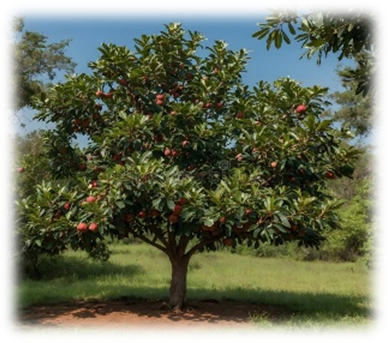
Garcinia indica (Family: Guttiferae/Clusiaceae), a slender ever green tree, is endemic to the west coast of India. The fruits are round or globose, about 4 cm in diameter, have a fleshy rind that encloses 2–8 large pulpy seeds, and are often purple when ripe. It is a thin, tropical evergreen tree that grows slowly and reaches a height of 10 to 18 meters [1]. It is mainly found in some extent in the forests of Assam, Meghalaya and West Bengal Kokum is not cultivated systematically on orchard of other fruit such us mango, cashew nut etc [2]. The fresh fruit are steeped in sugar syrup to make a healthy soft drink to relieve sunstroke and to provide gastric relieve during summer. Fruit rinds are used in the preparation of juice, as much appreciated health drink. The dried fruit rind is also having many uses including as spice and condiment in the preparation of curries. The seeds are rich source of fat popularly known as ‘kokum butter’ and are used in foods, cosmetics and medicines [3]. The extract of the fruit has both anti-fungal and anti-bacterial properties. It is also a remedy for diarrhoea, dysentery, piles and tumour.
Garcinia indica fruit, rind, seeds, and other parts have all been widely used in a variety of industrial, pharmacological, and culinary uses. Commercial uses for kokum rinds include the creation of concentrated syrups. it has been found that rind of fruit contains 12.7% Hydroxy citric acid [HCA], garcinol (upto5g from 500g dried kokum plums), and 2.4% colouring pigment anthocyanin. Hydroxy citric acid [HCA] is known for its purported fat-reducing properties and is commonly used in obesity management. Kokum kernel, a by-product of kokum processing, is known to contain approximately 40-50% fat content [4].
1.1. VERNACULAR NAME:
2.PLANT DESCRIPION:
The taxonomical classification of kokum (Garcinia indica) as:
2.1. INTERNATIONAL SYNONYMS
2.2. KEY CHARACTERISTICS OF KOKUM PLANT:
Plant Type : Dioecious Tree
Height : 12-20cm
Branches &Canopy: Drooping branches, dense foliage
2.2.1. KOKUIM LEAVES:
2.2.2. KOKUM FLOWER:
Colour: Dark purple or red yellow ting
Size: Diameter around 3.22-4.90cm
Weight: 21-85gm
Shape: Round to oval
Pattern: 3-8 seeds arranged like orange segments
Shelf: About 1 week
Fruiting duration: Fruiting takes approx..5 months
Harvest: Frist ripe by May
2.2.4. SEED AND OIL CONTENT OF KOKUM:
The seed makes up about 25% of the fruit and contains 23-26% oil, which stays solid at room temperature and is known as kokum butter [6].
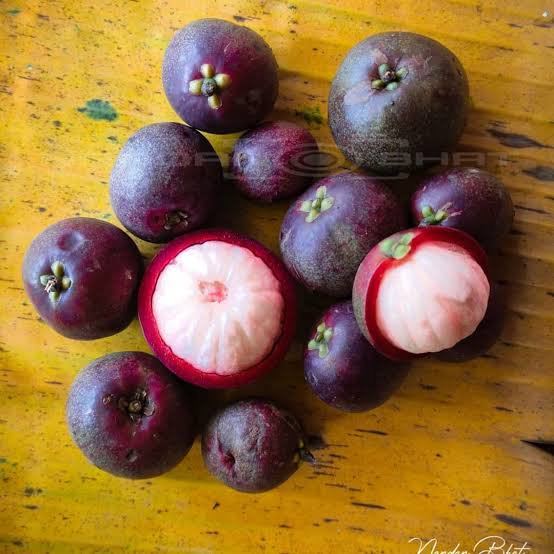
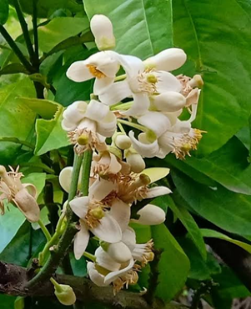
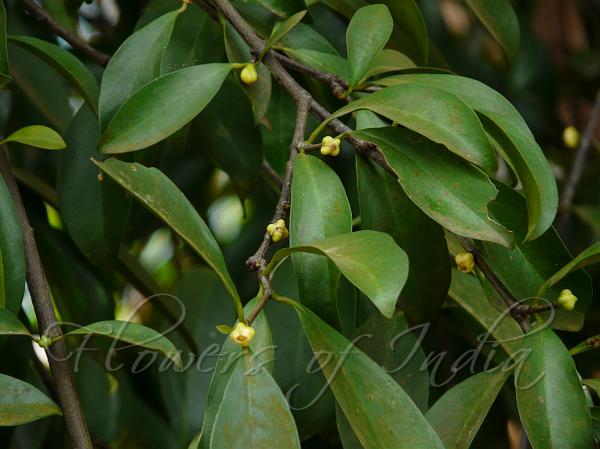
1.Kokum Fruit 2. Kokum Flower 3.Kokum Leaves
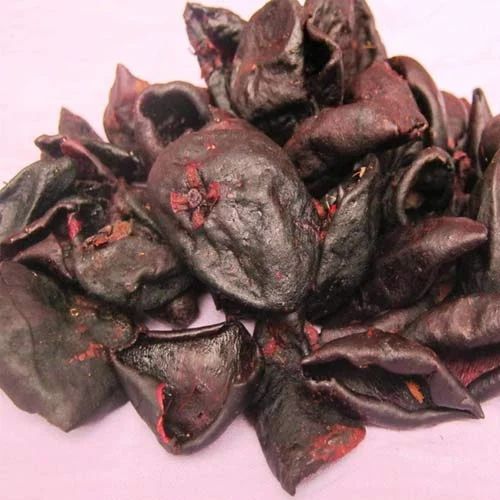
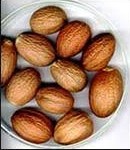
4. Kokum Rind 5. Kokum Seed
4. ETHANOCLAIM USES:
4.1. LEAVES/YOUNG LEAVES:
Kokum leaves are sour, astringent, digestive, thermogenic, and constipating. Traditionally, they have been used to avoid dysentery [7].
4.2. KOKUM FRUIT:
The kokum fruit has been used in Ayurveda medicine to treat inflammatory diseases, rheumatic pain, and gastrointestinal problems. Additionally, it may have anthelmintic and cardiotonic effects [8].
4.3. KOKUM RIND(JUICE):
Kokum rind preparations are used to treat digestive issues, rheumatic discomfort and inflammatory diseases. The rind release burning and stomach ulcers by acting as a natural antacid when mixed with yogurt and salt.Traditionally, piles haemorrhoids, colic, ulcers, inflammation, dermatitis, diarrhoea, dysentery, and ear infections have all been treated using kokum rind juice. Additionally, it supports a healthy digestive system and aids in reducing excessive perspiration [9].
4.4. KOKUM BUTTER (SEED):
Traditionally, kokum butter has been used to cure scurvy, dysentery, diarrhoea, and pulmonary tuberculosis (phthisis pulmonalis). When administered externally, it aids in the healing of wounds and is helpful for inflammatory sores, chapped skin, lip and hand fissure, and ulceration [10].
5. PHYTOCHEMICAL REVIEW:
Phytochemicals are naturally occurring, biologically active chemical compounds that are present in plants and can be used as nutrients and medicinal ingredients to improve human health. It is rich source in garcinol, xanthophyl, isoxanthochymol and hydroxycitric acid [11].
5.1. LEAVES/YOUNG LEAVES:
The leaves may contain trace amounts of lactone, citric acid, and hydroxycitric acid. L-leucine, 75% hydration, 2.3g protein, 0.5g fat, 1.24g fibre, 17.2g carbohydrates, iron 15.14 mg, calcium 250 mg, ascorbic acid 10 mg, and oxalic acid 18.10 mg are all present in 100g of kokum leaves [12].
5.2. KOKUM FRUIT:
The fruit contains oxalic acid, citric acid, and hydroxy citric acid lactones. The fruit has a mild tangy flavour caused by its increased levels of malic acid and little amounts of tartaric and citric acids. The Kokum fruit's pH naturally helps to its acidity level between 1.5 to 2.0.
5.3. KOKUM RIND:
Kokum rind is mostly composed of garcinol, a polyisoprenyl benzophenone, isogarcinol, and camboginol. Hydroxy acetic acid and Hydroxy citric acid (20–30%) make up the rind of ripe Kokum fruits.
5.4. KOKUM BUTTER(SEED):
The cosmetics sector uses it to manufacture soaps, lotions, creams, and lip balms. Kokum seeds contain high concentrations of glycerides of stearic acid (55%), oleic acid (40%), palmitic acid (3%), linoleic acid (1.5%), hydroxyl capric acid (10%), and myristic acid (0.5%). Kokum butter is the term used to describe the approximately 25% edible fat found in kokum seeds. The yellowish crude kokum butter is used as culinary fat or as a ghee adulterant [13].
6.PHARMACOLOGICAL REVIEW:
6.1. ANTI-BACTERIAL ACTIVITY:
A kokum rind extract with hexane, benzene, and garcinol exhibits potent antibacterial properties, against Salmonella Para typhi A, S. trynimurium, and S. typhi is demonstrated by kokum leaf extract. In animal models, the aqueous fruit rind extract exhibits anti-inflammatory properties. (paw oedema and cotton pellet granuloma in mice caused by carrageenan) [14].
6.2. ANTI-FUNGAL ACTIVITY:
Garcinia indica extracts exhibit strong antifungal and anti-bacterial effects, making them useful as natural preservatives in food products and as potential therapeutic agents, including cancer care. Research has shown that kokum rind extract can inhibit the growth of fungi such as Candida albicans, Penicillium species, and Aspergillus flavus [15].
6.3. ANTI-MICROBIAL ACTIVIY:
Dried fruit extracts of kokum have demonstrated antibacterial activity against several Gram-positive and Gram-negative pathogens responsible for wound infections. The extract showed Minimal Inhibitory Concentration (MIC) ranging from 15.6 to 25µg/mL for Gram positive bacteria and about 75µg/mL for Gram negative bacteria. These results indicate that Garcinia indica holds potential as a natural herbal agent for managing various bacterial infections [16].
6.4. ANTI-OBESITY:
Methanolic kokum fruit extracted tested for strong anti-hyper lipidemic action in rat, decreasing total cholesterol, triglycerides, Low Density Lipoprotein [LDL], Very Low-Density Lipoprotein [VLDL] & increasing High Density Lipoprotein [HDL]. Hydroxy citric acid. [HCA] in kokum helps lower appetite, inhibit fat formation & aid weight loss. Isogarcinol includes lipase inhibitory & anti-obesity effect [17].
6.5. UV PROTECTIVE ACTIVITY:
Garcinia indica(kokum) fruit rind extract & kokum butter were analysed as possible broad spectrum sunscreen agents. Spectrophotometric test proved the ethyl acetate fraction of fruit rinds had significant UV-A and UV-B Ultra violet [UV] absorbance at 0.4mg/ml. it shows better absorbance in the UV-B(280-320nm) than UV-A(320-400nm) region [18].
6.6. CARDIO PROTECTIVE ACTIVITY:
The fruit rind was examined for cardiac protecting effects due to its chemical composition & traditional use. Garcinol has been shown to enhance heart function in rats with experimentally induced heart failure by improving ejection fraction and increasing left-ventricular pressure. It also helps delay apoptosis in isoproterenol-induced cardiac damage. In H9C2 cardiac cells, garcinol reduces inflammatory cell infiltration and minimizes interstitial fibrosis. Moreover, pretreatment with garcinol provides notable protection against myocardial injury, as supported by biochemical evidence and histopathological analysis [19].
6.7. HEPATO-PROTECTIVE ACTIVITY:
Garcinia indica exhibits notable liver protective properties. In rats exposed to ethanol, it improves antioxidant enzyme activity and lowers the levels of AST, ALT, and ALP. Garcinol also reduces serum ALT and AST in mice with LPS-induced liver injury and in rats with DMN induced liver fibrosis. Moreover, when used together with curcuminoids, garcinol helps prevent the transition of liver steatosis to inflammation and fibrosis in a Non-alcoholic Steatohepatitis (NASH) model [20].
6.8. GASTRO PROTECTIVE ACTIVITY:
Garcinia indica contains phytochemicals with potential anti-ulcer effects. Ulcers can result from stress, smoking, alcohol use, poor nutrition, and NSAID intake. Studies in rats showed that water and ethanol extracts of the fruit rind significantly reduced ulcer formation. The aqueous extract decreases ulcers by 52.94% (HCL/ethanol model) and 36.80% (Indomethacin model), while the ethanolic extract caused by reduction of 34.45% and 61.62%, respectively [21].
6.9. NEUROPROTECTIVE ACTIVITY:
Neurodegenerative disease like Alzheimer’s, Parkinson’s and Huntington’s involve excess Reactive Oxygen Species (ROS) and harmful protein accumulation, causing neuron damage. Garcinia indica has strong anti-oxidant activity, which helps protect against these disorders. In Wistar rats garcinia indica showed a preventive effect against 6-hydroxydopamine-induced parkinsonism improving both biochemical markers and behavioural symptoms [22].
6.10. ANTI-HYALURONIDASE, ANTI-ELASTASE ACTIVITY:
Skin aging involves loss of elasticity due to elastase activity and reduced hyaluronic acid leading to sagging dryness and wrinkles. Inhibiting matrix metalloproteinases can help slow these aging effects. Garcinia indica fruit rind contains garcinol and cambogia which are strong anti-oxidants because of their phenolic groups. Preparation from garcinia indica help in anti-aging by inhibiting the Telomerase enzyme. A methanolic extract of the rind was fractionated into ethyl acetate and water fractions and both were tested for anti-hyaluronidase and anti-elastase activity [23].
7. NUTRITIONAL COMPOSITION OF KOKUM FRUIT:
Kokum fruit contains moisture, proteins, sugars, fats, pectin, and tannins, along with important bioactive compounds such as hydroxycitric acid (HCA) and garcinol. These constituents contribute to its nutritional value and support its anti-oxidant, anti-obesity and health-promoting properties [24].
7.1. PRIMARY METABOLITIES:
The presence of components like sugars, proteins, and carbohydrates increases a fruit's nutritional value. The main nutrient in fruits is carbohydrates. A fruit's sweetness is determined by its reducing sugars, such as fructose and glucose. The formation and repair of new cells depend on proteins [25].
|
COMPONENT |
VALUE PER(g/100g) |
|
Total Carbohydrates |
5.67 |
|
Reducing sugar |
0.63 |
|
Total Protein |
4.78 |
|
Crude Fat |
0.12 |
7.2. MINERAL COMPOSITION:
Minerals are necessary in small doses for human health and play an essential role in metabolism and cell function. Microminerals including sodium, potassium, calcium, magnesium, and phosphorus, as well as microminerals like iron, are found in kokum [26].
|
COMPONENT |
VALUE PER (mg/100mg) |
|
Sodium |
1.55 |
|
Potassium |
44.5 |
|
Calcium |
13.21 |
|
Magnesium |
33.45 |
|
Iron |
12.06 |
|
Phosphorus |
4.51 |
7.3. PHENOLIC COMPOUNDS:
Phenolic compounds are secondary metabolites that increase fruit colour and have antioxidant properties. Xanthones are the main phenolics found in kokum fruit and have a yellow colour. Due to reports, xanthones are used to treat oxidation, cancer, microbial infections, diabetes, inflammation, and viral diseases [27].
|
COMPONENT |
VALUE PER (g/mg) |
|
Total Xanthones |
0.91 |
|
Total Phenolics |
5.01 |
7.4. VITAMIN COMPOSITION:
|
COMPONENT |
VALUE PER (%) |
|
Total Acidity |
14.11 |
|
HCA |
7.43 |
|
Malic Acid |
2.67 |
|
Oxalic Acid |
0.63 |
|
Citric Acid |
0.79 |
|
Tartaric Acid |
0.51 |
|
Acetic Acid |
0.31 |
Kokum is rich in water-soluble B complex vitamins (B1, B2, B3, B12) and vitamin C, supporting metabolism, digestion, anti-oxidant activity, cholesterol control nerve and blood health [28].
7.5. TOTAL ACIDITY AND MAJOR ORGANIC ACID:
Organic acids influence the taste and organoleptic properties of foods by providing sour flavour and also act as antimicrobial agents to improve shelf life. Hydroxycitric acid [HCA], the major organic acid in kokum, inhibits fat and cholesterol synthesis and helps in reducing body weight and lipid accumulation [29].
|
COMPONENT |
VALUE PER (µg/100mg) |
|
Thiamine (vitamin B1) |
52 |
|
Riboflavin (vitamin B2) |
320 |
|
Niacin (vitamin B3) |
63 |
|
Ascorbic Acid (vitamin C) |
33.45 |
|
Cobalamin (vitamin B12) |
12.06 |
8.BIOACTIVE PROFILE:
8.1. ANTHOCYANINS:
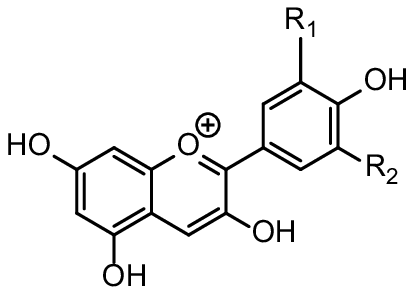
Anthocyanin
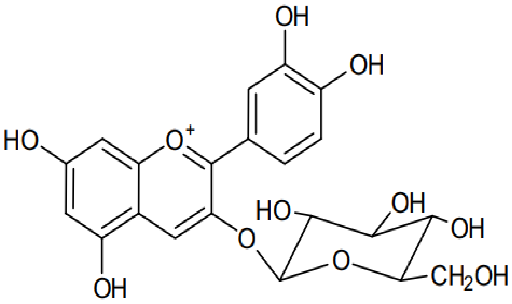
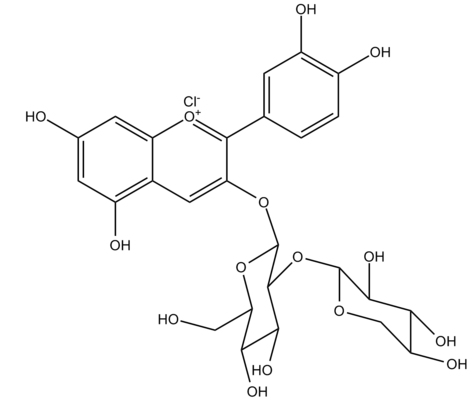
Cyanidin-3-glucoside Cyanidin-3-sambubioside
8.2. HYDROXYCITRIC ACID:
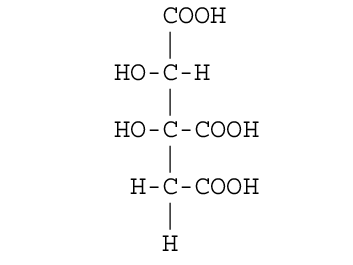
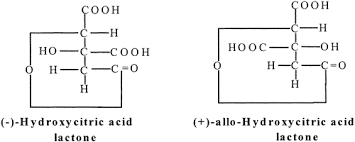
Hydroxycitric acid Hydroxy citrate lactone
8.3. GARCINOL:
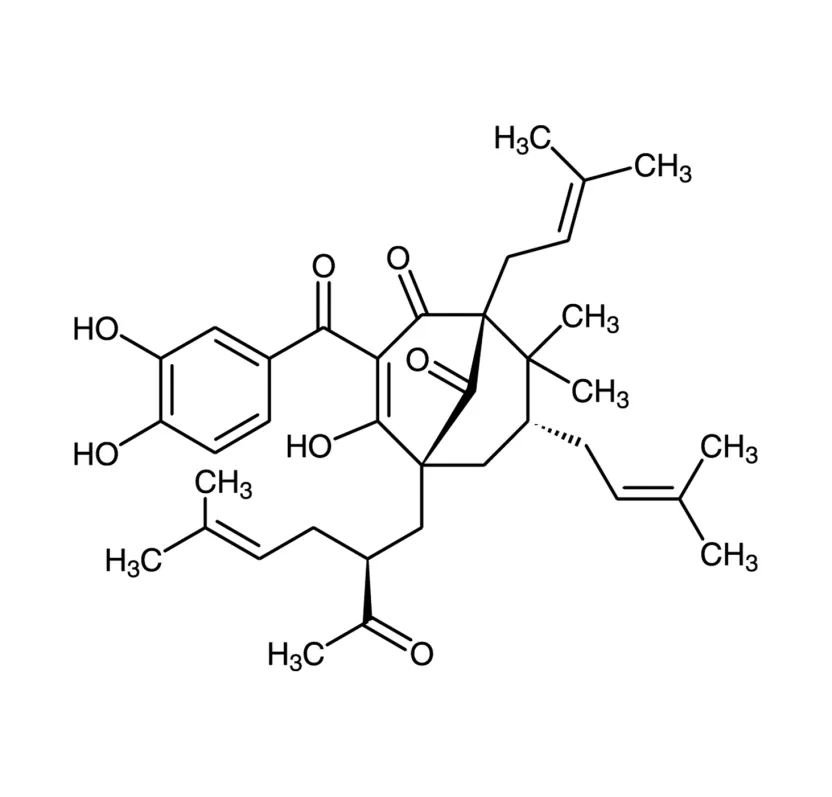
Garcinol
8.4. PHENOLIC COMPOUNDS:
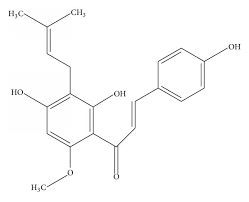
Xanthochymol
8.5. VITAMIN C:
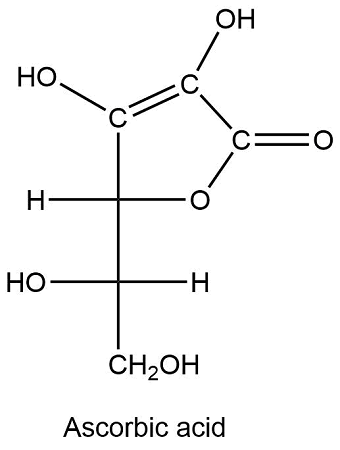
Ascorbic acid
9. CULINARY USES:
CONCLUSION
Garcinia indica (kokum) is a valuable indigenous medicinal plant with immense nutritional, therapeutic, and industrial significance. This review highlights that almost all parts of the plant—fruit, rind, leaves, and seeds—possess diverse bioactive compounds such as hydroxycitric acid, garcinol, anthocyanins, xanthones, and phenolic compounds, which contribute to its wide range of pharmacological activities. Scientific evidence supports its traditional uses, demonstrating antioxidant, antimicrobial, anti-obesity, cardioprotective, hepatoprotective, gastroprotective, neuroprotective, anti-inflammatory, and skin-protective effects. In addition, kokum’s rich nutritional profile, culinary importance, and applications in pharmaceutical, and food industries further enhance its value. Despite its proven benefits, Garcinia indica remains underutilized and underexplored. Therefore, systematic cultivation, advanced phytochemical investigations, clinical studies, and formulation development are essential to fully exploit its therapeutic potential and promote kokum as a natural health-promoting agent in modern medicine
REFERENCES
DOI: https://doi.org/10.22271/tip.2022.v11.i1Sk.10213.
Critical Reviews in Food Science and Nutrition 40.3(2000):173-289.
DOI: https://doi.org/10.22271/tip.2022.v11.i1Sk.10213.
Critical Reviews in Food Science and Nutrition 40.3(2000):173-289.


K. Sojarana, G. Jayanandhini, G. Kanishka, R. Monica Shree, S. Selvakumar, C. Yogapriya., Unveiling The Health Promoting Potential of Garcinia Indica: An Indigenous Medicinal Resources, Int. J. of Pharm. Sci., 2026, Vol 4, Issue 2, 2265-2276. https://doi.org/10.5281/zenodo.18639735
 10.5281/zenodo.18639735
