
Department of Botany, Sri Venkateswara University, Tirupati, Andhra Pradesh, India.
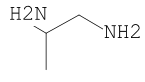
Fimbristylis ovata is a medicinal plant traditionally used in various Ayurvedic and Unani systems for its therapeutic properties. Biometabolites are responsible for medicinal properties of a plant. In the present study, F. ovata underwent comprehensive phytochemical screening, qualitative estimation of secondary metabolites, assessment of antioxidant activity using the DPPH method, GC-MS analysis, and ICP-OES analyses. The results revealed the presence of various secondary metabolites, including phenols, flavonoids, tannins, and saponins. The antioxidant activity demonstrated a significant ability to scavenge free radicals. GC-MS analysis identified six compounds, including 1,2-Propanediamine and Cyclotrisiloxane-hexamethyl, which have notable medicinal and industrial applications. Furthermore, ICP-OES results showed the presence of essential elements such as calcium, zinc, and iron, all of which contribute to the plant's high antioxidant activity.These findings support the traditional use of F. ovata and provide a scientific basis for its potential applications in the pharmaceutical and nutraceutical industries
Antioxidants derived from various plants have garnered significant interest in both research and the food industry due to the increasing trend of replacing synthetic antioxidants with natural alternatives. (1) Unfavourable conditions for plants, such as extreme temperature, drought, heavy metal stress, nutrient deficiency, high salinity generate high concentration of Reactive Oxygen species which can cause oxidative stress. To combat this, plant cells have complex antioxidant system with enzymatic and non-enzymatic system having different action mechanisms such as enzyme inhibition, chelation of trace elements involved in production of free radical's reactive species uptake and activation or increase in protection through other antioxidant defenses (2).Antioxidants play a crucial role in maintaining overall health and well-being by neutralizing free radicals through electron donation, radical scavenging, and enzymatic activity. Plants particularly synthesize a diverse array of secondary metabolites with polyphenols and flavonoids being point oxygen sources. These phytochemicals play a crucial role in various biochemical pathways, combating oxidative stress and protecting against health issues. The DPPH (2, 2-Diphenyl-1-Picryzyhydrazyl) assay is a widely employed and affordable technique for assessing antioxidant activity. This method involves reaction of DPPH, a stable purple colored free radical with antioxidants in the sample resulting in decrease in absorbance at 517nm and a color change from purple to yellow (3).Fimbristylis ovata (Burm.f.)kern belonging to family Cypreaceae is a perennial sedge, distributed in pantropics, tropics and low-lying grasslands. The entire plant is reported medicinally important in traditional systems (4). The Digo tribes of Kenya use the whole plant to treat ailments such as Rheumatism, cough, Bronchitis, Asthma, Urinary tract infection and arthritis (5). In Ayurveda, it is known as Ibha-mulaka and is believed to be effective against adenitis, scrofula, and syphilis (6). Therefore, the present study aims to conduct qualitative and quantitative screenings of the secondary metabolites in F. ovata, identifying novel bioactive compounds and nutrients present within the plant.
MATERIAL AND METHODS:
Plant material:
Fimbristylis ovata, grows upto 30-60 cm in height with tufted habit. Stems are slender, triangular, and smooth with 1-2mm diameter. Leaves are linear, flat and smooth with 10-30cm length and 2-5mm width. Flowers are small, brownish and lack of petals. The plants were collected from Sri Venkateswara University GPS: 13°62’89.276” N; 79°41’93.07” E. They are thoroughly washed, shade dried, powdered and stored for further studies.
Phytochemical screening:
5 grams of dried powder was taken and subjected to extraction under with 100 ml of different solvents i.e., distilled water, Methanol, Chloroform, Ethyl acetate and Isopropanol. The extracts were filtered, stored in the refrigerator for further studies. Various tests were performed with plant extracts to unveil the metabolites like Alkaloids, Phenols, Flavonoids, Saponins, Terpenoids (7)
Quantification of Secondary metabolites:
Phenols, Flavonoids, Tannins and Steroids of the plant were estimated as per the methods of Okeke and Ekekwa (2003), Desilva et al., (2017), Sornapudi and Srivastava (2022) (8-10).
GC-MS analysis:
GC-MS analysis is a powerful analytical technique used to identify and quantify the specific compounds in the plant's extracts. Fimbristylis ovata was subjected to this test to identify the novel compounds that were aiding in antioxidant activity. Methanolic extracts were prepared by soaking 100mg of plant powders in 1mL of methanol for 24 h at room temperature. The mixture was filtered and performed analysis using GC-MS QP2010, SHIMADZU (11).
ICP-OES analysis:
ICP-OES analysis is a Spectro analytical technique used to identify elemental composition of different parts of the Fimbristylis ovata, it was subjected to ICP-OES analysis using Perkin Elmer 7000DV ICP-OES model. 100mg of plant powders were digested with 1ml of 30% of H2O2 and 7mL of 70% HNO3 and kept in a muffle furnace for 10 min at 170oC. Then these were filtered and made upto 25mL and performed the analysis (12).
Antioxidant activity through DPPH assay:
1g of plant powder was dissolved in 20mL of distilled water (DW) and subjected to thermal extraction. The mixtures were heated on a water bath at 60oC for 20 minutes and then allowed to stand overnight at room temperature. Following incubation, the mixtures were filtered to obtain crude extracts.DPPH stock solution was prepared by dissolving 10mg of DPPH in 100mL of Methanol, which yielded a solution mixture with an absorbance of around 1.305 at 517 nm. In the test tubes, 3 mL DPPH workable solutions (1mL of DPPH stock solution + 2mL of Methanol) were mixed with 100 µL of selected plant extracts respectively. As a standard, 3mL of DPPH workable solution is often mixed with 100µL of Methanol. After 30 min incubation in complete darkness, the absorbance was therefore determined at 517 nm. The following formula was used to compute the percentage of antioxidants (13)
Percentage of antioxidant activity= [(Ac−As) ÷Ac] × 100; Where: Ac—Control reaction absorbance; As—Testing specimen absorbance.
RESULTS AND DISCUSSION:
Table -1: Preliminary Screening of Secondary Metabolites from F. ovata
|
S.No |
Phytochemical Constituent |
Aqueous |
Methanol |
Chloroform |
Ethyl Acetate |
Isopropanol |
|
1. |
Alkaloids |
- |
- |
- |
- |
- |
|
2. |
Steroids |
- |
+ |
+ |
+ |
+ |
|
3. |
Phenols |
+ |
+ |
+ |
+ |
+ |
|
4. |
Flavonoids |
+ |
+ |
+ |
+ |
+ |
|
5. |
Terpenoids |
+ |
+ |
- |
- |
+ |
|
6. |
Saponins |
- |
- |
- |
- |
+ |
|
7. |
Tannins |
+ |
- |
+ |
+ |
+ |
|
8. |
Anthroquniones |
+ |
+ |
- |
- |
- |
|
9. |
Phlobatannins |
+ |
- |
- |
- |
- |
|
10. |
Leucoanthocyanins |
- |
- |
+ |
- |
- |
|
11. |
Triterpenoids |
+ |
+ |
- |
+ |
+ |
|
12. |
Anthocyanins |
+ |
+ |
- |
+ |
+ |
|
13. |
Emodins |
- |
- |
+ |
- |
- |
(+ present; - absent)
Table – 2 Quantitative Estimation of secondary metabolites from aqueous extracts of F.ovata
|
Secondary Metabolite |
Amount present (mg/g) |
|
Tannins |
60.21+0.98 |
|
Flavonoids |
23.4+ 0.67 |
|
Phenols |
17.4+ 0.48 |
|
Steroids |
11.52+ 0.71 |
A greater number of compounds (see Table 1) were identified in the aqueous and isopropanol extracts, followed by methanol, with chloroform and ethyl acetate containing fewer compounds. Phenols and flavonoids were detected in all extracts. However, steroids and tannins were absent in the aqueous and methanol extracts, respectively, but present in the remaining extracts. Triterpenoids and anthocyanins were found in all extracts except for chloroform, where they were absent. Notably, alkaloids and reducing sugars were completely absent across all solvents.
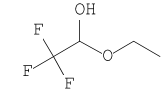
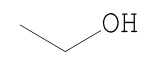
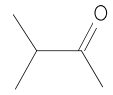
In terms of quantitative estimation (see Table 2), tannins were found in the highest concentration (60.21 ± 0.98), followed by flavonoids (23.4 ± 0.67). Alkaloids were present in other species of the genus Fimbristylis, such as F. cymosa and F. eragrostis, as well as in related species like Passiflorum flavidum and Scleria lithosperma, but were absent in F. ovata. Flavonoids were present in F. ovata but absent in other species like C. deformis and S. lithosperma. Terpenoids were absent in most members of the Cyperaceae family, including C. rotundus, F. cymosa, F. eragrostis, and K. tirceps, but were found in F. ovata (14). Eight compounds were identified from Gc-Ms analysis of methanolic extract. These compounds are with potential medicinal uses i.e., antibacterial activity, cancer therapy and industrial applications like manufacturing of perfumes and synthesis of silicone oil and silicon rubber.
|
S.no |
Retention time |
Name of the Compound |
Molecular Formula |
Mol.wt. |
Structure of the compound |
Peak Area (%) |
Uses |
|
1. |
1.039 |
1,2- Propanediamine |
C3H10N2 |
74 |
|
1.62 |
Used as intermediate in crop protection agents like Basfungin, Raw material for production of polyurethane resins. |
|
2. |
1.088 |
Ethanol 1- ethoxy-2,2,2- trifluoro |
C4H7F3O2 |
144 |
|
34.62 |
Oxidize sulfur compounds, Co-solvent in Super critical fluid chromatography to purify chiral and achiral boronate, used to study protein folding. |
|
3. |
1.136 |
Ethanol |
C2H6O |
46 |
|
62.77 |
Possess Anti-microbial activity, used in cancer therapy. Also, in manufacture of perfumes, preservatives, polishes and rubber |
|
4. |
1.640 |
2-Butanone,3-methyl- |
C5H10O |
86 |
|
0.33 |
Used in production of dyes, pesticides, textiles. |
|
5. |
2.992 |
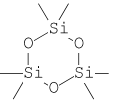
Cyclotrisiloxane, hexamethyl- |
C6H18O3Si3 |
222 |
|
0.33 |
Used as fragrance carrier material in air freshener, cleaning electronic components, synthesis of silicone oil and Silicone rubber. |
|
6. |
5.534 |
Cyclotetrasiloxane, octamethyl- |
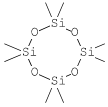
C8H24O4Si4 |
296 |
|
0.33 |
Sued in skin care, hair care, antiperspirants and deodorants, Lubricant and paper coating. |
Through Icp-Oes analysis of F.Ovata revealed that the plant possesses highest percentage of nitrogen, highest amount of Iron followed by Manganese, copper and Molybdenum
|
S.no |
Name of the element |
Units |
F. ovata |
|
1. |
Nitrogen (N) |
% |
1.99 |
|
2. |
Phosphorous (P2O2) |
% |
0.1892 |
|
3. |
Potassium (K2O) |
% |
1.174 |
|
4. |
Calcium (Ca) |
% |
0.2657 |
|
5. |
Magnesium (Mg) |
% |
0.1114 |
|
6. |
Zinc (Zn) |
ppm |
79.90 |
|
7. |
Iron (Fe) |
ppm |
6425 |
|
8. |
Copper (Cu) |
ppm |
236.8 |
|
9. |
Manganese (Mn) |
ppm |
651.7 |
|
10. |
Boron (B) |
ppm |
22.79 |
|
11. |
Molybdenum (Mo) |
ppm |
163.0 |
Micronutrients are essential for maintaining plant metabolism, promoting tolerance, growth, production, stress resilience, and disease resistance. (15). Micronutrients like Copper, Manganese, Iron and Zinc are essential for plants at an optimal concentration. However, they are toxic at supra optimal levels (16). Iron serves as an essential cofactor for various enzymes involved in the synthesis of plant hormones, such as ethylene, as well as for enzymes like lipoxygenase and 1-aminocyclopropane-1-carboxylic oxidase (17). Fe is also involved in chlorophyll biosynthesis and stabilization. It is an integral component of the respiratory and photosynthetic electron transport systems and acts as a cofactor in the electron transport chain carriers (18). Manganese is an essential component of manganese superoxide dismutase (Mn-SOD), a key antioxidant enzyme. It also plays a role in the biosynthesis of carbohydrates and lipids. Additionally, manganese acts as a cofactor for various enzymes, including manganese catalase, manganese peroxidase, TCA cycle decarboxylases, RNA polymerases, and numerous glycosyl transferases (19). Copper is involved in synthesis of Molybdenum cofactor thereby linking Cu metabolism with nitrogen assimilation and phytochrome biosynthesis (20). Plastocyanin is the most abundant copper protein involved in electron transport between cytochrome b6f complex of photosystem I (PSI) in the thylakoid lumen of chloroplasts (21). Cu plays an essential role in many processes such as pollen formation, pollen viability, pollination, and lipid desaturation. The biosynthesis of lignin, quinones, and carotenoids is also influenced by Cu status. (22,23).
Antioxidant activity of F.ovata:
|
|
Control |
F.ovata |
|
Absorbance-517nm |
1.305 |
0.046 |
|
% of antioxidant |
---- |
97% |
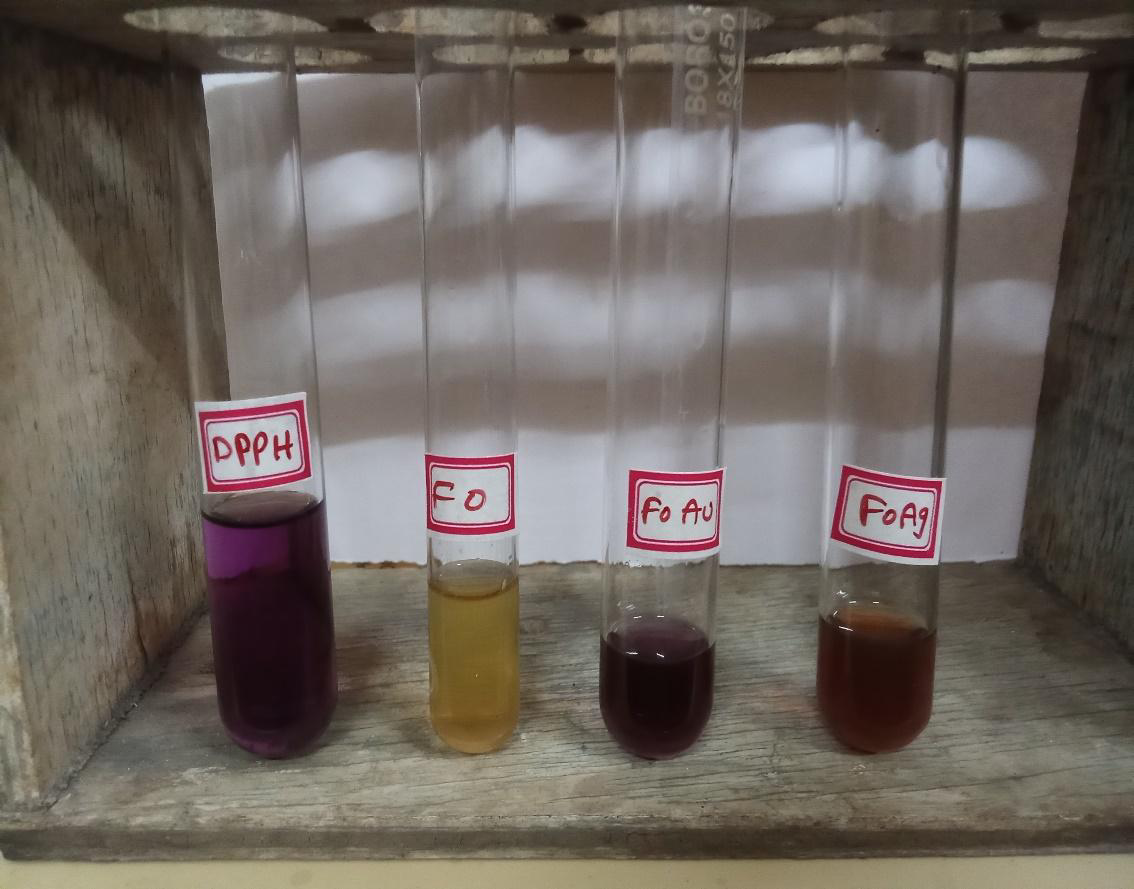
Oxidative stress is an important risk factor in the development of various chronic diseases. Free radicals and other reactive oxygen species are known to play a role in the progression of conditions such as asthma, inflammatory arthropathies, diabetes, Parkinson’s disease, and Alzheimer's disease (24). Members of the Cyperaceae family are well-known for their antioxidant potential. The major genera with antioxidant activity include Cyperus, Reimera, Rhynchospora, and Scleria. Cyperus rotundus has been identified as a natural antioxidant and a free radical terminator (25). Hot water extracts from Cyperus esculentus have antioxidant properties (26). Cyperus compressus is a great source of antioxidant-rich phytonutrients, which supports its traditional use (27). The extracts from Fimbristylis ovata demonstrated significant antioxidant effects by reducing the generation of reactive oxygen species (ROS) and inhibiting oxidative stress induced by advanced glycation end-products (AGEs). The presence of iron and zinc notably enhances the antioxidant activity of Fimbristylis ovata. These essential trace elements play a crucial role in reducing ROS and improving the overall antioxidant capacity of the plant extracts. The combined effect of iron and zinc with F. ovata extracts leads to a more potent inhibition of oxidative stress, making this plant a promising candidate for further research into combating conditions related to oxidative stress.
CONCLUSION
The phytochemical screening of Fimbristylis ovata has revealed that the presence of various bioactive compounds, including flavonoids, phenols, and tannins, which contribute to its strong antioxidant activity. ICP-OES analysis confirmed the presence of essential trace elements such as iron and zinc, which enhance the antioxidative capacity of F. ovata. Additionally, GC-MS analysis identified several active phytochemical compounds that play a crucial role in inhibiting oxidative stress and inflammatory pathways. These findings underscore the potential of F. ovata as a natural source of antioxidants with significant biomedical applications.
Funding:
No funds, grants or other support was received.
Competing interests:
The authors have no financial or proprietary interests in any material discussed in their article.
REFERENCES



G. Bhavani, S. Ankanna, N. Savithramma, Validation of Fimbristylis ovata for pharmaceutical Applications, Int. J. of Pharm. Sci., 2026, Vol 4, Issue 2, 3710-3717. https://doi.org/10.5281/zenodo.18741784
 10.5281/zenodo.18741784
