
Abasaheb Kakade College of B. Pharmacy, Bodhegaon, Shevgaon, Ahilyanagar
The cosmetics sector is increasingly moving towards eco-friendly, sustainable, and herbal-based formulations. Citrus peel waste, a significant byproduct of the fruit processing sector, is a plentiful source of natural bioactive compounds such as flavonoids, vitamin C, essential oils, and phenolics. These compounds have strong antioxidant, antimicrobial, and skin-brightening effects that make them ideal for cosmetic use. This review focuses on effectively utilizing citrus peel waste in creating a natural herbal face scrub, emphasizing the transformation of biodegradable citrus residues into valuable cosmetic ingredients, reducing environmental pollution while improving product effectiveness. By blending citrus peel powder with herbal agents such as rice flour, flaxseed powder, camphor powder, multani mitti, licorice root powder, neem, turmeric, and rose petal powder, a gentle exfoliating formulation can be created that encourages skin rejuvenation and luminosity. This strategy not only promotes the idea of sustainable beauty but also contributes to the circular economy by turning agricultural waste into valuable cosmetic products. Recent research has investigated the valorization of citrus peel waste in herbal cosmetics, particularly focusing on developing natural face scrub formulations. Adding citrus peel powder to scrubs delivers gentle exfoliation, enhances skin brightening, minimizes hyperpigmentation, and improves overall skin texture while remaining consistent with sustainable and eco-friendly practices. This review underscores the potential of citrus peel as a cost-effective and sustainable component in herbal face scrubs, discussing formulation techniques, safety considerations, and efficacy based on phytochemical profiles and clinical studies. The use of citrus peel waste not only presents an environmentally friendly option in cosmetic formulation but also aids in waste reduction and supports circular economy efforts in both the cosmetic and food processing sectors.
Cosmetics are frequently used to enhance a person's appearance and come in a variety of forms. Skincare products are specifically formulated to tackle different skin issues, such as protection, sun care, anti-aging, and wrinkle prevention.
Throughout history, herbs and herbal cosmetics have been used for cleansing, beautifying, and addressing problems like excess oil, acne, pigmentation, blemishes, and dark circles. A face scrub is a valuable skincare product that aids in cleaning the skin, eliminating dirt, oil, and impurities from the pores, preserving elasticity, and encouraging skin cell regeneration. It exfoliates the skin, boosts blood circulation, and removes dead skin cells. Ideally, face scrubs should include gentle, mild abrasives that are non-irritating.[1] Herbal exfoliating scrubs aid in reducing the noticeable signs of aging on the
skin and combat environmental harm. They work effectively to cleanse the skin's surface and eliminate dead cells through herbal components that offer anti-aging, antioxidant, vitamin-rich, and antiseptic benefits. This thorough cleansing process improves skin brightness, moothness, and overall appearance[2,3].
Using a facial scrub is a straightforward process: select a scrub suitable for your skin type, apply it to damp skin, gently massage for around one minute, and then wash off with water. Scrubs are generally appropriate for all skin types— sensitive, oily, and dry. After applying the scrub gel, a gentle massage is recommended to enhance blood circulation and increase oxygen supply to all skin areas[4].
A facial scrub is a beauty product designed to cleanse and exfoliate the skin on the face or body. Facial scrubs are advantageous for eliminating dirt, dead skin cells, sebum (oil), blackheads, and whiteheads. They help sustain a healthy and glowing complexion.
There are three primary skin types: oily, sensitive, and dry. Individuals with dry skin should select a facial scrub featuring moisturizing and hydrating ingredients. Those with sensitive skin should choose a mild scrub, while people with oily skin should opt for an exfoliant that helps prevent acne, dullness, and breakouts, alongside controlling oil production[5]
Ideal Characteristics of a Scrub:
A scrub should include small, rough granules that are safe and mildly abrasive. It ought to have a slightly rough texture, be non-irritating, non-sticky, and effective in removing dead skin cell--[6] It must incorporate fine, gritty particles to successfully eliminate dirt and dead skin. Furthermore, natural ingredients like coffee beans can be utilized in skincare products.
There are three primary skin types: oily, sensitive, and dry. Individuals with dry skin should select a facial scrub featuring moisturizing and hydrating ingredients. Those with sensitive skin should choose a mild scrub, while people with oily skin should opt for an exfoliate that helps prevent acne, dullness, and breakouts, alongside controlling oil production[7]
Advantages of Skin Exfoliation
SKIN:
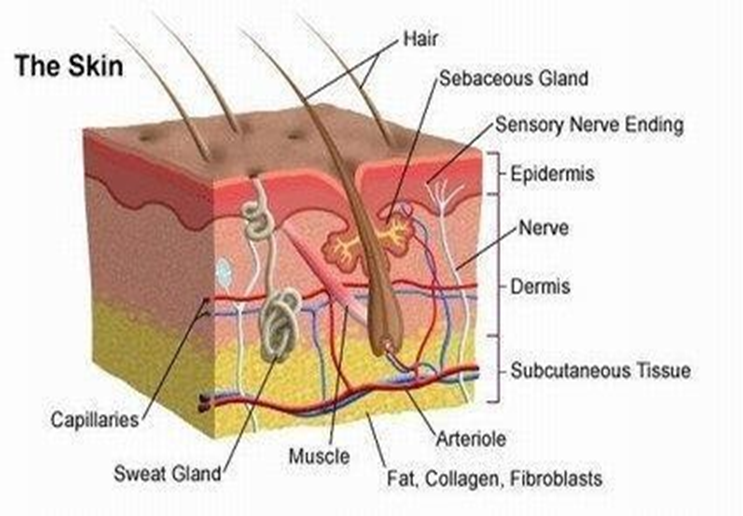
The skin, known as the cutaneous membrane, is the largest organ in the body in terms of both weight and surface area. It serves multiple crucial functions, such as regulating body temperature, acting as a reservoir for blood, shielding the body from external factors, providing sensations, facilitating excretion and absorption, and synthesizing vitamin D. The immune defenses found on the skin help prevent microbes from entering the body, establishing it as the largest external defense system. In addition to acting as the outermost protective layer, the skin has other essential responsibilities. It creates a mechanical barrier that distinguishes the body’s internal environment from the outside world. The skin’s temperature can vary between 30–40°C based on environmental conditions. Furthermore, it is one of the most accessible organs for topical applications, making it the primary pathway for topical drug delivery systems. This study emphasizes topical penetration, strategic approaches to topical formulation, and the critical elements of topical drug delivery systems. The effectiveness of ointments absorbed through the skin is influenced by various factors, including drug concentration, duration of exposure, solubility and the physical condition of the exposed skin layer and site on the body.
FACE SCRUB
A face scrub is a textured cream that contains ingredients for exfoliation.
The act of scrubbing involves exfoliating the skin, providing a deep clean by eliminating dirt, oil, and sweat from the pores.
This process helps preserve a natural radiance and removes dead skin cells. Consistent use of a scrub can also diminish acne scars.
The gritty components in face scrubs gently massage the skin to clear out pores, removing impurities and dead skin, resulting in a smoother and softer complexion.
Including an effective facial scrub in a weekly skincare regimen supports healthy and luminous skin.[10]
INGREDIENTS:
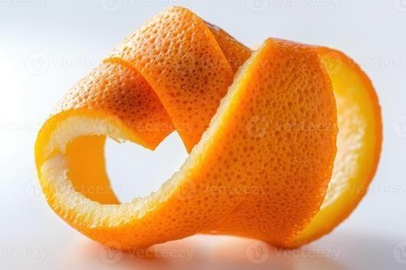
1. Orange peel powder
Synonym: sweet orange peel,Aurantium dulcis Part Used: fruit peel
Macroscopic Characteristics: Orange-yellow hue, fragrant, slightly bitter flavor, coarse powder
Microscopic Characteristics: Oil glands, parenchyma cells, trichomes, starch granules, pieces of peel epidermis
Chemical Components: Vitamin C, flavonoids (hesperidin), essential oils (limonene), pectin, carotenoids
Uses in Scrub: Gentle exfoliant, brightening agent, antioxidant, enhances skin tone, removes impurities.11,12]
2. Flax Seed Powder
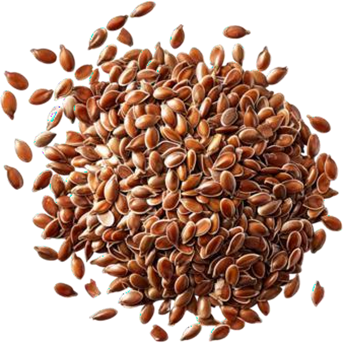
Synonyms / Biological Source: Linum usitatissimum, Linseed Family: Linaceae
Part Used: Seed
Macroscopic Characteristics: Brown or golden-brown, oily, becomes mucilaginous when wet, nutty aroma
Microscopic Characteristics: Oval seeds with mucilage-rich epidermal cells; trichome fragments, starch granules, oil droplets in powder
Chemical Components: Omega-3 fatty acids (α-linolenic acid), lignans, proteins, mucilage, fiber
Uses in Scrub: Moisturizing properties, creates a protective barrier on skin, gentle exfoliation, anti-inflammatory, soothing[13,14]
3. Rice Flour Powder
Synonyms / Biological Source: Oryza sativa, Rice Family: Poaceae
Part Used: Seed / endosperm
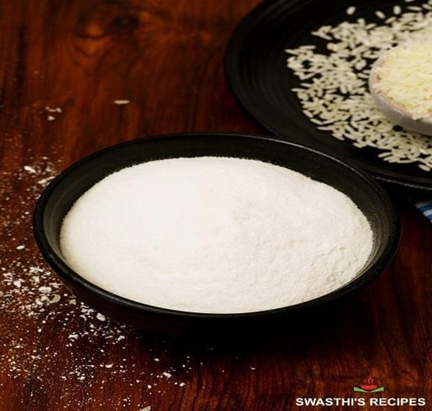
Macroscopic Characters: Fine white powder with a neutral smell and bland flavor.
Microscopic Characters: Polygonal starch granules, minimal protein bodies; the powder flows freely.
Chemical Constituents: Composed of starch, small quantities of protein, lipids, and minerals.
Uses in Scrub: Acts as an absorbent, provides gentle exfoliation, enhances skin texture and smoothness, and is mild on the skin[15,16]
4. Liquorice Root Powder
Synonyms / Biological Source: Glycyrrhiza glabra, Licorice Family: Fabaceae
Part Used: Root
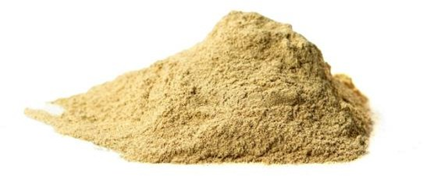
Macroscopic Characters: Brownish-yellow powder with a sweet taste and aromatic fragrance.
Microscopic Characters: Contains trichomes, starch granules, fragments of xylem and phloem, and parenchyma cells.
Chemical Constituents: Contains glycyrrhizin, flavonoids (liquiritin), saponins, phenolic compounds, starch, and gums.
Uses in Scrub: Known for brightening the skin, possessing anti-inflammatory properties, antioxidant effects, and soothing sensitive skin[17,18]
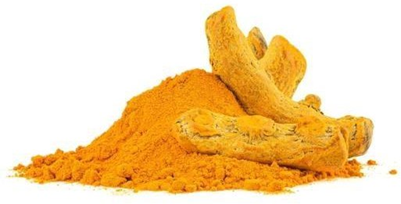
5. Turmeric Powder
Synonyms / Biological Source: Curcuma longa, Haldi Family: Zingiberaceae
Part Used: Rhizome
Macroscopic Characters: Vibrant yellow powder, aromatic, with a slightly bitter flavor
Microscopic Characters: Parenchyma cells, oil cells, starch grains, and fibers
Chemical Constituents: Curcuminoids (curcumin, demethoxycurcumin), volatile oils (turmerone), proteins, and starch
Uses in Scrub: Anti-inflammatory, antioxidant, enhances skin brightness, and has antiseptic properties[19,20]
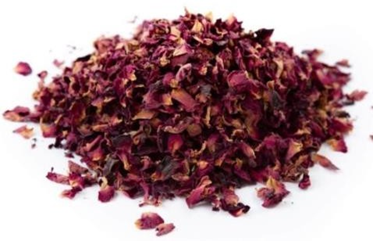
6. Rose Petals Powder
Alternate Names / Source: Rosa damascena / Rosa centifolia Family: Rosaceae
Used Part: Petals
Macroscopic Features: Aromatic pink-red powder with a slightly sweet flavor
Microscopic Features: Parenchyma cells, trichomes, fragments of stomata, oil droplets
Chemical Components: Essential oils, flavonoids, tannins, phenolics, organic acids Applications in Scrubs: Acts as an antioxidant, gentle exfoliant, soothes skin, provides fragrance, enhances skin tone[21,22]
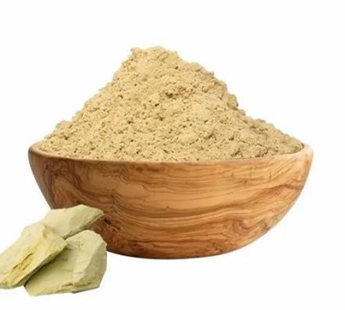
7. Multani Mitti (Fuller’s Earth Clay)
Alternative Names / Source: Fuller’s Earth, a silica-rich clay mineral Family: Mineral-based; not derived from plants
Used Part: Clayed powder
Macroscopic Characteristics: A fine powder ranging from beige to light brown, without any odor
Microscopic Characteristics: Plate-like mineral particles lacking cellular structure
Chemical Components: Silica, alumina, magnesium, and iron oxides
Applications in Scrubs: Absorbent properties, deep cleansing, control of oil, skin brightening, and soothing effects.[23,24]
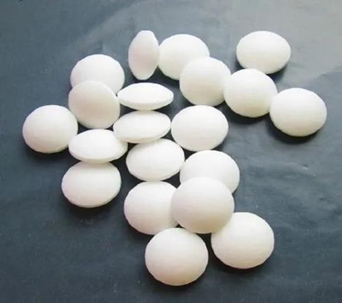
8. Camphor
Synonyms / Biological Source: Cinnamomum camphor Family: Lauraceae
Part Used: Bark / distilled crystals (natural) or synthetic camphor
Microscopic Characters: Crystalline formations, volatile oil content; absence of plant cells in powder
Chemical Constituents: Camphor (C??H??O), camphene, cineole, pinene
Uses in Scrub: Acts as a rubefacient, provides cooling effects, serves as an antiseptic, and has a pleasant fragrance; utilized in small percentages for its skin soothing and refreshing properties.[25,26]
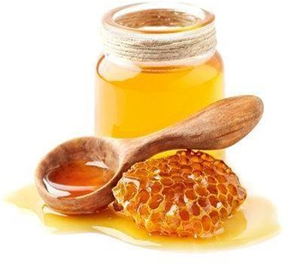
9. Honey
Synonyms / Biological Source: Apis mellifera (Bee honey) Family: Apidae
Part Used: Processed nectar / secretion
Macroscopic Characters: Viscous golden-yellow liquid, sweet flavor, delightful aroma, sticky texture
Microscopic Characters: Contains pollen grains, wax particles, and air bubbles; lacks plant cells
Chemical Constituents: Comprises fructose, glucose, sucrose, vitamins (B, C), minerals, amino acids (proline), enzymes (invertase, glucose oxidase), flavonoids, and phenolic acids
Uses in Scrub: Functions as a natural humectant, provides antioxidant and antibacterial benefits, soothes the skin, and helps to moisturize and brighten it[27,28]
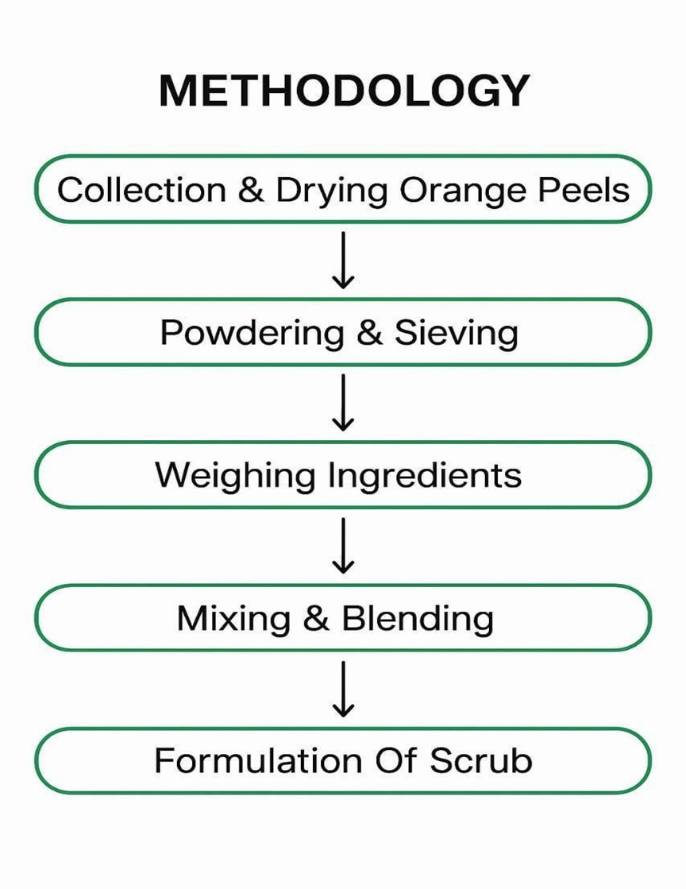
Procedure for Preparation of Orange Peel Scrub
Fresh orange peels were gathered and thoroughly rinsed with distilled water to eliminate any dirt or impurities. The cleaned peels were then dried in the shade at room temperature for several days until they became crisp and free of moisture.
The dried peels were ground using a mechanical grinder and sifted through a 60-mesh screen to produce a fine, uniform powder. The necessary amounts of all components, including orange peel powder and other ingredients such as sugar, honey, and aloe vera gel (depending on the specific formulation), were precisely measured using a digital scale.
The components were then mixed and blended thoroughly in a clean, dry mortar and pestle until a uniform mixture was achieved. The final formulation was stored in airtight containers and assessed for various parameters such as texture, spreadability, pH, and stability to confirm its effectiveness as a facial scrub. [29]
EVALUATION
1. Organoleptic Evaluation / Visual Appearance
The organoleptic characteristics such as hue, texture, and scent were examined. Color and texture were assessed through visual observation and tactile evaluation, respectively. A group of five individuals with a keen sense of smell was chosen to assess the fragrance of the products.
Color: Should match intended shade; usually off-white to light brown for herbal face packs.
Texture: Smooth, fine powder, no visible lumps. Odor: Mild to pleasant, not irritating or sharp.
2. Washability Test
This is a standard approach employed to evaluate the washability of the formulation. The formulation was applied to the skin, and the simplicity and completeness of its removal with water were manually evaluated. About one liter of water was utilized to wash off the entire formulation from the skin's surface.
Typically removed with < 1 L water (you method uses ~1 L, which is standard).
3. Spreadability
This characteristic assesses how easily the product can be spread over the skin. The formulation should demonstrate good spreadability, smooth application, and be free of any grittiness.
Spreadability factor: generally > 5 g·cm/sec Subjective rating: Good to Excellent.
4.Colour
The powder's color should closely resemble the natural skin tone to ensure effective coverage of skin imperfections without being noticeably visible.
Cream, beige, light brown, pale peach
5. Odor Assessment
The fragrance of the formulation was examined through direct smelling to verify its pleasantness and acceptability. Odor should be mild, pleasant, non-irritating.
Acceptability score: usually 3–5 on a 5-point scale.
6. Irritancy Testing
A 1 cm² section was marked on the dorsal side of the left hand. A specific amount of the prepared face pack was applied to this section, and the application timing was noted. The area was monitored for any indications of erythema, edema, or irritation for up to 24 hours at regular intervals.
Normal/acceptable: No erythema, no edema for up to 24 hours.
If using a scoring scale: irritation score should be 0[30]
7. General Powder Analysis
This analysis encompasses aspects that influence the external characteristics of the formulation, such as flow properties, appearance, and packaging necessities. The following parameters were evaluated: particle size, angle of repose, bulk density, tapped density, and compressibility index…
Typical powder characteristics:
Flow properties: Good
Appearance: Fine, uniform
Packaging: Moisture-resistant container
8. Angle of Repose
The angle of repose is defined as the maximum possible angle between the surface of a pile of powder and the horizontal plane, which reflects the flow characteristics of the powder.
Flow property indicator:
25–30° = Excellent flow
30–35° = Good
35–40° = Passable
> 40° = Poor flow
For cosmetic powders, expected: 28–35°.
9. Particle Size Measurement
Particle size influences various attributes of the formulation, including its grittiness and spreadability. The particle size was determined using an I.P. standard sieve and mechanical shaker for ten minutes.
Using I.P. sieve method: Typical face-pack powder size: 150–300 µm Should pass mostly through #100 or #120 sieve.
10. pH Measurement
The pH of a 1% aqueous solution of the formulation was assessed using a calibrated digital pH meter under consistent conditions.
For a 1% w/v aqueous solution of cosmetic powders: Expected range: 5.0 – 7.0
Close to skin pH to avoid irritation[31]
11. Preservative Examination
Preservatives are utilized to safeguard formulations against microbial contamination. Frequently used preservatives consist of parabens, phenoxyethanol, and benzoates.
Presence should be within permissible cosmetic limits[32]
CONCLUSION
This review emphasizes the possibility of incorporating natural and herbal ingredients such as orange peel, flaxseed, rice flour, turmeric, rose petals, liquorice root, multani mitti, camphor, and honey in creating an efficient exfoliating scrub. Each ingredient offers distinct therapeutic benefits, including brightening, moisturizing, anti-inflammatory, antioxidant, cooling, and soothing properties, thereby enhancing both the efficacy and safety of the formulation. The integration of these herbal components not only guarantees thorough cleansing and exfoliation but also boosts skin health by minimizing irritation, fostering radiance, and supplying nourishment. In contrast to synthetic formulations.
REFERENCES




Magar Gayatri, Marathe Shruti, Lande Samarth, Zine Sapna, Dr. Hemant Gangurde, A Brief Review on Utilisation of Citrous Peel Waste in Herbal Cosmetics; A Face Scrub Formulation, Int. J. of Pharm. Sci., 2026, Vol 4, Issue 3, 1839-1849. https://doi.org/10.5281/zenodo.19069687
 10.5281/zenodo.19069687
