

We use cookies to ensure our website works properly and to personalise your experience. Cookies policy
Dattakala College of Pharmacy.
Lagenaria siceraria, also known as bottle gourd, is a plant from the Cucurbitaceae family. It is commonly grown and eaten because it has good nutrients and health benefits. In traditional medicine, like Ayurveda and folk remedies, it is used for its strong health effects, especially helping with diabetes and high blood sugar. This fruit has many active chemicals, such as flavonoids, saponins, sterols, phenolics, and terpenoids. These compounds help control blood sugar, make insulin work better, and lower damage from free radicals. Research shows that bottle gourd can protect the cells in the pancreas that make insulin and lower high blood sugar through its antioxidant and fat-lowering actions. But more people are drinking bottle gourd juice, especially those who do yoga or follow natural health practices. This has led to worries about safety. The fruit contains cucurbitacins, which are bitter and can be harmful if eaten too much. Cases of low blood pressure, vomiting, bleeding from the stomach, and even deaths have been reported, showing how dangerous overuse can be. So, even though bottle gourd has good health benefits and can be helpful for diabetes, it is important to know about its possible dangers and use it properly. This review looks at both the health benefits and the risks of bottle gourd, highlighting how it can be both helpful and harmful.
Lagenaria siceraria (bottle gourd), a member of the Cucurbitaceae family, is widely cultivated across tropical and subtropical regions for both nutritional and medicinal purposes. Known as lauki in India, calabash, or locally as “kado,” it is an annual herbaceous vine with a prostrate growth habit that can also climb with support. The plant produces monoecious flowers, facilitating cross-pollination, and exhibits high adaptability to diverse soils and climates, thriving from sea level to 2,500 m in sandy, loamy, and alluvial soils.The fruit matures to a yellow or pale brown color, with pulp that dries completely, leaving a hard, hollow shell containing seeds embedded in spongy tissue. Seeds are a source of edible oil and are traditionally used in soups, while dried shells are employed for containers, musical instruments, and utilitarian objects. Historical evidence suggests independent domestication in the Americas, Asia, and Africa, making it one of the earliest domesticated plant species.Nutritionally and pharmacologically, L. siceraria contains bioactive compounds such as flavonoids, sterols, saponins, and polysaccharides, contributing to its cardioprotective, hepatoprotective, antihyperglycemic, antioxidant, and antimicrobial effects. Its traditional and modern applications include management of diabetes, cardiovascular disorders, liver ailments, and digestive problems. However, the presence of cytotoxic cucurbitacins in the fruit and juice can lead to hypotension, vomiting, and other toxic effects if consumed excessively
Synonyms:
Table 1: Synonyms
|
Language |
Names/synonyms |
|
Sanskrit |
Alabu, Tumbi Ishavaaku, Katutumbi, Tiktaalaabu, alaabu |
|
English |
Bottle Gourd |
|
Bengali |
Laus, Lokitumbi |
|
Gujarati |
Dudi, Tumbadi |
|
Hindi |
Lauki, Ghia |
|
Kannada |
sugumbala, Tumbi |
|
Malyalam |
Chorakka, Churan, Choraikka, Piccura, Tumburini, Cura, Tumburu |
|
Marathi |
Bhopla |
|
Punjabi |
Tumbi, Dani |
|
Tamil |
Shorakkai, Surai, Suraikkai |
|
Telugu |
Sorakaya, Anapakaya |
|
Urdu |
Ghiya, Lauki |
Botanical Description :
Lagenaria siceraria (Mol.) Standl., commonly known as bottle gourd or calabash, belongs to the family Cucurbitaceae and the order Cucurbitales. Its vernacular names include Suwar/ghiya in Hindi, Dudhi or Lauki in Marathi, Sorakaya in Telugu, Sorekai in Kannada, and Lauki in Bengali. It is an annual, trailing or climbing herbaceous vine with long, creeping stems that may reach 3–10 meters in length, which are soft, angular, and slightly hairy. The leaves are alternate, simple, broadly heart-shaped (cordate), measuring 10–25 cm, with shallowly lobed or entire margins and a rough texture on the upper surface. The plant has slender, spirally coiled tendrils that help it climb. Lagenaria siceraria is monoecious, bearing male flowers in clusters and female flowers usually solitary; flowers are white or yellowish-white and mainly pollinated by insects. The fruit is a pepo, varying in shape from cylindrical and club-shaped to bottle-shaped, with young fruits being green and smooth, and mature fruits yellow, cream, or brown, hard, and woody with hollow spongy pulp. Seeds are flat, oval, 7–20 mm long, and creamy to brown. The root system is taproot type with fibrous lateral roots. This plant is native to Africa but is widely cultivated throughout tropical and subtropical regions of the world. It prefers well-drained sandy or loamy soils and warm climates, being sensitive to frost. Various parts of Lagenaria siceraria are used: young fruits, leaves, and flowers are edible, while mature fruits are dried and used as containers, musical instruments, or utensils. Traditionally, it has also been used in folk medicine for its diuretic, cooling, and hepatoprotective properties.
Taxonomical Classification:
Table 2: Taxonomical Classification
|
Kingdom |
Plantae |
|
Division |
Magnoliophyta |
|
Class |
Magnoliopsida |
|
Order |
Cucurbitales |
|
Family |
Cucurbitaceae |
|
Genus |
Lagenaria |
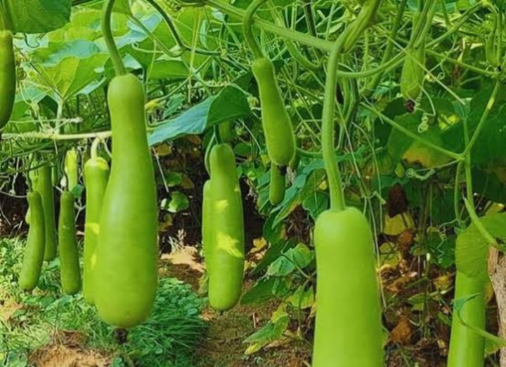
Fig 1. Bottle Gourd Plant
Phytochemical Profile :
The edible part of the fruit contains ascorbic acid, triterpenes, minerals, choline, amino acids, vitamin B-complex, triterpenoid cucurbitacin B, D, H, G, 22-deoxy cucurbitacin, beta-glycosidase, elastase, flavonoids and carbohydrates. The fruit contains bitter compounds found in the cucurbitacin family, flavone-C glycosides, a type of ribosome-inactivating protein, fucosterol and campesterol, terpene binolic acid, terpene binolic acid, which also contains bitter compounds found in the Cucurbitaceae family.
Figures 1 and 2 show the various plant chemicals found in Lagenaria siceraria. The extract contains carbohydrates, saponins, proteins, flavonoids and glycosides, as shown by phytochemical tests. These vegetables are mostly water and contain few calories. It contains vitamins, choline, flavonoids, minerals, proteins, terpenoids and other plant chemicals. Lagenaria siceraria contains a variety of active substances including flavones, sterols, cucurbitacins, C-glycosides, triterpenoids and beta-glycosides.
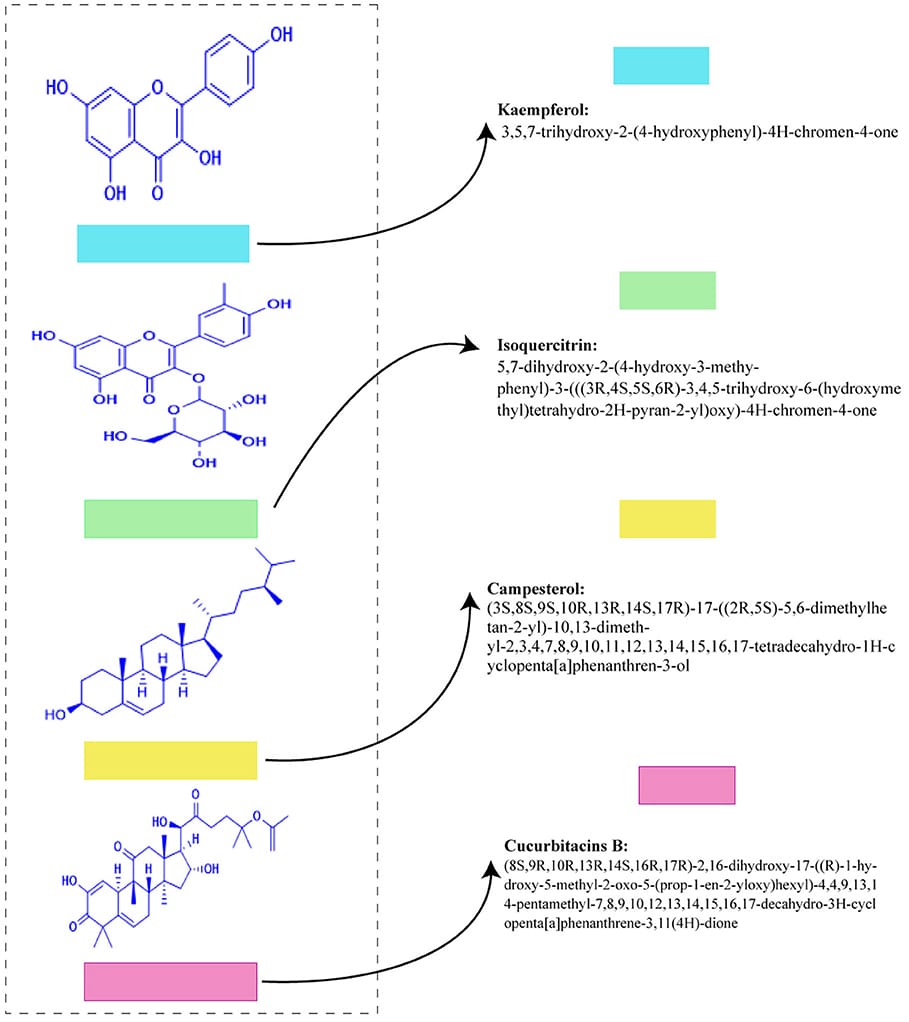
Fig 2: Some of the structure of different bioactive chemicals present in Lagenaria siceraria
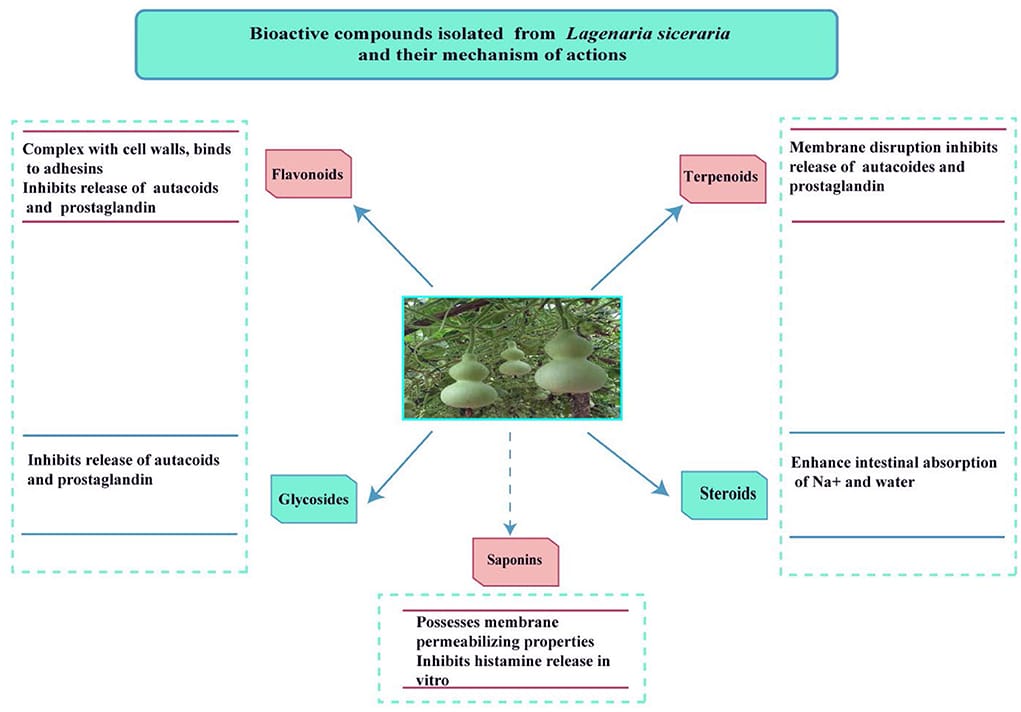
Fig 3: The action mechanism of various phytochemicals
Traditional Uses:
The fruit is widely used as a medicinal plant in Asia and Africa to treat many health problems. People make alternative medicines from different parts of this plant, such as fruit, seed, leaf and root. In Ayurveda and other traditional healing systems, the fruit has been found to have potential therapeutic benefits. It is traditionally used to protect the heart, act as an antidote, improve sexual health, strengthen the heart, aid in passing urine, and serve as a general health booster. Fruit juice is used to treat jaundice and other liver problems as it has good antioxidant properties. This plant is believed to have many health benefits, including antioxidant, cholesterol-lowering, diuretic, laxative, liver-protective, pain-relieving, blood-pressure-lowering, heart-protective, nervous-system-stimulating, worm-fighting, free-radical-fighting, immune-boosting, and antidepressant properties. The Cucurbitaceae family, which includes this plant, has many therapeutic properties, such as anti-HIV, fever-reducing, anthelmintic, anxiety-reducing, gas-relieving, diabetes-fighting, bacteria-fighting, antioxidant, laxative, tuberculosis-fighting, anti-diabetic effects. It is also used as a contraceptive, diuretic and heart strengthening agent. It also has anti-inflammatory, cough suppressant, anti-cellulite and expectorant properties. Studies have shown that methanol and vacuum-dried juice extracts from the fruit have effective diuretic effects. When given to albino rats, this extract caused them to produce more urine than the control group. Both types of extracts increase the excretion of electrolytes in a dose-dependent manner. The plant aids in digestion, eases urinary problems, aids in weight loss and lowers blood pressure. L. siceraria is used in various traditional medicine systems to treat various human diseases and disorders. These vegetables are rich in water and low in calories. The seeds are also used for headaches and constipation as they have a cooling effect on the body. After drying, the fruit is used to make resonance boxes for musical instruments like kora and balafon. Dry casks are used to store and transport drinking water, milk, alcohol, local wine, oatmeal, cereals, animal fat, honey, tobacco, ghee, salt, perfume, medicinal herbs and crop seeds. It is also used to make beehives, beer containers, and to store clothes and utensils. Dried Bottle gourd is used to make musical instruments and decorative items. The medicinal properties of the plant are used to treat various conditions including jaundice, ulcers, colitis, diabetes, mental illness, skin problems, hypertension, piles and congestive heart failure.The pulp of the fruit is cooling, diuretic, reduces bile and supports the chest, and is used as an emetic and purgative. When boiled in oil, the pulp is used to treat rheumatism and insomnia.
Table 3: Traditional Uses of Plant
|
Plant part |
Traditional use |
|
Fruit pulp |
Emetic, purgative, coolant, sedative, diuretic |
|
Flower |
Poison antidote |
|
Steaming bark and peel |
Diuretic |
|
Leaf juice |
Improves hair growth, tooth decay, heart disease, urinary disorders, jaundice, digestive disorders, constipation, diabetes, and cooling effect. |
|
Seed |
Vermifuge |
|
Leaves |
Purgative |
Pharmacological Study:
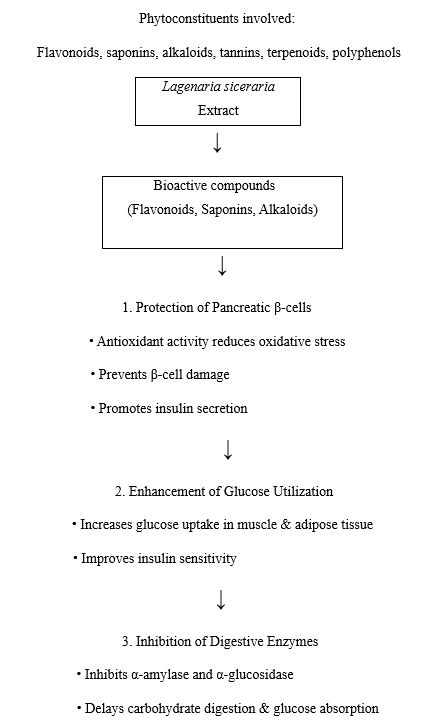
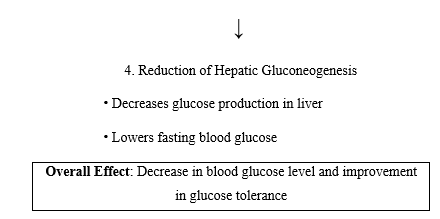
The antidiabetic effect of Lagenaria siceraria (pumpkin) is attributed to multiple mechanisms, including the inhibition of digestive enzymes such as alpha-amylase and alpha-glucosidase, which slow down carbohydrate digestion and glucose absorption. It also appears to protect pancreatic beta cells from damage, leading to increased serum insulin levels. In addition, Lagenaria siceraria shows antioxidant properties and can improve glucose uptake by cells, contributing to reducing blood glucose levels.

Fig 4: Systemic effects of Lagenaria siceraria
Mechanisms of action:
Inhibits carbohydrate-digesting enzymes: Lagenaria siceraria extracts inhibit the action of alpha-amylase and alpha-glucosidase, enzymes that break down starches into glucose. By slowing this process, you reduce the rate at which glucose enters your bloodstream, which helps reduce blood sugar spikes after meals. Protects pancreatic beta cells: Studies have shown that Lagenaria siceraria extracts can help protect the integrity and mass of pancreatic beta cells, which are responsible for insulin production. Preserving these cells helps maintain or increase serum insulin levels.
Improves glucose absorption: Some research indicates that Lagenaria siceraria extracts may improve glucose absorption by cells, helping to remove glucose from the bloodstream. Provides antioxidant protection: The plant has antioxidant properties that can help mitigate oxidative stress, a factor that can contribute to diabetes complications and beta cell damage. Contains bioactive compounds: The plant contains bioactive molecules, including a specific protein with significant antihyperglycemic activity, which likely contributes to its overall antidiabetic effect.
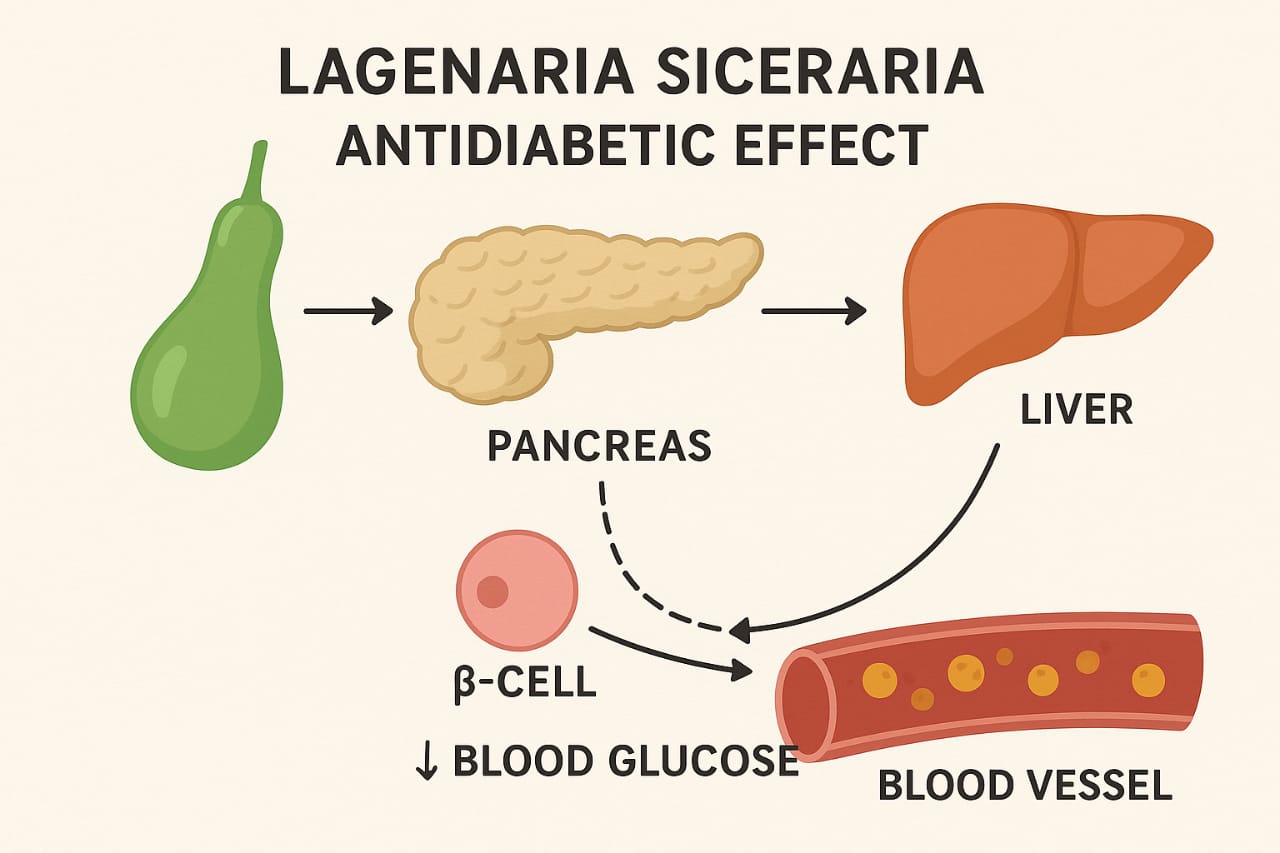
Fig 5: Antidiabetic effect of Lagenaria siceraria
Mechanism of Antidiabetic Activity of Lagenaria siceraria
In vitro studies:
1) α-glucosidase inhibitory activity
α-Glucosidase inhibitory activity was carried out using the methods of Worthington (1993) with some modifications according to Ghane et al. (2018). A known amount (30μL) of the seed extract was mixed with 100μL α-glucosidase solution (unit/mL) and made up to 0.5mL with 0.1M phosphate buffer (pH6.9). The mixture was preincubated for 5 min at 25°C and 100μL of p-nitrophenyl-α-D-glucopyranoside (5mM) was added. After incubation at 25°C, the reaction was immediately quenched by adding 1mL of 0.1M Na2CO3 and the absorbance was measured at 405nm. The control was prepared as above without any dilution. Acarbose was used as a positive control and the α-glucosidase inhibitory activity was calculated on a percentage basis.
2) α-glucosidase inhibitory activity
With some modifications according to Ghane et al. (2018). A known amount (30μL) of the seed extract was mixed with 100μL α-glucosidase solution (unit/mL) and made up to 0.5mL with 0.1M phosphate buffer (pH6.9). The mixture was preincubated for 5 min at 25°C and Worthington (1993) 100μL of p-nitrophenyl-α-D-glucopyranoside (5mM) was added. After incubation at 25°C, the reaction was immediately quenched by adding 1mL of 0.1M Na2CO3 and the absorbance was measured at 405nm. The control was prepared as above without any dilution. Acarbose was used as a positive control and the α-glucosidase inhibitory activity was calculated on a percentage basis.
In vivo studies:
The sub-acute toxicity of LS juice was evaluated in Wistar rats.
Diabetes was induced in Wistar rats by a single intraperitoneal injection of streptozotocin (55 mg/kg body weight).
Rats were divided into 6 groups:
1. General control
2. Untreated diabetic control
3. Diabetic rats treated with LS juice (200 mg/kg body weight)
4. Diabetic rats treated with LS juice (400 mg/kg body weight)
5. Diabetic rats treated with LS juice (600 mg/kg body weight)
6. Diabetic rats treated with insulin (2 IU/mL).
Mice were sacrificed on day 31 and various biochemical parameters were evaluated in serum and tissue homogenates.
Toxicological Study:
Subacute toxicity studies:
Lagenaria siceraria (Cucurbitaceae) is traditionally known to be used to treat diabetes, ulcers, jaundice, cardiovascular disease, hemorrhoids and colitis. This study involved evaluation of acute and subacute toxicity of methanolic extract of L. siceraria fruit (MELSF) in rats to evaluate its safety profile. For acute oral toxicity, a single dose of the extract (2000 mg/kg body weight) was administered to female Wister rats while subacute studies administered the extract at doses of 250, 500, and 1000 mg/kg orally to male and female rats over 28 d. No evidence of toxicity was observed in animals when acutely exposed to MELSF, suggesting that the LD50 is greater than 2000 mg/kg body weight. Furthermore, repeated administration of the extract for 28 days did not alter any hematological and biochemical parameters and no significant changes were observed in organ and body weight in control and treated groups. Histopathological evaluation in kidney and liver was normal. Thus, the present investigation shows that MELSF, at dose levels up to 1000 mg/kg, is non-toxic and can show protection of some body tissues when administered for 28 days and therefore can be considered safe. This study supports the use of L. siceraria in traditional medicine.
A review of subacute toxicity studies on Lagenaria siceraria suggests that the plant extract is safe for use in antidiabetic activity, with no observed toxic or adverse effects at the doses tested. For example, one study found that L. siceraria seed extract exhibited an LD50 greater than 5000 mg/kg, with no signs of toxicity in mice at this high dose. Another 28-day subacute oral toxicity study of a methanolic extract showed no treatment-related toxicity or death in rats at doses up to 1000 mg/kg.
Subacute toxicity studies evaluate the potential adverse effects of a drug over 2-4 weeks. For Lagenaria siceraria, research suggests:
Organ effects: The plant extract exhibits hepatoprotective activity against acetaminophen-induced liver damage.
Behavioral Observations: No significant adverse effects on behavior were reported in animal studies.
Biochemical Parameters: Lagenaria siceraria extract has been found to:
1) Lowering glucose levels without toxicity
2) Has anti-hyperglycemic activity
3) Show antioxidant properties
Case Studies:
Case Study 1:
A 55-year-old man was referred to our hospital in shock. A few hours later, he was admitted to a nursing home, with a history of sudden vomiting, bloody diarrhea and altered sensorium and developed hypotension and oliguria, the day before. He was treated with intravenous fluids, antibiotics and vasopressors. He did not show much improvement during the day and hence was referred to our hospital.
On evaluation of symptoms, detailed, he was asymptomatic until 7 am, at which time he drank a glass bottle of jaggery juice as per his daily routine. He noticed that the juice was unusually bitter and developed symptoms after 30 minutes. He had a past history of diabetes and ischemic heart disease. He was on oral hypoglycemic drugs, antiplatelets and statins.
Case Study 2:
A 52-year-old woman, positive for HIV for 3 years and on anti-retroviral therapy consisting of raltegravir, lamuvidin, and nevirapine, presented to the emergency department with a 2-hour history of diarrhea and vomiting. Diarrhea was watery, voluminous, non-bloody and odorless. The vomitus was non-precipitating, non-bloody. 2 hours prior to her presentation, she consumed 250 cc of freshly extracted karela juice. For the past 2 months she had been consuming it daily as a health drink, albeit a non-bitter juice.
At presentation her blood pressure was 80/46 mm Hg, pulse was 120/min, her tongue appeared dry, and her skin turgor was poor. There was mild tenderness in the lower abdomen. His blood pressure improved to 110/60 mm Hg after intravenous normal saline. She was also given symptomatic treatment in the form of ondansetron and pantoprazole. Meanwhile, en route to her transfer to the critical care unit, she developed 1 episode of bloody diarrhea.
Table 4: Serial Investigations Results
|
TEST |
DAY 1 |
DAY 2 |
DAY 3 |
DAY 4 |
|
HEMOGLOBIN (11.5-16.5 gm%) |
16.3 gm% |
14.9 gm% |
10.3 gm% |
11.3 gm% |
|
HEMATOCRIT (35–47%) |
48.5 % |
42.7 % |
35.5 % |
38.9 % |
|
WBC (4000–11000/cumm) |
14,200/cumm |
11,180/cumm |
9740/cumm |
7670/cumm |
|
PLATELETS (140000–440000/cumm) |
275000/cumm |
190000/cumm |
160000/cumm |
170000/cumm |
|
SODIUM (135–145 mmol/L) |
141.0 mmol/L |
140.8 mmol/L |
139.8 mmol/L |
138.5 mmol/L |
|
POTASSIUM (3.5–5.0 mmol/L) |
4.6 mmol/L |
4.1 mmol/L |
3.5 mmol/L |
3.8 mmol/L |
|
BICARBONATE (23–32 mmol/L) |
18.0 mmol/L |
21.7 mmol/L |
25.9 mmol/L |
27.4 mmol/L |
|
PT (13 SECONDS) |
13 |
— |
— |
13 |
|
aPTT (30 SECONDS) |
30 |
— |
— |
30 |
|
INR (1–1.1) |
1.0 |
— |
— |
1.0 |
|
SERUM CREATININE (0.6–1.0 mg/Dl) |
0.9 mg/dL |
0.8 mg/dL |
0.6 mg/dL |
0.6 mg/dL |
|
AST (5–40 U/L) |
697 U/L |
420 U/L |
131 U/L |
49 U/L |
|
ALT (5–40 U/L) |
508 U/L |
374 U/L |
214 U/L |
44 U/L |
|
TOTAL BILIRUBIN (0.2–1.3 mg/dL) |
0.8 mg/dL |
1.0 mg/dL |
1.3 mg/dL |
0.4 mg/dL |
Her most recent HIV viral load, performed 15 days prior to presentation, was less than 20 copies/mL, CD4 count at presentation was 128/low.
Serial monitoring of her hemoglobin shows an increasing trend, attributed to hemoconcentration due to fluid loss in the diarrhea. Her blood cultures were negative. Stool c. Difficile was negative for toxin, stool microscopy was negative for opportunistic infection, and stool culture was negative. Colonoscopy showed no abnormalities in the rectum/colon/caecum. She was managed with intravenous fluids, anti-diarrheals. Packed cells had to be transfused because of decreased hemoglobin secondary to her bloody diarrhea. Her symptomatic treatment continued, and 4 days after her presentation, her bloody diarrhea resolved on its own.
DISCUSSION:
The present review shows that Lagenaria siceraria (bottle gourd) has significant pharmacological potential in the management of diabetes mellitus and related hyperglycemic disorders. Bioactive components of the fruit—such as flavonoids, saponins, sterols, phenolics, and triterpenoids—collectively contribute to its antidiabetic activity through multiple mechanisms. Studies have shown that these compounds inhibit carbohydrate-digesting enzymes such as α-amylase and α-glucosidase, leading to delayed glucose absorption and improved glycemic control. In addition, antioxidant components protect pancreatic β-cells from oxidative damage, increasing insulin secretion and sensitivity.
In vitro and in vivo studies discussed in this review L. Further supports the hypoglycemic and antioxidant effects of siceraria. Experimental results in streptozotocin-induced diabetic rats showed significant reduction in fasting blood glucose levels and improvement in lipid profiles after administration of fruit extracts. The observed increase in serum insulin and restoration of normal pancreatic histology suggests that L. Siceraria also acts through insulin-dependent pathways. Moreover, the presence of lagenin and cucurbitacin, although pharmacologically active, requires caution due to their potential toxicity at high concentrations.
Toxicological studies have shown that methanolic extracts of L. siceraria are generally safe at therapeutic doses, with LD?? greater than 2000 mg/kg. A subacute toxicity study conducted for 28 days showed no significant changes in haematological or biochemical parameters or in organ histopathology. However, isolated case studies of human poisoning after ingestion of bitter gourd juice emphasize the importance of proper identification and preparation. Bitterness is associated with high concentrations of cucurbitacin, which can lead to severe gastrointestinal symptoms, hypotension, and even death. This dual nature—therapeutic efficacy at safe doses and toxicity at overdose—highlights the need to standardize doses and ensure quality control of herbal preparations.
Pharmacological findings suggest that L. siceraria holds promise as a natural adjunctive therapy for diabetes management due to its multi-targeted approach – reducing glucose absorption, protecting pancreatic tissue and combating oxidative stress. However, translation of these findings into clinical applications requires further investigation through well-designed human trials. Standardization of extract preparation, isolation of active compounds and establishment of safety thresholds will be crucial for its therapeutic development.
In summary, Lagenaria siceraria represents a valuable medicinal plant with strong scientific evidence supporting its antidiabetic and antihyperglycemic potential. However, its toxicological profile emphasizes the need for cautious use, proper processing, and public awareness of the dangers of consuming bitter gourd juice. The balance of efficacy and safety will determine its future role as a viable herbal alternative in diabetes management.
CONCLUSION:
Bottle gourd juice is widely used in various traditional medicinal practices and is generally considered safe for most individuals. However, in rare cases, its consumption has been associated with serious adverse effects such as cardiac complications and food poisoning, potentially leading to serious illness or even death.
Keywords: bottle guard toxicity, cucurbitacins, capillary leakage.
REFERENCES


Anushka Kunjir*, Komal Khartode, Snehal Khartode, Shubhangi Kharmate, Dr. Amol Lavate, A Comprehensive Review on Pharmacological and Toxicological Study of Lagenaria Siceraria Fruit, Int. J. of Pharm. Sci., 2025, Vol 3, Issue 12, 962-977 https://doi.org/10.5281/zenodo.17830866
 10.5281/zenodo.17830866