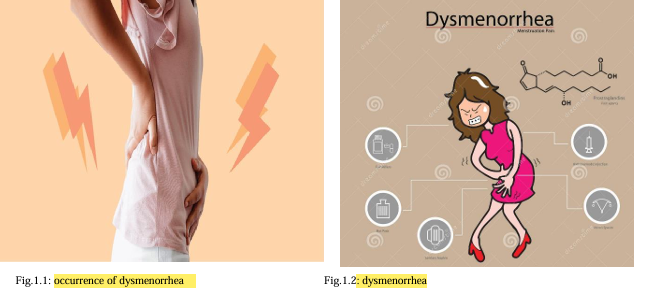
View Article

Abstract

One of the most prevalent gynecological conditions affecting women of reproductive age is dysmenorrhea, or unpleasant menstruation. Women's physical, mental, and social well-being are greatly impacted, and it frequently results in a dependence on synthetic drugs that only offer short-term comfort. While NSAIDs and hormonal therapy are examples of conventional treatments that offer symptomatic relief, their side effects and questionable long-term safety have prompted research into herbal alternatives. By using multi-target techniques to address the underlying causes of menstruation pain, herbal therapy provides a comprehensive and natural solution. Using herbal formulations to treat dysmenorrhea is a promising way to combine traditional knowledge with contemporary pharmaceutical technologies. Both patient compliance and bioavailability can be enhanced by herbal treatments. In order to develop standardized herbal therapies for the treatment of dysmenorrhea, the study ends with suggestions for quality control, clinical validation, and sustainable sourcing. This review looks on the creation of innovative herbal dose forms intended to safely and successfully reduce menstrual pain. It highlights important medicinal plants that support reproductive health and have analgesic, anti-spasmodic, and hormone-balancing properties. The study focuses on integrative methods that incorporate safe dosage design, modern pharmacological validation, and conventional formulations. This review advances the more general objective of empowering women's health through natural therapies by promoting sustainable and evidence-based herbal innovation.

Keywords

Dysmenorrhea, herbal therapy, medicinal plants, analgesic, anti-spasmodic, hormone-balancing, clinical validation, reproductive health, innovative dosage forms.

Introduction

Up to 95% of women who menstruate experience menstrual pain, sometimes referred to as dysmenorrhea [1]. In clinical practice and literature, the phrases "menstrual pain" and "dysmenorrhea" are frequently used interchangeably. They describe a dull, throbbing, cramp-like discomfort that typically originates in the lower abdomen and happens either before or during menstruation.[2] as well as from the variety of dysmenorrhea definitions. "The need for medication and the inability to function normally in the latter situation" is the suggested contrast between dysmenorrhea and typical menstrual cramps. Painful periods were more frequently reported than difficult periods, according to a recent large-scale survey [3]. Dysmenorrhea is one of the most prevalent causes of pelvic discomfort and has a greater burden than any other gynecological condition [4].[5] About 45–95% of young women in the reproductive age range who are in their active productive stage of life suffer with dysmenorrhea. Menstrual pain affects 84.2% of people in India, and 2–29% of them have severe pain that interferes with their ability to study or work. [6, 7] The symptoms typically begin in adolescence and can lead to absenteeism from work and school as well as limitations on social, academic, and physical activities.[8] Approximately 71.1% of women in another study by Armour et al. reported having menstruation pain, regardless of the economic standing of the nation they were living in. 40.9% of female students expressed dissatisfaction with their performance in the classroom as well as their inability to focus during class. These represent 20.1% of students who consistently missed class because of dysmenorrhea symptoms. [9]


Classification of dysmenorrhea [10-18]

Patients with primary dysmenorrhea typically have normal findings. A locked uterus or decreased uterine mobility, adnexal masses, and uterosacral nodularity in endometriosis patients, mucopurulent cervical discharge in PID patients, and uterine enlargement or asymmetry in adenomyosis patients are among the findings in patients with secondary dysmenorrhea.[10] Dysmenorrhea primary: - Painful menstruation without any indication of hormonal or anatomic (pelvic) disease is known as primary dysmenorrhea. Among women of reproductive age, it is one of the most common and significant complaints [11].
The quality of life is significantly impacted by primary dysmenorrhea, which frequently leads to increased healthcare needs, decreased productivity, and absenteeism from work or school. [12] The pain typically starts a few hours prior to or immediately following menstruation and lasts for 48 to 72 hours [13]. The underlying cause of primary dysmenorrhea is not entirely understood. However, an increase in uterine tone and high-amplitude contractions have been found to be caused by an overabundance of uterine prostaglandins, specifically PGF2a and PGF2 [14]. Dysmenorrhea secondary: - Certain pelvic pathologies cause secondary dysmenorrhea. Until proven otherwise, elder women without a history of dysmenorrhea should be suspected.[15] Patients having a family history of endometriosis in first-degree relatives are more likely to have secondary dysmenorrhea; a family history may be useful in distinguishing between primary and secondary dysmenorrhea.[16] Endometriosis is the most frequent cause of secondary dysmenorrhea, which affects 10% of young adults and adolescents with dysmenorrhea [17]. Menorrhagia, intermenstrual bleeding, dyspareunia, postcoital bleeding, and infertility are among the symptoms. The most frequent cause of secondary dysmenorrhea is endometriosis. [18]

Risk Factors [19-28]

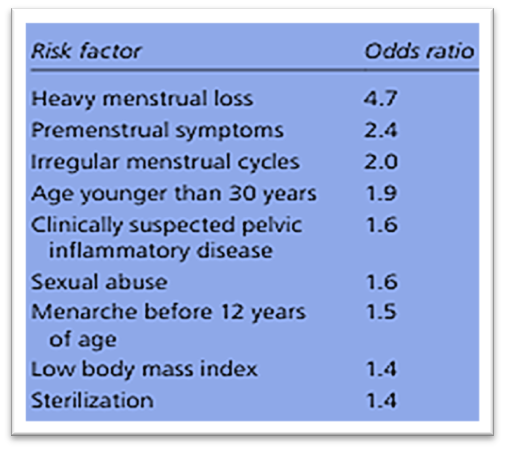
It is somewhat nonsensical to refer to dysmenorrhea as a central sensitization syndrome, as that would imply that 40–90% of women have an aberrant physiological state, even if we and others have discovered evidence linking dysmenorrhea to a higher chance of developing a chronic pelvic pain syndrome. [19, 20] Risk factors for primary dysmenorrhea can be classified as either behavioral or non-modifiable. A family history of dysmenorrhea, being under 20 (the symptoms are more noticeable throughout adolescence), menarche before age 12 (because ovulatory cycles are established earlier), menstrual flow lasting more than seven days, and nulliparity are examples of non-modifiable risk factors. [21, 22, 23, 24, 25, 26] A number of hypotheses, including reduced prostaglandin release by the endometrium following a term delivery, neuronal degeneration in the uterus following a term delivery, and decreased uterine norepinephrine during the third trimester of pregnancy, can account for the correlation between multiparity and a lower risk of dysmenorrhea.[27] Since these behavioral characteristics can be addressed, it is critical to identify them. [21, 22, 23, 24, 25, 26] Stress prevents luteinizing and follicle-stimulating hormones from being released, which impairs follicular development and changes the production and release of progesterone, which affects prostaglandin activity. Additionally, prostaglandin production and myometrial binding are influenced by stress-related chemicals such cortisol and adrenaline.[27]


Table 1 lists risk factors for the development of dysmenorrhea [28]


Differential Diagnosis of Dysmenorrhea: -
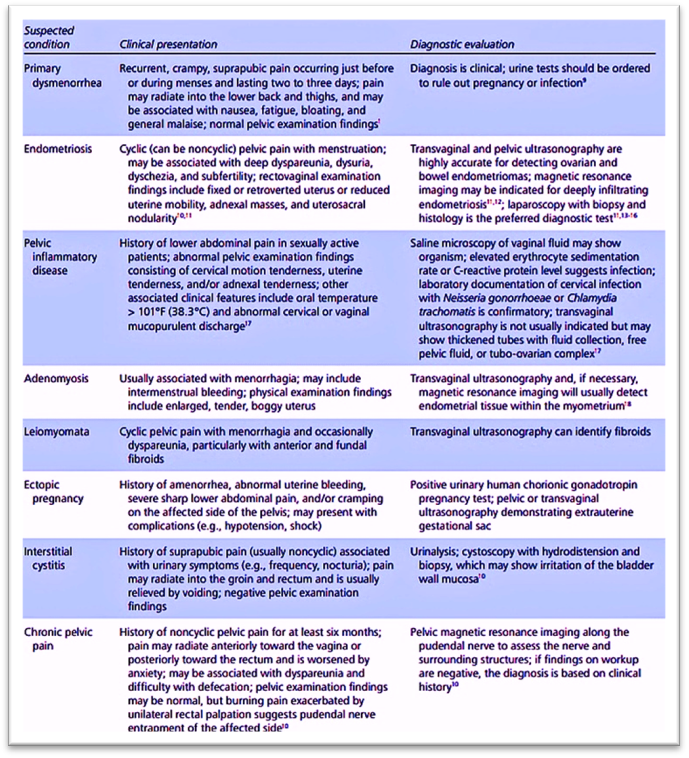


Figure 2 Information from references 30 and 39


Why Herbal[40-43]?

The term "herbal" often refers to goods that are derived from plants and utilized for therapeutic purposes. Alkaloids, polyphenols, flavonoids, terpenes, and phenols—all of which have therapeutic effects on the body—are among the bioactive molecules that make up these substances. In an effort to identify their biological uses, the disciplines of pharmacognosy, phytochemistry, and pharmacology are attempting to separate and comprehend these bioactive substances present in medicinal plants. To explore the possibilities, research is essential. including the antibacterial, antioxidant, antimicrobial, and calming effects of herbal medicine for certain medical disorders. Many civilizations have a long history of using herbal remedies to treat menstruation problems. The term "herbal" often refers to goods that are derived from plants and utilized for therapeutic purposes. Alkaloids, polyphenols, flavonoids, terpenes, and phenols—all of which have therapeutic effects on the body—are among the bioactive molecules that make up these substances. In an effort to identify their biological uses, the disciplines of pharmacognosy, phytochemistry, and pharmacology are attempting to separate and comprehend these bioactive substances present in medicinal plants. To explore the possibilities, research is essential. including the antibacterial, antioxidant, antimicrobial, and calming effects of herbal medicine for certain medical disorders. Many civilizations have a long history of using herbal remedies to treat menstruation problems. Primary dysmenorrhea may be effectively treated with herbal treatments. Finding a treatment for primary dysmenorrhea is becoming more and more important, despite the fact that many studies have been done on the analgesic effects of plant extracts.[42] and frequently include natural essential oils that improve skin penetration and provide additional therapeutic benefits like muscle relief, relaxation, and cooling.[43]

Management of dysmenorrhea

can be carried out both non-pharmacologically and pharmacologically. Analgesics, hormone therapy, prostaglandin nonsteroidal drugs, and lactical canal lactation are examples of pharmacological treatment options for menstrual pain; vitamin E supplements, acupuncture, hypnotherapy, and herbal products that have been shown to be beneficial are examples of nonpharmacological treatment options. [44] Localized heat, medicine, thiamin, vitamin E, fish oil supplements, acupuncture, and transcutaneous nerve stimulation are just a few of the techniques utilized today to treat and manage pain and symptoms. These medications, including mefenamic acid and ibuprofen, have side effects, just like many pharmacological treatments. Particularly when synthetic drugs are prescribed for a long time, the adverse effects become apparent.Nausea, stomach discomfort, ulcers, gastrointestinal issues, renal papillary necrosis, and renal blood flow are among the side effects of prostaglandin production inhibitors. The adverse effects of these drugs have drawn special attention to the use of complementary therapies, such as nutrients or herbs, in the treatment of primary dysmenorrhea or related issues. [45] The most prevalent and biologically active prostaglandin in mammals is prostaglandin E2, or dinoprostone. Prostaglandin E synthase, which has at least three physically and physiologically different variants, produces it from PGH2. The primary enzyme in the production of PGE2 appears to be microsomal prostaglandin E synthase-1 (mPGES1).

Endoperoxide F reductase can produce prostaglandin F2 directly from PGH2, although PGE 9-ketoreductase often produces it from PGE2 [46].

CONCLUSION

In conclusion, dysmenorrhea is still a very common and crippling illness that negatively affects women's productivity, education, and quality of life worldwide. While traditional therapies like NSAIDs provide comfort, their adverse effects highlight the urgent need for safer substitutes, especially when used over an extended period of time. Dysmenorrhea is still a common gynecological disorder that has a substantial negative influence on women's productivity and quality of life globally. Despite their effectiveness, conventional treatments can have unfavorable side effects and limits, which makes safer, natural options necessary.  In the end, herbal therapies offer a practical and possibly less costly substitute for prescription medications. This research provides compelling evidence that herbal formulations are a practical and successful natural remedy for menstruation discomfort and related symptoms. Bioactive substances with analgesic, anti-spasmodic, and anti-inflammatory properties are frequently found in herbal remedies, which have their roots in ancient wisdom. They are a very appealing choice because of their potential to reduce symptoms and improve general wellbeing with fewer side effects. To properly incorporate certain herbal compounds into contemporary dysmenorrhea care procedures, future research must concentrate on clarifying their precise mechanisms of action and confirming their effectiveness. The creation and evaluation of innovative, necessary, and comparable items exhibits significant potential for delivering focused, practical, and efficient relief.

REFERENCES

  1. Berkley KJ. Primary dysmenorrhea: an urgent mandate. Pain Clin Updates. 2013;21(3):1–7.
  2. Harel Z. Dysmenorrhea in adolescents and young adults: etiology and management. J Pediatr Adolesc Gynecol. 2006;19(6):363–371.
  3. Santer M, Warner P, Wyke S. A Scottish postal survey suggested that the prevailing clinical preoccupation with heavy periods does not reflect the epidemiology of reported symptoms and problems. J Clin Epidemiol. 2005;58(11):1206–1210.
  4. Patel, V.; Tanksale, V.; Sahasrabhojanee, M.; Gupte, S.; Nevrekar, P. The Burden and Determinants of Dysmenorrhoea: A Population-based Survey of 2262 Women in Goa, India. BJOG Int. J. Obstet. Gynaecol. 2006, 113, 453–463. [CrossRef] [PubMed]
  5. Nasir L, Bope ET. Management of pelvic pain from dys menorrhea or endometriosis. J Am Board Fam Pract. 2004;17(suppl):S43-S47.
  6. Nohara M, Momoeda M, Kubota T, Nakabayashi M. Menstrual cycle and menstrual pain problems and related risk factors among Japanese female 2011;49(2):228-34. workers. Ind Health. doi: 10.2486/indhealth.ms1047. Epub 2010 Dec 16. PMID: 21173526
  7. Balbi C, Musone R, Menditto A, Di Prisco L, Cassese E, D’Ajello M, Ambrosio D, Cardone A. Influence of menstrual factors and dietary habits on menstrual pain in adolescence age. European journal of obstetrics & gynecology and reproductive 1;91(2):
  8. Banikarim C, Chacko MR, Kelder SH. Prevalence and impact of dysmenorrhea on Hispanic female adolescents. Arch Pediatr Adolesc Med. 2000;154(12):1226-1229.
  9.  Armour M, Ferfolja T, Curry C, Hyman MS, Parry K, Chalmers KJ, et al. The prevalence and educational impact of pelvic and menstrual pain in Australia: an national online survey of 4202 young women aged 13–25 years. J Pediatr Adolesc Gynecol [Internet]. 2020;33(5):511 8.s . https://doi.org/10.1016/j.jpag.2020.06.007.
  10. . Fall M, Baranowski AP, Fowler CJ, et al.; European Asso ciation of Urology. EAU guidelines on chronic pelvic pain. Eur Urol. 2004;46(6):681-689.
  11. . Abd-El-Maeboud, K.H.I.; Kortam, M.A.M.F.; Ali, M.S.; Ibrahim, M.I.; Mohamed, R.M.M.Z. A Preliminary Pilot Randomized Crossover Study of Uzara (Xysmalobium undulatum) versus Ibuprofen in the Treatment of Primary Dysmenorrhea. PLoS ONE 2014, 9, e104473. [CrossRef]
  12. Dawood MY. Nonsteroidal anti?inflammatory drugs and changing attitudes toward dysmenorrhea. Am J Med. 1988;84:23–9. https://doi.org/10.1016/0002? 9343(88)90473?1
  13. Berkley, K.J.; McAllister, S.L. Don’t Dismiss Dysmenorrhea! Pain 2011, 152, 1940–1941. [CrossRef]
  14. Iacovides, S.; Avidon, I.; Baker, F.C. What We Know about Primary Dysmenorrhea Today: A Critical Review. Hum. Reprod. Update 2015, 21, 762–778. [CrossRef]
  15. Latthe P, Mignini L, Gray R, Hills R, Khan K. Factors predisposing women to chronic pelvic pain: systematic review. BMJ. 2006;332(7544):749-755.
  16. Proctor M, Farquhar C. Diagnosis and management of dysmenorrhoea. BMJ. 2006;332(7550):1134-1138.
  17. Harel Z. Dysmenorrhea in adolescents and young adults: etiology and management. J Pediatr Adolesc Gynecol. 2006;19(6):363-371.
  18. French L. Dysmenorrhea in adolescents: diagnosis and treatment. Paediatr Drugs. 2008;10(1):1-7.
  19. Zondervan KT, Yudkin PL, Vessey MP, Jenkinson CP, Dawes MG, Barlow DH, et al. Chronic pelvic pain in the community--symptoms, investigations, and diagnoses. Am J Obstet Gynecol. 2001;184:1149–55. 10.1067/mob.2001.112904 [PubMed: 11349181]
  20. Westling AM, Tu FF, Griffith JW, Hellman KM. The association of dysmenorrhea with noncyclic pelvic pain accounting for psychological factors. Am J Obstet Gynecol 2013;209:422.e1–422.e10. 10.1016/j.ajog.2013.08.020 [PubMed: 23973396]
  21. Iacovides S, Avidon I, Baker FC. What we know about primary dysmenorrhea today: a critical review. Hum Reprod Update. 2015;21(06):762–778. Doi: 10.1093/humupd/dmv039
  22. Burnett M,LemyreM.No.345-primarydysmenorrheaconsensus guideline. J Obstet  Gynaecol Can. 2017;39(07):585–595. Doi: 10.1016/j.jogc.2016.12.023
  23. FrenchL.Dysmenorrhea.AmFamPhysician.2005;71(02):285–291
  24. French L. Dysmenorrhea in adolescents: diagnosis and treatment. Paediatr Drugs. 2008;10(01):1–7.Doi:10.2165/00148581-2008100 10-00001
  25. RyanSA. The treatment of dysmenorrhea. Pediatr Clin North Am. 2017;64(02):331–342. Doi: 10.1016/j.pcl.2016.11.004
  26. Yu A. Complementary and alternative treatments for primary dysmenorrhea in adolescents. Nurse Pract. 2014;39(11):1–12. Doi: 10.1097/01.NPR.0000454984.19413.28
  27. Ju H, Jones M, Mishra G. The prevalence and risk factors of dysmenorrhea. Epidemiol Rev. 2014;36:104–113. Doi: 10.1093/ epirev/mxt009
  28. Latthe P, Mignini L, Gray R, Hills R, Khan K. Factors predisposing women to chronic pelvic pain: systematic review. BMJ. 2006;332(7544):749-755.
  29. Proctor M, Farquhar C. Diagnosis and management of dysmenorrhoea. BMJ. 2006;332(7550):1134-1138.
  30. Dawood MY. Primary dysmenorrhea: advances in pathogenesis and management. Obstet Gynecol. 2006; 108(2):428-441.
  31. Fall M, Baranowski AP, Fowler CJ, et al.; European Asso ciation of Urology. EAU guidelines on chronic pelvic pain. Eur Urol. 2004;46(6):681-689.
  32. Leyland N, Casper R, Laberge P, Singh SS; SOGC. Endo metriosis: diagnosis and management. J Obstet Gynae col Can. 2010;32(7 suppl 2):S1-S32.
  33. Saccardi C, Cosmi E, Borghero A, Tregneghi A, Dessole S, Litta P. Comparison between transvaginal sonography, saline contrast sonovaginography and magnetic reso nance imaging in the diagnosis of posterior deep infil trating endometriosis. Ultrasound Obstet Gynecol. 2012;40(4):464-469.
  34. Eskenazi B, Warner M, Bonsignore L, Olive D, Samuels S, Vercellini P. Validation study of nonsurgical diagnosis of endometriosis. Fertil Steril. 2001;76(5):929-935.
  35. Hori Y; SAGES Guidelines Committee. Diagnostic lapa roscopy guidelines. Surg Endosc. 2008;22(5):1353-1383.
  36. American Institute of Ultrasound in Medicine. AIUM prac tice guideline for the performance of pelvic ultrasound examinations. J Ultrasound Med. 2010;29(1):166-172.
  37.  Hudelist G, English J, Thomas AE, Tinelli A, Singer CF, Keckstein J. Diagnostic accuracy of transvaginal ultra sound for non-invasive diagnosis of bowel endometrio sis: systematic review and meta-analysis. Ultrasound Obstet Gynecol. 2011;37(3):257-263.
  38. Workowski KA, Berman S; Centers for Disease Control and Prevention. Sexually transmitted diseases treat ment guidelines, 2010 [published correction appears in MMWR Recomm Rep. 2011;60(1):18]. MMWR Recomm Rep. 2010;59(RR-12):1-110.
  39. Benagiano G, Brosens I, Carrara S. Adenomyosis: new knowledge is generating new treatment strategies. Womens Health (Lond Engl). 2009;5(3):297-311.
  40. Clanton, M. A. (Year of completion). Menopause: Understanding and Managing the Transition Using Essential Oils vs. Traditional Allopathic Medicine [Diploma thesis, Australasian College of Health Sciences].
  41. Miguel MG, Cruz C, Faleiro L, Simoes MT, Figueiredo AC and Barroso JG. Foeniculum vulgare essential oils: chemical composition, antioxidant and antimicrobial activities. Nat. Prod. Commun. (2010) 5: 319-328
  42. Lantz, R.C.; Chen, G.J.; Solyom, A.M.; Jolad, S.D.; Timmermann, B.N. The Effect of Turmeric Extracts on Inflammatory Mediator Production. Phytomedicine 2005, 12, 445–452. [CrossRef]
  43. Surjushe A, Vasani R, Saple DG. Aloe vera: skin and health. Indian J Dermatol., 2008; 53(4):  0 163-6.
  44. Utami,R.B.; Damayanti, D.F.; Rodiah, D. The Effectiveness of Curcuma Longa Drink in Decreasing the Intensity of Dysmenorrhea. Biomed. Pharmacol. J. 2020, 13, 2055–2060. [CrossRef]
  45. Bahmani, M.; Eftekhari, Z.; Jelodari, M.; Saki, K.; Abdollahi, R.; Majlesi, M.; Rafieian Kopaei, M.; Rasouli, S. Effect of Iranian Herbal Medicines in Dysmenorrhea Phytotherapy. J. Chem. Pharm. Res. 2015, 7, 519–526
  46. Zhang, Y.; Cao, H.; Yu, Z.; Peng, H.-Y.; Zhang, C. Curcumin Inhibits Endometriosis Endometrial Cells by Reducing Estradiol Production. Iran. J. Reprod. Med. 2013, 11, 415. [PubMed]   

Reference

  1. Berkley KJ. Primary dysmenorrhea: an urgent mandate. Pain Clin Updates. 2013;21(3):1–7.
  2. Harel Z. Dysmenorrhea in adolescents and young adults: etiology and management. J Pediatr Adolesc Gynecol. 2006;19(6):363–371.
  3. Santer M, Warner P, Wyke S. A Scottish postal survey suggested that the prevailing clinical preoccupation with heavy periods does not reflect the epidemiology of reported symptoms and problems. J Clin Epidemiol. 2005;58(11):1206–1210.
  4. Patel, V.; Tanksale, V.; Sahasrabhojanee, M.; Gupte, S.; Nevrekar, P. The Burden and Determinants of Dysmenorrhoea: A Population-based Survey of 2262 Women in Goa, India. BJOG Int. J. Obstet. Gynaecol. 2006, 113, 453–463. [CrossRef] [PubMed]
  5. Nasir L, Bope ET. Management of pelvic pain from dys menorrhea or endometriosis. J Am Board Fam Pract. 2004;17(suppl):S43-S47.
  6. Nohara M, Momoeda M, Kubota T, Nakabayashi M. Menstrual cycle and menstrual pain problems and related risk factors among Japanese female 2011;49(2):228-34. workers. Ind Health. doi: 10.2486/indhealth.ms1047. Epub 2010 Dec 16. PMID: 21173526
  7. Balbi C, Musone R, Menditto A, Di Prisco L, Cassese E, D’Ajello M, Ambrosio D, Cardone A. Influence of menstrual factors and dietary habits on menstrual pain in adolescence age. European journal of obstetrics & gynecology and reproductive 1;91(2):
  8. Banikarim C, Chacko MR, Kelder SH. Prevalence and impact of dysmenorrhea on Hispanic female adolescents. Arch Pediatr Adolesc Med. 2000;154(12):1226-1229.
  9.  Armour M, Ferfolja T, Curry C, Hyman MS, Parry K, Chalmers KJ, et al. The prevalence and educational impact of pelvic and menstrual pain in Australia: an national online survey of 4202 young women aged 13–25 years. J Pediatr Adolesc Gynecol [Internet]. 2020;33(5):511 8.s . https://doi.org/10.1016/j.jpag.2020.06.007.
  10. . Fall M, Baranowski AP, Fowler CJ, et al.; European Asso ciation of Urology. EAU guidelines on chronic pelvic pain. Eur Urol. 2004;46(6):681-689.
  11. . Abd-El-Maeboud, K.H.I.; Kortam, M.A.M.F.; Ali, M.S.; Ibrahim, M.I.; Mohamed, R.M.M.Z. A Preliminary Pilot Randomized Crossover Study of Uzara (Xysmalobium undulatum) versus Ibuprofen in the Treatment of Primary Dysmenorrhea. PLoS ONE 2014, 9, e104473. [CrossRef]
  12. Dawood MY. Nonsteroidal anti?inflammatory drugs and changing attitudes toward dysmenorrhea. Am J Med. 1988;84:23–9. https://doi.org/10.1016/0002? 9343(88)90473?1
  13. Berkley, K.J.; McAllister, S.L. Don’t Dismiss Dysmenorrhea! Pain 2011, 152, 1940–1941. [CrossRef]
  14. Iacovides, S.; Avidon, I.; Baker, F.C. What We Know about Primary Dysmenorrhea Today: A Critical Review. Hum. Reprod. Update 2015, 21, 762–778. [CrossRef]
  15. Latthe P, Mignini L, Gray R, Hills R, Khan K. Factors predisposing women to chronic pelvic pain: systematic review. BMJ. 2006;332(7544):749-755.
  16. Proctor M, Farquhar C. Diagnosis and management of dysmenorrhoea. BMJ. 2006;332(7550):1134-1138.
  17. Harel Z. Dysmenorrhea in adolescents and young adults: etiology and management. J Pediatr Adolesc Gynecol. 2006;19(6):363-371.
  18. French L. Dysmenorrhea in adolescents: diagnosis and treatment. Paediatr Drugs. 2008;10(1):1-7.
  19. Zondervan KT, Yudkin PL, Vessey MP, Jenkinson CP, Dawes MG, Barlow DH, et al. Chronic pelvic pain in the community--symptoms, investigations, and diagnoses. Am J Obstet Gynecol. 2001;184:1149–55. 10.1067/mob.2001.112904 [PubMed: 11349181]
  20. Westling AM, Tu FF, Griffith JW, Hellman KM. The association of dysmenorrhea with noncyclic pelvic pain accounting for psychological factors. Am J Obstet Gynecol 2013;209:422.e1–422.e10. 10.1016/j.ajog.2013.08.020 [PubMed: 23973396]
  21. Iacovides S, Avidon I, Baker FC. What we know about primary dysmenorrhea today: a critical review. Hum Reprod Update. 2015;21(06):762–778. Doi: 10.1093/humupd/dmv039
  22. Burnett M,LemyreM.No.345-primarydysmenorrheaconsensus guideline. J Obstet  Gynaecol Can. 2017;39(07):585–595. Doi: 10.1016/j.jogc.2016.12.023
  23. FrenchL.Dysmenorrhea.AmFamPhysician.2005;71(02):285–291
  24. French L. Dysmenorrhea in adolescents: diagnosis and treatment. Paediatr Drugs. 2008;10(01):1–7.Doi:10.2165/00148581-2008100 10-00001
  25. RyanSA. The treatment of dysmenorrhea. Pediatr Clin North Am. 2017;64(02):331–342. Doi: 10.1016/j.pcl.2016.11.004
  26. Yu A. Complementary and alternative treatments for primary dysmenorrhea in adolescents. Nurse Pract. 2014;39(11):1–12. Doi: 10.1097/01.NPR.0000454984.19413.28
  27. Ju H, Jones M, Mishra G. The prevalence and risk factors of dysmenorrhea. Epidemiol Rev. 2014;36:104–113. Doi: 10.1093/ epirev/mxt009
  28. Latthe P, Mignini L, Gray R, Hills R, Khan K. Factors predisposing women to chronic pelvic pain: systematic review. BMJ. 2006;332(7544):749-755.
  29. Proctor M, Farquhar C. Diagnosis and management of dysmenorrhoea. BMJ. 2006;332(7550):1134-1138.
  30. Dawood MY. Primary dysmenorrhea: advances in pathogenesis and management. Obstet Gynecol. 2006; 108(2):428-441.
  31. Fall M, Baranowski AP, Fowler CJ, et al.; European Asso ciation of Urology. EAU guidelines on chronic pelvic pain. Eur Urol. 2004;46(6):681-689.
  32. Leyland N, Casper R, Laberge P, Singh SS; SOGC. Endo metriosis: diagnosis and management. J Obstet Gynae col Can. 2010;32(7 suppl 2):S1-S32.
  33. Saccardi C, Cosmi E, Borghero A, Tregneghi A, Dessole S, Litta P. Comparison between transvaginal sonography, saline contrast sonovaginography and magnetic reso nance imaging in the diagnosis of posterior deep infil trating endometriosis. Ultrasound Obstet Gynecol. 2012;40(4):464-469.
  34. Eskenazi B, Warner M, Bonsignore L, Olive D, Samuels S, Vercellini P. Validation study of nonsurgical diagnosis of endometriosis. Fertil Steril. 2001;76(5):929-935.
  35. Hori Y; SAGES Guidelines Committee. Diagnostic lapa roscopy guidelines. Surg Endosc. 2008;22(5):1353-1383.
  36. American Institute of Ultrasound in Medicine. AIUM prac tice guideline for the performance of pelvic ultrasound examinations. J Ultrasound Med. 2010;29(1):166-172.
  37.  Hudelist G, English J, Thomas AE, Tinelli A, Singer CF, Keckstein J. Diagnostic accuracy of transvaginal ultra sound for non-invasive diagnosis of bowel endometrio sis: systematic review and meta-analysis. Ultrasound Obstet Gynecol. 2011;37(3):257-263.
  38. Workowski KA, Berman S; Centers for Disease Control and Prevention. Sexually transmitted diseases treat ment guidelines, 2010 [published correction appears in MMWR Recomm Rep. 2011;60(1):18]. MMWR Recomm Rep. 2010;59(RR-12):1-110.
  39. Benagiano G, Brosens I, Carrara S. Adenomyosis: new knowledge is generating new treatment strategies. Womens Health (Lond Engl). 2009;5(3):297-311.
  40. Clanton, M. A. (Year of completion). Menopause: Understanding and Managing the Transition Using Essential Oils vs. Traditional Allopathic Medicine [Diploma thesis, Australasian College of Health Sciences].
  41. Miguel MG, Cruz C, Faleiro L, Simoes MT, Figueiredo AC and Barroso JG. Foeniculum vulgare essential oils: chemical composition, antioxidant and antimicrobial activities. Nat. Prod. Commun. (2010) 5: 319-328
  42. Lantz, R.C.; Chen, G.J.; Solyom, A.M.; Jolad, S.D.; Timmermann, B.N. The Effect of Turmeric Extracts on Inflammatory Mediator Production. Phytomedicine 2005, 12, 445–452. [CrossRef]
  43. Surjushe A, Vasani R, Saple DG. Aloe vera: skin and health. Indian J Dermatol., 2008; 53(4):  0 163-6.
  44. Utami,R.B.; Damayanti, D.F.; Rodiah, D. The Effectiveness of Curcuma Longa Drink in Decreasing the Intensity of Dysmenorrhea. Biomed. Pharmacol. J. 2020, 13, 2055–2060. [CrossRef]
  45. Bahmani, M.; Eftekhari, Z.; Jelodari, M.; Saki, K.; Abdollahi, R.; Majlesi, M.; Rafieian Kopaei, M.; Rasouli, S. Effect of Iranian Herbal Medicines in Dysmenorrhea Phytotherapy. J. Chem. Pharm. Res. 2015, 7, 519–526
  46. Zhang, Y.; Cao, H.; Yu, Z.; Peng, H.-Y.; Zhang, C. Curcumin Inhibits Endometriosis Endometrial Cells by Reducing Estradiol Production. Iran. J. Reprod. Med. 2013, 11, 415. [PubMed]   

Photo
Suyash Salve
Corresponding author

Shivajirao S. Jondhle college of pharmacy, Thane, India

Photo
Pooja Surve
Co-author

Shivajirao S. Jondhle college of pharmacy, Thane, India

Photo
Chetna Mayekar
Co-author

Shivajirao S. Jondhle college of pharmacy, Thane, India

Photo
Pranay Sawant
Co-author

Shivajirao S. Jondhle college of pharmacy, Thane, India

Photo
Taskin Shaikh
Co-author

Shivajirao S. Jondhle college of pharmacy, Thane, India

Photo
Afsana Shaikh
Co-author

Shivajirao S. Jondhle college of pharmacy, Thane, India

Suyash Salve, Pooja Surve, Chetna Mayekar, Pranay Sawant, Afsana Shaikh, Taskin Shaikh, A Novel Approach on Review of Herbal Formulation to Relive Dysmenorrhea, Int. J. of Pharm. Sci., 2026, Vol 4, Issue 3, 3770-3777, https://doi.org/10.5281/zenodo.19281628

More related articles
Floating Drug Delivery System: A Review...
Shaikh Amaan Zahid, Quazi Majaz, Rehan Deshmukh, Shaikh Imran, G....
To Study Anthelmintic Activity of Herbal Drug...
Indra Mohan Kumar, Sana Nusrat Praween, ...
Formulation And Evaluation of Herbal Hair Dye Shampoo...
Arun Kumar K. V., Afiya, Asnah K. P., C.H. Shabna, Hajara, Mohammed Azharudheen P. A., ...
Quality Aspects of Herbal Drug and Their Formulation: Challenges, Standards, And...
Sakshi Jadhav, Aaquil Maaz, Sakshi Kadam, Vaishnavi Kanade, Sonali Somase, ...
Related Articles
Industrial Attachment Report On Royal Pharmaceuticals Company...
Sarita Rauniyar, Pradeep Kumar, Anil Gupta, Krishna Thakur, Ranjit Yadav, ...
The Integration of Traditional and Modern Medicine: Future Prospects for Pharmac...
Manojit Kundu, Shaheen Parveen, Meghna Chowdhury, Rishikesh Ishore, Atanu Bag, Souvik Bhattacharyya,...
In-Vitro Comparative Evaluation of Anti-Inflammatory Activity of Tinospora cordi...
Srinivas Thota, Varshitha A, B. Kalyani, Sk. Akthar, Thanga Balan B, Syed Sabreen, ...
Method Development and Validation of Gas Chromatography...
Kanchan Vetal, Monali Khatake, Ganesh Tupe, ...
More related articles
Floating Drug Delivery System: A Review...
Shaikh Amaan Zahid, Quazi Majaz, Rehan Deshmukh, Shaikh Imran, G. J. Khan, Mansoori Safwan Salim, ...
To Study Anthelmintic Activity of Herbal Drug...
Indra Mohan Kumar, Sana Nusrat Praween, ...
Floating Drug Delivery System: A Review...
Shaikh Amaan Zahid, Quazi Majaz, Rehan Deshmukh, Shaikh Imran, G. J. Khan, Mansoori Safwan Salim, ...
To Study Anthelmintic Activity of Herbal Drug...
Indra Mohan Kumar, Sana Nusrat Praween, ...